Kakigori Laboratory in Osaka serves modern kakigori, including Ichigo Ni Fallin’ Love Gori, with a quiet, casual setup suited to an all-day quick bite.

Pearl is the En Primeur Club membership app — saves, bookings, and concierge access live there. Same editors, same standards.
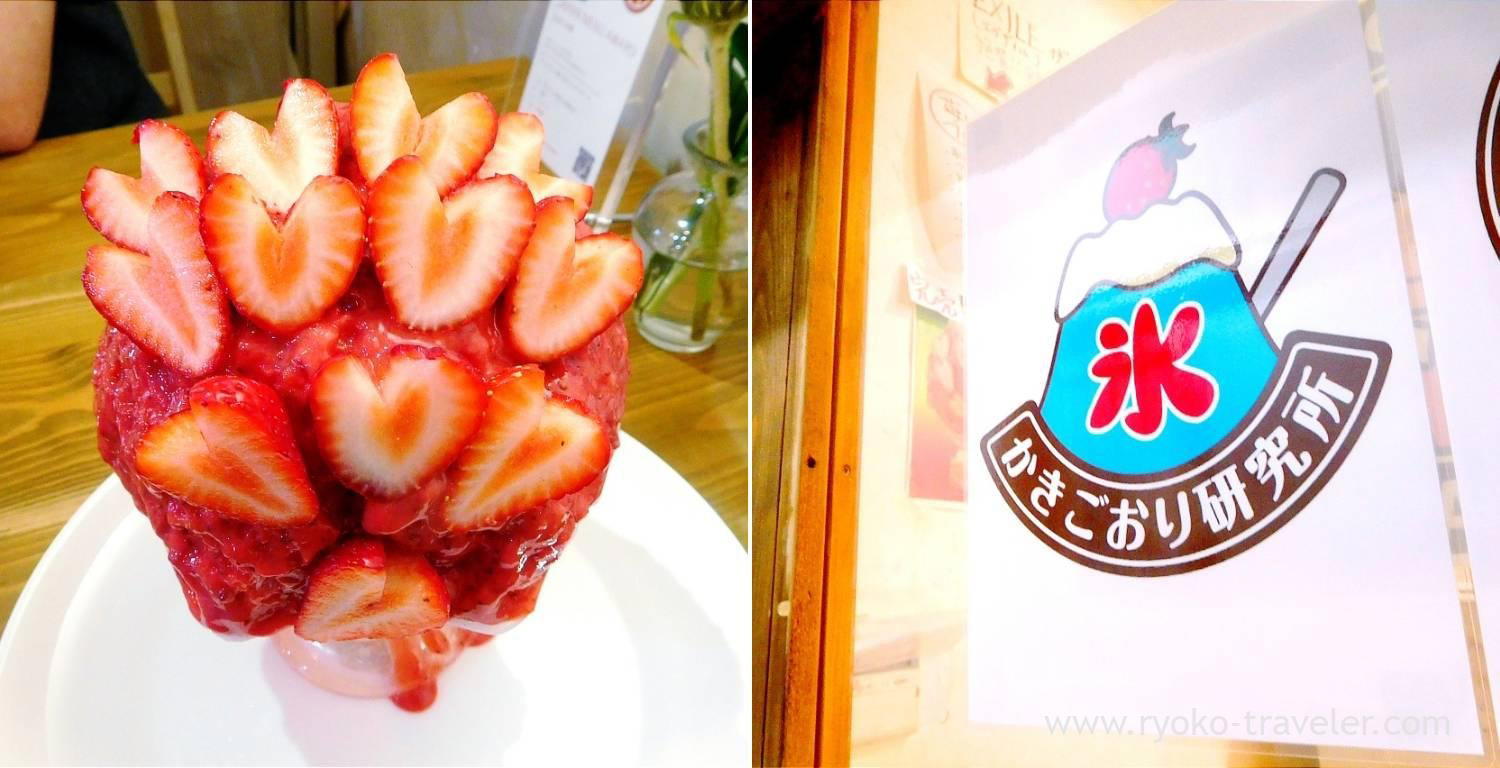
Where Osaka's Kakigori Tradition Gets Serious
Kakigori Laboratory is a restaurant in Osaka serving modern kakigori, or shaved ice, with a specialist approach. What was once a casual summer street food, served from carts near shrines and temple festivals, now occupies a more considered position in the city's dessert culture. Specialist kakigori venues have multiplied, with operators treating ice quality, syrup layering, and ingredient sourcing with the same discipline applied to the kaiseki courses served at Osaka institutions like Taian or Kashiwaya Osaka Senriyama. Kakigori Laboratory sits inside that more deliberate tier of the city's kakigori scene.
The name signals intent. This is not a parlour built around nostalgia or seasonal novelty. In a city where dining culture rewards precision, where French technique finds its Japanese register at places like HAJIME and La Cime, and where innovation has deep roots at Fujiya 1935, a venue using "laboratory" in its name is making a claim about methodology. The expectation it sets is one of process: controlled variables, repeatable results, deliberate craft.
The Ritual of Shaved Ice in Japan
To understand what a specialist kakigori venue is doing, it helps to understand what separates serious kakigori from its casual counterpart. The texture of the ice is the central variable. Mass-produced machines yield a coarser, wetter shave that collapses quickly; purpose-built equipment, often drawing on block ice cut from purified or mineral-rich water, produces a finer, lighter result that absorbs syrup without pooling. The difference is immediately apparent on the first spoonful: one melts into a cold puddle, the other dissolves on contact with the tongue and carries its flavour through to the last bite.
Serious kakigori also treats its syrups as culinary work. The Japanese kakigori tradition has always favoured clean, sharp flavour profiles, strawberry, matcha, hojicha, yuzu, but the specialist tier now infuses, reduces, and layers those syrups with the kind of attention a pastry chef gives to a sauce. Condensed milk, azuki bean paste, and seasonal fruit compotes appear as secondary layers embedded within the ice itself rather than poured over the surface. The construction sequence matters: what goes in first, what goes in between layers, and what sits on leading all affect how the bowl reads as it is eaten from the outside edge inward.
This eating ritual has its own pacing. You work around the circumference before moving toward the centre, where the temperature is coldest and the interior layers have had time to meld. Eating quickly flattens the experience; eating slowly, working the ice gradually, allows each layer to reveal itself at a different stage of melt. It is closer in form to tasting a constructed dessert course than to eating a refreshment. For those familiar with the dessert counter culture at venues like Gion Sasaki in Kyoto or the precision-led approach of Harutaka in Tokyo, the seriousness of that engagement will feel familiar.
Osaka's Dessert Culture in Context
Osaka sits in a slightly different position from Kyoto in Japan's dessert culture. Where Kyoto's wagashi tradition is centuries deep and tied to tea ceremony aesthetics, Osaka's sweets culture has always been more expressive, more commercially oriented, and more willing to absorb outside influence. That has made it receptive to the rise of kakigori as a contemporary specialty format rather than a folkloric one.
The city's broader food culture rewards this kind of specialism. Osaka diners are famously attentive to value and craft in equal measure, a combination that has historically produced dense concentrations of high-quality, focused restaurants at every price tier. The kakigori specialist operates in a format where the total spend per visit is modest relative to the multi-course restaurants nearby, but the level of ingredient and process attention is comparable. That compression of quality into an accessible format is substantially in keeping with how Osaka has always organised its food scene.
Visitors who want to understand how that same precision applies at the higher end of the city's dining register should look at the Michelin-tracked kaiseki and innovative dining options across Osaka, from the kaiseki counter format to French-Japanese fusion. For context on how specialist precision operates at the dessert and pastry level in other Japanese cities, the dining formats at akordu in Nara and Goh in Fukuoka offer useful comparison points. Beyond Japan, the discipline of highly controlled tasting formats at places like Atomix in New York City or the ingredient precision at Le Bernardin in New York City reflects the same underlying logic: that format discipline and sourcing rigour can refine even a brief eating experience into something worth planning around.
Planning a Visit
Kakigori in Japan has a strong seasonal association with summer, roughly June through September, though a growing number of specialist venues now operate year-round, adapting their flavour programs to winter fruit and warming ingredient profiles like hojicha and chestnut. Osaka's transit network makes the city easy to cross; the subway and Hankyu and Hanshin rail lines connect most areas efficiently, and Reservations are recommended. Specialist kakigori counters in Japan frequently operate without reservations and manage demand through walk-in queues, particularly at peak summer hours in the early afternoon.
For those building a broader Osaka itinerary around serious food, the city also supports some of Japan's most focused regional dining beyond its borders, including Birdland in Sakai and, further afield, Bistro Ange in Toyohashi. Within Japan's broader specialist food culture, venues in less-visited prefectures such as a focused counter in Nanao, a destination address in Sapporo, a regional specialist in Takashima, and a destination dining address in Nishikawa Machi reflect the same pattern of specialism distributed far beyond the major cities.
Style and Standing
Comparable venues nearby, for context on price, style, and recognition.
| Venue | Cuisine | Price | Notes |
|---|---|---|---|
| Kakigori LaboratoryThis venue — the venue you are viewing | Modern Kakigori (Shaved Ice) | $$$ | Not listed |
| Unagiya Unagi | Traditional Kansai-style unagi (eel) counter | $$$ | Yodogawa |
| San Bettei Kitashinchi ten | Okinawan Shabu-Shabu & Sukiyaki | $$$ | Kita |
| Wagyu no Kiraku | Traditional Wagyu Yakiniku & Yaki-shabu | $$$ | Kita |
| Yakiniku Kappa Kajioka | Traditional Yakiniku (Japanese BBQ) | $$$ | Toyonaka |
| Etchuya | Casual Neighborhood Sushi | $$$ | Nishinari |



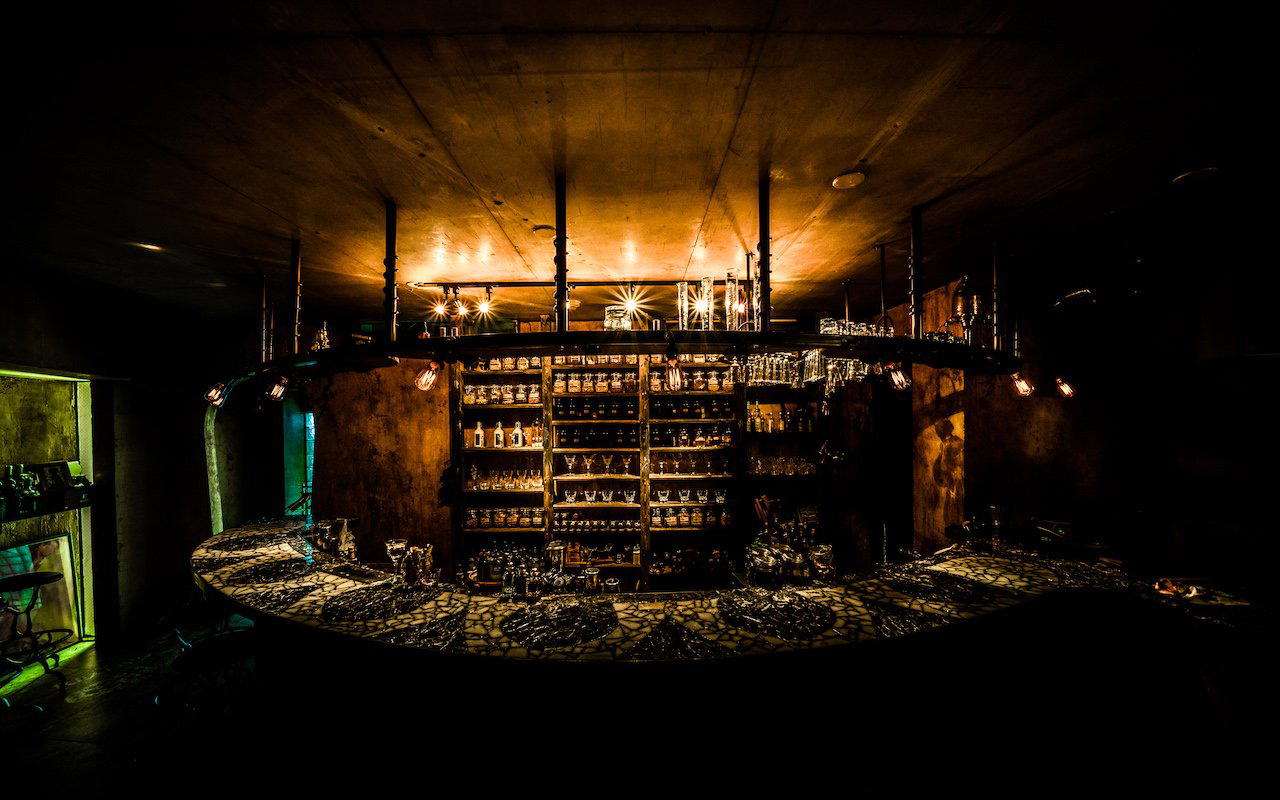
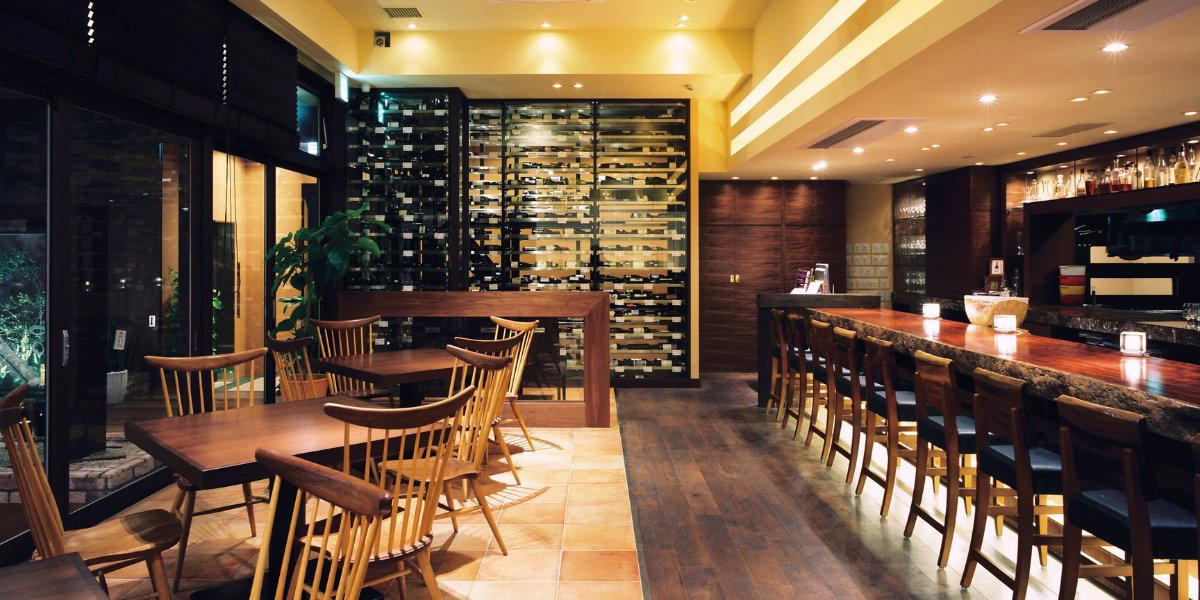
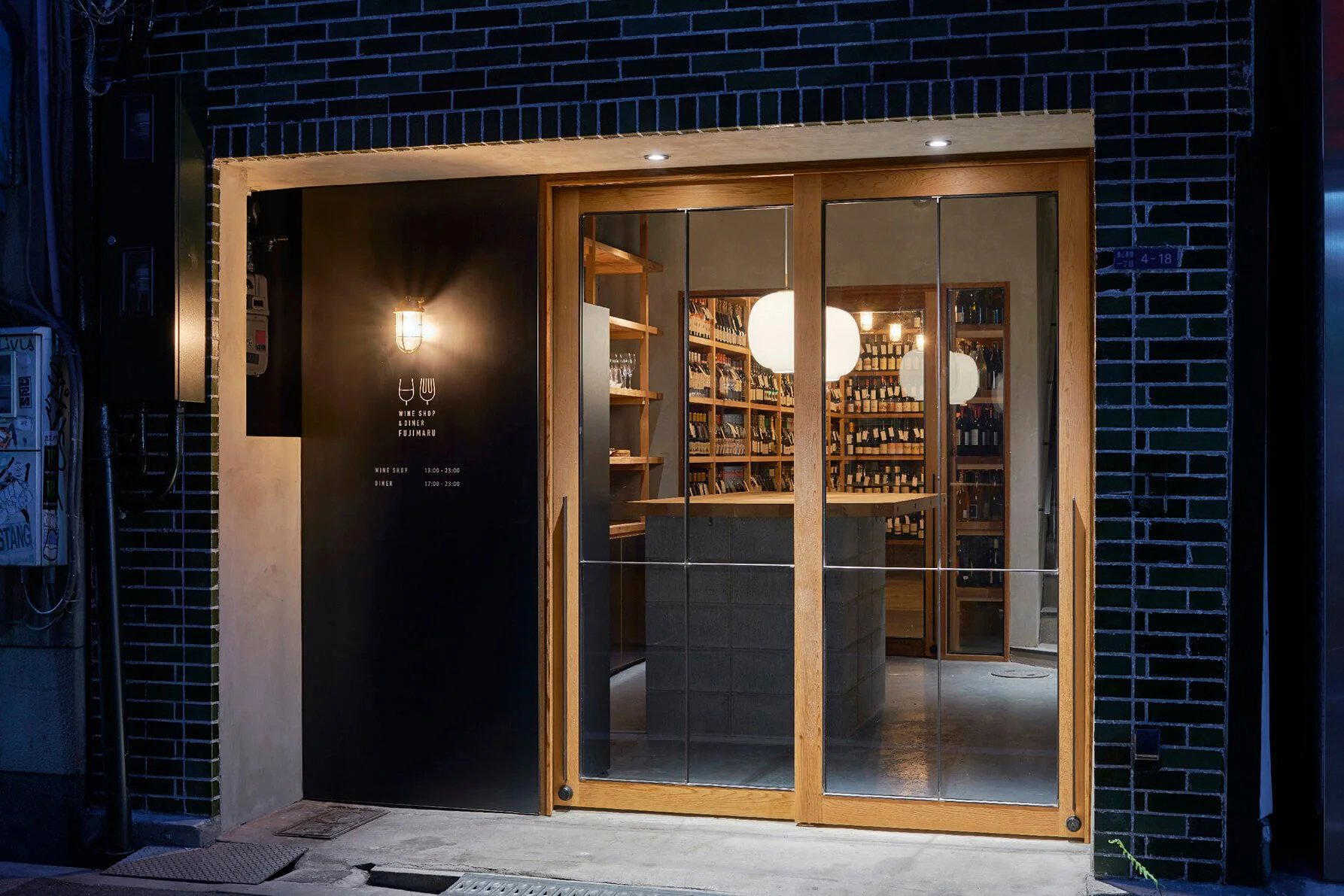






At a Glance
- Trendy
- Whimsical
- Modern
- Casual Hangout
- Solo
- Date Night
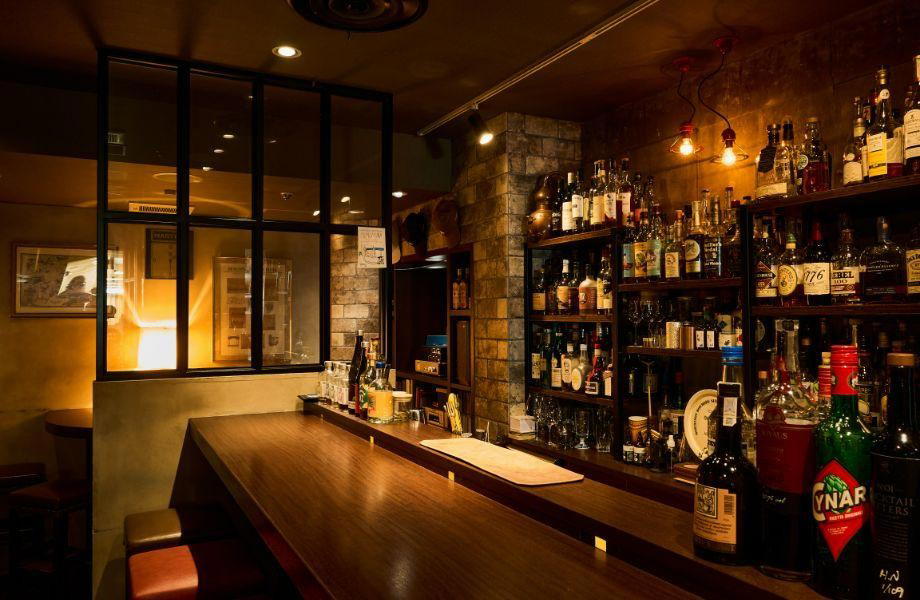
Cozy and unassuming upstairs spot in an old small building with visually striking, SNS-famous presentations.