
Etchuya sits in Osaka’s quieter sushi conversation: a small Kishinosato counter-and-table room with Tabelog 100 Sushi WEST 2025 recognition and a fish-led program supported by sake and shochu. Its appeal is less about spectacle than Osaka’s older neighbourhood dining grammar, where compact scale, cash-era habits, and restraint carry more weight than gloss.
Pearl is the En Primeur Club membership app — saves, bookings, and concierge access live there. Same editors, same standards.
- Address
- 1 Chome-4-1 Kishinosato, Nishinari Ward, Osaka, 557-0041, Japan
- Phone
- +81 6-6656-0363
- Website
- tabelog.com
 Saves & bookings on Pearl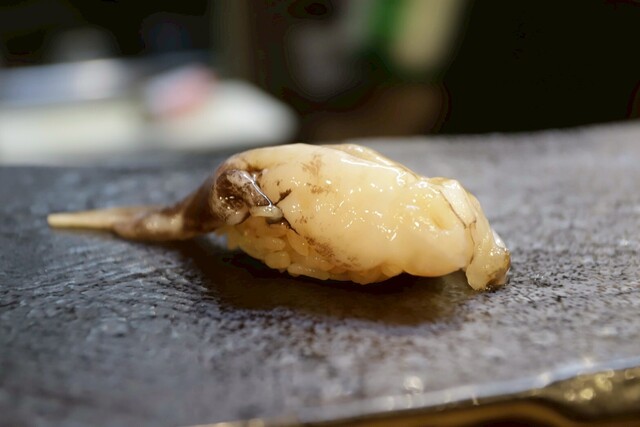
South Osaka changes register once the central shopping grids give way to Kishinosato and Tengachaya. Dining rooms here announce themselves softly: house-like facades, short walks from the station, regulars who read the room before the menu. Etchuya belongs to that Osaka, not the hotel-tower sushi circuit. Its compact room has counter seating and tables rather than pure omakase theatre, saying plenty about neighbourhood sushi in the city: serious fish, low ceremony, and a clientele that values access as much as polish.
Osaka’s sushi identity has never simply copied Tokyo’s Ginza model. The city has absorbed merchant-town pragmatism, family dining, late-evening drinking, and hybrid formats that would look informal beside capital-city counters. That context matters. Selection for Tabelog 100 Sushi WEST 2025 places Etchuya inside a regional sushi conversation, yet its grammar remains closer to a local house restaurant than a trophy counter built for culinary tourism. For travellers, the distinction is useful: not a pageant of luxury codes, but a compact sushi address shaped by everyday Osaka habits.
A small-room sushi format that reflects Osaka's current turn
Osaka dining has moved away from a single premium script. Central districts still pull visitors toward tasting-menu formality, while residential and transit-linked neighbourhoods support restaurants where craft folds into ordinary evening routines. Etchuya’s 14 seats, split between six counter seats and table seating, fit that pattern. The counter preserves sushi’s directness; tables widen the room’s social use, including meals with friends and families. In stricter high-end settings that mix might feel less natural, but in Osaka it reads as durable informality.
The Tabelog listing notes a focus on fish, sake, shochu, and sake selection, pointing to a classic Kansai dinner rhythm rather than course-by-course performance. Sushi sits in conversation with drinking culture, not apart from it. Take-out further signals an identity not confined to one luxury-service model. In a city where commuters, regulars, and food-focused travellers share counters, that flexibility is not a dilution of seriousness; it helps keep Osaka’s sushi scene more varied than its reputation suggests.
Recognition has changed how small restaurants are read from outside Japan. A Tabelog 100 selection can turn a neighbourhood address into a visitor target, but the stronger interpretation is competitive rather than promotional. Etchuya’s 2025 Sushi WEST selection and 3.68 Tabelog score mark it as serious within western Japan’s sushi field, not an internationalized temple of scarcity. Compared with nearby Osaka options such as Revo Honten, Oden Marukome, Shinfuji Honten, and Itamae Yakiniku Itto Tengachaya honten, the point is category contrast: sushi at this tier asks for different attention than cutlet, oden, budget lunch, or yakiniku. The meal is quieter, narrower, and more dependent on sequence, temperature, and the diner’s pace.
Kishinosato gives the meal its frame
Kishinosato and Tengachaya sit outside the usual first-pass visitor map of Osaka dining, and that geography shapes expectation. South of the city’s more photographed restaurant zones, the area has a working-neighbourhood cadence rather than destination-dining choreography. For sushi, that can help. The room need not over-explain itself, and the streets keep the experience grounded in a local evening rather than a special-occasion procession.
The house-restaurant description matters because it sets the meal in a domestic-scale register. Osaka has restaurants built around speed, queues, and volume; it also has small rooms with tighter social contracts. Etchuya’s prohibition on mobile phones is not decorative. It signals a room where attention is part of the format and interruption weakens the experience. In current dining culture, that feels less like nostalgia than a practical defense of a small space.
The absence of private rooms and presence of counter seating clarify the choice. This is not for diners seeking separation from the room. It suits those who prefer a compact, shared atmosphere and sushi connected to neighbourhood life. Children are welcomed, again placing the restaurant outside the hushed, adult-only luxury template. That tension makes it interesting: award-listed sushi with social cues closer to a local dinner room.
How to read it within an Osaka itinerary
For travellers building a food-focused Osaka stay, Etchuya corrects the city’s louder clichés. Takoyaki, okonomiyaki, kushikatsu, and department-store food halls dominate the standard narrative, but sushi shows another Osaka: patient, compact, seasonal by implication rather than announcement. A better itinerary does not treat every meal as spectacle. It alternates high-energy street food, specialist counters, bakeries, cafes, bars, and quieter neighbourhood rooms.
That wider map helps. Readers comparing dining moods can scan Our full Osaka restaurants guide, then place Etchuya against casual stops such as 551 Horai (551蓬莱), bakery-led addresses like 52CHO-ME BAKERY, coffee-room pacing at .cafe, or Italian counterpoint at a canto (Italian) and 99 Pizza Napoletana Gourmet. The city’s broader planning rails sit separately: Our full Osaka hotels guide, Our full Osaka bars guide, Our full Osaka wineries guide, and Our full Osaka experiences guide.
The same logic travels beyond Osaka. Japan’s dining map rewards specificity over checklist thinking, from -Grilled beef Sukiyaki- KAMAKURA TANUKIAN 鎌倉 たぬき庵 in Kamakura to. 鮪と炭火焼き うお炭 秋葉原店 in Tokyo.know in Kumamoto, (Shoku) Vietnam in Kawasaki, [Curry Senmon Ten] Maruyama Kyoju. in Sapporo, and [ki:] in Kyoto. Even outside Japan, smaller-format Japanese food and drink culture has its own grammar, visible at Jōdo Saké Bar in Los Angeles and Onigiri Time in Pasadena. Etchuya represents sushi as lived neighbourhood practice, sharpened by recognition but not transformed into theatre.
Snapshot
Comparable venues at the same tier for side-by-side context.
| Venue | Cuisine | Price | Notes |
|---|---|---|---|
| EtchuyaThis venue — the venue you are viewing | Casual Neighborhood Sushi | $$$ | Not listed |
| Sumibi Yakitori Kibitaki | Charcoal-Grilled Yakitori & Japanese Cuisine | $$$ | Chūō |
| Nagahori | Michelin-starred Japanese Izakaya Omakase | $$$ | Chūō |
| Ryobo | Yakitori Omakase Counter | $$$ | Chūō |
| Sumibi Yakitori Torimasa | Modern Yakitori Omakase | $$$ | Chūō |
| Yasubee | Japanese Yakiniku | $$$ | Konohana |
Recognition history
Dated appearances from independent guides and award organizations, with the underlying list record or original source where available.
Tabelog 100 #88 · No. 88
Tabelog · Tabelog 100 - Sushi - WEST - 2025
Continue exploring
More in Osaka
Restaurants in Osaka
Browse all →




Bars in Osaka
Browse all →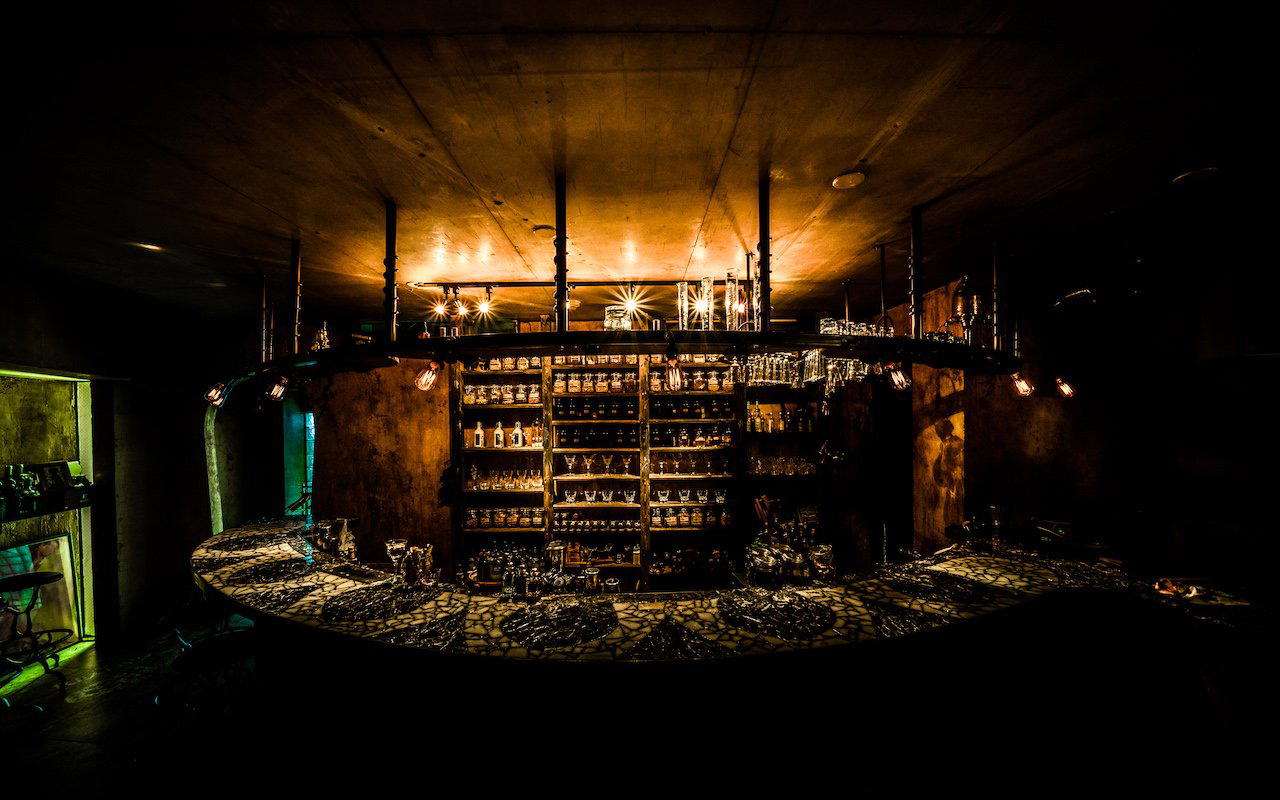


Hotels in Osaka
Browse all →



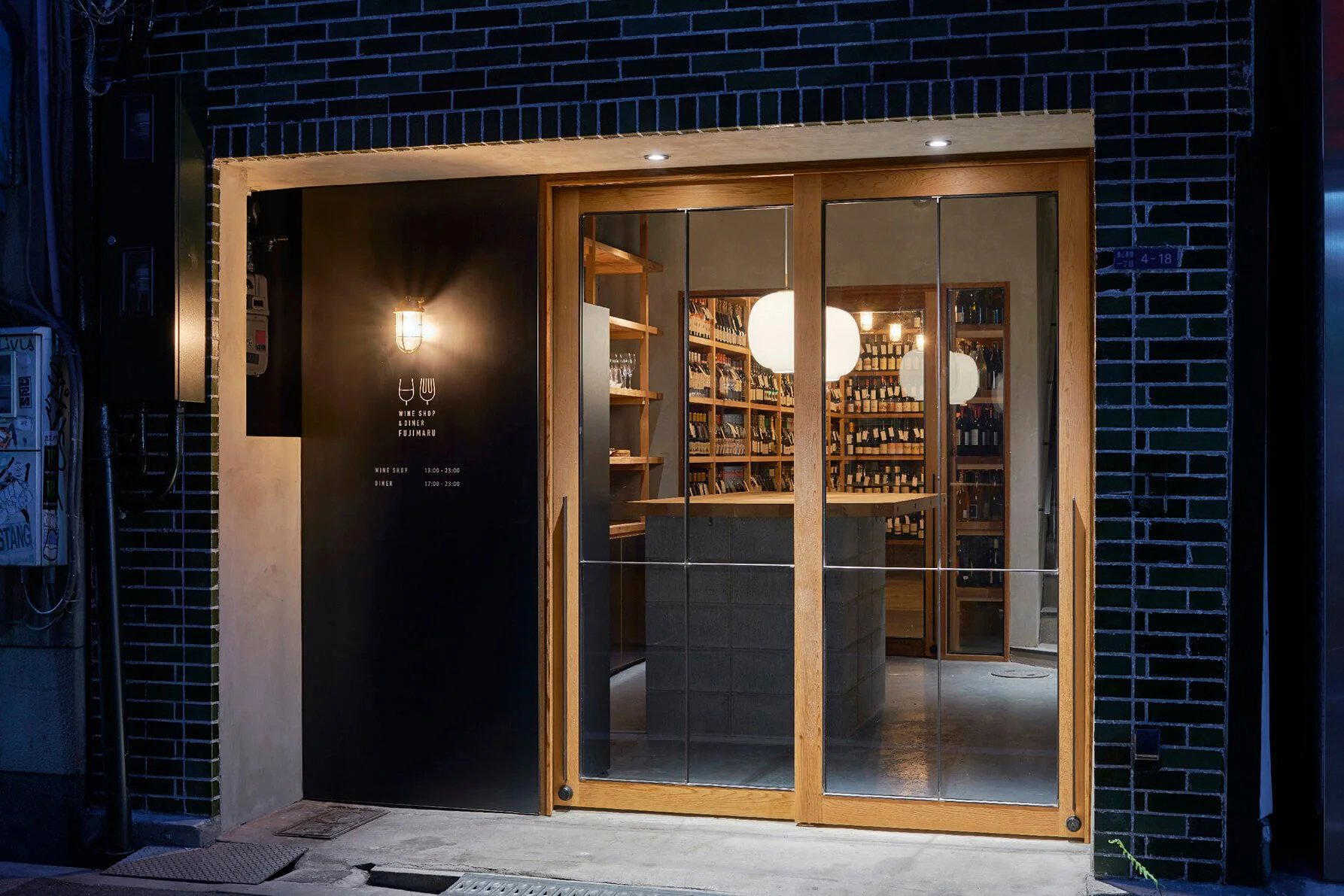
Wineries in Osaka
Browse all →
At a Glance
- Cozy
- Classic
- Intimate
- Solo
- Family
- Casual Hangout
- Group Dining
- After Work
- Late Night
- Chefs Counter
- Standalone
- Sake Program
- Beer Program
Current opening hours
- Monday
- Closed
- Tuesday
- 5–10 PM
- Wednesday
- 5–10 PM
- Thursday
- Closed
- Friday
- 5–10 PM
- Saturday
- 5–10 PM
- Sunday
- 5–10 PM
Hours can change for holidays and private events. Last verified .
Small 14-seat house-like sushi restaurant with a relaxed, cozy neighborhood feel; counter and table seating in a non-smoking space, emphasizing focus on the food with mobile phones prohibited.