
Yakiniku Kappa Kajioka belongs to Osaka’s small-room yakiniku tradition rather than its tourist-facing dining circuit. Its Tabelog 100 Yakiniku WEST selections from 2020 through 2025 give it a critical footprint beyond Toyonaka, while the compact counter-and-table format keeps the experience closer to a neighbourhood grill than a polished dining-room production.
Pearl is the En Primeur Club membership app — saves, bookings, and concierge access live there. Same editors, same standards.
- Address
- 3 Chome-5-23 Honanchohigashi, Toyonaka, Osaka 561-0814, Japan
- Phone
- +81 6-6332-3824
- Website
- kappa-kajioka.jp
 Saves & bookings on Pearl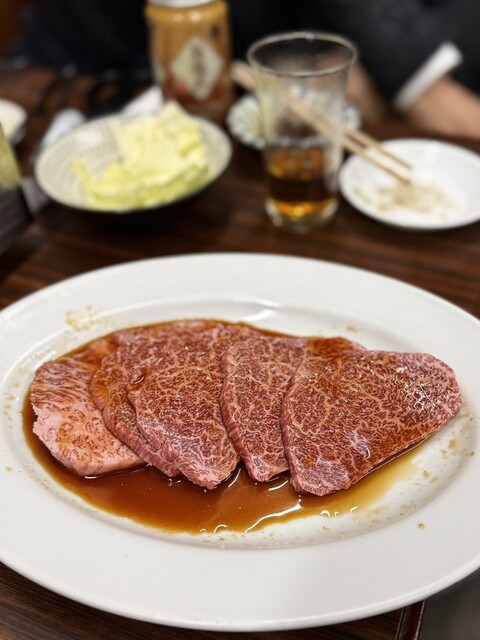
Serious yakiniku in Osaka often begins away from Namba and Umeda’s neon. In the northern suburbs, the cues are quieter: modest frontage, charcoal and fat in the air, and a room for people who know why they came. Yakiniku Kappa Kajioka sits in that register, closer to local grill-house lineage than to the theatrical wagyu temples on travel itineraries.
Osaka’s eating reputation is usually told through takoyaki, okonomiyaki, kushikatsu and late-night ramen, but grilled beef has its own map. Yakiniku rewards repetition and trust: regulars learn cuts, pacing and heat control, while good rooms rely less on ceremony than procurement, consistency and a grill that lets the table participate. Critical recognition matters here. A Tabelog 100 Yakiniku WEST selection places a suburban counter among the region’s serious beef rooms, not casual barbecue chains or hotel dining rooms.
A Toyonaka grill room with regional weight
The point of this address is scale, not spectacle. The small room, split between counter and table seating, gives the meal the directness that defines much of Kansai’s stronger yakiniku culture. The format is social but disciplined: orders arrive to be cooked in sequence, heat management becomes part of the meal, and the table’s rhythm matters. In a city where many visitors chase central Osaka density, suburban dining makes a different argument about reputation. Recognition travels faster than geography.
The award history sharpens that argument. Selection for Tabelog 100 in the Yakiniku WEST category across multiple years, including 2025, signals sustained approval in a category where diners are unusually sensitive to value, sourcing and repeatability. Tabelog’s influence in Japan is especially strong among local restaurant users, and a high-threes score carries more weight than it might to overseas readers used to inflated review scales. For yakiniku, that rating usually reflects a dependable regular base, not a short-lived publicity spike.
Within Osaka, comparison helps. Ramen Tetsushi and Rekka Honten sit in a quick, low-spend noodle lane; Atari Ya occupies a casual mid-range bracket; Shunsaiten Tsuchiya represents precision through tempura. Yakiniku Kappa Kajioka is another decision entirely: a focused beef dinner where the grill is the centre of the table and value is measured against meat quality, not menu length. That matters when planning several Osaka nights.
Yakiniku as craft, not performance
At higher levels, yakiniku is often misunderstood by travellers as simply premium beef over fire. Stronger Kansai rooms are more technical. They depend on cut selection, portion sizing, restrained seasoning and service pacing. A grill meal can fail when everything arrives at once, or when rich cuts dominate without relief. The better format gives diners enough control to feel involved while keeping the kitchen’s judgement visible. That balance lets small rooms compete with larger, shinier restaurants.
Here, the critical signal is less luxury than durability. The opening date reaches back to 1976, giving the restaurant a long local timeline in a category where rising beef costs and changing dining habits have made consistency harder. Repeat Tabelog 100 recognition from 2020 through 2025 frames it as part of Osaka’s established yakiniku conversation, not a novelty discovery. The drinks list follows Japanese grill-house logic, with sake, shochu and wine alongside beef rather than turning the meal into a sommelier-led production.
There is also a practical cultural point: yakiniku is one Japanese dining format where guest behaviour changes the meal. Overcrowding the grill, ignoring heat, or treating every cut the same will dull the kitchen’s work. Serious rooms assume attention. That does not make the experience formal, but it rewards patience. The pleasure is in sequence, smoke, conversation and small adjustments at the table.
How it fits into an Osaka eating itinerary
For visitors building a wider Osaka plan, this is not a central snack crawl or counter tasting menu. It works better as a dedicated dinner, especially for travellers who have covered the city’s easier signatures and want neighbourhood reputation. The Toyonaka location changes the tempo: the meal asks for intention rather than convenience, which is often where stronger local dining begins.
Osaka’s range can move from bakery counters to yoshoku, pizza, tempura, ramen and beef without leaving the region’s appetite for directness. For broader planning, start with Our full Osaka restaurants guide, then use the city’s other rails for context: Our full Osaka hotels guide, Our full Osaka bars guide, Our full Osaka wineries guide and Our full Osaka experiences guide. Nearby and citywide contrasts include.cafe, 52CHO-ME BAKERY, 551 Horai (551蓬莱), 99 Pizza Napoletana Gourmet and a canto (Italian).
For readers mapping Japanese food beyond Osaka, the useful comparison is how each format encodes value. Beef-focused dining at -Grilled beef Sukiyaki- KAMAKURA TANUKIAN 鎌倉 たぬき庵 in Kamakura follows a different tradition; charcoal-led seafood at. 鮪と炭火焼き うお炭 秋葉原店 in Tokyo shifts the grill’s role; regional range appears through.know in Kumamoto, (Shoku) Vietnam in Kawasaki, [Curry Senmon Ten] Maruyama Kyoju. in Sapporo and [ki:] in Kyoto. Further afield, Japanese drinking and rice culture take different shapes at Jōdo Saké Bar in Los Angeles and Onigiri Time in Pasadena.
The editorial case is clear: this is a reputation-led yakiniku address for diners who know Osaka’s serious eating is not confined to its central wards. The award trail, long operating history and compact grill-room format point to a restaurant whose importance is measured by repeat confidence. In a city often sold through speed and abundance, Yakiniku Kappa Kajioka represents the slower pleasure of a table, a grill and a category taken seriously.
Booking and Cost Snapshot
Comparable venues by cuisine and price in the same metro.
| Venue | Cuisine | Price | Notes |
|---|---|---|---|
| Yakiniku Kappa KajiokaThis venue — the venue you are viewing | Not listed | $$$ | Not listed |
| Sumibi Yakitori Nakao | Not listed | $$$ | Chūō, Traditional Charcoal-Grilled Yakitori |
| Higyu | Kita, Japanese Yakiniku | $$$ | Not listed |
| Tori Yasu | Kita, Yakitori & Chicken Cuisine Counter | $$$ | Not listed |
| Yasubee | Konohana, Japanese Yakiniku | $$$ | Not listed |
| Yakitori Saihi | Chūō, Yakitori | $$$ | Not listed |
Recognition history
Dated appearances from independent guides and award organizations, with the underlying list record or original source where available.
Tabelog 100 #27 · No. 27
Tabelog · Tabelog 100 - Yakiniku - WEST - 2025
Continue exploring
More in Osaka
Restaurants in Osaka
Browse all →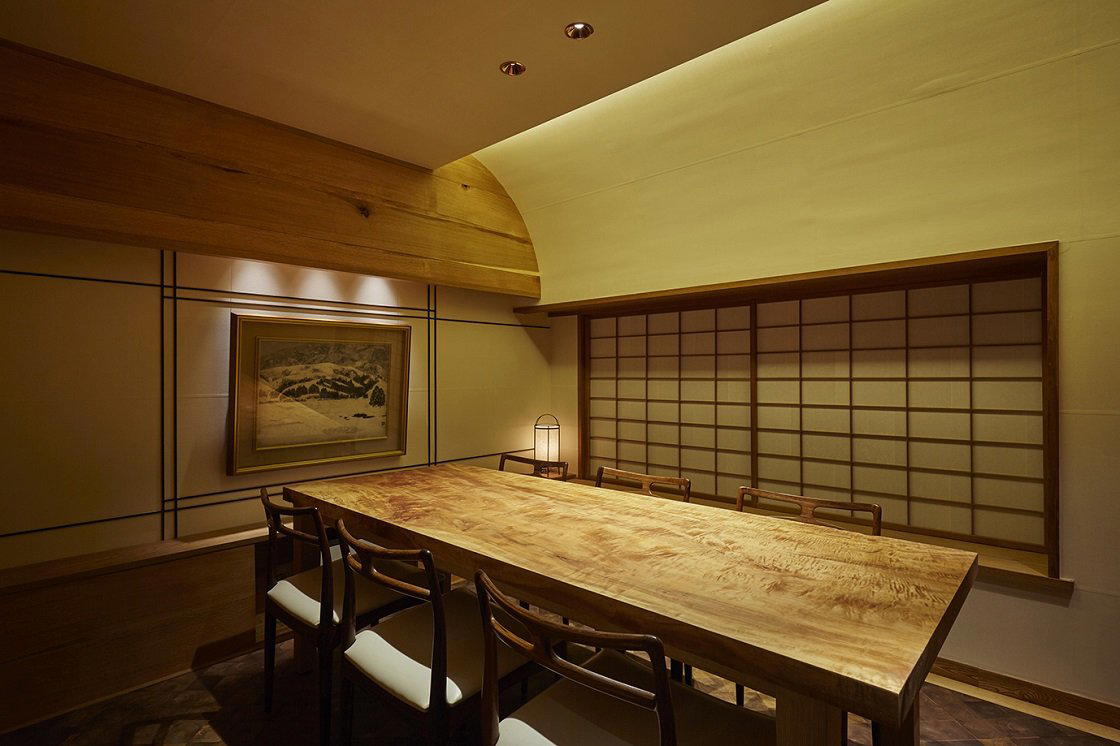




Bars in Osaka
Browse all →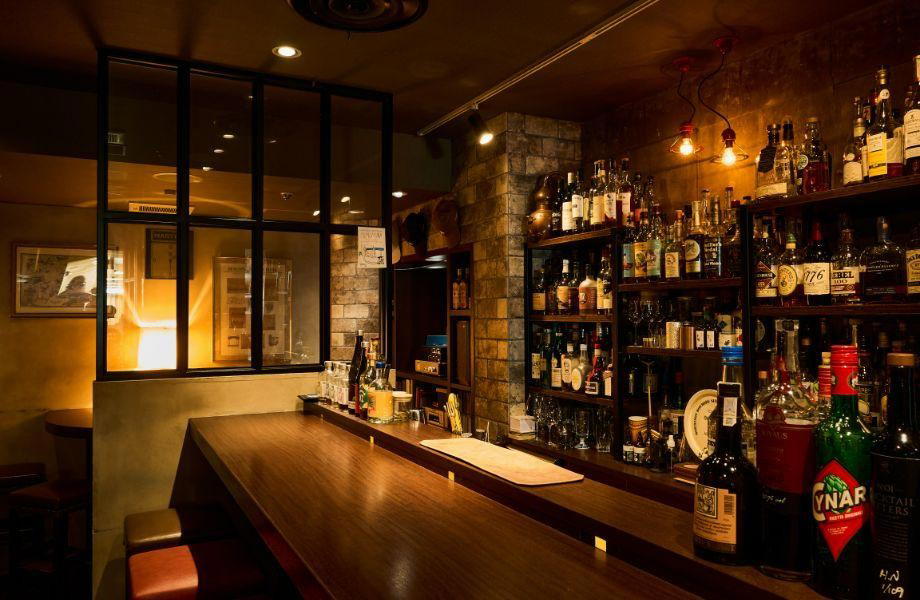




Hotels in Osaka
Browse all →

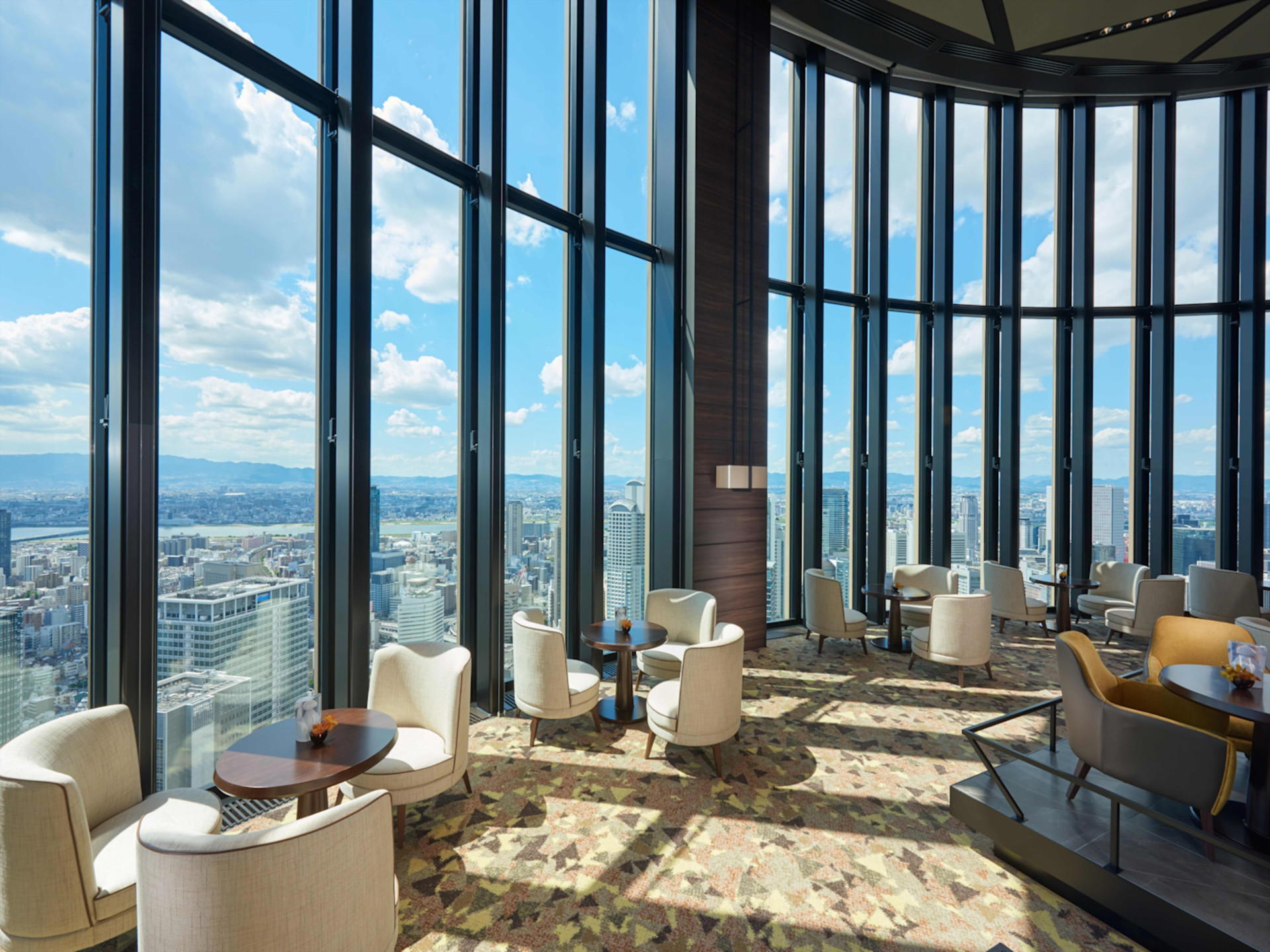


Wineries in Osaka
Browse all →
At a Glance
- Cozy
- Classic
- Intimate
- Date Night
- Special Occasion
- Group Dining
- Casual Hangout
- Standalone
- Beer Program
- Local Sourcing
Current opening hours
- Monday
- Closed
- Tuesday
- 5–10 PM
- Wednesday
- 5–10 PM
- Thursday
- 5–10 PM
- Friday
- 5–10 PM
- Saturday
- 5–10 PM
- Sunday
- 5–10 PM
Hours can change for holidays and private events. Last verified .
Warm and intimate with a traditional, no-frills Osaka neighborhood feel, focused on the charcoal grill and meat rather than décor, creating a relaxed yet quietly special atmosphere.