
Wagyu no Kiraku sits in Osaka’s serious yakiniku tier: small-room, reservation-led, and recognized in Tabelog’s Yakiniku WEST 100 for 2025. The draw is less spectacle than ritual, with Kuroge wagyu, grill pacing, and a compact 16-seat format that rewards diners who treat the meal as a sequence rather than a free-for-all.
Pearl is the En Primeur Club membership app — saves, bookings, and concierge access live there. Same editors, same standards.
- Address
- 2 Chome-12-7 Tenma, Kita Ward, Osaka, 530-0043, Japan
- Phone
- +81 6-6351-5354
- Website
- wagyu-no-kiraku.com
- Directions
- Get directions
 Saves & bookings on Pearl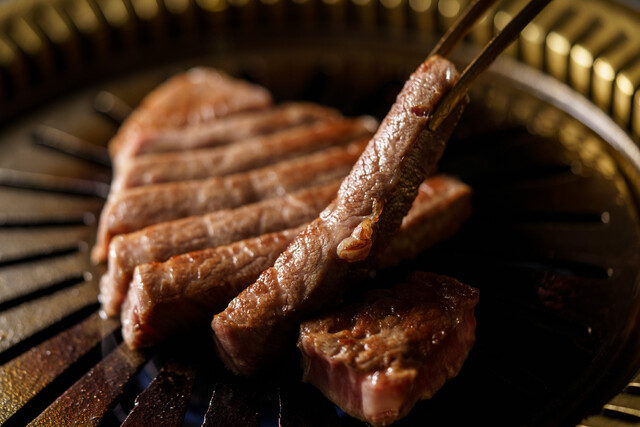
Tenma’s evening dining rhythm is built on close quarters: noren at eye level, grill smoke moving through side streets, and rooms where the meal starts to feel choreographed before the first order lands. Yakiniku in Osaka is not simply about beef quality. At this level, the difference is in pacing, heat control, and restraint: which cuts arrive first, how long the grill is allowed to recover, and whether the table treats fat as a crescendo rather than a blunt instrument.
Wagyu no Kiraku belongs to that more disciplined end of the city’s beef culture. Its recognition in Tabelog’s Yakiniku WEST 100 for 2025 places it among the region’s more closely watched grill rooms, and the compact 16-seat scale matters. Small yakiniku restaurants create a different contract with the diner than high-turnover beef halls: the grill becomes shared equipment, timing becomes etiquette, and the room has less tolerance for casual drift.
Osaka yakiniku as ritual, not excess
Osaka has always been a city that understands appetite, but its stronger yakiniku rooms are not measured by abundance alone. The cooking is interactive, yet not democratic in the lazy sense. Diners are expected to pay attention. Leaner cuts, marbled cuts, and yaki-shabu formats each ask for different handling, and the difference between confident grilling and careless grilling is measured in seconds.
That is where this category separates itself from a generic meat dinner. Kuroge wagyu carries enough fat that repetition can flatten the meal if the sequence is poorly managed. The better experience comes from contrast: char against sweetness, salt against richness, and pauses that let the palate reset. Sake, shochu, and wine all make sense in this frame, not as accessories but as ways to keep the meal from becoming a single register of richness.
The restaurant’s Tabelog history gives useful context without turning the meal into a trophy hunt. Selection for the Yakiniku 100 in 2018, 2020, 2022, 2023, and 2025, with a Grill WEST 100 selection in 2024, suggests sustained relevance in a category where local diners are unforgiving. For a city with many casual grill counters and beef-focused izakaya formats, repeated inclusion signals consistency rather than novelty.
A compact room changes the way the table behaves
The 16-seat format is central to the experience. Counter seating and sunken seating create two different versions of the same ritual: one more observational, one more conversational. In either case, the diner has to work with the room rather than against it. Yakiniku’s pleasure depends on attention to tempo, and a small restaurant makes that visible. Arriving late, over-ordering, or treating the grill as background noise disrupts more than one table.
This is also why cancellation and timing policies carry more weight in small Japanese restaurants than visitors sometimes assume. When ingredients are prepared around reservations and the room has limited capacity, a missed seat is not an abstract loss. It changes procurement, pacing, and service for the night. The etiquette is simple: commit to the date, arrive on time, and let the sequence breathe.
For travelers building an Osaka food itinerary, this is a useful counterpoint to broader city eating. The same trip might include the everyday rhythm of 551 Horai (551蓬莱), coffee or casual stops such as .cafe and 52CHO-ME BAKERY, or a different kind of precision at a canto (Italian) and 99 Pizza Napoletana Gourmet. Wagyu no Kiraku occupies the beef-focused, reservation-conscious lane rather than the drop-in snacking lane.
Where it fits in a serious Osaka itinerary
Compared with lower-priced Osaka dining rooms such as Ichifuji Shokudo, this is a different decision: less about everyday value, more about committing an evening to a specific format. Against higher-spend Japanese or French options such as Unkaku or Le Logis h, the appeal is the self-directed rhythm of grill dining rather than the controlled arc of a tasting menu. The reader who enjoys structure but not ceremony will understand the attraction.
The broader Osaka map helps clarify the choice. Our full Osaka restaurants guide gives the dining context, while our full Osaka hotels guide, our full Osaka bars guide, our full Osaka wineries guide, and our full Osaka experiences guide help place dinner inside a larger stay. Visitors extending the same appetite-led planning across Japan and beyond can compare beef, grill, sake, and casual formats through -Grilled beef Sukiyaki- KAMAKURA TANUKIAN 鎌倉 たぬき庵 in Kamakura. 鮪と炭火焼き うお炭 秋葉原店 in Tokyo.know in Kumamoto, (Shoku) Vietnam in Kawasaki, [Curry Senmon Ten] Maruyama Kyoju. in Sapporo, [ki:] in Kyoto, Jōdo Saké Bar in Los Angeles, and Onigiri Time in Pasadena.
The editorial case is clear: choose this restaurant when the point of the evening is yakiniku as a practiced custom, not just beef as luxury shorthand. The room is small, the recognition is specific, and the format rewards diners who understand that the grill is not merely equipment. It is the clock of the meal.
Cuisine Context
Comparable venues by cuisine and category.
| Venue | Cuisine | Price | Notes |
|---|---|---|---|
| Wagyu no KirakuThis venue — the venue you are viewing | Traditional Wagyu Yakiniku & Yaki-shabu | $$$ | Not listed |
| Sushi shizuku Nishitenma | Edo-mae Sushi Omakase | $$$ | Kita |
| Kitashinchi Yamagata Ya | Japanese Yakiniku | $$$ | Kita |
| Ryobo | Yakitori Omakase Counter | $$$ | Chūō |
| Etchuya | Casual Neighborhood Sushi | $$$ | Nishinari |
| Yakiniku Kappa Kajioka | Traditional Yakiniku (Japanese BBQ) | $$$ | Toyonaka |
Recognition history
Dated appearances from independent guides and award organizations, with the underlying list record or original source where available.
Tabelog 100 #15 · No. 15
Tabelog · Tabelog 100 - Yakiniku - WEST - 2025
Continue exploring
More in Osaka
Restaurants in Osaka
Browse all →




Bars in Osaka
Browse all →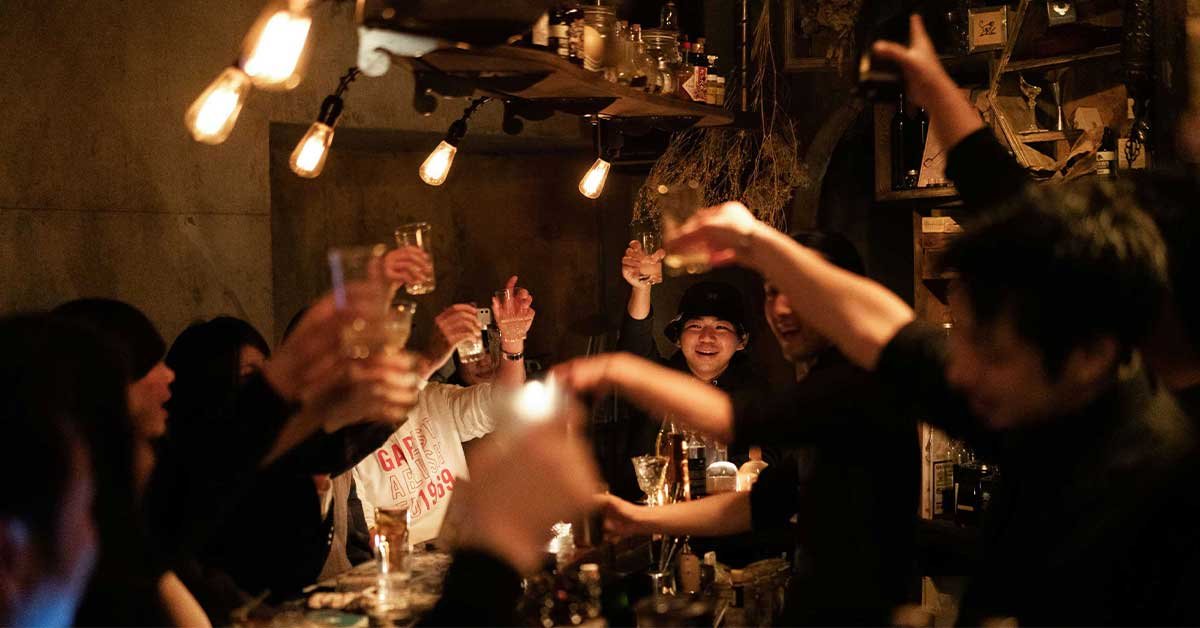
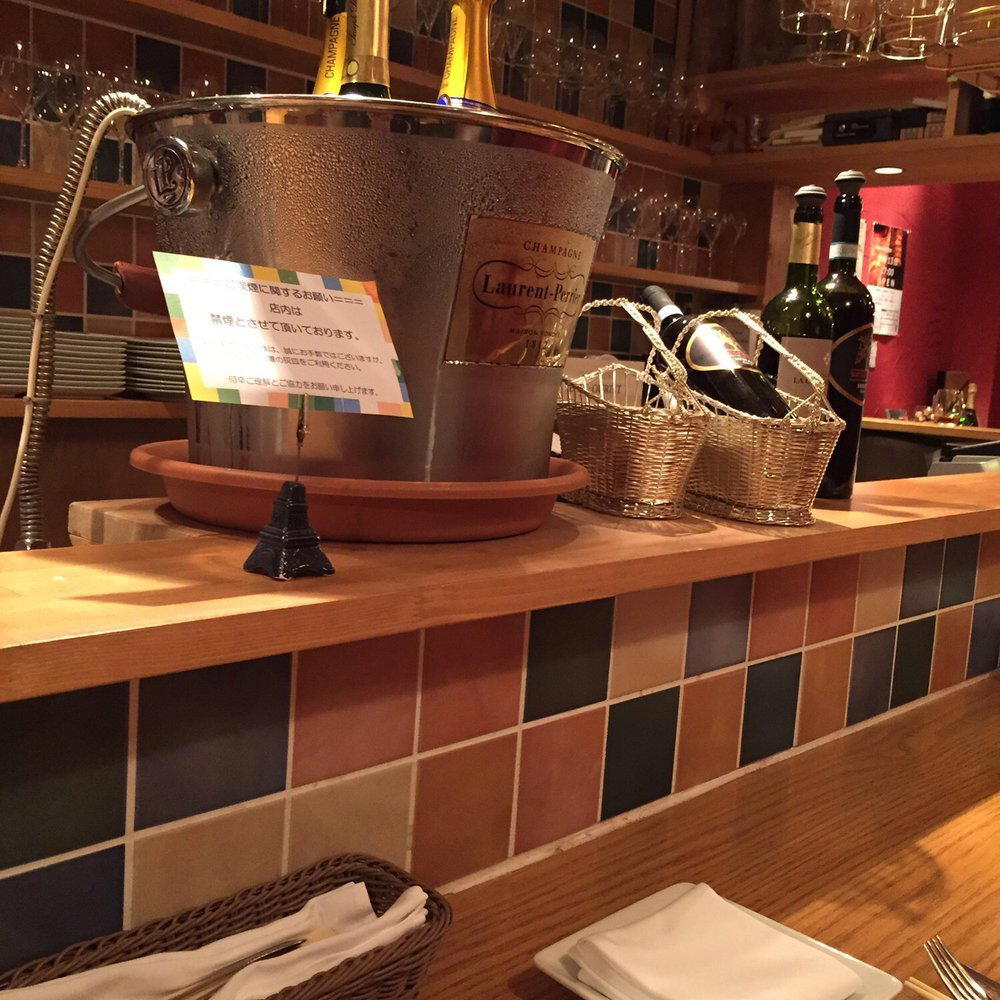

Hotels in Osaka
Browse all →




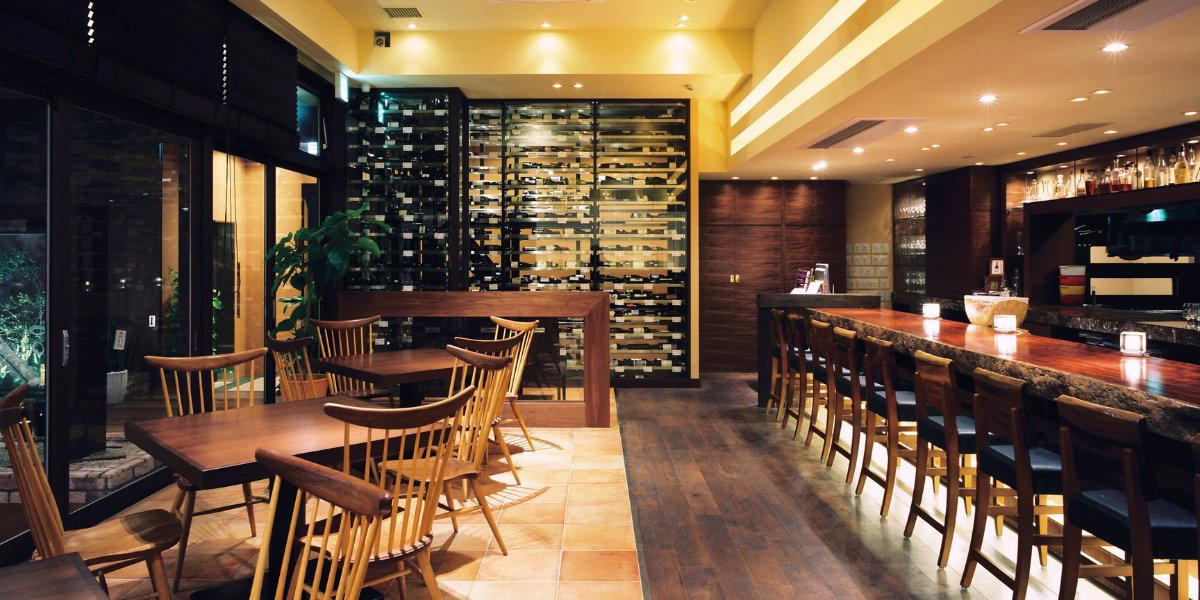
Wineries in Osaka
Browse all →
At a Glance
- Intimate
- Cozy
- Classic
- Date Night
- Business Dinner
- Group Dining
- Special Occasion
- Standalone
- Local Sourcing
Current opening hours
- Monday
- 5:30–11 PM
- Tuesday
- 5:30–11 PM
- Wednesday
- 5:30–11 PM
- Thursday
- 5:30–11 PM
- Friday
- 5:30–11 PM
- Saturday
- 5:30–11 PM
- Sunday
- Closed
Hours can change for holidays and private events. Last verified .
A compact, reservation-focused yakiniku restaurant with a classic neighborhood feel, where the focus is on carefully sourced Wagyu, attentive service, and an unfussy, comfortable setting suited to relaxed, conversation-paced meals.