
VILLA COMMUNICO earned a Michelin star in 2025, placing it among Nara's most considered innovative dining addresses at the ¥¥¥¥ tier. Located in Zoshicho, it operates in a city better known for its temples than its restaurant scene, making the recognition all the more pointed..
Pearl is the En Primeur Club membership app — saves, bookings, and concierge access live there. Same editors, same standards.
- Address
- 486-5 Zoshicho, Nara, 630-8211, Japan
- Phone
- +81 50-3176-1787
- Website
- villa-communico.com
- Directions
- Get directions
 Saves & bookings on Pearl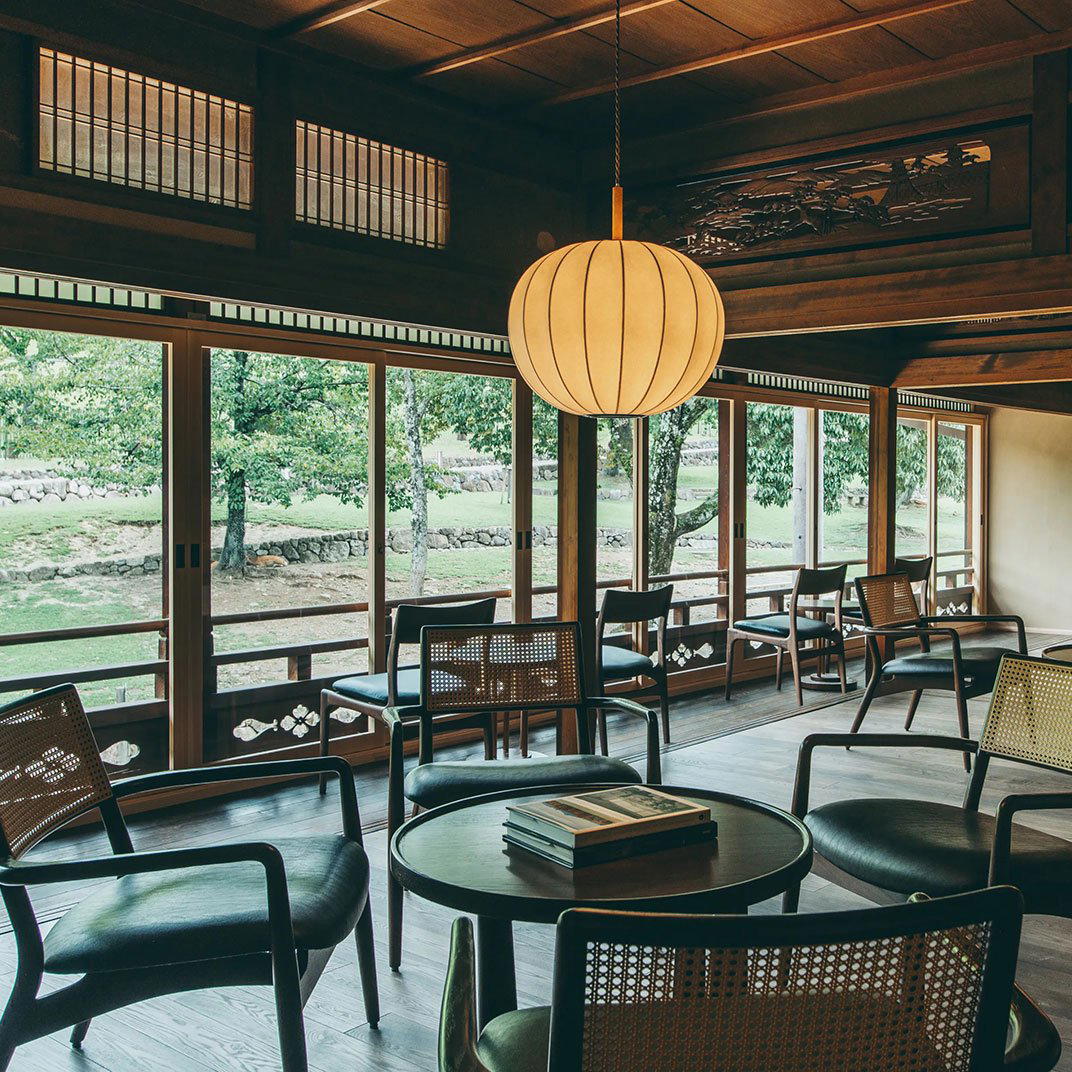
Where Nara's Dining Scene Is Heading
For most of its modern history, Nara sat in the shadow of Kyoto when it came to serious dining. The city drew visitors for Todai-ji, for the deer, for a half-day of temple wandering before the train back to Osaka, not for dinner reservations. That calculus has been shifting. A small cohort of restaurants operating at genuine ambition has started to attract the kind of attention that keeps people in Nara overnight rather than passing through. VILLA COMMUNICO, which received a Michelin star in 2025, is part of that shift and among the clearest evidence that the city's fine dining tier is no longer incidental.
That physical distance from the souvenir economy is itself a signal. Restaurants that position themselves away from the main visitor circuits in Japanese provincial cities tend to be operating for a local and destination clientele, not for walk-in foot traffic. The approach to VILLA COMMUNICO carries that quality: you arrive knowing where you're going, not stumbling upon it.
The Innovative Category in Japan's Mid-Tier Cities
Japan's Michelin coverage has historically concentrated its starred listings in Tokyo, Kyoto, and Osaka. When a restaurant in a secondary city earns recognition, the competitive context is worth examining. In Nara specifically, the starred tier is tight. VILLA COMMUNICO's Michelin star in 2025 for innovative cuisine places it in a category that, nationally, tends to reward either strong French-technique foundations applied to Japanese produce, or kitchens working with kaiseki's seasonal logic but releasing themselves from its formal vocabulary.
Innovative cuisine in a city like Nara carries a particular opportunity. The prefecture produces some of Japan's better sake, has a long history of fermented and preserved foods, and sits in a geographic corridor that connects the produce networks of the Yoshino highlands with the markets feeding Kyoto and Osaka. Kitchens working with that material, rather than importing from further afield, tend to have a regional coherence that shows in the food. The category label and the price point together suggest a kitchen serious enough to be thinking about those questions.
For comparison, akordu (Spanish, Innovative) sits at ¥¥¥ in Nara's innovative tier, one price bracket below. The restaurant's ¥¥¥¥ positioning places it at the summit of the city's current dining pyramid alongside SÉN, in a bracket where the expectation is a full tasting-menu format, serious wine engagement, and a kitchen that has a point of view rather than simply competent execution.
On the Wine Program, and What the Category Implies
The editorial angle most worth pursuing with an innovative restaurant at the ¥¥¥¥ tier in provincial Japan is the wine list. In Tokyo, serious wine programs have become almost a baseline expectation at the leading omakase and tasting-menu counters, the sommelier tier has deepened considerably over the past decade, and lists pulling from Burgundy, the Northern Rhône, and aged Champagne are now common at the city's highest-end addresses. The situation in cities like Nara has been different: proximity to sake culture, a smaller pool of specialist importers, and a more local clientele have historically kept wine programs modest even at good restaurants.
When a provincial Japanese restaurant reaches the ¥¥¥¥ bracket and earns Michelin recognition, the wine program becomes one of the cleaner ways to read the kitchen's level of ambition. A well-curated list at this price point typically signals that the restaurant is positioning itself for a destination clientele, people travelling specifically to eat well, rather than relying on neighbourhood regulars who may not be engaging with the full pairing format. The combination of price tier and starred status suggests a program at least keeping pace with the food's ambition. At this level in Japan, pairing menus are often the preferred format over à la carte wine ordering, and for a kitchen working under an innovative label, the pairings would likely lean on wines with textural or aromatic complexity rather than simply varietal correctness.
For context on how wine programs operate at comparable innovative formats in the region, HAJIME in Osaka and Gion Sasaki in Kyoto both represent the kind of serious beverage integration that defines the upper tier of Kansai dining. Internationally, alla prima in Seoul and MAZ in Tokyo illustrate how innovative restaurants in the region are increasingly building wine programs that function as a primary rather than secondary element of the experience.
Reading the Ratings
0 across 19 reviews is a number worth pausing on. At high-end restaurants, volume and score rarely move together, the more expensive and specialist the format, the smaller the review pool tends to be, and the higher the variance. A 4.9 on 457 responses suggests consistent execution rather than a spike of early enthusiasm from opening-week visitors. That volume, for a ¥¥¥¥ restaurant in a secondary Japanese city, also implies the room is filling regularly.
Nara's innovative fine dining options worth knowing alongside the restaurant include Oryori Hanagaki and Tsukumo for Japanese-format dining, and NARA NIKON as a further reference point for how the city's restaurant scene is being mapped by serious eaters. For those building a broader Japan itinerary, Harutaka in Tokyo, Goh in Fukuoka, 1000 in Yokohama, and 6 in Okinawa represent the breadth of Japan's serious dining moment outside the main metropolitan centres.
Nara's broader hospitality infrastructure is developing to support stays rather than day trips.
Know Before You Go
- Address: 486-5 Zoshicho, Nara, 630-8211, Japan
- Price range: ¥¥¥¥ (top tier for the city; budget accordingly for a full pairing menu)
- Awards: Michelin 1 Star (2025)
- Guest rating: 4.9 / 5 (457 Google reviews)
- Cuisine: Innovative
- Booking: Reservations are essential.
- Planning note: Reservations are essential.
Fast Comparison
Comparable venues nearby, for context on price, style, and recognition.
| Venue | Cuisine | Price | Awards | Notes |
|---|---|---|---|---|
| VILLA COMMUNICOThis venue — the venue you are viewing | Modern Wood-Fired Japanese Fine Dining | $$$$ | Michelin 1 Star | Not listed |
| Ajinokaze Nishimura | Michelin-Starred Kaiseki | $$$ | Michelin 1 Star | Sakurai |
| Oryori Hirooka | Modern Japanese Kaiseki | $$$$ | Michelin 1 Star | Nara |
| Sushi Kawashima | Nara-Style Omakase Sushi | $$$$ | Michelin 1 Star | Kashihara |
| Ajinotabibito Roman | Traditional Japanese Kaiseki | $$$$ | Michelin 1 Star | Nara |
| Musoan | Traditional Japanese Kaiseki | $$$$ | Michelin 1 Star | Nara |
Recognition history
Dated appearances from independent guides and award organizations, with the underlying list record or original source where available.
Michelin 1 Star
Michelin
Michelin 1 Star
Michelin
Continue exploring
More in Nara




Bars in Nara
Browse all →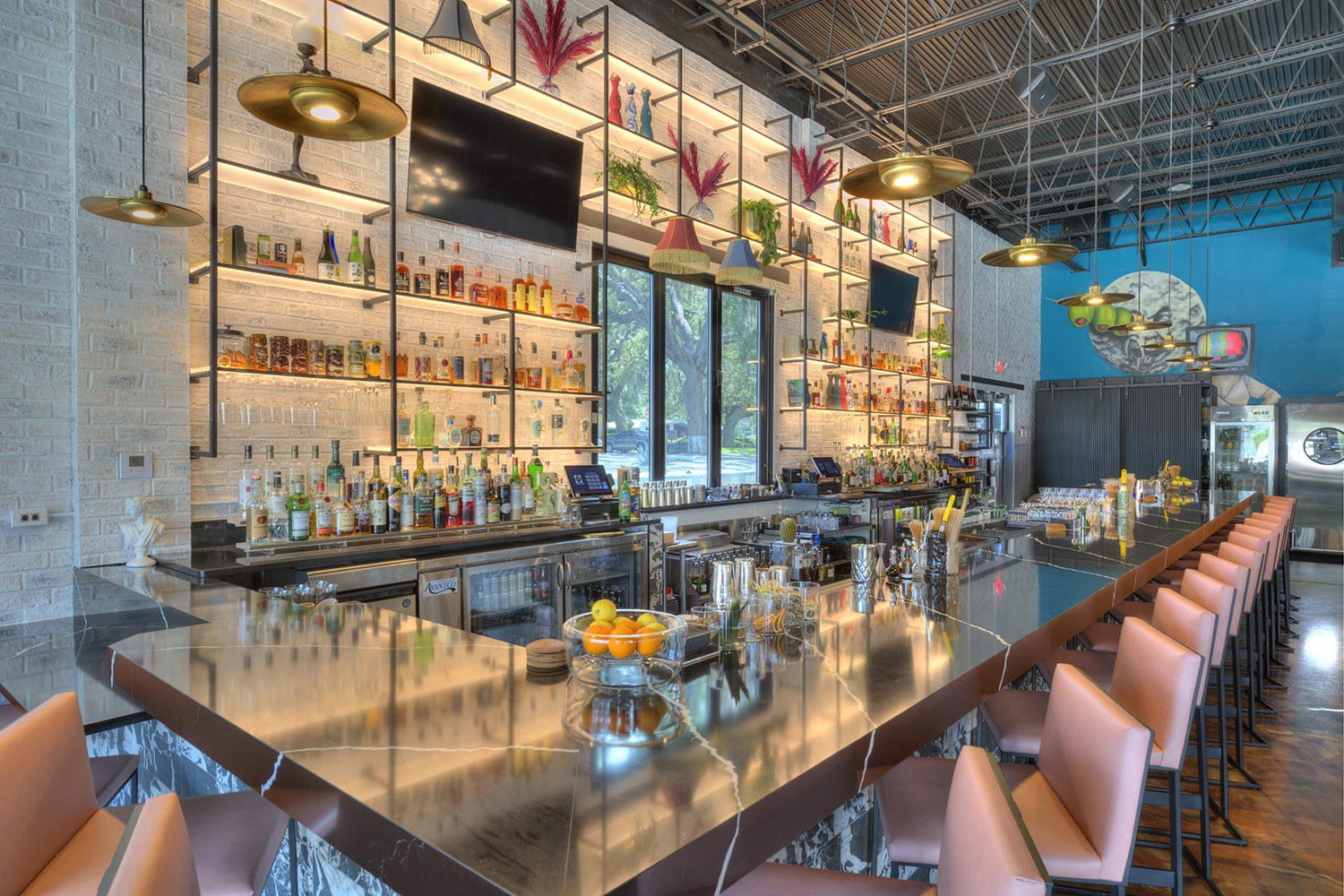

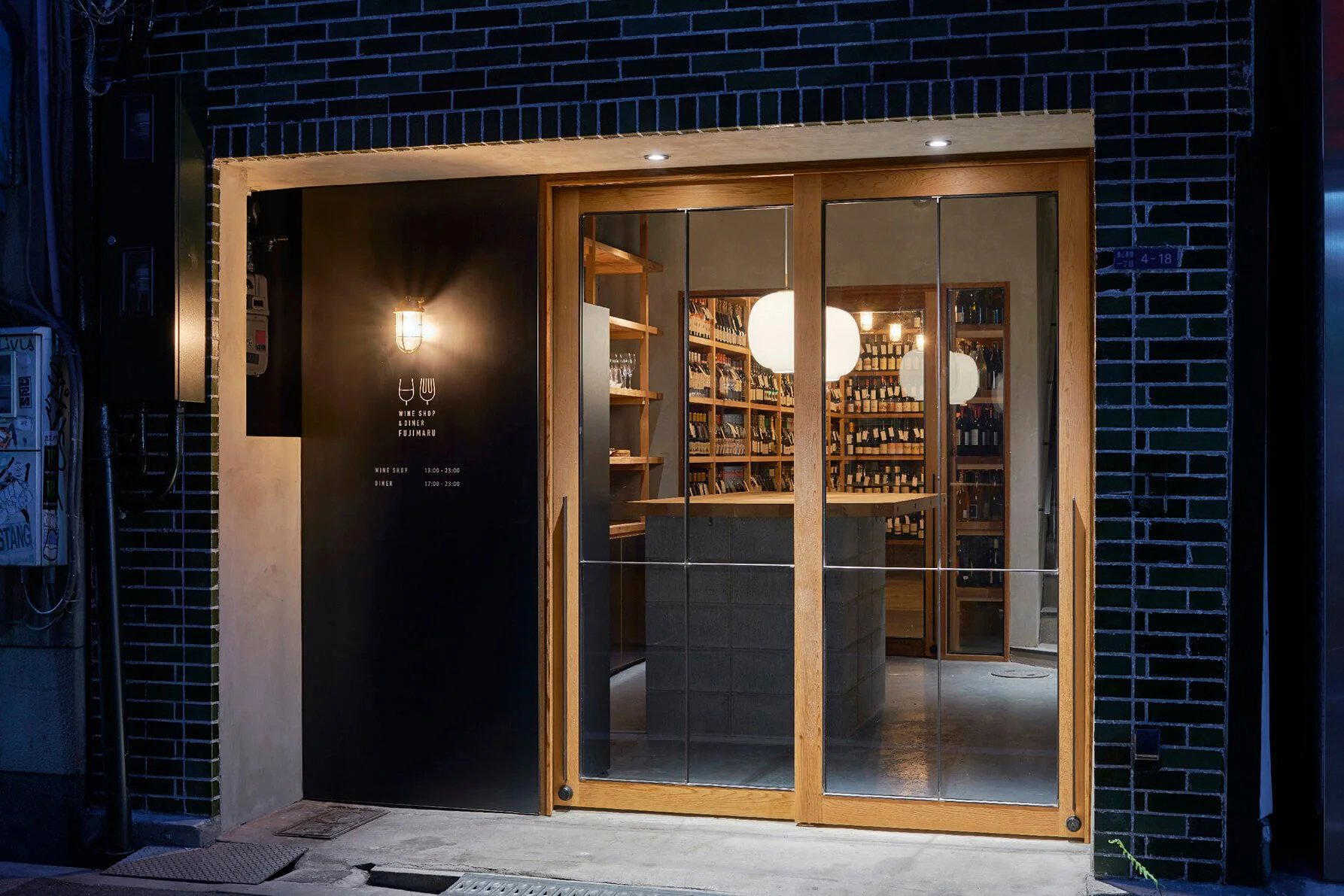
Hotels in Nara
Browse all →




Wineries in Nara
Browse all →
At a Glance
- Intimate
- Elegant
- Cozy
- Sophisticated
- Minimalist
- Date Night
- Special Occasion
- Open Kitchen
- Private Dining
- Extensive Wine List
- Sake Program
- Local Sourcing
- Mountain
- Garden
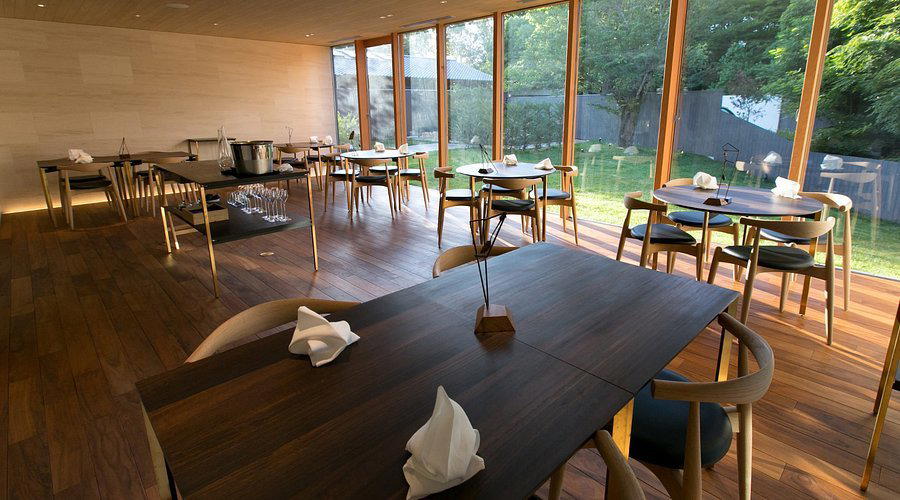
Candlelit rooms scented with wild herbs, light filtering through linen-draped windows, soft murmur of a fountain, evoking a serene refuge.