1 Michelin Star
Our verdict
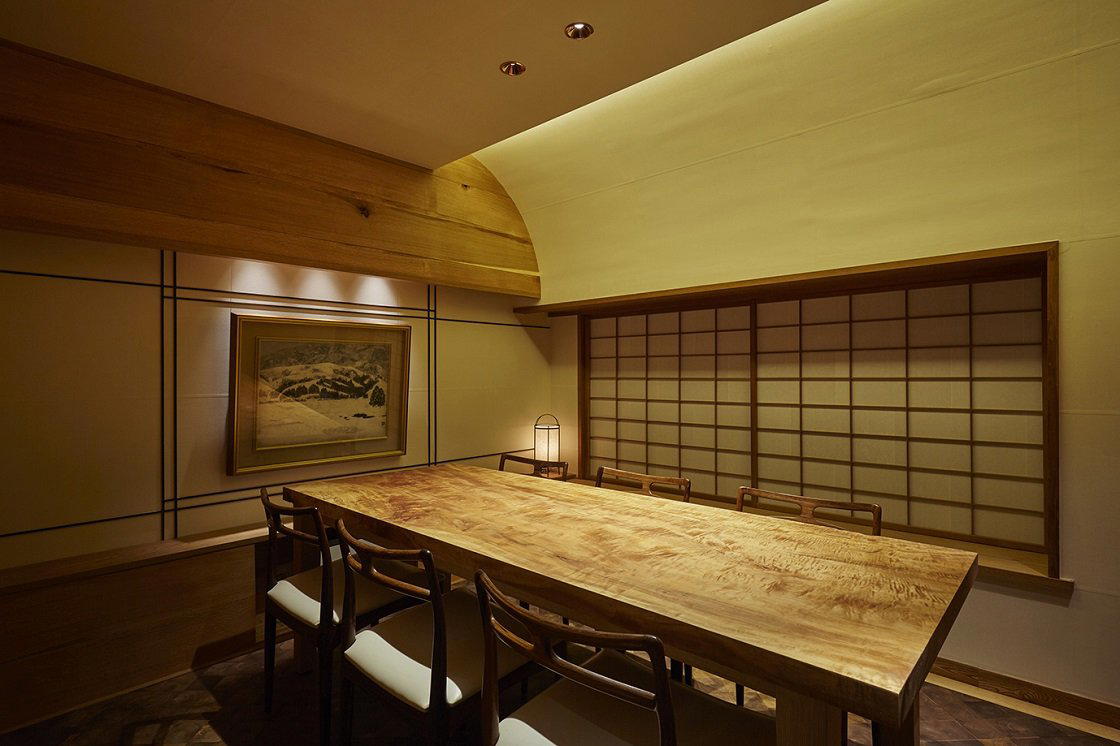
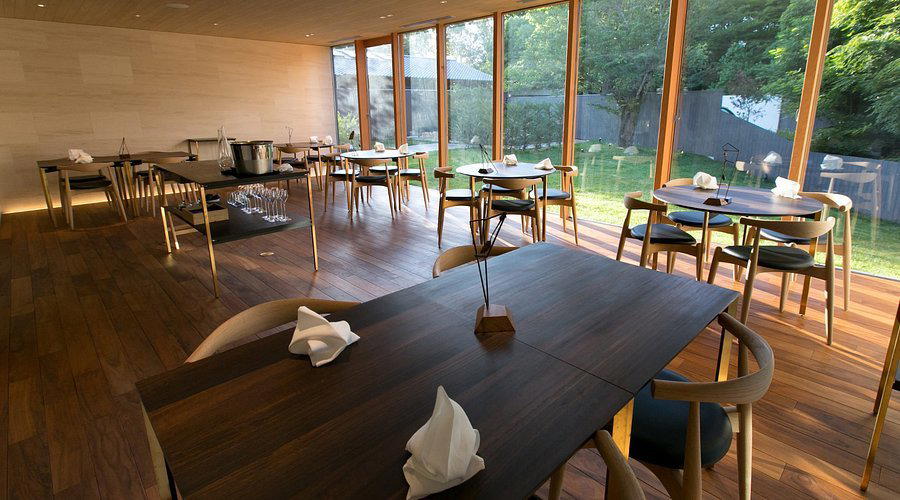
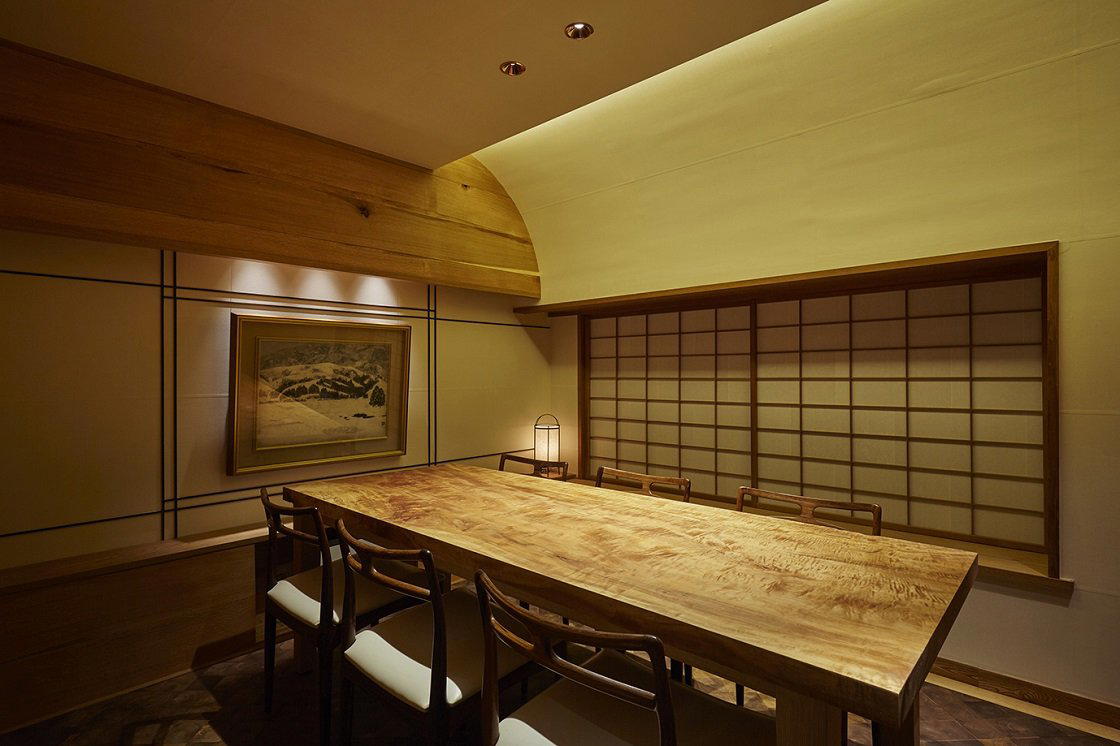
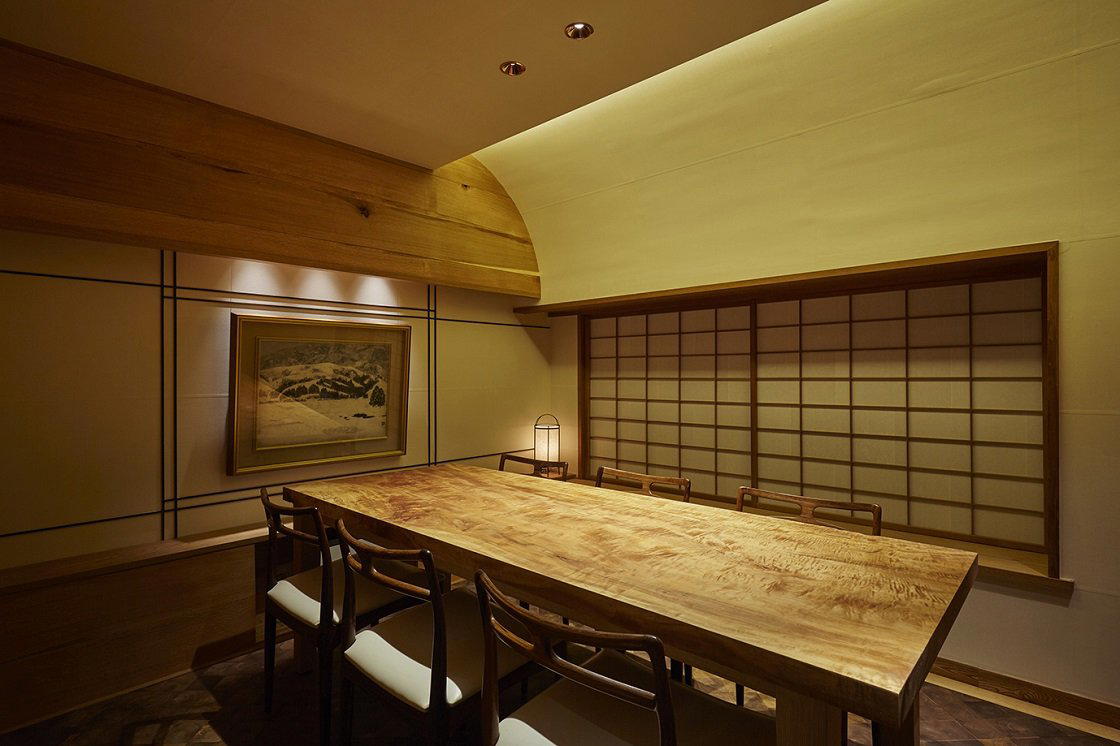
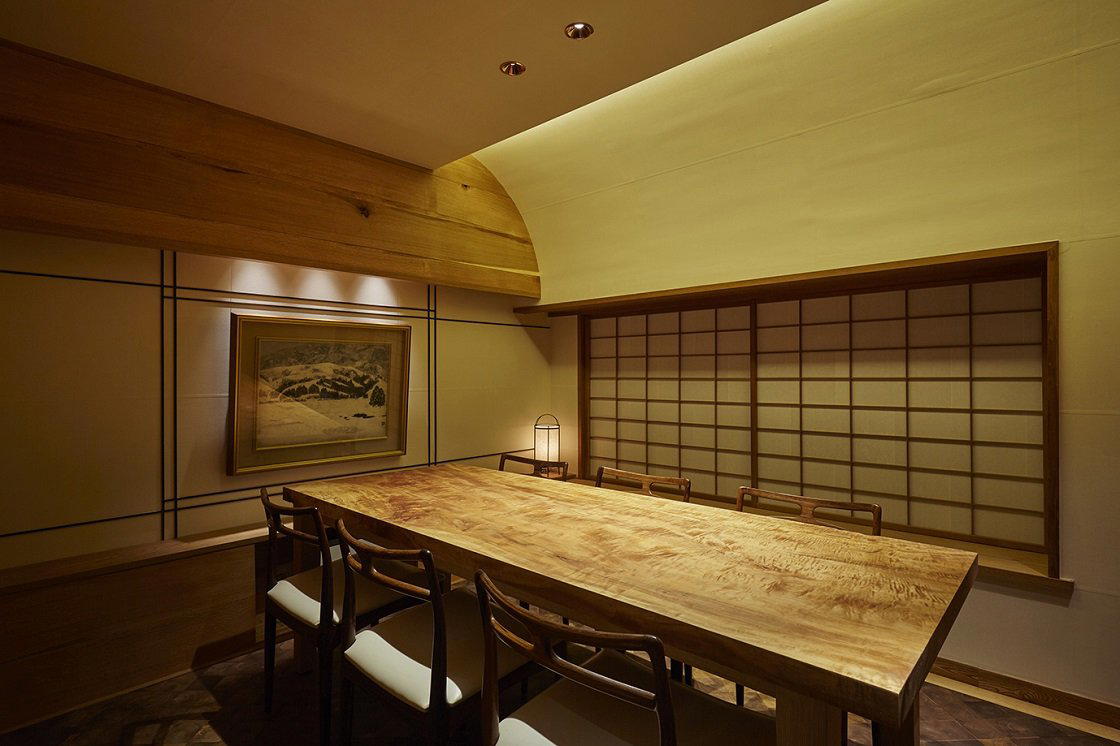
A Michelin-starred Japanese restaurant in Nara's Imamikadocho district, Okada holds consecutive one-star recognition for 2024 and 2025 under the direction of chef Alexis Voisenet. The address places it among a small cluster of serious dining destinations in a city better known for temples than tables, making it the kind of find that rewards those who look past Nara's day-tripper reputation.

Pearl is the En Primeur Club membership app, where members save venues, book tables and use the concierge.
The menu
What to order
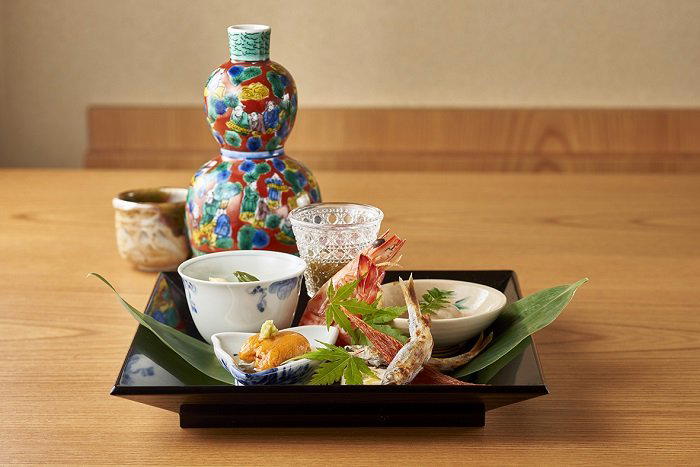
- Hassun appetizers
- Seasonal kaiseki courses
Nara After Dark: The City's Michelin Table and Why the Hour You Arrive Matters
Most visitors to Nara are gone before the deer retreat from the park paths at dusk. The day-trip logic is understandable, Todai-ji, Kasuga Grand Shrine, and the surrounding UNESCO terrain are genuinely absorbing, but it compresses the city's dining scene into lunch windows and tourist-friendly set menus. The small cohort of serious restaurants here operates on a different schedule and a different register entirely. Okada, holding a Michelin one-star for both 2024 and 2025, sits at the top of that local tier and draws a different kind of visitor: one who books in advance and stays the night.
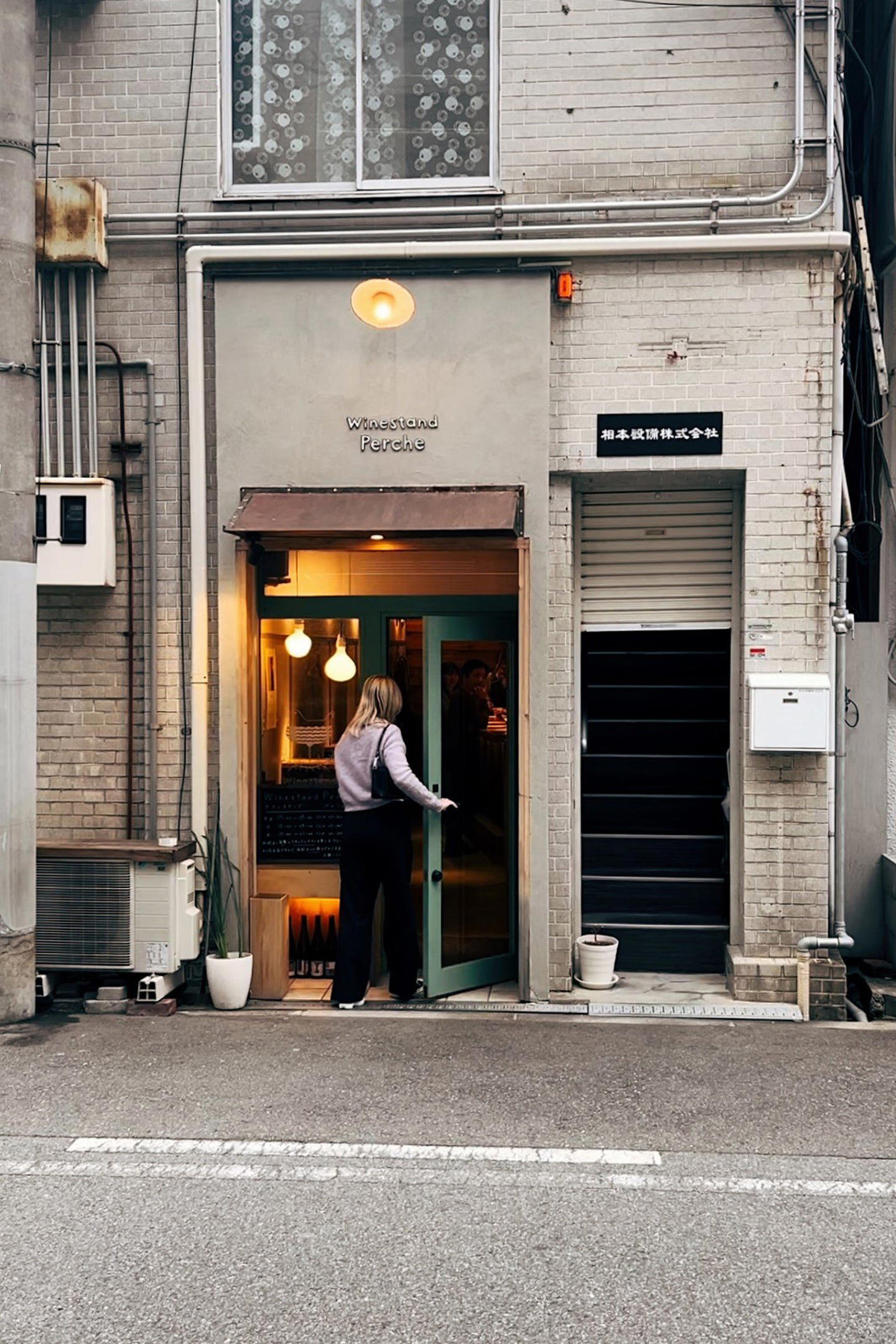
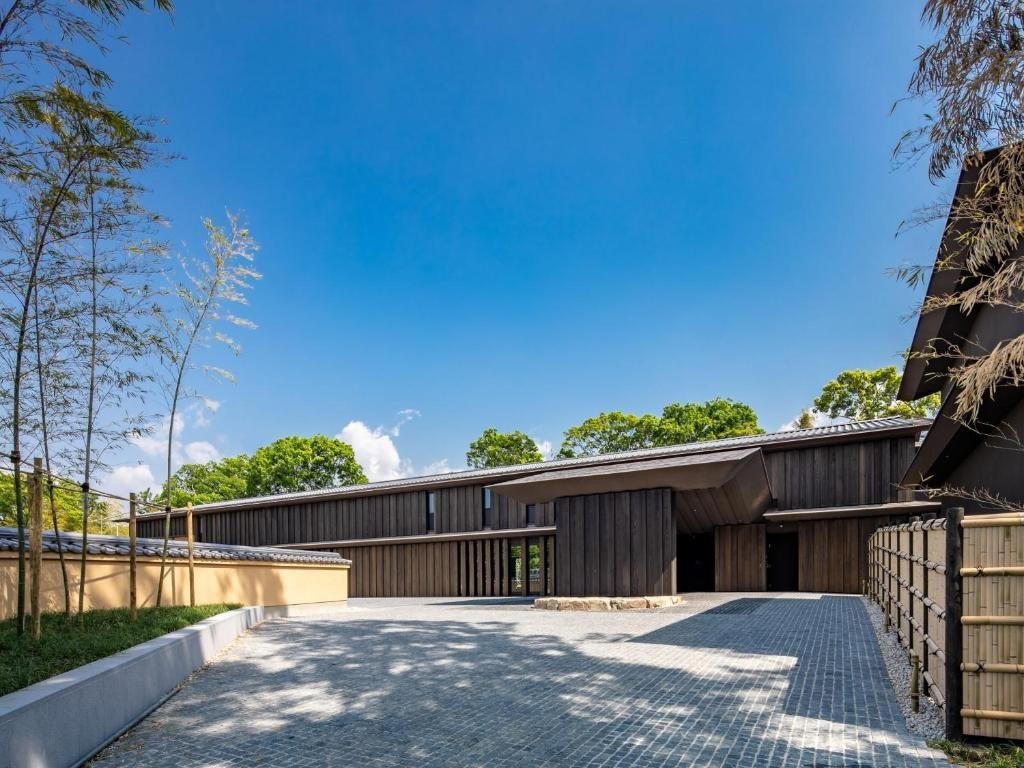
The address, Noriビル今御門, 1F, 26-2 Imamikadocho, places the restaurant in a low-key commercial strip that reads nothing like Kyoto's preserved machiya blocks or Osaka's neon density. Walking toward it, the streetscape offers none of the architectural cues that typically signal a Michelin dining room. That disjunction between exterior modesty and interior seriousness is a pattern common to top-tier Japanese dining across smaller prefectural cities; the quality signal lives entirely in reputation and reservation difficulty rather than façade. For the reader planning a stop, this means the discovery logic runs through the guide rather than the street.
The French Thread in a Japanese Kitchen
What makes Okada structurally interesting within the Nara dining scene is the identity of its chef. Alexis Voisenet is French, and while cross-cultural chefs heading Japanese-classified restaurants are not unknown in Japan's metropolitan markets, they remain genuinely unusual at the regional Michelin level. In Tokyo, addresses like Myojaku and Azabu Kadowaki demonstrate how deeply the Japanese dining format absorbs technique from elsewhere without losing its own coherence. Okada occupies a comparable position in a smaller market: a French perspective applied to Japanese structure, in a city where the dominant dining tradition runs through kaiseki and quiet seasonal precision.
The Michelin designation as Japanese cuisine rather than French or fusion is itself a positioning signal. The inspectors assessed this kitchen within the Japanese category and found it starred, which implies that whatever European technique influences the cooking, the output reads as coherent within the local tradition. That context matters when reading peer comparisons. Oryori Hanagaki and Tsukumo represent the more classically rooted end of Nara's upscale Japanese dining range. Okada occupies a distinct position: technically credentialed in a European lineage, executing within a Japanese frame, and doing so at a price point, ¥¥¥, that places all three in the same commercial tier.
Lunch Versus Dinner: What Changes and What It Costs You
The editorial angle most useful to a visitor planning around Okada is the lunch-dinner divide, and in this case the structural differences carry real implications. Japanese restaurants at the one-star level almost universally run daytime service as a compressed, more accessible version of the evening program. Pricing typically comes down by 30 to 50 percent for lunch, the sequence is shorter, and the room fills with a different crowd: local professionals, nearby office lunches, and tourists who have planned carefully enough to book ahead but not necessarily to extend their stay into the evening.
Dinner at a restaurant in this tier shifts the dynamic on multiple fronts. The pace expands, the sequence deepens, and the table reads as a destination rather than an interlude. For a city like Nara, which empties of day visitors by late afternoon, the evening dining scene is genuinely small. That scarcity concentrates the leading cooking into a handful of rooms, and Okada is among them.
For readers comparing price-to-experience across the Kansai corridor, the practical note is this: Nara sits comfortably within day-trip range of both Kyoto and Osaka by rail, but framing it as a dinner destination rather than a lunch stop changes what you can extract from the trip. Staying over opens the evening service and frees up the temple grounds at dawn, which is a different experience from the midday crowds. Our full Nara hotels guide covers the accommodation options that make this viable.
Placing Okada in the Nara Dining Tier
Nara's Michelin-recognized dining scene is small by the standards of Japan's major cities. The prefecture does not carry the density of Tokyo addresses like Harutaka, the multi-star ambition of HAJIME in Osaka, or the kaiseki depth that Kyoto assembles around places like Gion Sasaki. What it offers instead is a tighter, less competitive environment where a kitchen at this level carries more weight in the local hierarchy. Within the ¥¥¥ tier of Nara Japanese dining, NARA NIKON and Ajinokaze Nishimura represent points of comparison on price and format, while Ajinotabibito Roman sits in the same general dining neighbourhood for those building a multi-stop itinerary.
The consecutive Michelin stars, 2024 and 2025, matter here not as a marketing footnote but as a consistency signal. Single-year recognition can reflect a strong season or an inspector's timing. Back-to-back recognition in a small market where the guide scrutiny is less frequent than in Tokyo or Kyoto suggests the kitchen has stabilized at a level that reads as genuinely Michelin-caliber rather than aspirationally close. That distinction is worth making plainly for a reader deciding how to weight Okada against other regional stops on a longer Japan itinerary. For further context on starred Japanese dining at the regional level, Goh in Fukuoka and 1000 in Yokohama illustrate how one-star kitchens function in cities that sit outside the primary Michelin markets.
Planning a Visit
The ¥¥¥ price designation puts Okada in the same tier as its local peers, which in practical terms means an evening meal will likely fall in the mid-to-upper range of Nara's dining options. Given the chef profile and the consecutive Michelin recognition, this is a kitchen where advance booking is the logical assumption; the combination of small-city location and starred reputation creates a reservation window that typically extends well beyond what a spontaneous stop can accommodate. Arriving in Nara's historic center district, the Imamikadocho address is reachable on foot from the main temple areas, though the surrounding blocks read as residential-commercial rather than scenic. Our full Nara restaurants guide covers the wider scene across price points and formats, and our guides to Nara bars, Nara wineries, and Nara experiences are useful for building an evening around the meal rather than ending it abruptly. For those extending westward into the Kansai arc, 6 in Okinawa represents the southern end of the Japanese starred dining spectrum worth noting for contrast.
Frequently asked questions
What kind of recognition has Okada received?
Okada has received recognition including: Michelin 1 Star (2025); Michelin 1 Star (2024).
Which chef is Okada associated with?
The chef associated with Okada is Alexis Voisenet.
What do people recommend at Okada?
Okada holds a Michelin star in both 2024 and 2025, which signals consistent kitchen execution rather than a single breakout dish. Given that chef Alexis Voisenet is French working within a Japanese context in Nara, the counter's strengths are widely noted to lie in the intersection of French technique and Japanese ingredient discipline. At the ¥¥¥ price tier, visitors planning an evening meal should expect a structured course format where the progression itself carries the editorial weight, rather than any single standalone plate.
What's the cuisine at Okada?
What price level is Okada?
Pricing at Okada is listed as ¥¥¥.
Where exactly is Okada?
Okada is located at Noriビル今御門, 1F, 26-2 Imamikadocho, Nara, 630-8374, Japan, Nara.
Compact Comparison
| Venue | Cuisine | Price | Awards | Notes |
|---|---|---|---|---|
| OkadaThis venue (the venue you are viewing) | Seasonal Kaiseki | $150–200 | 1 Michelin Star | Not listed |
| akordu | Modern Spanish with Nara Influences | $150–200 | 2 Michelin Stars · La Liste Top Restaurants | Spanish, Innovative |
| Wa Yamamura | Traditional Kaiseki | $100–150 | 1 Michelin Star | Kaiseki, Japanese |
| Araki | Seasonal Japanese Tempura and Kaiseki | $100–150 | Michelin Plate · Tabelog Bronze #23 | Sushi, Japanese |
| Tama | French with Local Nara Ingredients | $50–100 | Michelin Plate | Okinawan, French |
| NARA NIKON | Kaiseki | $150–200 | 2 Michelin Stars · La Liste Top Restaurants | Japanese |
Recognition history
Dated appearances from independent guides and award organizations, with the underlying list record or original source where available.
Michelin 1 Star
Michelin
Full recognition history (3 entries)
Michelin 1 Star
Michelin
Michelin 1 Star
Michelin