
Tabelog 100 #63
Our verdict
Kobe’s Motomachi area gives Chinese cooking a different frame from the city’s steak-house stereotype: more neighbourhood dining room than spectacle. Juntoku sits in that register, a Cantonese-leaning Chinese restaurant selected for Tabelog Chinese WEST “Tabelog 100” in 2021, 2024, and 2026, with fish-led cooking, group-friendly rooms, and a local rhythm that suits lunch as much as dinner.

Pearl is the En Primeur Club membership app, where members save venues, book tables and use the concierge.
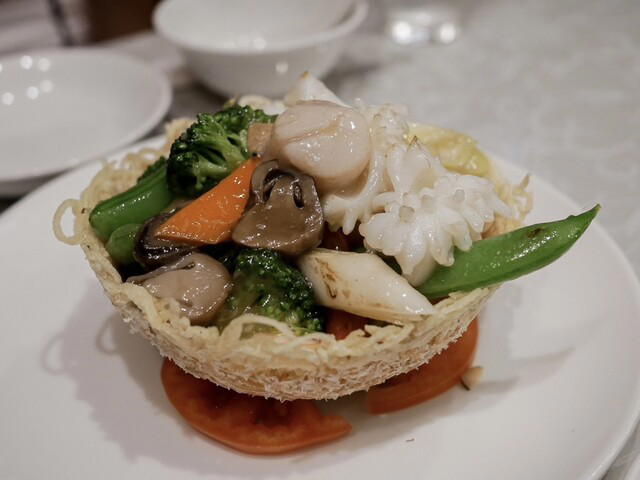
The menu
What to order
- Negi noodles
- Beef stew ramen
- Wonton noodles
- Cantonese dishes with rehydrated scallops, sea cucumber, and shark fin
Kobe is where the city’s appetite starts to look less scripted. The dining scene moves quickly from shopping streets and coffee counters into side lanes where Chinese dining rooms, old kissaten, family tables, and other local restaurants sit within reach of one another. That compactness matters: Kobe’s Chinese food is not an isolated performance here, but part of the same daily circuit as errands, after-work meals, and weekend gatherings.
Juntoku belongs to that Kobe register. Its 2026 recognition from Tabelog Hyakumeiten, with a listed score of 3.67, places it among Chinese restaurants with a visible local signal. In a city often flattened by a single food headline, that signal is useful. It points visitors toward a different local habit: Chinese meals that can be planned as part of an ordinary Kobe day rather than treated only as destination dining.
Kobe Chinese dining, away from the steak-house script
Kobe’s dining scene gives Chinese food a meaningful place in the city’s everyday grammar. Around the city, that grammar is practical rather than theatrical: group formats, familiar ordering patterns, and restaurants that work for families or friends. The category covers a broad spread. Rakkanki sits in a similar everyday orbit, while Canton Ryori Chinese Shuka Toa rodo ten moves into another style of Chinese dining. Mamounia and Motomachi Kissa show how close Kobe’s casual dining and café culture can sit to Chinese tables, reinforcing how mixed the city’s meal patterns are.
Against that background, Juntoku reads as a Chinese restaurant to consider on its own terms rather than as a tasting-menu destination. The confirmed category is Chinese, which is a useful distinction for travellers used to judging Kobe only through beef or luxury-led restaurant narratives. Here, the appeal is better understood through the place it occupies in the city’s broader dining map: a Kobe Chinese listing with enough recognition to make it worth noting.
The award signal also says something about the city’s standards. Tabelog’s Hyakumeiten selections are useful for identifying restaurants that have earned attention within their category. Juntoku’s 2026 listing suggests a restaurant whose reputation is visible within that regional dining conversation. That makes it a stronger Kobe dining clue than a single viral dish or chef-led narrative would be.
A room built for shared tables, not performance dining
The format should shape expectations. Rather than reading Juntoku through the lens of luxury performance dining, it is better approached as a Kobe Chinese restaurant whose verified listing points to category, price, recognition, and contact details rather than a heavily staged narrative. That context matters: the meal should be planned with enough flexibility to confirm the current experience directly instead of relying on assumptions.
That scale of expectation also explains why the restaurant can work for different kinds of Kobe itineraries. Travellers can treat it as a serious local Chinese option without committing the evening to a formality-heavy dinner. Groups may find the category naturally useful for a range of appetites, while solo diners should confirm what works best before going. The listed budget reinforces that everyday position: dinner is JPY 3,000 - JPY 3,999, while lunch is JPY 1,000 - JPY 1,999.
There are practical frictions worth treating as part of the decision, even when the public listing does not answer every operational question. Diners should confirm current hours, booking expectations, payment methods, and seating arrangements directly before going, especially if the meal involves a group, accessibility needs, or dietary concerns. Juntoku has a phone number on record, +81-78-331-5320, which is the safest route for details that can change.
Where it fits in a Kobe eating day
The smarter way to read Juntoku is not as an alternative to any single Kobe specialty, but as a correction to a narrow Kobe itinerary. A day in the city can include coffee, Chinese cooking, casual dining, and wandering without forcing every meal into one luxury narrative. For beef-focused planning, other Kobe dining rooms cover a different side of the city’s identity. For slower daytime pacing, unnamed cafés and casual restaurants show the range that sits beyond a single cuisine headline.
For broader planning, use Our full Kobe restaurants guide alongside Our full Kobe hotels guide, Our full Kobe bars guide, Our full Kobe wineries guide, and Our full Kobe experiences guide. Readers extending a Japan dining route can compare the Kobe mood with other dining in Japan more generally, from grilled-meat meals and seafood counters to cafés, curry shops, and casual drinking rooms. For a transpacific counterpoint to Japanese casual drinking and rice culture, unnamed overseas examples can widen the comparison without pretending they belong to the same category.
The verdict is clear enough: Juntoku is for travellers who want Kobe’s Chinese dining culture in a local key, with enough recognition to justify the detour and enough everyday structure to avoid preciousness. The draw is not chef mythology or luxury theatre. It is a Kobe Chinese restaurant backed by 2026 Tabelog Hyakumeiten recognition, a listed score of 3.67, and a price point that keeps the meal grounded.
Frequently asked questions
Where is Juntoku located?
Kobe.
What does dinner at Juntoku typically cost?
Dinner at Juntoku is listed as JPY 3,000 - JPY 3,999; lunch is listed as JPY 1,000 - JPY 1,999.
Is Juntoku open every day?
Current opening days and hours are not provided in the verified listing here. Confirm directly with Juntoku before visiting.
What's the signature at Juntoku?
No single dish is listed as the signature. The verified listing identifies Juntoku as a Chinese restaurant in Kobe.
Do they accommodate allergies at Juntoku?
The listing does not spell out an allergy policy. With a phone number on record, +81-78-331-5320, allergy questions should be confirmed directly before ordering.
Does Juntoku work for a family meal?
The verified listing does not provide a specific family policy. For group meals or children, confirm current seating and accommodation details directly with Juntoku.
The Quick Read
Side-by-side context: comparable cuisine and price.
| Venue | Cuisine | Price | Awards | Notes |
|---|---|---|---|---|
| JuntokuThis venue (the venue you are viewing) | Traditional Cantonese restaurant | $30–50 | Tabelog 100 #63 | Not listed |
| Rakkanki | Chinese Xiaolongbao | $20–30 | Tabelog 100 #88 | JPY 3,000 - JPY 3,999 JPY 1,000 - JPY 1,999 |
| Mamounia | Seasonal dessert & omelet-rice café with French–Moroccan influences | $10–20 | Tabelog 100 #6 | JPY 1,000 - JPY 1,999 JPY 1,000 - JPY 1,999 |
| Motomachi Kissa | Traditional Japanese kissaten & café | $10–20 | Tabelog 100 | JPY 999 - JPY 999 |
| Canton Ryori Chinese Shuka Toa rodo ten | Traditional Cantonese (Kobe) | $30–50 | Tabelog 100 #53 | JPY 10,000 - JPY 14,999 JPY 4,000 - JPY 4,999 |
| カルド | Italian Pizza and Pasta | $20–30 | Not listed | Not listed |
Recognition history
Dated appearances from independent guides and award organizations, with the underlying list record or original source where available.
Tabelog 100 #63 · No. 63
Tabelog · Tabelog 100 - Chinese cuisine - WEST - 2026
Continue exploring
More in Kobe
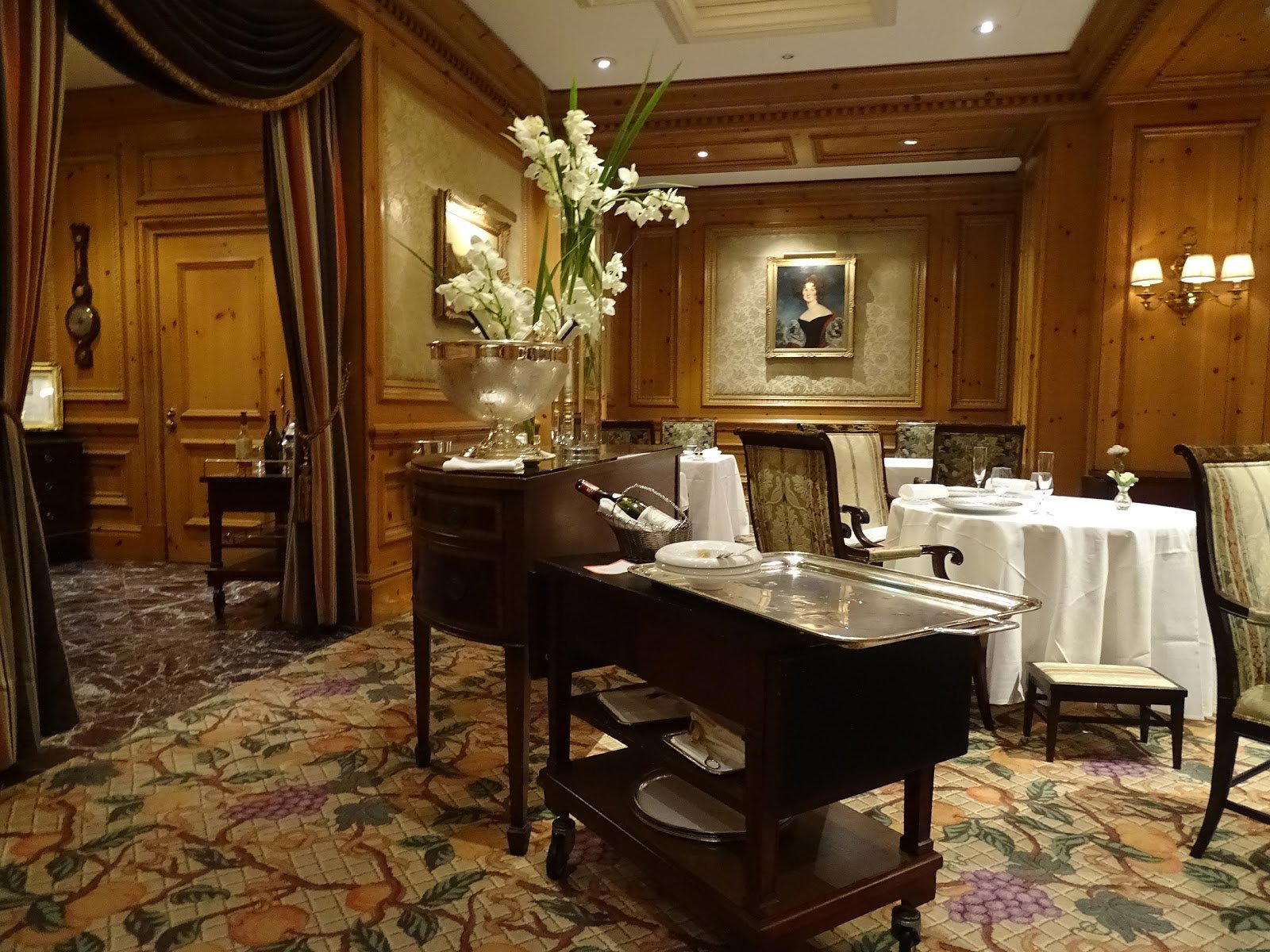
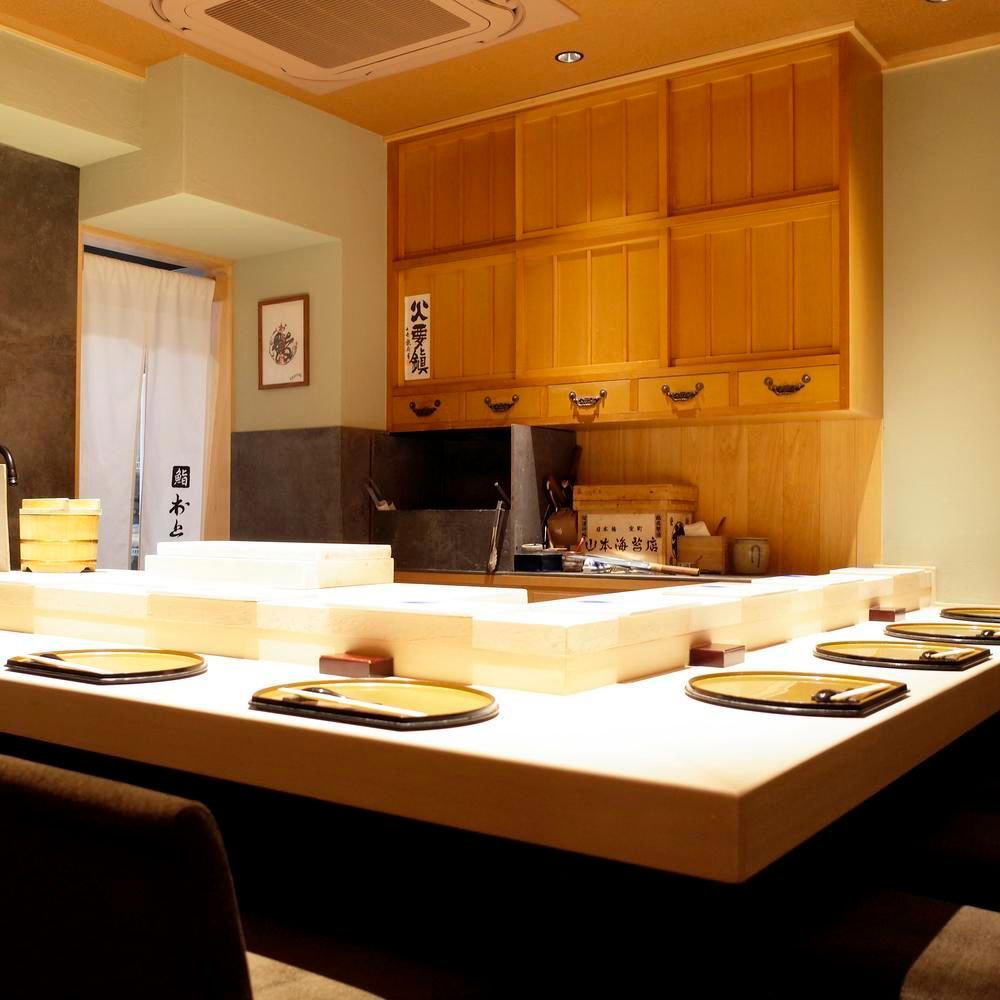
Restaurants in Kobe
All restaurants in Kobe →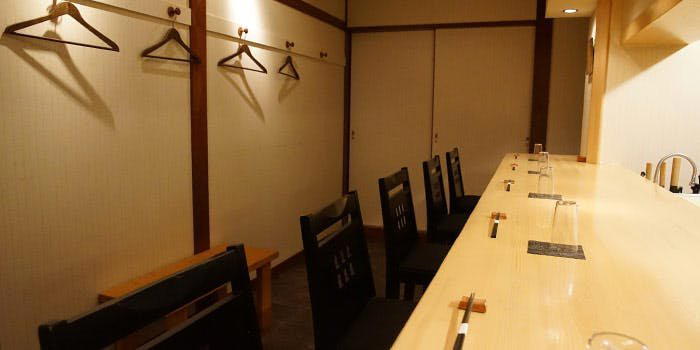
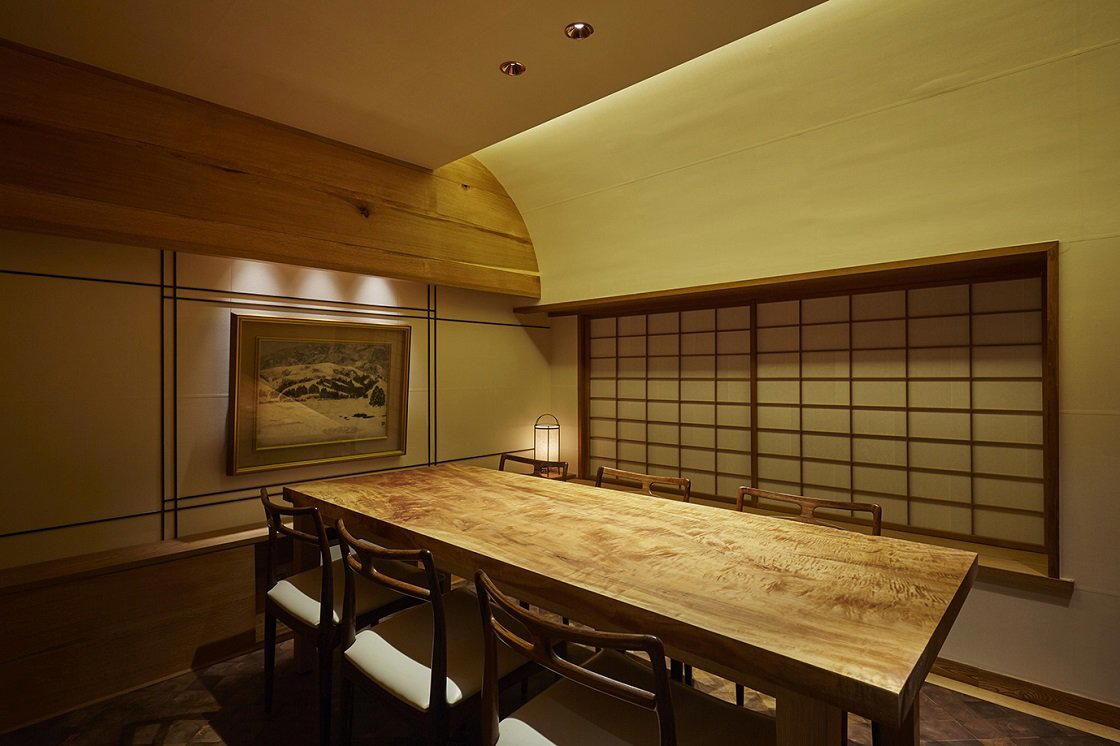
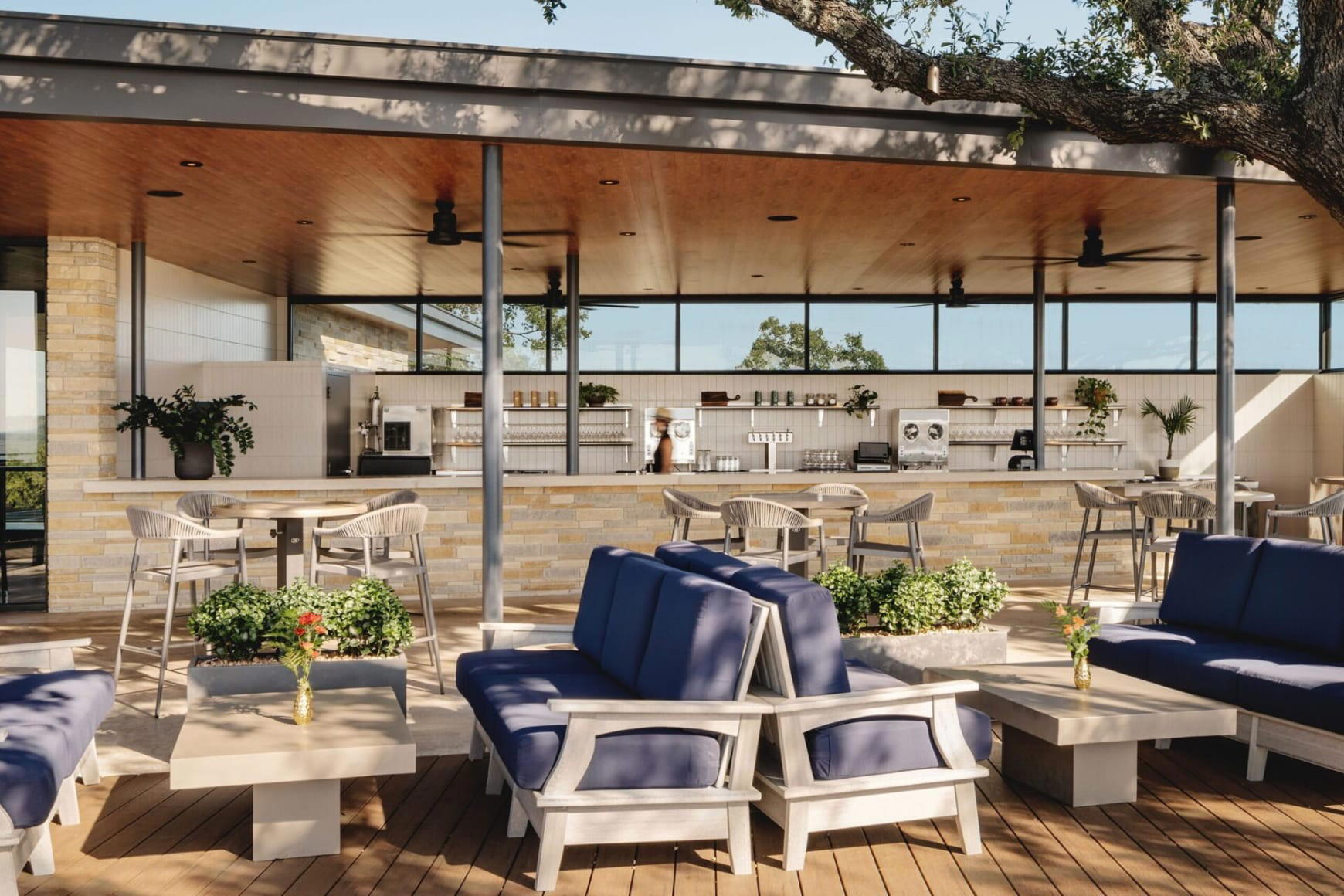
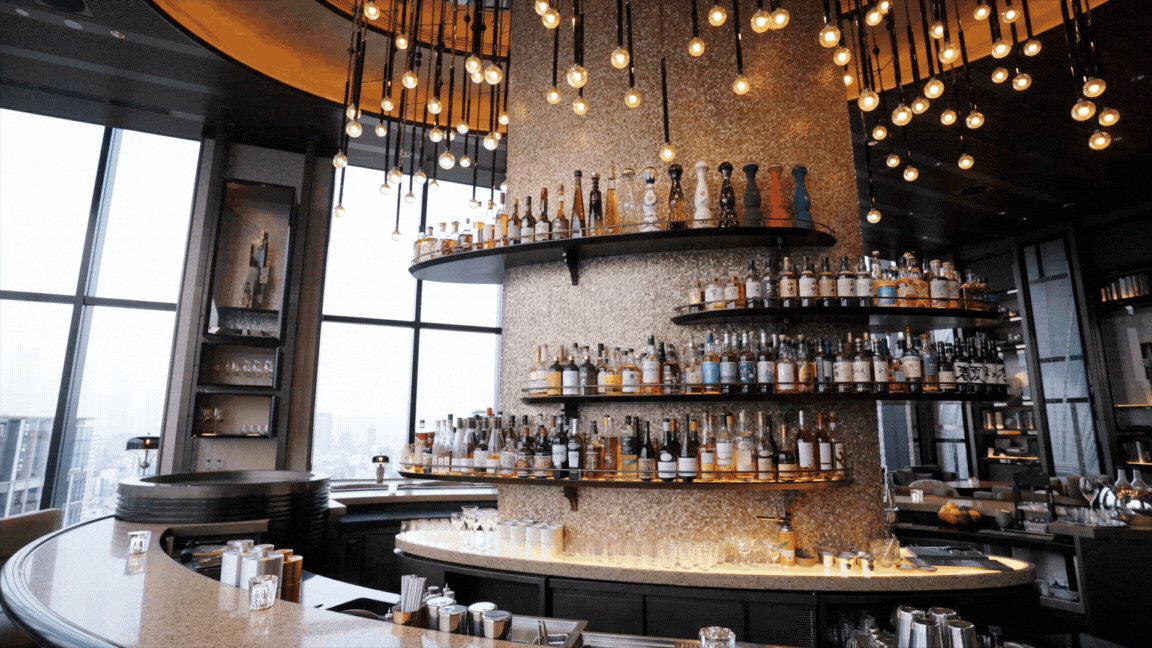
Bars in Kobe
Browse all →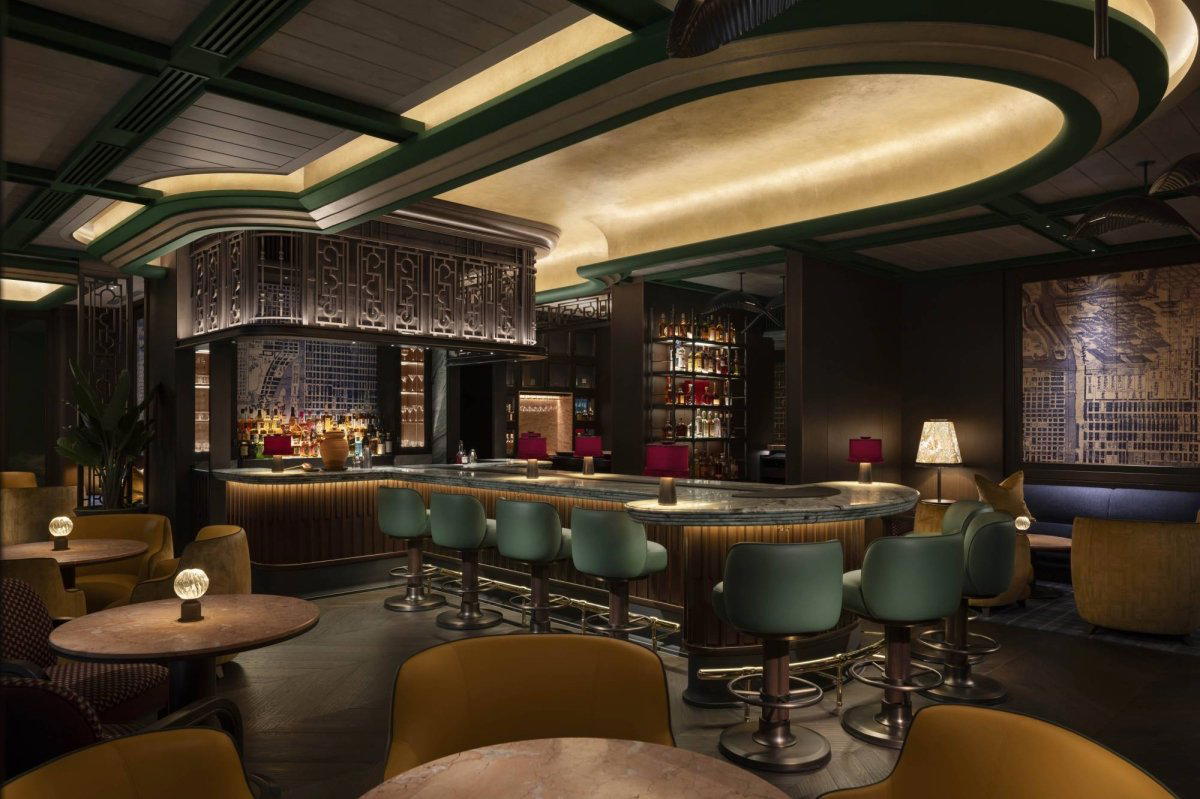




Details
- Lively
- Classic
- Cozy
- Family
- Group Dining
- Casual Hangout
- Solo
- After Work
- Celebration
- Private Event
- Private Dining
- Standalone
- A La Carte
- Family Style
- Set Menu
- Beer
- Sake
- Shochu
- Cocktails
Current opening hours
- Monday
- Closed
- Tuesday
- 11:30 AM–2:30 PM, 5–9 PM
- Wednesday
- 11:30 AM–2:30 PM, 5–9 PM
- Thursday
- 11:30 AM–2:30 PM, 5–9 PM
- Friday
- 11:30 AM–2:30 PM, 5–9 PM
- Saturday
- 11:30 AM–2:30 PM, 5–9 PM
- Sunday
- 11:30 AM–2:30 PM, 5–9 PM
Hours can change for holidays and private events. Hours as of .
Busy, down-to-earth Chinese house-restaurant with relaxed seating, tatami rooms, and the feel of a classic neighborhood Cantonese spot rather than a formal dining room; atmosphere is casual and welcoming, suitable for families and groups.