
Tabelog 100
Our verdict
Motomachi Kissa belongs to Kobe’s old-school kissaten culture: compact, quiet, and built around coffee-shop ritual rather than café spectacle. Its Tabelog 100 Kissaten selections in 2021 and 2022 place it in a serious national conversation about Japanese coffee shops, while its low-priced format keeps the experience closer to everyday Motomachi than destination dining.

Pearl is the En Primeur Club membership app — saves, bookings, and concierge access live there. Same editors, same standards.
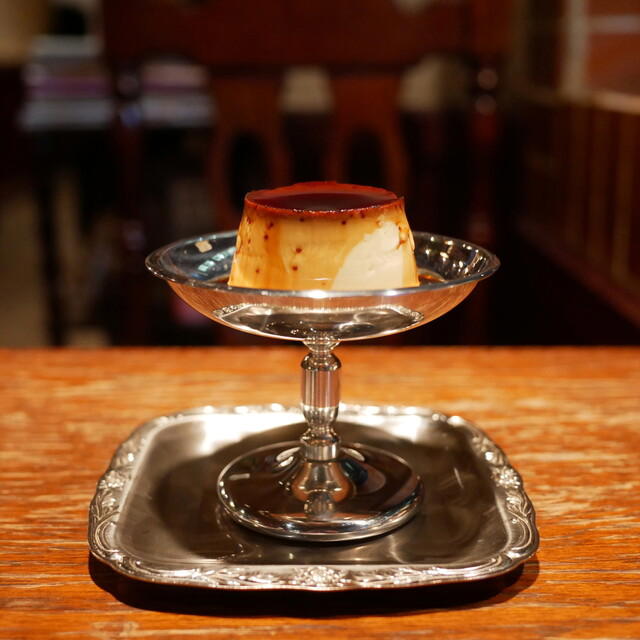
Kobe has a different tempo away from the city’s more polished visitor routes. Trains, shopping walks, and short side trips compress the city into a circuit of quick lunches, coffee breaks, and after-shopping pauses. In that setting, the kissaten is not a nostalgic prop. It is a working urban room: quieter than a chain café, less performative than a specialty coffee bar, and more disciplined than the word “café” often suggests.
Motomachi Kissa fits that older grammar. The category matters: kissa, café, and Western-style sweets sit together here, which places the room in Japan’s hybrid coffee-shop tradition rather than in a restaurant format built around courses or chef authorship. The appeal is not scarcity theater. It is the steady scale of a coffee-shop visit, the rhythm of a Kobe pause, and the way the city uses these places as intervals between errands, trains, and meals.
A compact kissaten room in a city that still understands the pause
Kobe’s dining identity is often reduced to beef, but that misses the city’s quieter daily culture. The same trip that sends visitors toward formal counters or dinner-led rooms should also account for kissaten, tea rooms, cafés, and sweets counters. They explain how the city actually moves between formal meals.
The kissaten format gives the experience its logic. It makes fewer promises than grand destination dining, but it imposes clearer expectations: measured dwell time, lower volume, and a sharper sense of everyday use. Solo use is a natural fit for the genre, and the setting reinforces that Kobe’s coffee-shop culture is as much about individual routine as social display. This is the opposite of a lounge built for lingering over a view; it is a casual stop in Kobe with its own rhythm.
Recognition gives that local rhythm national context. Selection for Tabelog 100 Kissaten in 2022 places Motomachi Kissa within a curated group of Japanese coffee shops, a category where evaluation is less about luxury signals and more about consistency, atmosphere, and how convincingly a room sustains the kissaten form. A Tabelog score of 3.67 is meaningful in this genre because Japanese review culture tends to compress ratings; a high-three score can indicate a venue with sustained local approval rather than a place engineered for international spectacle.
Why the kissaten category matters more than the menu label
Japan’s kissaten tradition predates the globalized third-wave café template. The format usually privileges table manners, controlled sound, and the ritual of coffee or sweets over laptop culture and branded lifestyle cues. In Kobe, a port city with a long history of Western influence, that hybrid identity feels especially natural: Western-style sweets and coffee sit inside a Japanese code of service and room behavior.
That distinction helps set expectations. Motomachi Kissa should be read against other Kobe coffee and café rooms, rather than against high-spend dining rooms such as Miyasu or other dinner-led Kobe addresses. Comparison venues such as Yun Ki, Rakkanki, Juntoku, Miyasu, and Mamounia occupy different price and meal-use bands; the kissaten’s role is lighter, more frequent, and less ceremonial. It belongs to the part of the day when a city reveals its habits.
There is no need to force a chef-driven narrative onto the visit. In this genre, over-explaining a founder’s philosophy can distort the point. The craft is embedded in format: coffee-shop pacing, sweets as part of the offer, and a setting that can suit one person as comfortably as two friends. That makes it useful for travelers who want Kobe beyond reservations, tasting menus, and beef counters, especially when planning a day that also includes other casual dining in Kobe.
How to place it in a Kobe itinerary
The smart use of a kissaten is not to force it into the role of a destination restaurant. It works as a calibrated pause in Kobe, especially around shopping, galleries, station transfers, or a day moving across the city. Travelers building a broader city plan can pair this kind of stop with our full Kobe restaurants guide, then widen the trip through our full Kobe hotels guide, our full Kobe bars guide, our full Kobe wineries guide, and our full Kobe experiences guide.
For readers mapping Japanese casual dining across cities, the comparison is instructive. A kissaten in Kobe performs a different civic function from izakaya, café, curry, sweets, or grill formats elsewhere in Japan. It is also distinct from destination-specific dining rooms built around a single meal format or a stronger reservation agenda. Outside Japan, exported Japanese food and drink venues translate pieces of the culture for different audiences; a Kobe kissaten shows the domestic rhythm that export versions often cannot reproduce.
The editorial case for Motomachi Kissa is modest but clear. It is a recognized coffee-shop address in a city where the pause between meals matters. Go for the kissaten experience, not for grand claims: a low-key Kobe room, a nationally noted category selection, and a reminder that the city’s food culture is built as much on quiet intervals as on headline dinners.
Frequently asked questions
What's the pricing like at Motomachi Kissa?
Pricing at Motomachi Kissa is listed as - JPY 999 - JPY 999.
What part of town is Motomachi Kissa in?
Kobe.
Is Motomachi Kissa reservation-only?
Reservations are not specified in the provided venue details. Motomachi Kissa is in Kobe, so timing a visit as a casual coffee stop is the safer way to plan.
What is Motomachi Kissa known for?
It is known as a kissaten, cafe, and Western-style sweets venue in Kobe, and it was selected for Tabelog 100 Kissaten in 2022.
At-a-Glance Comparison
Comparable venues at a glance for context.
| Venue | Cuisine | Price | Awards | Notes |
|---|---|---|---|---|
| Motomachi KissaThis venue (the venue you are viewing) | Traditional Japanese kissaten & café | $10–20 | Tabelog 100 | Not listed |
| Ipposhi | Tori paitan ramen shop | $10–20 | Tabelog 100 #64 | Nada |
| Menya Isshin | Modern Ramen Shop | $10–20 | Tabelog 100 #28 | Nada |
| Koga Ryuseimen | Ramen & Tsukemen | $1–10 | Tabelog 100 #43 | Higashinada |
| Fuji | Okonomiyaki (Japanese savory pancakes) | $10–20 | Tabelog 100 #27 | Chūō |
| Gyoza no Mise Hyotan Sannomiya ten | Kobe-style gyoza specialty shop | $10–20 | Tabelog 100 #70 | Chūō |
Recognition history
Dated appearances from independent guides and award organizations, with the underlying list record or original source where available.
Tabelog 100
Tabelog · Tabelog 100 - Kissaten - 2026
Full recognition history (2 entries)
Tabelog 100 #19 · No. 19
Tabelog · Tabelog 100 - Kissaten - 2022
Continue exploring
More in Kobe
Restaurants in Kobe
All restaurants in Kobe →
Bars in Kobe
Browse all →


Details
- Classic
- Cozy
- Well Known
- Solo
- Casual Hangout
- After Work
- Date Night
- Historic Building
- Design Destination
- Standalone
- A La Carte
- Counter Dining
- Coffee
- Tea
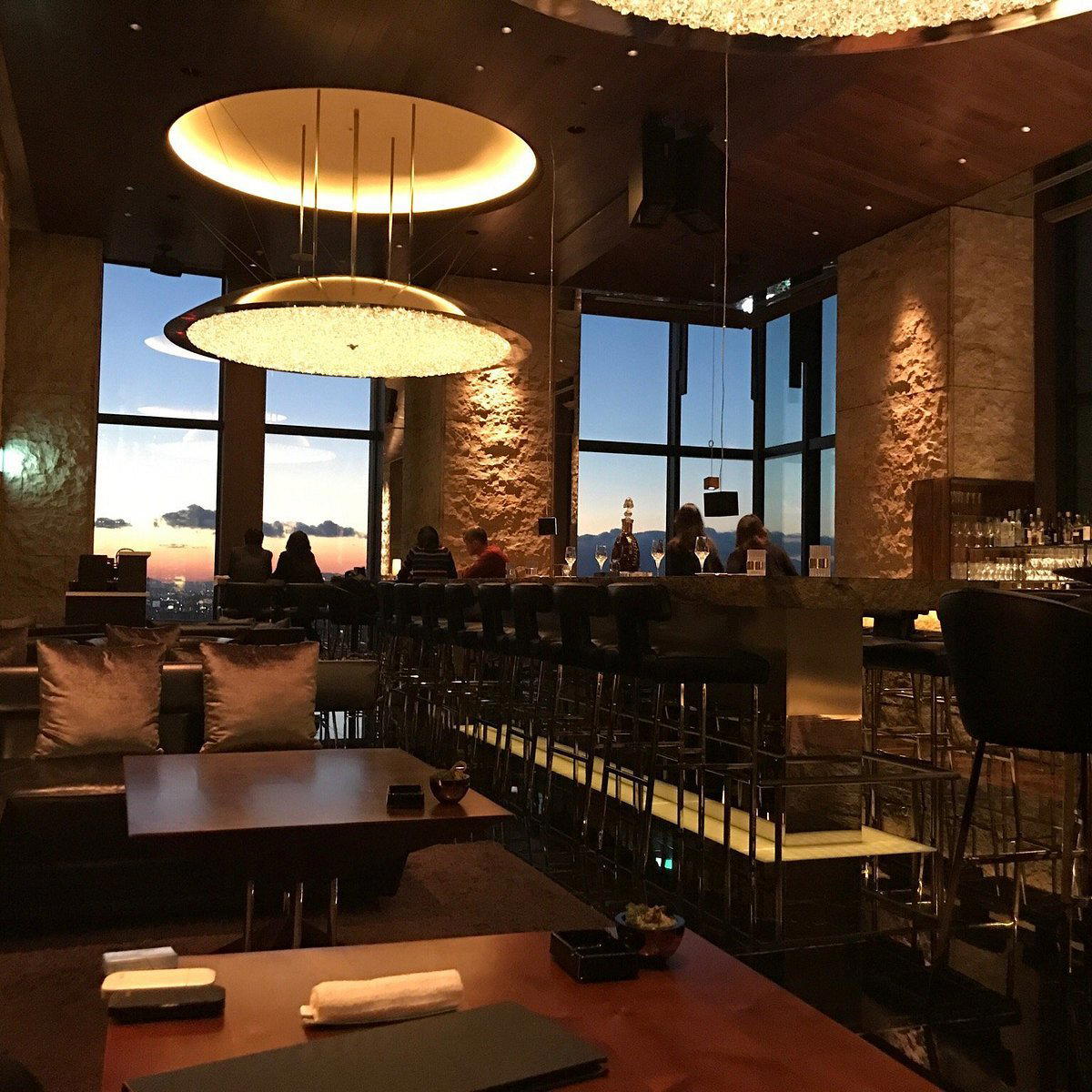
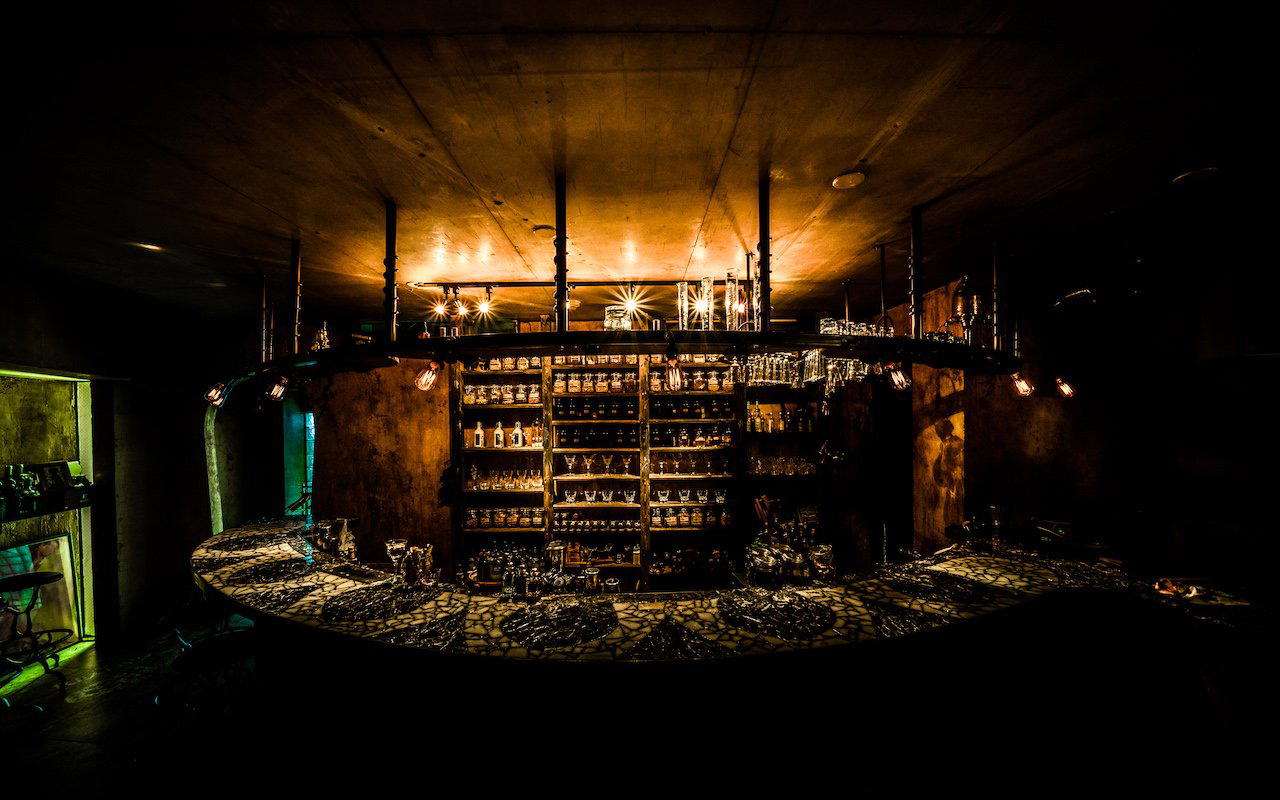
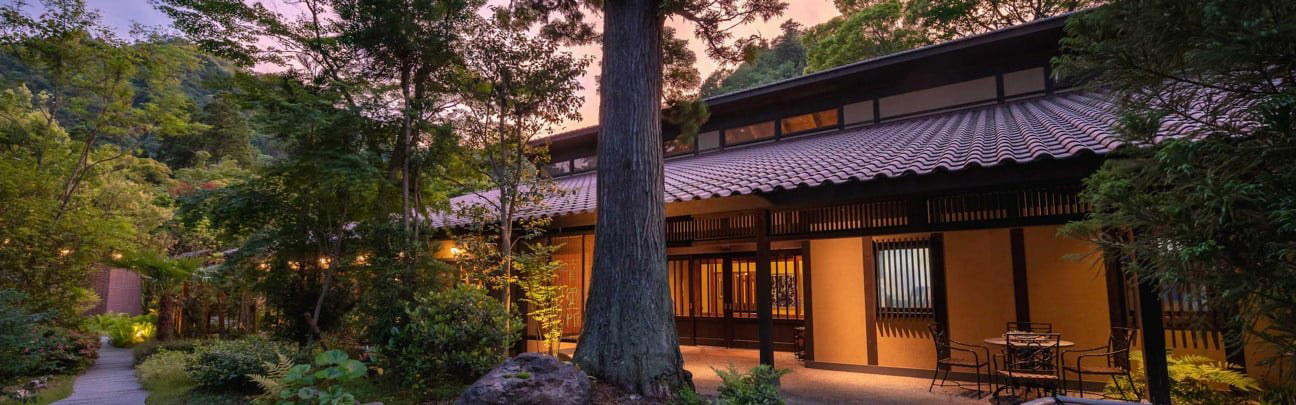
A small, non-smoking kissaten with around 18 seats, counter seating, and a stylish yet nostalgic interior that feels like a cozy hideout for solo guests and friends to linger over coffee and Western-style sweets.