
Tabelog 100 #88
Our verdict
Rakkanki brings Kobe’s Chinese dining conversation down to a compact Motomachi room where xiaolongbao, counter seating, and izakaya-adjacent ease matter more than ceremony. Its Tabelog Chinese WEST 100 selection for 2026 places it in a credible regional set, while the pricing keeps it closer to an everyday specialist than a formal Chinese banquet room.

Pearl is the En Primeur Club membership app, where members save venues, book tables and use the concierge.
The menu
What to order
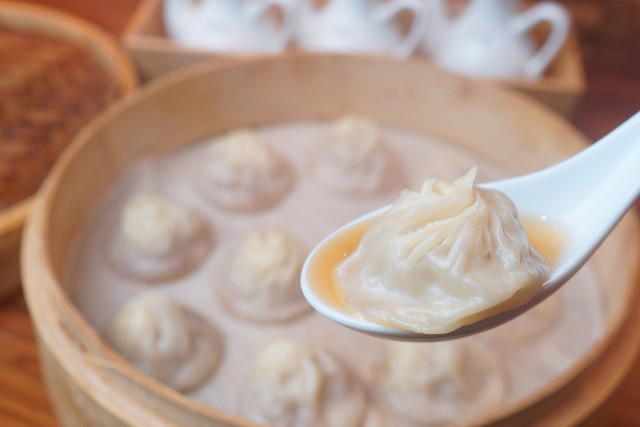
- Xiaolongbao
- Sweet and sour pork
- Kobe pork stir-fry with homemade doubanjiang
Kobe’s side streets change register quickly: polished shopping areas give way to narrow restaurant fronts, compact counters, and rooms built for repeat local traffic rather than destination theatre. Here, Kobe’s Chinese food culture differs from the grand banquet image often associated with the city’s international history. The useful comparison is not just luxury dining rooms versus neighbourhood shops, but places treating Chinese cooking as occasion dining versus those making a narrower specialty casual enough for lunch.
Rakkanki belongs to the second camp. The room is compact in spirit, with a format that feels practical rather than formal. Its category listing is clear: Chinese, xiaolongbao, and izakaya-style dining. That combination matters in Japanese cities, where specialist Chinese cooking often succeeds by tightening the format instead of expanding into banquet sprawl.
Xiaolongbao as Kobe value dining, not banquet theatre
In Kobe, Chinese restaurant value ranges widely. Some Chinese dining can reach formal spending territory, while casual rooms keep lunch low and quick. Rakkanki occupies the useful middle: serious enough for Tabelog Hyakumeiten recognition in 2026, with listed budget guidance of JPY 3,000 - JPY 3,999 at dinner and JPY 1,000 - JPY 1,999 at lunch.
The xiaolongbao focus narrows expectations. A soup-dumpling restaurant is judged on wrapper discipline, timing, and consistency more than luxury ingredients. The format rewards speed and freshness, suiting Kobe, where dining must serve shoppers, office workers, families, and destination diners in one day. This is excellence of another kind: less surprise, more whether core craft holds under regular service.
The izakaya-style category reinforces the hybrid appeal. It makes the room feel like an easy evening stop rather than a strictly traditional Chinese restaurant. That overlap is not a gimmick; it reflects how Chinese cooking in Japan adapts to local dining habits. For travellers reading Kobe only through beef counters, it is a useful correction. The city’s dining identity is broader than wagyu, and its stronger casual rooms often sit in everyday urban dining settings rather than behind hotel doors.
For a wider read on that spectrum, Our full Kobe restaurants guide places Rakkanki alongside more formal and more casual addresses. Kobe’s beef specialists represent another local shorthand, while other Kobe dining rooms show how varied everyday dining becomes once the lens moves beyond steak.
Kobe rewards specialists with tight formats
Kobe suits this meal because it compresses shopping streets, old cafés, Chinese food traditions, and transit access into a manageable city dining rhythm. Restaurants here need not perform luxury to feel purposeful. They need clarity: a dish category, service rhythm, and reliability for locals and visitors already moving through the city.
Rakkanki’s format fits that city logic. A focused specialist can support solo diners, quick pairs, families, and small groups without turning into a generic all-purpose room. The appeal is not theatrical luxury, but a clear reason to choose it: Chinese cooking, xiaolongbao, and an izakaya-style ease that works for both lunch and dinner budgets.
Against Kobe peers in the same broad Chinese and casual-dining orbit, the positioning is clear. Juntoku and Yun Ki occupy a similar local comparison set, while Canton Ryori Chinese Shuka Toa rodo ten offers another reference point for Chinese dining in the city. Mamounia and Motomachi Kissa sit closer to café or light-meal territory. Rakkanki’s advantage is its defined xiaolongbao centre: not simply the cheapest local option, not the grandest Chinese room, but a focused specialist with external recognition in a competitive category.
That recognition should be read correctly. Tabelog Hyakumeiten recognition is not a Michelin-star signal, and the listed display order is not an official ranking. Its value is filtering: a restaurant has entered a narrower set for its field. For a traveller with limited Kobe meals, that matters more than vague local popularity. It frames the choice.
How to fit it into a Kobe itinerary
The strongest use case is a Kobe day when a full formal dinner feels too much. Lunch fits the lower listed budget band, while dinner better suits diners wanting the broader izakaya-Chinese rhythm. The room’s specialist identity means large groups should plan with care rather than assuming the flexibility of a banquet restaurant.
Travellers often over-index on Kobe beef and underuse the city for mid-priced meals. That is where Rakkanki earns its place: it gives the city’s Chinese dining history a current, compact expression without demanding luxury-restaurant commitment. Pair it with a coffee stop, a walk through Kobe, or a lighter bar night rather than forcing it into a grand dining itinerary.
For planning, Our full Kobe hotels guide helps keep accommodation in Kobe, while Our full Kobe bars guide is the better companion for an after-dinner drink. Broader trip building sits in Our full Kobe experiences guide and Our full Kobe wineries guide. Readers extending the same value-minded lens across Japan can compare the idea generically with other tightly focused casual restaurants in major cities. Outside Japan, similarly disciplined Japanese and Japan-adjacent formats show how a narrow concept can travel when the execution remains clear.
Frequently asked questions
How much does it cost to eat at Rakkanki?
Pricing at Rakkanki is listed as Dinner: JPY 3,000 - JPY 3,999; Lunch: JPY 1,000 - JPY 1,999.
Where exactly is Rakkanki?
Kobe.
Can I walk in to Rakkanki?
Rakkanki is in Kobe and has a casual specialist format, so timing may matter for diners planning around lunch or dinner. Check the restaurant directly for current seating and reservation details.
What is Rakkanki known for?
Rakkanki has Tabelog Hyakumeiten recognition for 2026 in Kobe. Its listing categories are Chinese, xiaolongbao, and izakaya-style dining.
Reputation Context
Comparable venues to calibrate price, style, and recognition.
| Venue | Cuisine | Price | Awards | Notes |
|---|---|---|---|---|
| RakkankiThis venue (the venue you are viewing) | Chinese Xiaolongbao | $20–30 | Tabelog 100 #88 | Not listed |
| Gyoza Senmon Ten Shoun | Gyoza and ramen shop | $10–20 | Tabelog 100 #26 | Chūō |
| Yun Ki | Traditional Hong Kong-style dim sum & congee | $30–50 | Tabelog 100 #34 | Chūō |
| Ryuka Chubo | Casual Chinese restaurant | $30–50 | Tabelog 100 #1 | Chūō |
| Shukeien | Cantonese Chinese with panoramic Kobe night views | $50–100 | Tabelog 100 #71 | Chūō |
| Tachinomi ZUTTO | Japanese Tachinomi Izakaya | $20–30 | Tabelog 100 #72 | Chūō |
Recognition history
Dated appearances from independent guides and award organizations, with the underlying list record or original source where available.
Tabelog 100 #88 · No. 88
Tabelog · Tabelog 100 - Chinese cuisine - WEST - 2026
Continue exploring
More in Kobe
Restaurants in Kobe
All restaurants in Kobe →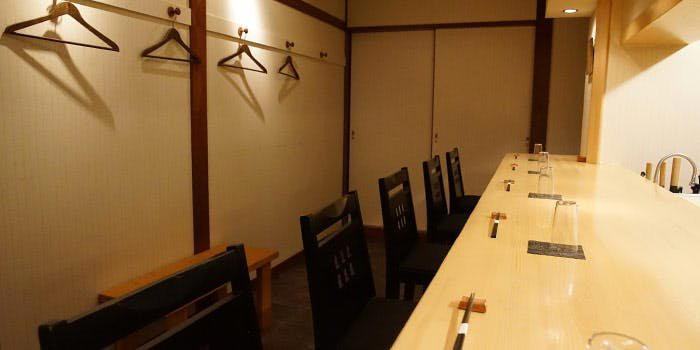

Bars in Kobe
Browse all →


Details
- Classic
- Cozy
- Intimate
- Casual Hangout
- Group Dining
- Business Dinner
- Standalone
- Beer Program
- Street Scene
- A La Carte
- Set Menu
- Beer
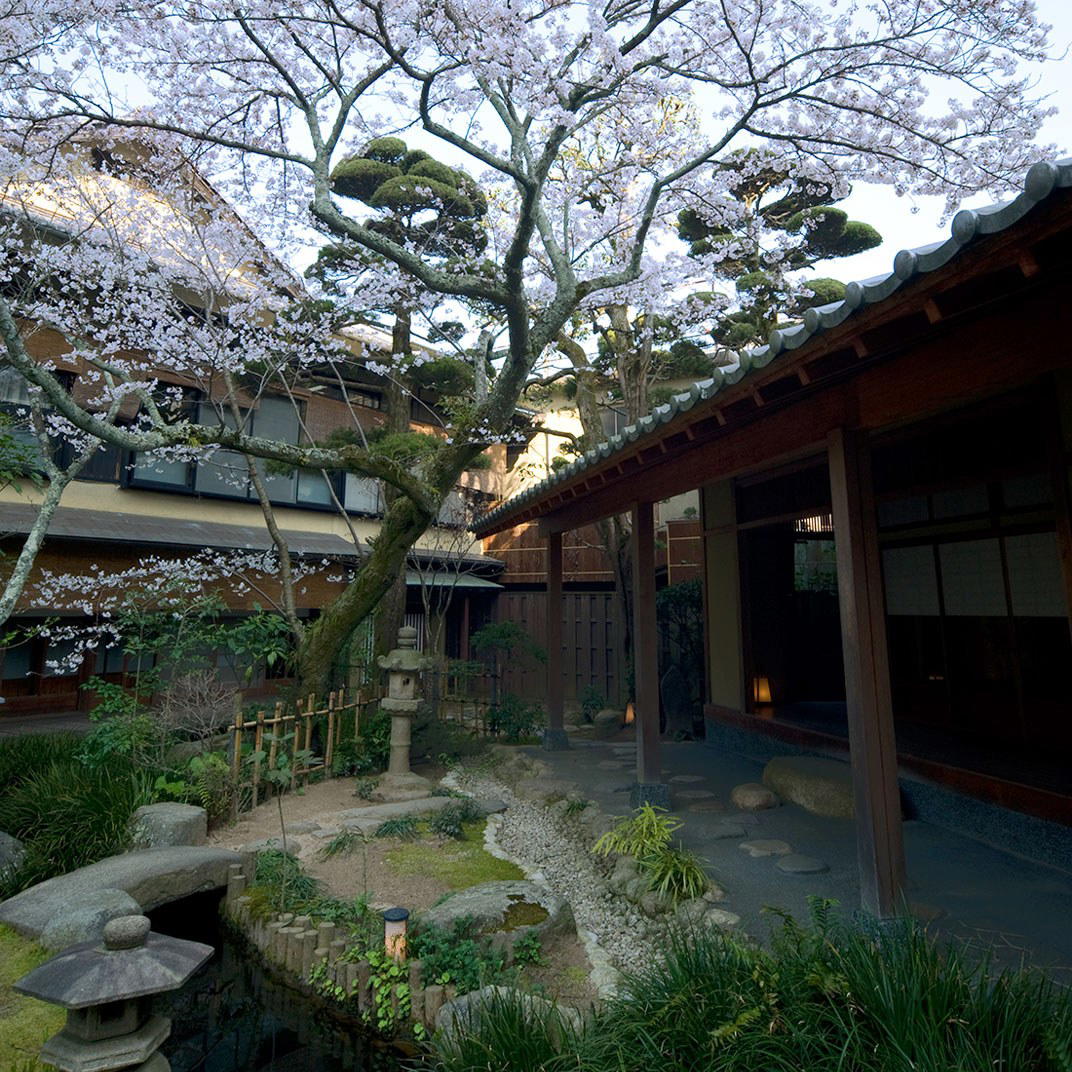
A compact, neighborhood Chinese dining room with a modest, casual atmosphere focused on the food rather than a formal or scenic setting.