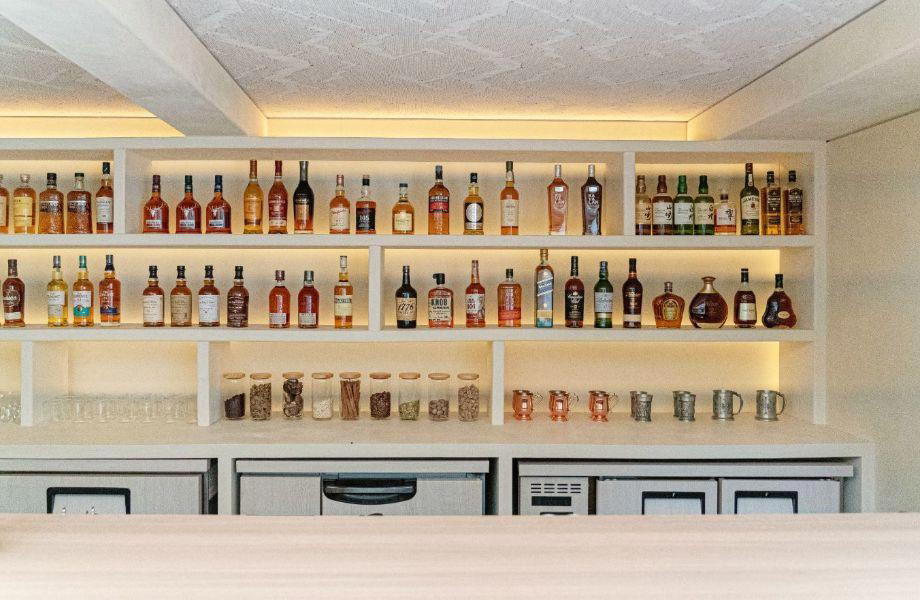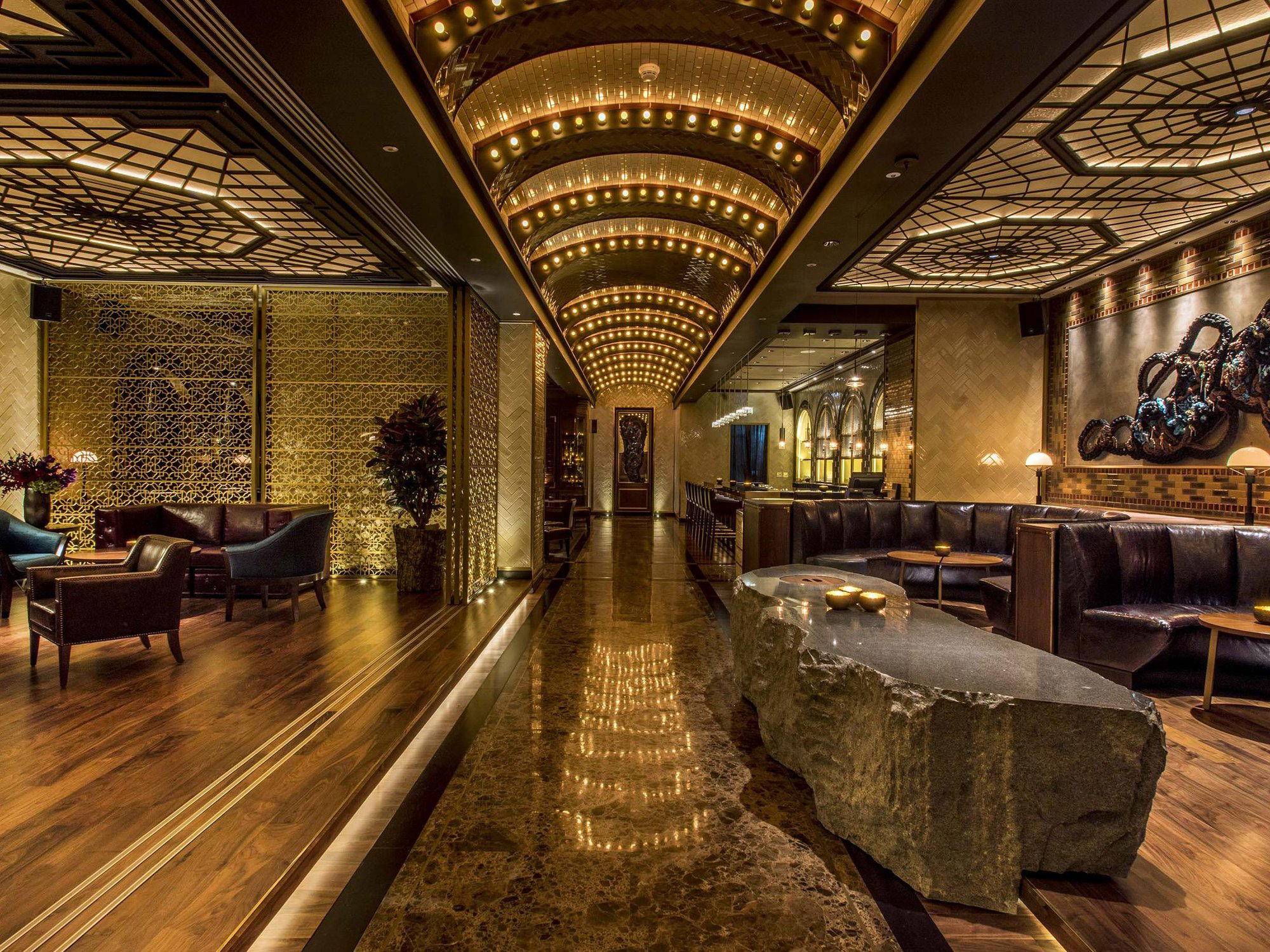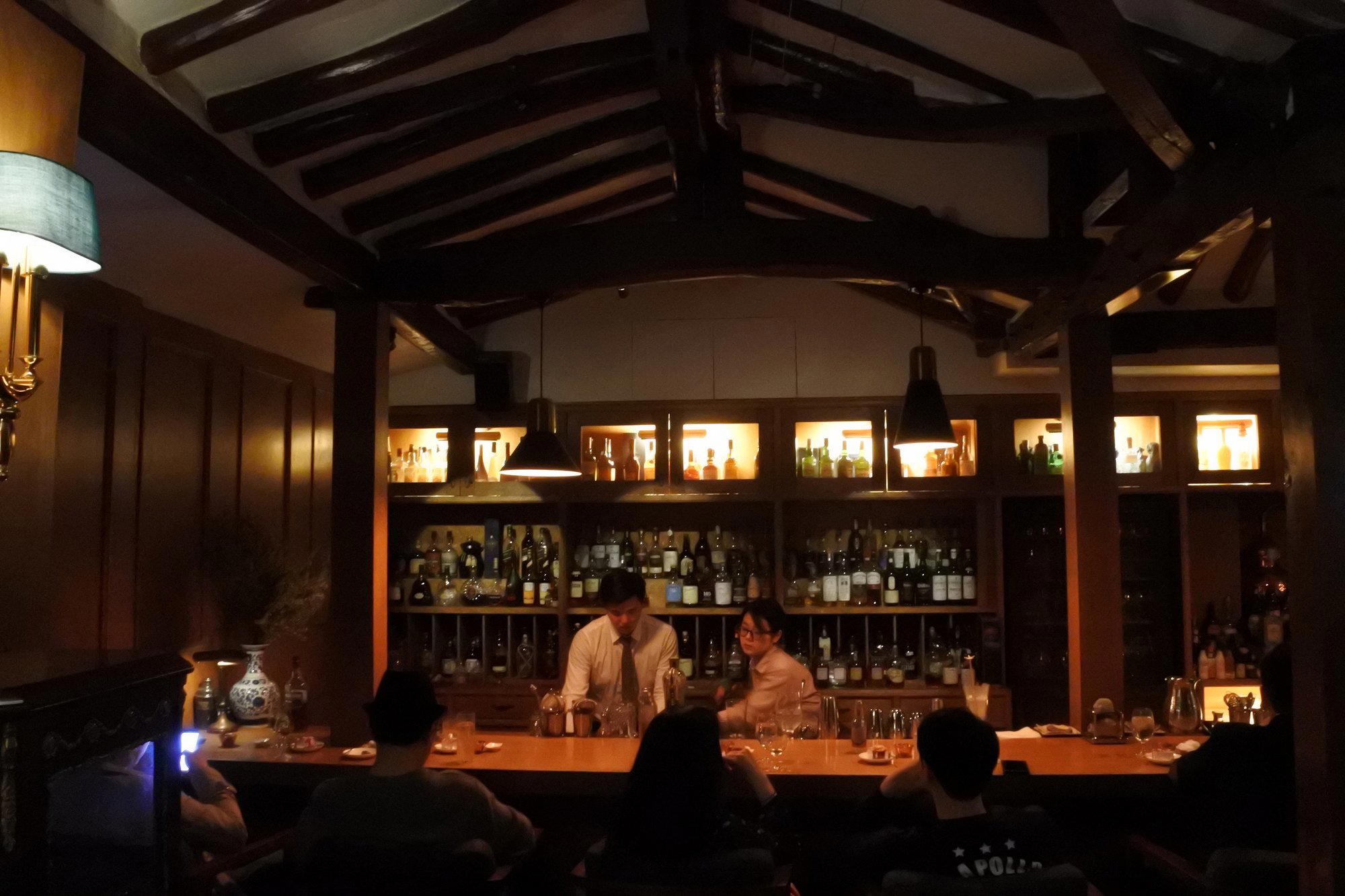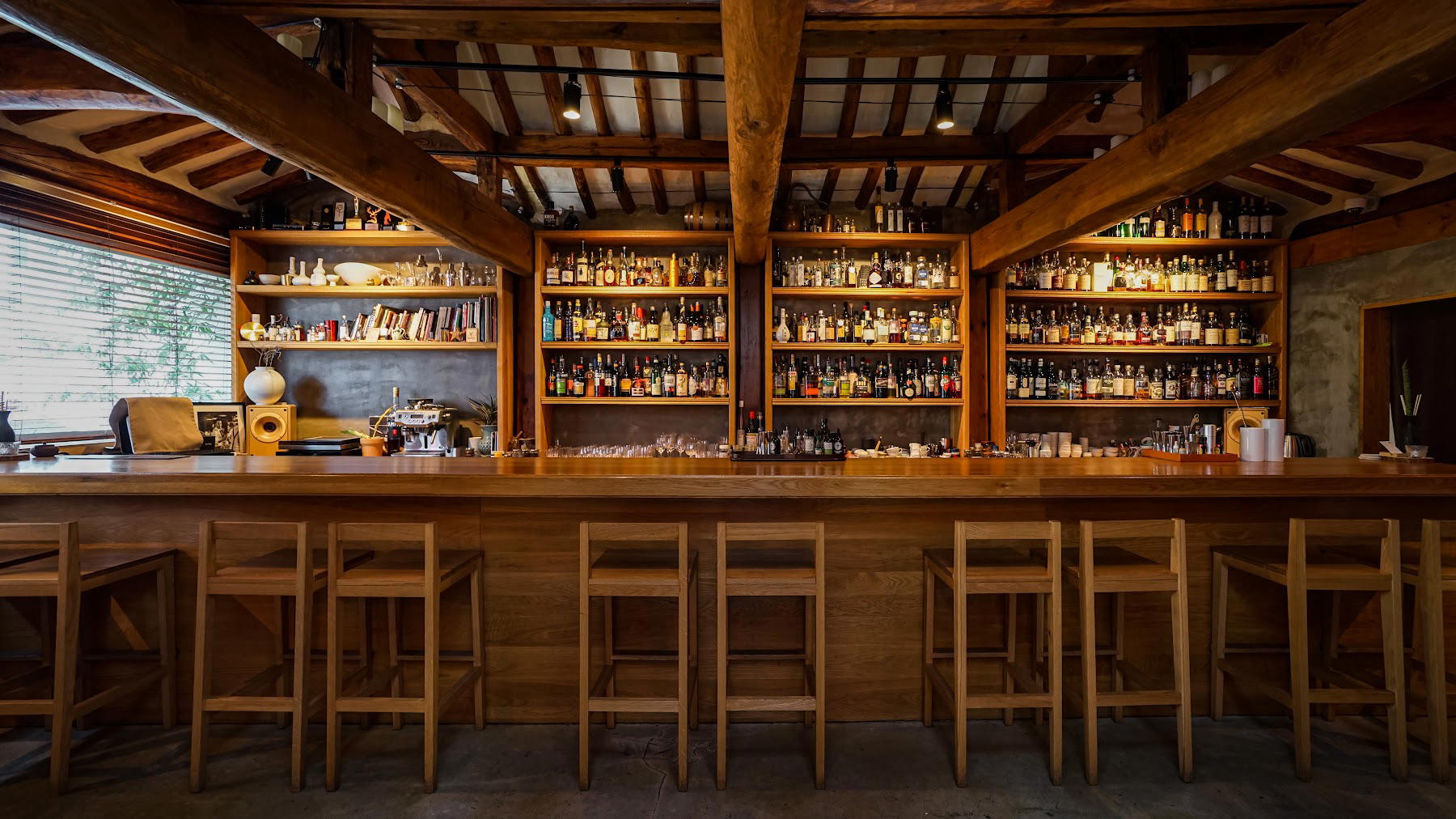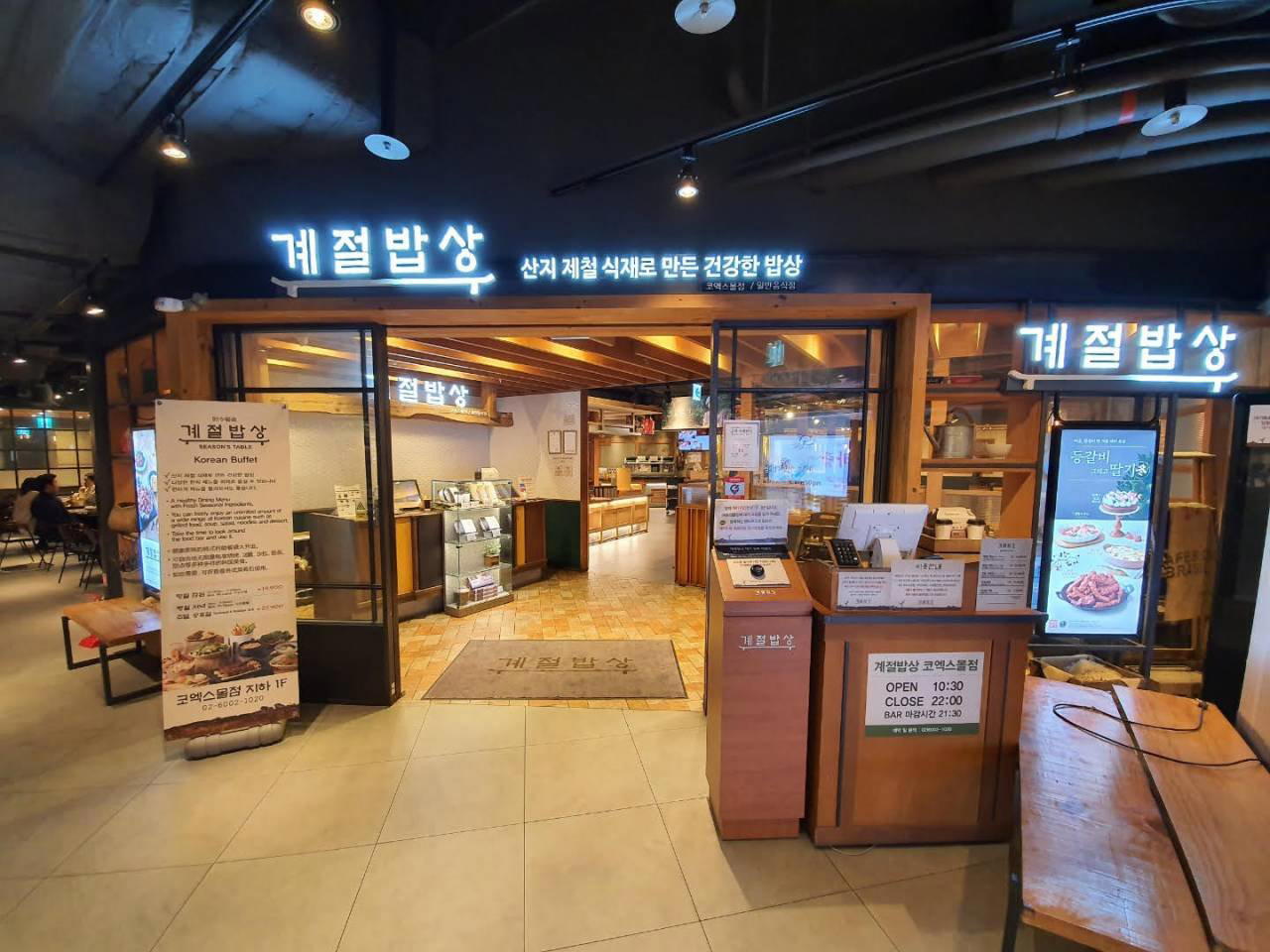
Seasons Table buffet
Seasons Table buffet sits in Insadong, one of Seoul's most historically layered districts, making it a practical base for exploring the neighbourhood's craft galleries and tea houses. The buffet format places it within a broader Seoul tradition of spread-format dining that spans temple food, royal court cuisine, and contemporary Korean-global fusions. Visitors looking to cover significant culinary ground in a single sitting will find the format well-suited to that aim.
Pearl is the En Primeur Club membership app — saves, bookings, and concierge access live there. Same editors, same standards.
- Address
- 35-4 Insadong-gil, Jongno District, Seoul, South Korea
- Phone
- +82 2 6262 4715

Insadong and the Spread-Format Tradition
In Seoul, the buffet is not a concession to convenience, it is, in several of its better incarnations, a deliberate editorial statement about Korean culinary breadth. The country's spread-format heritage runs deep: the royal court tradition of surasang, the communal table logic of temple food, and the banchan culture that treats a meal as a series of parallel arguments rather than a linear sequence. Seasons Table buffet, a Seasonal Korean Buffet at 35-4 Insadong-gil in Jongno District, Seoul, operates within that tradition and within one of the city's most historically significant neighbourhoods. Insadong is where antique dealers, Buddhist supply shops, and contemporary craft galleries share the same narrow lanes, and where the foot traffic skews toward both domestic cultural tourists and internationally minded visitors who arrived specifically for the district's texture rather than its convenience.
That address matters more than it might first appear. Jongno sits at the northern edge of the city's cultural gravity, within reach of Gyeongbokgung Palace and Bukchon Hanok Village, and the neighbourhood's character is defined less by nightlife than by a kind of deliberate cultural preservation. A restaurant choosing to anchor itself here is making a statement about audience and about the kind of dining experience it intends to offer: unhurried, contextually rich, and suited to a day that already involves considerable walking and looking.
Local Ingredients Meeting Global Technique
A Seoul buffet in this decade also has to answer how it relates to the wave of Korean chefs who trained abroad and returned with French, Japanese, or Nordic technique folded into their practice. Seoul's restaurant scene has spent the better part of fifteen years processing that influence, producing a generation of venues where doenjang appears in a beurre blanc reduction and seasonal namul greens are plated with the compositional logic of a European fine-dining kitchen. Venues like Mingles and Jungsik have made that cross-training fluency a central part of their identity. The spread-format model at a buffet like Seasons Table exists at a different price point and structural register, but the broader question, what Korean ingredients look like when processed through globally acquired technique, applies across the tier.
Korean seasonal produce is the real subject here. The peninsula's four-season climate produces ingredients that shift meaningfully between spring's fresh perilla and young garlic shoots, summer's hobak and eggplant, autumn's persimmons and root vegetables, and winter's kimchi-preserved abundance. Any buffet serious about its sourcing in Insadong will be drawing on market supply chains that run through Gwangjang Market to the east and the broader Jongno wholesale network. The format's advantage is that it can represent several of these ingredients simultaneously, in a way a tasting menu or à la carte kitchen cannot without considerable logistical strain. That breadth is the category's structural argument for its own existence. For a sense of how Korean produce gets treated in tighter, more controlled formats elsewhere in the country, Mori in Busan and Double T Dining in Gangneung each offer regional comparisons.
The Insadong Dining Context
Insadong's dining options cluster around a few distinct poles: traditional Korean tea houses, tourist-oriented set-meal restaurants, and a smaller number of more considered operations that treat the neighbourhood's cultural density as an asset rather than a backdrop. The buffet format in this context functions as a practical solution for visitors covering significant ground, the kind of meal that can absorb a group with divergent tastes without forcing a negotiation over a single prix-fixe menu. That social utility is part of why spread-format dining has survived in Korean culture through multiple waves of fine-dining influence. It is worth noting that Seoul's more experimental operations, Soigné and alla prima, both working in innovative formats, represent a very different structural logic, where the chef's sequencing is the entire premise. The buffet trades sequencing for democratic selection.
For visitors planning a broader Korean food itinerary, the regional reach of the country's cuisine extends well beyond Seoul. Doosoogobang in Suwon offers a historically grounded perspective on Gyeonggi-do cuisine, while Injegol in Inje County represents the mountain-food tradition of Gangwon Province. The temple food lineage, which treats seasonal vegetables as the primary culinary subject, has one of its most significant expressions at Baegyangsa Temple in Jangseong-gun. Seasons Table's Insadong location places it at the metropolitan end of that broader Korean culinary geography.
Planning a Visit
Insadong-gil is walkable from Anguk Station (Line 3) and sits roughly equidistant from Gyeongbokgung and the Cheonggyecheon stream, making it a natural midday stop on a northern Seoul cultural circuit. The neighbourhood operates at a different pace than Gangnam or Itaewon, mornings are quieter, and the lanes fill progressively through the afternoon as the gallery and market crowds build. A buffet lunch in this context tends to be more practical than dinner for visitors covering the district on foot. For reference on how Seoul's dining operates across different neighbourhoods and price brackets, venues like 권숙수 - Kwon Sook Soo in Gangnam-gu and Market Café in Incheon illustrate how format and location interact across the broader metropolitan area.
City Peers
Comparable venues nearby, for context on price, style, and recognition.
| Venue | Cuisine | Price | Notes |
|---|---|---|---|
| Seasons Table buffetThis venue — the venue you are viewing | Seasonal Korean Buffet | $$ | |
| 태조감자국 | Traditional Korean Gamjatang | $$ | Dongseon-dong / Seongbuk-gu |
| 옛날농장 | Korean BBQ | $$ | Gangnam |
| 백년토종삼계탕 | Traditional Korean Samgyetang | $$ | 북촌 (Bukchon) |
| 박가네빈대떡 | 전통 녹두빈대떡 전문점 | $$ | 광장시장 |
| Sinseon Seolnongtang | Traditional Korean Seolleongtang | $$ | 소공동 |
Continue exploring
More in Seoul
Restaurants in Seoul
Browse all →At a Glance
- Modern
- Family
- Group Dining
- Casual Hangout
- Hotel Restaurant
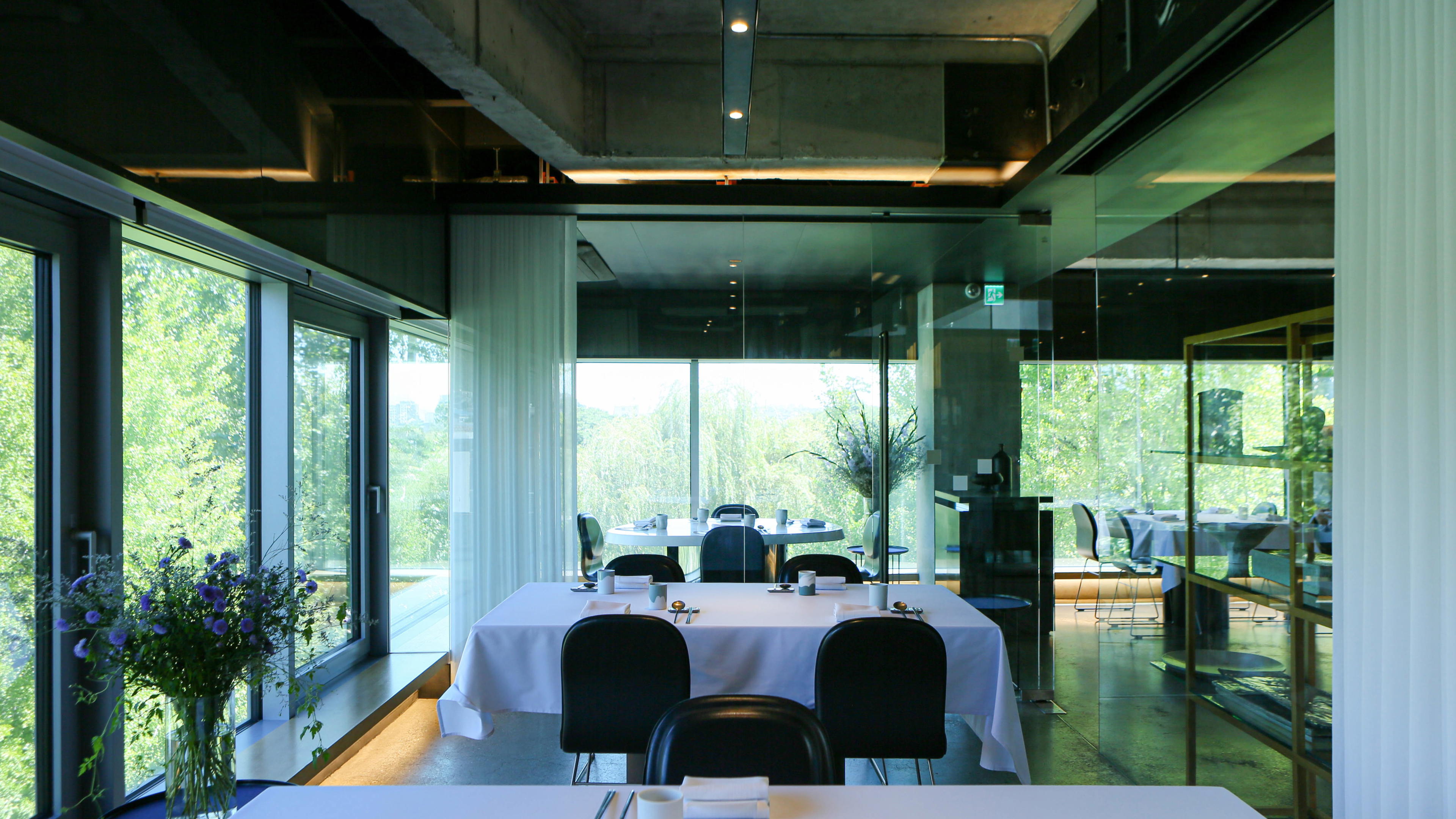
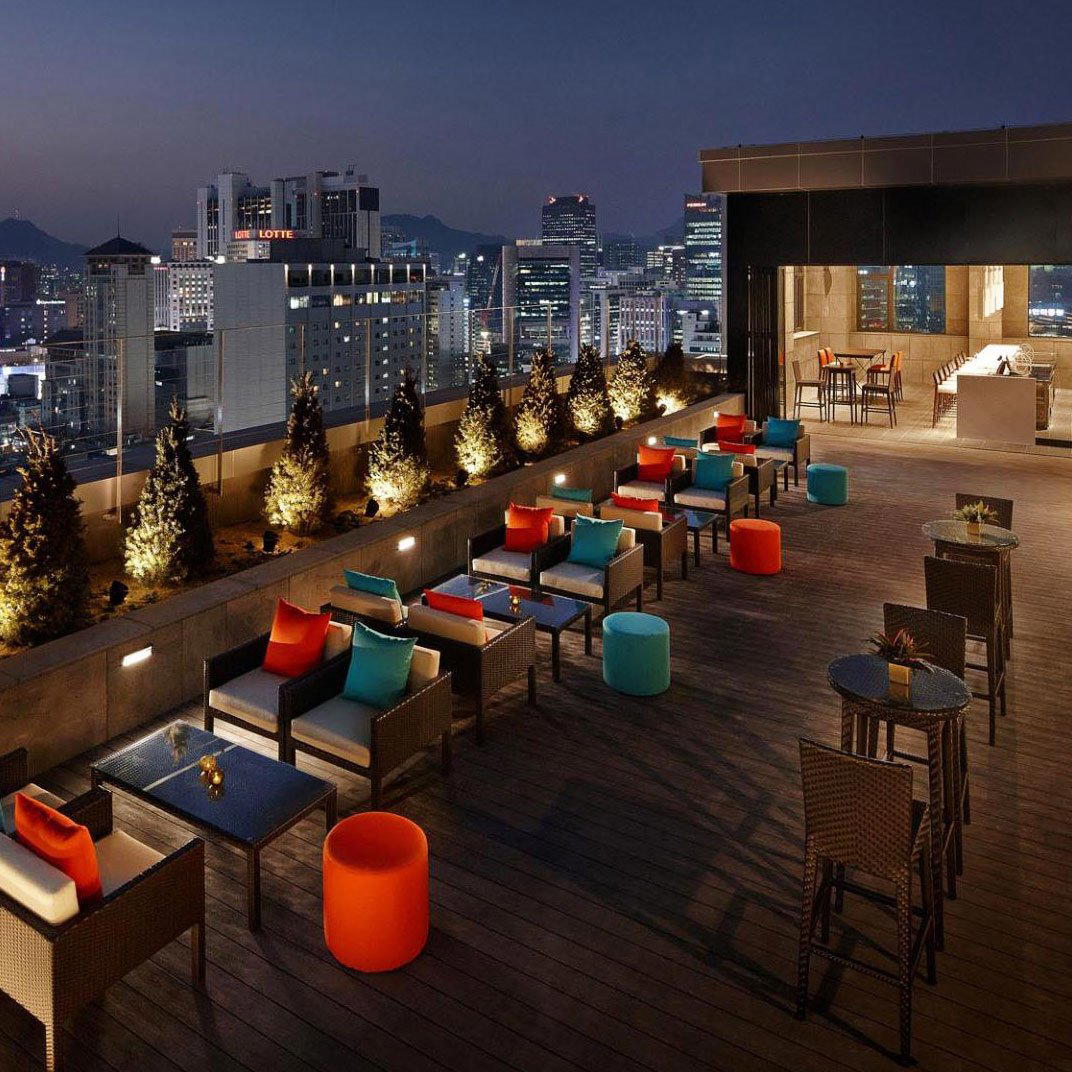
Bright and spacious mall atmosphere with lively buffet stations offering a wide variety of fresh Korean dishes.