
A Michelin Plate-recognised French restaurant in Toranomon, joujouka operates outside Tokyo's trend cycle, with chef Attilio Galli applying direct heat, clean technique, and classical French foundations to roasted meats, fish, and vegetables. The name references a 1960s Rolling Stones album, and that same refusal to follow fashion runs through every plate. Priced in the mid-tier (¥¥¥) for Tokyo French dining, it occupies a considered niche in a neighbourhood better known for offices than gastronomy.
Pearl is the En Primeur Club membership app — saves, bookings, and concierge access live there. Same editors, same standards.
- Address
- Japan, 〒105-0001 Tokyo, Minato City, Toranomon, 3 Chome−22−7 東武ハイライン第2芝虎ノ門 103
- Phone
- +81 3-3432-9150
- Website
- joujouka-japan.com
- Directions
- Get directions
 Saves & bookings on Pearl
French Classicism in a Business District That Doesn't Ask For It
joujouka is a Tokyo restaurant in Toranomon, Minato City, serving Classic French Omakase. The neighbourhood, a grid of corporate towers and transit infrastructure southwest of the Imperial Palace, draws the lunch crowd rather than the destination diner. That context matters when placing joujouka: a French restaurant on a residential side street off the main commercial drag. In a city where French cooking has stratified sharply between the ¥¥¥¥ omakase-adjacent tasting counter and the casual bistro, joujouka occupies a deliberate middle register, classical in structure, focused on technique, and priced at about $80 per person.
The Brasserie Tradition and What It Actually Demands
French cooking in Tokyo exists on a wide spectrum. At one end sit the three-Michelin-starred rooms, L'Effervescence, with its produce-forward philosophy, or Château Restaurant Joël Robuchon, which imports European grandeur wholesale, where the format is tightly choreographed and the price point removes any ambiguity about what the evening is. At the other, neighbourhood bistros run on affordability and familiarity. The classical brasserie tradition occupies different ground: it is defined less by price than by a set of convictions about cooking. Roasting over high heat. Cooking that rewards the ingredient rather than disguising it. Service without theatre. The kitchen as the room's argument, not its performance.
That tradition has a specific technical grammar. The brasserie kitchen prizes the Maillard reaction, the caramelisation that comes from genuine heat applied directly to flesh, fish, or vegetable. It does not dress results with reductive saucing or architectural plating to compensate for timid cooking. And it asks the chef to hold a line: the same dish, cooked the same way, returning the same result across service after service. It is, in that sense, harder than novelty-driven cooking, which can hide inconsistency behind constant change. joujouka sits within this tradition.
Chef Attilio Galli and the Logic of Restraint
Chef Attilio Galli leads the kitchen. Chef Attilio Galli's approach, centres on heat and aroma in the roasting of meats, vegetables, and fish. What distinguishes the approach is the stated indifference to trend: the cooking pursues its own ideals of flavour without drifting from classical foundations. In Tokyo's French dining scene, where Florilège and ESqUISSE have each built identities through a kind of creative restlessness, that constancy reads as a position rather than a limitation. joujouka's register is both plainer and more direct.
The restaurant's name adds an unexpected coordinate. Joujouka refers to the Master Musicians of Joujouka, a Moroccan trance ensemble recorded in the late 1960s by Brian Jones of The Rolling Stones, an album that existed entirely outside mainstream pop at the time of its release. The parallel is not subtle: a set of convictions pursued without reference to what the surrounding market is doing. What the name signals is intent.
Toranomon as Dining Address
Toranomon area has changed over the past decade, with the Toranomon Hills development drawing international hotel brands and a different class of business traveller to what was previously a purely functional district. That development has created some demand for serious restaurant options that don't require a crosstown journey to Nishi-Azabu or Hiroo. joujouka's address, in a low-rise residential building on a side street in Toranomon 3-chome, predates that wave, which places it as a neighbourhood institution rather than a commercial arrival. The ¥¥¥ price band is appropriate for a working lunch or an unceremonious dinner, and in a district where the ¥¥¥¥ tasting menus at Tokyo's trophy French rooms require both advance planning and formal commitment, that positioning makes joujouka practically useful as well as editorially interesting.
French Cooking Across Japan and Beyond
Tokyo is not the only city in Japan where French cooking has taken a serious hold. HAJIME in Osaka represents the highest tier of French precision outside Tokyo, while akordu in Nara draws a French-adjacent European sensibility into a deeply traditional setting. Goh in Fukuoka and Gion Sasaki in Kyoto work the boundary between Japanese and Western frameworks in different ways, while 1000 in Yokohama and 6 in Okinawa extend the conversation into cities that rarely figure on the standard dining itinerary. For classical French in its European heartland, Hotel de Ville Crissier in Switzerland provides the reference point; in Southeast Asia, Les Amis in Singapore occupies a comparable position of long-standing classical authority.
Planning Your Visit
Location: 3 Chome-22-7 Toranomon, Minato City, Tokyo 105-0001. Budget: about $80 per person. Reservations: essential. Dress: smart casual.
What dish is joujouka famous for?
No single signature dish is documented for joujouka. What the Michelin recognition describes is an approach rather than a calling card: roasted meats, fish, and vegetables cooked over genuine heat, with the aroma and colour of direct roasting doing the work that elaborate saucing might otherwise perform. The kitchen's character is defined by that technique, no-nonsense preparation that lets the quality of the result argue for itself, rather than by a specific plate. Diners seeking an indication of what to order should expect classical French structure, with roast-forward main courses as the kitchen's clearest statement. The Michelin Plate awarded in both 2024 and 2025 confirms quality without specifying any individual dish, which is consistent with a cooking style that resists being reduced to a single signature moment.
Peers Worth Knowing
Comparable venues nearby, for context on price, style, and recognition.
| Venue | Cuisine | Price | Notes |
|---|---|---|---|
| joujoukaThis venue — the venue you are viewing | Classic French Omakase | $$$$ | Not listed |
| Clos Des Gourmets | Modern French Fine Dining | $$$$ | Minato |
| Bistro YEBISU | French-Japanese Fusion Bistro | $$$ | Shibuya |
| ete | Modern French Fine Dining | $$$$ | Shibuya |
| IBAIA | French Meat Bistro | $$$ | Chūō |
| L'EAU | Innovative French with Japanese Seasonal Ingredients | $$$$ | Minato |
Recognition history
Dated appearances from independent guides and award organizations, with the underlying list record or original source where available.
Michelin Plate
Michelin
Michelin Plate
Michelin
Michelin Plate
Michelin




At a Glance
- Intimate
- Elegant
- Cozy
- Sophisticated
- Date Night
- Special Occasion
- Business Dinner
- Chefs Counter
- Open Kitchen
Current opening hours
- Monday
- 6–10 PM
- Tuesday
- 6–10 PM
- Wednesday
- 6–10 PM
- Thursday
- 6–10 PM
- Friday
- 6–10 PM
- Saturday
- 6–10 PM
- Sunday
- Closed
Hours can change for holidays and private events. Last verified .
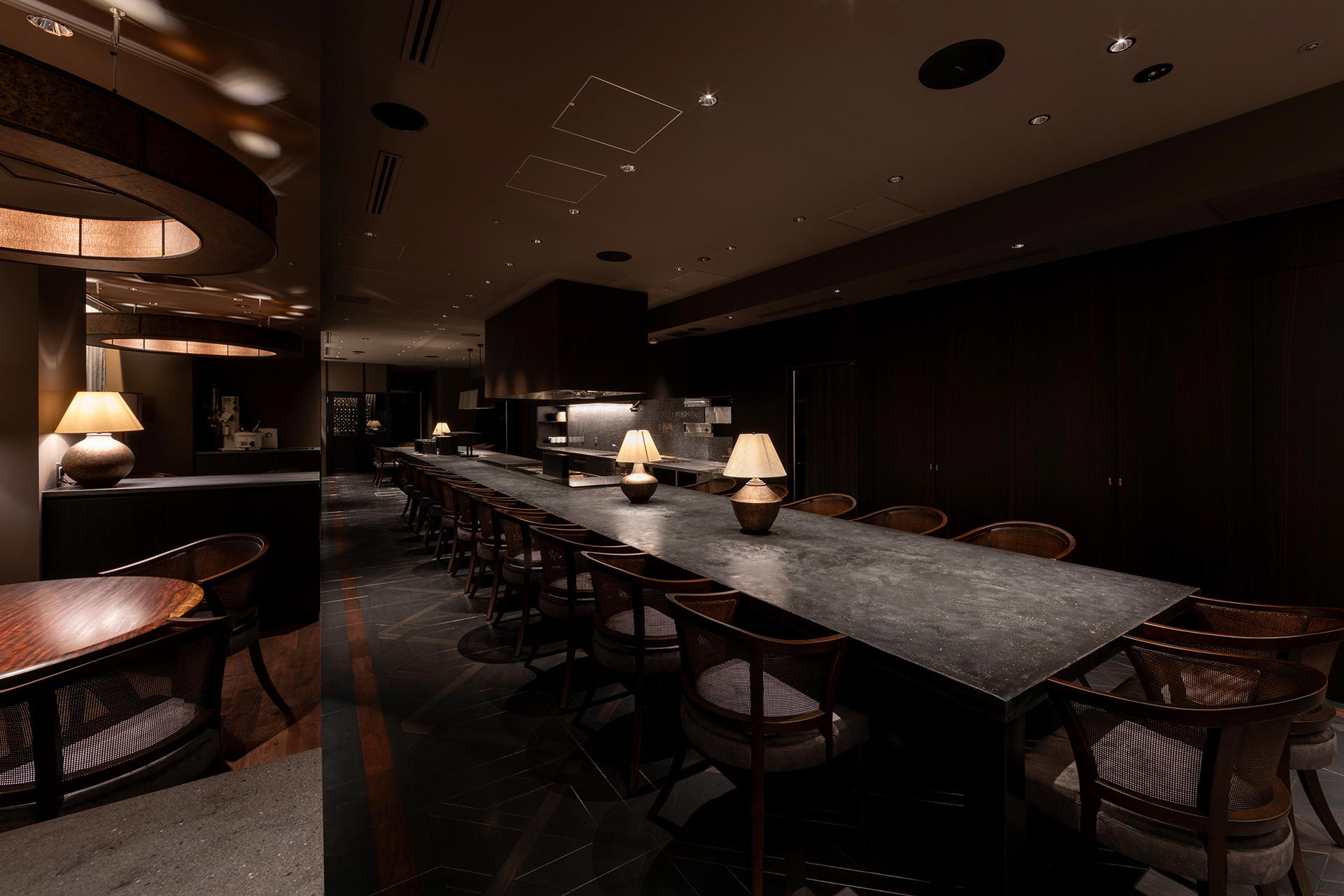
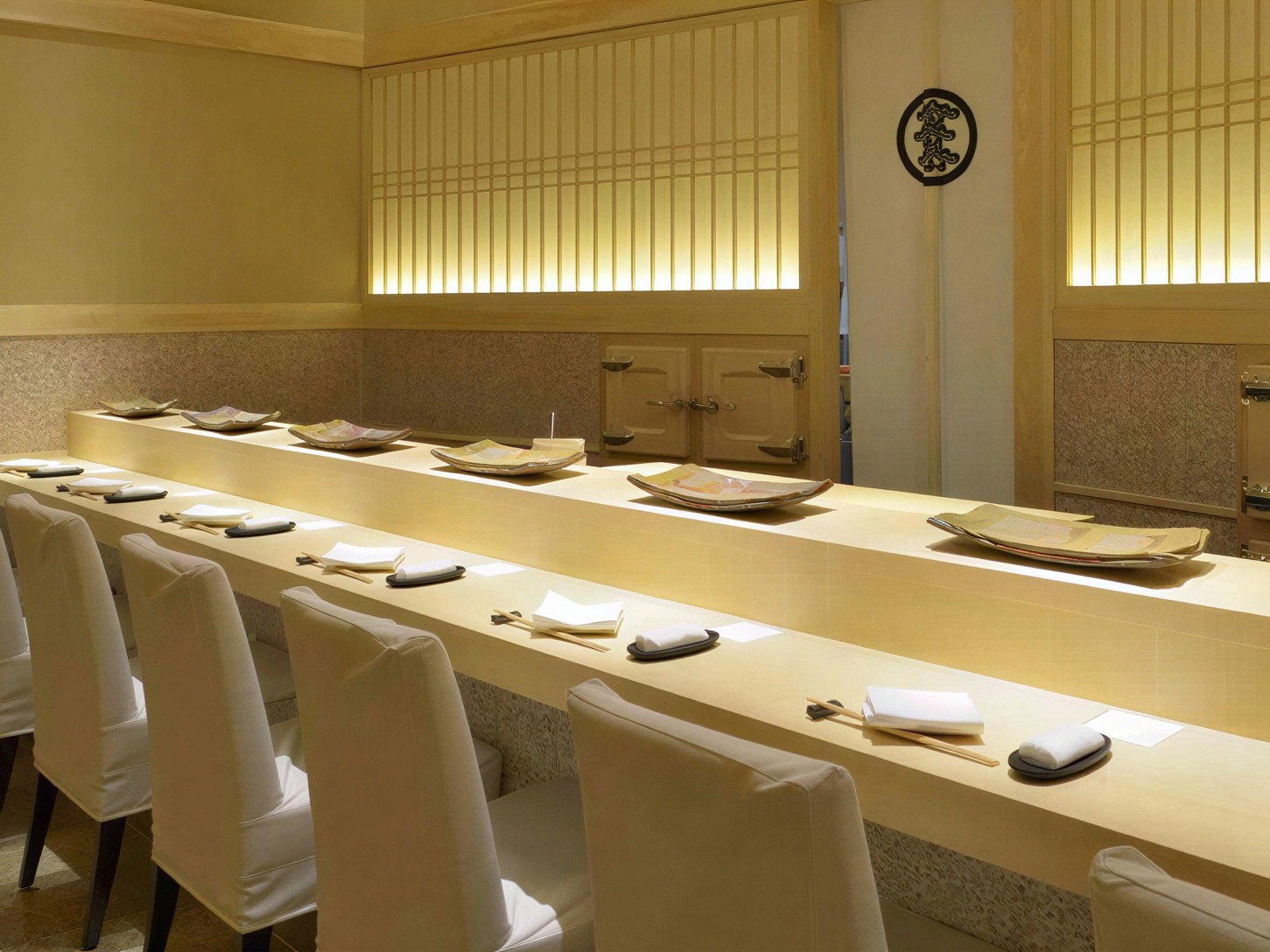
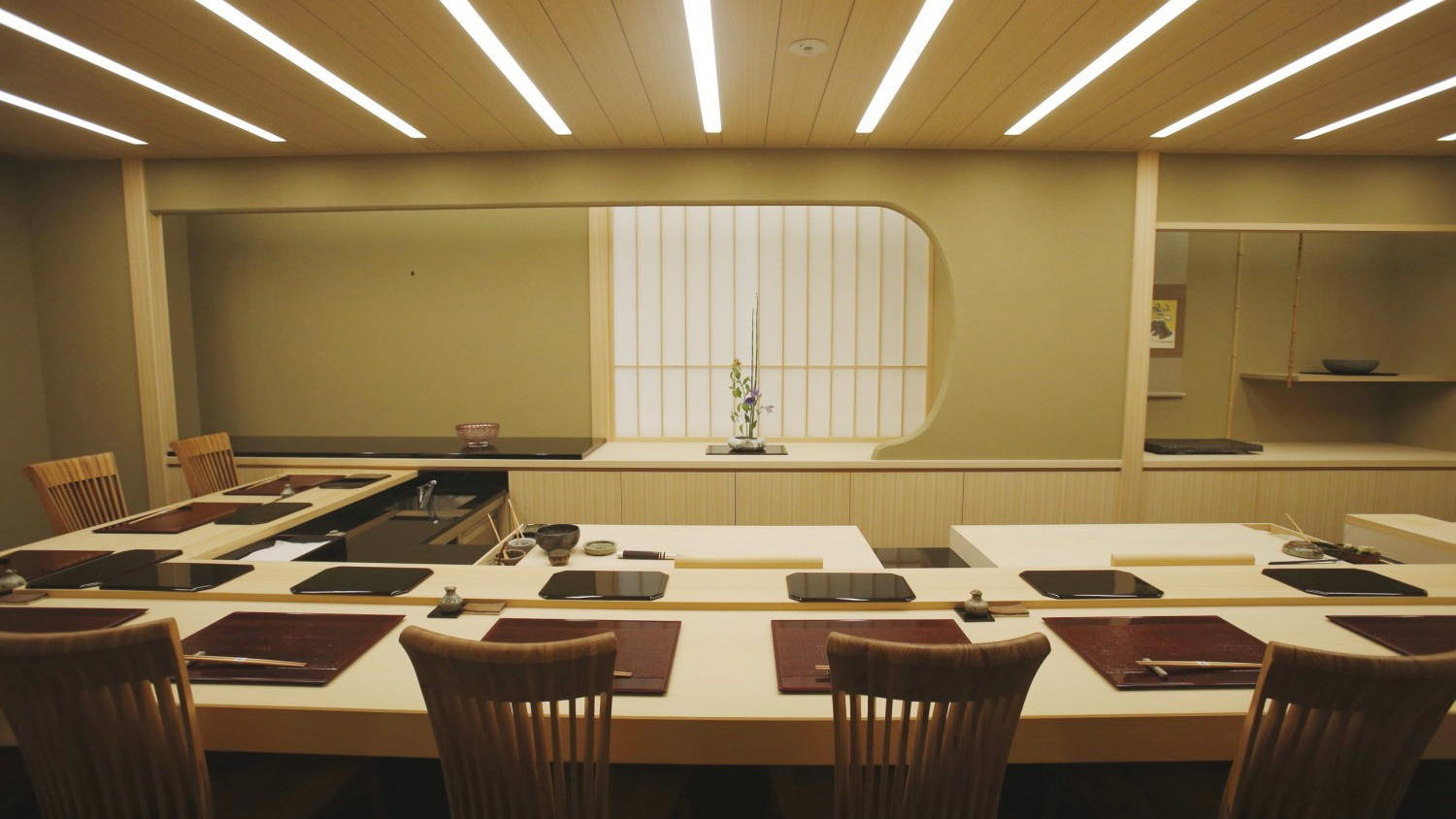
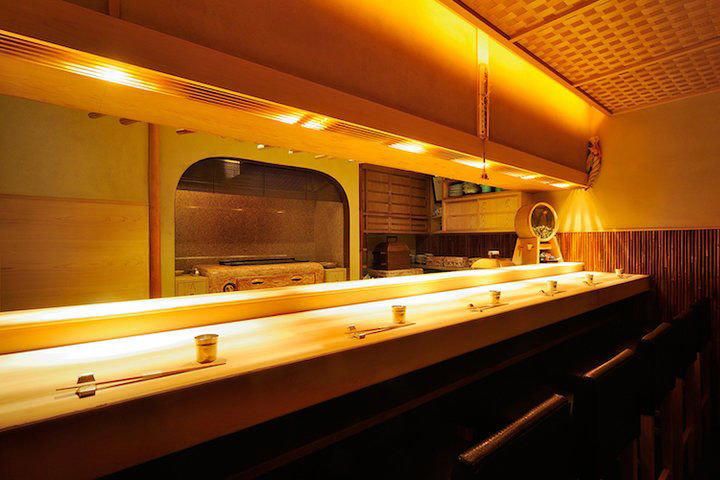
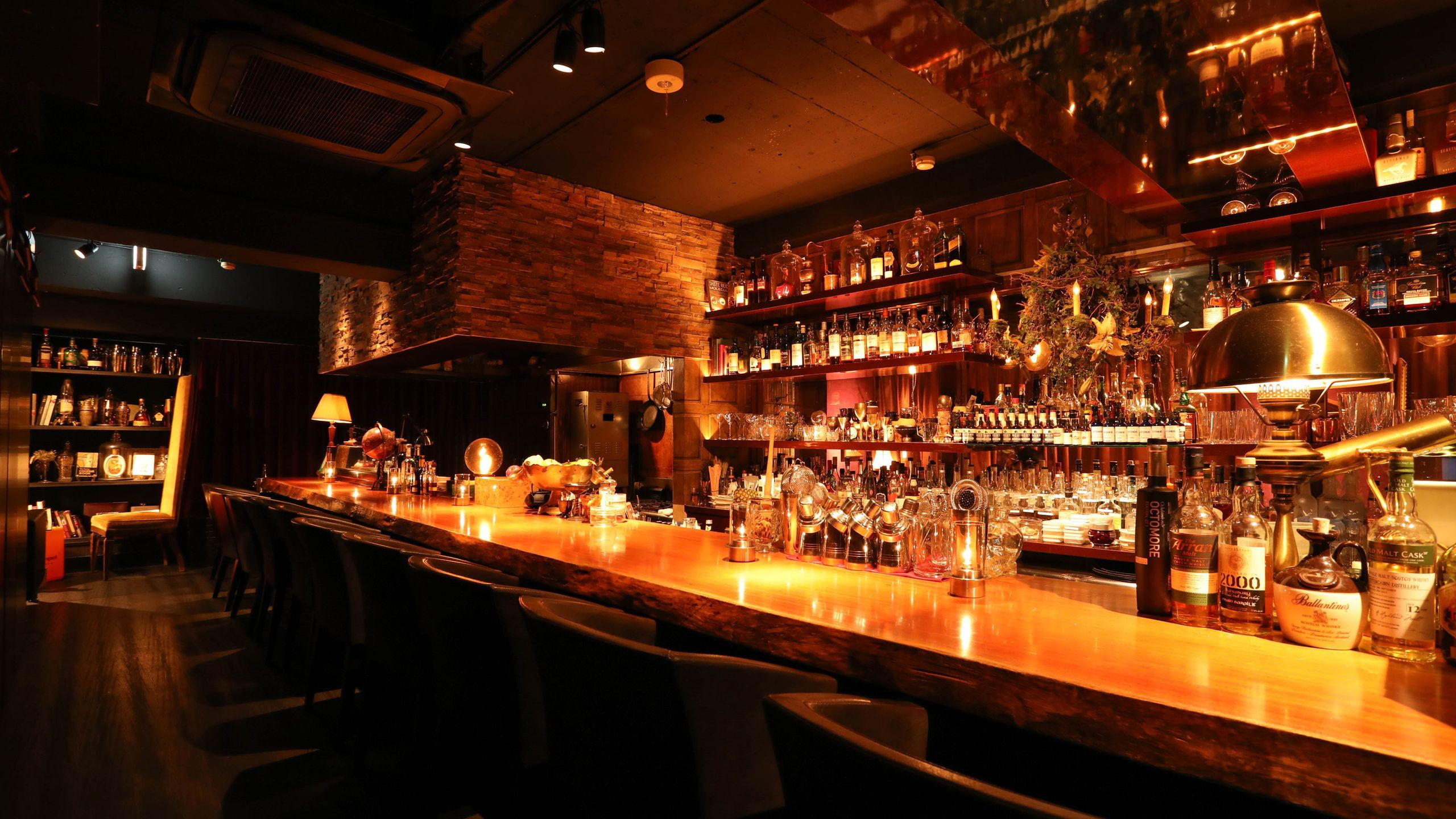
Cozy and elegant with a white wood counter for 8-10 guests, fostering intimate conversations in a relaxing, stylish space focused on the culinary experience.