Jab We Met Indian Kitchen
Our verdict
On Capitol Hill's 8th Street SE corridor, Jab We Met Indian Kitchen brings the layered regional cooking of the subcontinent to a neighborhood better known for American gastropubs and farm-to-table fare. It occupies a distinct position in Washington's Indian dining scene, where the field ranges from buffet-heavy lunch spots to white-tablecloth tasting menus. A practical first stop for anyone tracing the city's evolving approach to South Asian cuisine.

Pearl is the En Primeur Club membership app, where members save venues, book tables and use the concierge.

The menu
What to order
- Butter Naan
- Tandoori Chicken
- Saag Paneer
Indian Cooking on Capitol Hill: Where the Subcontinent Meets a Neighborhood Still Finding Its Register
Capitol Hill's 8th Street SE corridor has spent the last decade calibrating its dining identity. The stretch around Barracks Row draws a mix of longtime residents and a newer professional class, and the restaurants that have taken root here tend to reflect that tension: approachable in format, more serious in kitchen ambition than the neighborhood's earlier bar-and-burger era. Into that context, Jab We Met Indian Kitchen occupies the first floor of 515 8th St SE, a position that places it within easy reach of the Eastern Market Metro and the dense residential blocks that make Capitol Hill one of Washington's more self-contained dining neighborhoods.
The name references the 2007 Bollywood film of the same name, a detail that signals something about the register the kitchen is aiming for: warmth over formality, familiarity over architectural plating. That positioning matters in Washington, where Indian restaurants have historically clustered in two camps. One is the suburban corridor model, particularly along Virginia's Route 1, where large-format kitchens serve the region's substantial South Asian diaspora with regional breadth and volume pricing. The other is the upscale downtown format, where Indian-influenced tasting menus compete on the same credentialing tier as Michelin-tracked French and New American rooms. Jab We Met sits between those poles, in a neighborhood where the competition is less about subcontinental cuisine and more about what a mid-week dinner on the Hill can credibly offer.
The Cultural Geography of Indian Cooking in Washington
To understand where a restaurant like Jab We Met fits in Washington's dining picture, it helps to understand how Indian cuisine has moved through the American urban dining market over the past twenty years. The first wave of Indian restaurants in most American cities built their business models around the lunch buffet: a broad, flattened representation of the subcontinent's regional cooking, designed for speed, accessibility, and a clientele that was encountering the cuisine for the first time. That model still operates across the Washington metro area, but it no longer defines the category's ceiling.
The more recent shift has been toward restaurants that treat Indian cooking with the same regional granularity that serious Italian or Japanese kitchens have long applied to their own traditions. The difference between a Chettinad fish preparation and a Punjabi saag is roughly as significant as the difference between a Venetian risotto and a Neapolitan pizza, yet American diners have been slower to develop that vocabulary for South Asian food. Restaurants that do the interpretive work, that signal through menu structure and sourcing which regions they're drawing from, tend to attract a different kind of attention. Washington's position as a city with a large South Asian professional and diplomatic community means there is an audience here that does carry that vocabulary, and they tend to be demanding about it.
For context on how Washington's broader dining scene has developed, the city's most-tracked restaurants now include tasting-menu rooms like Jônt and the molecular-leaning counter at minibar, alongside more ingredient-focused formats like Oyster Oyster and the Levantine kitchen at Albi. The Peruvian-focused Causa represents a parallel moment in which cuisines that once operated on the American dining periphery are now holding their own in premium-tier conversation. Indian cooking in Washington has not yet produced the same level of tasting-menu credentialing that Korean cuisine has achieved nationally, exemplified by rooms like Atomix in New York, but the conditions for that shift are present.
What the Address Tells You About the Audience
Capitol Hill is not where Washington's most adventurous dining tends to happen. The neighborhood supports restaurants that can hold a regular clientele through the week, which means the format pressure is different from the Penn Quarter tasting-menu tier or the 14th Street corridor, where higher foot traffic supports more experimental programming. A first-floor address on 8th SE is a neighborhood restaurant address, and the cooking that survives there tends to be reliable and repeatable rather than seasonally reinvented.
That context shapes how to read Jab We Met. The restaurant's position on this corridor puts it in dialogue with the broader Capitol Hill dining ecosystem, where places like the Eastern Market farmers' market influence what local diners expect in terms of ingredient sourcing and seasonal awareness. It also means that the restaurant's primary competition is not other Indian kitchens in the city, but the full range of neighborhood options that a Capitol Hill resident might choose from on a given evening. Winning that comparison requires the kitchen to deliver something that a broader Hill diner finds compelling, not just an audience already oriented toward South Asian cooking.
How Jab We Met Fits Washington's Broader Indian Dining Picture
Washington's Indian restaurant population spans a wide range, from the tandoor-heavy menus of the suburbs to the more curated presentations that have begun appearing in the city proper. What tends to separate the kitchens that develop a following from those that don't is a clarity about which tradition they're working in. The subcontinent's regional variation is vast, and menus that try to represent everything from Kerala to Kashmir within a single format often lose coherence. The kitchens that earn repeat visits tend to be those with a more specific point of view, whether that's a focus on a particular regional tradition, a commitment to house-made bread programs, or a spice sourcing approach that distinguishes their cooking from the standardized spice blends that define the lower end of the category.
For readers building a complete picture of Washington's dining scene, our full Washington, D.C. restaurants guide maps the city's current range across cuisine type and price tier. The city's fine-dining tier is well-documented, with rooms that compete on a national credentialing level alongside places like The French Laundry in Napa, Alinea in Chicago, Le Bernardin in New York City, Providence in Los Angeles, and Blue Hill at Stone Barns in Tarrytown. Washington's own The Inn at Little Washington anchors the region's most storied dining tradition. Jab We Met operates several tiers below that register, in the neighborhood-restaurant category where consistency and value proposition carry more weight than tasting-menu ambition. Other nationally tracked rooms for comparison include Lazy Bear in San Francisco, Addison in San Diego, Single Thread Farm in Healdsburg, Emeril's in New Orleans, and 8 1/2 Otto e Mezzo Bombana in Hong Kong.
Planning a Visit
Jab We Met Indian Kitchen is located at 515 8th Street SE, First Floor, in the Barracks Row section of Capitol Hill. The Eastern Market Metro station on the Blue, Orange, and Silver lines is the most direct transit approach. The 8th Street corridor is walkable and compact, which makes pairing a meal here with the Eastern Market weekend market a practical option for visitors combining the two. Specific hours, booking requirements, and current menu pricing are best confirmed directly with the restaurant before visiting, as this information was not available at time of publication.
Frequently asked questions
at Jab We Met Indian Kitchen?
As a general principle in Indian kitchens operating in the neighborhood-restaurant format, dishes that require the longest preparation time, slow-braised curries, clay-oven breads, and layered rice preparations, tend to reflect a kitchen's true range better than quick-fire appetizers. Asking the staff which dishes the kitchen considers its reference points is usually the most direct route to the table's highlights.
Is Jab We Met Indian Kitchen reservation-only?
Capitol Hill neighborhood restaurants in this format generally operate a mix of walk-in and reservation availability, with weekends requiring more advance planning than weekday evenings. Contacting the restaurant directly before your visit is advised, particularly for groups larger than two.
What's Jab We Met Indian Kitchen leading at?
Without current menu or awards data on file, a specific answer isn't possible here. What the restaurant's positioning on Capitol Hill does suggest is that the kitchen is calibrated for regular, repeat-visit dining rather than special-occasion tasting menus. In that format, the cooking that tends to hold up over time in Indian restaurants is the bread program and the slow-cooked curries, where technique and spice discipline are most visible.
Can Jab We Met Indian Kitchen handle vegetarian requests?
Indian cuisine has one of the strongest vegetarian traditions of any major cooking culture, with entire regional sub-cuisines, particularly from Gujarat and Tamil Nadu, built around plant-based ingredients. Most Indian restaurants in Washington, regardless of format tier, maintain substantive vegetarian sections on their menus. Confirming specific dietary accommodations directly with the restaurant is always advisable, particularly for diners with additional restrictions beyond vegetarianism.
Does Jab We Met Indian Kitchen justify its prices?
On Capitol Hill, Indian restaurants in the neighborhood-dining format typically price below the $$$$ tier occupied by Washington's tasting-menu rooms, making value-for-spend less of a friction point than at higher-end addresses. The more relevant question for this format is whether the cooking is consistent enough to sustain a neighborhood regular, rather than whether it competes on price against the city's premium tier.
How does Jab We Met Indian Kitchen fit into Capitol Hill's dining scene compared to other neighborhood restaurants?
Capitol Hill's 8th Street corridor has developed a dining identity built around approachable formats with more kitchen ambition than the neighborhood's earlier bar-focused era. An Indian kitchen on that stretch occupies a distinct position, given that South Asian cuisine remains underrepresented in the immediate neighborhood compared to the broader Washington metro area. For diners already familiar with the city's wider Indian restaurant population, which extends significantly into the Northern Virginia suburbs, Jab We Met offers the particular convenience of a Capitol Hill address without requiring a cross-city or cross-river trip.
Nearby-ish Comparables
Comparable venues nearby, for context on price, style, and recognition.
| Venue | Cuisine | Price | Awards | Notes |
|---|---|---|---|---|
| Jab We Met Indian KitchenThis venue (the venue you are viewing) | Authentic Indian Kitchen | $20–30 | Not listed | Not listed |
| Malabar | Modern Southern Indian | $30–50 | Not listed | Van Ness |
| Tikka | North Indian & Nepali Cuisine | $20–30 | Not listed | Van Ness |
| Chai Pani | Modern Indian Street Food | $30–50 | Washingtonian 100 Very Best Restaurants #29 | Union Market |
| G.O.A.T. Room | Modern Punjabi Indian | $20–30 | Not listed | Shaw |
| The Salt Line | New England Seafood Oyster Bar | $30–50 | Not listed | Near Southeast |
Continue exploring
More in Washington DC
Restaurants in Washington DC
All restaurants in Washington DC →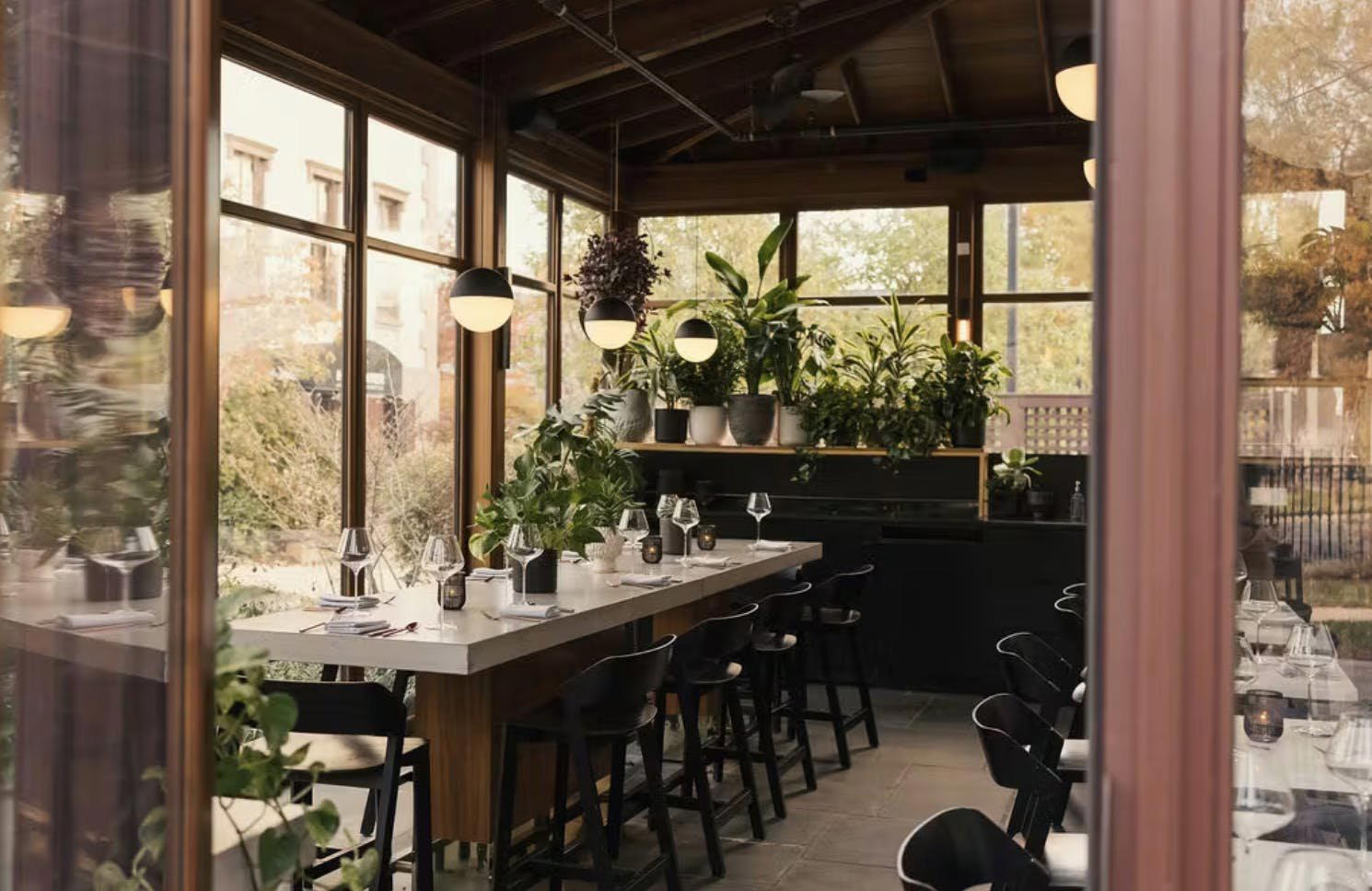
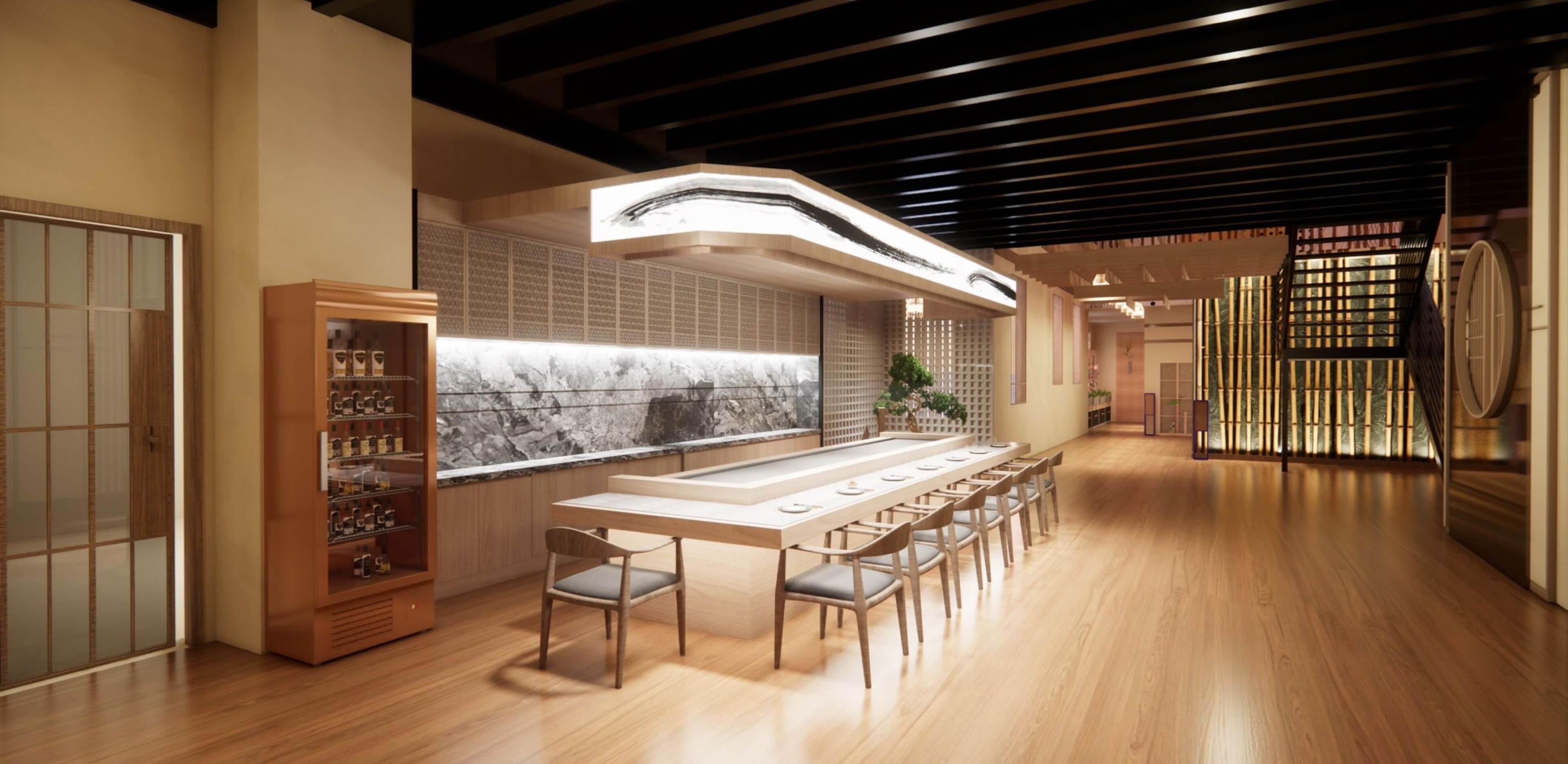
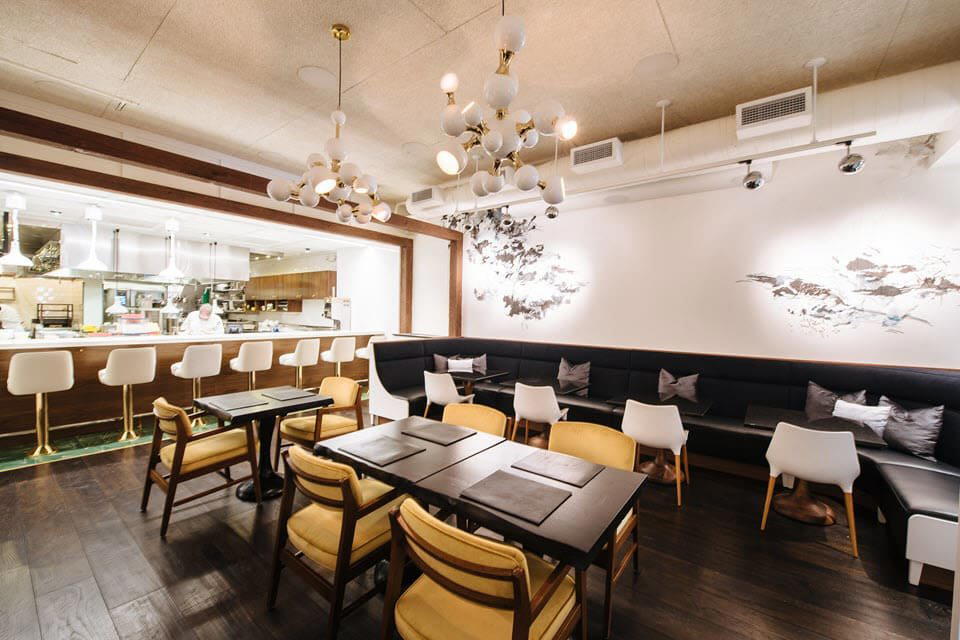
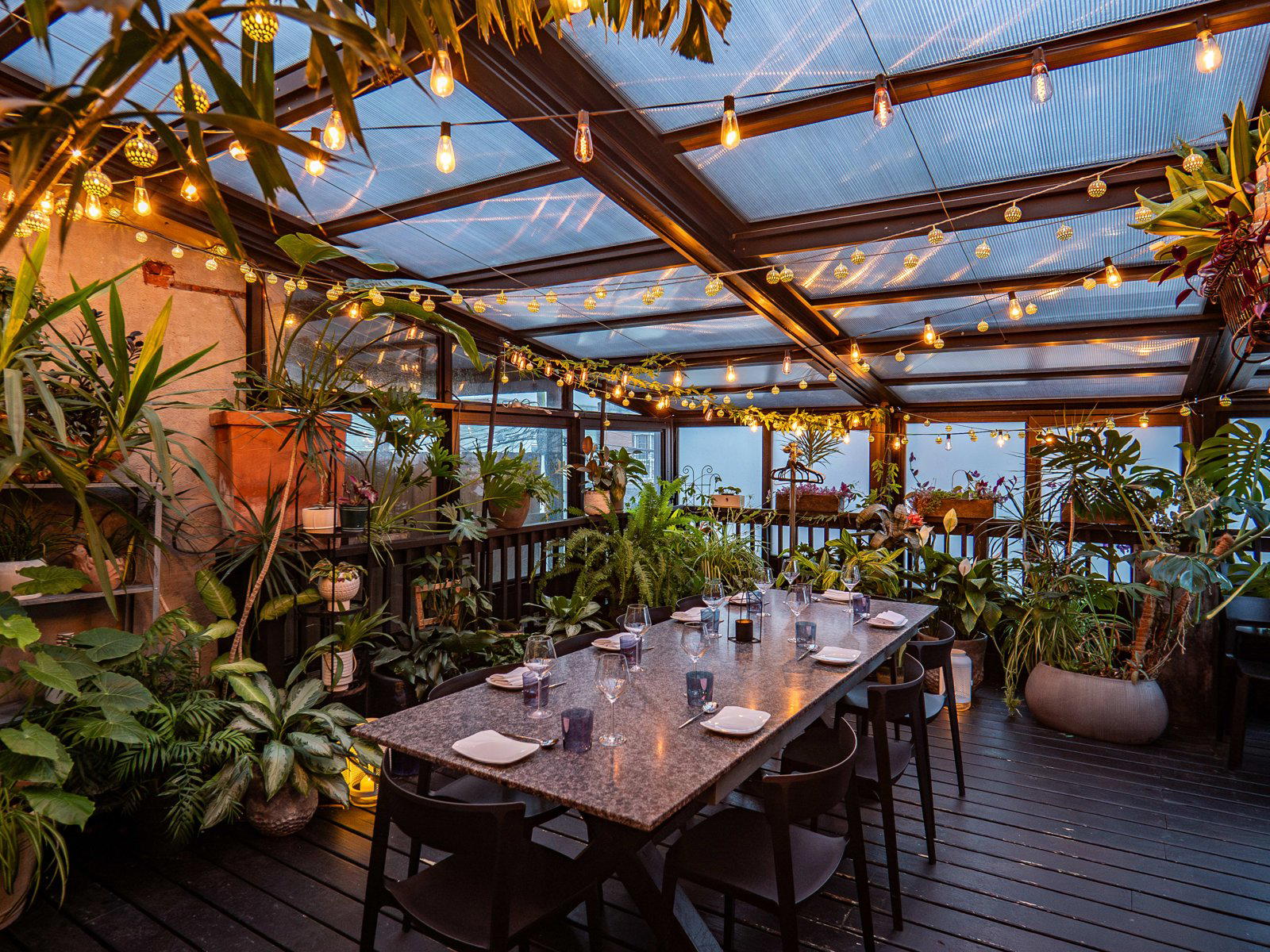
Bars in Washington DC
All bars in Washington DC →
Details
- Cozy
- Intimate
- Casual Hangout
- Date Night
- Live Music
- Craft Cocktails
- A La Carte
- Wine And Beer
- Cocktails
- Vegetarian Friendly
Current opening hours
- Monday
- 11:30 AM–2:30 PM, 4:30–10 PM
- Tuesday
- 11:30 AM–2:30 PM, 4:30–10 PM
- Wednesday
- 11:30 AM–2:30 PM, 4–10 PM
- Thursday
- 11:30 AM–2:30 PM, 4:30–10 PM
- Friday
- 11:30 AM–2:30 PM, 4:30–10 PM
- Saturday
- 11:30 AM–2:30 PM, 4:30–10 PM
- Sunday
- 11:30 AM–2:30 PM, 4:30–9:30 PM
Hours can change for holidays and private events. Hours as of .
Inviting mood with well-suited lighting, peaceful and relaxing atmosphere.