Malabar
Washington's Indian dining scene has long leaned continental, making Malabar's seafood-focused approach a distinct departure. The restaurant draws from the coastal kitchens of Kerala and the Konkan coast, where spice and technique serve the catch rather than mask it. For a city more accustomed to tandoor-heavy menus, Malabar positions itself in a narrower, more specific tier.
Pearl is the En Primeur Club membership app — saves, bookings, and concierge access live there. Same editors, same standards.
- Address
- 4465 Connecticut Ave NW, Washington, DC 20008
- Phone
- (202) 845-8301
- Website
- malabar-dc.com
- Directions
- Get directions
 Saves & bookings on Pearl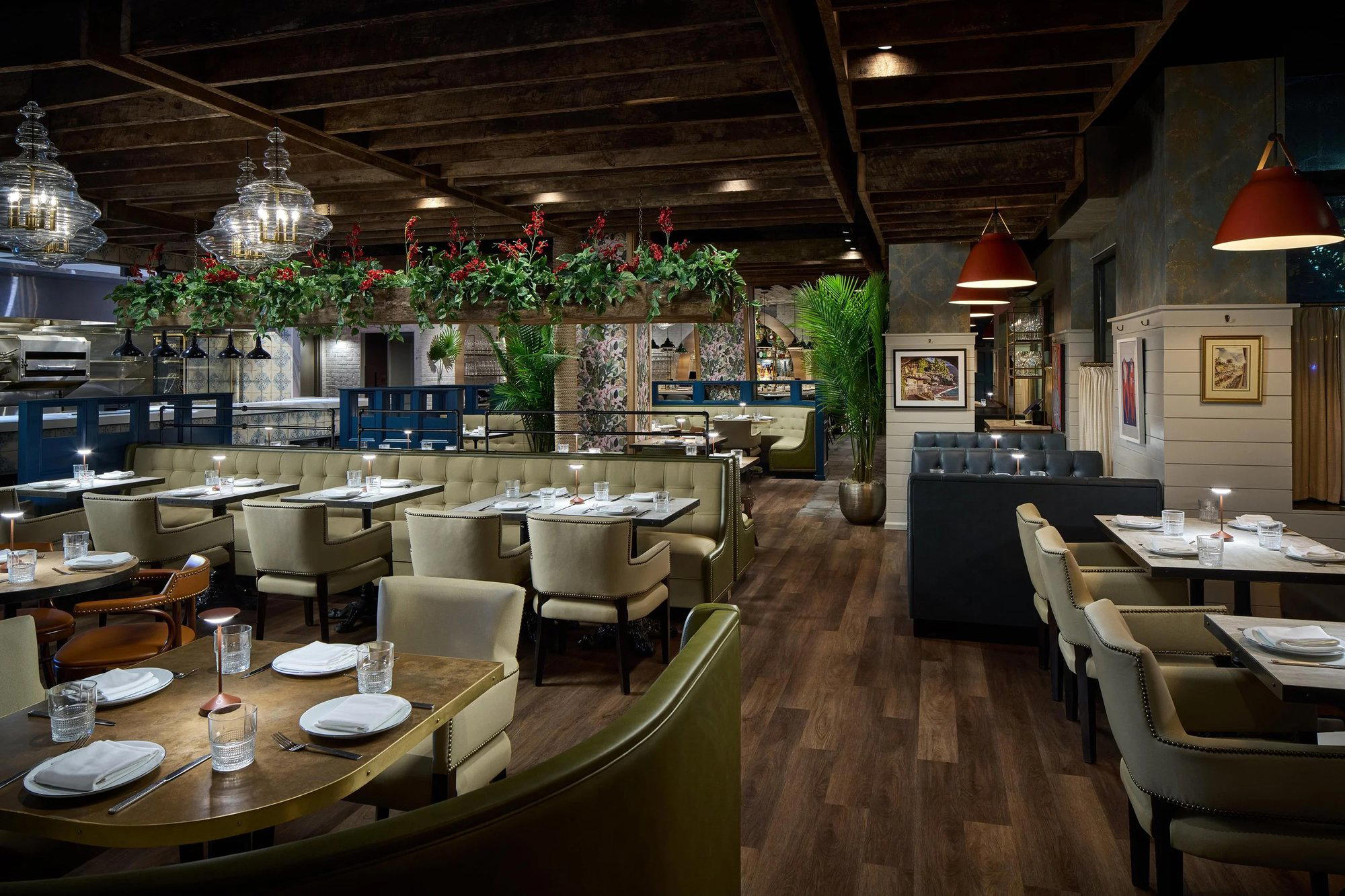
Where the Catch Sets the Agenda
Indian restaurants in Washington have historically clustered around two poles: the Dupont Circle and Adams Morgan corridors, where tandoor-led menus and familiar North Indian formats dominate, and a newer wave of upscale South Asian concepts that have followed the city's broader fine-dining expansion over the past decade. Malabar sits outside both of those categories. Its focus on seafood, and specifically on the coastal Indian traditions of Kerala and the Konkan belt, places it in a much smaller competitive set, one where the sourcing of the catch and the fidelity of the technique matter more than the breadth of the menu.
The name signals the geography directly. Malabar is the historical designation for the southwestern coastal strip of India, a region whose cuisine is shaped by proximity to the Arabian Sea: fish curries built on coconut milk and kokum, preparations that balance heat with sourcing quality, and a cooking tradition where the protein's freshness is not incidental but definitional. In that tradition, a poorly sourced piece of fish cannot be rescued by spice; the spice exists to complement what the ocean provides.
Port-to-Plate in a Landlocked Capital
Operating a seafood-forward Indian kitchen in Washington presents a particular challenge that coastal-Indian restaurants in Mumbai or Kochi do not face: the city sits roughly 150 miles from the Atlantic, with no direct fishing economy feeding its restaurant supply chains. The Chesapeake Bay provides some regional access, blue crab, rockfish, and oysters from Maryland and Virginia watermen remain among the more traceable proteins available to DC kitchens, but the broader challenge of sourcing with the specificity that Malabar-style cooking demands requires either strong supplier relationships or direct import logistics for the varieties of fish that the Kerala coast considers standard.
This is the editorial tension that defines the restaurant's position: the Indian coastal tradition it references was built around daily market fish, boats returning before dawn, and a cook-what-arrived ethic. Replicating that in the American mid-Atlantic requires deliberate sourcing choices that most Indian restaurants in this city do not bother to make. The restaurants that do, that chase the seasonal and the local rather than defaulting to frozen imports, tend to define the upper tier of their category.
The Coastal Indian Kitchen in American Context
Seafood-focused Indian cooking remains underrepresented in the United States relative to its significance on the subcontinent. The Konkan coast, stretching from Goa through Maharashtra and into Karnataka, and the Malabar coast through Kerala, collectively represent particularly technically developed fish cookery in Asia, preparations that use tamarind, raw mango, and coconut in ways that produce genuinely complex acidity profiles, not just heat. That tradition has arrived in American cities largely through home cooks and a handful of regional specialists, while the restaurant market has been slower to follow.
Washington is a city that has become more willing to engage with that specificity. The dining scene that once revolved around power-lunch steakhouses and safe international formats has shifted, with chefs and operators across categories taking more pointed positions. Alfie's has done something similar with Thai cooking, sharpening the category toward a more technically considered format, and its permanent Georgetown location has extended that positioning into a neighborhood that historically preferred more conservative dining. The broader pattern across DC's better restaurants is a move away from generic international toward something more regionally specific and ingredient-led.
Malabar fits that trajectory. An Indian restaurant that organizes itself around the catch rather than the tandoor is making a statement about category, it is positioning against a different kind of comparable set, one that values sourcing provenance and regional specificity over the breadth of a menu that can satisfy every member of a party with no particular preference.
Where It Sits in the DC Dining Picture
Washington's upper-tier restaurant market is dense with well-funded concepts and credentialed kitchens. Bazaar Meat by José Andrés and Bully Spanish Steakhouse anchor the protein-led, high-production end of the spectrum. At the other end, restaurants like The Inn at Little Washington represent the kind of long-established destination dining that draws from well outside the city. Malabar occupies a different register: a specific, cuisine-driven concept that asks diners to engage with a regional tradition rather than a broad format.
That specificity is both the restaurant's strength and its constraint. Diners who arrive with a genuine curiosity about coastal Indian cooking, who understand that fish curry on the Malabar coast is not the same as saag paneer in an Adams Morgan canteen, will find a kitchen operating with focus. Those looking for a wide-ranging Indian menu will need to recalibrate their expectations. That is not a criticism; it is a description of what a concept-driven restaurant asks of its audience.
Planning a Visit
Malabar is at 4465 Connecticut Ave NW, Washington, DC 20008, with hours that run Mon: 5-9 PM; Tue: 5-9 PM; Wed: 5-9:30 PM; Thu: 5-9:30 PM; Fri: 5-10 PM; Sat: 5-10 PM; Sun: 5-9 PM. Reservations are recommended.
Quick Comparison
Comparable venues nearby, for context on price, style, and recognition.
| Venue | Cuisine | Price | Notes |
|---|---|---|---|
| MalabarThis venue — the venue you are viewing | Modern Southern Indian | $$ | Not listed |
| Masala Art | Authentic North Indian | $$ | Tenleytown |
| NaanWise Indian Cuisine | Authentic Indian Cuisine | $$ | Woodley Park |
| Chai Pani | Modern Indian Street Food | $$ | Capital City Market |
| Buck's Fishing & Camping | Seasonal American Bistro | $$ | Chevy Chase |
| Chaia | Vegetarian Tacos | $$ | West Village Georgetown |
Continue exploring
More in Washington DC
Restaurants in Washington DC
Browse all →
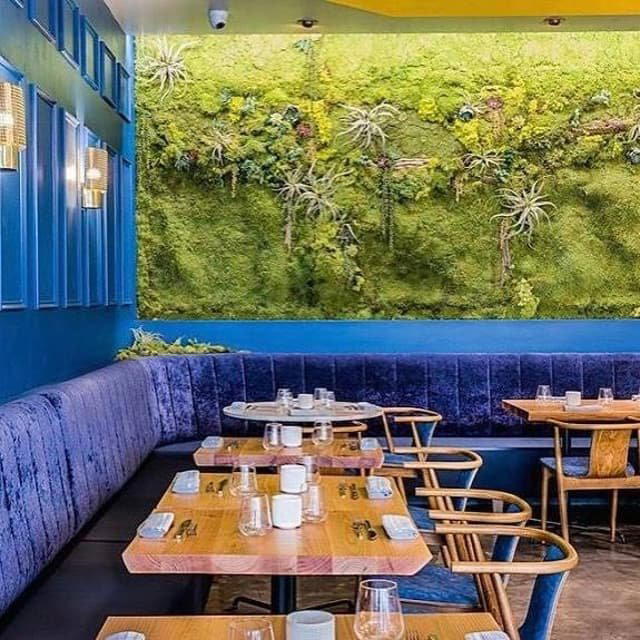
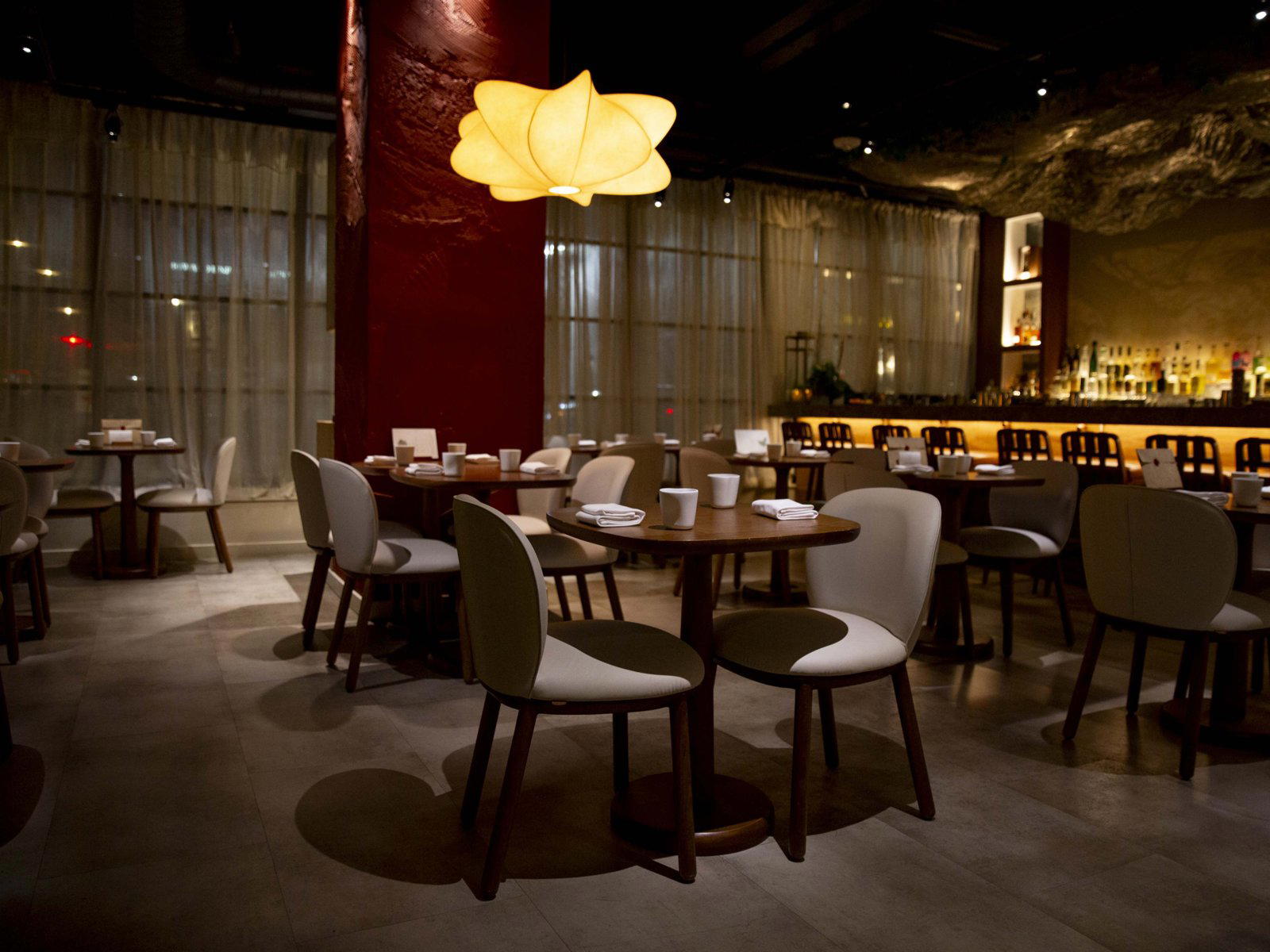
Bars in Washington DC
Browse all →
Hotels in Washington DC
Browse all →
At a Glance
- Modern
- Trendy
- Cozy
- Date Night
- Special Occasion
- Brunch
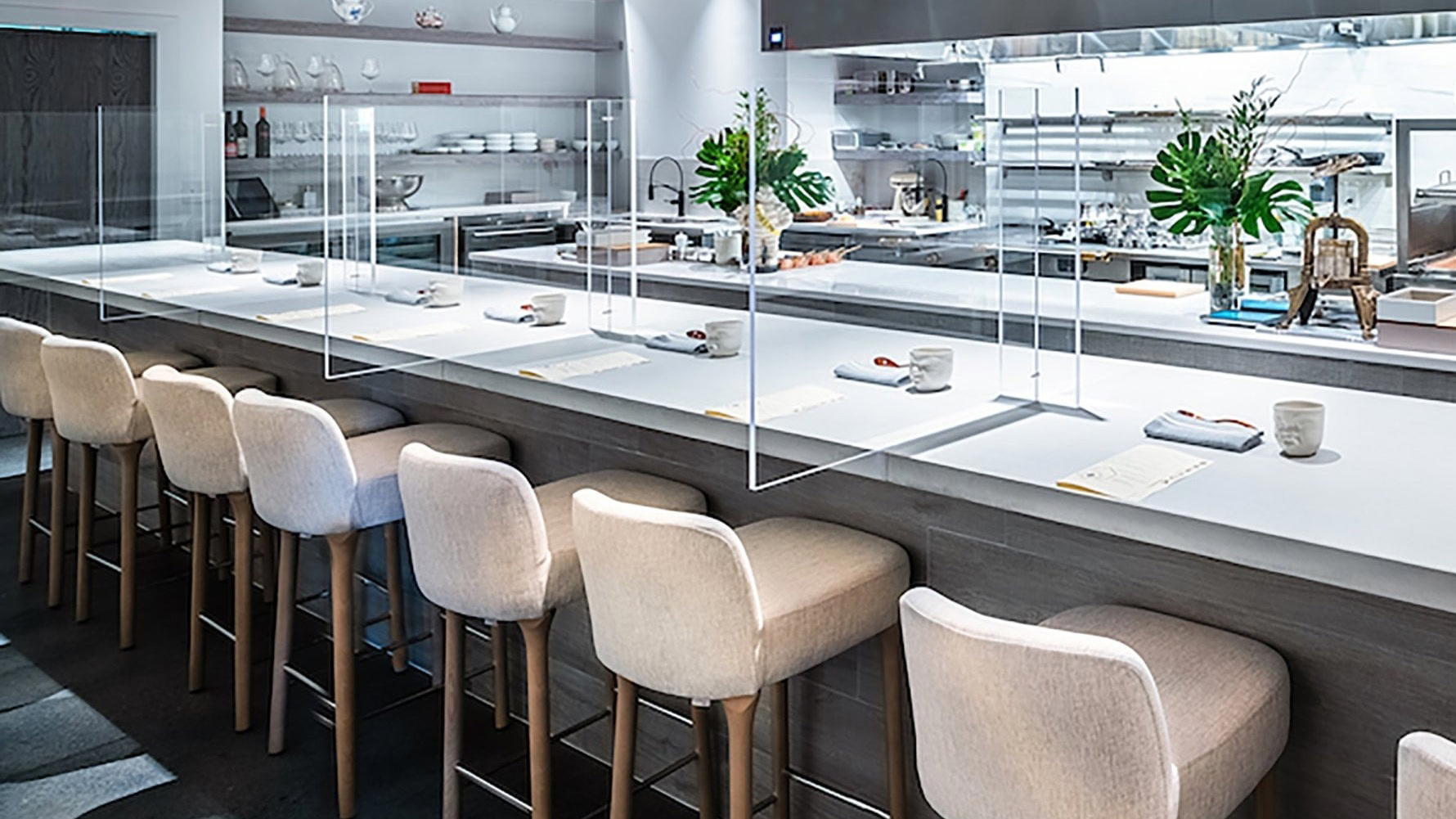
- Open Kitchen
Current opening hours
- Monday
- 5–9 PM
- Tuesday
- 5–9 PM
- Wednesday
- 5–9:30 PM
- Thursday
- 5–9:30 PM
- Friday
- 5–10 PM
- Saturday
- 5–10 PM
- Sunday
- 5–9 PM
Hours can change for holidays and private events. Last verified .
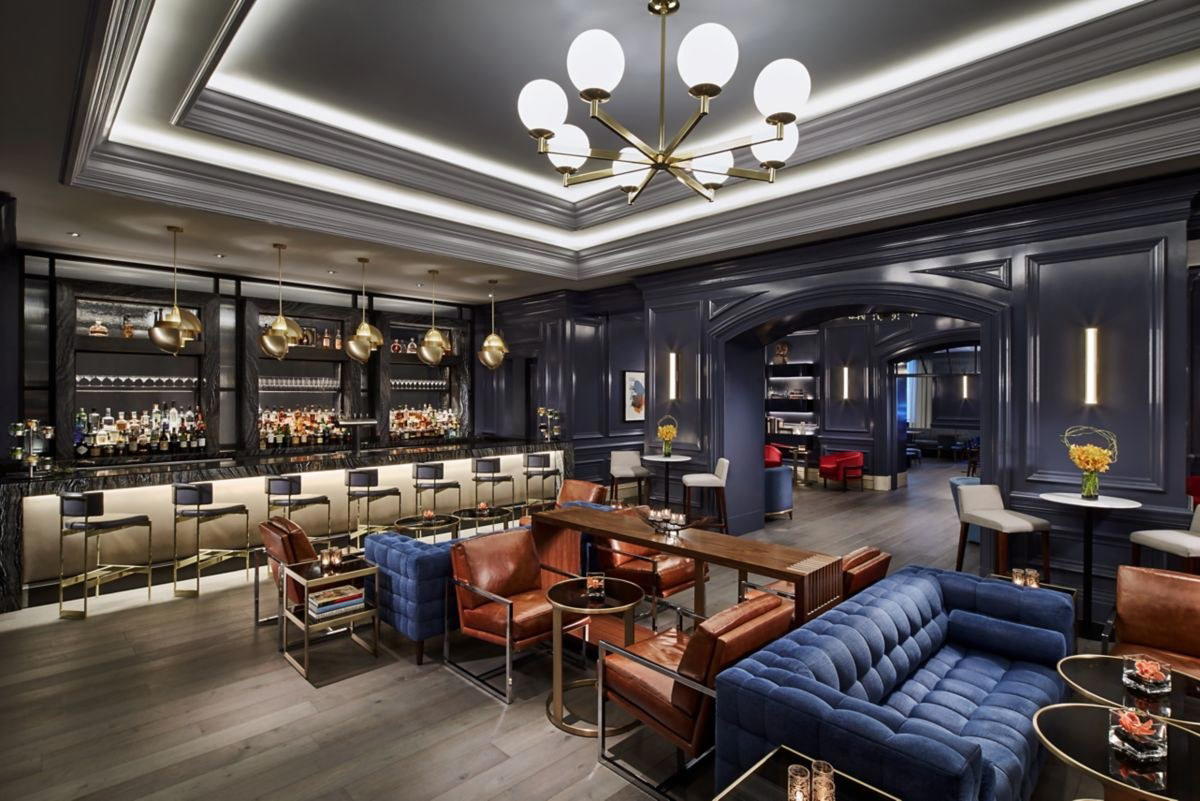
Bright and breezy with open kitchen, palm leaves, greenery, tropical-themed wall coverings, and Indian artworks.