G.O.A.T. Room
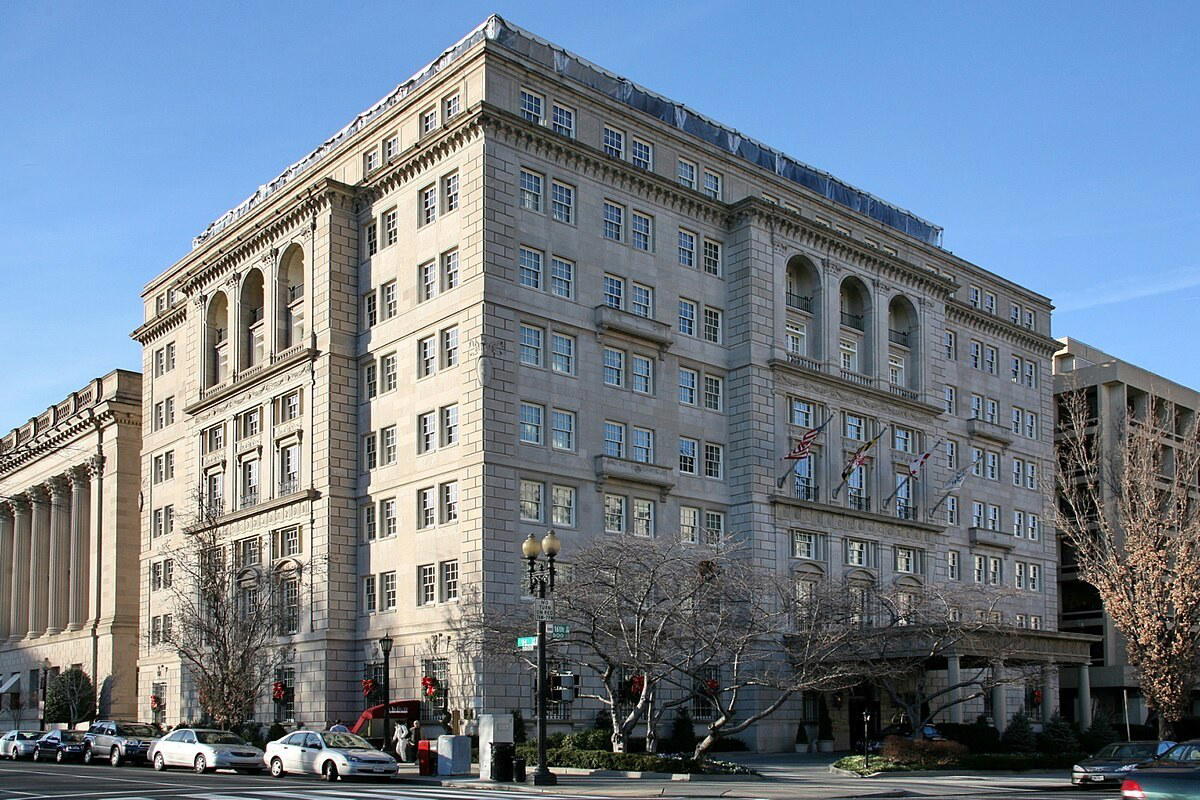
G.O.A.T. Room occupies a address on Massachusetts Avenue in Washington, D.C., placing it within reach of the city's most competitive dining corridor.
Pearl is the En Primeur Club membership app — saves, bookings, and concierge access live there. Same editors, same standards.
- Address
- 1010 Massachusetts Ave NW, Washington, DC 20001
- Phone
- +12026218708
- Website
- goatroomdc.com
- Directions
- Get directions
 Saves & bookings on Pearl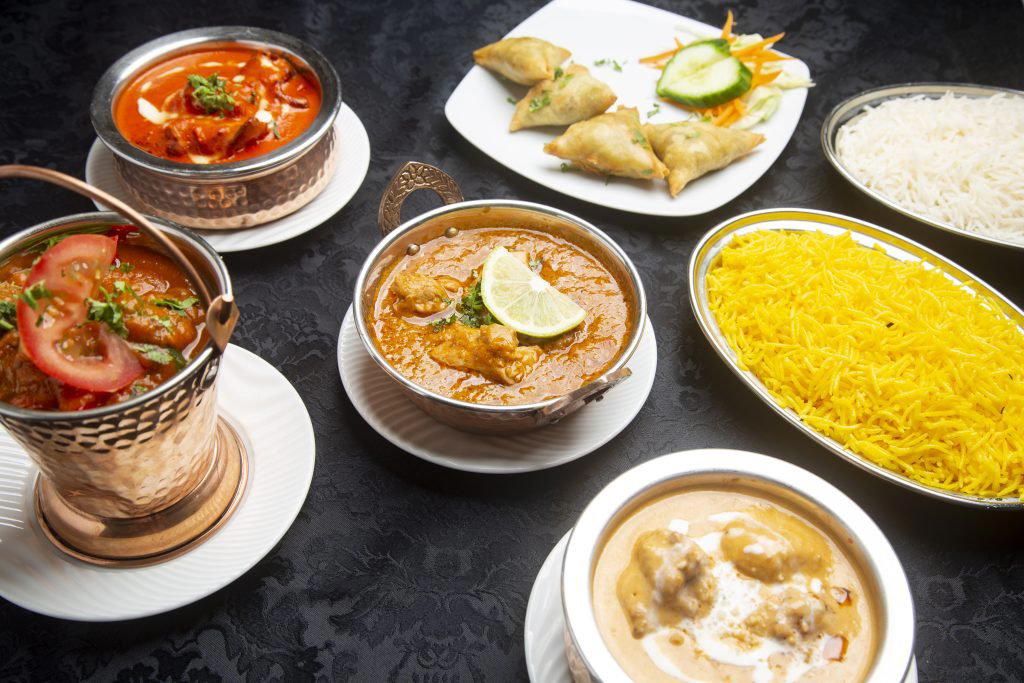
Massachusetts Avenue and the Question of What a Room Reveals
Washington, D.C. has spent the better part of a decade building a serious dining identity, one that goes well beyond the power-lunch stereotype that once defined it. G.O.A.T. Room is a Modern Punjabi Indian restaurant at 1010 Massachusetts Ave NW in Washington, D.C. The stretch of Massachusetts Avenue NW where G.O.A.T. Room sits at number 1010 runs through a part of the city that has absorbed some of that shift. In a city where minibar has made molecular precision a D.C. standard and Jônt has planted a serious contemporary French flag, newer venues face a real question about what tier they intend to occupy and what their format communicates about that intention.
The name alone does some work. G.O.A.T. Room makes a claim, Greatest Of All Time is not a modest proposition, and names that make claims tend to either deliver or become a punchline. What the room itself communicates beyond that claim depends on what you find when you arrive, and the address on Massachusetts Avenue NW puts it in a part of the city where arriving with expectations is reasonable.
Menu Architecture as a Diagnostic Tool
In any serious dining city, the structure of a menu is one reliable signal of a restaurant's actual ambitions. A tasting menu signals one kind of commitment: the kitchen controls the sequence, the pacing, and the narrative. An à la carte format signals another: faith in individual dishes strong enough to stand independently, and a willingness to let guests compose their own experience. Hybrid formats, a tasting core with supplemental choices, signal something else again: a kitchen that wants editorial control but understands the commercial reality of a wide-range dining public.
Across D.C.'s most-discussed rooms right now, that split is visible and consequential. Oyster Oyster operates a tightly edited, sustainability-led format that keeps the kitchen's sourcing logic at the center of every decision. Causa structures its Peruvian menu around the specificity of technique and ingredient provenance. Albi uses a wood-fire format to organize its menu around heat and char as a structural principle rather than just a cooking method. In each case, the menu's architecture reveals the kitchen's theory of the meal. The restaurant, at this stage of its public profile, remains more open-ended, which is itself a form of editorial positioning, even if an unintentional one.
Nationally, the restaurants that have built durable reputations have generally had clarity of format as a foundation. The French Laundry in Napa operates on the logic of the composed tasting menu as total experience. Lazy Bear in San Francisco pioneered a communal, supper-club-adjacent format that made the menu's sociability a feature rather than a side effect. Smyth in Chicago uses a two-level format, casual downstairs, tasting menu upstairs, to address different audience segments without diluting either. The pattern across all of them: the menu structure communicates the room's values before a single dish arrives.
D.C.'s Competitive Dining Tier, Where New Entrants Land
Washington has a working fine-dining infrastructure that any serious new venue has to position against. At the summit tier, The Inn at Little Washington holds its own against comparisons to Le Bernardin and Providence. In the city proper, the conversation about ambitious cooking moves through a rotating set of names that includes both established anchors and newer formats.
For context, the D.C. venues with the defined competitive positioning right now sit in the $$$ to $$$$ range, with Oyster Oyster and Rooster and Owl occupying the $$$ tier and Albi and Causa working at $$$$. That spread tells you something about D.C.'s appetite for premium pricing and the audience it draws: a dining public that will spend at the leading when the format justifies it, and that has enough competition among premium options to be selective.
The restaurant at 1010 Massachusetts Ave NW enters a market where that selectivity is real. Venues like Blue Hill at Stone Barns in Tarrytown and Single Thread Farm in Healdsburg have demonstrated that a room's conceptual clarity, its theory of hospitality, matters as much as the cooking itself in determining how it is received over time. The same dynamic operates in D.C. where Atomix in New York and Atelier Moessmer in Brunico represent the international benchmark for format discipline. Closer to home, Addison in San Diego and Emeril's in New Orleans illustrate different paths: one rigorous and award-chasing, one anchored in a city's culinary identity. For a new room in D.C. the question is which path the format implies.
Planning a Visit
| Venue | Price Tier | Format | Booking Lead Time (approx.) |
|---|---|---|---|
| The restaurant | Not confirmed | Not confirmed | Check direct |
| Oyster Oyster | $$$ | Tasting / à la carte | 2-4 weeks |
| Albi | $$$$ | À la carte / sharing | 3-6 weeks |
| Causa | $$$$ | Tasting menu | 4-8 weeks |
| Jônt | $$$$ | Tasting menu | 4-8 weeks |
A Credentials Check
Comparable venues nearby, for context on price, style, and recognition.
| Venue | Cuisine | Price | Notes |
|---|---|---|---|
| G.O.A.T. RoomThis venue — the venue you are viewing | Modern Punjabi Indian | $$ | Not listed |
| Rajaji | Authentic Indian Fine Dining | $$ | Woodley Park |
| Chai Pani | Indian Street Food & Chaat | $$ | Union Market |
| Indique | Modern South Indian | $$ | Cleveland Park |
| Jab We Met Indian Kitchen | Authentic Indian Kitchen | $$ | Capitol Hill |
| Masala Art | Authentic North Indian | $$ | Tenleytown |
Continue exploring
More in Washington DC
Restaurants in Washington DC
Browse all →
Bars in Washington DC
Browse all →
Hotels in Washington DC
Browse all →
At a Glance
- Lively
- Modern
- Trendy
- Group Dining
- Casual Hangout
- Open Kitchen
- Craft Cocktails
Current opening hours
- Monday
- Closed
- Tuesday
- 11 AM–9:30 PM
- Wednesday
- 11 AM–9:30 PM
- Thursday
- 11 AM–9:30 PM
- Friday
- 11 AM–10:30 PM
- Saturday
- 11 AM–10:30 PM
- Sunday
- 11 AM–9 PM
Hours can change for holidays and private events. Last verified .
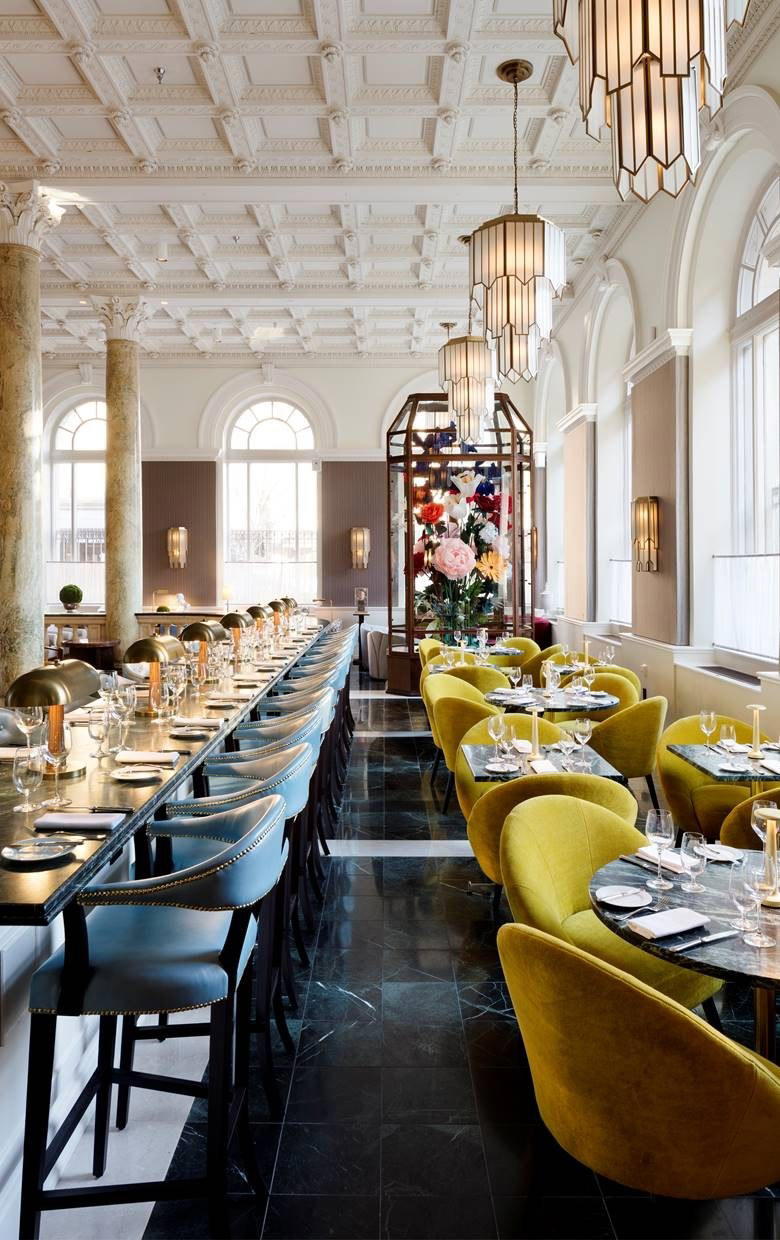
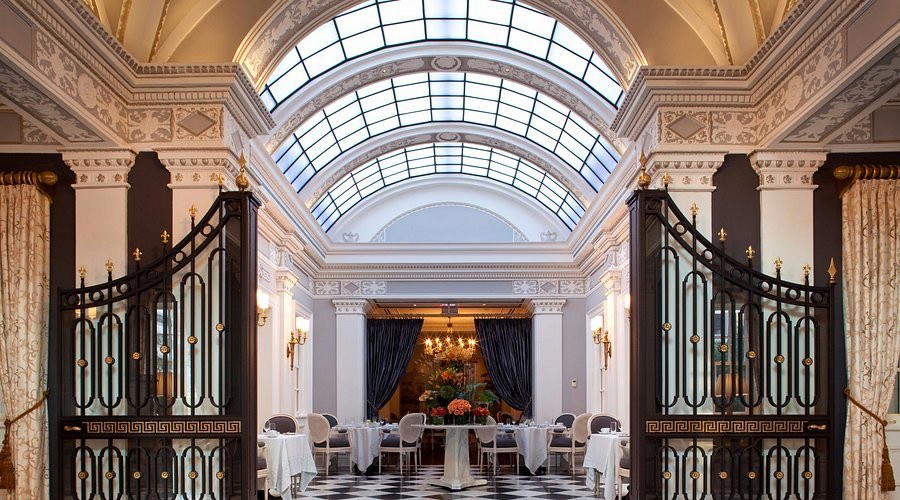
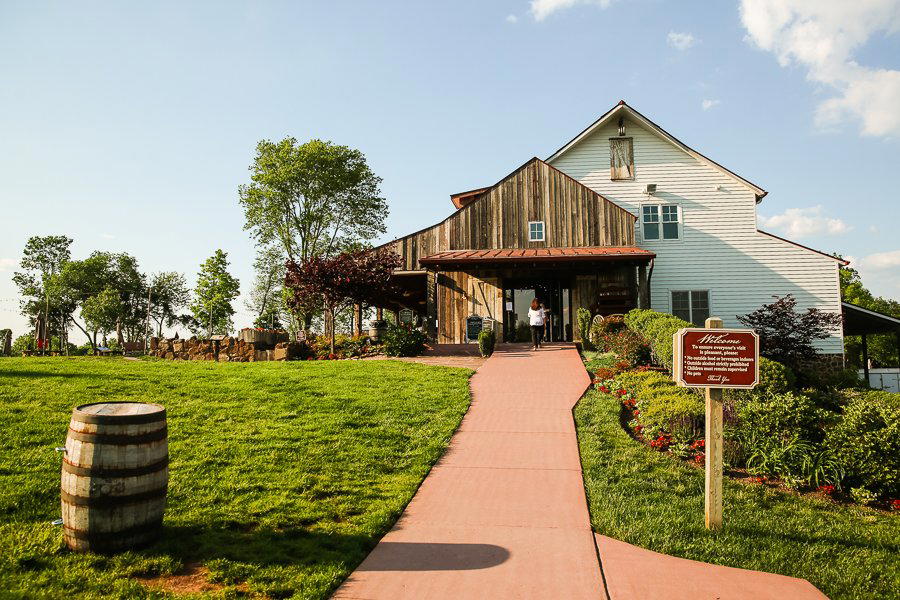
Lively atmosphere with engaging decor and moderate noise levels, blending traditional Indian elements with contemporary twists.