Tikka
On Connecticut Avenue NW in Washington's Cleveland Park corridor, Tikka brings the layered spice traditions of the Indian subcontinent to a neighborhood better known for its quiet residential rhythm than its restaurant density. The name signals a specific culinary vocabulary, one rooted in tandoor technique and marinade depth, placing it in a growing cohort of D.C. spots rethinking South Asian cooking beyond buffet-format expectations.
Pearl is the En Primeur Club membership app — saves, bookings, and concierge access live there. Same editors, same standards.
- Address
- 4221B Connecticut Ave NW, Washington, DC 20008
- Phone
- +12024501650
- Website
- tikkadc.com
- Directions
- Get directions
 Saves & bookings on Pearl
Cleveland Park and the Indian Table in Washington, D.C.
Connecticut Avenue NW above the National Zoo has long operated at a different register than the capital's more performative dining corridors. Cleveland Park is a neighborhood of brownstones, independent bookshops, and the kind of restaurant patronage that favors reliability over spectacle. It is precisely in this context that Tikka, at 4221B Connecticut Ave NW, reads as a considered address: a South Asian kitchen planted in a residential stretch that rewards locals who know to look past the downtown noise.
The name itself carries weight. Tikka, from the Hindi and Urdu word for a piece or chunk, most associated with the tandoor-cooked preparations that define northern Indian and Pakistani grilling traditions, signals a specific culinary commitment. This is not the generalized "Indian restaurant" of suburban strip malls. The tandoor, a cylindrical clay oven operating at temperatures above 480°C (roughly 900°F), produces a char and moisture retention that no conventional oven replicates. A kitchen that plants its flag in tikka technique is making a statement about heat, marinade, and restraint, the opposite of the sauce-forward, volume-heavy approach that dominated American Indian dining for decades.
What the Tikka Tradition Actually Means
South Asian cuisine in the United States has undergone a gradual but measurable reframing over the past decade. The shift mirrors patterns seen in other immigrant food traditions: a first generation of restaurants built around accessibility and volume, followed by a second and third wave that pursues specificity, regionality, and technique. In D.C. that progression is visible across a broader dining scene that now includes tasting-format Middle Eastern cooking at Albi and high-concept Peruvian at Causa, both operating at the $$$$ tier with clear culinary ambitions that reference tradition while pushing past its familiar forms.
Tikka sits within that broader reframing. The tandoor tradition it references is one of the oldest continuous cooking technologies in human use, with evidence of clay oven cooking on the Indian subcontinent dating back more than 4,000 years. What modern restaurants in this space are doing, when they are doing it seriously, is not nostalgia. It is archaeology: recovering the precision of a technique that industrial replication had flattened into caricature. Chicken tikka masala, the dish that became a shorthand for Indian food in the Anglo-American imagination, is itself a post-colonial invention, likely assembled in British restaurant kitchens to soften tandoor-grilled chicken for customers unfamiliar with dry heat cooking. A restaurant named Tikka that takes the source material seriously is, in effect, correcting the record.
D.C.'s South Asian Dining Corridor and Where Tikka Fits
Washington's South Asian restaurant community has historically concentrated in the suburbs, Annandale and Falls Church in Virginia, Langley Park and Hyattsville in Maryland, where immigrant community density supported high-volume, affordable operations. The move into D.C. proper, and particularly into neighborhoods like Cleveland Park, represents a demographic and economic shift: South Asian cuisine following the same gentrification-adjacent trajectory that Korean food took in New York before Atomix and its peers repositioned the cuisine at the tasting-menu tier.
That repositioning does not happen uniformly or on a fixed timeline. What it requires is a restaurant willing to anchor in a specific tradition and execute it with enough consistency to build a neighborhood reputation. Cleveland Park's dining scene, while modest compared to Shaw or 14th Street NW, has supported serious operators before. The address, a stretch of Connecticut Ave that sees foot traffic from Zoo visitors and Metro commuters, offers the kind of mixed customer base that sustains a focused South Asian kitchen without requiring it to be all things to all diners.
Jônt operates at the high-end tasting-menu end of the spectrum, and minibar defines the city's avant-garde ceiling. Tikka occupies a different position entirely, neighborhood-anchored, cuisine-specific, and oriented toward the kind of repeat visit that builds genuine local loyalty rather than destination traffic.
The Broader Context: South Asian Cooking and American Fine Dining
Across the country, the conversation about where South Asian cuisine sits in the American fine dining hierarchy is accelerating. The James Beard Foundation began acknowledging South Asian chefs and restaurants at a meaningful rate only in the past several years. Michelin's expansion into cities with strong South Asian restaurant communities has produced recognition that would have been structurally impossible a decade ago. That shift in institutional attention follows rather than leads the actual cooking: chefs and restaurateurs who committed to serious South Asian technique years before the award apparatus caught up.
In that context, a restaurant named Tikka on Connecticut Ave NW is part of a longer story, one playing out in cities from New York to San Francisco to Houston, where South Asian kitchens are being rebuilt around culinary specificity rather than categorical convenience. The comparison set for such a restaurant is no longer defined by other Indian restaurants alone. It sits alongside any kitchen that is doing region-specific cooking with enough discipline to build an argument about where the cuisine is and where it is going.
Nationally, the tier above this kind of focused neighborhood operation includes destination restaurants like The French Laundry in Napa, Alinea in Chicago, and Le Bernardin in New York City, institutions that define the ceiling of American fine dining regardless of cuisine origin. The interesting question for South Asian cooking in the next decade is how many restaurants will cross from the neighborhood anchor tier into that destination tier, and which cities will produce them first.
Planning Your Visit
Tikka is located at 4221B Connecticut Ave NW, Washington, DC 20008, in Cleveland Park, accessible via the Cleveland Park Metro station on the Red Line. Because booking, hours, price, and dress code information may vary, readers should confirm details directly with the restaurant before visiting. For context on the broader Cleveland Park dining environment and comparable D.C. South Asian options, the EP Club D.C. guide provides regularly updated coverage.
- Butter Chicken
- Palak Paneer
- Biryani
- Tikka Masala
- Tandoori Chicken
- Samosas
Where the Accolades Land
Comparable venues nearby, for context on price, style, and recognition.
| Venue | Cuisine | Price | Notes |
|---|---|---|---|
| TikkaThis venue — the venue you are viewing | North Indian & Nepali Cuisine | $$ | Not listed |
| Malabar | Modern Southern Indian | $$ | Van Ness |
| Masala Art | Authentic North Indian | $$ | Tenleytown |
| Chai Pani | Modern Indian Street Food | $$ | Capital City Market |
| Jab We Met Indian Kitchen | Authentic Indian Kitchen | $$ | Capitol Hill |
| Mama Ayesha's | Authentic Lebanese | $$ | National Zoological Park |
Continue exploring
More in Washington DC
Restaurants in Washington DC
Browse all →
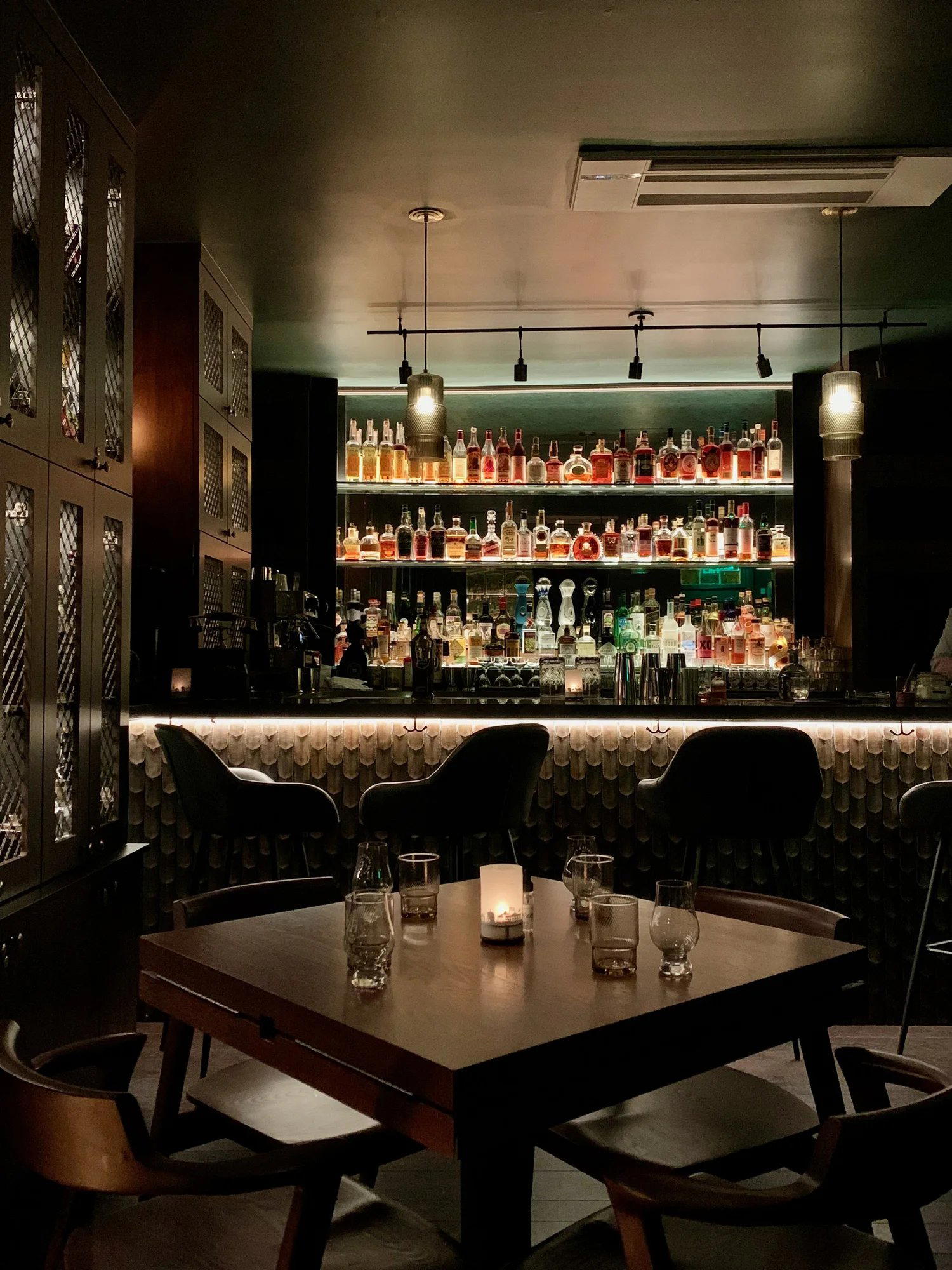
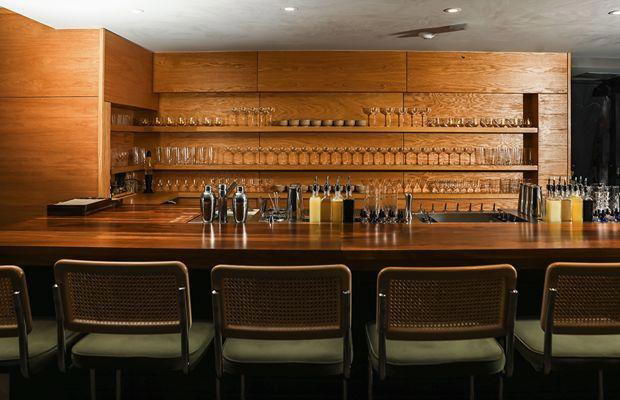
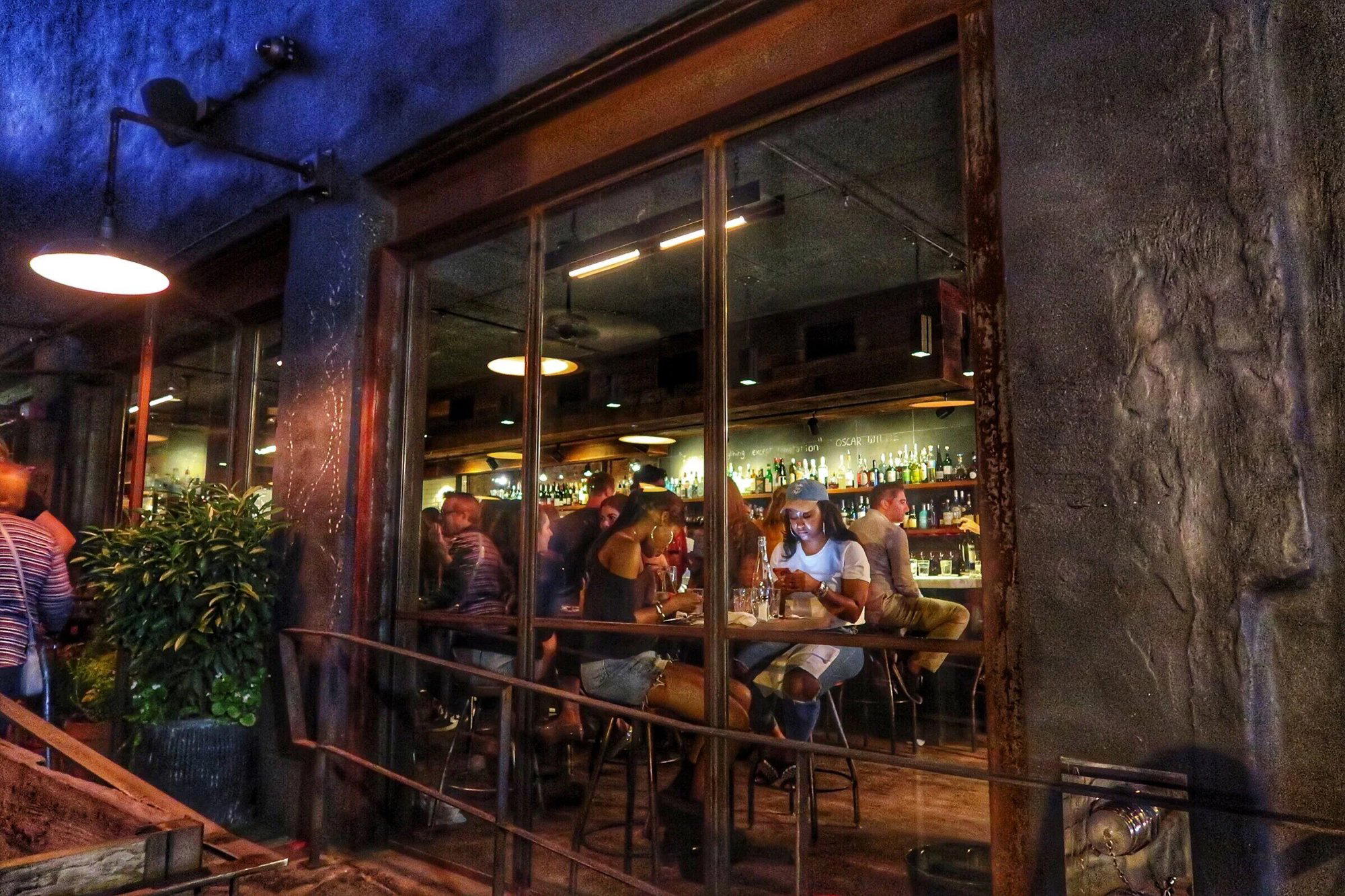
Bars in Washington DC
Browse all →
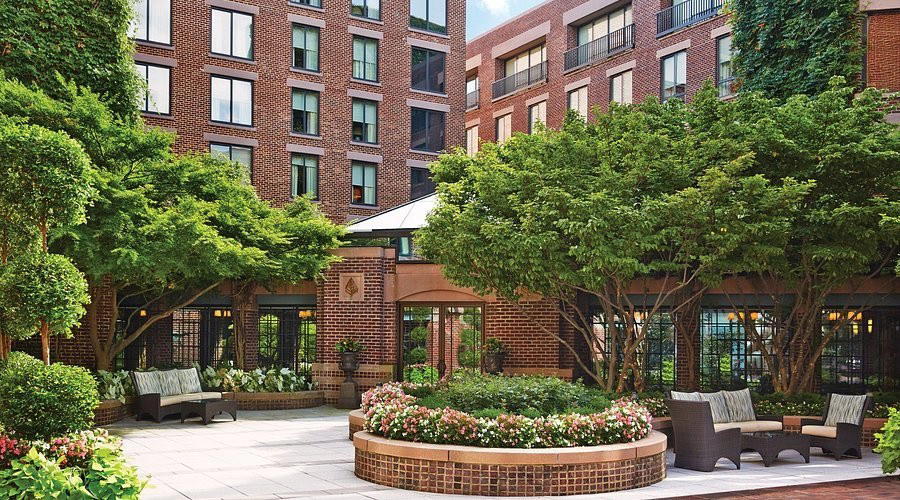
Hotels in Washington DC
Browse all →

At a Glance
- Cozy
- Lively
- Casual Hangout
- Group Dining
- Celebration
- Special Occasion
- Standalone
- Craft Cocktails
Current opening hours
- Monday
- 11:30 AM–9 PM
- Tuesday
- 11:30 AM–9 PM
- Wednesday
- 11:30 AM–9 PM
- Thursday
- 11:30 AM–9 PM
- Friday
- 11:30 AM–10 PM
- Saturday
- 12–10 PM
- Sunday
- 12–9 PM
Hours can change for holidays and private events. Last verified .
Lively and welcoming atmosphere celebrating bold flavors and rich culinary heritage with warm hospitality