
Tabelog Bronze #140
Our verdict
Itoh operates out of Taira, the commercial heart of Iwaki in Fukushima Prefecture, a city whose coastal and inland geography produces ingredients with genuine regional character. In a dining scene that rewards those willing to look beyond Japan's major urban corridors, Itoh represents the kind of neighbourhood-rooted restaurant where provenance and place shape the plate. Visit with an appetite for discovery and enough flexibility to let the kitchen lead.

Pearl is the En Primeur Club membership app, where members save venues, book tables and use the concierge.
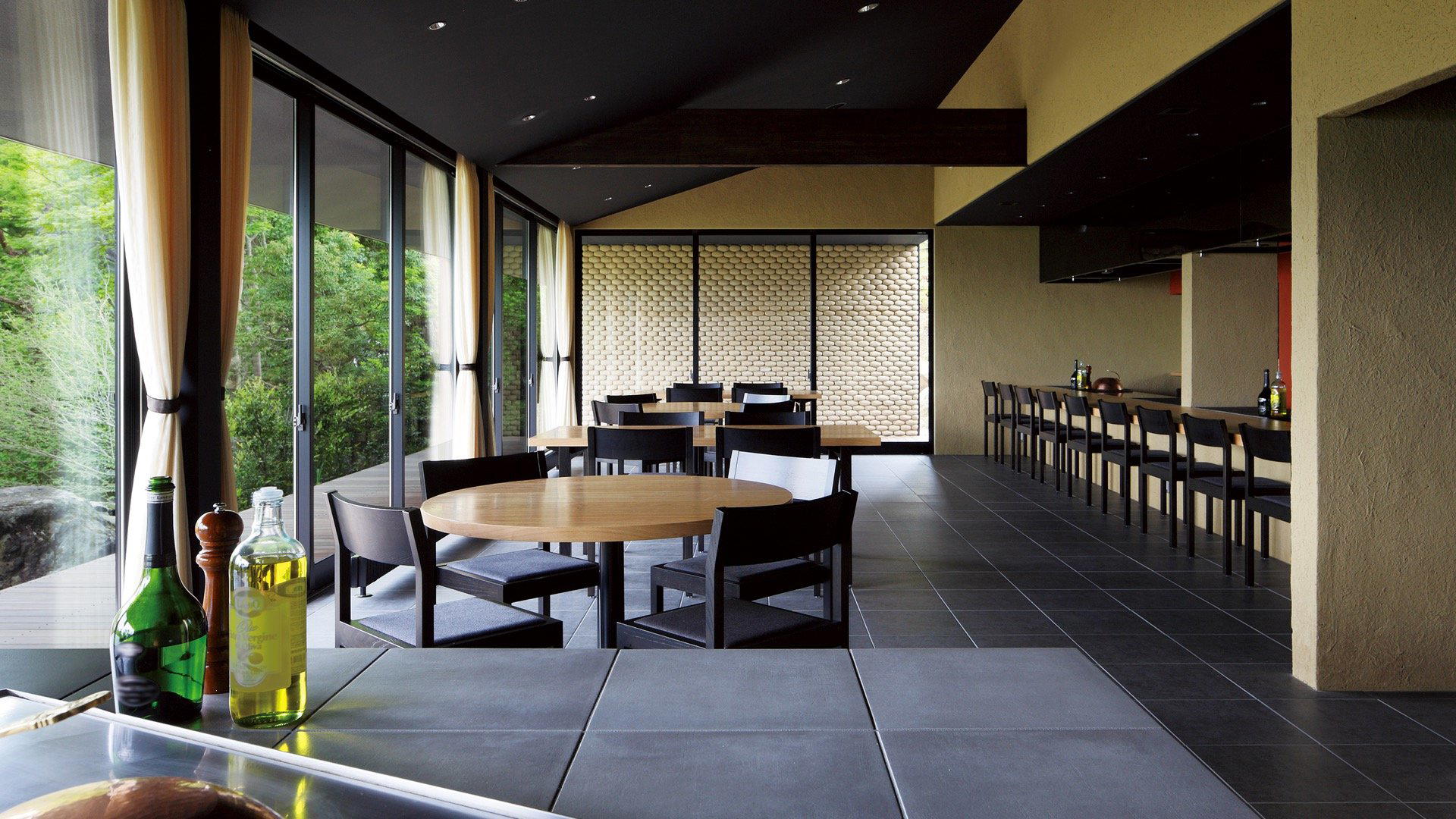
Eating in Iwaki: What the City Brings to the Table
Fukushima Prefecture sits at an intersection of food geography that most itineraries overlook. To the east, the Pacific coastline delivers fish and shellfish from waters that have defined the prefecture's maritime identity for centuries. To the west, the Abukuma Plateau and river valleys produce rice, vegetables, and livestock shaped by a climate that alternates between cold winters and warm, humid summers. Iwaki, the prefecture's largest city by area, draws from both directions, and the restaurants anchored in its Taira district occupy a food culture that is more layered than the city's low national profile suggests.
That regional depth matters when assessing where a restaurant like Ito and Itoh sit relative to each other in the local dining fabric. Both operate in a city where supply chain proximity to primary ingredients is a genuine advantage rather than a marketing point. The Fukushima coast, now subject to ongoing scrutiny following the 2011 disaster, has seen its fisheries work through a long process of testing and documentation; locally caught fish that reaches Iwaki tables today comes with a level of sourcing transparency that is, in practical terms, higher than at many high-profile urban counters where provenance is implied rather than traceable.
The Address and What It Signals
Itoh's address in Taira Minamimachi places it in the commercial core of Iwaki, an area of mid-rise blocks, local retail, and the kind of neighbourhood restaurants that function as weekly anchors for residents rather than weekend destinations for visitors. This is not the sanitised dining district of a resort town. The streets here have the functional character of a working Japanese city, and that context sets expectations correctly: what you are arriving for is the cooking, not the room's contribution to a lifestyle aesthetic.
In Japan's regional dining scene, this kind of address is common among restaurants that earn their reputation through ingredient relationships rather than interior investment. Comparable dynamics operate at places like 一本木 石川県制 in Nanao and 羽黒屋 in Nishikawa Machi, where the surrounding town fabric is functional rather than scenic, and the restaurant earns its standing through what it sources and how it prepares it. For readers who have spent time at HAJIME in Osaka or Harutaka in Tokyo, the contrast in physical setting is sharp, but the underlying logic of quality grounded in provenance is the same.
Ingredient Geography in Fukushima
The sourcing logic that defines eating well in Iwaki is worth understanding before you arrive. Fukushima's seafood recovery narrative has been closely tracked by food journalists and scientists since 2013, and the prefectural government's public testing data is among the most granular in Japan. What this means at the table is that restaurants with direct relationships to local fishing operations have access to product whose traceability is documented rather than assumed. Flatfish, flounder, and Pacific saury are regional staples; so are freshwater species from the Natsui and Kuma rivers that run through the prefecture's interior.
On the agricultural side, Fukushima rice has a documented competition record, with the prefecture's Koshihikari varieties ranking in national taste assessments regularly. Seasonal vegetables from the inland districts, including heirloom varieties that rarely move beyond prefectural borders, appear in local menus in ways that do not translate to restaurant supply chains in Tokyo or Osaka. For a restaurant in Taira, the supply line from farm to kitchen is a matter of hours, not logistics networks. That compression in supply chain is the specific advantage that regional dining in a city like Iwaki can hold over urban fine dining when it is used well.
This kind of provenance-led approach at the regional level also creates points of comparison with restaurants operating in analogous frameworks elsewhere in Japan. Gion Sasaki in Kyoto and akordu in Nara both work within tight regional sourcing frameworks, each drawing meaning from the geography that surrounds them. The method differs in cuisine type, but the editorial logic of eating where you are, rather than eating what has travelled to reach you, is consistent across all three cities.
Iwaki in the Wider Japan Dining Picture
Japan's regional restaurant culture has become more navigable in the past decade as coverage beyond Tokyo, Osaka, and Kyoto has grown. Cities like Fukuoka, home to Goh, or Sapporo, where 夕佳仙乃 operates, have developed sufficient international recognition to appear in high-end traveller itineraries. Iwaki is not yet at that point. The city receives a fraction of the food tourism that its Fukushima Prefecture neighbour Aizuwakamatsu attracts, and it does not appear on the shortlists assembled by the publications that drive high-end travel bookings.
Readers who have worked through the dining rooms at Bistro Ange in Toyohashi or bodai understand the pattern: Japan's secondary and tertiary cities contain restaurant culture that operates according to local standards and local relationships, where the dining room functions as part of the community rather than as a hospitality product aimed at visitors. Itoh fits that pattern, and the reader who approaches it in that frame will get more from the experience than one arriving with the expectations calibrated by Michelin-circuit urban counters.
For context on what premium Japanese dining looks like at its upper register, reference points like Atomix in New York City or Le Bernardin in New York City represent the global tier that Japanese culinary tradition informs at a distance. What restaurants in Iwaki represent is the other end of the same tradition: cooking grounded in its specific geography, without translation for international audiences.
Planning Your Visit
Itoh is located in Taira Minamimachi in central Iwaki, accessible by Shinkansen to Iwaki Station on the Joban Line from Tokyo in approximately two hours. Iwaki is a spread-out city and the Taira district is the practical base for visitors. Given the nature of neighbourhood restaurants in Japanese regional cities, reservations made through the venue directly, in Japanese, will generally yield better access than third-party booking systems. Check our full Iwaki restaurants guide for updated logistics and additional options across the city.
Other regional restaurants worth noting in the wider network include Birdland in Sakai, Blue Ocean Steak in Nakagami District, Cafe Naoshima Konichiwa in Naoshima, and 湖畔荘 in Takashima, each operating with the same regional-anchor logic that defines eating well outside Japan's primary hospitality corridors.
Frequently asked questions
Is Itoh a family-friendly restaurant?
Itoh's location in Taira Minamimachi, the commercial core of central Iwaki, puts it in a neighbourhood built around everyday local life rather than tourist infrastructure. Contacting the venue directly before a group visit is advisable.
What's the overall feel of Itoh?
Itoh sits in Taira Minamimachi among mid-rise commercial blocks and local retail, which positions it closer to a neighbourhood dining room than a destination showpiece. Iwaki's restaurant culture draws on both Pacific coast seafood and inland Fukushima produce, shaping a dining scene grounded in regional ingredient logic rather than performance. The address alone signals a place built for the city's own residents first.
Is Itoh worth visiting from Tokyo as a day trip to Iwaki?
Iwaki is reachable from Tokyo in approximately two hours by Shinkansen to Iwaki Station on the Joban Line, making a day trip logistically viable. Itoh's location in Taira Minamimachi puts it within the central commercial district, a short distance from the station. For travellers already planning a Fukushima itinerary, pairing the restaurant with the wider Iwaki food scene, which draws on both Pacific seafood and inland produce, adds clear regional context to the visit.
What should I order at Itoh?
Restaurants at this address in Taira typically draw from that same regional sourcing pattern. Arriving with appetite for seafood-led dishes is a reasonable approach given the city's food geography.
Quick Comparison
Comparable venues nearby, for context on price, style, and recognition.
| Venue | Cuisine | Price | Awards | Notes |
|---|---|---|---|---|
| ItohThis venue (the venue you are viewing) | Joban Sea Omakase Sushi | $200–300 | Tabelog Bronze #140 | Not listed |
| Ito | Joban Sea Omakase Sushi | $200–300 | Tabelog Bronze #140 | Hirakawa |
| 宮崎牛鉄板焼ステーキ ミヤチク | Miyazaki Beef Teppanyaki | $100–150 | Not listed | 新別府町 |
| 和食晴ル | Kyoto Kappo Izakaya | $50–100 | Not listed | Shinkyō-chō, Shimogyō-ku |
| La Ceres (ラ・セレース) | Japanese-Western-Chinese Buffet | Not listed | Not listed | Matsushima |
| Takotsubo (割烹 たこつぼ) | Traditional Japanese Kappo | Not listed | Not listed | Naka-ku |
Recognition history
Dated appearances from independent guides and award organizations, with the underlying list record or original source where available.
Tabelog Bronze #140
Tabelog
Full recognition history (3 entries)
Tabelog 100 #88 · No. 88
Tabelog · Tabelog 100 - Sushi - EAST - 2025
Tabelog Bronze
Tabelog
Continue exploring
More in Iwaki
Restaurants in Iwaki
All restaurants in Iwaki →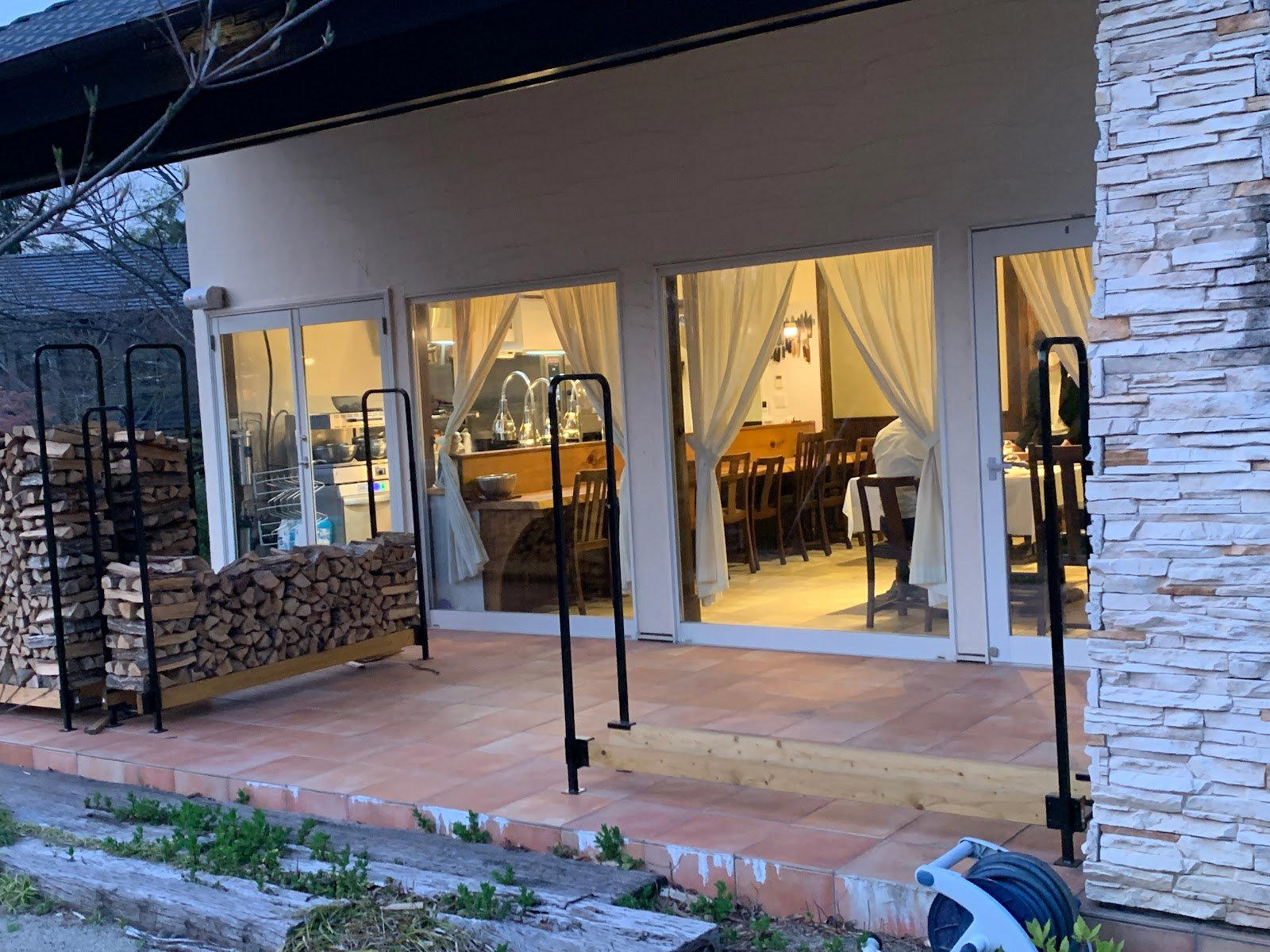
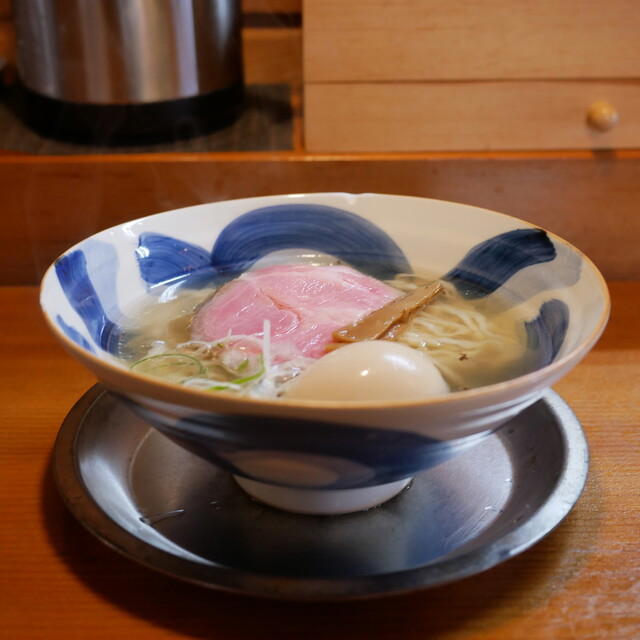
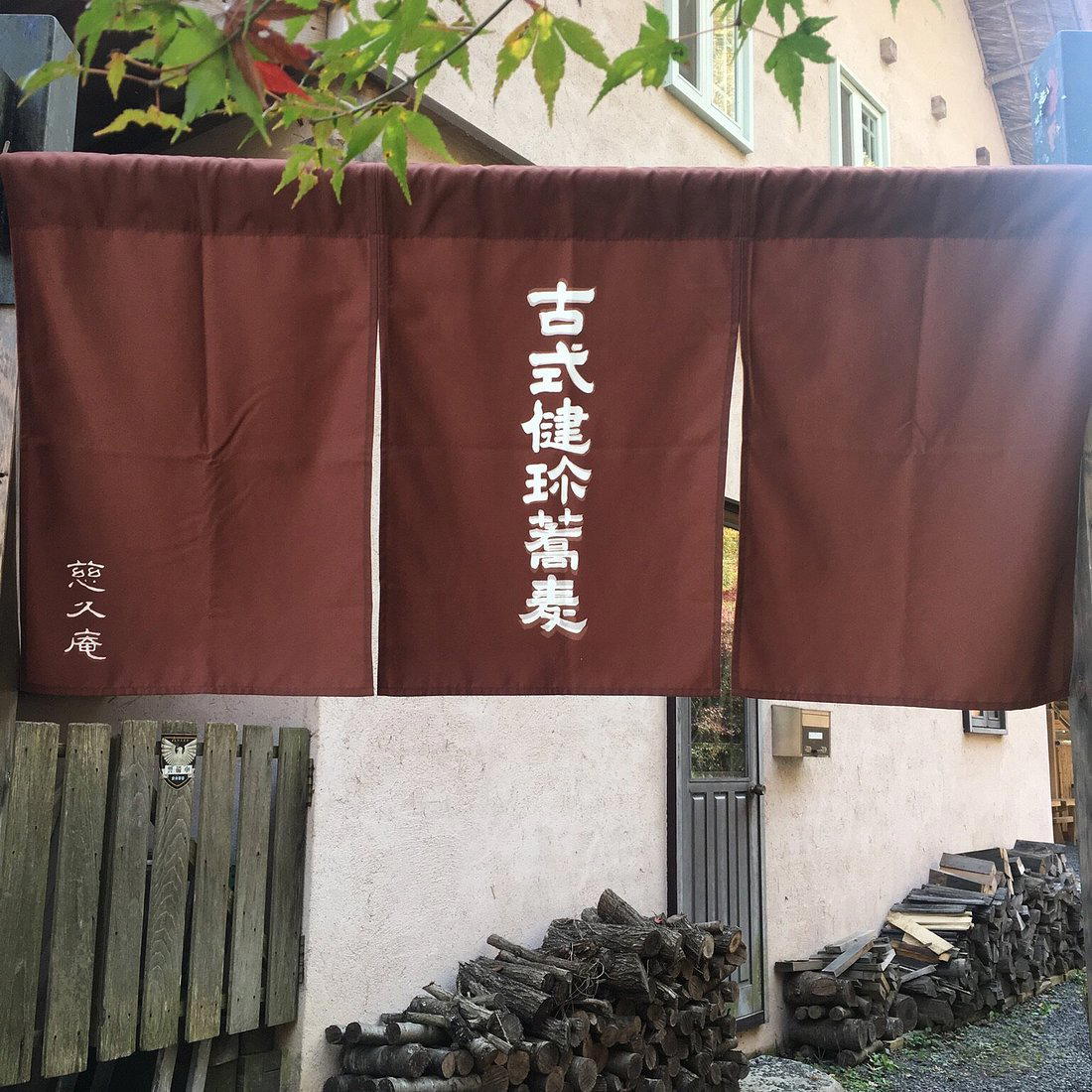
Details
- Intimate
- Date Night
- Special Occasion
- Chefs Counter
- Sake Program
- Local Sourcing
- Omakase
- Sake
Current opening hours
- Monday
- 6–10 PM
- Tuesday
- 6–10 PM
- Wednesday
- 6–10 PM
- Thursday
- 6–10 PM
- Friday
- 6–10 PM
- Saturday
- 6–10 PM
- Sunday
- 6–10 PM
Hours can change for holidays and private events. Last verified .
Intimate hideout with focused sushi counter service emphasizing fish quality and texture.