


Tabelog Silver #30
Our verdict
HAGI gives Fukushima a serious French counterpoint to Japan’s metropolitan tasting-menu circuit, with local ingredients treated through a disciplined French frame. Its Tabelog Award 2026 Silver status, 4.45 score, and OAD Recommended listing place it in a narrow regional tier where sourcing, format, and restraint matter more than urban glamour.

Pearl is the En Primeur Club membership app, where members save venues, book tables and use the concierge.
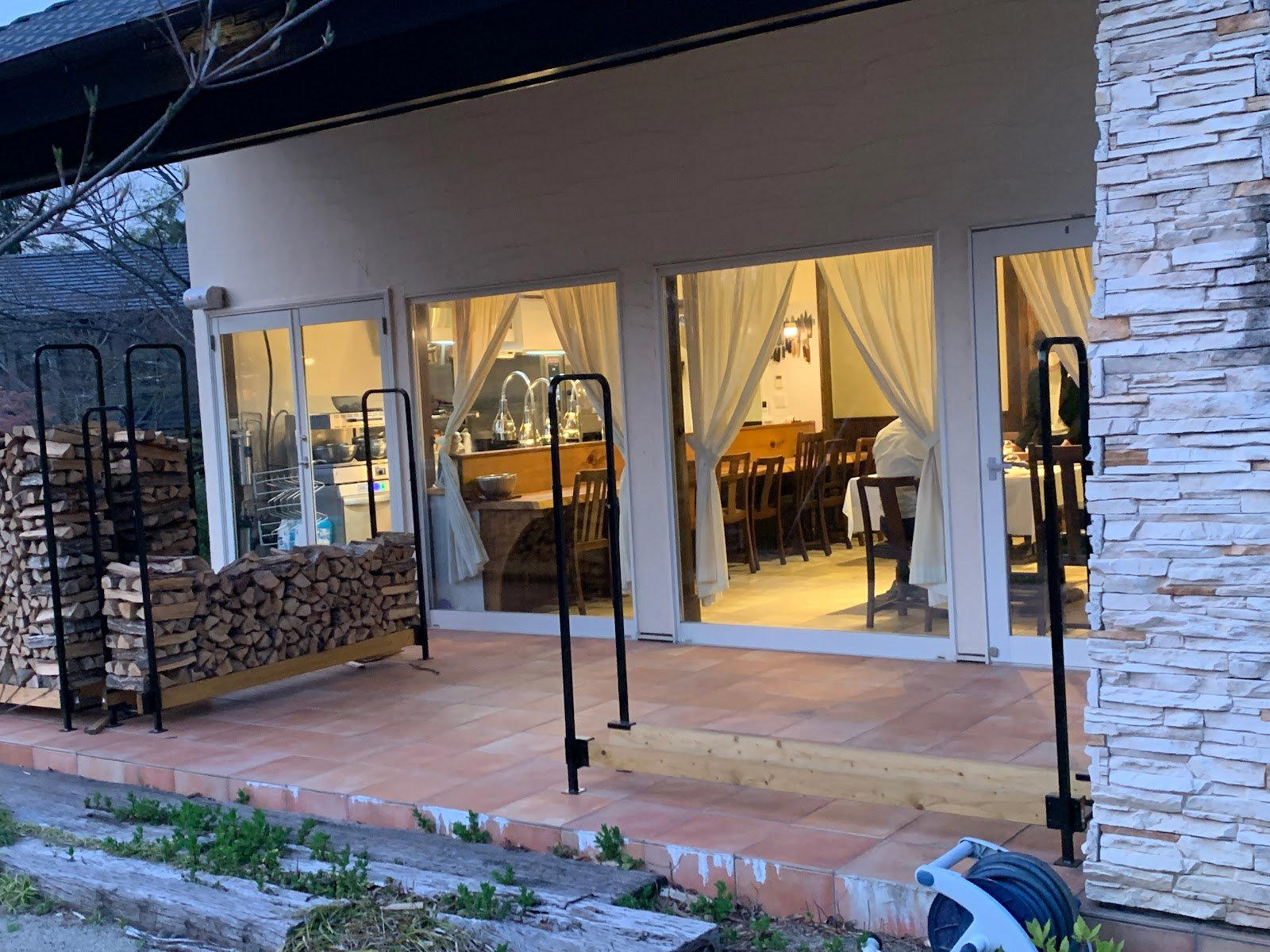
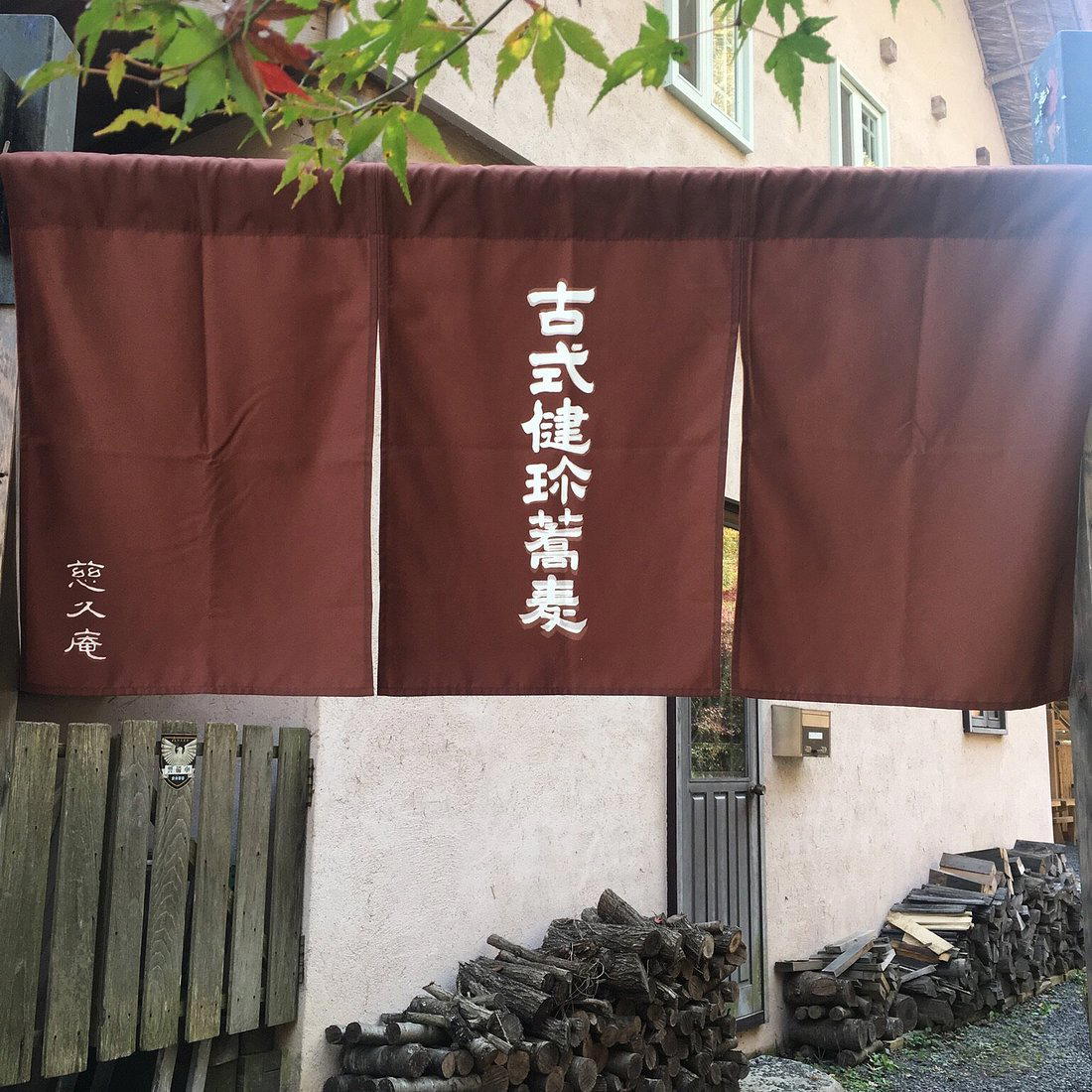
The approach to a small house restaurant in Iwaki sets a different rhythm from the hotel towers and station-front dining rooms that dominate much of Japan’s formal French scene. The setting is residential rather than theatrical, and that matters: Fukushima’s strongest restaurants often read the prefecture through farms, fisheries, and mountain produce rather than through imported luxury signals. HAGI belongs to that school, using French technique as a frame for local ingredients rather than as a costume.
Fukushima produce, French discipline, and the case for leaving the big-city circuit
Japan’s French dining culture has long been split between two poles. Tokyo and Osaka tend to reward polish, cellar depth, and high-pressure reservation culture; regional kitchens have more room to argue for place. Fukushima adds a sharper point to that argument because its modern food identity is inseparable from recovery, trust, and agriculture. A serious French restaurant here is not simply copying the capital’s tasting-menu grammar. It is asking whether a prefecture better known to many travelers for sake, fruit, seafood, and post-disaster resilience can sustain a destination dining room on its own terms.
The awards suggest that answer has already moved beyond local loyalty. The restaurant holds The Tabelog Award 2026 Silver with a 4.45 score, after Silver recognition in 2023, 2024, and 2025, and Bronze recognition in 2021 and 2022. It was also selected for Tabelog 100 French EAST in 2021, 2023, and 2025, and appears as Recommended on Opinionated About Dining’s 2026 Japan list. Those signals matter because regional French restaurants in Japan rarely receive sustained national attention without a clear point of view. Here, the point is ingredient provenance: Fukushima produce presented through a French vocabulary, not a generic luxury template.
That sourcing angle also explains why the format makes sense. A small, reservation-only room with synchronized service gives the kitchen control over pacing and produce condition. In Japanese fine dining, especially outside the major cities, this kind of discipline often produces a more coherent meal than a broad à la carte menu. It narrows the promise: fewer seats, fewer variables, and a sharper reading of the region. Chef Harutomo Hagi’s name appears in the national listings, but the more important story is not biography. It is the way a regional French kitchen can become a lens on Fukushima itself.
A compact room changes the way French dining feels
Ten seats place the experience closer to Japan’s counter and omakase traditions than to old-formal French dining. That scale changes expectations. Conversation, pacing, and the sequence of courses become part of one managed service rather than a private performance at each table. The absence of private rooms reinforces the point: this is not a corporate dining room disguised as gastronomy. It is a small-format restaurant where the room’s limits are part of the editorial position.
For travelers, the comparison is less with grand French rooms in Tokyo than with other regional restaurants where the value lies in context. Fukushima’s dining map is broad rather than centralized: casual local institutions, specialty shops, coffee rooms, and destination restaurants sit far apart, and each tells a different story about the prefecture. For a wider read on the city and region, Our full Fukushima restaurants guide is the useful starting point, with nearby contrasts such as age, Bistro Mikasa, CAFE BAHNHOF, Asia Shokudo Chouku, and Agu Buta Shabushabu Senmon Ten Toriou Bettei showing how varied the local field can be.
The broader Japan context is just as revealing. Regional and specialist dining now competes with city-center prestige by being more specific, not grander. Travelers tracing that pattern beyond Fukushima might compare how local formats read in -Grilled beef Sukiyaki- KAMAKURA TANUKIAN 鎌倉 たぬき庵 in Kamakura. 鮪と炭火焼き うお炭 秋葉原店 in Tokyo.cafe in Osaka.know in Kumamoto, (Shoku) Vietnam in Kawasaki, and [Curry Senmon Ten] Maruyama Kyoju. in Sapporo. Even outside Japan, compact food cultures are being reframed through focused formats, from Jōdo Saké Bar in Los Angeles to Onigiri Time in Pasadena.
Who should make the trip
This is a restaurant for diners who care about why a dish belongs in a place. The draw is not spectacle or a trophy-room atmosphere; it is the combination of Fukushima sourcing, French structure, and a room small enough to keep the meal tightly governed. The price tier sits below many capital-city luxury counters, yet the recognition profile puts it in a more serious conversation than a pleasant regional detour.
That distinction matters when planning a Fukushima trip. A traveler building an itinerary around food should pair the restaurant with time in the region rather than treating it as a stray dinner between trains. The same logic applies across the city’s hospitality map: Our full Fukushima hotels guide, Our full Fukushima bars guide, Our full Fukushima wineries guide, and Our full Fukushima experiences guide help place the meal inside a fuller regional stay. The verdict is simple: for diners interested in regional Japan at a high technical level, HAGI is one of Fukushima’s clearest arguments that serious French dining does not need a metropolitan postcode to carry weight.
Frequently asked questions
Is HAGI child-friendly?
Those details are not published. The fixed dinner start times at 18:30 or 19:00 make it a tighter fit for younger children than a casual family dining room. Check the venue's official channels for the latest details.
How would you describe the vibe at HAGI?
HAGI feels intimate and controlled rather than loose or noisy: 10 seats, reservation-only service, and synchronized dinner starts shape the room. The listed Tabelog Award 2026 Silver adds context, while the address in Iwaki and the wine service point to a serious French dining room.
When is HAGI open?
Hours at HAGI: ■Business hoursReservation onlyOpen at 18:15 with dinner starting at 18:30, or open at 18:45 with dinner starting at 19:00. All guests will begin their meal at the same time based on their reservation.■Closed onOpen year-round.
What is HAGI known for?
HAGI is primarily known for its core concept and execution in Fukushima.
Comparable venues nearby, for context on price, style, and recognition.
| Venue | Cuisine | Price | Awards | Notes |
|---|---|---|---|---|
| HAGIThis venue (the venue you are viewing) | Modern French with Fukushima Ingredients | $100–150 | Tabelog Silver #30 | Not listed |
| Hisuinosato | Seasonal Japanese Kaiseki | $300–500 | Not listed | Fukushima |
| Rantei Vivian | Seasonal Kaiseki Omakase | $100–150 | Tabelog Bronze #354 | Koriyama |
| Tempura Sakuma | Traditional Japanese Tempura | $50–100 | Tabelog 100 #74 | Koriyama Tomita |
| Evoluer | Modern French with Japanese Seasonal Ingredients | $50–100 | Tabelog 100 #34 | Fukushima |
| Tori Ken | Yakitori | $50–100 | Tabelog 100 #62 | Fukushima |
Recognition history
Dated appearances from independent guides and award organizations, with the underlying list record or original source where available.
Opinionated About Dining Top Restaurants in Japan Recommended
Opinionated About Dining
Tabelog Silver #30
Tabelog
The Japan Times Destination Restaurants Destination Restaurants Selection #3
The Japan Times Destination Restaurants
Full recognition history (5 entries)
Tabelog 100 #69 · No. 69
Tabelog · Tabelog 100 - French - EAST - 2025
Tabelog Silver
Tabelog
Continue exploring
More in Iwaki
Details
- Cozy
- Intimate
- Elegant
- Special Occasion
- Date Night
- Open Kitchen
- Chefs Counter
- Sake Program
- Local Sourcing
- Omakase
- Prix Fixe
- Sake Program
Current opening hours
- Monday
- 6:30–10 PM
- Tuesday
- 6:30–10 PM
- Wednesday
- 6:30–10 PM
- Thursday
- 6:30–10 PM
- Friday
- 6:30–10 PM
- Saturday
- 6:30–10 PM
- Sunday
- 6:30–10 PM
Hours can change for holidays and private events. Last verified .
Cozy dining hall with open kitchen allowing guests to appreciate aromas and heat; terrace outside with large glass windows evoking a small French town house.