
Sankuruge puts rural Fukushima ramen in a sharper frame: small-room scale, station-side simplicity, and repeated selection for Tabelog Ramen EAST “Tabelog 100” from 2022 through 2025. In Tamura, where dining is less about spectacle than local rhythm, its appeal sits in the way ramen functions as everyday food with serious regional credibility.
Pearl is the En Primeur Club membership app — saves, bookings, and concierge access live there. Same editors, same standards.
- Address
- 福島県田村市滝根町神俣梵天川52
- Phone
- +81247782552
- Website
- sankuruge.jp
 Saves & bookings on Pearl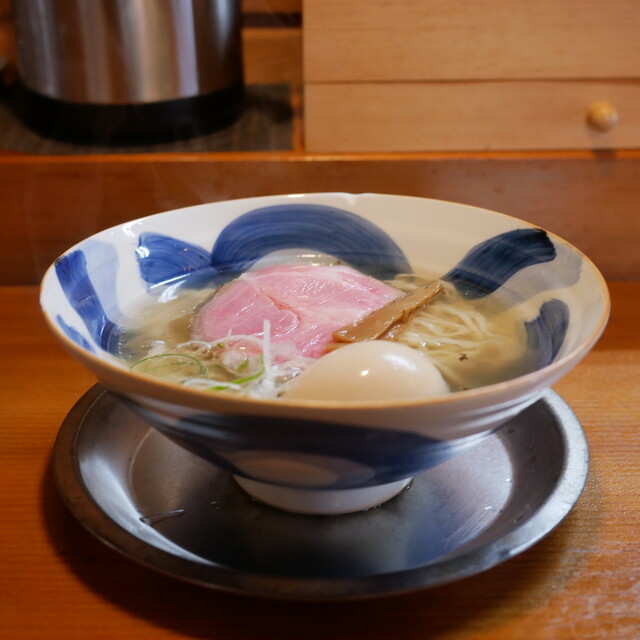
Approaching ramen in rural Fukushima means lowering the volume. The setting is not the neon-and-queue theatre associated with Tokyo’s ramen corridors; it is quieter, more local, and more dependent on the compact exchange between kitchen, counter, and regular traffic. Sankuruge belongs to that register. Its small room, split between counter seating and tatami seating, places it closer to a neighbourhood meal than a destination tasting format, but the repeated Tabelog Ramen EAST “Tabelog 100” selections from 2022 through 2025 put it in a category that travelling ramen obsessives understand immediately.
That tension matters. Japan’s ramen hierarchy is often read through metropolitan density, with Tokyo, Sapporo, Fukuoka, and Kyoto absorbing much of the English-language attention. Fukushima asks for a different kind of reading: local access, restrained pricing, compact formats, and bowls that have to make sense to residents before they mean anything to visitors. In Tamura, the point is not culinary theatre. The point is whether a small ramen shop can carry enough consistency to earn regional recognition while remaining part of the city’s everyday fabric.
Rural Fukushima ramen judged by consistency, not spectacle
The ingredient-sourcing angle in this part of Japan is less about named luxury produce than about proximity and discipline. Ramen outside the major tourist circuits tends to be assessed through broth clarity, noodle handling, seasoning balance, and whether the bowl feels built for repeat eating rather than social media. Sankuruge’s recognition in the EAST ramen category signals that it is being measured against a broad eastern Japan field, not only against nearby Tamura options. That is a meaningful distinction for travellers using awards as a filter, because the category reaches beyond local popularity.
The format also tells a story about the food. A 13-seat setup, with counter seats and tatami seats, keeps the room close to the kitchen’s pace. That kind of scale suits ramen: turnover, heat, timing, and texture all matter more than table ceremony. In a larger restaurant, service can absorb inconsistency; in a ramen shop of this size, the bowl has fewer places to hide. The practical seriousness lies in repetition.
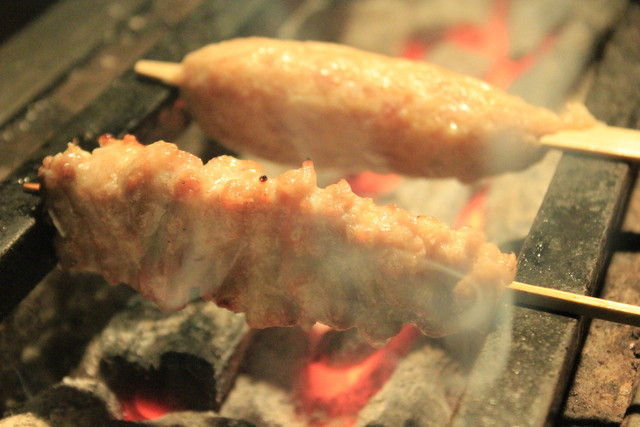
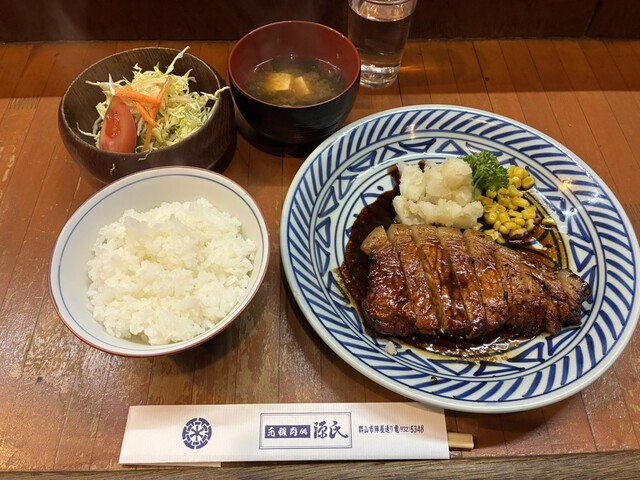
Compared with the broader Japan dining range, this is also a reminder that recognition does not always track with high spend. Out-of-metro comparison points show how wide the regional table can be: Munakata Ya sits in a higher casual-dining band, Genji occupies a modest everyday range, and Sushi Kappou Gyomon operates in a far more expensive sushi-kappo tier. Sankuruge sits on the ramen side of that spectrum, where value, speed, and craft intersect. That does not make it less serious. It makes the standards different.
Why Tamura changes the way the bowl reads
Context is doing real work here. Tamura is not a city where a traveller can drift from one acclaimed dining room to another on foot all evening. The decision to eat ramen here is usually tied to a more deliberate route through Fukushima, and that changes the expectation. The meal has to justify the detour through credibility and timing rather than through luxury signals. Repeated selection for Tabelog’s ramen list gives Sankuruge that external marker, while the local format keeps it grounded.
The room’s family-friendly and solo-friendly character also fits the ramen tradition more accurately than a hushed fine-dining model would. Ramen in Japan has long served office workers, drivers, students, parents, and solitary diners with equal efficiency. A place that can accommodate both counter eating and tatami seating is not trying to flatten those audiences into one premium template. It reflects a regional dining culture where comfort and seriousness can occupy the same room.
For travellers building a wider itinerary, Tamura’s food scene benefits from being read alongside the city’s other categories rather than in isolation. Start with Our full Tamura restaurants guide, then cross-check sleep, drinks, wine, and local programming through Our full Tamura hotels guide, Our full Tamura bars guide, Our full Tamura wineries guide, and Our full Tamura experiences guide. The city rewards planning because the distances and rhythms are not those of a dense urban food crawl.
A small shop with national ramen-list credibility
The strongest editorial case for Sankuruge is not that it performs luxury. It is that it shows how Japanese ramen recognition can attach to a place with modest scale, local utility, and repeated output. Tabelog Ramen EAST “Tabelog 100” selection in 2025, following selections in 2022, 2023, and 2024, is the trust signal here. It places the shop within a regional benchmark that serious ramen travellers use when deciding which bowls deserve time outside the usual metropolitan routes.
That matters in a country where casual categories can be as competitive as fine dining. Ramen is judged bowl by bowl, often by diners who care about small variations in stock, tare, noodle texture, aroma, and temperature. Without inventing a house specialty, the defensible reading is clear: the defining idea is ramen made with enough consistency and regional relevance to keep appearing in a competitive eastern Japan selection.
Readers mapping Japan more broadly can use Sankuruge as a counterpoint to other formats across the country: beef-focused dining such as -Grilled beef Sukiyaki- KAMAKURA TANUKIAN 鎌倉 たぬき庵 in Kamakura, Tokyo casual seafood at. 鮪と炭火焼き うお炭 秋葉原店 in Tokyo, cafe culture at.cafe in Osaka, and contemporary regional dining such as.know in Kumamoto. For a wider casual spectrum, compare it with (Shoku) Vietnam in Kawasaki, [Curry Senmon Ten] Maruyama Kyoju. in Sapporo, [ki:] in Kyoto, #肉といえば松田 奈良本店 in Kashihara, 1/3 HAMBURGER FACTORY in Kanazawa, 1000 in Yokohama, and 1000mヒュッテ 1000m Hut in Kutchan. Even outside Japan, formats such as Jōdo Saké Bar in Los Angeles and Onigiri Time in Pasadena show how Japanese food culture changes when transplanted. Sankuruge’s strength is the opposite: it remains tied to place, scale, and the daily logic of a Fukushima ramen shop.
A Quick Peer Check
Comparable venues by cuisine and price in the same metro.
| Venue | Cuisine | Price | Awards | Notes |
|---|---|---|---|---|
| SankurugeThis venue — the venue you are viewing | Ramen shop with house-made noodles | $ | , | |
| Maki no Udon (牧のうどん 空港店) | Traditional Fukuoka Kamaage Udon | $ | , | Hakata |
| Ippudo (一風堂) | Tonkotsu Ramen | $ | , | Narita International Airport |
| Nakakooriten Kakigori | Japanese Kakigori (Shaved Ice) | $ | , | Shingu |
| Hachi no Ki | Japanese ginger pork set-meal diner | $ | , | Fukushima |
| Numazu Gyoza Nomiseko Taguchitei | Numazu Gyoza Standing Bar | $ | , | Numazu Station area |
Continue exploring
More in Tamura
At a Glance
- Cozy
- Classic
- Hidden Gem
- Solo
- Casual Hangout
- After Work
- Standalone
- Local Sourcing
Simple and cozy neighborhood ramen shop with counter and tatami seating, a non-smoking interior, and a relaxed, local atmosphere that often draws a line of regulars during its short morning service.