Jikyu An

Tabelog 100 #91
Our verdict
Jikyu An sits in Hitachiota, a rural Ibaraki town where the surrounding agricultural terrain shapes what reaches the table. The address alone, deep in Keganocho, signals a deliberate remove from urban dining circuits, placing this restaurant in a category of destination-led, ingredient-anchored establishments that reward the effort of getting there. For travellers already plotting a route through Ibaraki's quieter towns, it belongs on the itinerary.

Pearl is the En Primeur Club membership app, where members save venues, book tables and use the concierge.
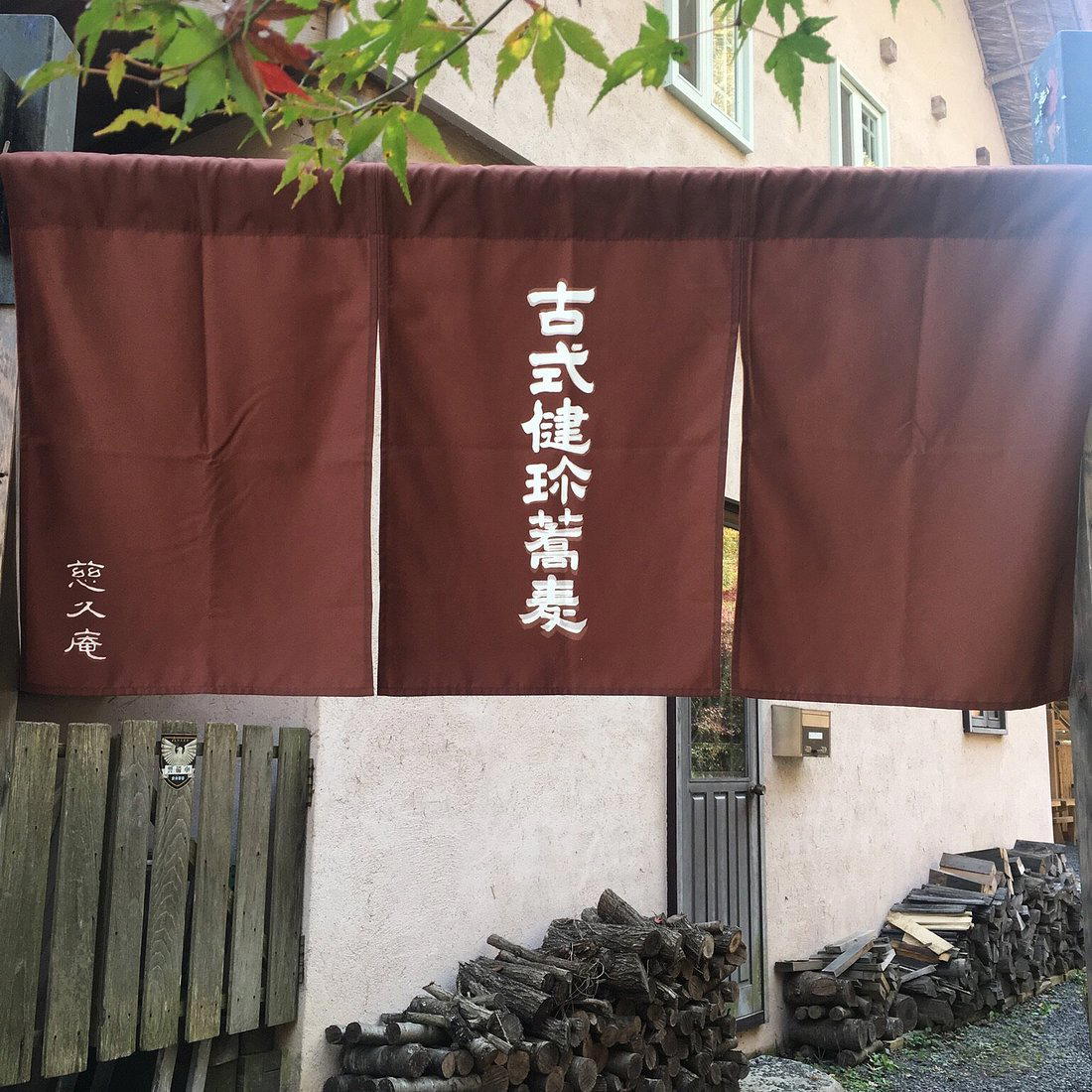
Hitachiota and the Case for Eating Where Things Grow
The Satoyama landscape, the transitional zone between cultivated farmland and forested mountain terrain, that defines this corner of northern Ibaraki produces ingredients that rarely make it to Tokyo wholesale markets. Producers here operate at a scale where relationships with individual restaurants are not a marketing strategy but a logistical necessity. Jikyu An, addressed at 2162 Keganocho in Hitachiota, sits inside that supply geography, positioned in a part of Ibaraki where sourcing locally is less a philosophical stance than a practical condition of operating at all.
That context matters when assessing what kind of restaurant this is. Japan has a well-documented tier of destination kitchens, places like Gion Sasaki in Kyoto or Harutaka in Tokyo, that draw on national ingredient networks and command international reservation queues. Jikyu An operates at a different register entirely. Its significance is regional, rooted in what Ibaraki's specific microclimates and farming traditions make available, and its audience is likely to be domestic travellers, Ibaraki locals, and the narrower cohort of international visitors willing to route through smaller cities for a more place-specific experience.
What the Address Tells You Before You Arrive
Keganocho is not a neighbourhood that announces itself. The road in from central Hitachiota passes through the kind of terrain, paddy fields giving way to cedar stands, occasional farm structures, no commercial signage, that tells you a kitchen here is buying from what surrounds it, not importing from what's convenient. This physical remove is a signal worth taking seriously. In Japan's rural dining culture, restaurants that choose addresses like this one are rarely serving passing trade. They are drawing a deliberate line between themselves and the accessibility-first model of city dining.
For visitors arriving from outside Ibaraki, the most practical route runs through Mito, the prefectural capital, which sits on the JR Mito Line and offers onward access toward Hitachiota. Planning a visit here requires accepting that public transport connections thin out at this distance from urban centres, and driving, or a carefully arranged private transfer, is the more reliable approach. That logistical reality is part of what defines the experience: you commit to the journey before you understand what it delivers.
Ingredient Geography and Why It Shapes the Plate
Ibaraki Prefecture is one of Japan's significant agricultural producers, ranking consistently among the leading prefectures for vegetable output, with particular strength in daikon, sweet potato, lotus root, and a range of leafy greens that thrive in the prefecture's relatively mild Pacific-facing climate. The Satoyama zones in the northern part of the prefecture, where Hitachiota sits, add a foraging dimension to that agricultural base: wild vegetables, mountain herbs, and river fish that don't appear in standardised supply chains.
This ingredient geography is the substantive argument for why a restaurant in Keganocho can offer something that an equivalently skilled kitchen in Tokyo cannot simply replicate. The comparison is not about technical sophistication, kitchens like HAJIME in Osaka or akordu in Nara demonstrate that regional sourcing and technical ambition are not mutually exclusive, but about access. Proximity to supply is an irreducible advantage, and restaurants positioned directly inside their ingredient geography are offering something that distance removes entirely. The same logic applies elsewhere in Japan's smaller cities: Goh in Fukuoka and Denko Sekka in Hiroshima each draw authority from their regional ingredient access in ways their urban peers cannot simply purchase.
Rural Japanese restaurants operating in this ingredient-anchored mode often work within kaiseki-adjacent frameworks, seasonal, course-based, structured around what is available rather than what is requested.
Positioned against the broader map of Japan's ingredient-led destination restaurants, Jikyu An occupies the quieter end of a spectrum that runs from internationally recognised rural kaiseki houses to local specialists known primarily within their prefecture. This is not a criticism. The most interesting restaurants in Japan's smaller cities frequently operate below the threshold of national food media coverage precisely because their audience is local and their model doesn't require external validation. Venues like 木本 å·å¶ in Nanao and æ¹é庵 in Takashima demonstrate how deeply embedded local restaurants can be in their regional food culture while remaining largely invisible to international lists.
For travellers who have worked through the more accessible end of Japan's restaurant circuit, the Michelin-tracked counters, the internationally covered kaiseki rooms, places like Jikyu An represent a different kind of research project. The evidence for visiting is contextual rather than credential-based: the address, the agricultural region, the category of establishment, and the willingness to engage with a dining experience that hasn't been pre-interpreted for an international audience.
Visitors building a broader Ibaraki itinerary should also consider what our full Hitachiota restaurants guide maps out across the town's eating options. For those interested in comparable ingredient-driven rural formats elsewhere in Japan, åºç¾½å± in Nishikawa Machi and å¤ä»å±±ä¹ in Sapporo offer useful reference points for how kitchens operating outside major city centres build their menus around what the surrounding region produces. Internationally, the conversation around place-specific sourcing reaches its most technically ambitious expression at counters like Atomix in New York City, where Korean ingredient provenance is made explicit, or Le Bernardin in New York City, where sourcing transparency is built into the restaurant's identity at a different scale entirely.
Planning a Visit
Hitachiota is not a city with a deep infrastructure for international visitors, which means practical preparation matters more here than it would in Tokyo or Kyoto. Confirmed booking details, hours, and pricing for Jikyu An are not available through public channels at time of writing, so direct contact through local Ibaraki tourism resources or advance research through Japanese-language platforms is the recommended approach before travelling. Given the restaurant's rural address, confirming opening hours and reservation availability before making the journey from Mito or further afield is a reasonable precaution. The leading season to visit northern Ibaraki for ingredient-driven dining runs broadly from late spring through autumn, when the Satoyama terrain is at its most productive and the menu range is widest. Winter visits are possible but the sourcing palette narrows considerably, as it does throughout Japan's mountain-adjacent rural zones.
Frequently asked questions
Is Jikyu An a family-friendly restaurant?
The Keganocho address in rural Hitachiota points toward a quieter, considered dining format rather than a casual family setting. Destination restaurants in this part of Ibaraki tend to draw guests who have travelled specifically for the meal, which shapes the pace and atmosphere of the room. Families with older children who appreciate that kind of focused dining will find it more suitable than those with young children expecting a relaxed, adaptable environment.
What should I expect atmosphere-wise at Jikyu An?
The approach through Keganocho's paddy fields and agricultural terrain does much of the atmospheric work before you reach the door. This is a restaurant you arrive at rather than stumble upon, sitting well outside Hitachiota's modest urban core. Expect a slower register than city dining, calibrated to the pace of the surrounding landscape rather than to any particular dining-district energy.
How far is Jikyu An from central Hitachiota, and how do I get there?
Jikyu An sits at 2162 Keganocho, which places it in the agricultural fringe north of central Hitachiota in Ibaraki Prefecture. Public transport in this part of Ibaraki is limited, and the terrain between central Hitachiota and Keganocho runs through paddy fields and rural roads not well served by transit schedules. A rental car or pre-arranged taxi from Hitachiota Station is the practical choice for most visitors travelling from Tokyo or Mito.
What should I order at Jikyu An?
Specific menu data for Jikyu An is not available at time of writing. What the address in northern Ibaraki does signal is a likely orientation toward the prefecture's agricultural output, Ibaraki ranks among Japan's top prefectures for vegetable production, and restaurants in this rural corridor tend to build their menus around what is growing close by. Asking the kitchen what is currently central to the menu is a reasonable strategy here.
What's the address for Jikyu An?
Jikyu An is located at 2162 Keganocho, Hitachiota, Ibaraki 313-0351, Japan, Hitachiota.
Do they take walk-ins at Jikyu An?
Arriving without a reservation at a destination address like Keganocho in Hitachiota carries real risk. Restaurants of this type, set beyond any urban foot-traffic zone, typically operate by reservation because they source and prepare to a known headcount. Contacting the venue ahead of your visit is the reliable approach; the address alone makes spontaneous discovery an unrealistic plan.
At-a-Glance Comparison
Comparable venues nearby, for context on price, style, and recognition.
| Venue | Cuisine | Price | Awards | Notes |
|---|---|---|---|---|
| Jikyu AnThis venue (the venue you are viewing) | Traditional Hand-Made Soba | Not listed | Tabelog 100 #91 | Not listed |
| Kujira So Shiomachi Kan | Japanese Soba | $10–20 | Tabelog 100 #82 | Naka, Hitachiota |
| 相撲料理神雷 | Sumo Chanko Nabe | Not listed | Not listed | 三井寺 |
| Boteyan | Okonomiyaki (Japanese Savory Pancake) | $10–20 | Not listed | Toyama Station area |
| Restaurant Hagi | Traditional Japanese Family Dining | Not listed | Not listed | Nagato City |
| Fujiyama Pudding Miyazaki | Japanese Curry & Cafe | $10–20 | Not listed | Aoshima |
Recognition history
Dated appearances from independent guides and award organizations, with the underlying list record or original source where available.
Tabelog 100 #91 · No. 91
Tabelog · Tabelog 100 - Soba - EAST - 2025
Continue exploring
More in Hitachiota
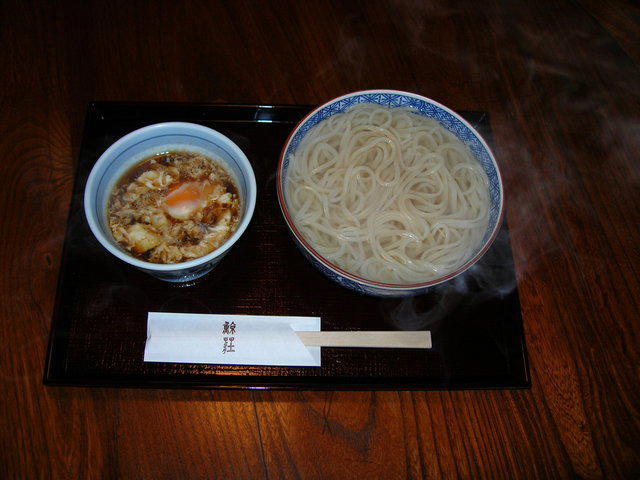
Restaurants in Hitachiota
All restaurants in Hitachiota →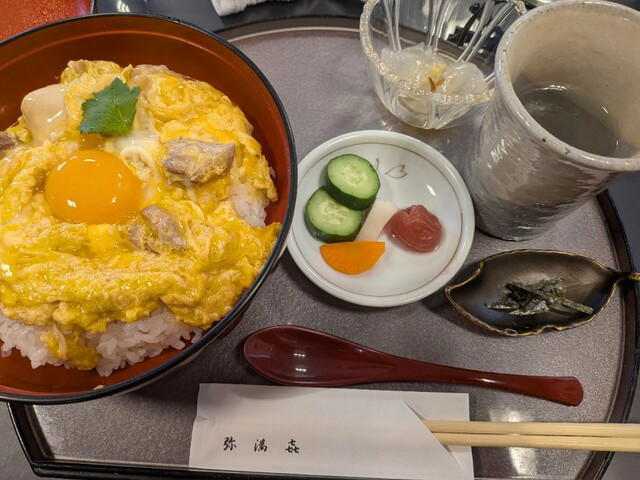
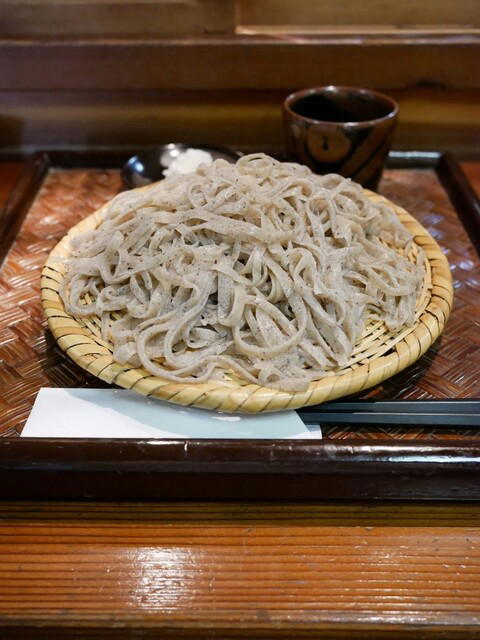
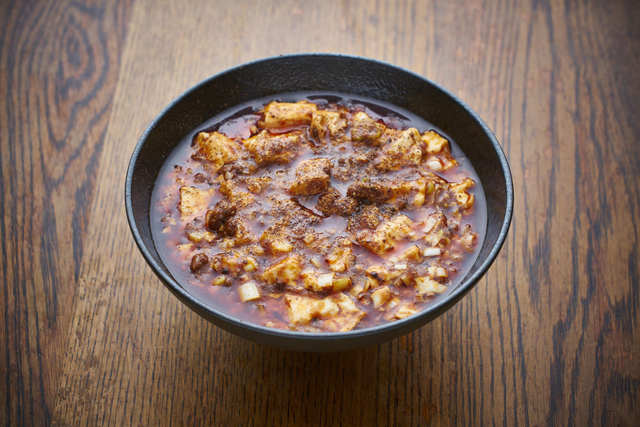
Hotels in Hitachiota
Browse all →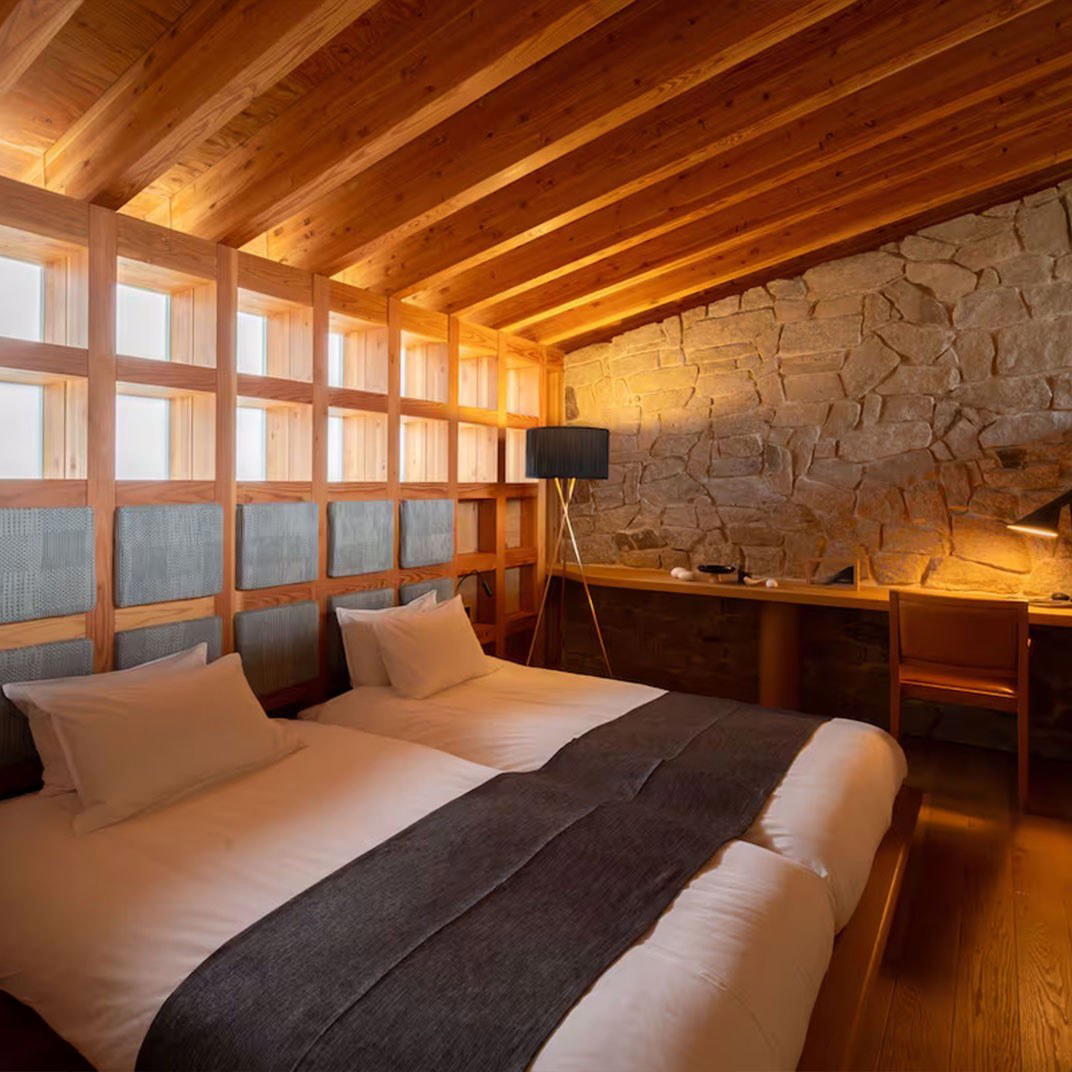
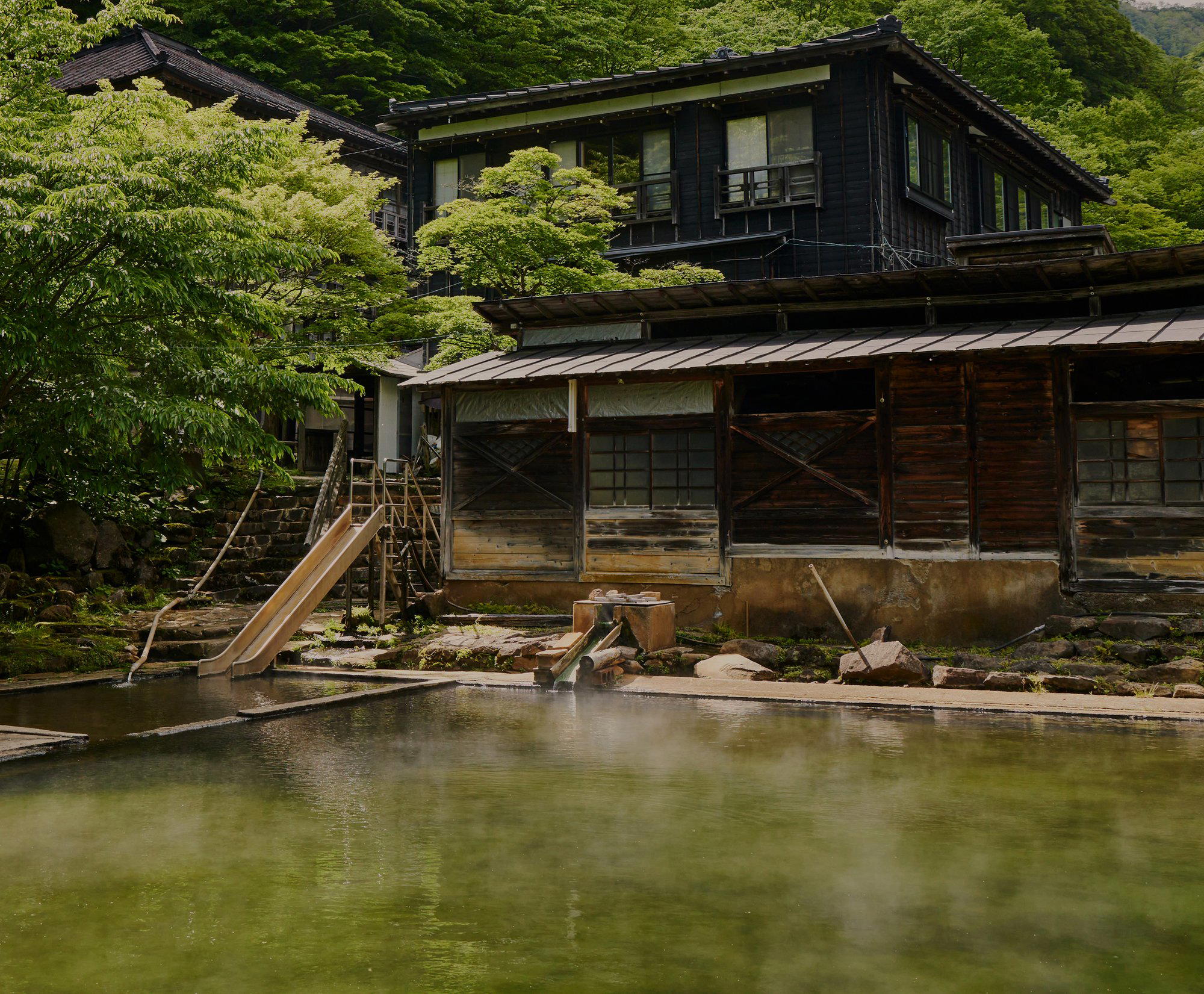
Details
- Rustic
- Classic
- Quiet
- Casual Hangout
- Solo
- Standalone
- Local Sourcing
- A La Carte
Traditional soba restaurant with authentic, artisanal preparation methods.