La Ceres (ラ・セレース)
Set in Matsushima, one of Japan's three canonical scenic views, La Ceres draws on the bay's seafood traditions and Miyagi Prefecture's agricultural depth to shape a dining experience rooted in place. The address alone signals a kitchen with access to some of the Tohoku region's most distinctive coastal and inland ingredients. For travellers passing through or basing themselves near the bay, it represents a considered option in a town where dining choices remain limited but the raw material quality is high.
Pearl is the En Primeur Club membership app — saves, bookings, and concierge access live there. Same editors, same standards.
- Address
- 宮城郡松島町, 宮城県, 981-0213
- Directions
- Get directions
 Saves & bookings on Pearl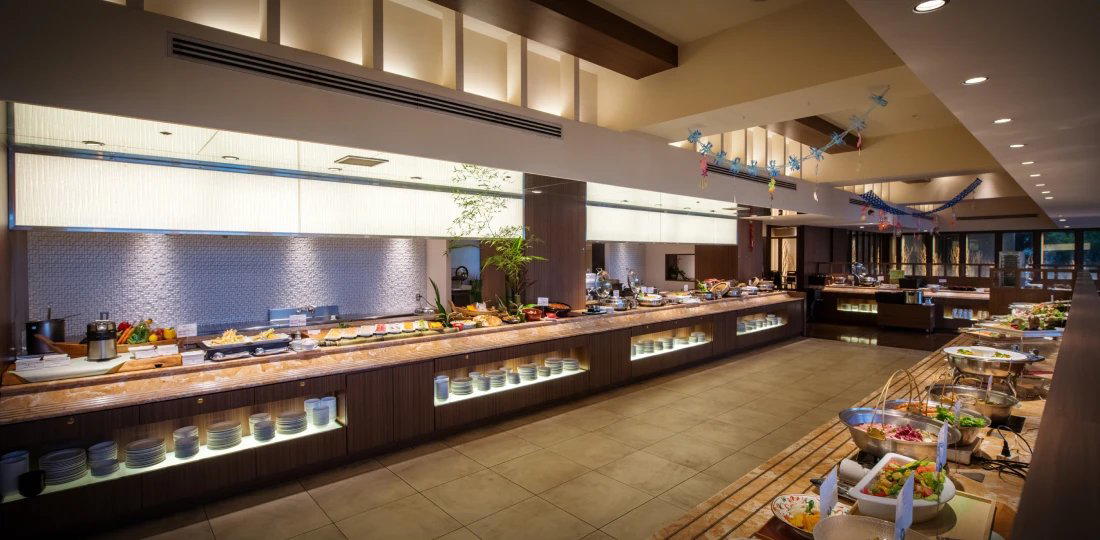
Where the Bay Sets the Menu
La Ceres (ラ・セレース) is a restaurant in Matsushima, Miyagi Prefecture, set within one of Japan's three canonical scenic views. Matsushima occupies a particular place in Japanese cultural geography. Counted among the three canonical scenic views of Japan alongside Amanohashidate and Miyajima, the bay and its roughly 260 pine-covered islands have drawn poets, painters, and pilgrims for centuries. The town that has grown around that scenery is, by the standards of Japan's major dining cities, quiet. There are no dense clusters of starred restaurants, no neighbourhood-wide concentration of serious kitchens. What Matsushima does offer is a setting where the sourcing argument writes itself: the bay is cold, clean, and productive, and the surrounding Miyagi Prefecture is among the Tohoku region's most respected agricultural territories.
La Ceres, addressed within the 981-0213 postal district of Matsushima-machi, Miyagi, sits inside that context. In a location where the quality ceiling is determined less by kitchen ambition than by what the surrounding land and water make available, the ingredient question becomes the editorial story. Restaurants in coastal Japanese towns of this type tend to succeed or fail based on how directly they engage with what grows and swims nearby, and on whether they can translate that access into something worth travelling for.
Tohoku's Coastal Larder
Miyagi Prefecture has a stronger claim on ingredient identity than many regions of comparable size. Matsushima Bay and the wider Sanriku coast to its north are among Japan's most productive shellfish environments. Oysters cultivated in Matsushima's waters carry a particular salinity and sweetness shaped by the cold Pacific currents and the freshwater run-off from inland Tohoku. The bay's oyster tradition has a long documented history, and the shellfish remain among the more recognisable regional products in Japan's northeast.
Beyond the water, Miyagi contributes Hitomebore rice, grown in the inland valleys and regarded as one of the prefecture's signature agricultural exports. Seasonal mountain vegetables, foraged in the ranges that back the coastal plain, follow the rhythms of a Tohoku growing season compressed between late spring and early autumn. A kitchen in Matsushima that engages seriously with these materials operates from a different supply position than its equivalents in, say, central Tokyo, where the same ingredients arrive after an extra step in the distribution chain. Proximity to source is not a marketing claim here; it is a function of geography.
This is a dynamic that appears repeatedly across Japan's regional dining scene. In Nara, akordu frames its menu through the lens of Yamato's agricultural tradition. In Fukuoka, Goh draws on Kyushu's depth of ingredient variety. The pattern holds: kitchens that anchor to a specific regional supply tend to develop a more legible identity than those chasing broad cosmopolitan range. For visitors to Matsushima, the relevant question is how completely the kitchen commits to what the bay and its hinterland provide.
Regional Dining Away from the Major Nodes
Japan's most-discussed restaurant addresses cluster in a predictable geography: Ginza and Minami-Aoyama in Tokyo, Gion and Higashiyama in Kyoto, Kitashinchi and Fukushima in Osaka. The serious tables in those districts, places like Harutaka in Tokyo or Gion Sasaki in Kyoto, operate inside dense competitive sets with international critical attention and award infrastructure to match. HAJIME in Osaka plays the same game at the French-innovative tier.
Matsushima does not belong to that map. Dining here involves a different set of trade-offs. What you lose in benchmark density and critical infrastructure, you gain in access to locally specific ingredient relationships that the city kitchens often can only approximate. The Tohoku coast remains under-explored in international dining coverage relative to its actual production quality. A restaurant like La Ceres, operating in this geography, benefits from a sourcing position that its Tokyo peers would need considerable supply-chain effort to replicate.
For those building a broader Japan itinerary, Matsushima sits roughly one hour north of Sendai by car or a short train journey, making it a plausible extension from the Tohoku Shinkansen corridor. Sendai itself serves as the regional gateway, connecting to Tokyo in under two hours on the bullet train. Travellers combining a Matsushima meal with the scenic circuit of the bay should expect the town's restaurant hours to align with the general tourism rhythm: lunch services often cater to the day-trip crowd, while dinner represents the more deliberate, ingredient-forward register. Booking ahead is advisable given the limited number of serious dining options in the immediate area.
Placing La Ceres in Its comparable set
What the address implies, in a region with Matsushima Bay's ingredient depth and a town with limited serious competition, is that a committed kitchen here is working from a strong starting position. The relevant comparison is less with credentialled city restaurants and more with other thoughtful regional addresses across Japan's less-covered prefectures.
Venues in analogous positions, whether in Nanao on the Noto Peninsula or in Takashima on Lake Biwa, demonstrate that Japan's regional dining tier can operate at a quality level that justifies deliberate travel. The infrastructure of reservation, rating, and review has not caught up to all of them. That is part of what makes them worth the trip. For context on how other cities outside the major nodes handle premium dining, the approaches taken at Bistro Ange in Toyohashi or Denko Sekka in Hiroshima offer useful reference points, as does the format discipline visible at venues like bodai in Nachikatsuura. Even internationally, the sourcing-first argument appears at houses like Le Bernardin in New York, where the coastal ingredient supply chain defines the kitchen's entire identity, or Atomix, where Korean regional provenance underlies the tasting format.
Planning Your Visit
Matsushima-machi is a small town, and dining options outside the tourist-facing mainstream are limited. Arriving via Sendai remains one practical route for travellers on the Tohoku Shinkansen, with onward connections by local JR line or taxi. The bay itself is most atmospheric in early morning and late afternoon, when the light through the pine islands carries the quality that made it a subject of classical Japanese verse. Building a meal at La Ceres around those hours, arriving for dinner as the day-trip traffic clears, would be a reasonable approach to the visit.
Fast Comparison
Comparable venues nearby, for context on price, style, and recognition.
| Venue | Cuisine | Price | Notes |
|---|---|---|---|
| La Ceres (ラ・セレース)This venue — the venue you are viewing | Japanese-Western-Chinese Buffet | $$$ | Not listed |
| Zorome | Traditional Japanese Unagi (Kyosui Eel) | $$$ | Toshima |
| Omi Niku Sennaritei Kyara | Traditional Omi beef kaiseki & sukiyaki | $$$ | Yume Kyobashi Castle Road |
| Nana Kamado | Authentic Japanese Cuisine | $$$ | Takamibaba |
| Unagi Akimoto | Traditional Japanese Unagi | $$$ | Chiyoda |
| Medicinal Food Café Cien Gallery | Medicinal Japanese Café | $$$ | Kanazawa |
Continue exploring
More in Matsushima
Restaurants in Matsushima
Browse all →
Wineries in Matsushima
Browse all →
At a Glance
- Scenic
- Relaxed
- Group Dining
- Hotel Restaurant
- Local Sourcing
- Waterfront
Relaxed atmosphere based on brown tones in a high atrium.