Positioned on Piazza della Repubblica at the heart of Florence's historic centre, Irene Firenze sits within the dining tier that pairs local Tuscan produce with technique drawn from broader European kitchens. The restaurant occupies a setting where the city's medieval grid meets its more formal dining traditions, making it a useful reference point for visitors comparing Florence's contemporary Italian offers against its old-guard institutions.
Pearl is the En Primeur Club membership app — saves, bookings, and concierge access live there. Same editors, same standards.
- Address
- Piazza della Repubblica, 7, 50123 Firenze FI, Italy
- Phone
- +39 055 273 5891
- Website
- roccofortehotels.com
- Directions
- Get directions
 Saves & bookings on Pearl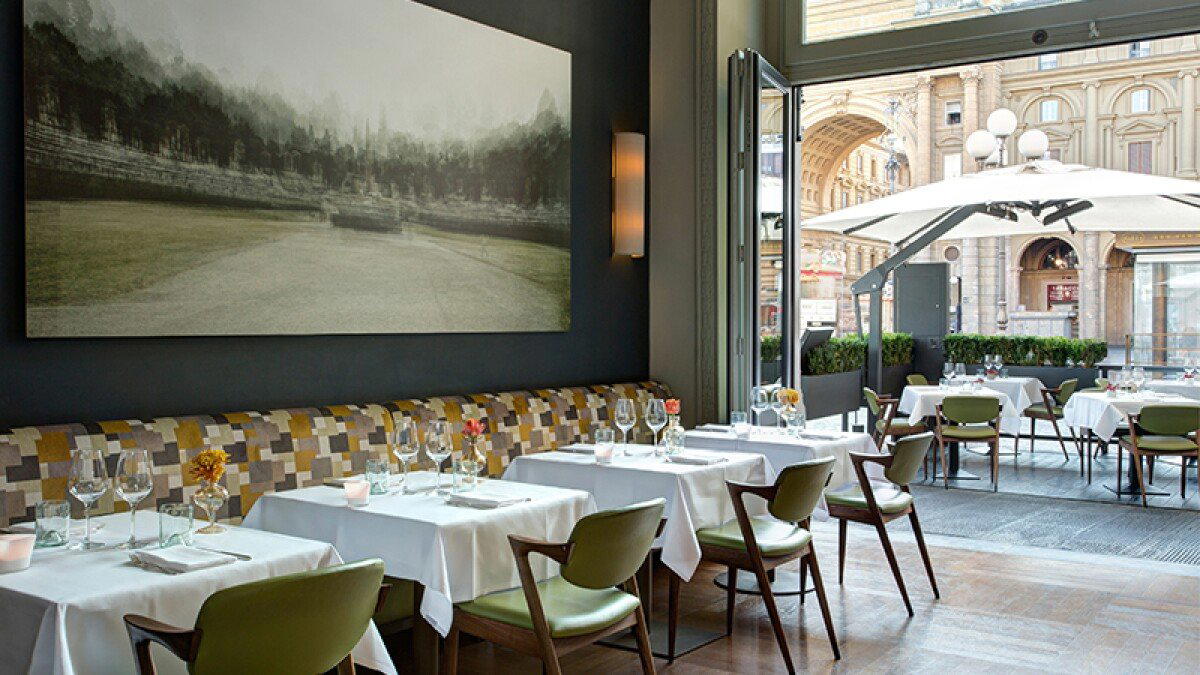
Where the Piazza Defines the Plate
Piazza della Repubblica is not a quiet corner of Florence. It is the city's Roman-era forum, reconstructed in the late nineteenth century as a civic statement, ringed by colonnaded facades and perpetually animated by foot traffic moving between the Duomo and the Arno. Dining here means eating inside one of Italy's most historically loaded public spaces, and the restaurants that have anchored this square across the decades have largely understood that the setting is itself part of the proposition. Irene Firenze occupies that position, with an address at number 7 on the piazza that places it at the literal and metaphorical centre of the city. It is a modern Tuscan fine-dining restaurant in Florence, recommended at about $80 per person.
Florence's dining scene has never been monolithic. On one end sits the deeply conservative trattoria tradition, where ribollita and bistecca alla Fiorentina are treated as near-sacrosanct. On the other, a cluster of contemporary rooms has spent the past two decades importing technique from French, Nordic, and pan-European kitchens to reframe what Tuscan produce can do when handled with more interventionist precision. That second category is where the city's most discussed tables now live: Enoteca Pinchiorri at the apex of formality, Santa Elisabetta within the Torre della Pagliazza, and Gucci Osteria da Massimo Bottura applying Modena's irreverence to the Florentine context. Irene Firenze sits within this broader contemporary tier, drawing on the same tension between local identity and imported method that defines the city's more ambitious restaurants.
Local Ingredients, European Technique
One productive frame for understanding Florence's current culinary moment is not the trattoria-versus-fine-dining binary, but rather the question of how thoroughly a kitchen absorbs external technique while keeping its ingredient sourcing anchored to the region. Tuscany's pantry is formidable: Chianina beef from the Val di Chiana, pecorino from Pienza, white truffles in autumn, Sienese saffron, and a coastal strip that delivers fish and shellfish to kitchens within hours of the catch. The challenge is deciding how much of that produce to treat classically and how much to run through a technique set borrowed from elsewhere.
This intersection is not distinctive to Florence. Across Italy's fine-dining tier, the conversation between regional identity and cosmopolitan method has defined the generation of chefs who trained abroad and came home. Atelier Moessmer Norbert Niederkofler in Brunico treats the Alpine larder with a rigour that owes as much to Nordic philosophy as to South Tyrolean tradition. Reale in Castel di Sangro applies a similarly hybrid intelligence to Abruzzo. Uliassi in Senigallia has spent decades finding where Adriatic seafood and avant-garde technique meet productively. In each case, the local ingredient is the non-negotiable anchor, and the imported method is the variable. Irene Firenze operates within this same framework, positioned at a piazza address that signals a certain ambition to the city's dining public.
The Florence Competitive Set
For visitors mapping Florence's contemporary dining options, the relevant peer group around the restaurant includes a handful of addresses that share a similar premise: serious kitchens, central locations, and a price positioning that places them above the casual trattoria tier without necessarily reaching the tasting-menu formality of Enoteca Pinchiorri's room. Borgo San Jacopo on the Oltrarno waterfront occupies a comparable register, as does Atto di Vito Mollica, which applies a more personal interpretation of modern Italian at the Portrait Firenze. Each of these rooms is competing for a similar diner: someone who has moved past basic tourism eating and wants cooking that reflects both the city's agricultural patrimony and a kitchen with enough technical confidence to do something interesting with it.
At the national level, the addresses setting the reference points for this kind of cooking include Osteria Francescana in Modena, Piazza Duomo in Alba, and Le Calandre in Rubano. These are the rooms that defined what Italian fine dining could look like when it stopped being derivative of French models and started interrogating its own ingredient culture with the same precision. Enrico Bartolini in Milan represents a more urbane, multi-venue version of that ambition. What connects them all is a willingness to treat local produce as a starting point rather than a final statement. Internationally, rooms like Le Bernardin in New York City and Lazy Bear in San Francisco have demonstrated that ingredient-led kitchens can build serious international reputations without sacrificing precision for comfort.
Timing and the City's Seasonal Logic
Florence's dining calendar is shaped by ingredient availability in ways that make season a genuine planning variable. Autumn brings white truffles from San Miniato, and the better kitchens in the city build their October and November menus around them explicitly. Spring opens up wild asparagus, fresh peas, and the first of the year's lighter fish. Summer pulls the city's fine-dining rooms toward quieter service as tourist volumes push some regulars to cooler destinations, though it also brings the ripest tomatoes and particularly generous zucchini harvests from the surrounding countryside. Visiting between October and April typically means engaging with kitchens at their most focused, when the tourist peak has passed and the seasonal larder is at its most complex. Dal Pescatore in Runate and Quattro Passi in Marina del Cantone both demonstrate how Italian kitchens at serious price points build their strongest arguments around seasonal produce cycles rather than fixed signatures.
Planning a Visit
Piazza della Repubblica is walkable from most of Florence's central accommodation, roughly ten minutes on foot from Santa Croce and a similar distance from the Uffizi. The piazza itself is served by several bus lines and sits within the ZTL restricted traffic zone, so arriving by taxi or on foot is the practical approach for most visitors. Comparable rooms at the contemporary Italian level, including Casa Perbellini 12 Apostoli in Verona, provide useful reference points if you are building a broader Italian itinerary around serious eating.
Similar Picks
Comparable venues nearby, for context on price, style, and recognition.
| Venue | Cuisine | Price | Notes |
|---|---|---|---|
| Irene FirenzeThis venue — the venue you are viewing | Modern Tuscan Fine Dining | $$$ | Not listed |
| Buca dell'Orafo | Traditional Tuscan Trattoria | $$$ | Santo Spirito |
| Cibrèo Ristorante | Classic Tuscan Trattoria | $$$ | San Niccolo |
| Golden View Firenze | Tuscan Seafood Osteria | $$$$ | San Niccolo |
| Coquinarius Fiesole | Refined Tuscan Bistro | $$$ | San Niccolo |
| La Ménagère | Modern Tuscan Mediterranean | $$$ | Santo Spirito |
Continue exploring
More in Florence
Restaurants in Florence
Browse all →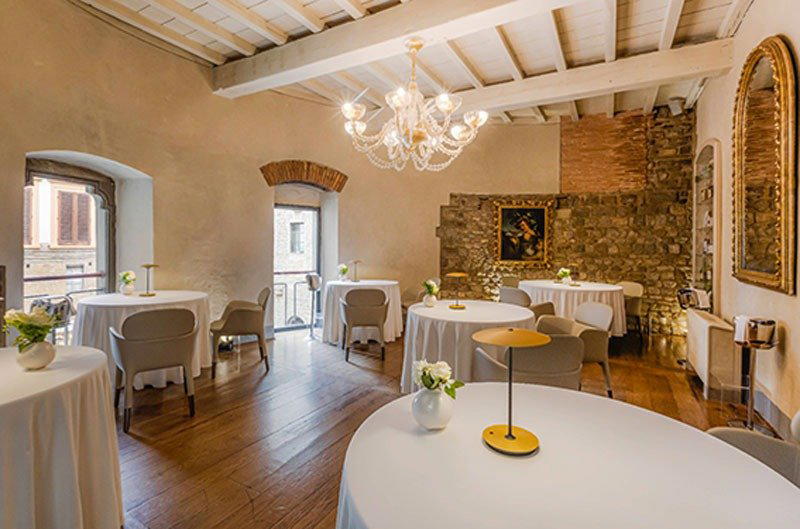
Bars in Florence
Browse all →
Hotels in Florence
Browse all →
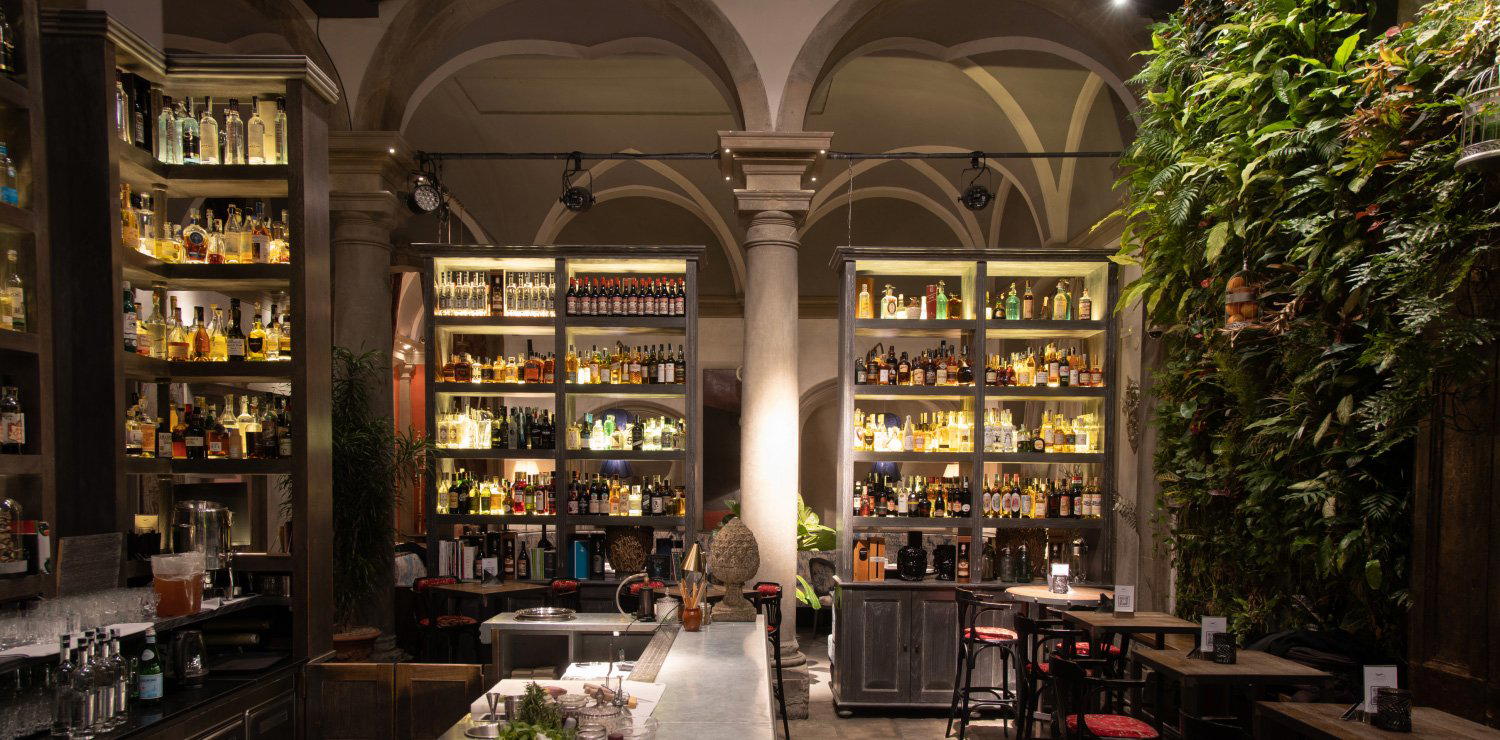
At a Glance
- Elegant
- Sophisticated
- Intimate
- Cozy
- Date Night
- Special Occasion
- Business Dinner
- Terrace
- Hotel Restaurant
- Historic Building
- Craft Cocktails
- Local Sourcing
- Street Scene
Current opening hours
- Monday
- 7 AM–11 PM
- Tuesday
- 7 AM–11 PM
- Wednesday
- 7 AM–11 PM
- Thursday
- 7 AM–11 PM
- Friday
- 7 AM–11 PM
- Saturday
- 7 AM–11 PM
- Sunday
- 7 AM–11 PM
Hours can change for holidays and private events. Last verified .
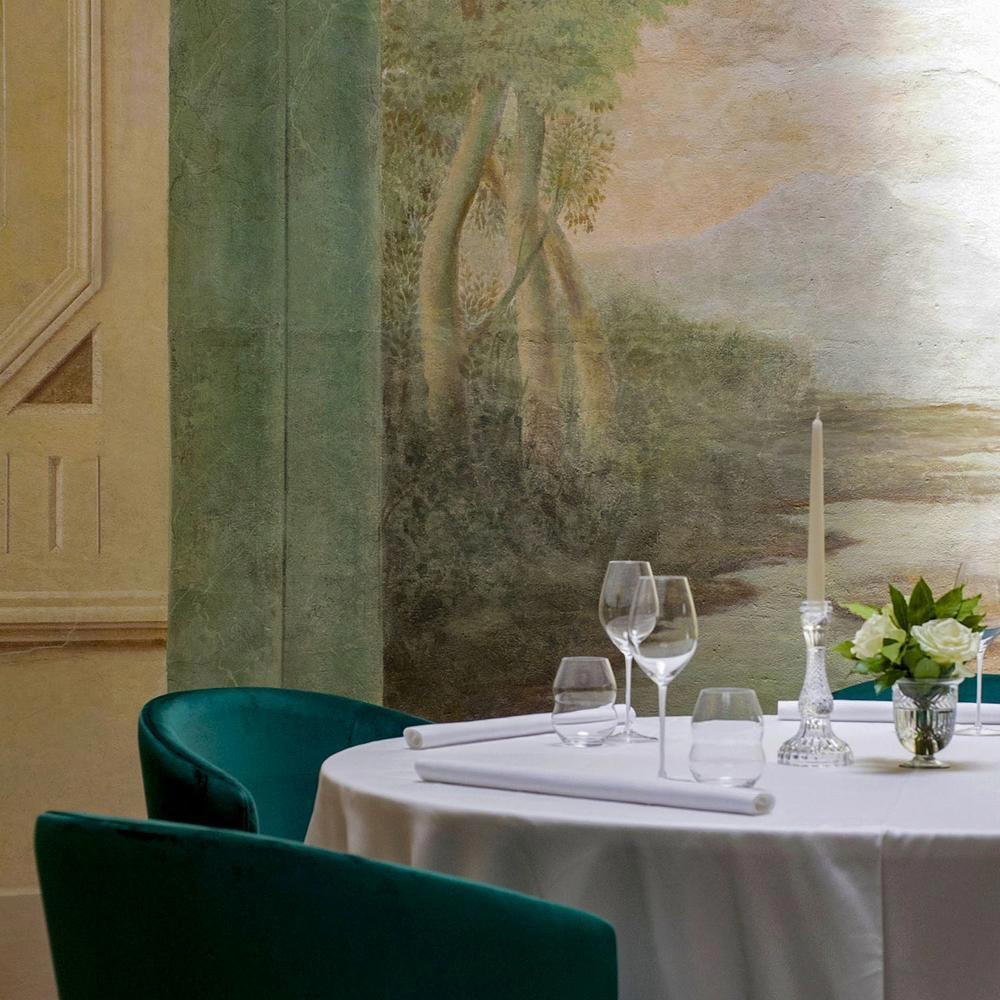
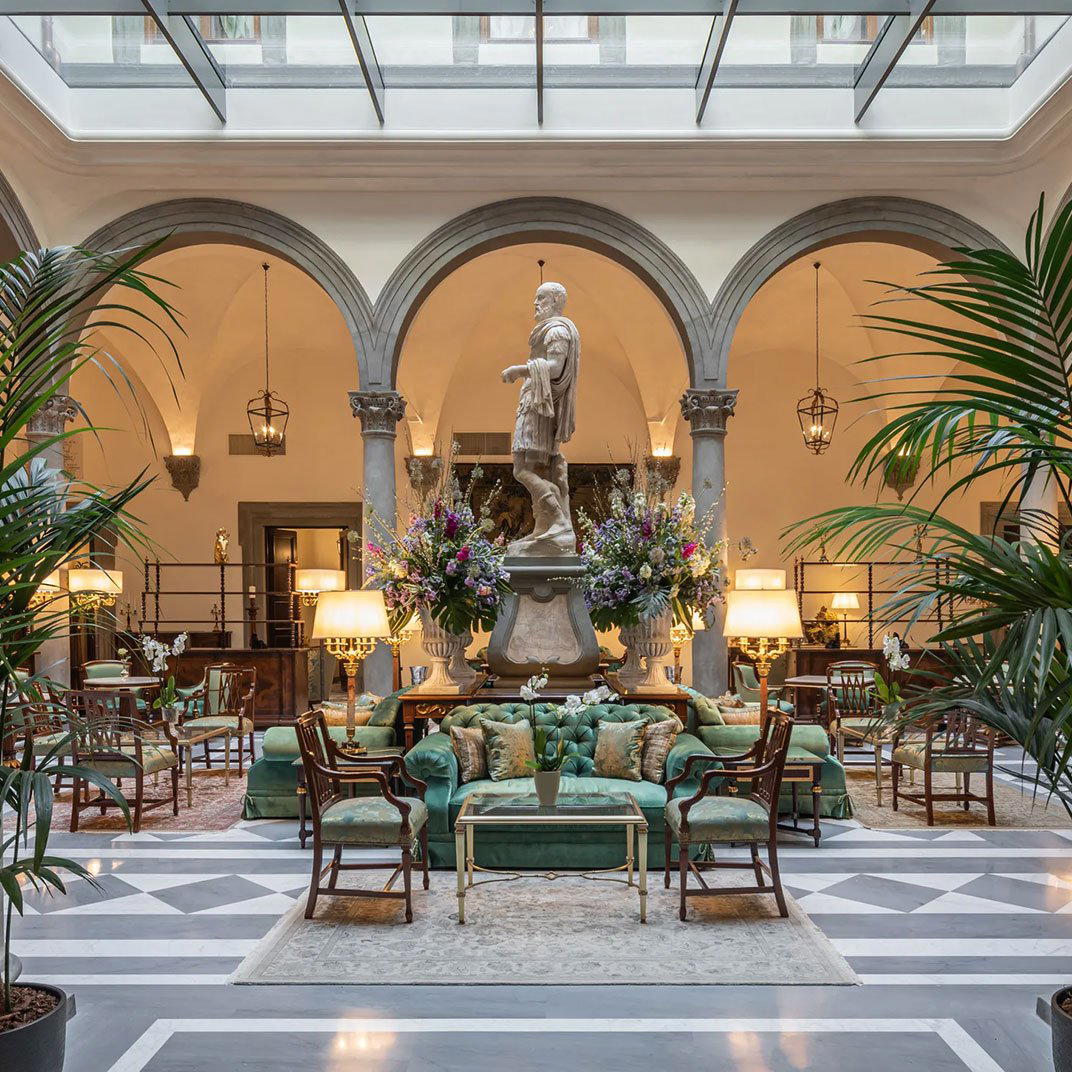
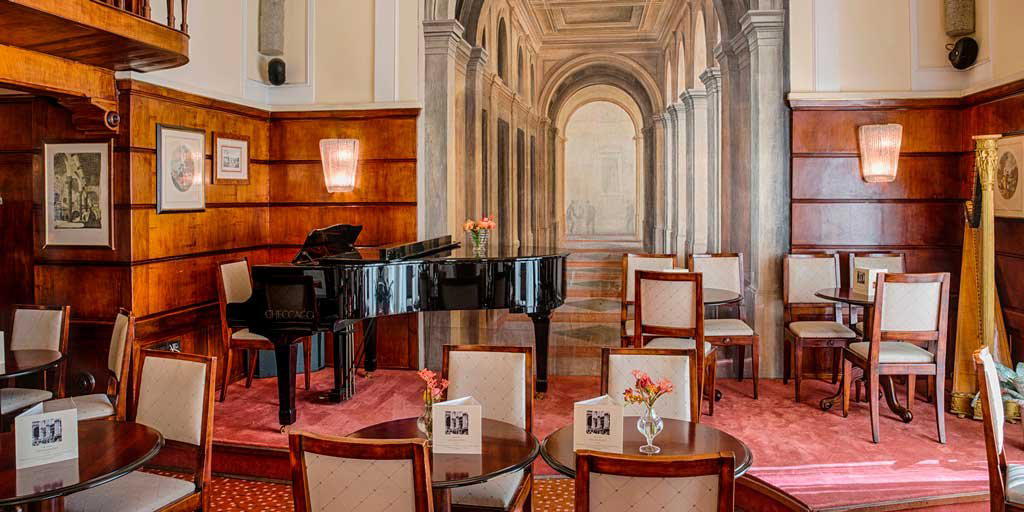
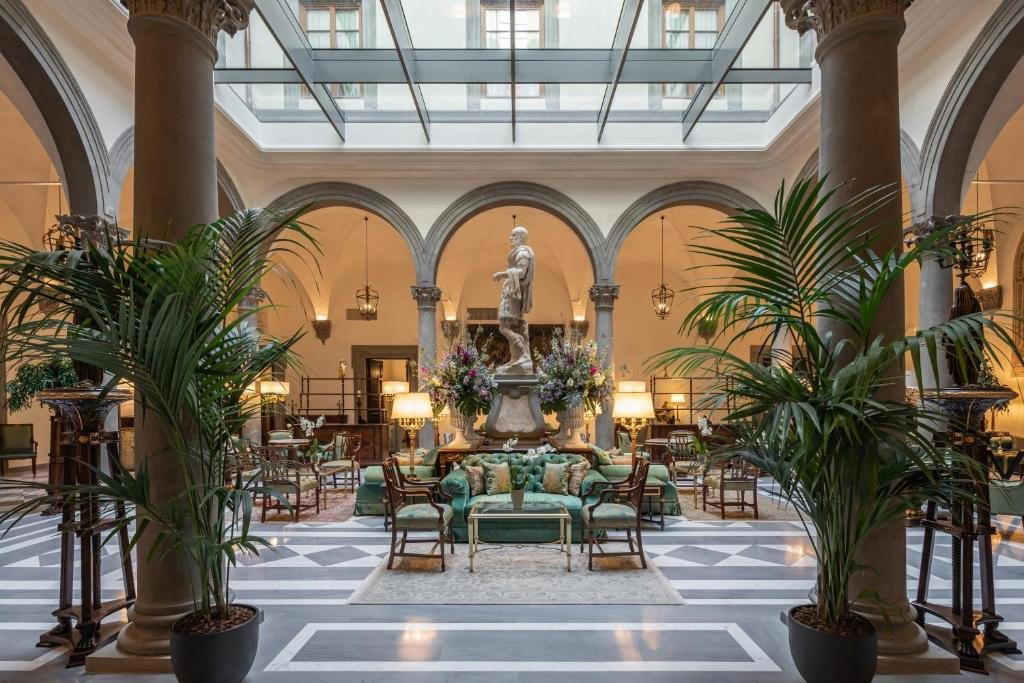
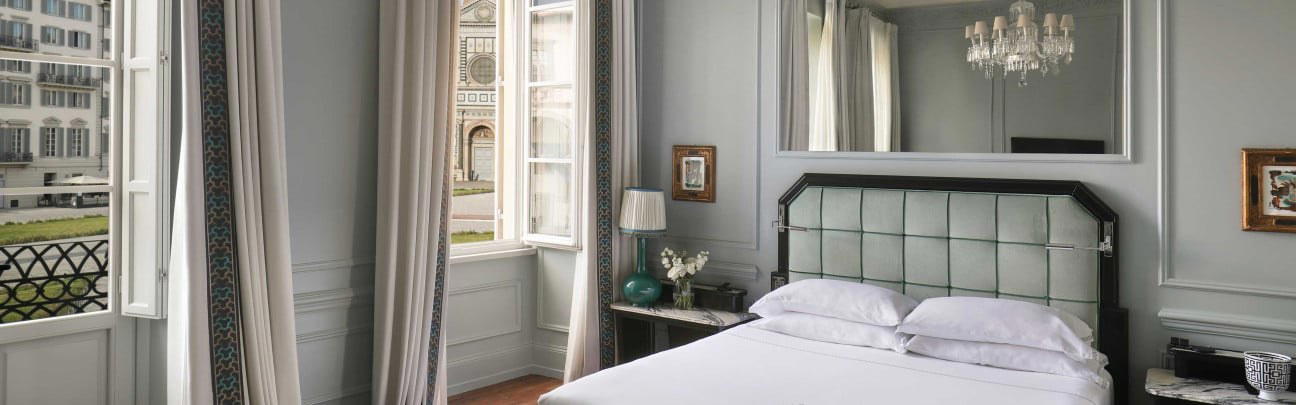
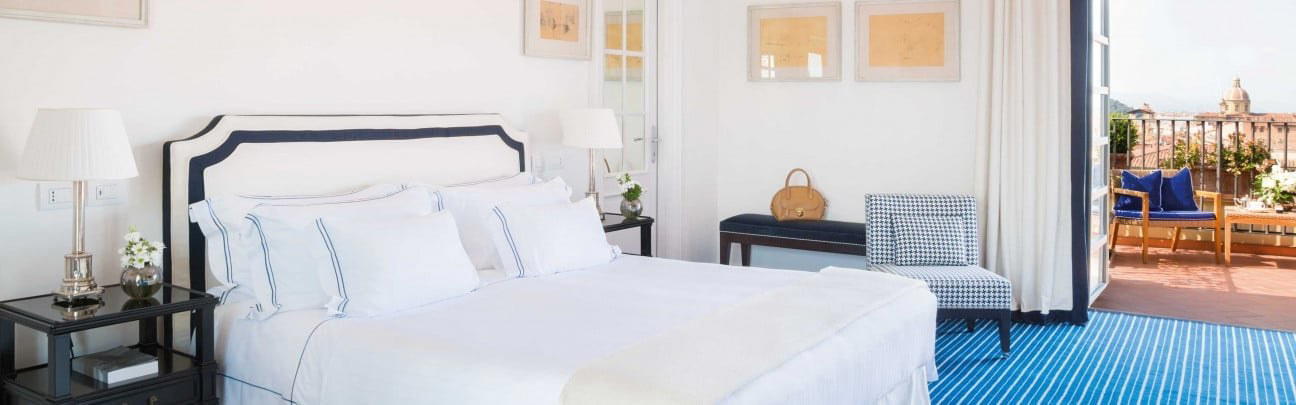
Bright and colorful space with Loro Piana fabrics, Venetian chandeliers, Pietrasanta marble, evoking a luxurious Florentine home; terrace offers lively piazza views.