On the Oltrarno side of the Arno, Via de' Bardi positions Golden View Firenze within walking distance of the Ponte Vecchio and the city's southern dining corridor. Among Florence's mid-to-upper tier restaurants, the address alone signals a particular kind of experience: river-facing, neighbourhood-rooted, and distinct from the tourist-heavy streets north of the water. It occupies a different register from the Michelin-decorated rooms at Enoteca Pinchiorri or Santa Elisabetta, but competes on atmosphere and setting.
Pearl is the En Primeur Club membership app — saves, bookings, and concierge access live there. Same editors, same standards.
- Address
- Via de' Bardi, 58/r, 50125 Firenze FI, Italy
- Phone
- +39 055 214502
- Website
- osteriagoldenview.com
- Directions
- Get directions
 Saves & bookings on Pearl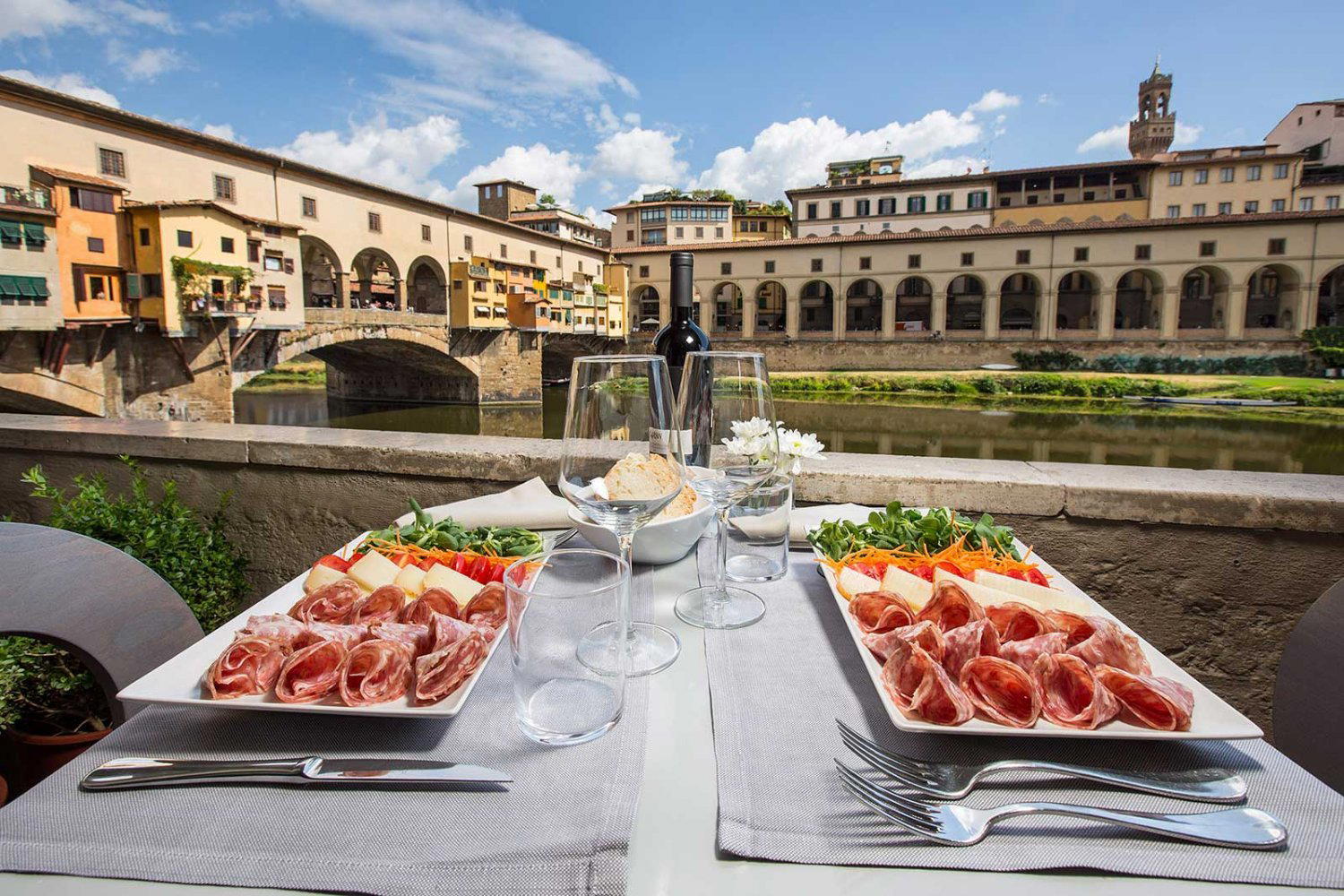
Where the Oltrarno Puts Dining in a Different Frame
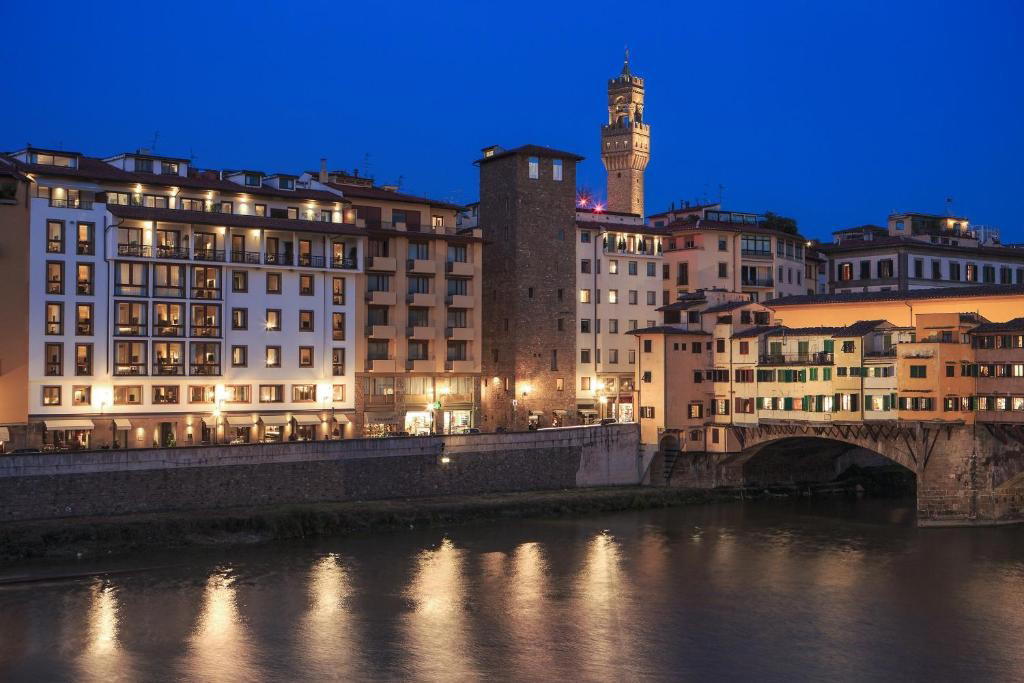
The southern bank of the Arno has always operated at a different pace from Florence's tourist-dense centro storico. Via de' Bardi, where Golden View Firenze sits at number 58/r, runs parallel to the river through a stretch of the Oltrarno that retains the feel of a working neighbourhood: artisan workshops, small galleries, and a residential density that keeps the street grounded even as the Ponte Vecchio draws crowds to the water's edge a few minutes' walk away. Arriving here, especially at dusk when the light drops low across the Arno and the stone facades shift colour, is to experience Florence at a remove from its own spectacle.
That physical context matters enormously for how a restaurant performs. Rooms in this part of the city tend to borrow from the setting rather than compete with it. The leading spaces along Via de' Bardi and the adjacent riverside streets open toward the water, using the Arno and the bridges as a natural extension of the dining environment. Golden View Firenze's address on this corridor places it squarely in a tradition of river-facing rooms where the architecture does significant atmospheric work before a single dish arrives.
The Oltrarno Dining Tier: How Golden View Firenze Fits the Map
Florence's restaurant scene has stratified clearly over the past decade. At the leading sits a small cluster of formally decorated rooms: Enoteca Pinchiorri with its three Michelin stars and Franco-Italian cellar, Santa Elisabetta operating inside the Torre della Pagliazza, and Atto di Vito Mollica and Borgo San Jacopo representing the Arno-adjacent luxury hotel dining format. These venues price and position against each other, and they share a commitment to tasting menus, formal service structures, and reference-level wine lists.
Below that tier, and this is where the Oltrarno becomes genuinely interesting, sits a range of neighbourhood-anchored restaurants that draw both Florentines and informed visitors without requiring the full ceremonial commitment of a starred room. The restaurant occupies this band. Its address on Via de' Bardi places it in the same southern corridor as Borgo San Jacopo, but the register is different: more accessible, more embedded in the fabric of the street. The comparison set here is less about Michelin credentials and more about which room delivers one coherent sense of place for its price point.
Space, Light, and the River as Architecture
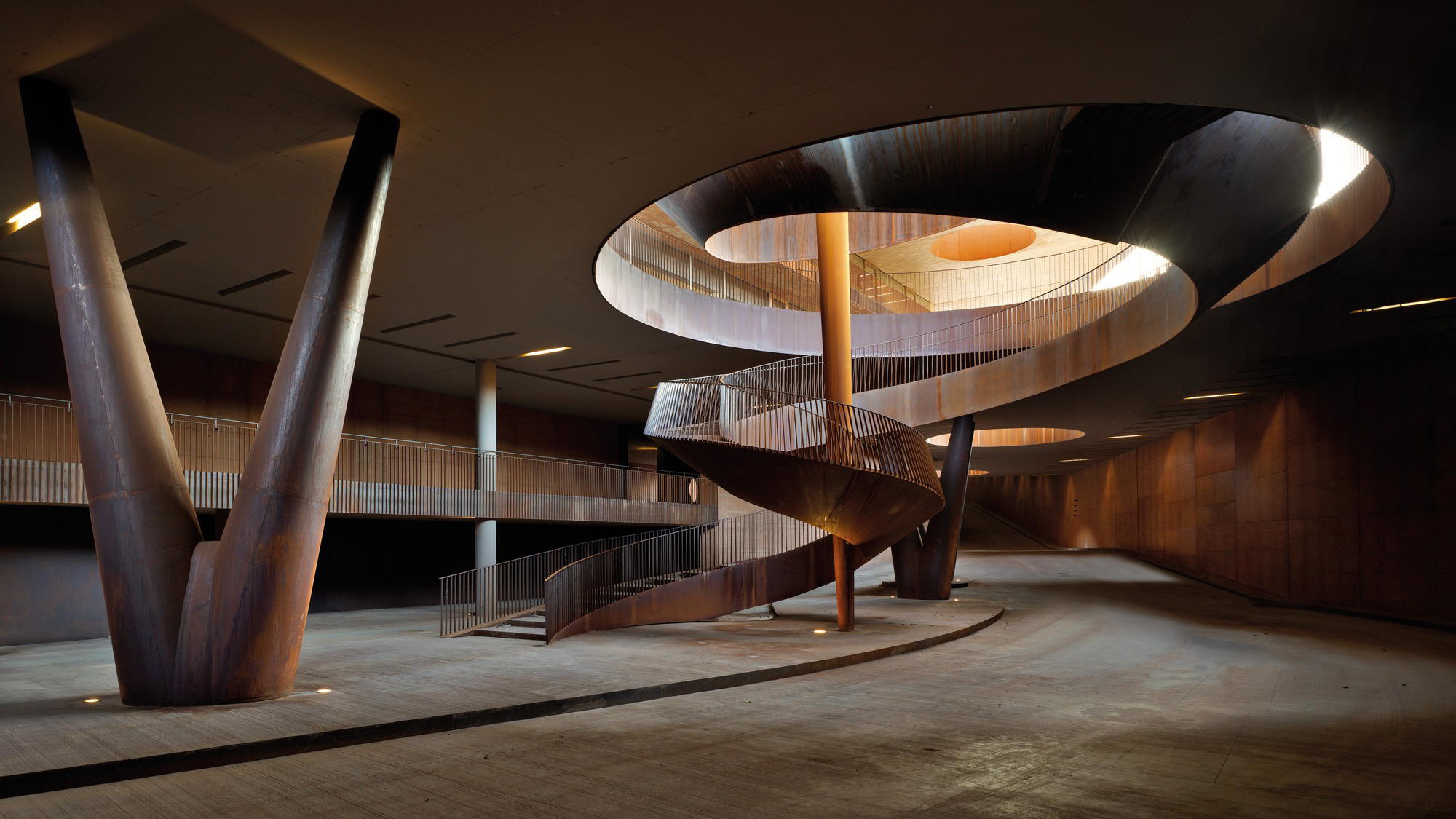
The editorial angle for any serious assessment of the restaurant begins with the physical container. In Florence, river-facing dining rooms carry an almost unfair advantage: the Arno, the bridges, and the hills beyond Oltrarno constitute a backdrop that no interior designer can replicate or improve upon. What distinguishes rooms in this position from each other is how intelligently they frame the view and how the interior logic responds to the setting.
Restaurants along this stretch of the Arno that work well tend to do a few things consistently. They keep the interior palette quiet so the view dominates rather than competes. They sequence the seating so that window positions are genuinely desirable rather than token gestures toward the river. And they treat the light as a variable worth managing: the Arno at midday is flat and bright, while the evening light, particularly in spring and autumn, turns the water gold and the stonework amber. A room that understands this schedules its most atmospheric service accordingly. Florence's serious river-facing dining, at its most considered, is essentially a collaboration between the architecture and the hour of day.
This physical intelligence is what separates Oltrarno rooms from their counterparts north of the water, where the density of the centro storico means most restaurants work against their setting rather than with it. The Gucci Osteria format, for instance, operates on Piazza della Signoria with spectacle as its context; Gucci Osteria da Massimo Bottura leans into that deliberately, using Massimo Bottura's name and the location's cultural weight as the primary frames. Via de' Bardi asks something different of its restaurants: quieter competence, a willingness to let the neighbourhood speak.
Italian Dining Traditions This Address Sits Within
The broader Italian restaurant tradition that restaurant's Oltrarno positioning evokes is one of place-specific cooking rather than technique-first innovation. Tuscany's contribution to Italian cuisine is rooted in restraint: beans, bread, olive oil, and wine that tastes of its specific hillside. The leading Tuscan tables, whether in Florence or in the countryside beyond, work from this foundation, and the leading urban expressions of that tradition resist the temptation to complicate what the ingredients already say clearly.
Italy's most intellectually ambitious restaurants have pushed well past that regional frame. Osteria Francescana in Modena and Reale in Castel di Sangro represent one pole: cuisine that uses Italian identity as a starting point for significant conceptual work. At the other end, places like Dal Pescatore in Runate demonstrate how regional fidelity can achieve its own kind of depth without departing from tradition. Florence's neighbourhood restaurants, at their leading, operate closer to the latter: they are not trying to redefine Italian cuisine, but to deliver a specific Florentine version of it with sufficient quality to justify the table.
For reference points further afield, the technical precision of rooms like Uliassi in Senigallia or Piazza Duomo in Alba illustrates how Italian fine dining performs when it is both regionally rooted and technically ambitious. The restaurant's Oltrarno address positions it outside that starred conversation, but within a tradition that has its own validity: the well-placed neighbourhood room that earns its reputation through consistency rather than accolades.
The Short List
Comparable venues nearby, for context on price, style, and recognition.
| Venue | Cuisine | Price | Notes |
|---|---|---|---|
| Golden View FirenzeThis venue — the venue you are viewing | San Niccolo, Tuscan Seafood Osteria | $$$$ | Not listed |
| Osteria delle Tre Panche | Not listed | $$$ | Santo Spirito, Tuscan Trattoria with Truffles |
| La Bottega di Parigi | Not listed | $$$ | Castello, Modern Tuscan with Southern Italian Influences |
| Club Culinario Toscano da Osvaldo | Not listed | $$$ | San Niccolo, Traditional Tuscan & Regional Italian |
| La Giostra | San Niccolo, Authentic Tuscan Trattoria | $$$ | Not listed |
| Trattoria 4 Leoni | Santo Spirito, Tuscan Trattoria | $$ | Not listed |
Continue exploring
More in Florence
Restaurants in Florence
Browse all →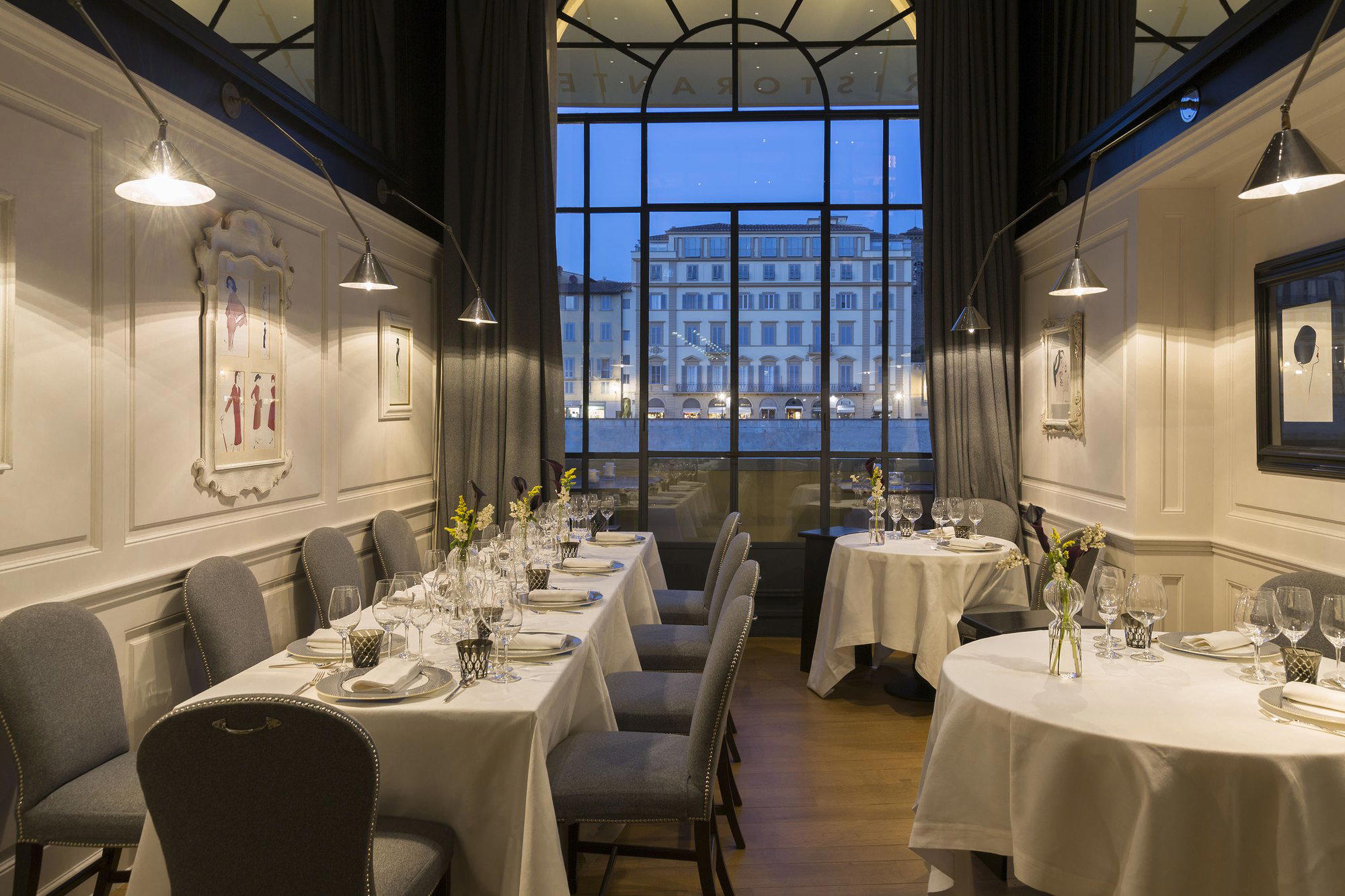
Bars in Florence
Browse all →
Hotels in Florence
Browse all →
At a Glance
- Romantic
- Elegant
- Scenic
- Sophisticated
- Date Night
- Special Occasion
- Panoramic View
- Open Kitchen
- Terrace
- Historic Building
- Extensive Wine List
- Street Scene
Current opening hours
- Monday
- 11 AM–10:30 PM
- Tuesday
- 11 AM–10:30 PM
- Wednesday
- 11 AM–10:30 PM
- Thursday
- 11 AM–10:30 PM
- Friday
- 11 AM–10:30 PM
- Saturday
- 11 AM–10:30 PM
- Sunday
- 11 AM–10:30 PM
Hours can change for holidays and private events. Last verified .
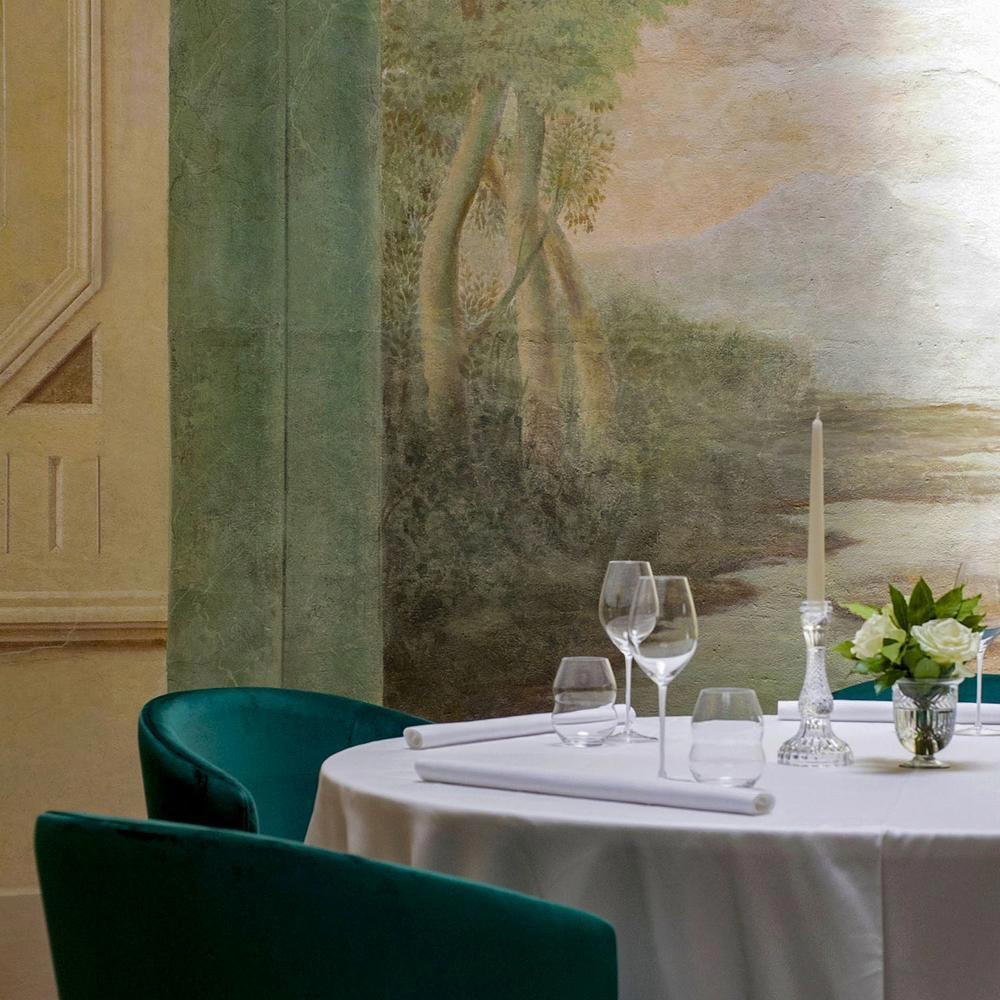
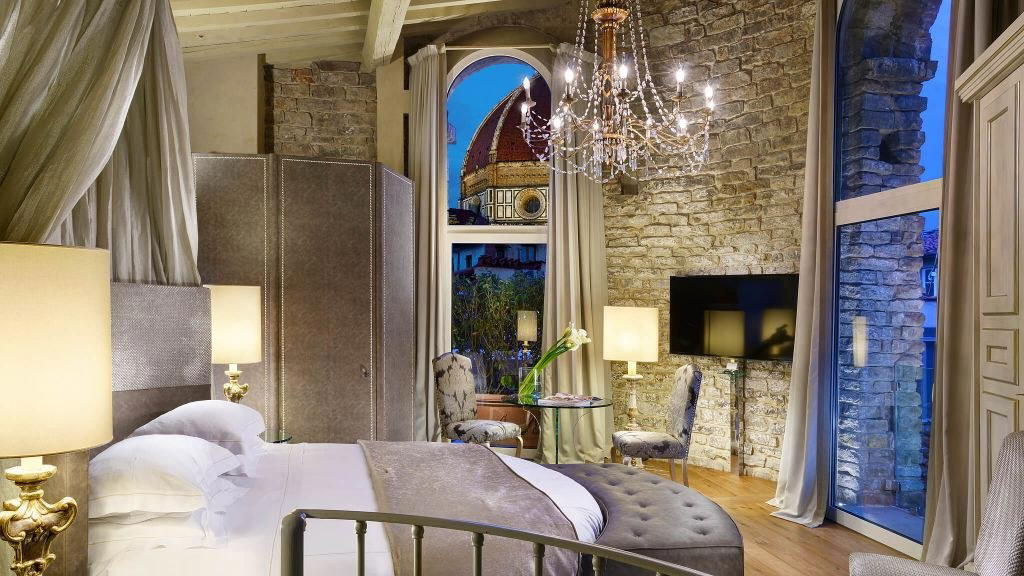
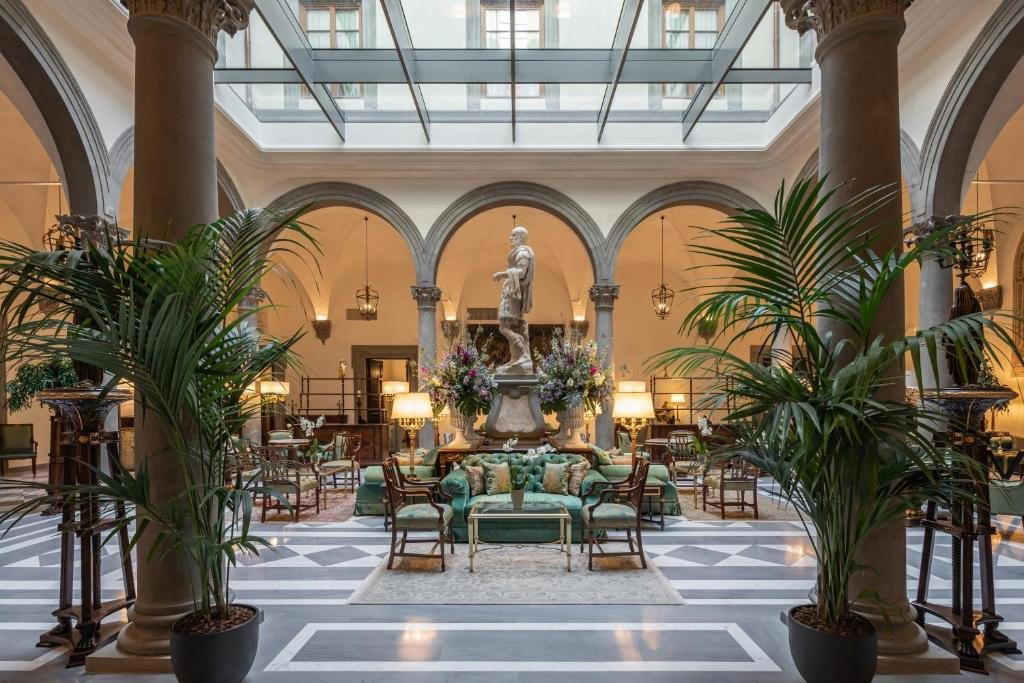
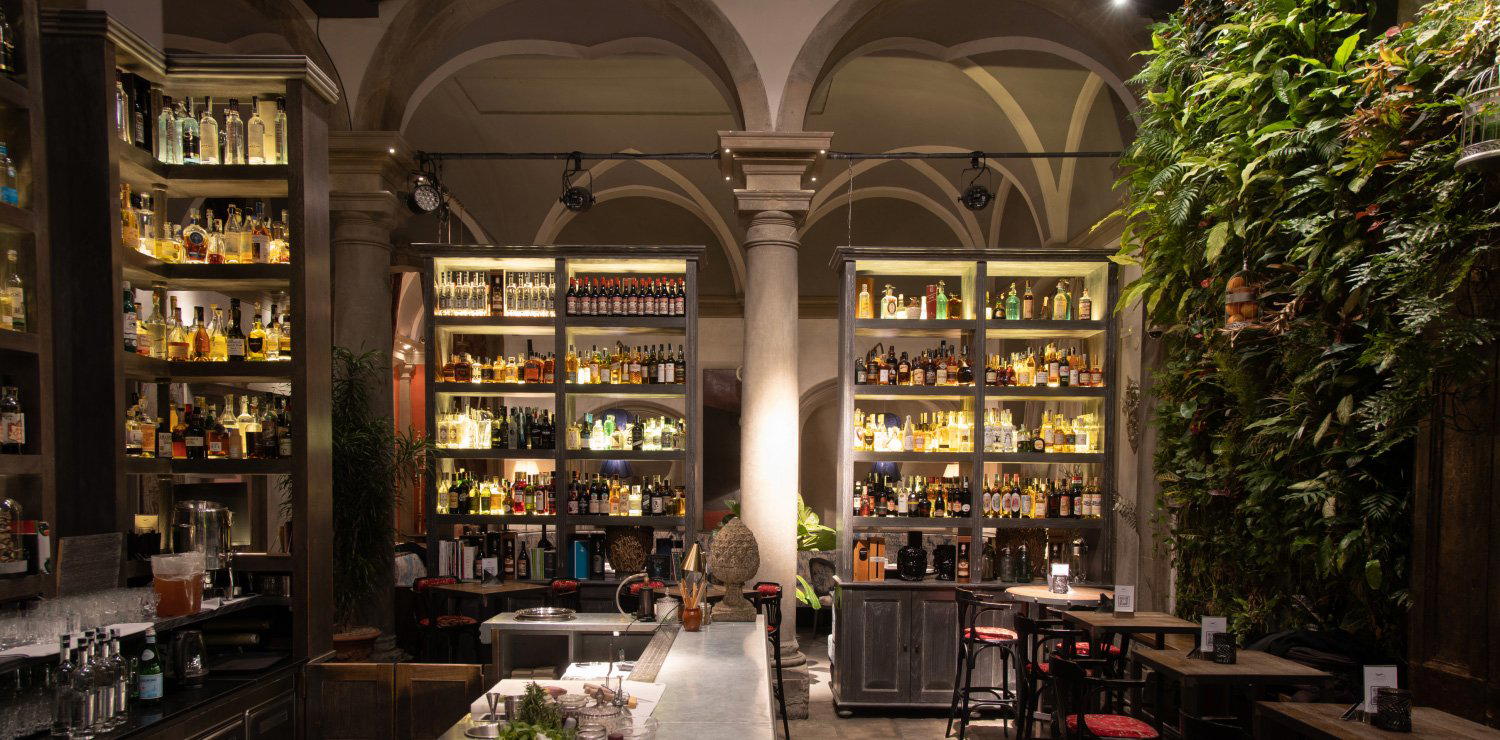
Elegant and welcoming atmosphere enhanced by large panoramic windows, live jazz music, and an open kitchen.