On a narrow street a stone's throw from the Ponte Vecchio, Buca dell'Orafo has anchored Florentine trattoria dining for decades. The address puts it inside one of the city's most historically loaded dining corridors, where old-school Tuscan cooking holds its ground against a neighbourhood increasingly shaped by tourism. For visitors who want the canon, ribollita, bistecca, the honest weight of central Italian tradition, this is a reliable reference point.
Pearl is the En Primeur Club membership app — saves, bookings, and concierge access live there. Same editors, same standards.
- Address
- Via dei Girolami, 28/R, 50122 Firenze FI, Italy
- Phone
- +39 055 213619
- Website
- bucadellorafo.it
- Directions
- Get directions
 Saves & bookings on Pearl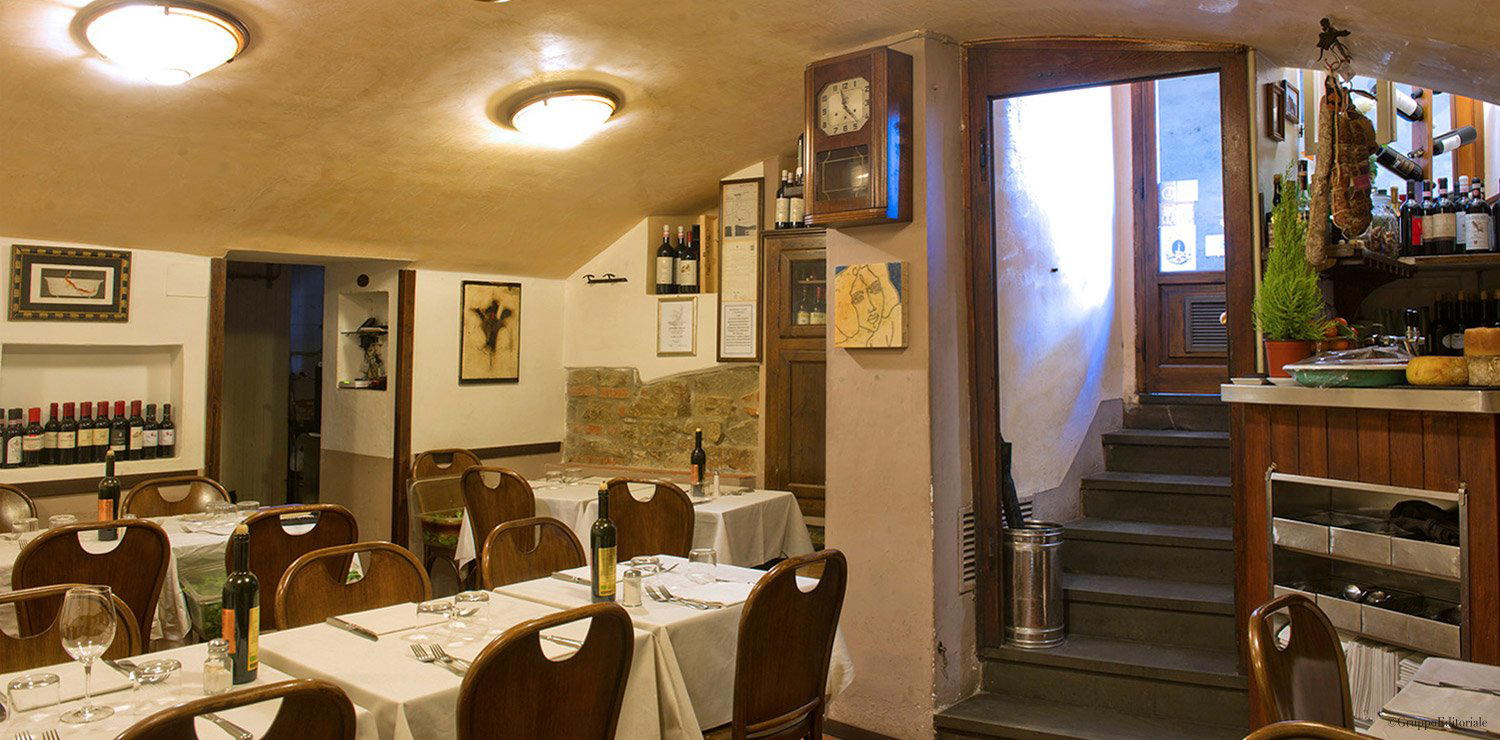
Where the Arno and the Table Meet
Buca dell'Orafo is a Traditional Tuscan Trattoria in Florence, Italy, at Via dei Girolami, 28/R, 50122 Firenze FI, Italy. Via dei Girolami sits inside that theatre. The address, 28/R, fifty metres from the bridge itself, places Buca dell'Orafo at among the more historically saturated coordinates in Florentine dining. You arrive through a street where goldsmiths worked for centuries, where the city's commercial and culinary identities ran together, and where the material culture of Florence is close enough to touch in the stonework underfoot.
The name itself signals the lineage: buca (literally, a hole or cave, long the Florentine shorthand for a no-frills cantina below street level) and orafo (goldsmith). The combination is a piece of local topography compressed into a restaurant name. In a city where the premium dining conversation has shifted considerably upmarket, toward modern tasting menus at addresses like Enoteca Pinchiorri, the creative Italian format at Santa Elisabetta, and contemporary interpretations at Atto di Vito Mollica, Buca dell'Orafo represents a different register: the trattoria as archive.
The Trattoria Tradition and Its Pressures
Florence's tourist-facing dining corridor around the Ponte Vecchio is among the more pressured environments for honest cooking in Italy. The concentration of visitors is relentless, the rents are high, and the temptation to simplify toward the lowest common denominator is structural. Trattorias in this zone either succumb to the tourist menu or hold their ground through a combination of local reputation and cooking discipline. The long-standing ones, those that predate the current wave of international food tourism, tend to survive on both: a clientele that returns across years, and a kitchen that doesn't adjust the canon to suit unfamiliar palates.
This is the context in which Buca dell'Orafo should be read. It is not positioned against the Michelin-starred tier, where restaurants like Borgo San Jacopo and Gucci Osteria da Massimo Bottura compete on invention and spectacle. It sits in the older, parallel tradition: the trattoria that earns its credibility through repetition, consistency, and fidelity to a regional canon that doesn't need updating because it wasn't broken to begin with.
Tuscan cooking at this level is not a cuisine of surprise. Ribollita, the twice-cooked bread soup built from cannellini beans, cavolo nero, and stale bread, demands patience and proportion more than technique. Bistecca alla Fiorentina is almost entirely about the source of the meat, the cut (T-bone from Chianina cattle, aged correctly), and the restraint to not complicate it. Trippa alla Fiorentina, still served in the city's old-guard trattorias, is a test of whether a kitchen respects its own tradition. These are the dishes that define what a Florentine trattoria is for, and they are the benchmarks against which addresses like this one are measured.
Reading the Room
The setting matters for the restaurant in a way that goes beyond atmosphere. The physical proximity to the Ponte Vecchio and the Uffizi means the dining room operates within a particularly dense tourism ecosystem. Any given table in this neighbourhood is likely to include visitors from multiple continents, which creates a specific kind of social texture: the room is international in composition but the cooking should remain resolutely Florentine. When that balance works, the result is what European city dining does well, a local tradition legible to outsiders without being diluted for them.
The sensory register of the old-school Florentine trattoria is worth describing on its own terms. Stone walls, low ceilings, the ambient warmth of a room that has absorbed decades of cooking. The smell that greets you is olive oil and braised meat and, in cooler months, something closer to the soup that has been simmering since the morning. These are sensory coordinates that connect the dining room to the Tuscan kitchen tradition rather than to the contemporary design vocabulary of the city's newer high-end openings. It is a different kind of authority, earned through continuity rather than innovation.
Florence's Broader Dining Context
For visitors who want the full range of the city's dining register, the restaurant occupies one end of a wide spectrum. At the other end, Italy's Michelin-starred ambition reaches its most complex expressions in restaurants like Osteria Francescana in Modena and, further afield in the north, Piazza Duomo in Alba or Le Calandre in Rubano. The Italian fine dining circuit, which also includes Uliassi in Senigallia, Reale in Castel di Sangro, Dal Pescatore in Runate, and Quattro Passi in Marina del Cantone, operates in a separate register. So do addresses like Atelier Moessmer Norbert Niederkofler in Brunico and Enrico Bartolini in Milan. The trattoria tradition and the Michelin tasting-menu tradition are not in competition; they answer different questions about what a meal in Italy is for.
Within Florence specifically, the relevant comparison set for the restaurant is other long-standing trattorias in the historic centre, not the starred restaurants. For international benchmark context, the gap between a traditional Italian trattoria and the kind of technical precision found at Le Bernardin in New York City or the communal-format innovation at Lazy Bear in San Francisco is a useful reminder of how differently regions define excellence, and why regional fidelity is itself a form of standard-setting. Casa Perbellini 12 Apostoli in Verona offers a useful Italian parallel: a house where tradition and contemporary ambition share the same address.
Planning Your Visit
The address at Via dei Girolami 28/R places the restaurant within easy walking distance of both the Ponte Vecchio and Piazza della Signoria, and reservations are recommended. Spring and early autumn, April through May and September through October, offer the manageable crowd density in the surrounding streets. Summer brings peak tourist volume to this corridor, and the outdoor tables that appear in warmer months can shift the ambient register considerably. For the more contained, candlelit interior experience that suits the room's historical character, cooler-season visits are advisable. Given the location's visibility and the restaurant's long-standing reputation among both local and international diners, reservations made well in advance remain prudent, particularly for weekend evenings. Reservations are recommended, and the restaurant is open Monday through Saturday from 7 to 10 PM; it is closed on Sunday.
Comparable Spots
Comparable venues nearby, for context on price, style, and recognition.
| Venue | Cuisine | Price | Notes |
|---|---|---|---|
| Buca dell'OrafoThis venue — the venue you are viewing | Traditional Tuscan Trattoria | $$$ | Not listed |
| Osteria delle Tre Panche | Tuscan Trattoria with Truffles | $$$ | Santo Spirito |
| Trattoria I'raddi | Traditional Tuscan Trattoria | $$ | Santo Spirito |
| Gurdulù Gastronomia | Contemporary Tuscan | $$ | Santo Spirito |
| Buca Lapi | Traditional Tuscan Trattoria | $$$ | Santo Spirito |
| Irene Firenze | Modern Tuscan Fine Dining | $$$ | Santo Spirito |
Continue exploring
More in Florence
Restaurants in Florence
Browse all →
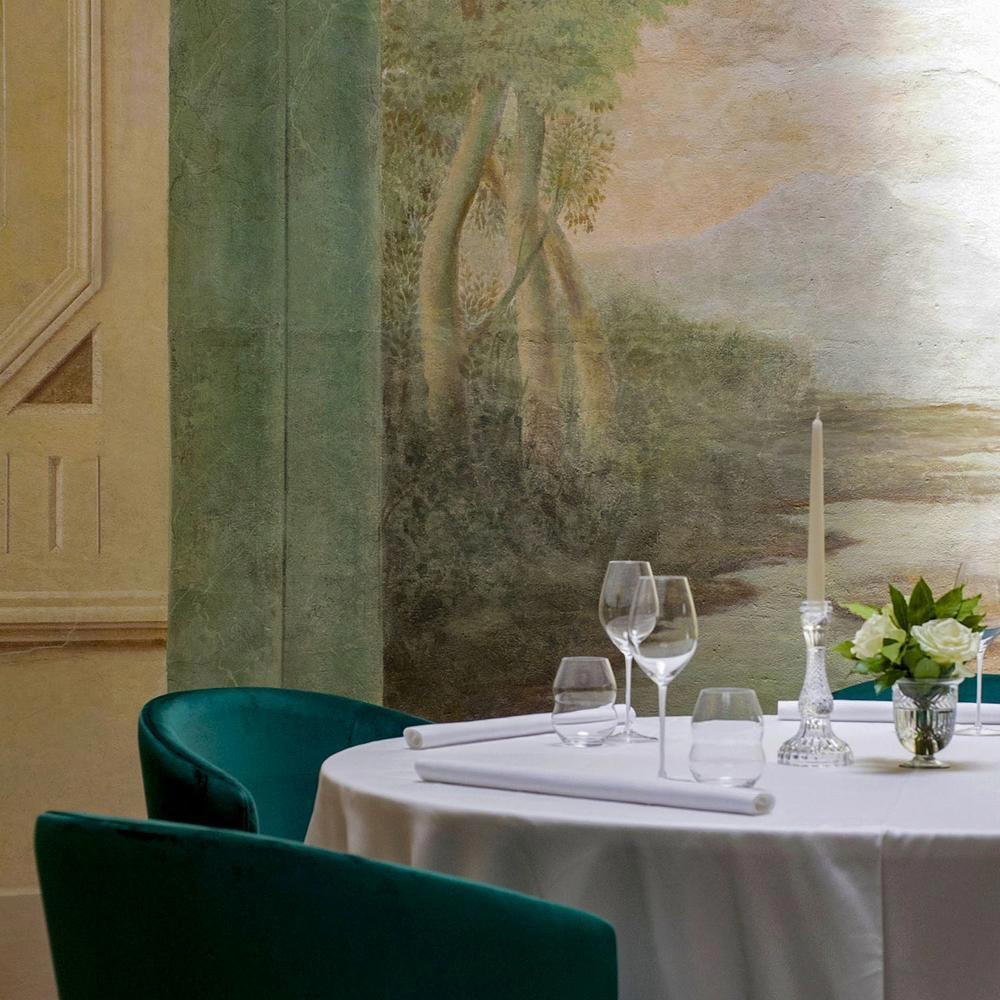
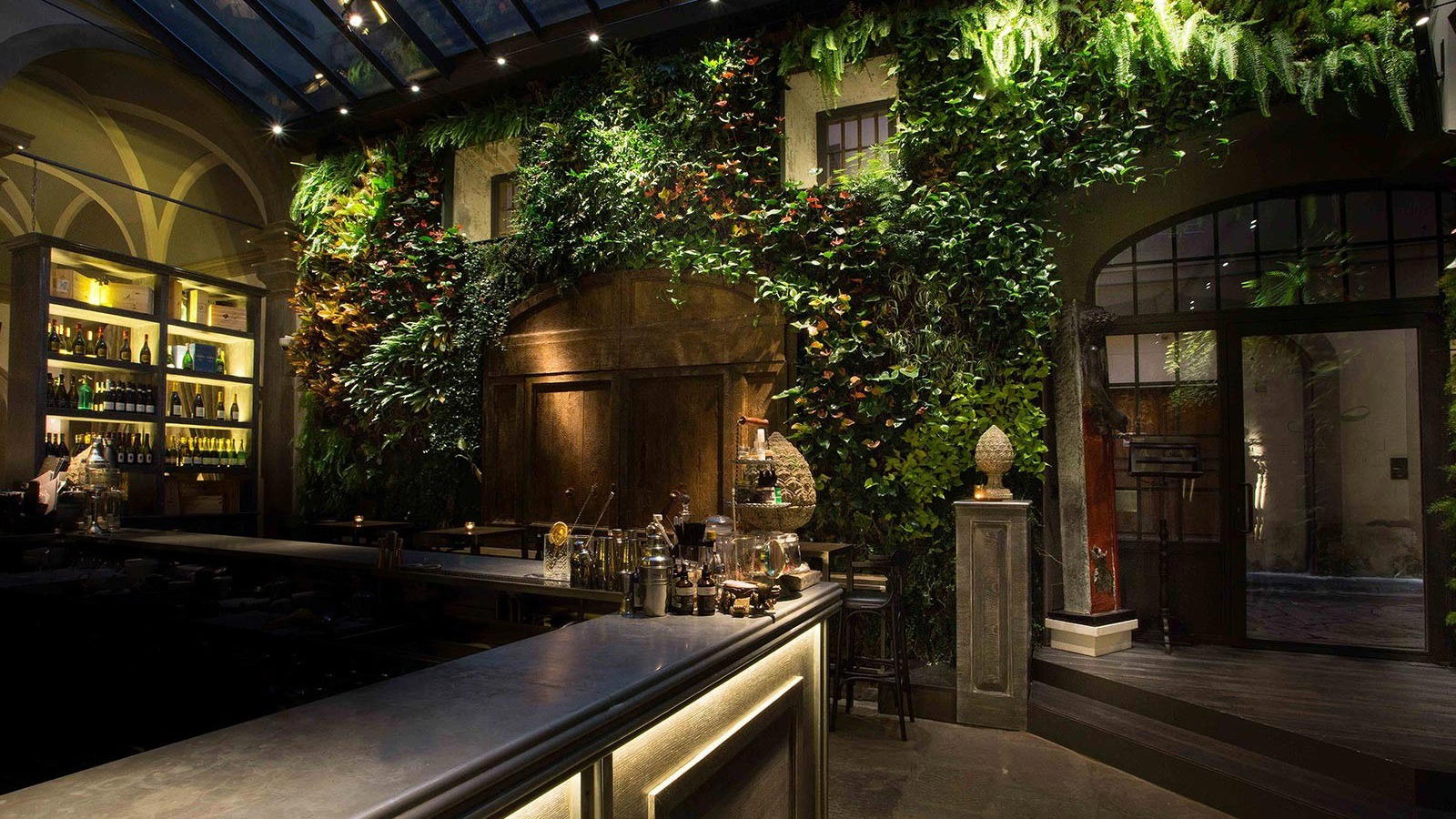
Bars in Florence
Browse all →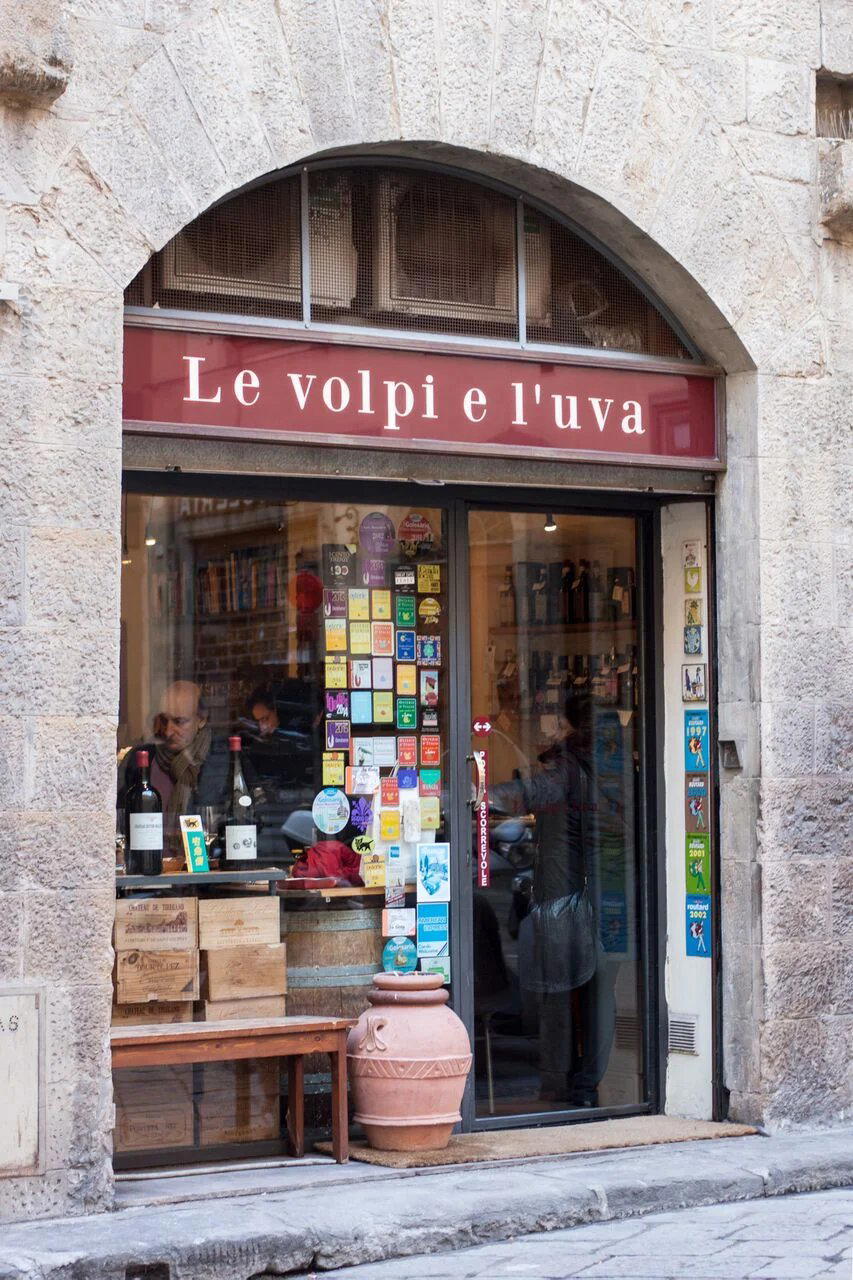
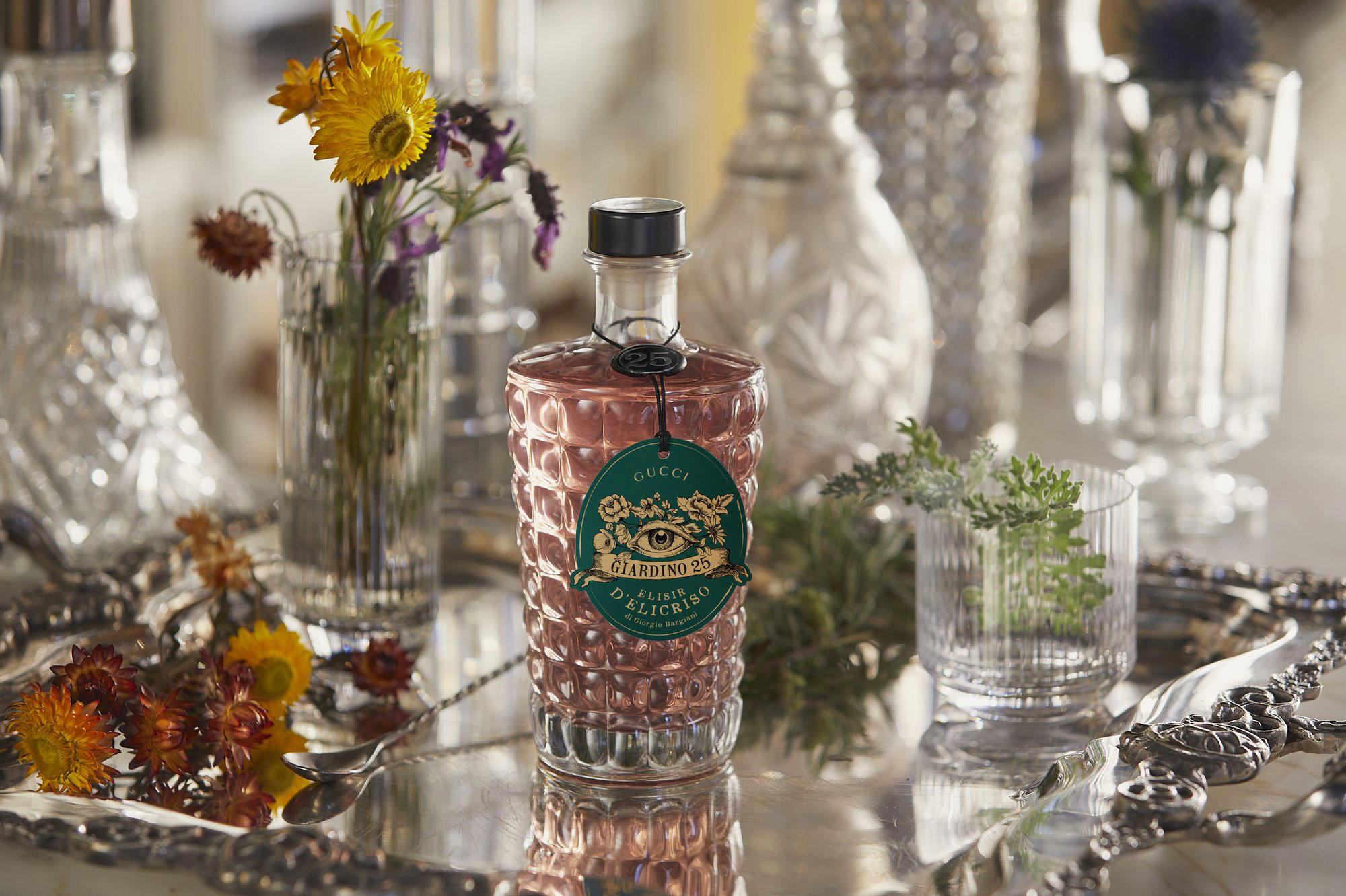
Hotels in Florence
Browse all →
At a Glance
- Cozy
- Rustic
- Intimate
- Classic
- Date Night
- Special Occasion
- Historic Building
- Extensive Wine List
Current opening hours
- Monday
- 7–10 PM
- Tuesday
- 7–10 PM
- Wednesday
- 7–10 PM
- Thursday
- 7–10 PM
- Friday
- 7–10 PM
- Saturday
- 7–10 PM
- Sunday
- Closed
Hours can change for holidays and private events. Last verified .
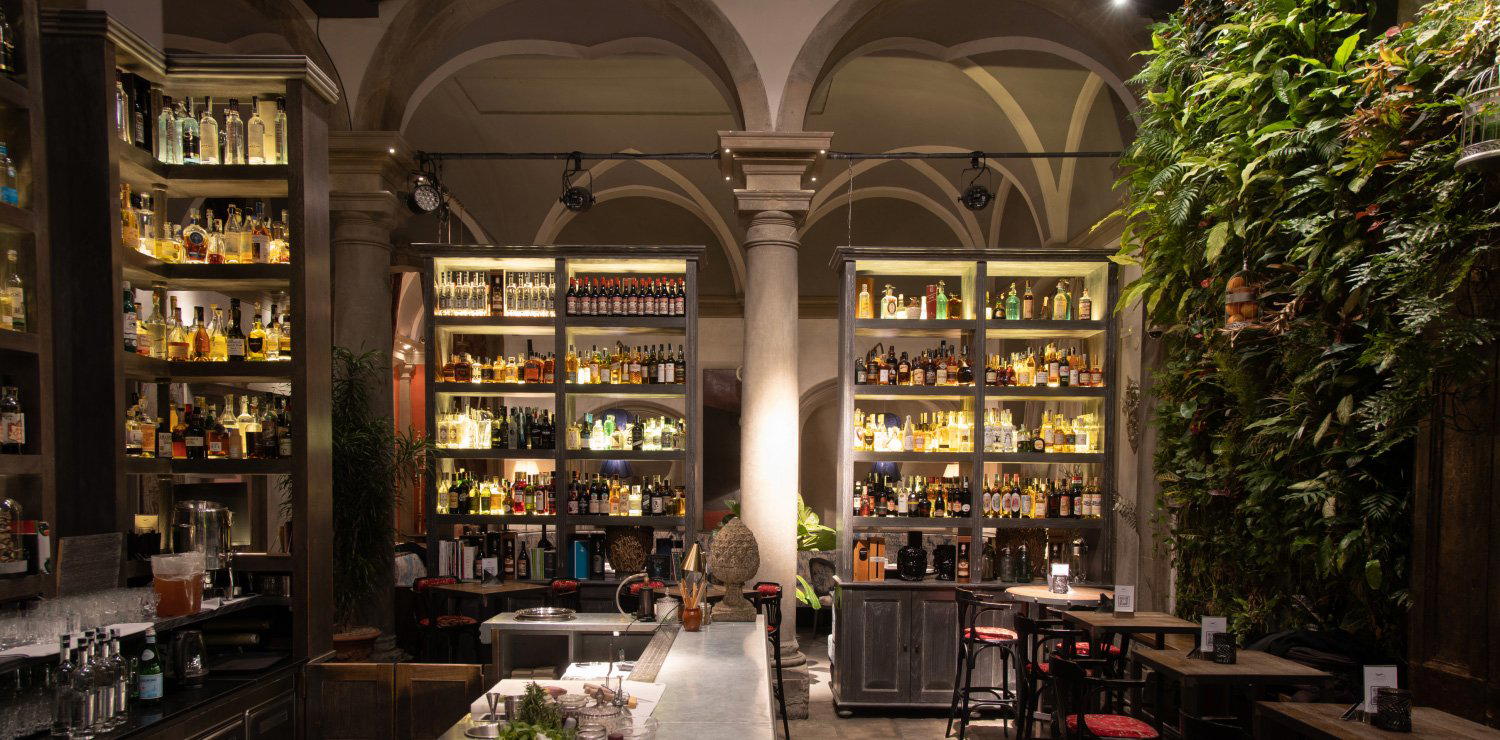
Cozy and rustic basement atmosphere with crowded small tables, evoking authentic Florentine tradition.