
Michelin Plate
Our verdict
The kitchen works at the intersection of local Nara ingredients and refined technique, delivering a serious dining proposition at the ¥¥¥ price tier.

Pearl is the En Primeur Club membership app, where members save venues, book tables and use the concierge.
The menu
What to order
- Kizami Udon
- Tempura Udon
- Curry Udon
Japanese Fine Dining in Ikoma, Nara: Reading the Room at Inada
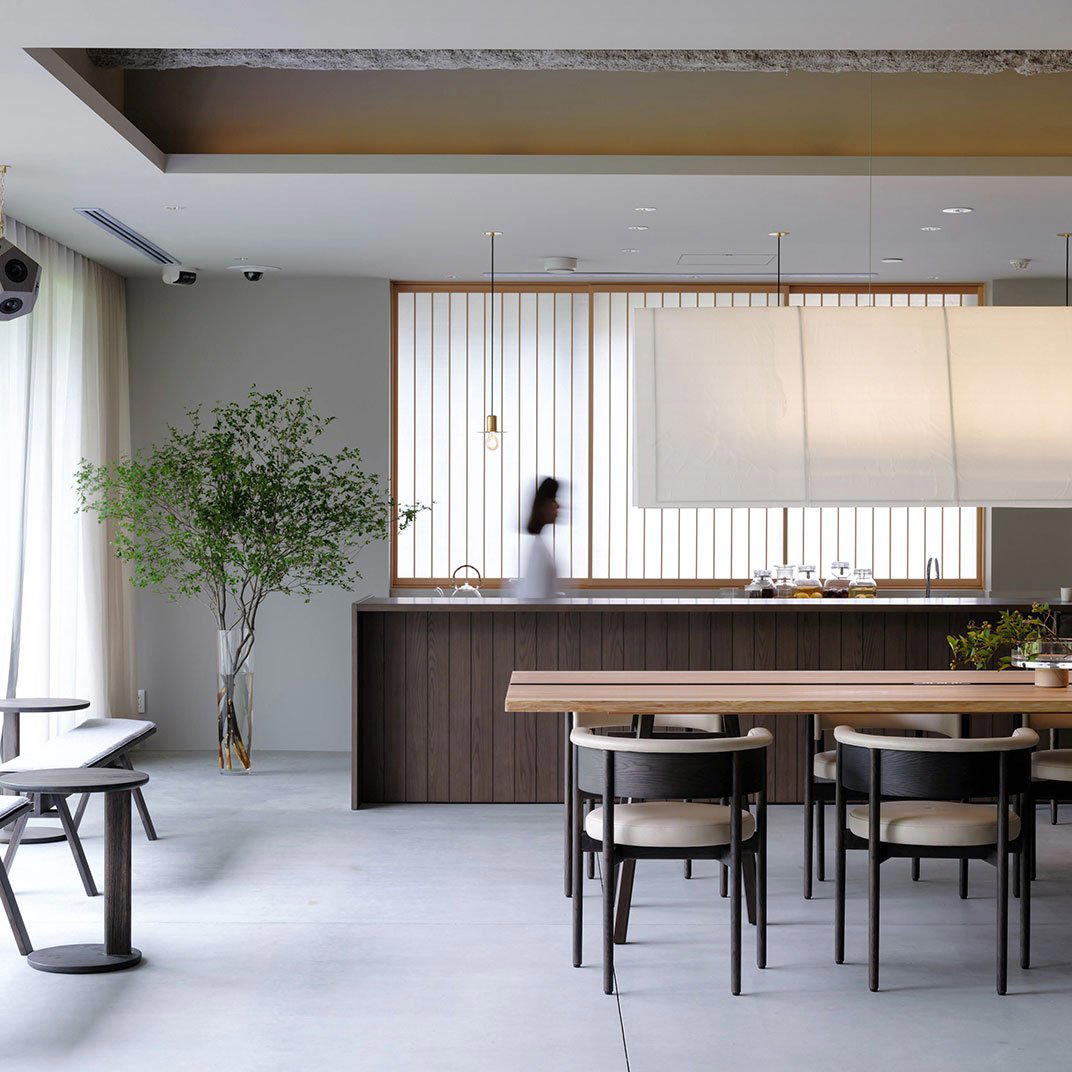
Ikoma sits on the western edge of Nara Prefecture, where the mountain ridge separating Nara from Osaka begins to flatten into residential streets. The neighbourhood is not a dining destination in the conventional sense: there are no tour groups, no souvenir shops, no ryokan clusters. What there is, on a quiet stretch of Hikarigaoka, is the kind of address that requires intent to find, a building that gives little away from the street, the kind of place where the absence of noise is itself a signal. Arriving at Inada, the atmosphere reads less like a restaurant and more like a private room that has agreed, conditionally, to receive you.
That tonal quality, measured, considered, with no concession to casual footfall, is increasingly characteristic of serious Japanese fine dining outside the major metropolitan hubs. In Tokyo, starred restaurants at the ¥¥¥ tier sit inside a broader ecosystem of peer venues, food press, and a clientele that rotates between addresses almost professionally. In Nara, the calculus is different.
Where Nara Ingredients Meet Refined Technique
The editorial angle that frames Inada most accurately is not about what the kitchen produces in isolation, but about the productive tension between place-specific ingredients and technique that travels. Nara Prefecture has a distinct larder: Yamato vegetables, a category of heritage cultivars with protected regional identity, include varieties of daikon, lotus root, and aubergine that have been grown in the Yamato Basin for centuries. The prefecture also sits at an altitude and latitude that shapes its seasonal rhythm differently from coastal Osaka or the more maritime microclimate of coastal Kyushu. These are not interchangeable ingredients.
Japanese fine dining at the single-star level has broadly moved toward a position where technique imported from kaiseki traditions, or occasionally from European kitchens, acts as a frame for ingredients that carry strong regional identity. This is a different model from the haute kaiseki houses of Kyoto, where the ingredients and the technique are both drawn from the same deep well. Restaurants like Gion Sasaki in Kyoto and Harutaka in Tokyo operate within traditions so established that technique and ingredient feel inseparable. In Nara, the story is about what happens when a kitchen brings rigour to a larder that the capital cities have largely overlooked.
Inada's positioning at ¥¥¥ places it alongside venues such as Oryori Hanagaki and Tsukumo in Nara's mid-to-upper tier. The Michelin distinction separates it from the broader pool. The Plate recognition in 2025, which follows the star awarded in 2024, is a signal worth parsing: Michelin Plates are awarded for high-quality cooking at any price level, and their presence alongside a star designation suggests the inspectors returned and found consistency, not a single exceptional visit.
The Competitive Set and What It Implies
Nara's fine dining map is smaller than its cultural profile might suggest. The city draws significant visitor traffic from Osaka and Kyoto, a day trip from either takes under an hour, but that traffic has historically skimmed toward the temple precincts and the deer park without converting into restaurant reservations at the upper tier. The restaurants that have built serious reputations in Nara, including Ajinokaze Nishimura and Ajinotabibito Roman, have done so largely on the strength of a local and regional clientele rather than inbound tourism.
Inada fits this pattern. Its address in Ikoma, not in central Nara city, not adjacent to Nara Park or the Higashimuki shopping arcade, removes it from even the modest tourist circuit. The venue operates on its own terms, which at the one-star level in a secondary city is either a constraint or an advantage depending on how you read it. For a diner willing to make the specific journey, the absence of ambient tourism pressure is a feature. Comparable dynamics play out at places like Goh in Fukuoka and 6 in Okinawa, where serious cooking is delivered in cities that sit outside the primary Japan dining axis of Tokyo-Kyoto-Osaka.
Within the broader Kansai region, the comparison that matters most is probably Osaka. Inada occupies a very different position, one grounded in Japanese cuisine at a single-star level, with none of the spectacle or scale that Osaka's leading addresses require. That positioning attracts a different audience: guests who are specifically interested in what Nara's ingredient identity produces at the table, rather than those seeking the region's most dramatic dining experience.
Planning a Visit: Practical Notes
The address, 1 Chome-10-16 Hikarigaoka, Ikoma, Nara 630-0141, places the restaurant in Ikoma City, accessible from Osaka via the Kintetsu Osaka line to Ikoma Station, a journey of roughly 20 minutes from Namba. From Nara city centre, the Kintetsu Nara line connects to Ikoma in under 15 minutes. Neither journey is long, but both require deliberate planning: Ikoma is a transit point for Osaka commuters, not a place most visitors arrive at by accident.
At the ¥¥¥ price tier, Inada sits in a range comparable to Nara's other Michelin-recognised addresses. Guests planning to visit as part of a broader Kansai itinerary should factor in the Ikoma journey time: the restaurant works as an evening destination from either Osaka or Nara, but not as a casual addition to a full sightseeing day without prior coordination. For broader Nara trip planning, see our full Nara restaurants guide, our full Nara hotels guide, our full Nara bars guide, our full Nara wineries guide, and our full Nara experiences guide.
For those building a wider Japan fine dining itinerary around the ¥¥¥ tier, Myojaku in Tokyo, Azabu Kadowaki in Tokyo, and 1000 in Yokohama provide useful comparison points for how the same price band performs across different cities and traditions.
Frequently asked questions
at Inada?
What the Michelin recognition (a star in 2024, a Plate in 2025) does confirm is that the kitchen's approach to Japanese cuisine meets the inspectors' threshold for consistent quality. Given the restaurant's location in Nara Prefecture, seasonal Yamato vegetables and locally sourced ingredients are a reasonable expectation at this price tier and culinary level. For current menu information, direct contact with the restaurant ahead of your visit is the appropriate route.
Peers Worth Knowing
| Venue | Cuisine | Price | Awards | Notes |
|---|---|---|---|---|
| InadaThis venue (the venue you are viewing) | Udon and Sushi | $10–20 | Michelin Plate | Not listed |
| akordu | Modern Spanish with Nara Influences | $150–200 | 2 Michelin Stars · La Liste Top Restaurants | Spanish, Innovative |
| Wa Yamamura | Traditional Kaiseki | $100–150 | 1 Michelin Star | Kaiseki, Japanese |
| Araki | Seasonal Japanese Tempura and Kaiseki | $100–150 | Michelin Plate · Tabelog Bronze #23 | Sushi, Japanese |
| Tama | French with Local Nara Ingredients | $50–100 | Michelin Plate | Okinawan, French |
| NARA NIKON | Kaiseki | $150–200 | 2 Michelin Stars · La Liste Top Restaurants | Japanese |
Recognition history
Dated appearances from independent guides and award organizations, with the underlying list record or original source where available.
Michelin Plate
Michelin
Full recognition history (2 entries)
Michelin Plate
Michelin
Continue exploring
More in Nara
Restaurants in Nara
All restaurants in Nara →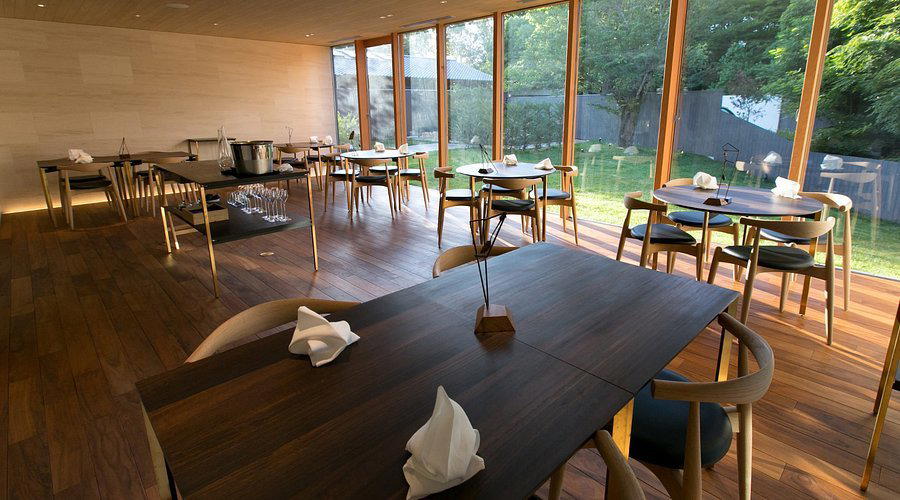

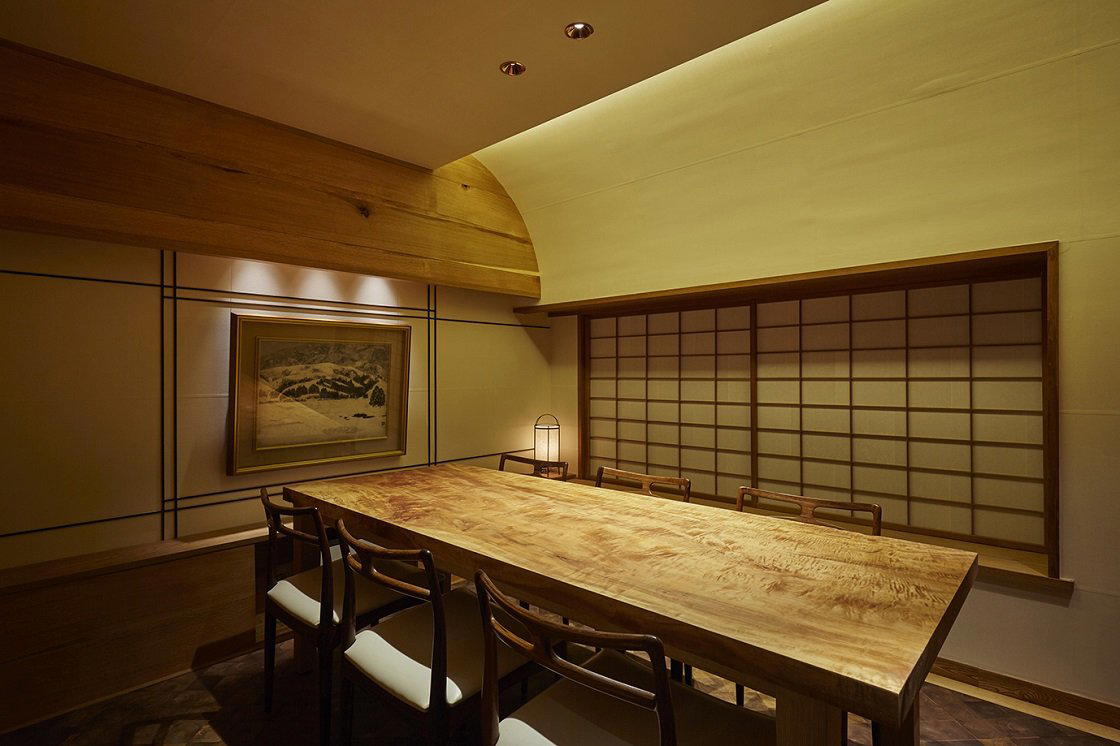
Bars in Nara
All bars in Nara →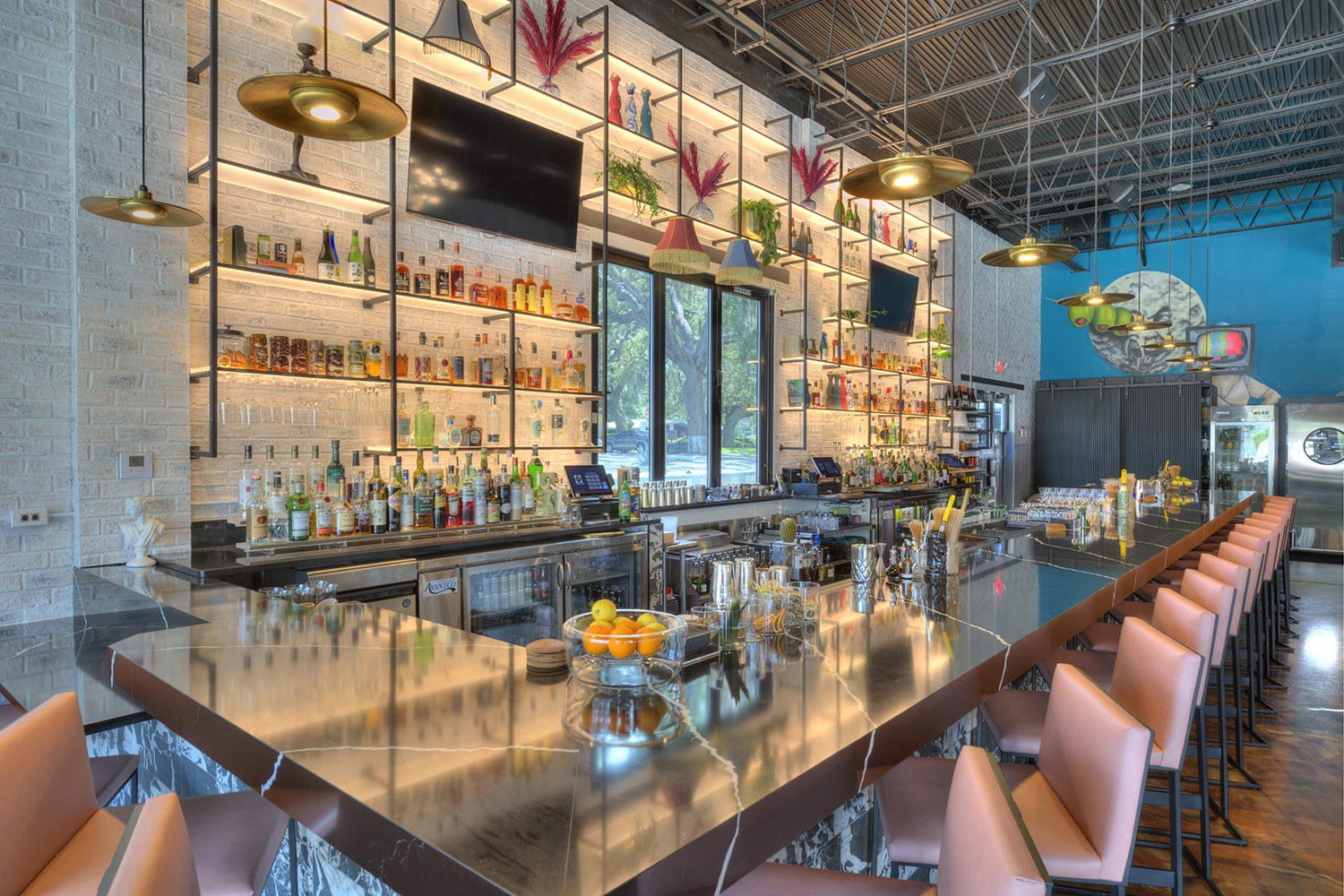
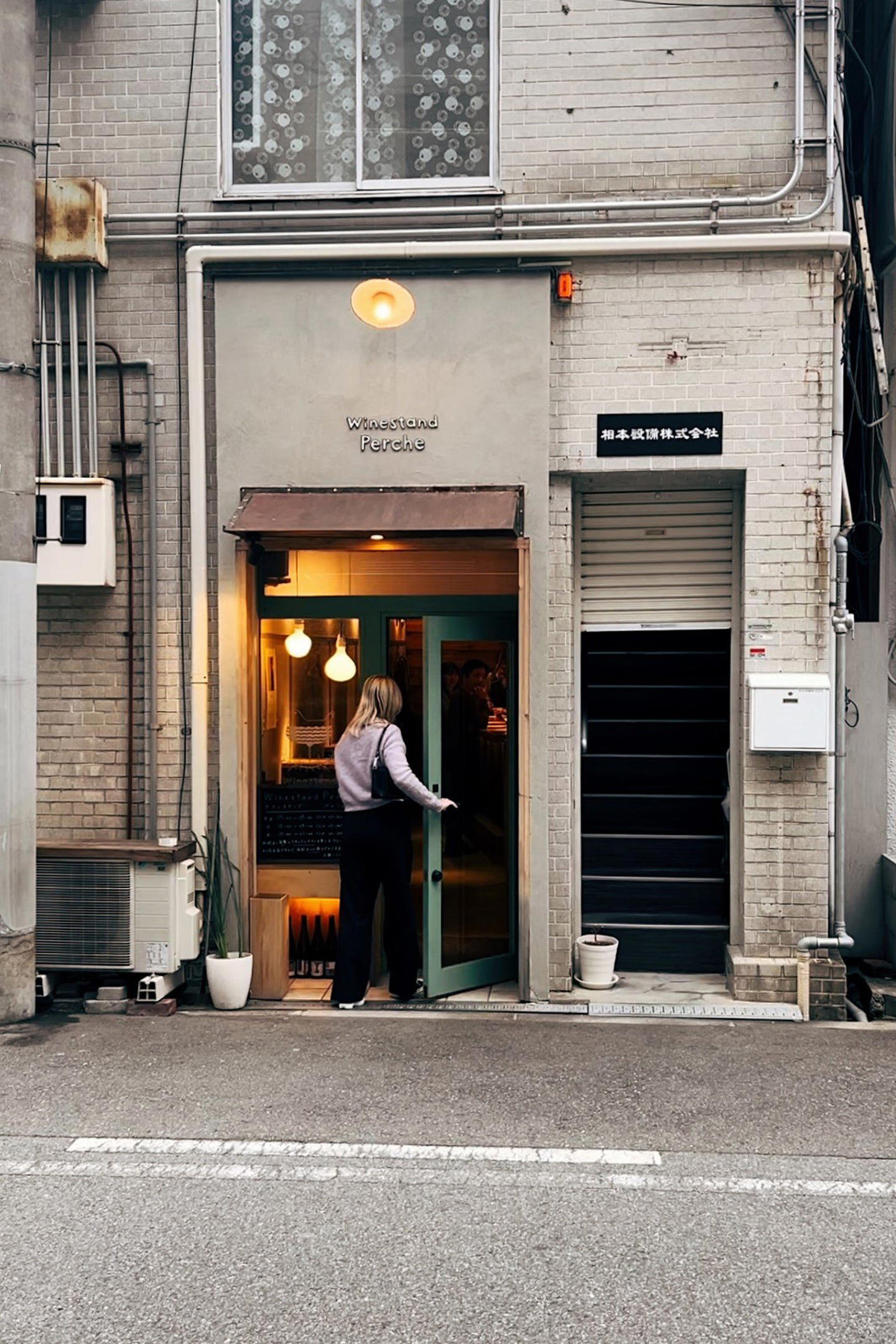

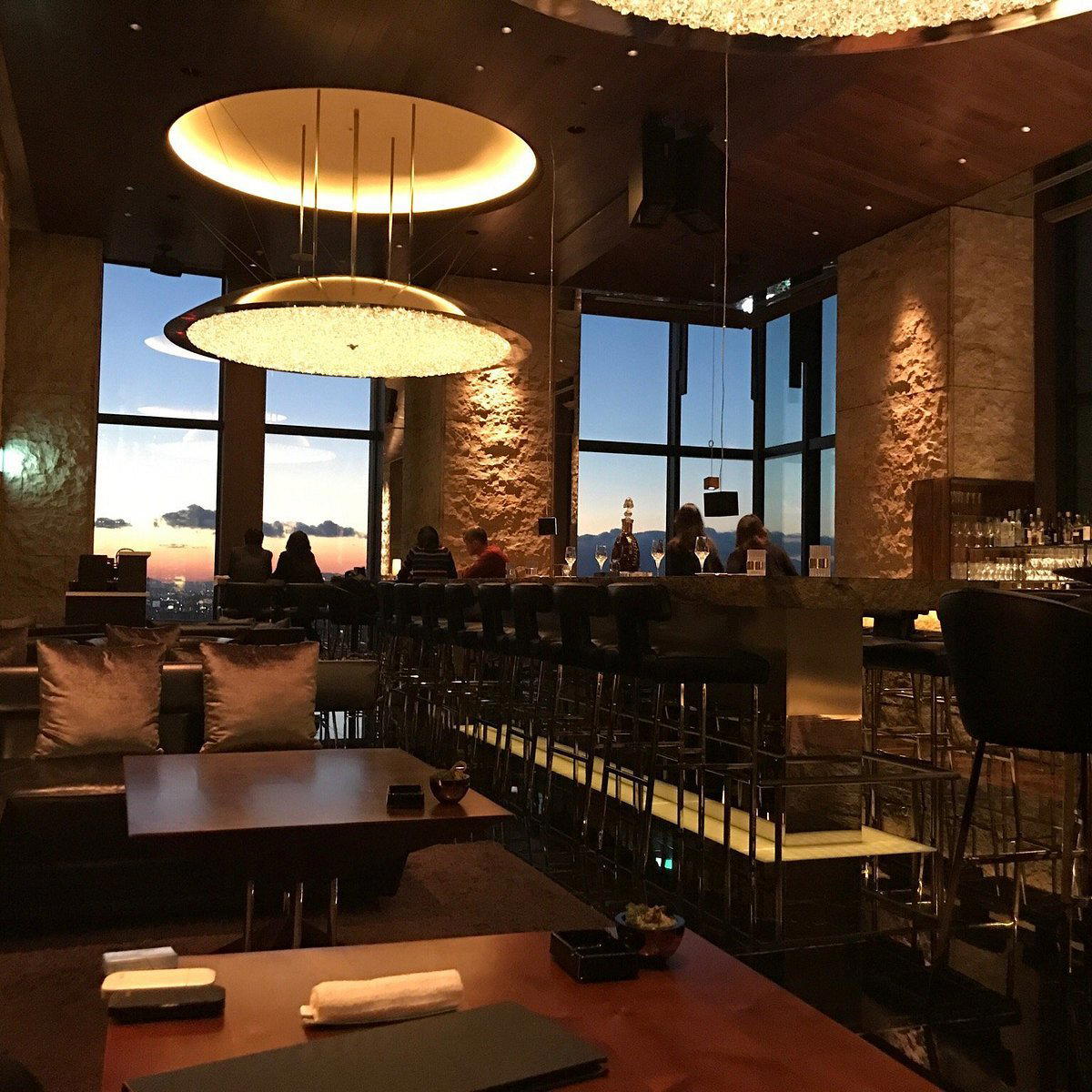
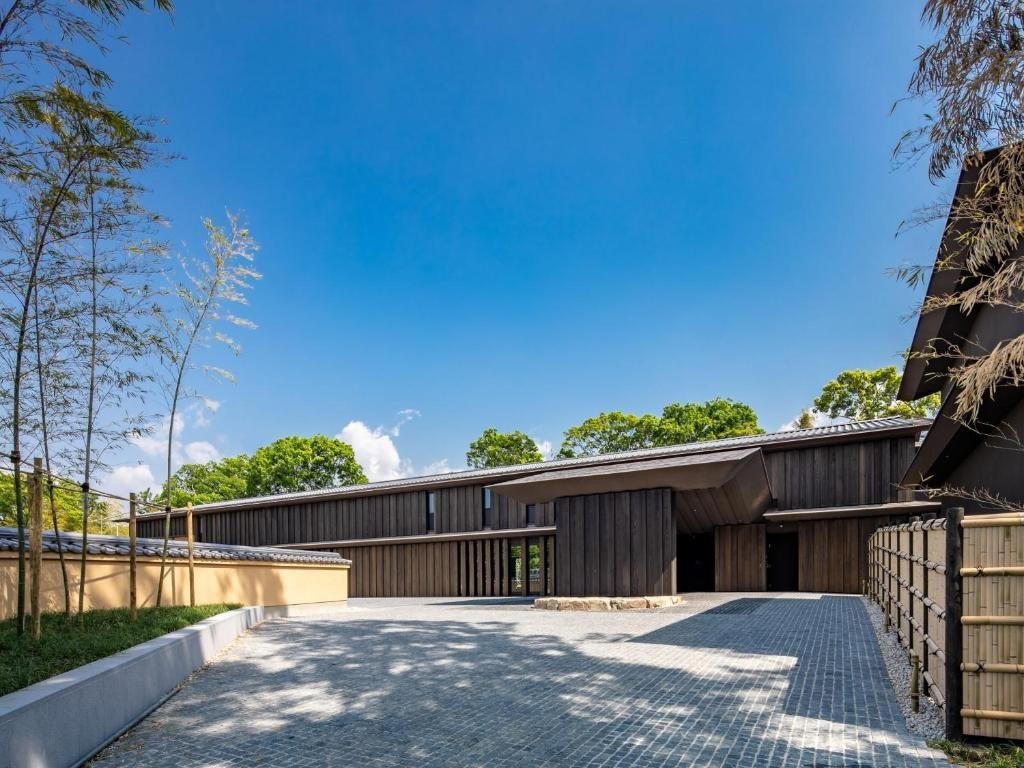
Hotels in Nara
All hotels in Nara →
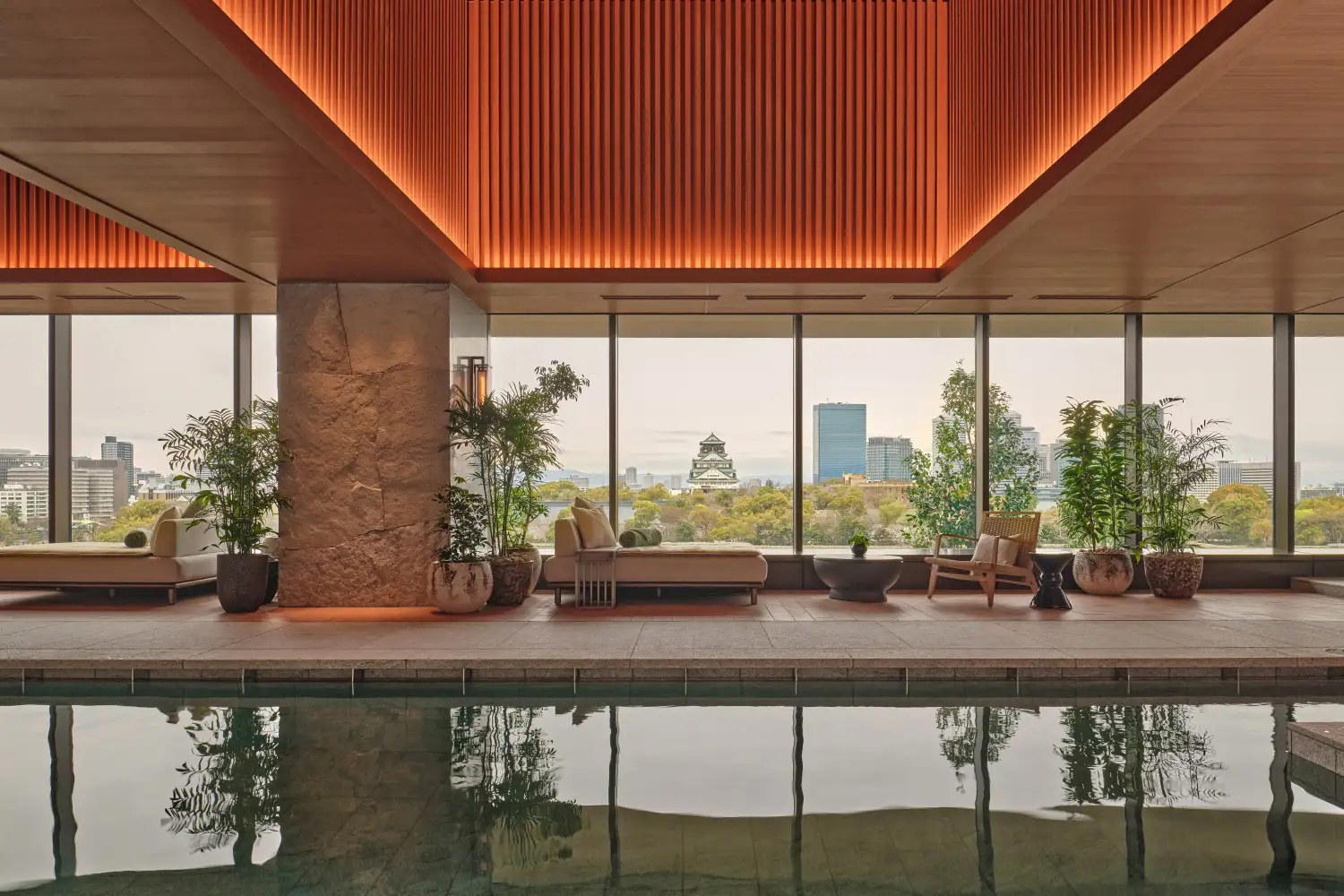

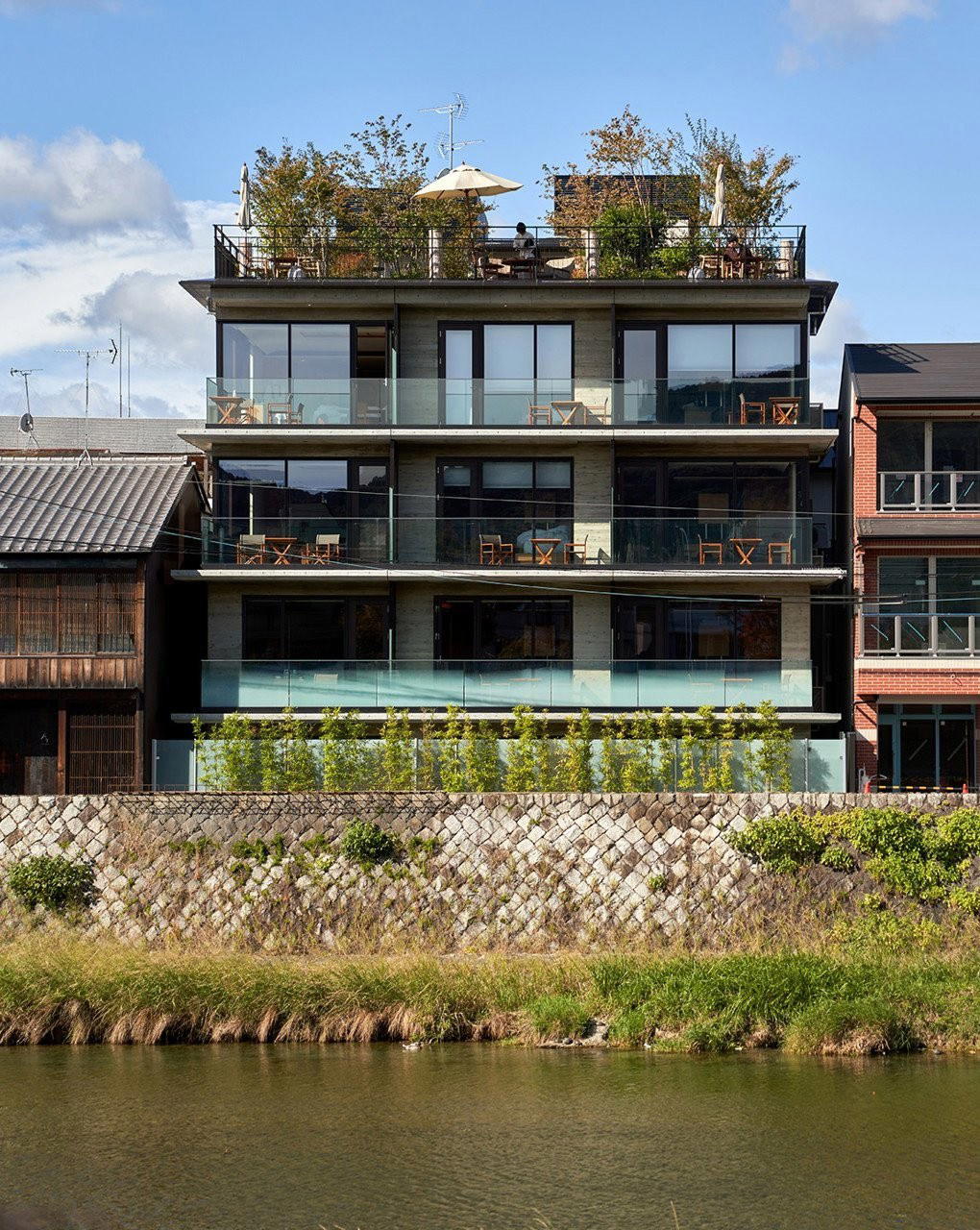
Wineries in Nara
Browse all →
Details
- Cozy
- Relaxed
- Classic
- Family
- Casual Hangout
- Group Dining
- Sake Program
- A La Carte
- Sake
Current opening hours
- Monday
- Closed
- Tuesday
- 11:30 AM–2:30 PM, 5–8:30 PM
- Wednesday
- 11:30 AM–2:30 PM, 5–8:30 PM
- Thursday
- 11:30 AM–2:30 PM, 5–8:30 PM
- Friday
- 11:30 AM–2:30 PM, 5–8:30 PM
- Saturday
- 11:30 AM–2:30 PM, 5–8:30 PM
- Sunday
- 11:30 AM–2:30 PM, 5–8:30 PM
Hours can change for holidays and private events. Hours as of .
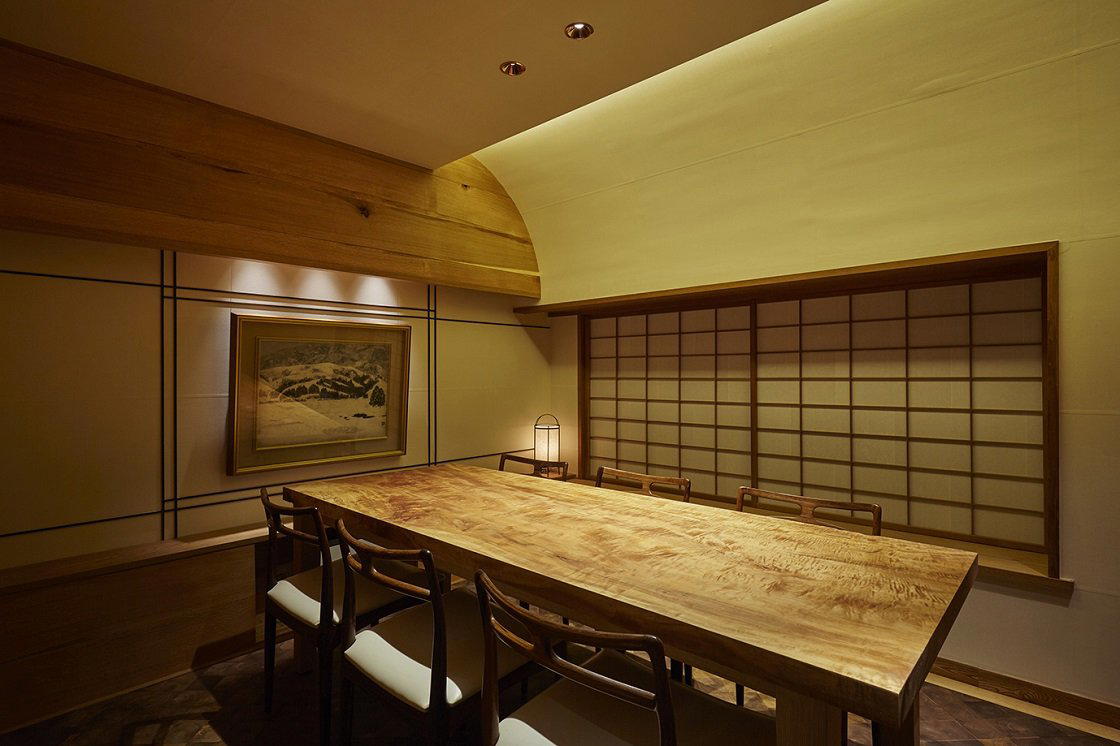
Calm modern Japanese atmosphere with relaxing tatami rooms, counter, and sofa seating.