Choi.

A Gangnam institution where Italian fine dining meets three decades of Korean culinary influence, Choi. occupies the third floor of the Ansdome Building on Dosan-daero, one of Seoul's most concentrated stretches of premium dining. Chef Hyun-suk Choi's reputation as a chef-trainer gives the room a particular authority: this is where Seoul's next generation of Italian-rooted cooks has long come to learn what precision actually looks like.
Pearl is the En Primeur Club membership app — saves, bookings, and concierge access live there. Same editors, same standards.
- Address
- South Korea, Seoul, Gangnam District, Dosan-daero, 457 앙스돔빌딩 3층
- Phone
- +82 2-518-0318
- Website
- choidot.imweb.me
- Directions
- Get directions
 Saves & bookings on Pearl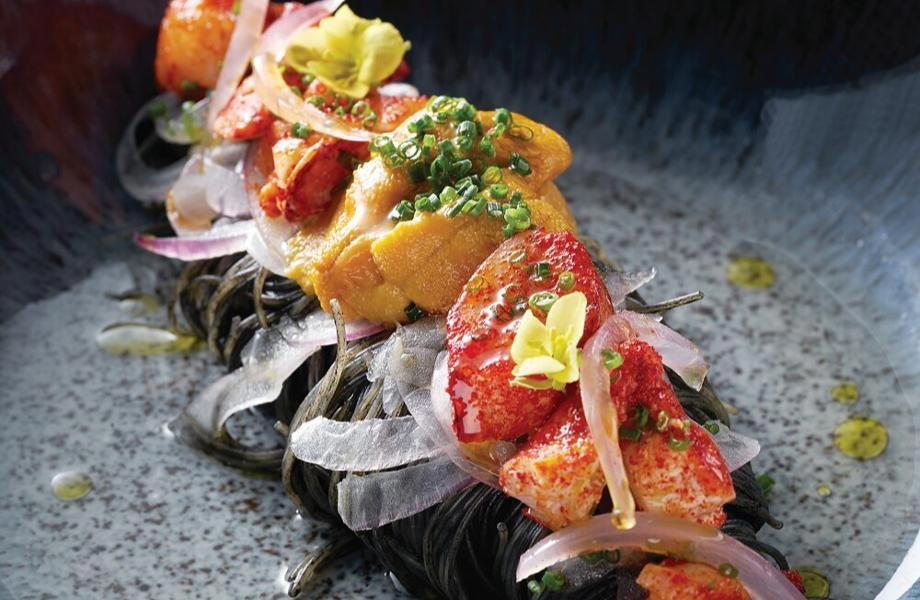
Dosan-daero's Fine Dining Axis
Choi. is a restaurant in Seoul's Gangnam District serving contemporary Italian fine dining with Korean twists. Mingles, Jungsik, and Kwonsooksoo have all shaped the area's identity, each approaching Korean fine dining from a different angle. Choi. sits within this competitive set as a restaurant that has made contemporary Italian cuisine its primary language.
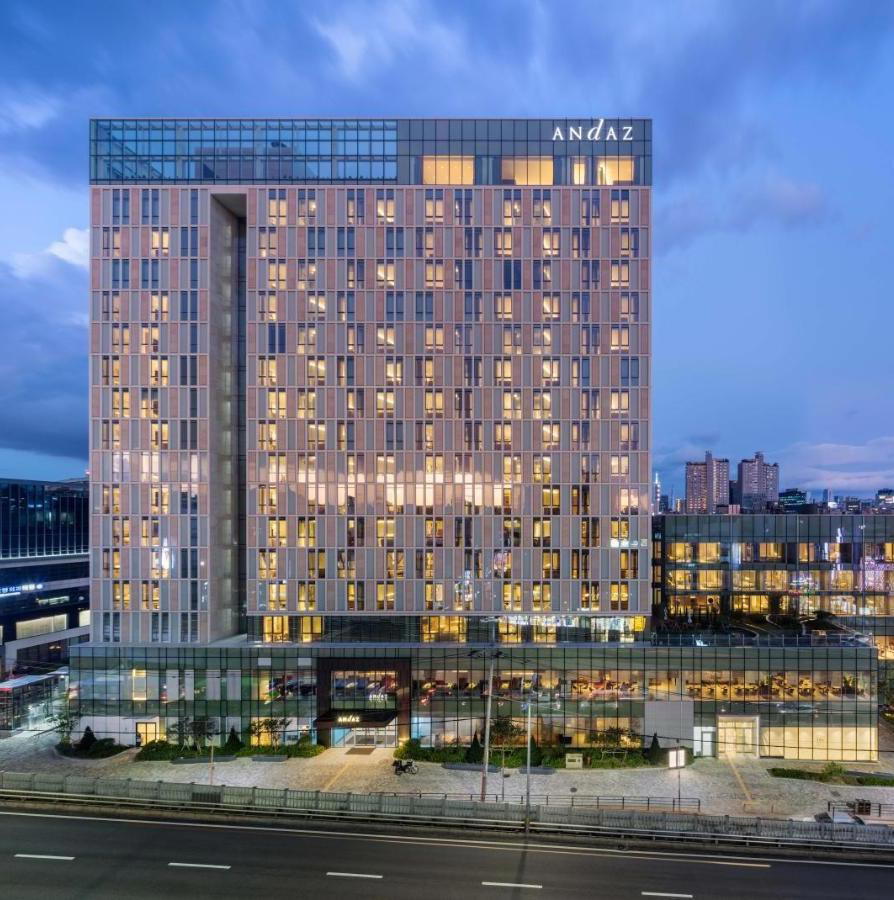
The restaurant occupies the third floor of the Ansdome Building at 457 Dosan-daero in Seoul. Arriving by elevator rather than street entrance changes the entry experience in small but meaningful ways, the transition from street-level Gangnam to a composed dining room happens in a single vertical move, compressing the shift in register. It is the kind of spatial logic that Seoul's premium dining rooms have increasingly adopted, separating the room from the retail noise below without resorting to basement theatre.
What the Menu Structure Reveals
In Seoul's fine dining scene, the question of menu architecture carries real weight. The dominant format across the city's top tier is the tasting menu: a fixed sequence that reflects a chef's editorial position on ingredients and technique. Soigné uses it to interrogate French-Korean fusion; alla prima applies it to Italian-influenced innovation. Choi. operates within this tradition, with contemporary Italian cuisine as the structural spine.
What Italian fine dining means in this context is worth examining. Italian cuisine in its premium form is not monolithic, it encompasses regional specificity, product-led minimalism, and the kind of multi-course structure borrowed and adapted from French service. A Korean chef with more than thirty years inside this tradition brings a perspective shaped by rigorous study and sustained practice. The menu at Choi. is not a translation exercise; it reflects the kind of fluency that comes from having taught the cuisine to others. When a chef is described as a chef-trainer, the designation attached to Hyun-suk Choi, it signals a particular relationship to technique.
Menu architecture in this context tends toward classical coherence: courses that build in intensity and weight, proteins treated with the discipline of Italian school (restraint on seasoning, focus on product), and pasta, if present, positioned as a course that earns its place rather than fills a gap. The broader Italian fine dining tradition, from which Choi. draws its grammar, places enormous emphasis on the relationship between structure and ingredient quality. At restaurants like Le Bernardin in New York City, a comparable authority and longevity in a specific European cuisine has produced a menu language that reads as both technically demanding and immediately legible to a well-travelled diner. The parallel is not exact, but the underlying logic, mastery of a European culinary tradition expressed through a chef's sustained singular focus, maps usefully onto what Choi. represents within Seoul.
Thirty Years as a Benchmark
Longevity in fine dining is not automatically a credential, but in Seoul's case it functions as one. The city's restaurant scene has undergone several cycles of reinvention, moving from hotel-dining dominance through the rise of chef-led independents and into the current era of tasting menus. A restaurant that has remained at what the awards record describes as the forefront of Seoul's culinary scene across that entire arc has navigated changes in diner expectation, ingredient availability, and critical frameworks that would have ended most projects.
Comparisons to chefs who have built long-running institutions in demanding cities are instructive. Emeril's in New Orleans represents a different culinary tradition, but the same logic applies: sustained relevance over decades in a city with strong culinary identity requires constant recalibration without loss of core identity. Hyun-suk Choi's position as a chef-trainer adds a further dimension. Training other chefs means codifying technique, which in turn means the restaurant's standards have been stress-tested through pedagogy as well as service. The kitchens that Choi. has influenced extend its reach across Seoul's broader Italian-rooted dining scene, making the restaurant something closer to a culinary reference point than simply a destination.
For context, nearby restaurants including 권숙수 - Kwon Sook Soo and other Korean-contemporary operators across Gangnam generally occupy a similar price tier. Choi.'s positioning within this bracket places it among the city's serious special-occasion rooms rather than the casualer end of the Gangnam dining spectrum.
Planning Your Visit
Choi. is located at 457 Dosan-daero in the Gangnam District, third floor of the Ansdome Building. Gangnam is well-served by Seoul Metro Line 3 (Apgujeong station) and Line 7 (Hakdong station), with the Dosan-daero strip accessible on foot from either point. Given the restaurant's reputation and the density of competition on this corridor, reservations should be treated as non-negotiable, walk-in availability at this level of Seoul dining is effectively non-existent. Reservations are essential. Phone and website details should be checked before you go.
For those travelling beyond Seoul, the country's fine dining scene extends further than the capital: Mori in Busan, Double T Dining in Gangneung, and Pool House in Incheon each represent the wider geographic spread of Korean fine dining outside the capital.
Awards and Standing
Comparable venues nearby, for context on price, style, and recognition.
| Venue | Cuisine | Price | Awards | Notes |
|---|---|---|---|---|
| Choi.This venue — the venue you are viewing | Modern Italian Fine Dining with Korean Twists | $$$$ | Not listed | Not listed |
| Borgo Hannam | Authentic Italian with Modern Twists | $$$$ | Michelin Plate | 한남동 |
| Trattoria Romagna | Emilia-Romagna Trattoria | $$ | Not listed | 반포본동 |
| Charles H. | Cocktail Bar | $$$$ | Not listed | Jongno-gu |
| 쵸이닷 - Choi Dot | Modern Italian-Korean Fine Dining | $$$$ | Not listed | 압구정동 |
| Soko | Cocktail Bar | $$$$ | Not listed | 한남동 |
Recognition history
Dated appearances from independent guides and award organizations, with the underlying list record or original source where available.
Star Wine List
Star Wine List
At a Glance
- Modern
- Minimalist
- Sophisticated
- Date Night
- Special Occasion
- Design Destination
- Extensive Wine List
- Sommelier Led
Current opening hours
- Monday
- 12–3:30 PM, 6:30–10:30 PM
- Tuesday
- 12–3:30 PM, 6:30–10:30 PM
- Wednesday
- 12–3:30 PM, 6:30–10:30 PM
- Thursday
- 12–3:30 PM, 6:30–10:30 PM
- Friday
- 12–3:30 PM, 6:30–10:30 PM
- Saturday
- 12–3:30 PM, 6:30–10:30 PM
- Sunday
- 12–3:30 PM, 6:30–10:30 PM
Hours can change for holidays and private events. Last verified .
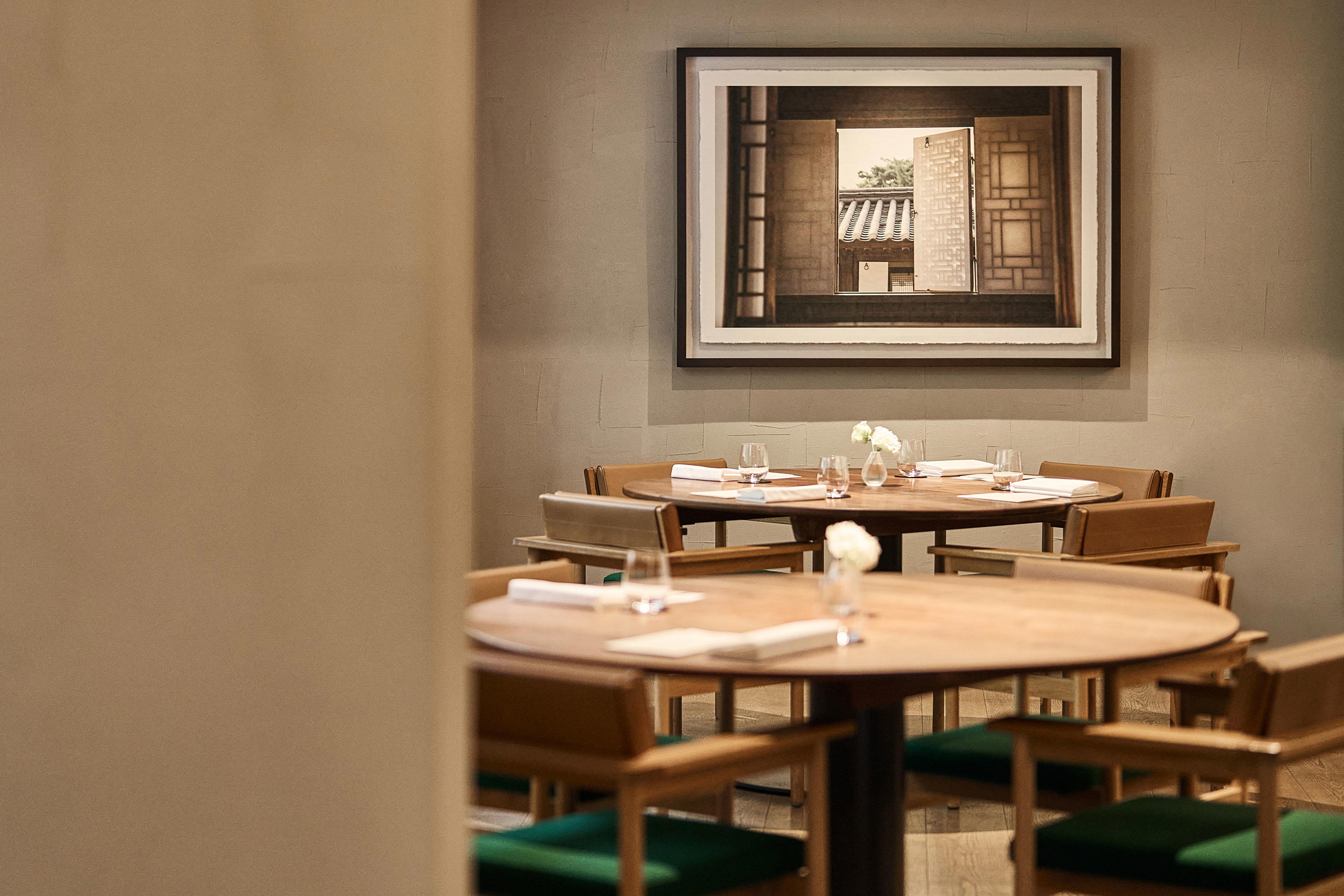
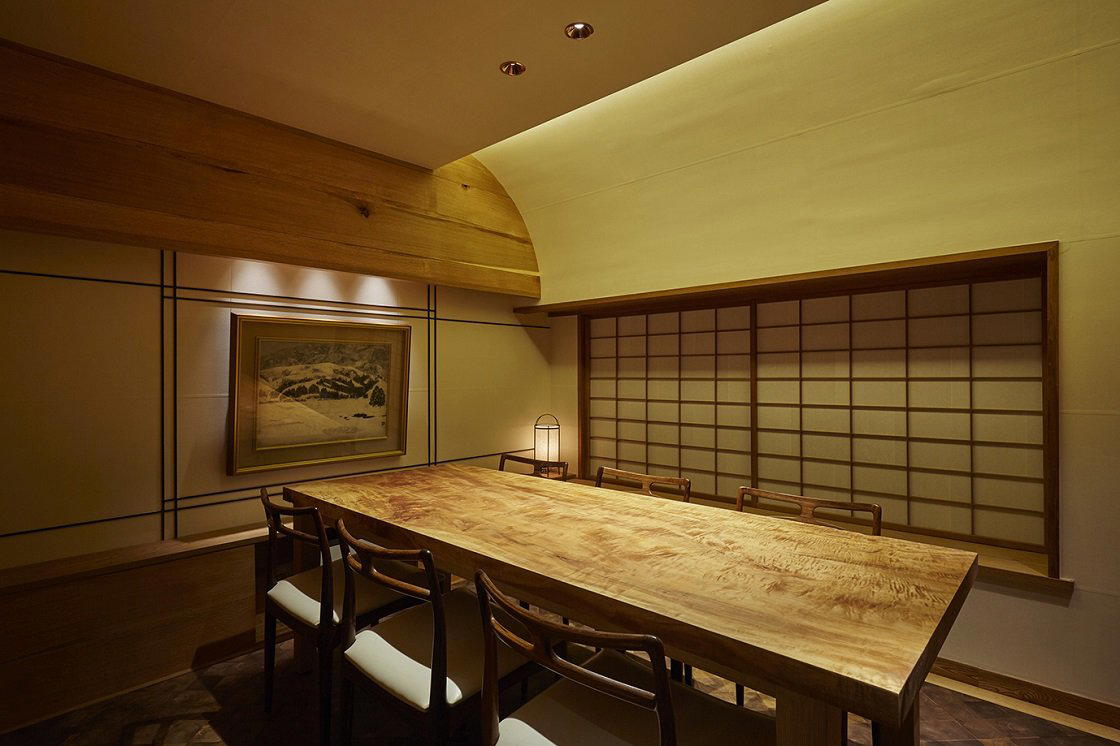
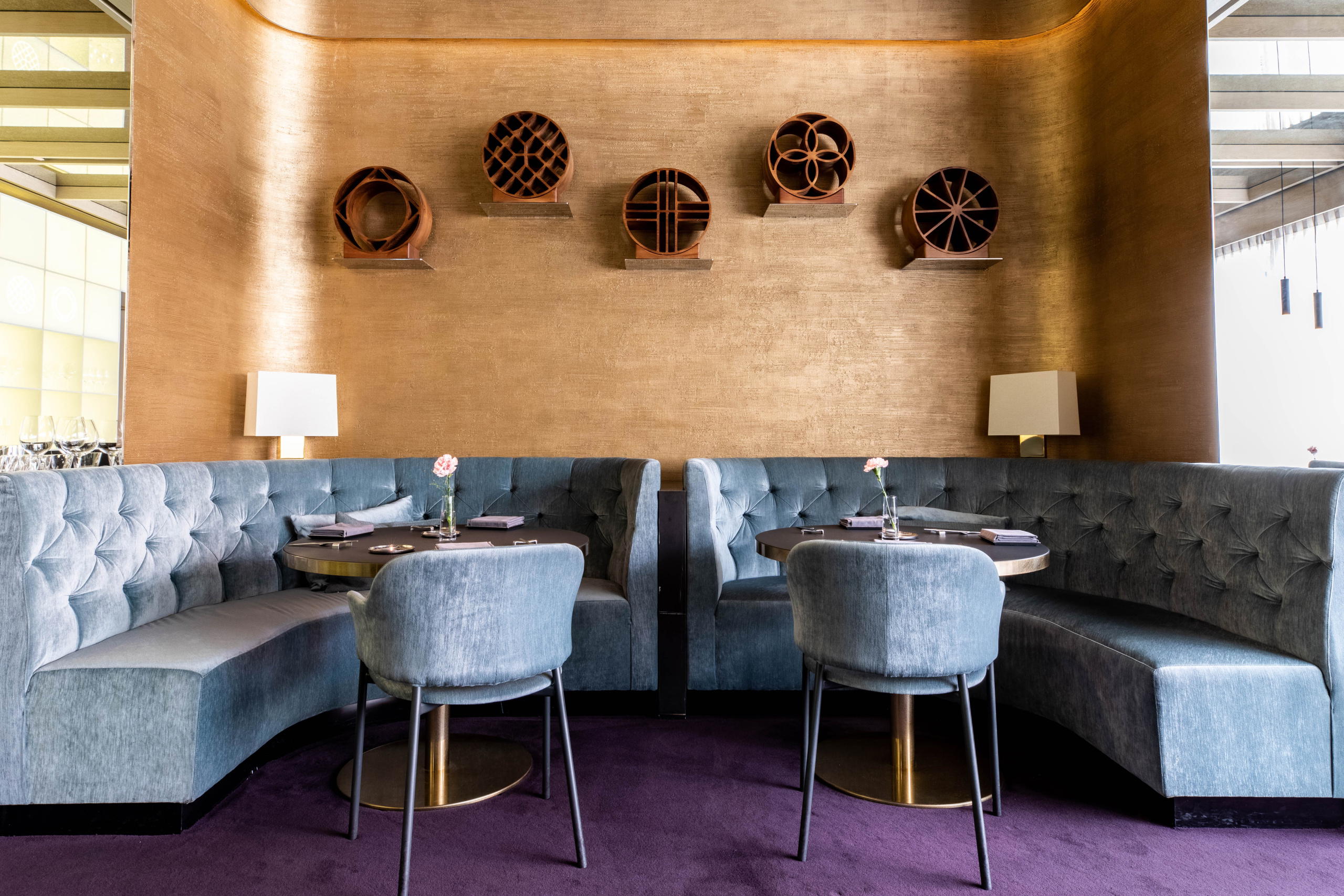
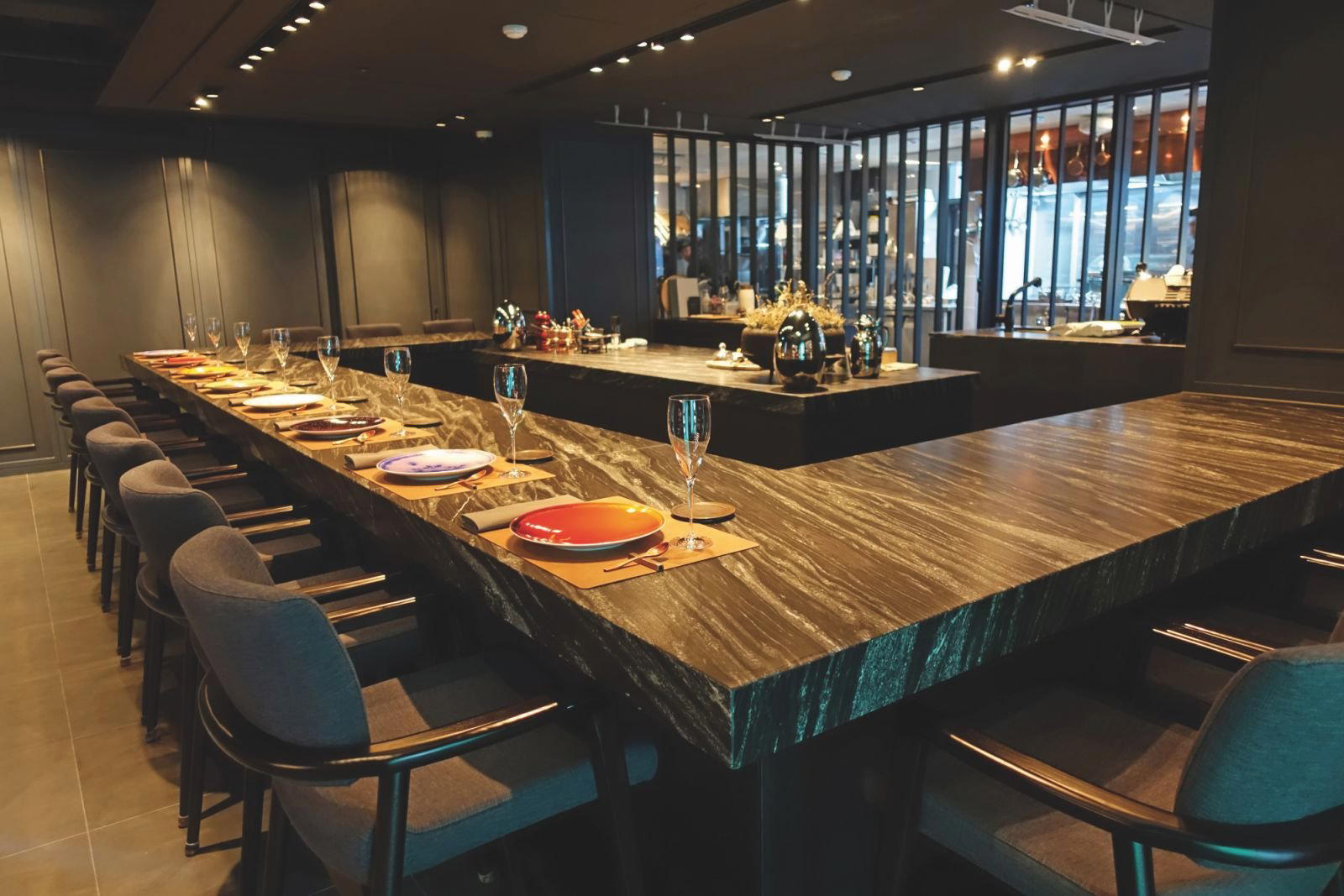
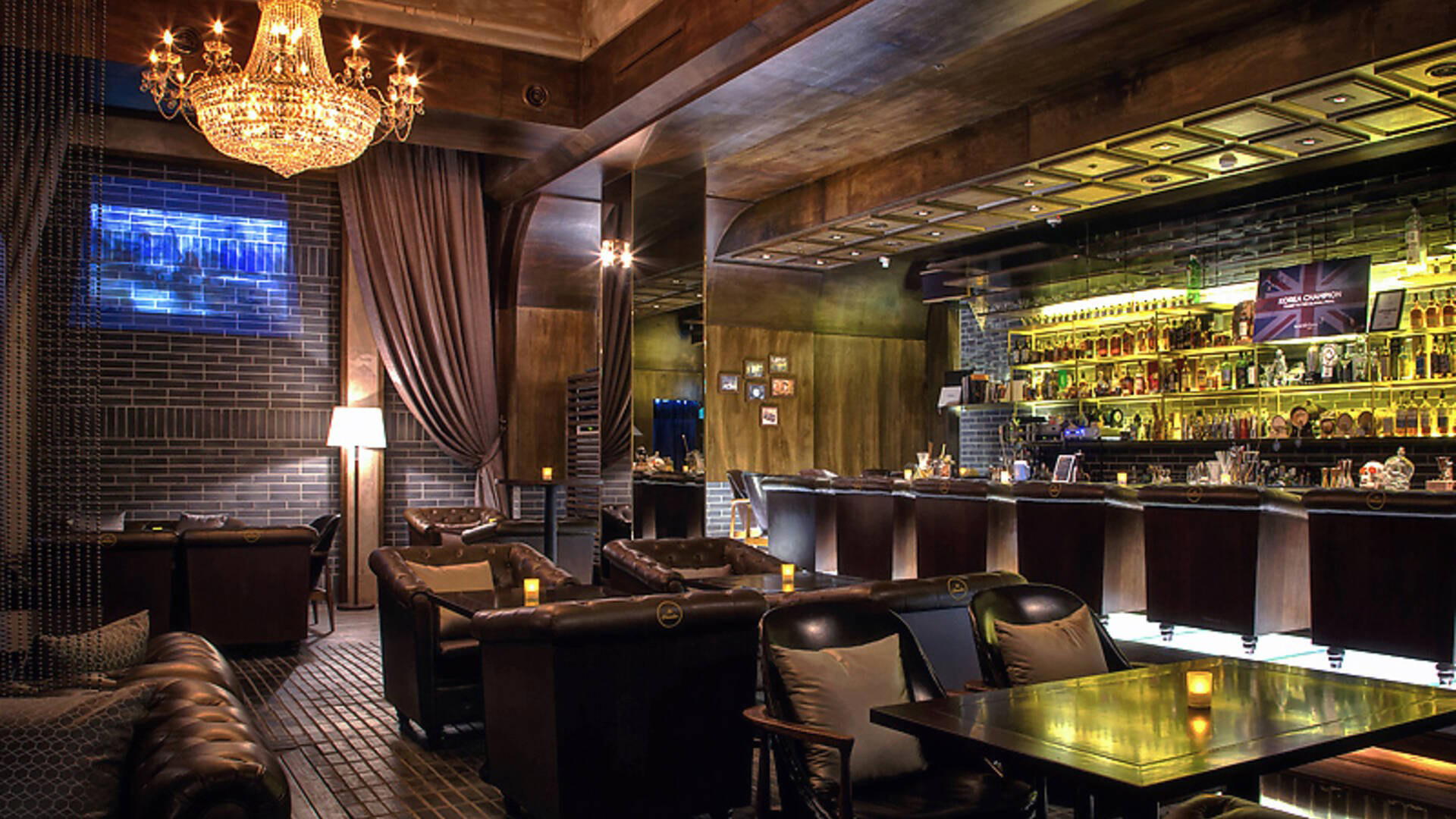
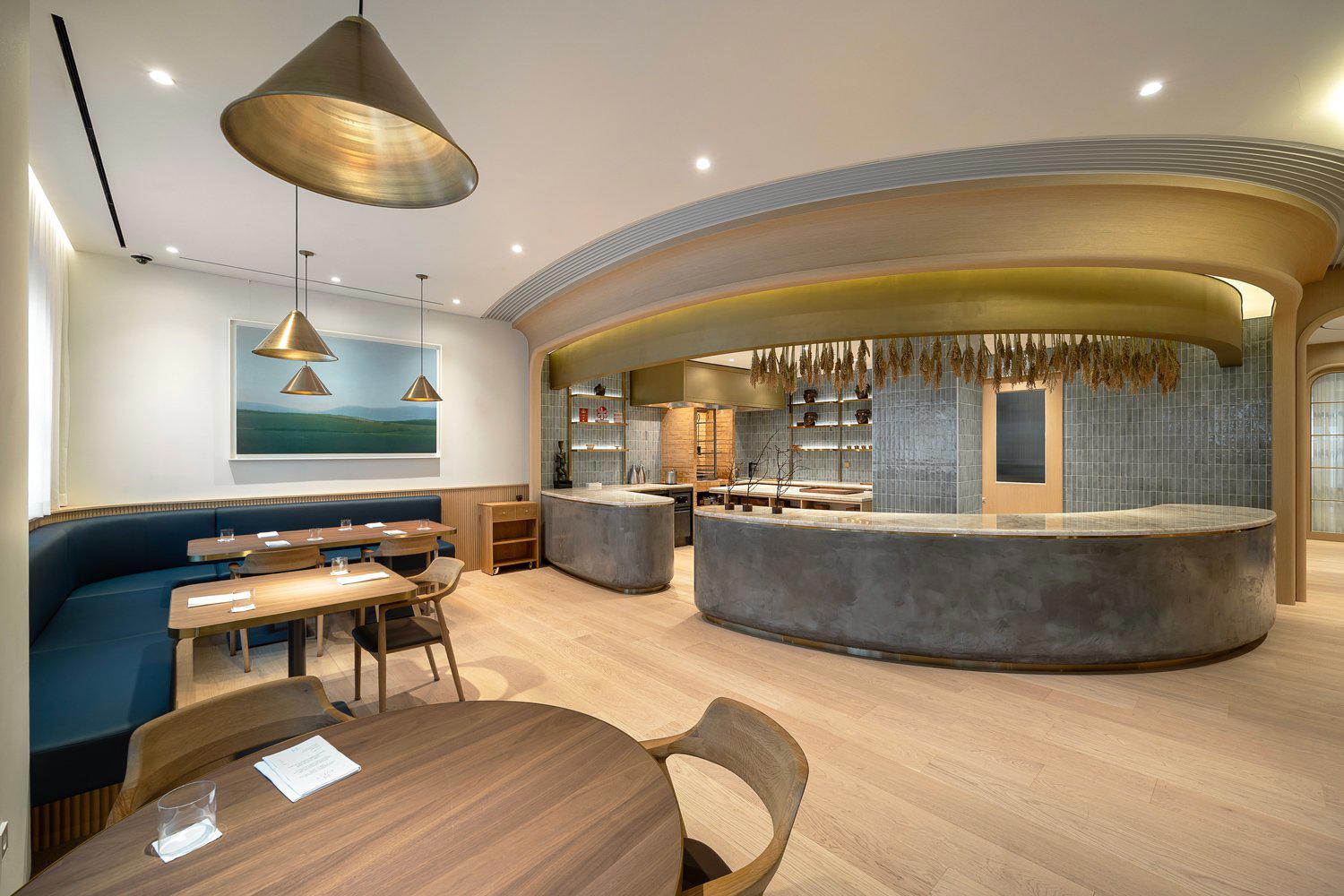
Smart but minimally decorated dining room with sparse decor focusing attention on the plate and elegant atmosphere.