24seasons

Our verdict
At 97 Saemunan-ro in Jongno District, 24seasons frames modern Korean cooking through the logic of the traditional 24-division solar calendar, placing seasonality at the center of its menu architecture. It occupies a quiet but deliberate position in Seoul's contemporary Korean dining scene.

Pearl is the En Primeur Club membership app, where members save venues, book tables and use the concierge.
The menu
What to order
- Seasonal bibimbap
- Soy-braised short rib
- Seafood course
Jongno's Seasonal Counter
Jongno District carries a different culinary weight than Gangnam. Where Seoul's southern districts have built their reputations on tasting-menu formalism and international press, Jongno's dining rooms tend to sit closer to older institutional knowledge: the kind of cooking that references court tradition, temple food, and the seasonal logic that organised Korean agriculture for centuries. At 97 Saemunan-ro, 24seasons works within that northern framing, using the traditional Korean calendar's 24 solar terms, the same system that once told farmers when to plant and harvest, as the conceptual spine of its menu approach.
That structural choice matters more than it might first appear. In a city where modern Korean restaurants have proliferated rapidly, the ones that earn sustained attention from serious eaters tend to be those with a clear intellectual framework behind their cooking. Seoul's OAD-tracked restaurants, including Mingles, Jungsik, and Kwonsooksoo, each carry a distinct organising principle. At 24seasons, that principle is calendrical, the idea that a dish's meaning is inseparable from when it appears.
The Banchan Table as Architecture
Modern Korean fine dining has largely inherited the banchan tradition from the joseon-era table, where accompaniments were not afterthoughts but the structural grammar of the meal. The number, variety, and preparation method of banchan signalled hospitality, season, and social register simultaneously. A well-composed banchan table could communicate more about a kitchen's philosophy than any single centerpiece dish.
At 24seasons, that logic appears embedded in how the menu moves through the year. The solar calendar framework suggests a kitchen that is constantly rotating its preparations, matching fermented, preserved, and fresh elements to the moment in the agricultural cycle. Fermented vegetables appear in different states depending on where the season sits: early kimchi has a brightness that aged kimchi does not, and a kitchen committed to the 24-term structure will read those differences rather than flatten them into a single year-round preparation. This is cooking that treats time as an ingredient.
The practical implication for the diner is that two visits six weeks apart should, in principle, produce meaningfully different tables. This distinguishes the 24seasons approach from restaurants that use seasonal language loosely, where the menu changes quarterly, if at all.
Where It Sits in Seoul's Modern Korean Tier
Seoul's modern Korean dining scene has diversified into several recognisable tiers since the city's first wave of fine-dining Korean opened in the early 2010s. At the leading bracket sit the multi-Michelin-starred rooms: Jungsik, Gaon, and Mingles. Below that, a layer of Michelin one-star operators, 7th Door, Onjium, Eatanic Garden, Zero Complex, competes for the same specialist diner. Then there is a wider field of OAD-recommended restaurants, many of which earn their recognition through a tighter editorial lens than the Michelin guide applies.
24seasons holds an Opinionated About Dining Asia Recommended designation from 2023, which places it in a category where the audience skews toward food-literate repeat visitors rather than first-time international tourists. OAD's methodology relies on votes from frequent diners rather than anonymous inspectors, which means a recommendation signals resonance with a particular, self-selecting crowd. For context, alla prima and Soigné occupy nearby territory in Seoul's innovative dining category, and the presence of 24seasons in OAD's network alongside those names locates it in a coherent peer group.
Chef Tony Yu's kitchen does not carry the same international visibility as Kwonsooksoo or 권숙수 in Gangnam-gu, but the Jongno address and the solar-calendar framing suggest a deliberate orientation toward a locally-grounded audience. For comparison, Seoul's Soigné and the modern Korean diaspora format seen at Atoboy and Naro in New York City demonstrate how this cuisine reads across very different contexts, but 24seasons operates squarely within Seoul's own reference system.
Korea's Seasonal Cooking Tradition, Made Explicit
The 24-term solar calendar, jeolgi in Korean, is not a modern invention applied retrospectively to restaurant branding. It structured Korean food preservation, pickling cycles, and ceremonial eating for hundreds of years. Dongji, the winter solstice term, traditionally called for patjuk, red bean porridge. Gyeongchip, the awakening of insects in early spring, signalled the arrival of specific greens. Each division had its foods, and those foods had their preparations. Temple kitchens at places like Baegyangsa Temple in Jangseong-gun have kept versions of this seasonal discipline alive outside the commercial dining system.
Translating that discipline into a contemporary tasting format requires more than naming dishes after solar terms. It requires a pantry that is genuinely rotating, a fermentation program that produces ingredients at different stages of development across the year, and a kitchen team that can execute different preparations rather than a fixed repertoire with seasonal garnishes. The credibility of 24seasons' concept rests on how deeply that logic runs through actual service rather than sitting on the menu as narrative decoration.
For diners who have eaten at Mori in Busan or engaged with Korea's broader regional cooking tradition, 24seasons offers a Seoul-centred version of the same underlying question: how much of a dish's identity is determined by when it is made?
Planning a Visit
24seasons is located at 97 Saemunan-ro in Jongno District, a central Seoul address with good transit access from the Gwanghwamun and Gyeongbokgung subway stations. Booking in advance is advisable; the OAD recognition and limited public information about capacity suggest demand that outpaces walk-in availability on most evenings. For wider context on Seoul's dining scene, see our full Seoul restaurants guide, along with our guides to Seoul hotels, bars, wineries, and experiences.
Frequently asked questions
What do regulars order at 24seasons?
Because the menu is structured around the jeolgi calendar, Korea's traditional 24-term solar system, returning visitors eat according to whichever seasonal division is current rather than a fixed signature dish. Chef Tony Yu treats the calendar itself as the menu's architecture, meaning the ingredients and preparations shift roughly every two weeks. Regulars tend to track which solar term they're in before booking.
What's the address for 24seasons?
24seasons is located at 97 Saemunan-ro, Jongno District, Seoul, South Korea, Seoul.
What distinctions does 24seasons have?
24seasons has received recognition including: Opinionated About Dining Top Restaurants in Asia Recommended (2023).
Do they take walk-ins at 24seasons?
No walk-in policy is publicly listed. Given 24seasons holds an Opinionated About Dining Top Restaurants in Asia recommendation and occupies a competitive position in Seoul's modern Korean dining tier, advance reservations are the practical assumption. The restaurant is located at 97 Saemunan-ro in Jongno District, accessible from Gwanghwamun and Gyeongbokgung stations.
What's the defining dish or idea at 24seasons?
The organising principle is the jeolgi calendar itself, the Korean system of 24 solar terms that historically governed what households cooked and ate across the year. Chef Tony Yu applies this framework to a modern Korean menu, making the calendar the menu rather than a decorative backdrop. It's one of the more structurally committed expressions of seasonal Korean cooking currently operating in Seoul.
Side-by-Side Snapshot
A quick peer check to anchor this venue’s price and recognition.
| Venue | Cuisine | Price | Awards | Notes |
|---|---|---|---|---|
| 24seasonsThis venue (the venue you are viewing) | Modern Seasonal Korean | $50–100 | Not listed | Not listed |
| 7th Door | Modern Korean Fermentation Fine Dining | $100–150 | 1 Michelin Star · World's 50 Best #49 | Korean, Contemporary |
| Solbam | Contemporary Neo-Classical Korean | $200–300 | 1 Michelin Star · World's 50 Best #55 | Contemporary |
| Onjium | Modern Korean Royal Court Cuisine | Not listed | 1 Michelin Star · World's 50 Best #14 | Korean |
| L'Amitié | Classic French Fine Dining | $100–150 | 1 Michelin Star · La Liste Top Restaurants | French |
| Zero Complex | Modern French Neo-Bistro | $100–150 | 1 Michelin Star · La Liste Top Restaurants | Korean-French, Innovative |
Recognition history
Dated appearances from independent guides and award organizations, with the underlying list record or original source where available.
Opinionated About Dining Top Restaurants in Asia Recommended
Opinionated About Dining
Continue exploring
More in Seoul
Restaurants in Seoul
All restaurants in Seoul →
Bars in Seoul
All bars in Seoul →
Details
- Elegant
- Sophisticated
- Minimalist
- Intimate
- Date Night
- Special Occasion
- Business Dinner
- Private Dining
- Sake Program
- Local Sourcing
- Tasting Menu
- Prix Fixe
Current opening hours
- Monday
- 5–9:30 PM
- Tuesday
- 11:30 AM–2:30 PM, 5:30–9:30 PM
- Wednesday
- 11:30 AM–2:30 PM, 5:30–9:30 PM
- Thursday
- 11:30 AM–2:30 PM, 5:30–9:30 PM
- Friday
- 11:30 AM–2:30 PM, 5:30–9:30 PM
- Saturday
- 11:30 AM–2:30 PM, 5–9:30 PM
- Sunday
- 11:30 AM–2:30 PM, 5–9:30 PM
Hours can change for holidays and private events. Hours as of .
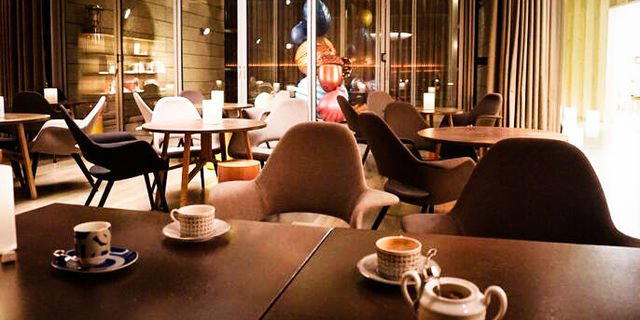
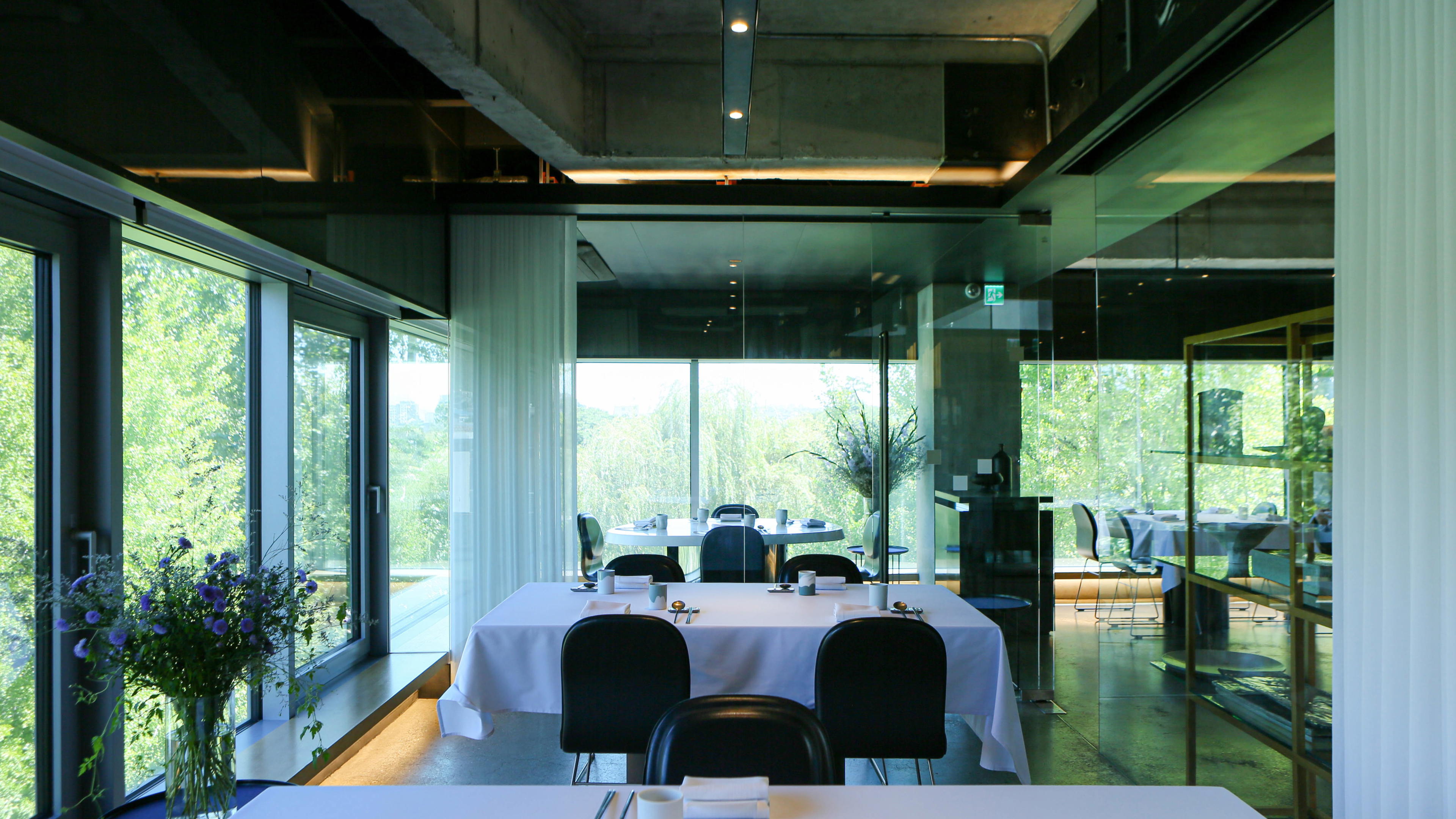
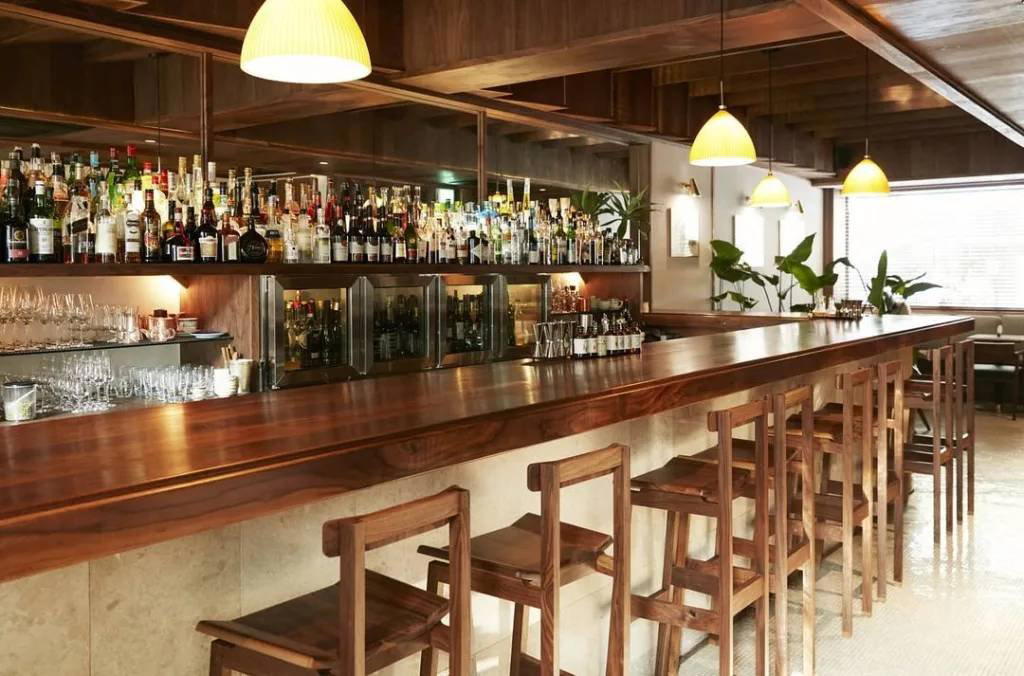
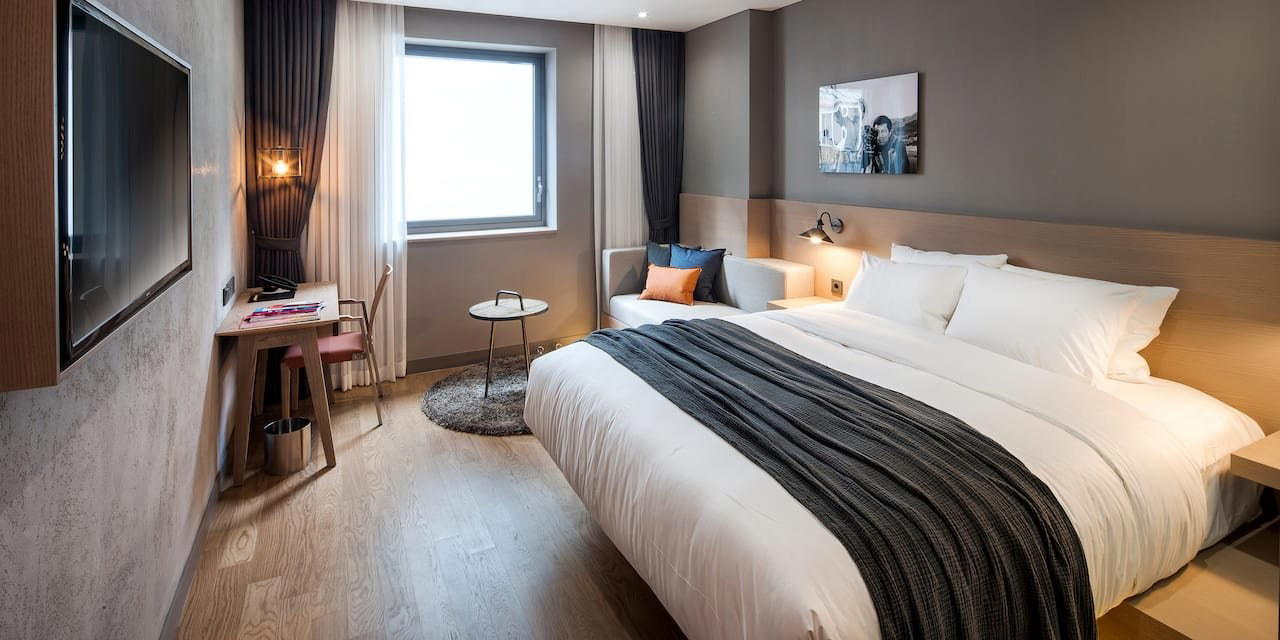
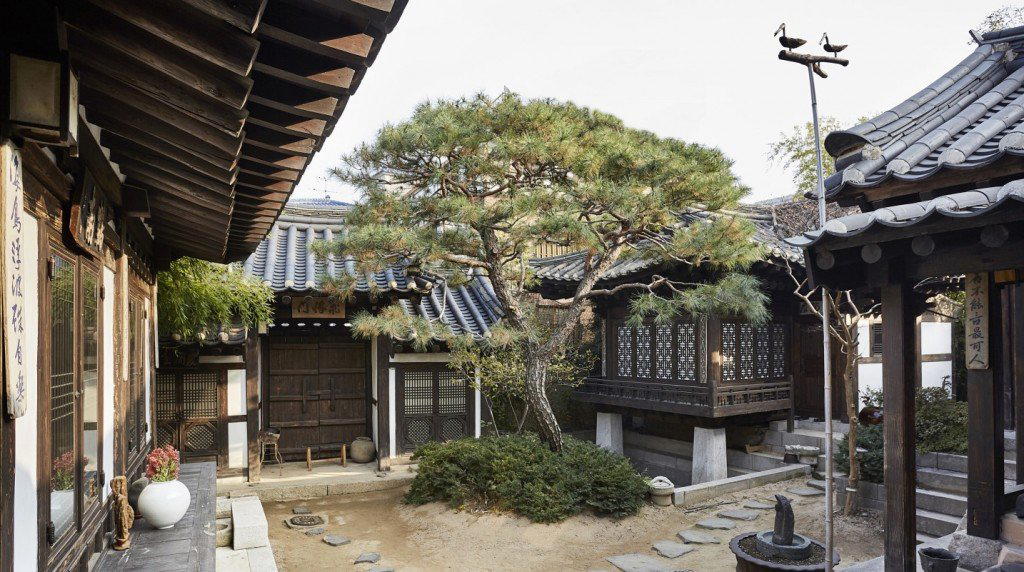
Minimalist yet sophisticated decor with a focus on refined hospitality, private dining rooms, and thoughtful plating that emphasizes clarity and texture.