Cesta


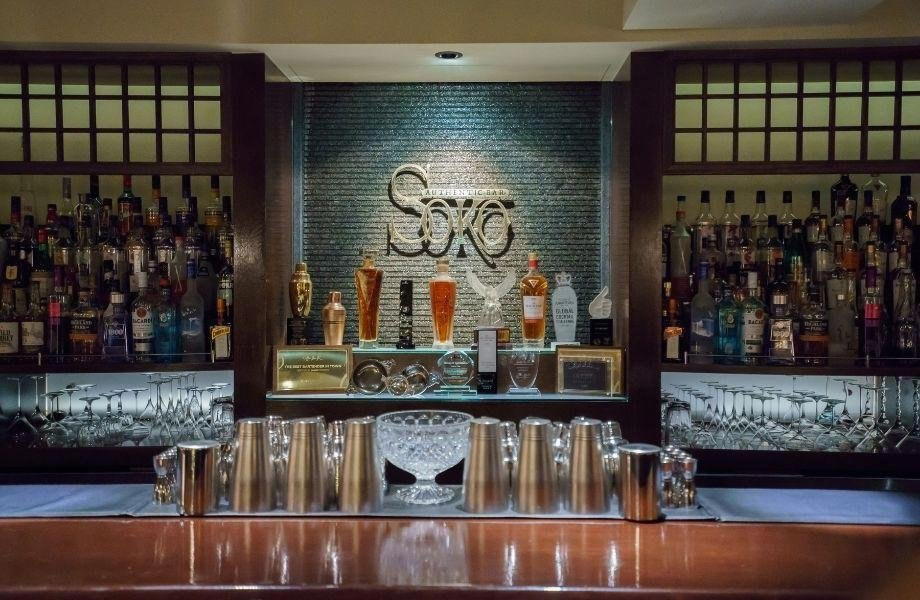
Cesta occupies a quiet address in Hannam-dong, Yongsan District, and has built one of Seoul's most serious wine programs, over 600 labels, earning the Star Wine List number-one ranking in South Korea for 2024. The dining format rewards unhurried attention, positioning Cesta within the upper tier of Seoul's contemporary fine dining scene alongside neighbours like Mingles and Soigné.
Pearl is the En Primeur Club membership app — saves, bookings, and concierge access live there. Same editors, same standards.
- Address
- 68-4 Hannam-dong, Yongsan District, Seoul, South Korea
- Phone
- +82 2-793-9400
- Website
- cestaseoul.com
- Directions
- Get directions
 Saves & bookings on Pearl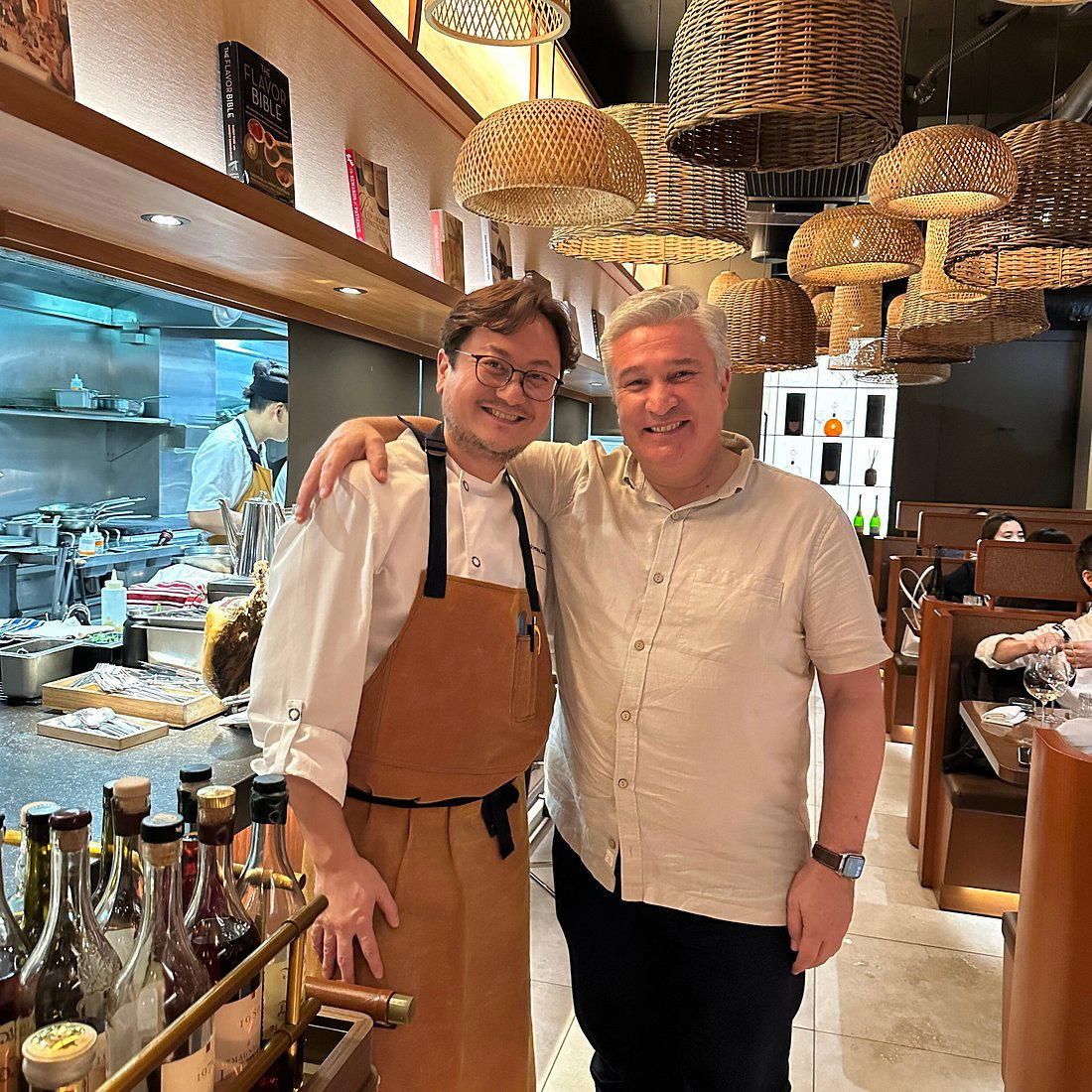
Hannam-dong and the architecture of a wine-led meal
Hannam-dong has become the reference neighbourhood for Seoul's most considered fine dining. Cesta sits at 68-4 Hannam-dong, inside Yongsan District, and the address places it squarely within this cluster.
That restraint is deliberate. Seoul's upper tier of contemporary dining has, over the past decade, moved away from the theatrical gestures of its earlier fine-dining generation and toward formats where the ritual of the meal, how courses arrive, how wine integrates, how the room manages time, carries as much weight as any single dish. Cesta operates in that register. The wine program is not an add-on; it is structural to the experience.
Six hundred bottles and what that number actually means
The Star Wine List ranked Cesta number one in South Korea in 2024. That credential matters because Star Wine List evaluates lists on depth, range, and curation rather than simply volume, a 600-label cellar earns nothing on its own unless the selection is coherent. The award signals that Cesta's list has passed that editorial test.
Six hundred-plus puts Cesta in a different operational tier, closer to the serious wine-programme restaurants of Paris or Copenhagen than to its immediate Seoul peers. For the diner, this means the wine conversation at Cesta is genuinely open, pairing decisions can go in unexpected directions, and a sommelier working with that depth of inventory can respond to a table's preferences rather than defaulting to a short rotation. Restaurants like Jungsik (Contemporary) and Mingles (Korean) have built their reputations on the quality of the plate; Cesta makes the argument that the glass deserves equal consideration.
The ritual logic of dining at Cesta
Wine-led dining has its own customs, distinct from tasting-menu formats where food drives the pacing. At Cesta, the expectation is that the diner engages with the list rather than simply accepting a pairing. This is not unusual in the context of European fine dining, but it represents a specific register within Seoul's scene, one that asks more of the guest while offering more in return. The table is not a passive recipient of a predetermined sequence; it is a participant in the construction of the meal.
That framing has implications for how you arrive. Coming with a clear sense of what you want to drink, a region, a style, a grape, gives the conversation somewhere to go. Coming open-handed works equally well if you signal that to whoever is running the floor. What does not work is treating the wine list as an afterthought. At a restaurant where the cellar has earned a national number-one ranking, the wine is the point.
Soigné (Innovative) and alla prima (Innovative) both operate in formats that reward attentive, unhurried dining. Kwonsooksoo (Korean) and the 권숙수 - Kwon Sook Soo in Gangnam-gu offer a parallel ritual rooted in Korean culinary tradition rather than a wine-forward European frame. Cesta sits in a different position, it is the address in Seoul where the wine program itself is the organising principle.
Seoul's fine dining tier and where Cesta positions itself
Seoul's contemporary fine dining scene has compressed significantly at the leading. The city now runs a dense cluster of restaurants operating at or near international fine-dining standards, with Michelin recognition distributed across Korean, French, and innovative categories. Within that cluster, differentiation increasingly comes from specialisation: the kitchen that has a point of view on fermentation, the room that commits to a Korean classical framework, the chef who trained in a specific European lineage. Cesta's differentiation is the wine program, it has chosen depth of cellar and the culture of serious wine service as its primary credential.
That is a valid and underserved position in Seoul. South Korea's domestic wine market has grown substantially since 2018, driven by tariff reductions and a generational shift in drinking preferences. Restaurant wine lists have followed, but the gap between a competent list and a genuinely serious one remains wide. Cesta sits on the serious side of that gap, and the Star Wine List recognition confirms it against an external benchmark rather than a local one. Cesta's 600-label depth suggests the same orientation.
Beyond Hannam-dong: the broader Seoul picture
Cesta is one address in a city with a dense and rapidly developing dining scene. For visitors building a Seoul itinerary, the full Seoul restaurants guide covers the broader field, including addresses across price tiers and neighbourhoods. The Seoul bars guide is relevant for anyone whose interest in wine extends to the cocktail and spirits programs that have developed in parallel. Hannam-dong specifically rewards an evening that moves between venues, the Seoul hotels guide includes properties within reach of Yongsan District for those who want to stay close.
Beyond Seoul, the wine-forward dining conversation extends across South Korea in ways that are less documented but worth tracking. Mori in Busan operates in a different culinary register but reflects the same national trajectory toward serious food and drink programming. Double T Dining in Gangneung represents the country's developing regional fine dining scene. The Seoul experiences guide and Seoul wineries guide round out the picture for anyone whose interest runs deeper than a single dinner.
Planning your visit
Cesta's address, 68-4 Hannam-dong, Yongsan District, is accessible by subway via Hangangjin station on Line 6, a short walk from the restaurant. Given the seriousness of the wine program and the calibre of the 2024 Star Wine List recognition, booking ahead is the practical approach; restaurants at this tier in Hannam-dong typically operate on reservation rather than walk-in, and the cellar's depth means the floor team can prepare a considered pairing sequence if given advance notice of your preferences. Reservations are recommended.
For diners arriving from elsewhere in Korea, Pool House in Incheon is a logical stop before or after Cesta for those landing at Incheon International. The Baegyangsa Temple in Jangseong-gun and 더 플라잉 호그 - The Flying Hog in Seogwipo offer contrasting regional experiences for those extending their Korea itinerary beyond the capital. Emeril's in New Orleans provides an international reference for the kind of cellar-first dining culture that Cesta represents in its Seoul context.
What It’s Closest To
Comparable venues nearby, for context on price, style, and recognition.
| Venue | Cuisine | Price | Awards | Notes |
|---|---|---|---|---|
| CestaThis venue — the venue you are viewing | Modern Grill with Global Fusion | $$$ | Not listed | Not listed |
| TocToc | Modern French-Asian Fusion | $$$ | Not listed | Noyu-dong |
| 118-5 Banpo-dong | Korean All-You-Can-Eat Buffet | $$$ | Not listed | 반포본동 |
| Chez Nous Private Kitchen | French Cuisine with Korean Elements | $$$ | Michelin Plate | 이태원동 |
| Aelgerizm | Japan-meets-West Modern Fusion | $$$$ | Michelin Plate | 압구정동 |
| 팔선 - Palsun - The Shilla | Authentic Traditional Chinese | $$$$ | Not listed | 광희동 |
Recognition history
Dated appearances from independent guides and award organizations, with the underlying list record or original source where available.
Star Wine List
Star Wine List
Wine Spectator Best of Award of Excellence
Wine Spectator
Star Wine List
Star Wine List
At a Glance
- Elegant
- Modern
- Cozy
- Trendy
- Sophisticated
- Date Night
- Business Dinner
- Group Dining
- Special Occasion
- Open Kitchen
- Terrace
- Private Dining
- Extensive Wine List
Current opening hours
- Monday
- 1–4 PM, 5–11 PM
- Tuesday
- 1–4 PM, 5–11 PM
- Wednesday
- 1–4 PM, 5–11 PM
- Thursday
- 1–4 PM, 5 PM–12 AM
- Friday
- 1–4 PM, 5 PM–12 AM
- Saturday
- 1–4 PM, 5 PM–12 AM
- Sunday
- 1–4 PM, 5–10 PM
Hours can change for holidays and private events. Last verified .
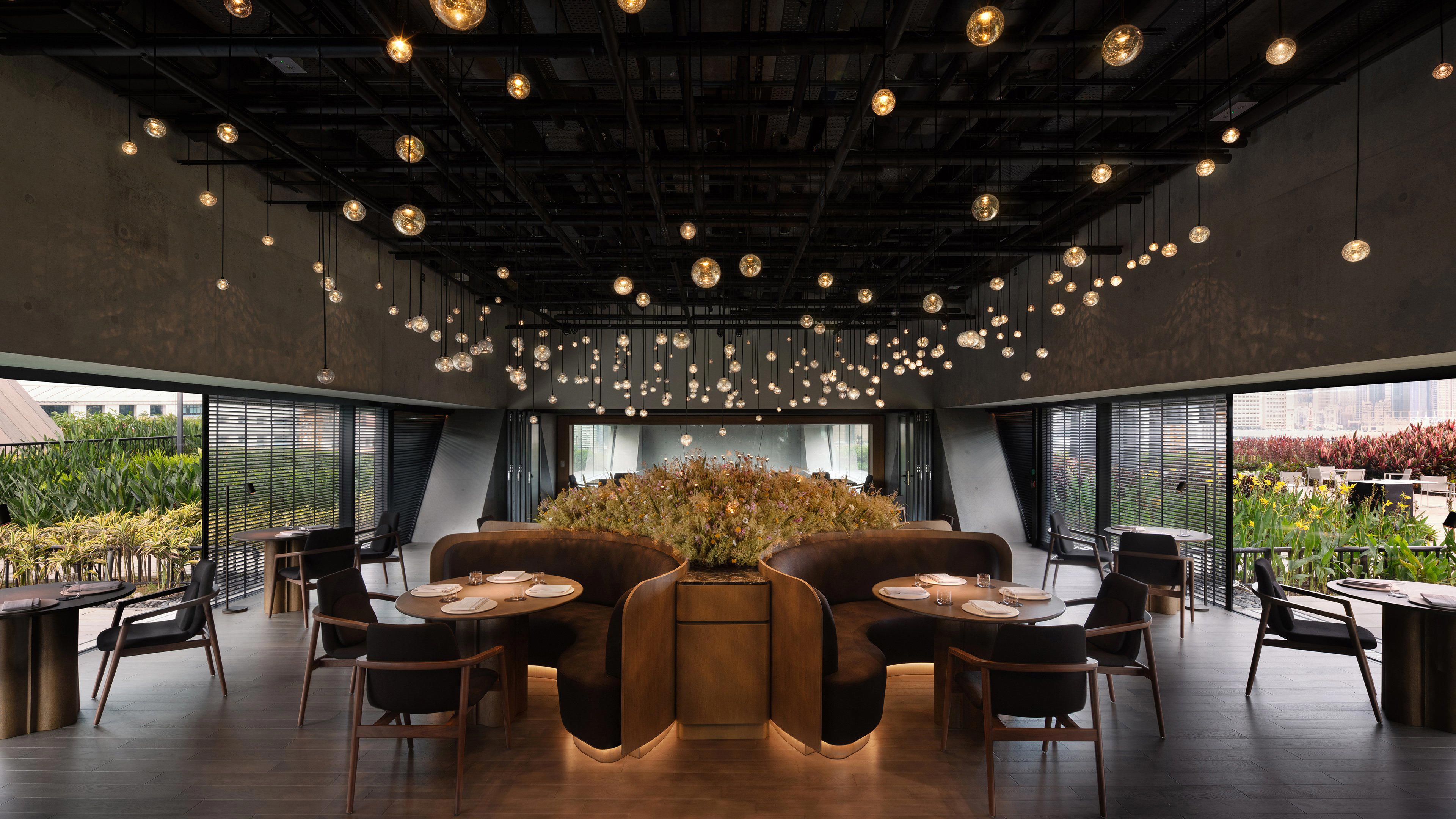
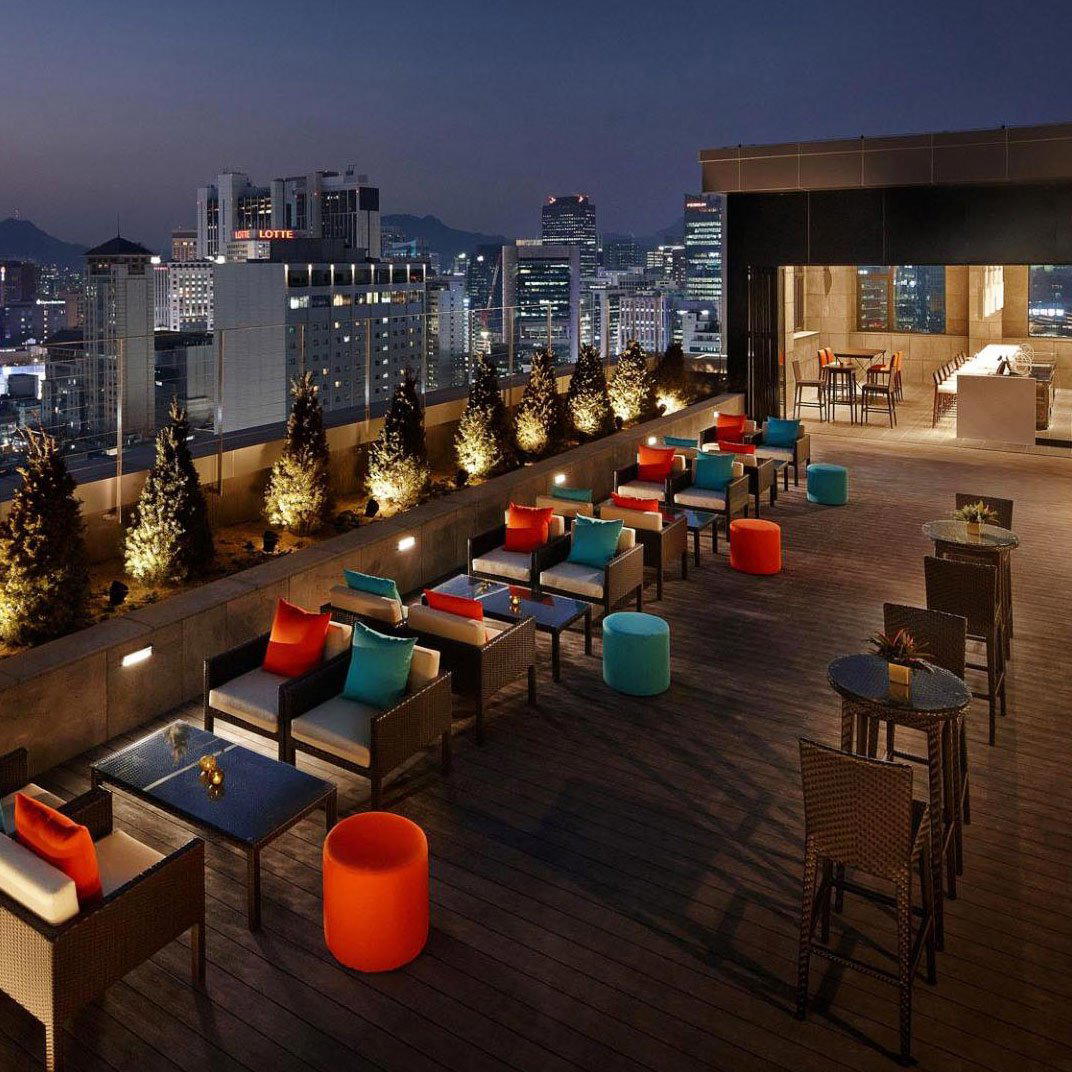
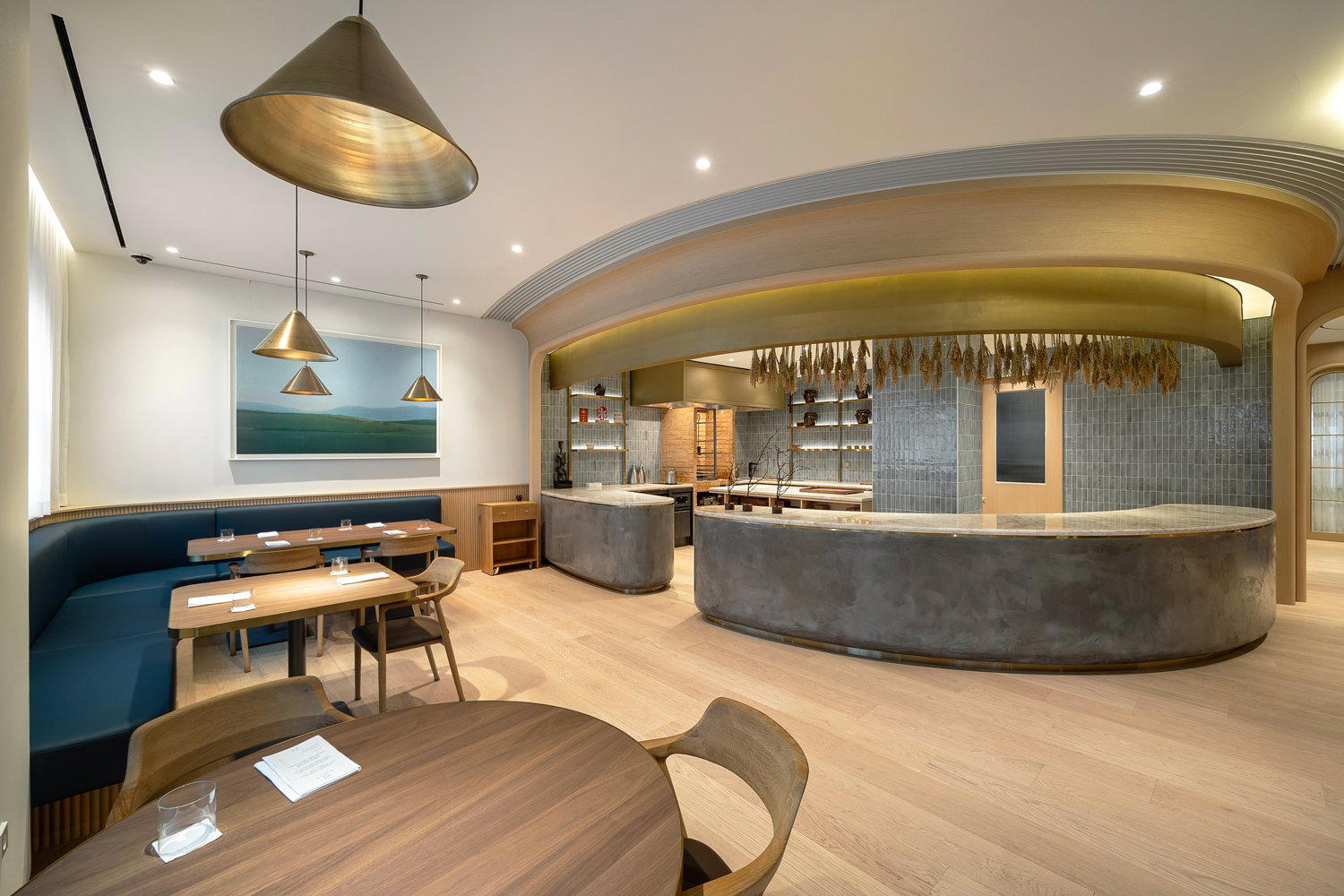
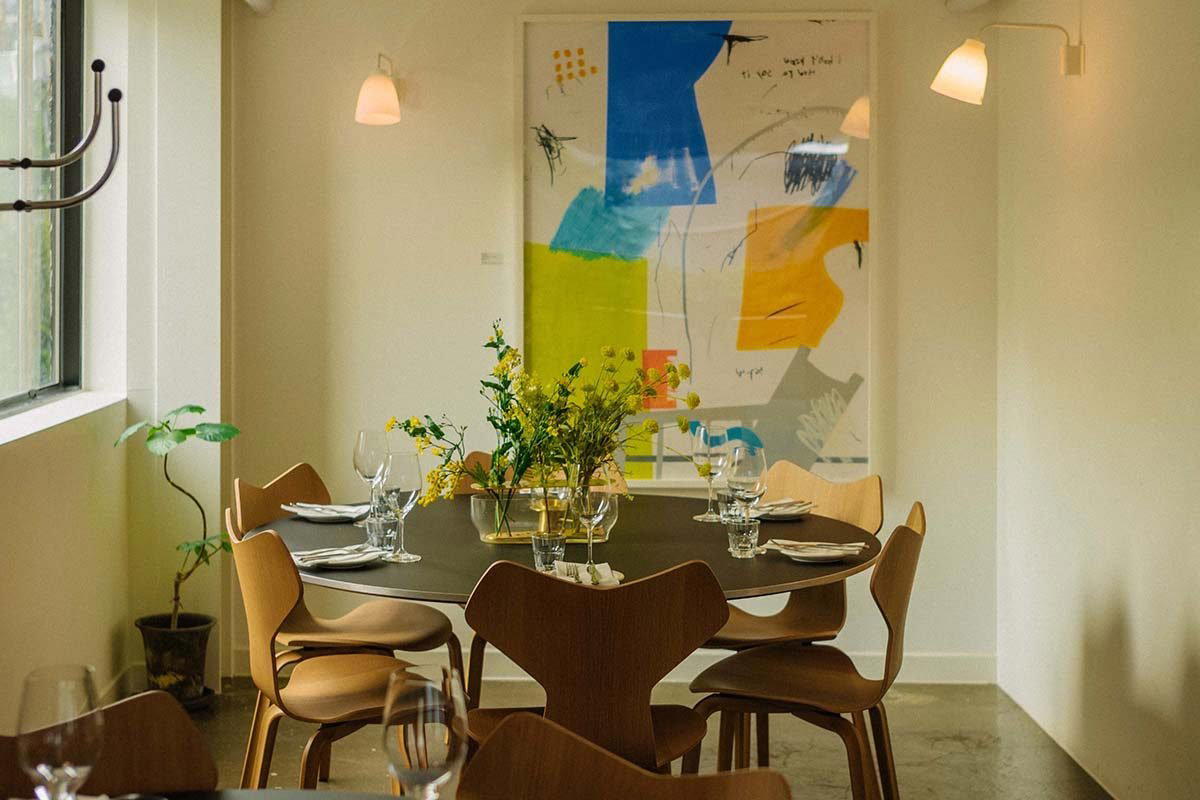
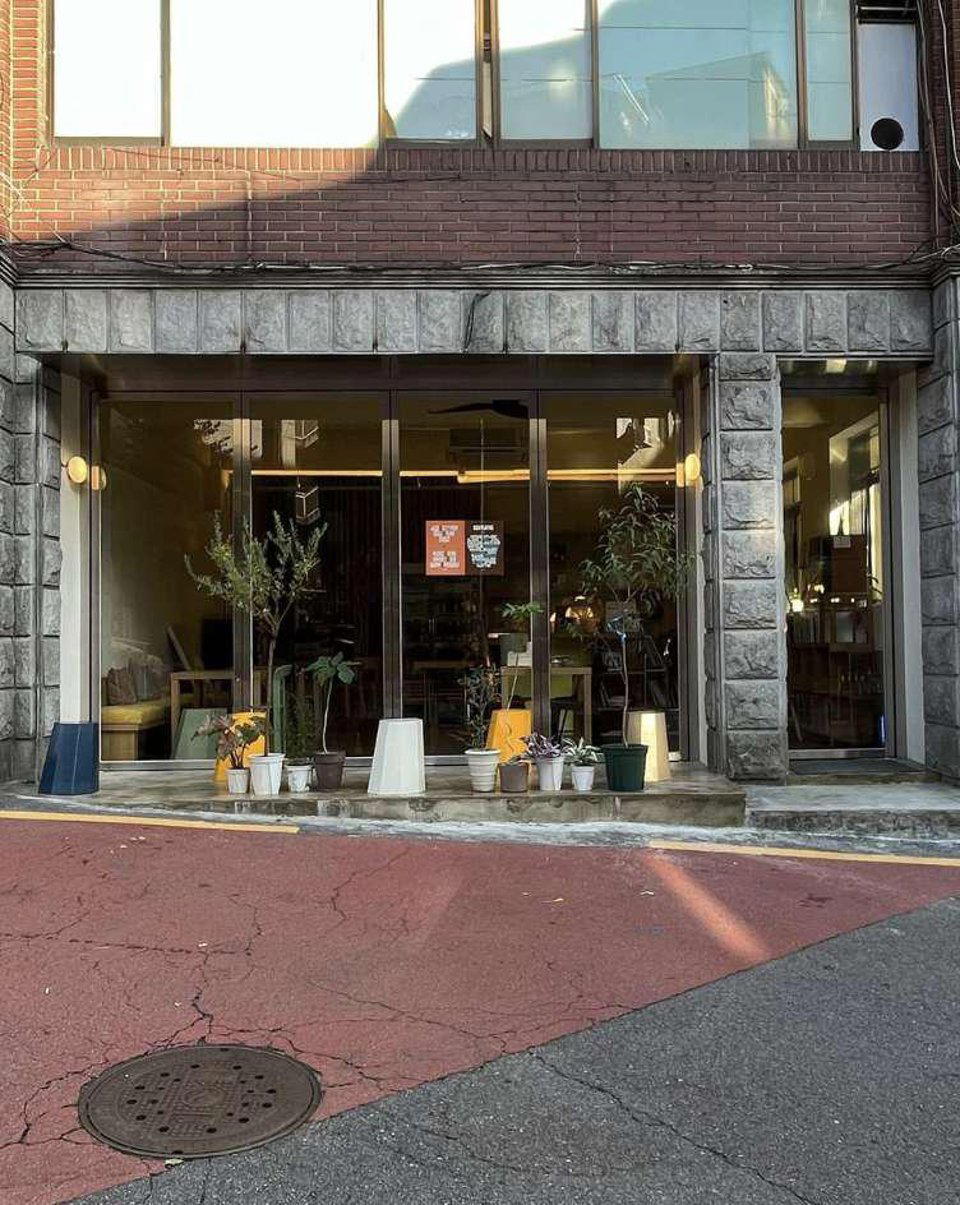
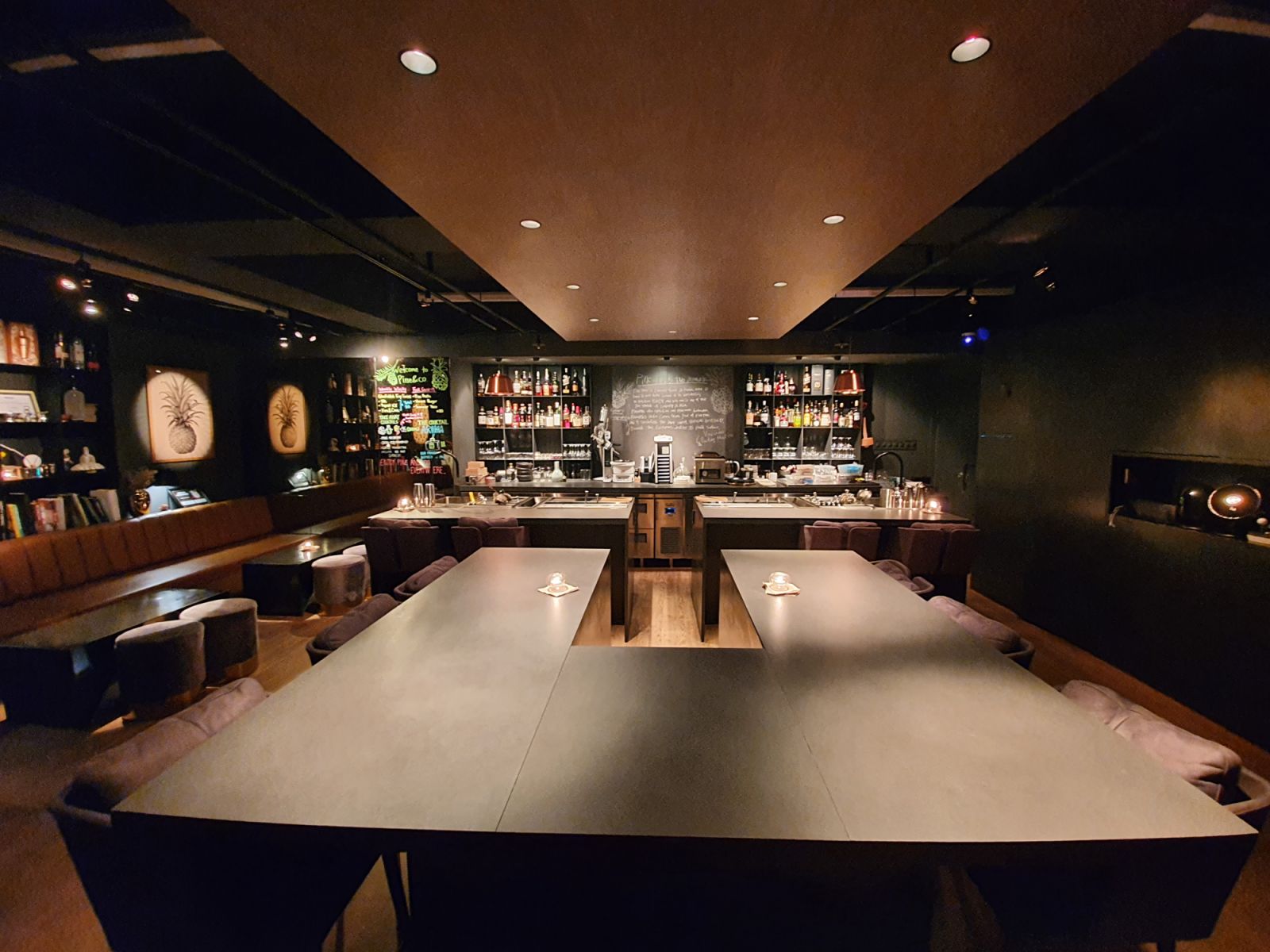
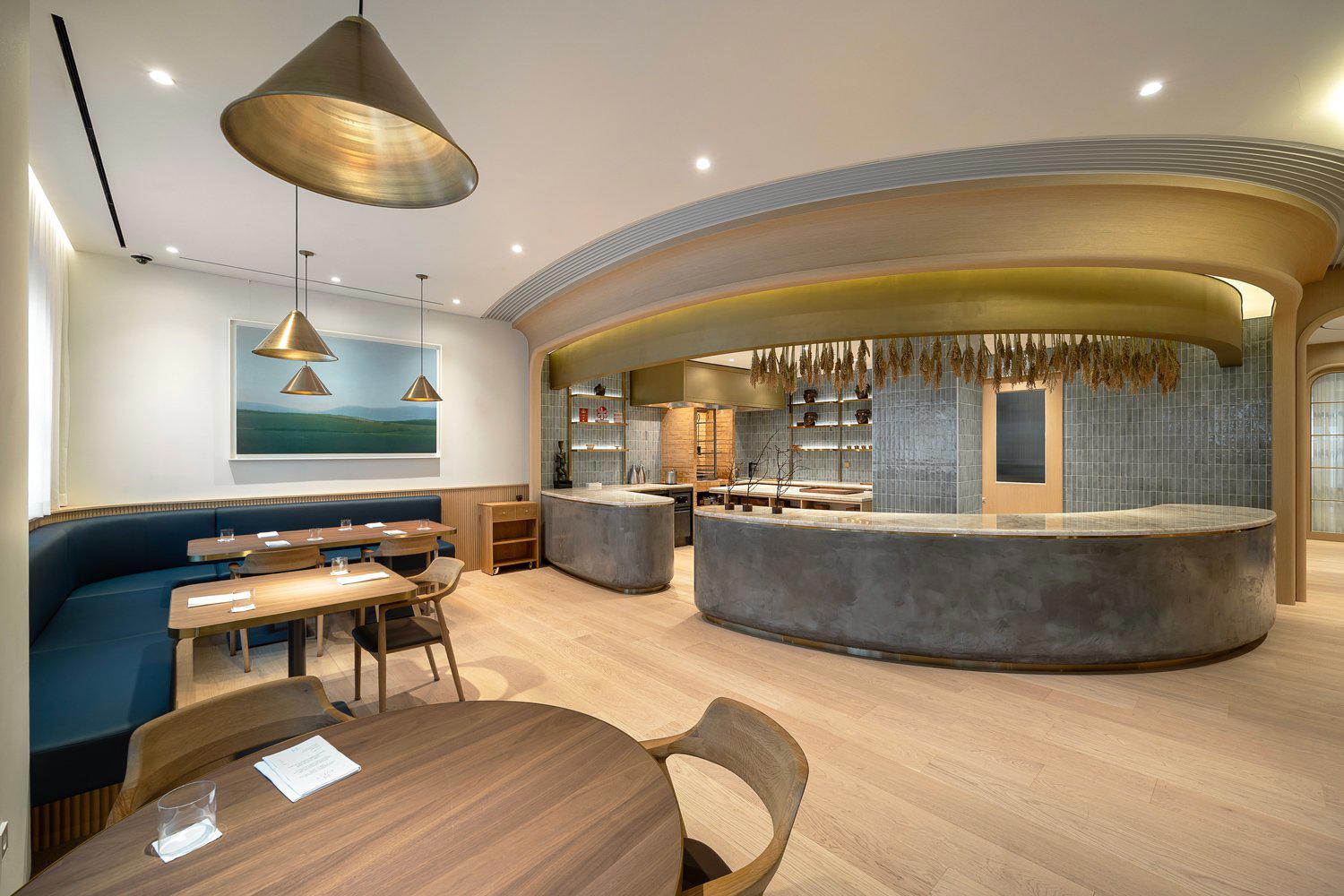
Cozy and energetic with open kitchen views, rattan basket lighting, and a beautiful outdoor terrace featuring a fireplace.