Google: 4.6 · 1,037 reviews
Il Borro

Il Borro is a medieval Tuscan hamlet and Ferragamo family-owned estate spanning 2,700 organic acres in the Valdarno, where wine production, agrarian tradition, and Italian Tuscan cooking under Chef Andrea Campani converge in a single address. Holding a 4.6 Google rating across more than 1,000 reviews, it sits within a Relais & Châteaux portfolio that signals a specific tier of rural Italian hospitality — intimate in scale, rooted in place, and structured around the land it occupies.
 Discover on Pearl
Pearl is the En Primeur Club membership app — saves, bookings, and concierge access live there. Same editors, same standards.
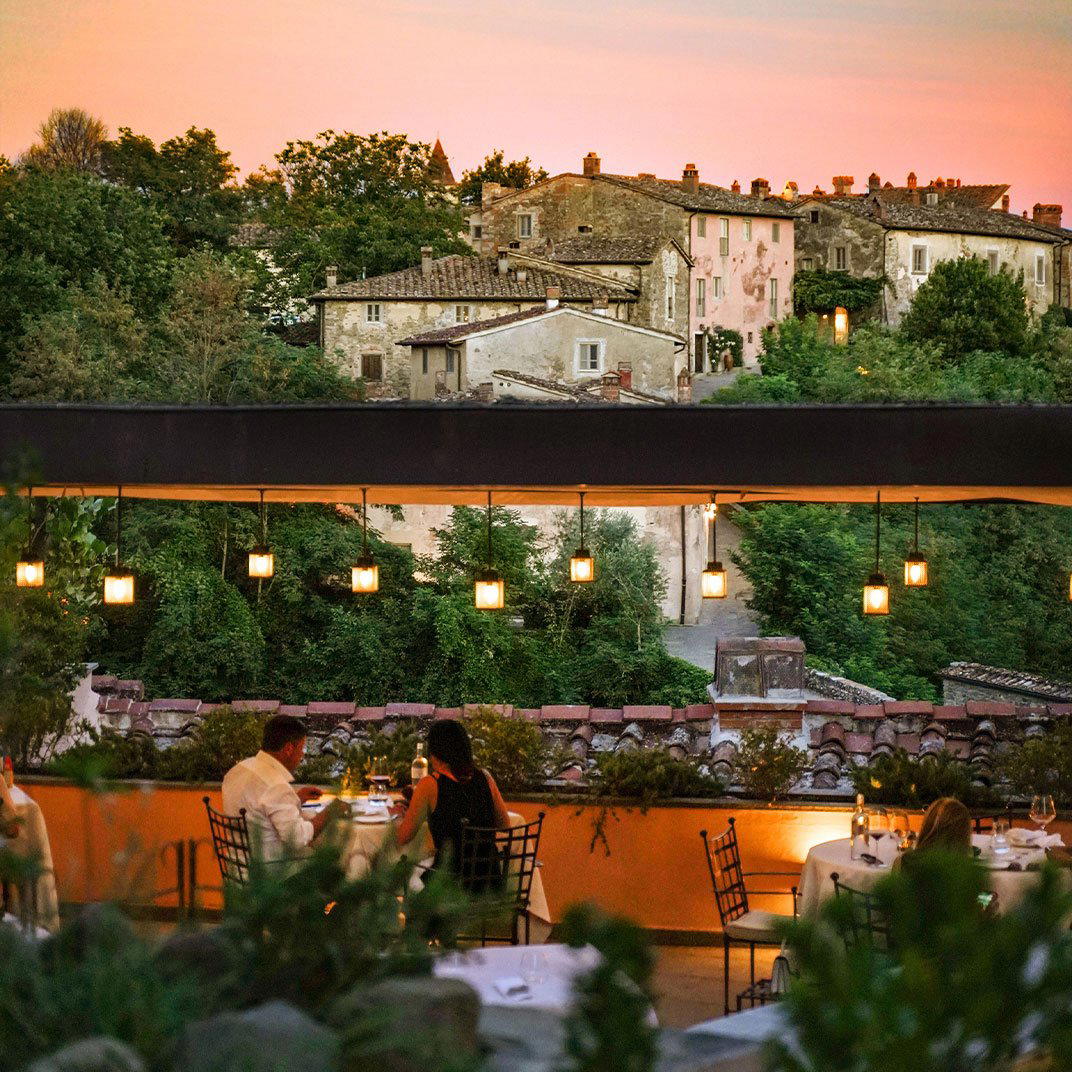
A Hamlet Before It Was a Hotel
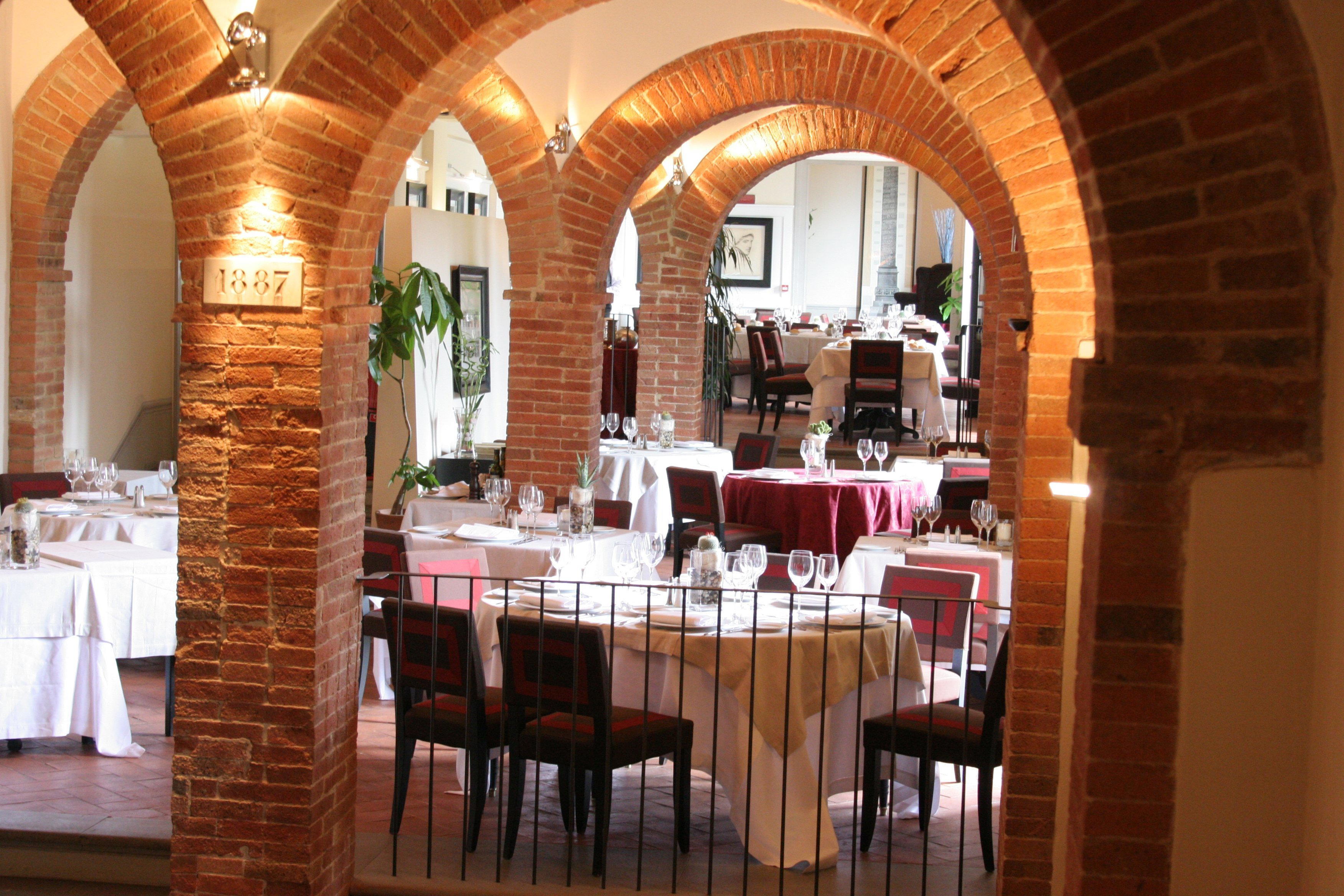
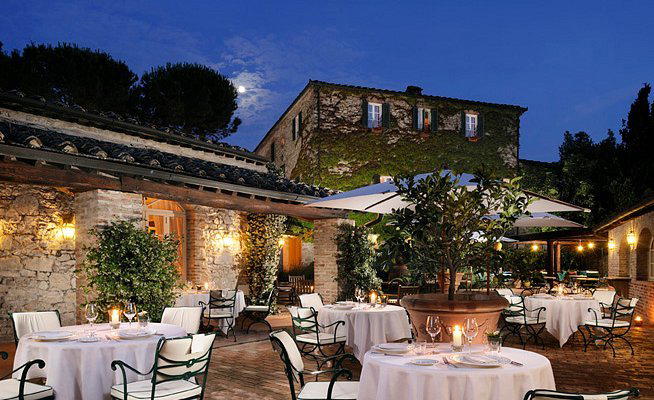
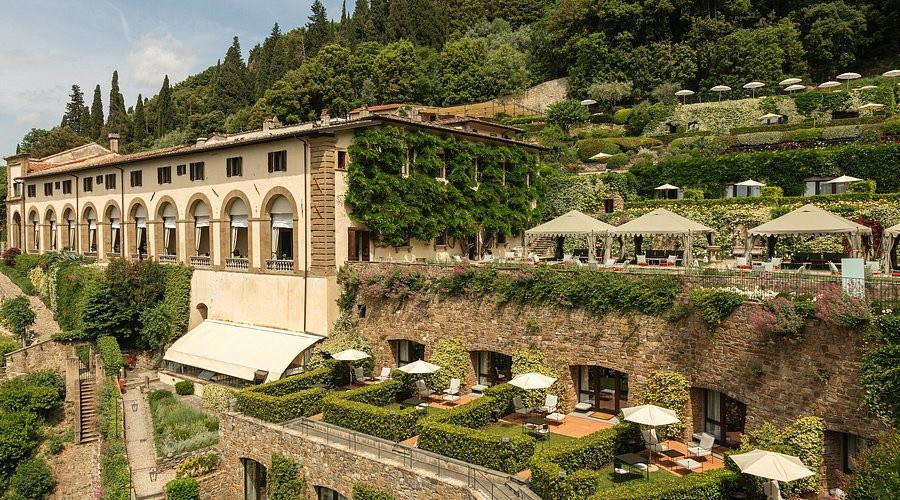
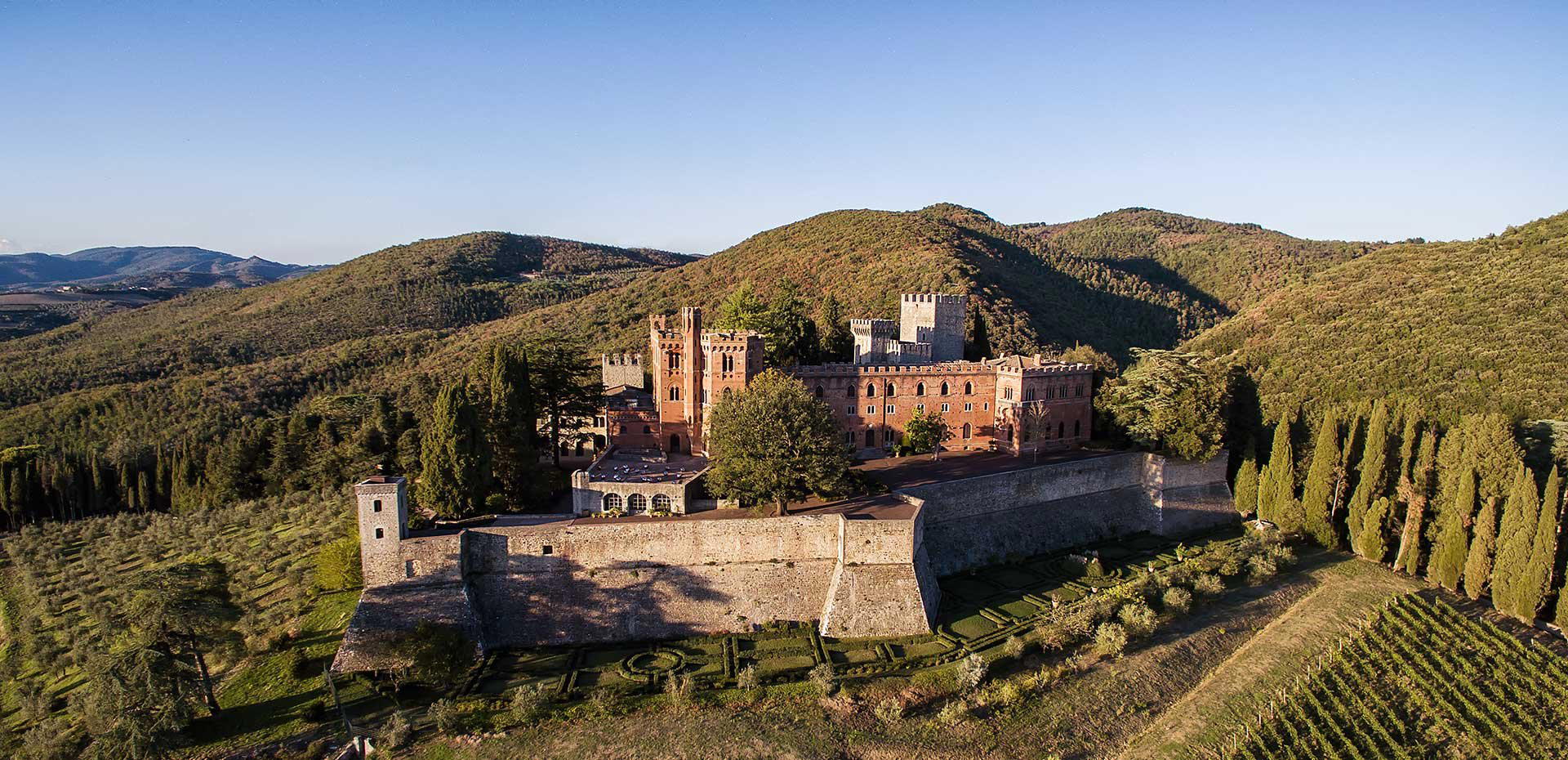
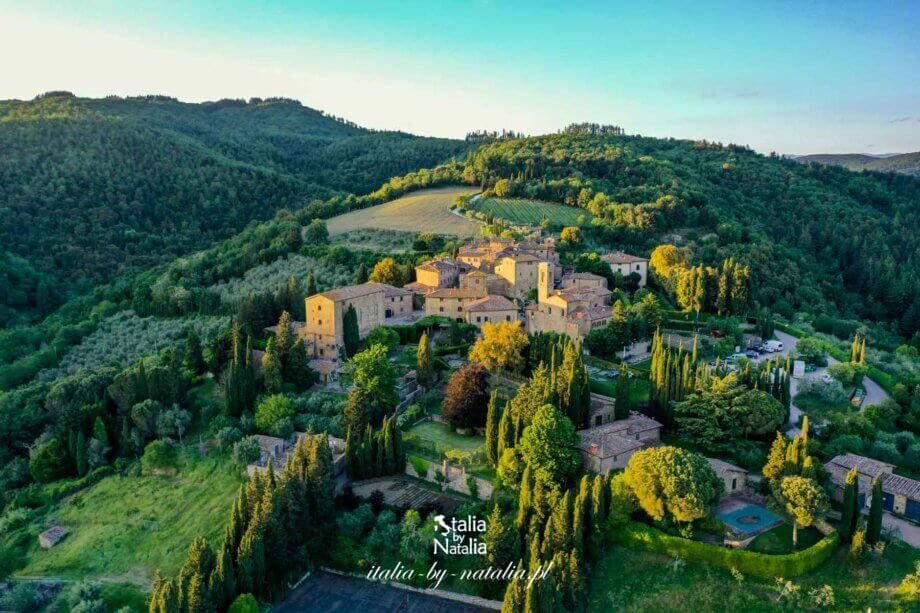
Approaching from the Valdarno plain, Il Borro reads less like a hospitality property and more like a village that simply declined to become a ruin. The medieval hamlet at Via dell'Oreno, 1 is intact in the way that few Italian estates manage: stone towers, porticoes, a church, and a central piazza that predates any modern notion of boutique accommodation by several centuries. The Ferragamo family acquired and restored it not as a blank canvas but as a working community, and that distinction shapes the entire experience of being there. You are a guest in something that was already a place.
This matters in the context of how Tuscany has divided its rural hospitality offer over the past two decades. On one side sit the converted farmhouses and villa-hotels that have re-skinned agricultural buildings into luxury retreats. On the other, a much smaller category of estate-as-village properties where the architecture, the land, and the food production exist in genuine relation to one another. Il Borro belongs to the latter, and its Relais & Châteaux membership places it inside a curated network of properties that prize exactly this kind of territorial rootedness over branded uniformity. For a comparison of the broader accommodation options in the area, see our full San Giustino Valdarno hotels guide.
The Valdarno Table: Where Tuscan Cooking Has Always Been Most Itself
Tuscan cooking resists the kind of creative reinvention that defines the northern Italian restaurant canon. At the Michelin three-star tier, kitchens like Atelier Moessmer Norbert Niederkofler in Brunico, Dal Pescatore in Runate, and Le Calandre in Rubano operate with progressive frameworks where the cuisine itself is in constant formal motion. Tuscan cooking, particularly in the Valdarno and Arezzo provinces, has historically asked a different question: not what can be invented, but what has been refined over generations and what the specific land underfoot produces in a given season.
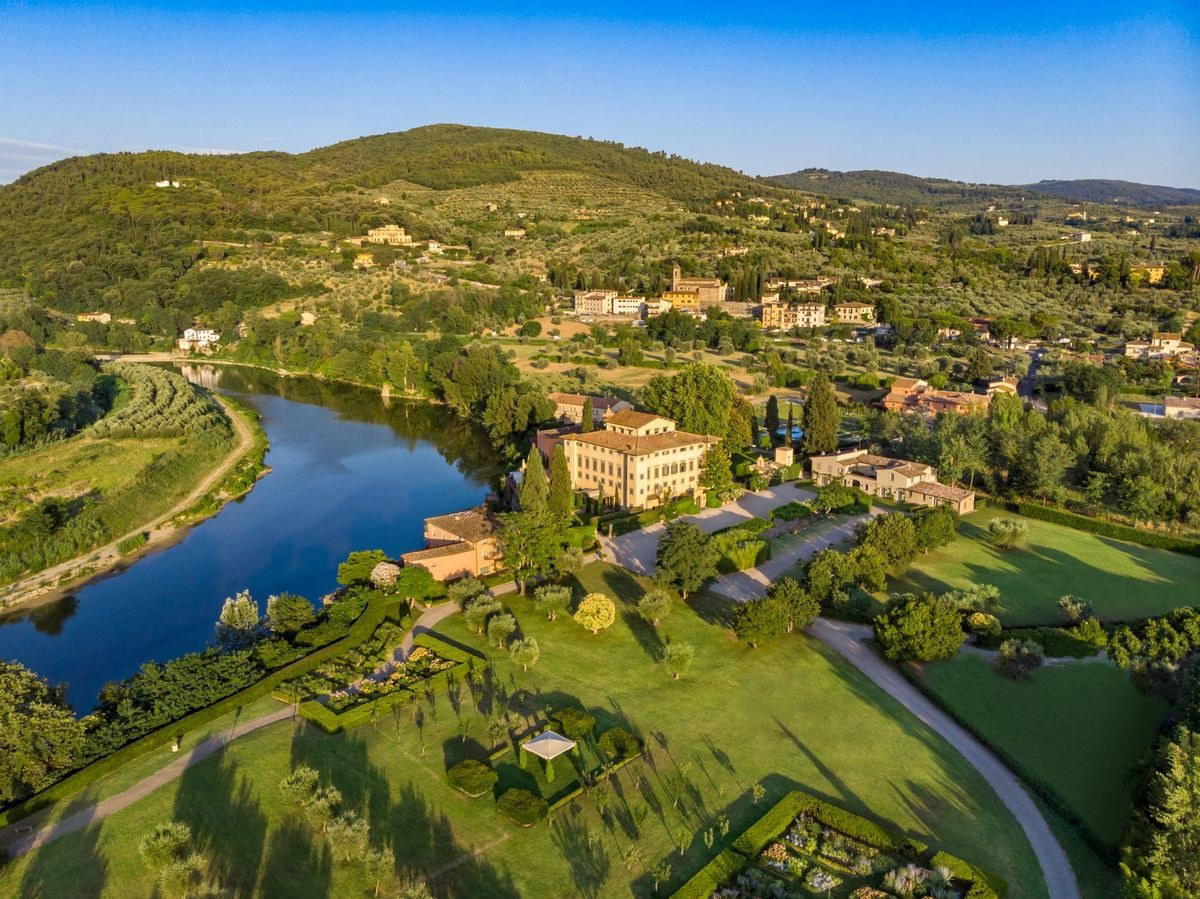
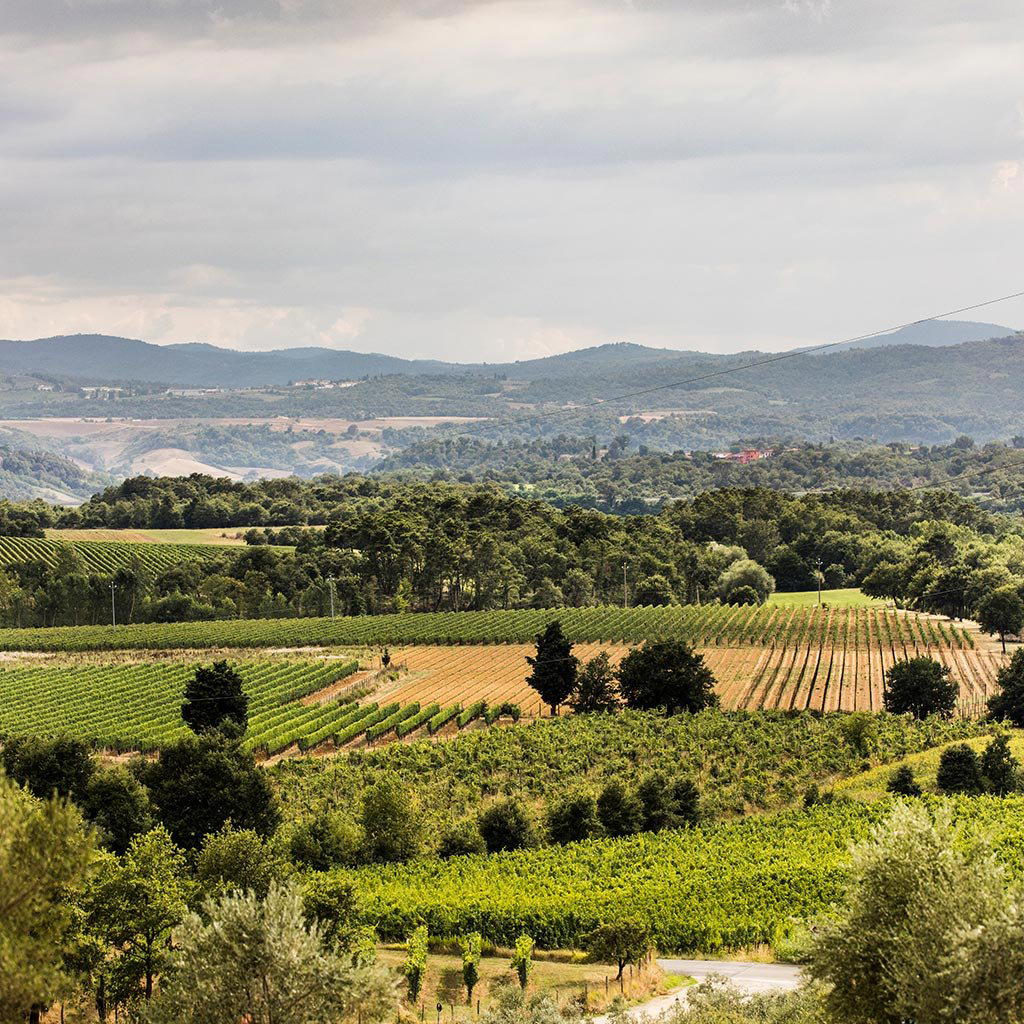
That regional identity is expressed at Il Borro through a 2,700-acre certified organic estate that supplies the kitchen with olive oil, wine, vegetables, and livestock. The estate-to-table relationship here is not a marketing premise but a structural one: the agricultural calendar and the menu exist in direct conversation. Chef Andrea Campani works within that framework, and Italian Tuscan cooking at this address means something more specific than a regional cuisine label — it means the produce is sourced from the property you are standing on.
For a sense of how this kind of estate cuisine sits within the wider Tuscan restaurant conversation, Osteria del Borro offers a more casual point of entry into the same estate's culinary identity. Further afield, Alle Logge di Piazza in Siena and Campo Del Drago at Rosewood Castiglion del Bosco represent the broader direction that high-end Tuscan cooking is taking across the region. For context on Italy's most formally ambitious kitchens, Enoteca Pinchiorri in Florence, Osteria Francescana in Modena, and Enrico Bartolini in Milan illustrate the ceiling of the national fine dining tier, against which Il Borro's approach reads as deliberately agrarian rather than competitive in that formal sense.
Wine, Land, and the Logic of an Organic Estate
Italy's estate-wine model has long carried an authority that single-vineyard purchases from négociants cannot replicate. Il Borro produces its own wines from the property's vineyards, and the presence of wine production at the same address as the kitchen creates a coherence that extends into how a meal here is structured. Guests drinking estate wine with estate-sourced food are not accessing a pairing so much as consuming a single agricultural argument from two angles.
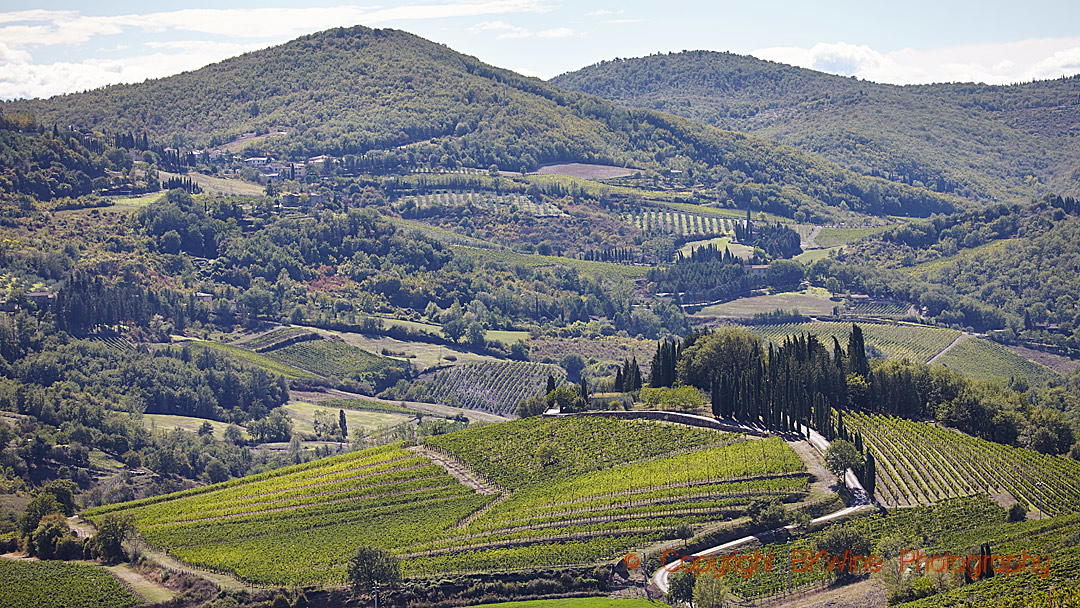
The Valdarno is not one of Tuscany's branded wine appellations in the way that Brunello di Montalcino or Chianti Classico command international recognition, but that relative anonymity has allowed estates in this corridor to work with less appellation pressure and more varietal freedom. For those interested in the broader context of Tuscany's wine geography, our full San Giustino Valdarno wineries guide maps the local producers worth tracking.
The Guest Experience: What the Scale of This Place Means in Practice
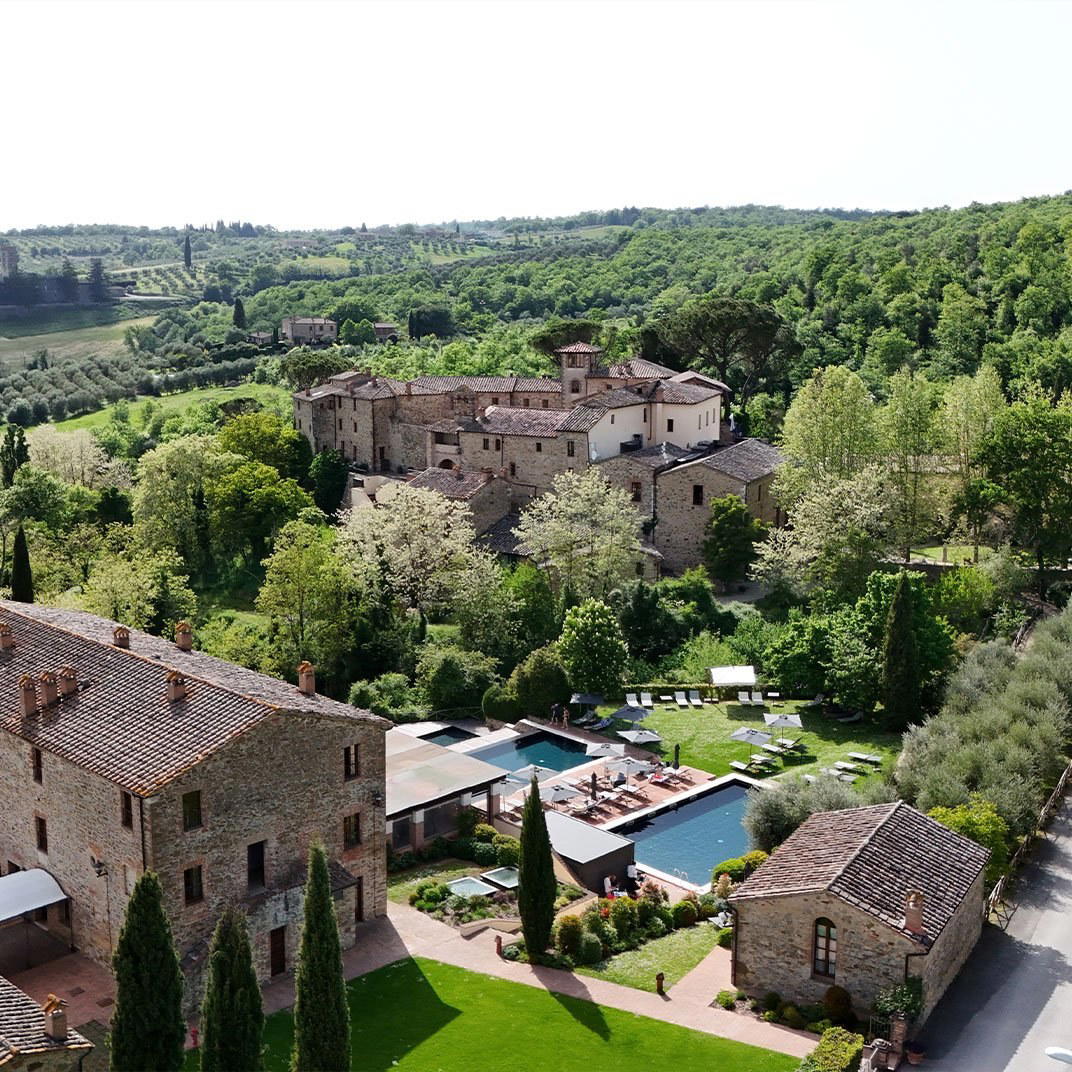
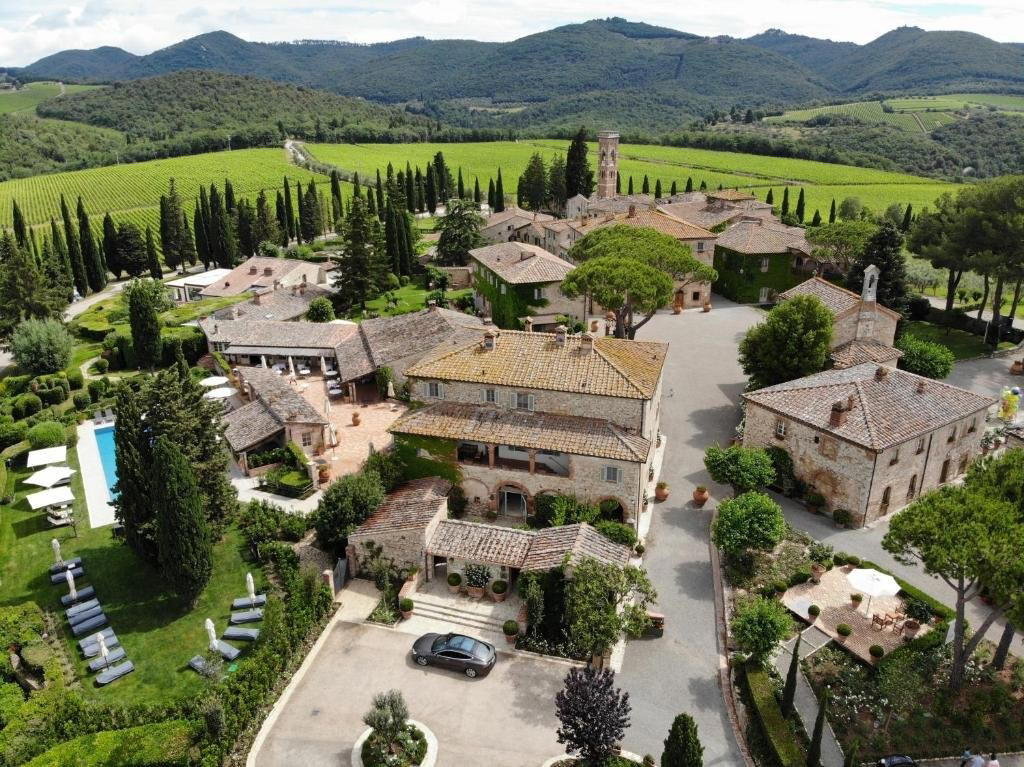
At 2,700 acres, Il Borro is large enough to absorb its guests entirely. The hamlet format means that eating, sleeping, walking, and drinking happen within the same medieval perimeter, which produces a specific psychological effect: the outside world becomes genuinely remote, not as a resort-marketing conceit but as a function of geography and architecture. A Google rating of 4.6 from more than 1,000 reviews at a property of this specificity is a reasonable signal that the experience lands consistently, particularly for guests who understand what this category of rural Italian hospitality delivers and what it does not attempt.
San Giustino Valdarno sits in the Arezzo province, between Florence and Arezzo on the eastern edge of the Valdarno valley. The property is accessible by car from both cities, and the surrounding area rewards extension into the wider Valdarno and eastern Tuscany before or after a stay. For planning beyond the estate itself, our full San Giustino Valdarno restaurants guide, bars guide, and experiences guide cover the local options. Contact for the property runs through the Relais & Châteaux reservation network, with direct enquiries via ilborro@relaischateaux.com or +39 055 977 053, and further information at ilborro.it.
Guests considering properties at a comparable positioning elsewhere in Italy — where land, cuisine, and a strong architectural identity converge , might also look at Piazza Duomo in Alba, Uliassi in Senigallia, Quattro Passi in Marina del Cantone, and Reale in Castel di Sangro as reference points for how Italy's most serious destination restaurants and estates are distributing themselves across the peninsula rather than concentrating in its major cities.
Side-by-Side Snapshot
A fast peer set for context, pulled from similar venues in our database.
| Venue | Cuisine | Price | Awards | Notes |
|---|---|---|---|---|
| Il Borro | Italian Tuscan | HIGHLIGHTS: • MEDIEVAL TUSCAN HAMLET • FERRAGAMO FAMILY-OWNED • 2700-ACRE ORGANI… | This venue | |
| Atelier Moessmer Norbert Niederkofler | Italian, Creative | €€€€ | Michelin 3 Star | Italian, Creative, €€€€ |
| Dal Pescatore | Italian, Italian Contemporary | €€€€ | Michelin 3 Star | Italian, Italian Contemporary, €€€€ |
| Enoteca Pinchiorri | Italian - French, Italian Contemporary | €€€€ | Michelin 3 Star | Italian - French, Italian Contemporary, €€€€ |
| Enrico Bartolini | Creative | €€€€ | Michelin 3 Star | Creative, €€€€ |
| Osteria Francescana | Progressive Italian, Creative | €€€€ | Michelin 3 Star | Progressive Italian, Creative, €€€€ |
Continue exploring
More in San Giustino Valdarno
More from Chef Andrea Campani
Browse all →

Restaurants in San Giustino Valdarno
Browse all →
Bars in San Giustino Valdarno
Browse all →
Hotels in San Giustino Valdarno
Browse all →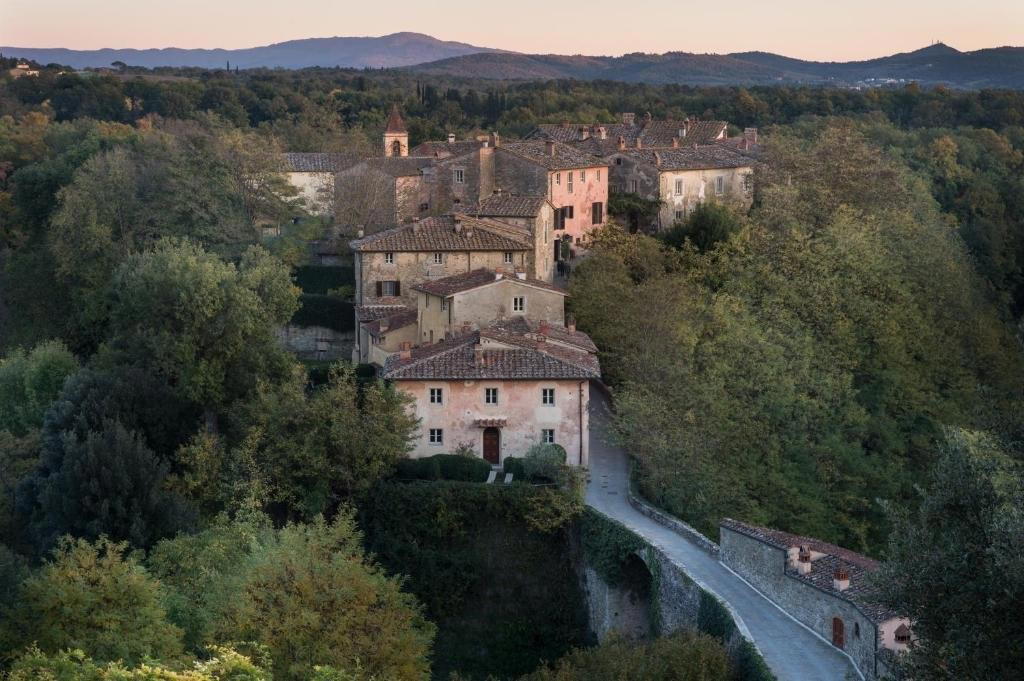
At a Glance
- Elegant
- Rustic
- Scenic
- Sophisticated
- Special Occasion
- Date Night
- Celebration
- Historic Building
- Wine Cellar
- Hotel Restaurant
- Terrace
- Extensive Wine List
- Sommelier Led
- Farm To Table
- Organic
- Local Sourcing
- Vineyard
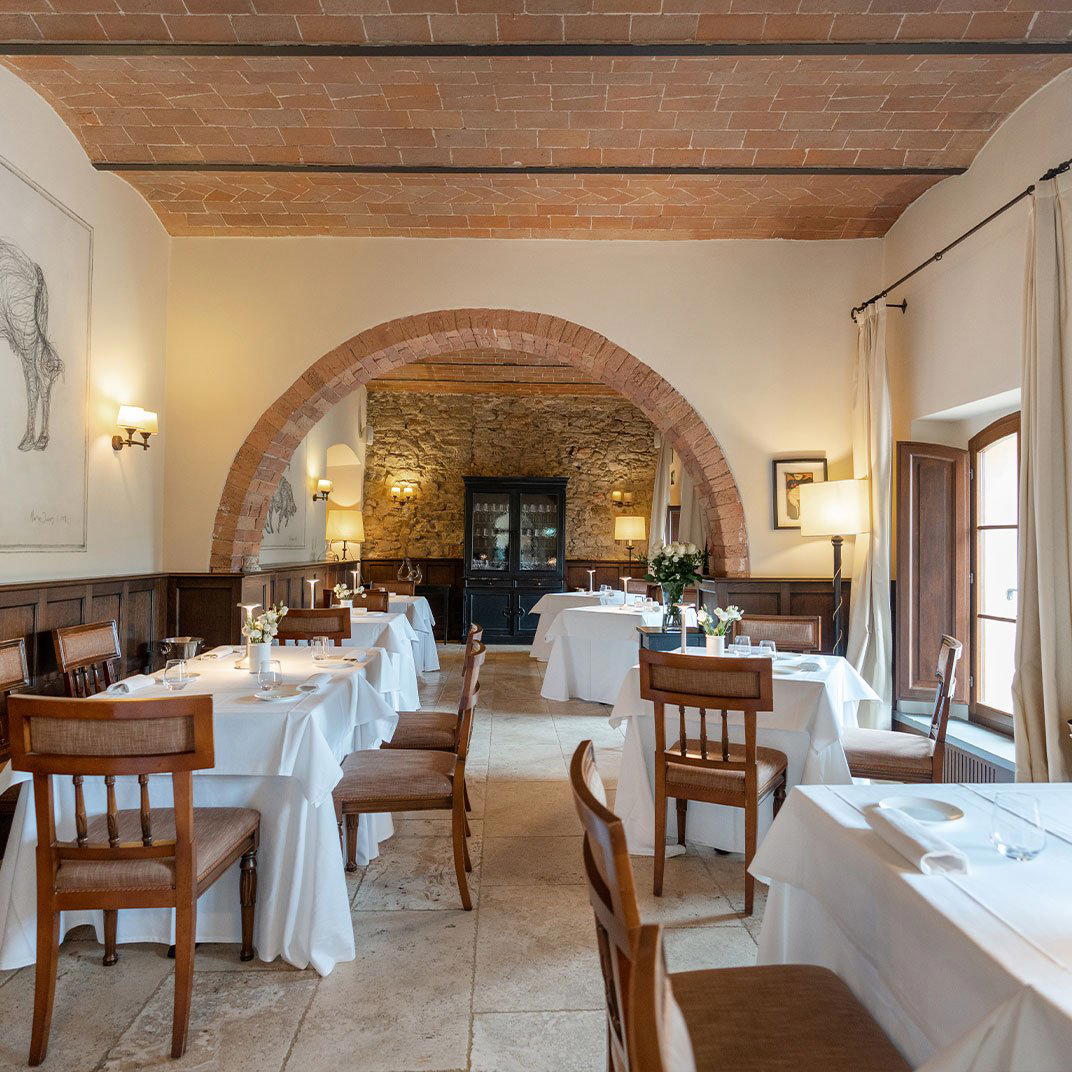
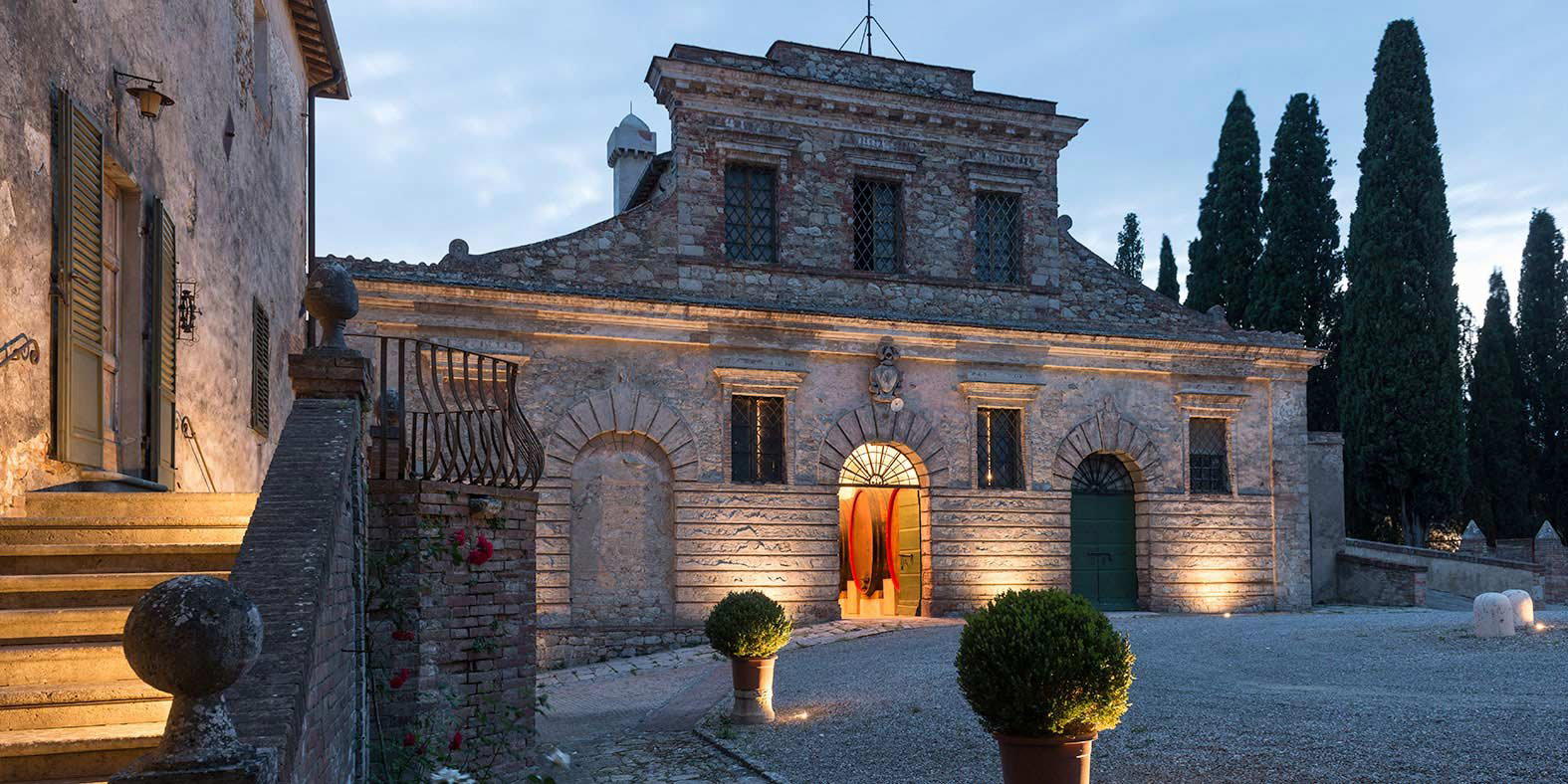
Elegant and refined with Tuscan rustic charm, scenic vineyard and countryside views, warm lighting, and an inviting historic atmosphere.