Osteria del Borro


Michelin Plate · Relais Chateaux Award
Our verdict
Set within a thousand-hectare estate in Valdarno, Osteria del Borro earns its Michelin Plate recognition through creative cooking grounded in produce from the estate's own garden. Chef Andrea Campani presents three tasting menus that shift with the seasons, served either on a terrace overlooking Tuscan countryside or in a warmly lit room with an open kitchen.

Pearl is the En Primeur Club membership app — saves, bookings, and concierge access live there. Same editors, same standards.
- Address
- Frazione Borro, 52, San Giustino Valdarno AR, Italy
- Phone
- +39 055 977 2333
- Hours
- Daily 7:15–10 PM
- Website
- osteriadelborro.it
- Directions
- Get directions
- Booking
- Book on the venue's website
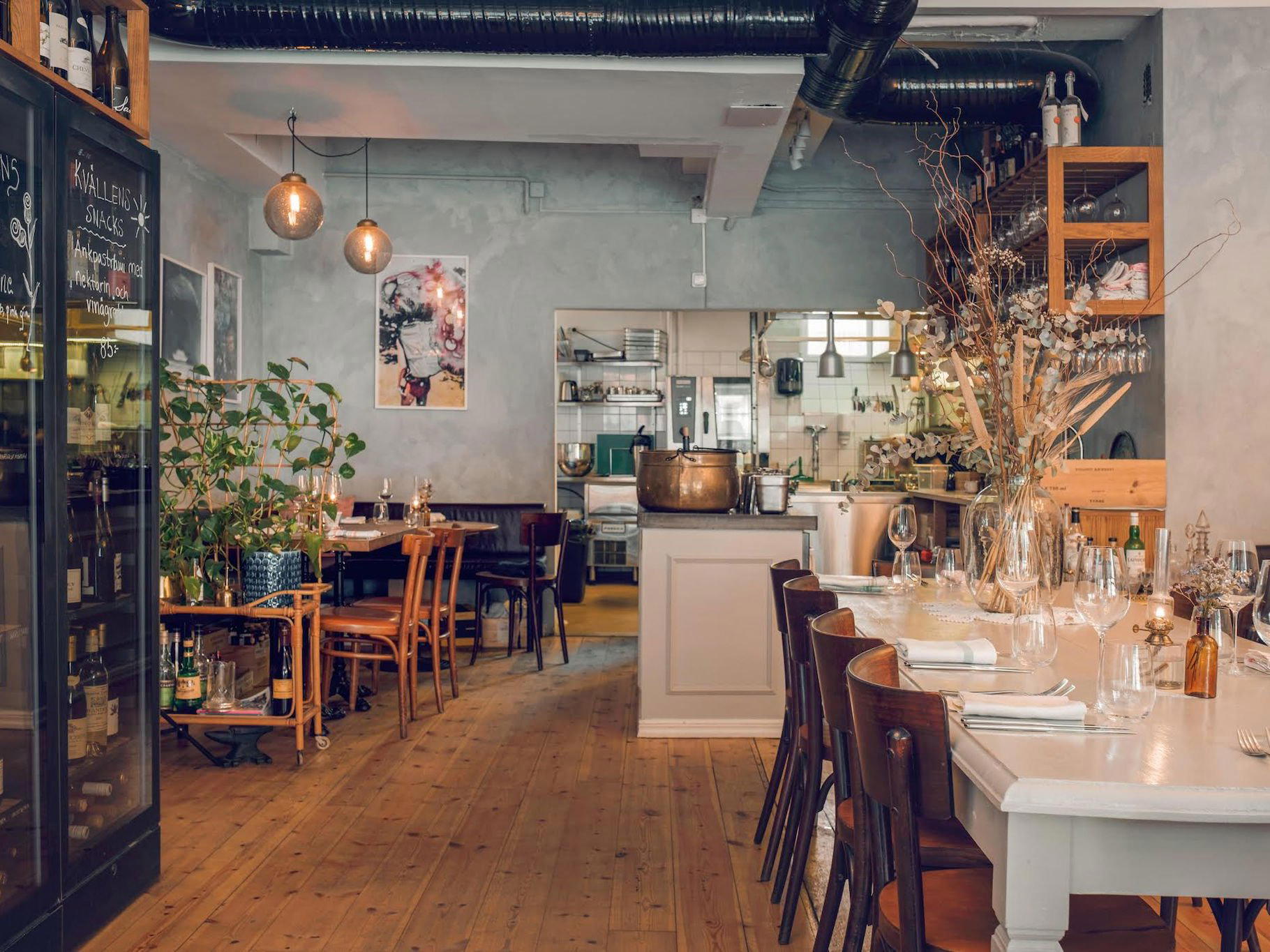
An Estate Kitchen in Valdarno
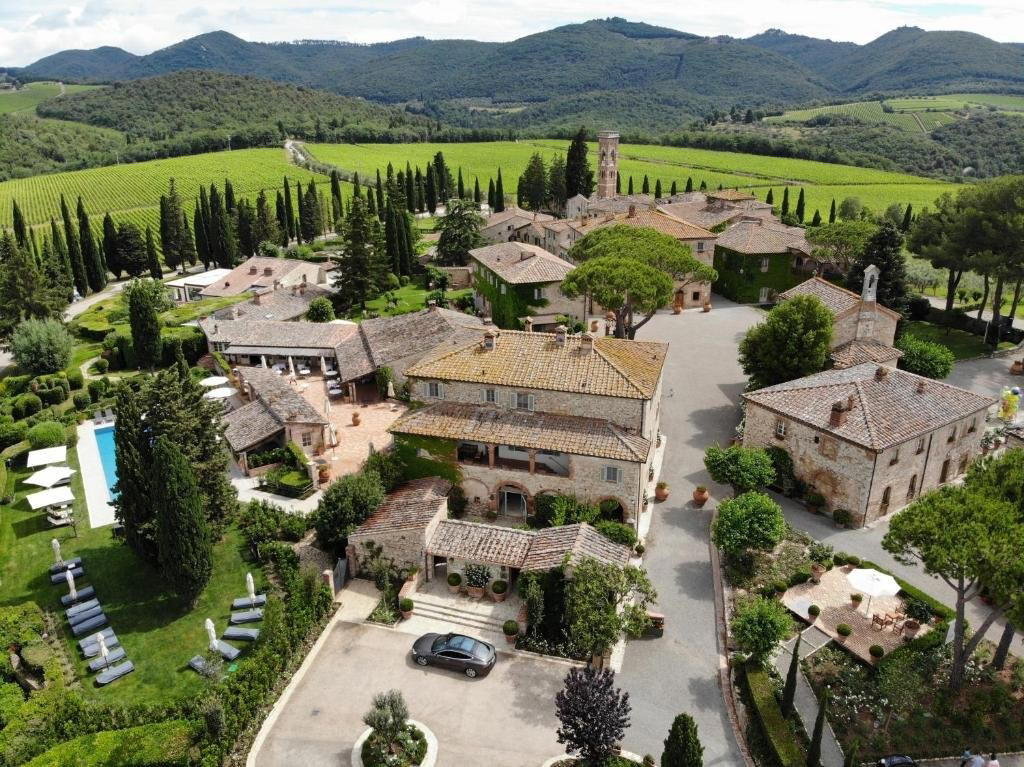
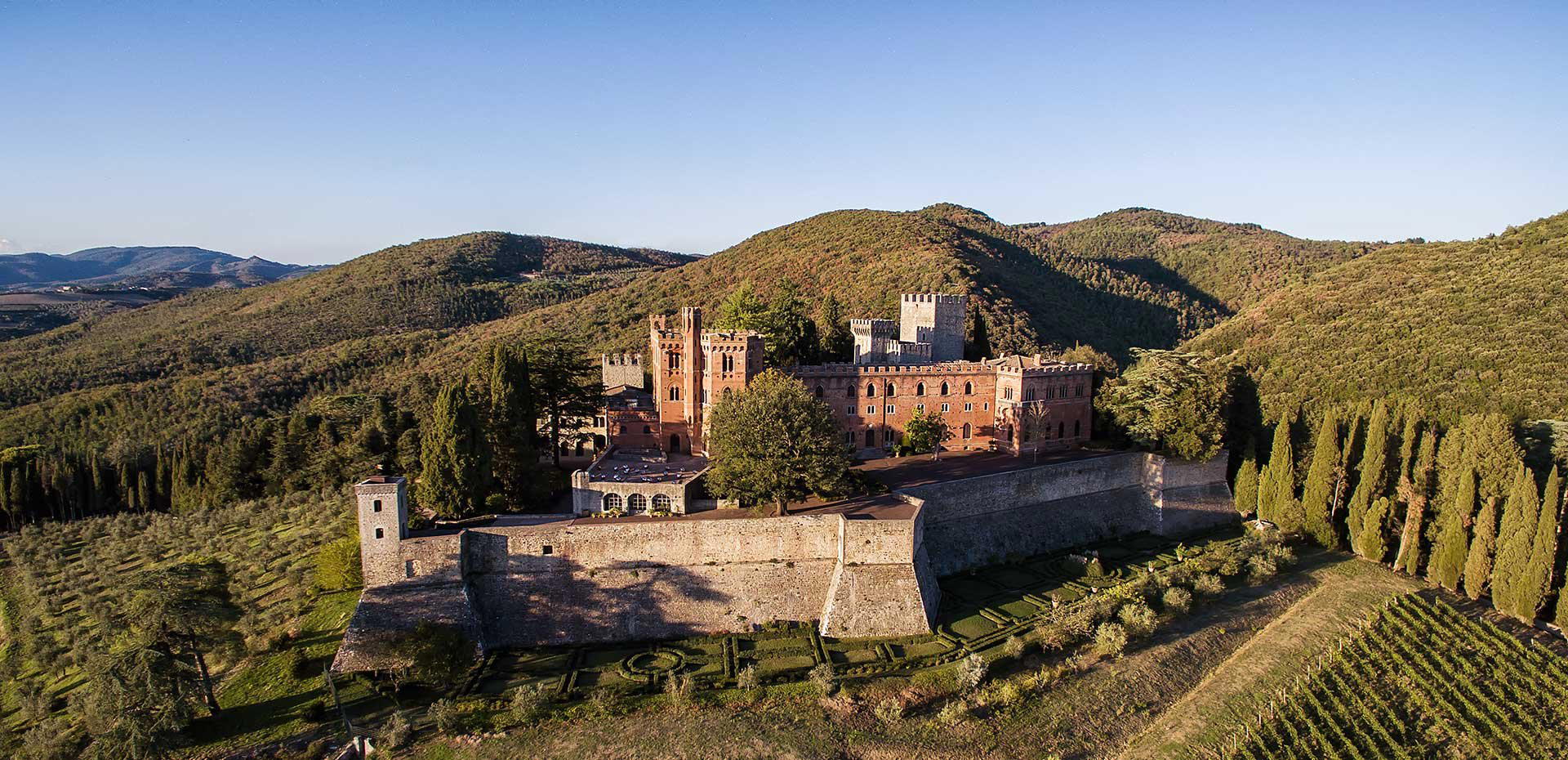
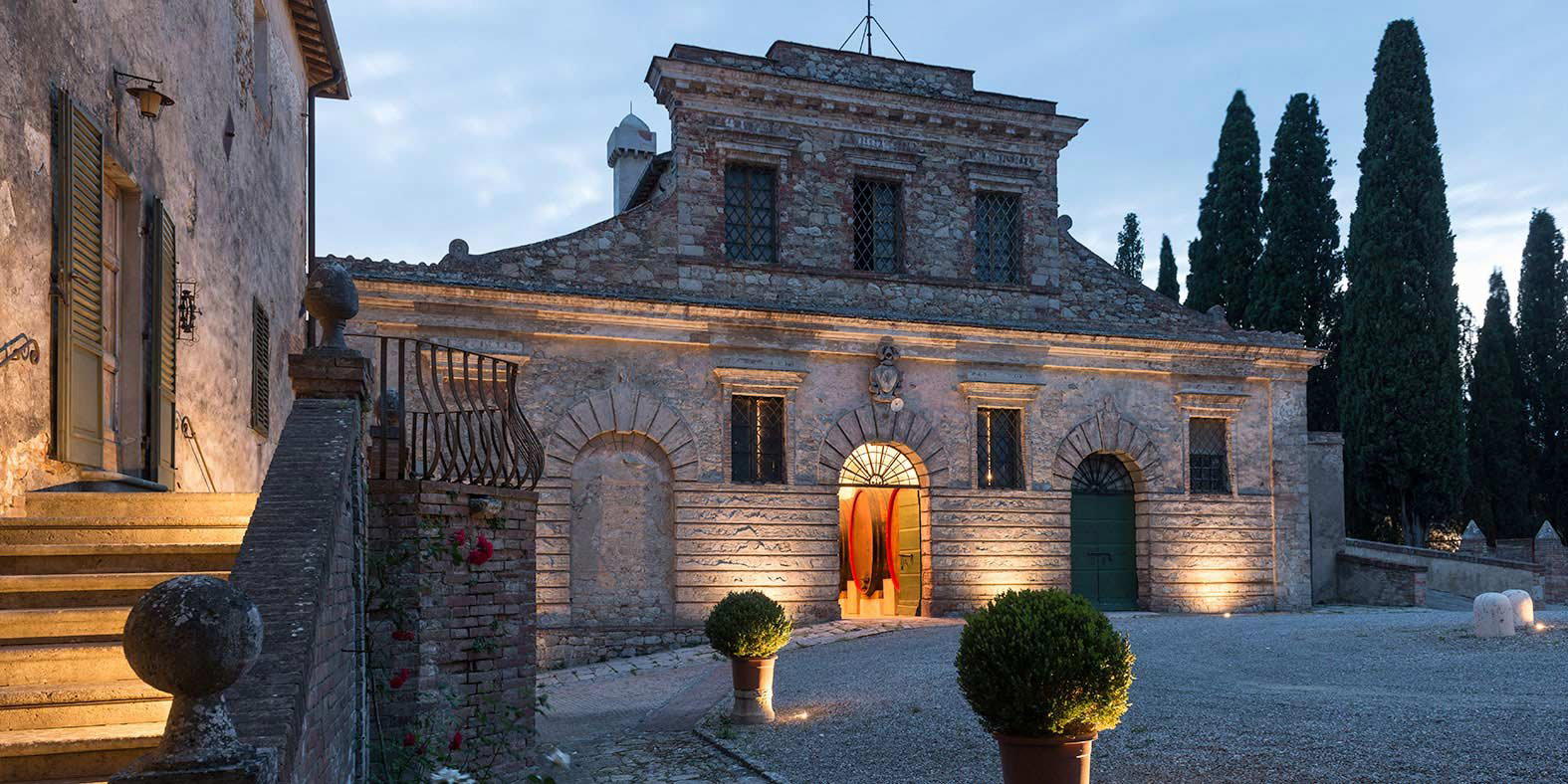
The setting announces itself before the food does. Osteria del Borro sits inside a functioning medieval village on a thousand-hectare Tuscan estate in San Giustino Valdarno, a stretch of agricultural Arezzo province that most travellers pass through rather than stop in. There is no urban approach, no street-level arrival: you arrive across landscape that the kitchen treats as a pantry. That relationship between kitchen and land is not decorative here — it shapes what ends up on the plate, menu by menu, season by season.
This part of the Valdarno sits between Florence and Arezzo, occupying a quieter register than the Chianti Classico belt to the northwest. Dining destinations in Tuscany cluster heavily around Florence, Siena, and the tourist circuits; estate-based restaurants like this one occupy a different position, where the logic of the property governs the cooking rather than the other way around. For context on where else to eat and drink across the area, see our full San Giustino Valdarno restaurants guide.
Where the Ingredients Come From
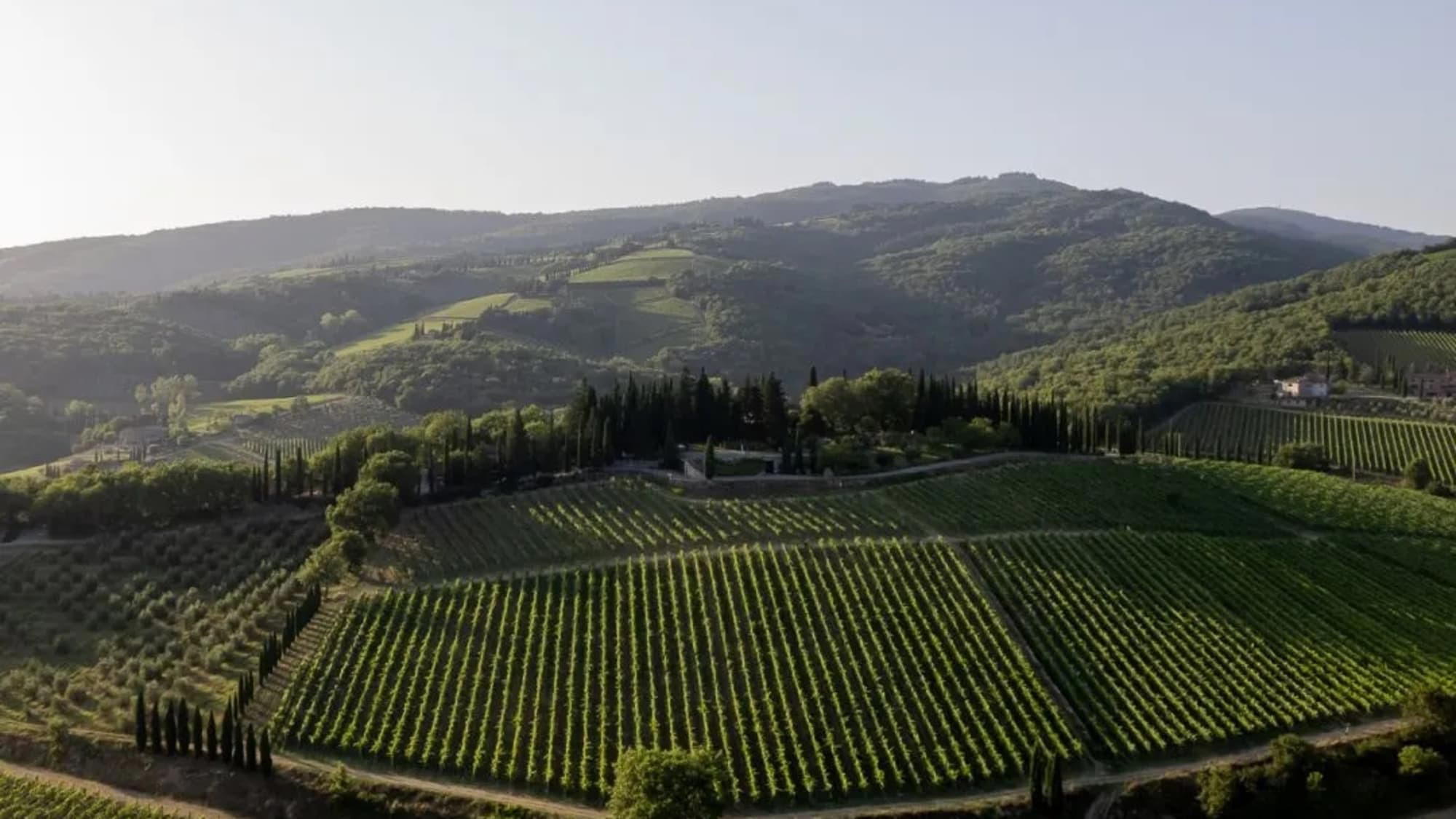
The sourcing model at Osteria del Borro is anchored in the estate's own garden, which supplies vegetables, herbs, and produce directly to the kitchen. This is a meaningfully different supply chain from the farm-to-table rhetoric common in Italian restaurant marketing. When the garden is the primary source, menu construction is constrained by what is actually growing — not by what a supplier has available or what a chef decides to import for aesthetic reasons. Tasting menus built on this model tend to read narrower in range and more concentrated in flavour, because the ingredients arrive at peak condition within a very short distance of the kitchen.
The broader estate also produces wine under the Il Borro label, which means the table and the cellar share the same agricultural foundation. For visitors who want to engage with that side of the property, our full San Giustino Valdarno wineries guide covers the local wine context in depth. The integration of estate wine with estate-sourced cooking is a format with clear precedents in Burgundy and in parts of northern Italy, but it remains less common in Tuscany than the region's agricultural wealth might suggest.
Ingredient-led cooking of this type places Osteria del Borro in a recognisable Italian tradition that values geographical specificity over culinary cosmopolitanism. Restaurants like Caino in Montemerano and L'Asinello in Castelnuovo Berardenga occupy a comparable position within Tuscany: serious kitchens outside the major tourist corridors, working within tightly defined geographical and seasonal parameters. These are not destination restaurants in the sense that Michelin three-star rooms are destinations; they are restaurants that reward deliberate travel by visitors who understand what the format offers.
The Menu Structure and Creative Direction
Chef Andrea Campani works across three tasting menus, each built from local products and the estate garden. The Michelin Plate recognition, awarded in both 2024 and 2025, reflects cooking that the guide identifies as consistently good without placing it in the starred tier. In Michelin's current classification system, the Plate signals quality rather than exceptional or transformative cooking, it is a reliable signal for a kitchen working at a serious level, distinct from the entry-level Bib Gourmand (which rewards value) and from the starred tiers above.
The creative cooking designation points to a kitchen that interprets Tuscan ingredients rather than replicates tradition verbatim. That interpretive space is what separates estate restaurants of this type from direct trattorias. The open kitchen, visible from the dining room in winter, makes the production process part of the experience rather than something contained behind closed doors, a format choice that reinforces the transparency already implied by the estate-garden sourcing model.
For comparison points at higher award levels within Italian creative cooking, Osteria Francescana in Modena, Enoteca Pinchiorri in Florence, Enrico Bartolini in Milan, Piazza Duomo in Alba, Reale in Castel di Sangro, Uliassi in Senigallia, Quattro Passi in Marina del Cantone, Le Calandre in Rubano, Dal Pescatore in Runate, and Atelier Moessmer Norbert Niederkofler in Brunico represent the tier above in terms of Michelin recognition, each operating at two or three stars. Osteria del Borro sits in the price range below most of those rooms (€€€ versus the €€€€ typical of starred dining at that level), which reflects both its award position and its estate-based operating model.
Summer Terrace, Winter Room
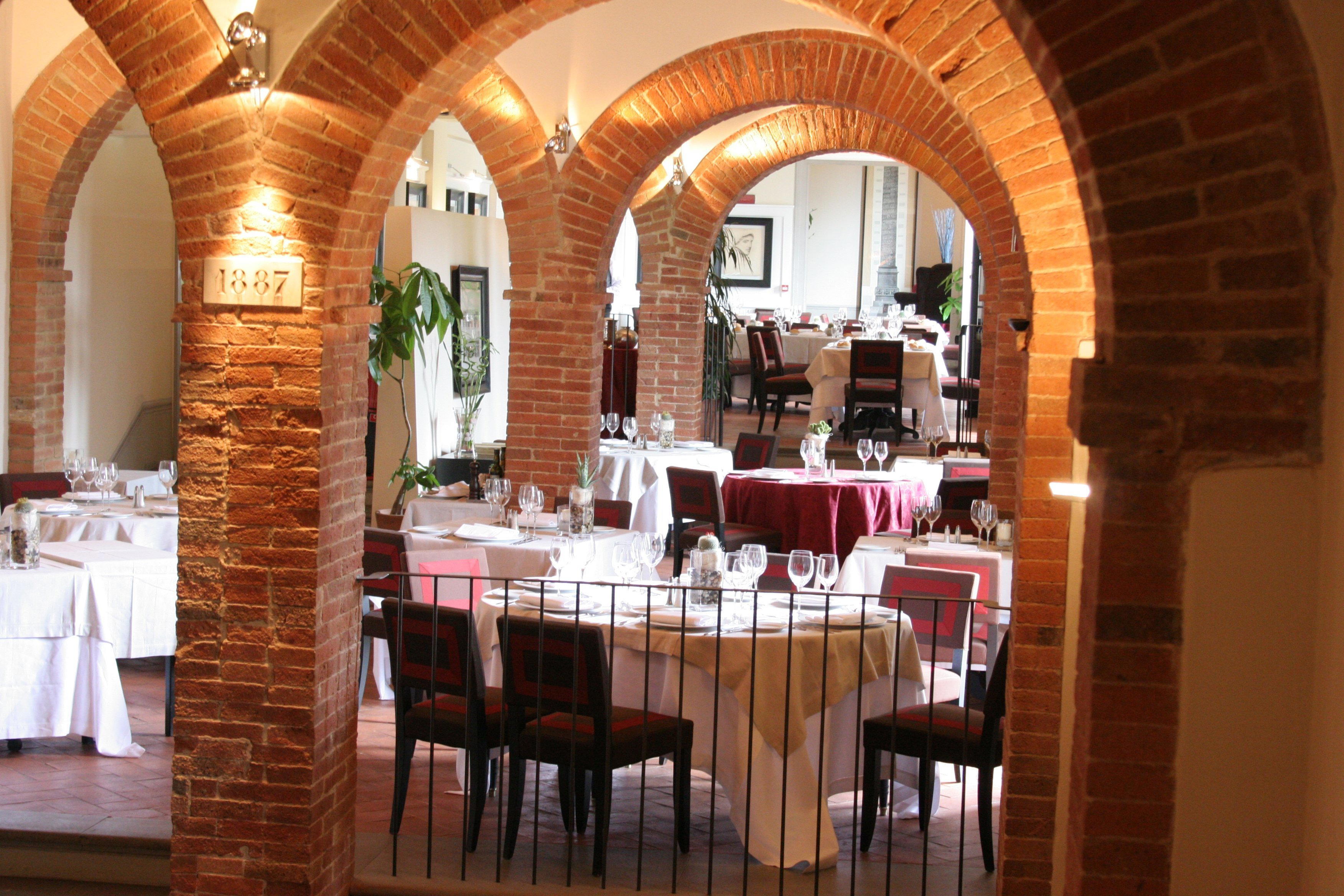
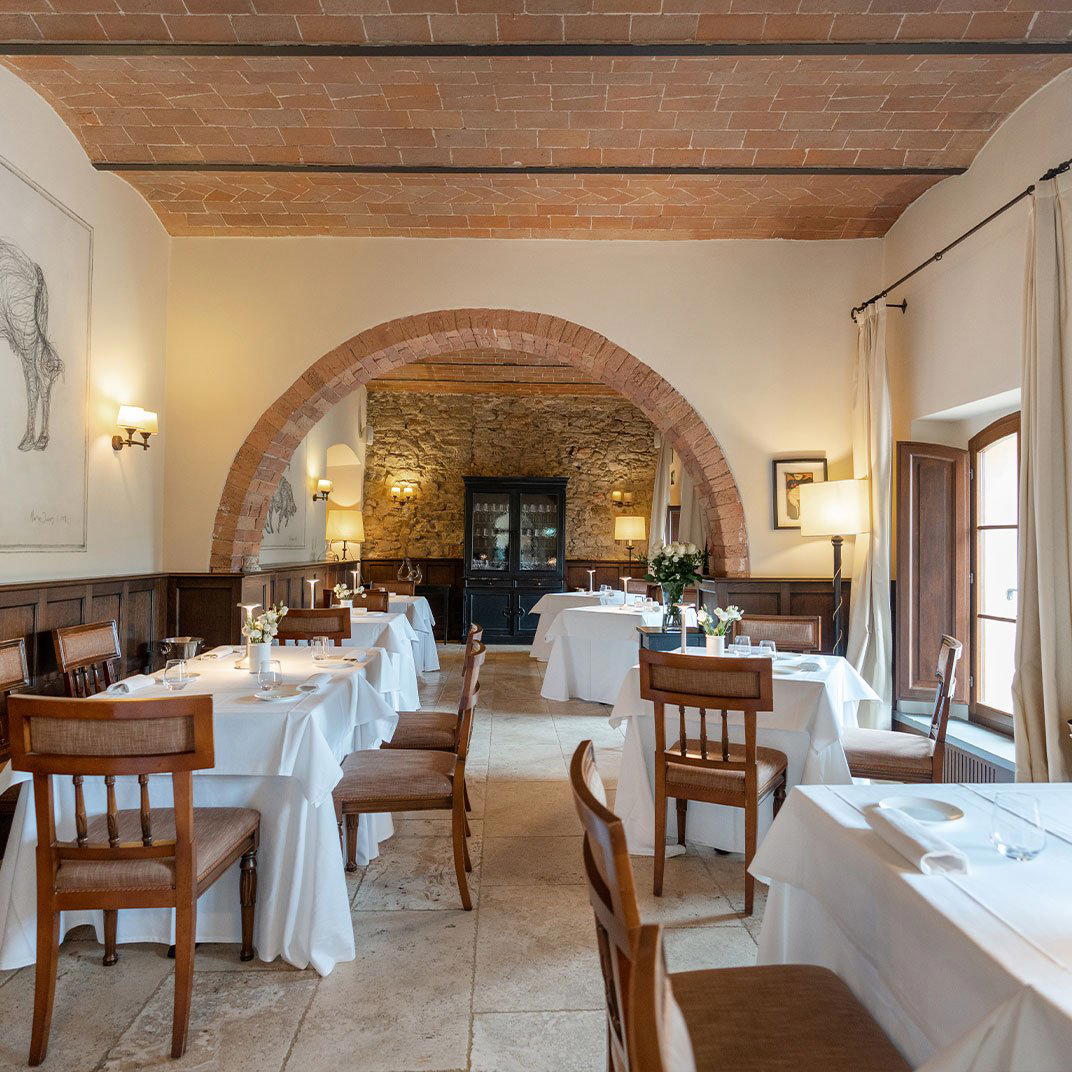
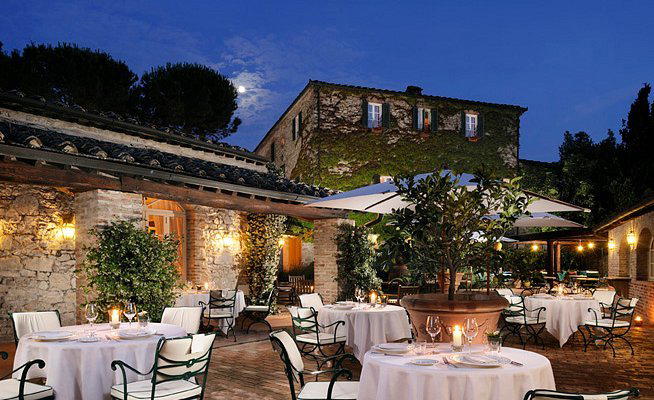
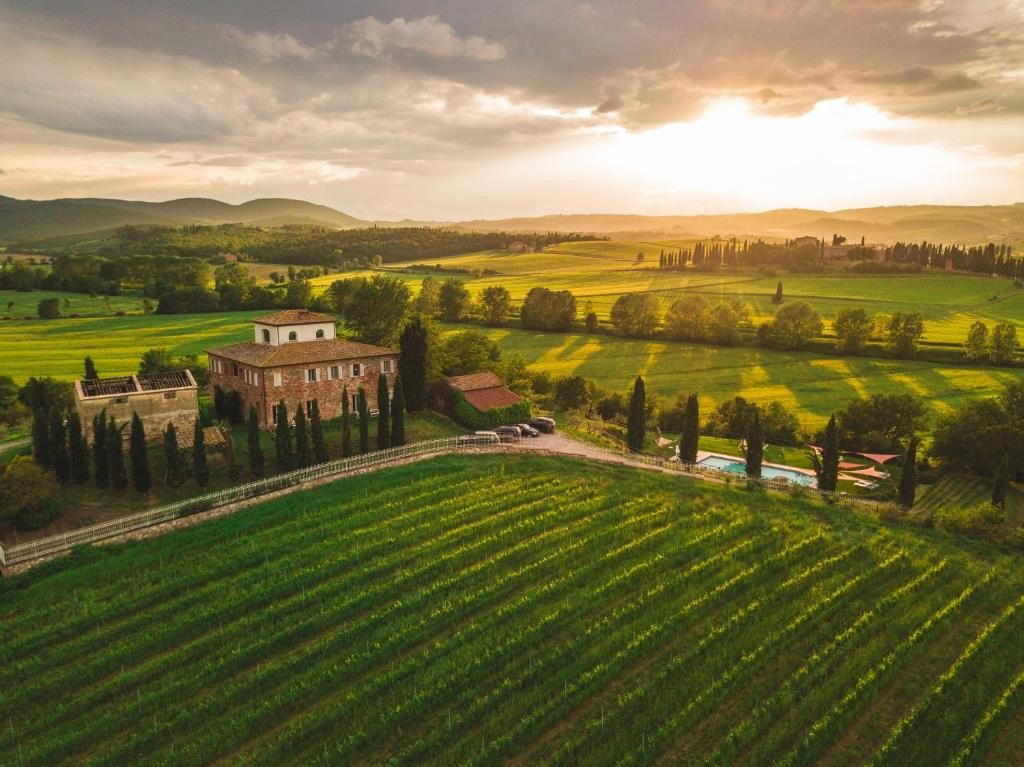
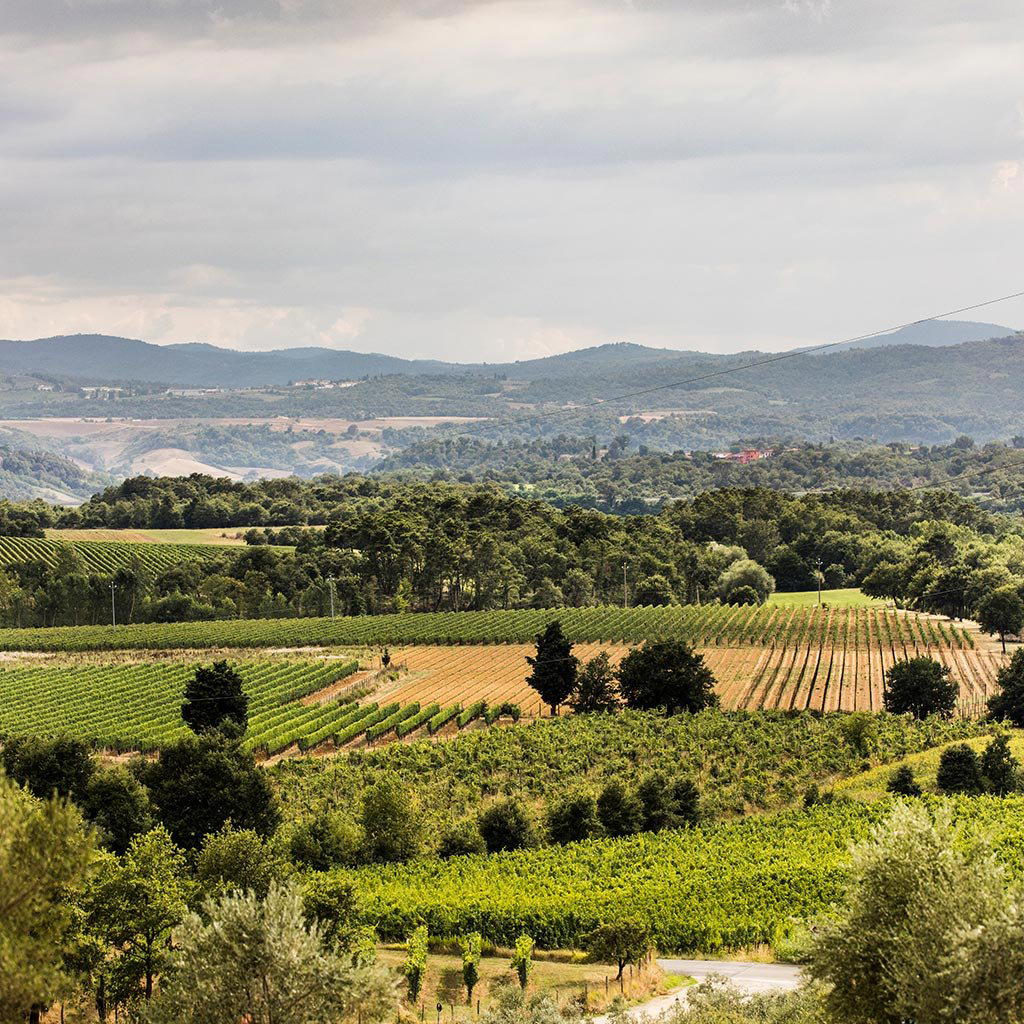
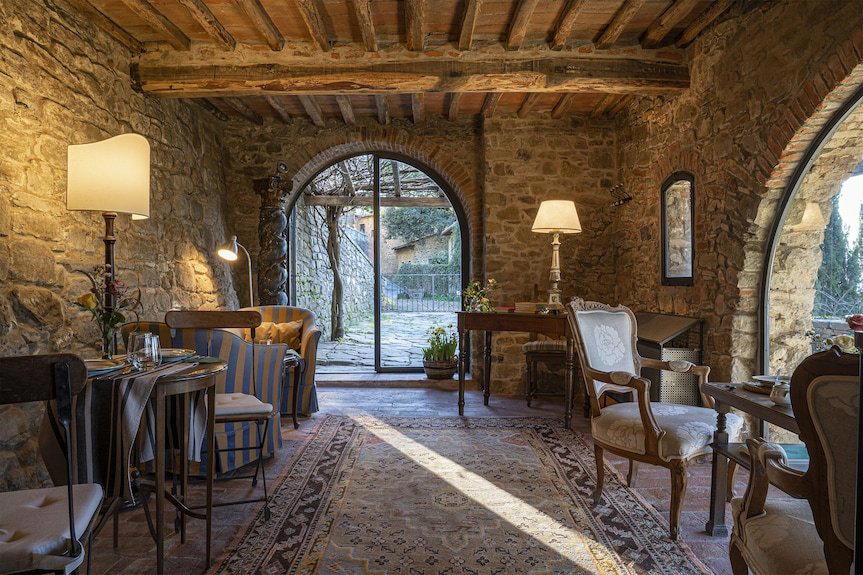
The seasonal shift in how the restaurant is experienced is more pronounced here than at most Tuscan addresses. In summer, service moves to a terrace with open views across the Valdarno countryside, the agricultural panorama that supplies the kitchen becomes visible from the table. In winter, the dining room takes over: warm tones, an open kitchen, and an enclosed atmosphere that reads differently from the expansive summer experience. These are effectively two distinct versions of the same restaurant, and the choice of when to visit carries real consequences for how the meal feels.
Summer booking at an estate restaurant with terrace views in central Tuscany requires lead time, particularly through July and August when the region draws heavily from both Italian and international visitors. The €€€ pricing positions Osteria del Borro within the mid-to-upper range for the area, accessible relative to starred rooms but clearly above the casual trattoria circuit.
The estate also encompasses accommodation and other dining options. Il Borro is the estate's other restaurant address, operating within the same medieval village setting. For visitors planning a longer stay, our full San Giustino Valdarno hotels guide covers accommodation across the area, while our full San Giustino Valdarno bars guide and our full San Giustino Valdarno experiences guide provide context for how to structure time in and around the estate.
Planning Your Visit
Osteria del Borro is located at Frazione Borro, 52, San Giustino Valdarno, in the province of Arezzo. The estate is most easily reached by car from either Florence (approximately one hour) or Arezzo (approximately 40 minutes), as public transport to this part of Valdarno is limited. Three tasting menus are available; guests should specify dietary requirements at the time of booking. The €€€ price tier puts it in the range typical of serious estate dining in Tuscany, below the starred room premium but above informal or trattoria pricing. Summer terrace tables command the most demand, and advance reservation is advisable for any visit between May and September.
What Should I Eat at Osteria del Borro?
The kitchen works across three tasting menus built around produce from the estate's own garden and local Valdarno suppliers, under Chef Andrea Campani's creative direction. Rather than ordering à la carte, the structure here is menu-led: choose one of the three tasting formats and let the seasonal supply chain determine what arrives. The Michelin Plate recognition across 2024 and 2025 marks the cooking as consistently good, with a creative Tuscan identity that interprets rather than merely repeats regional tradition. Given the estate garden sourcing model, dishes are shaped by what is in season at the time of your visit, the menu in July will read differently from the menu in November, which is a feature of the format rather than an inconsistency.
Frequently asked questions
How do I find Osteria del Borro?
Osteria del Borro is located at Frazione Borro, 52, San Giustino Valdarno AR, Italy, San Giustino Valdarno.
A Pricing-First Comparison
| Venue | Cuisine | Price | Awards | Notes |
|---|---|---|---|---|
| Osteria del BorroThis venue — the venue you are viewing | Contemporary Tuscan | Not listed | Michelin Plate · Relais Chateaux Award | Not listed |
| Atelier Moessmer Norbert Niederkofler | Italian, Creative | Not listed | Michelin 3 Star | Not listed |
| Dal Pescatore | Italian, Italian Contemporary | Not listed | Michelin 3 Star | Not listed |
| Enoteca Pinchiorri | Contemporary Italian Fine Dining | $200–300 | 3 Michelin Stars · World's 50 Best #32 | Italian - French, Italian Contemporary |
| Enrico Bartolini | Creative | Not listed | Michelin 3 Star | Not listed |
| Osteria Francescana | Avant-Garde Italian Contemporary | $300–500 | 3 Michelin Stars · World's 50 Best #1 | Progressive Italian, Creative |
Recognition history
Dated appearances from independent guides and award organizations, with the underlying list record or original source where available.
Michelin Plate
Michelin
Relais Chateaux Award
Relais Chateaux
Full recognition history (5 entries)
Michelin Plate
Michelin
Relais Chateaux Award
Relais Chateaux
Michelin Plate
Michelin
Continue exploring
More in San Giustino Valdarno
More from Chef Andrea Campani
Browse all →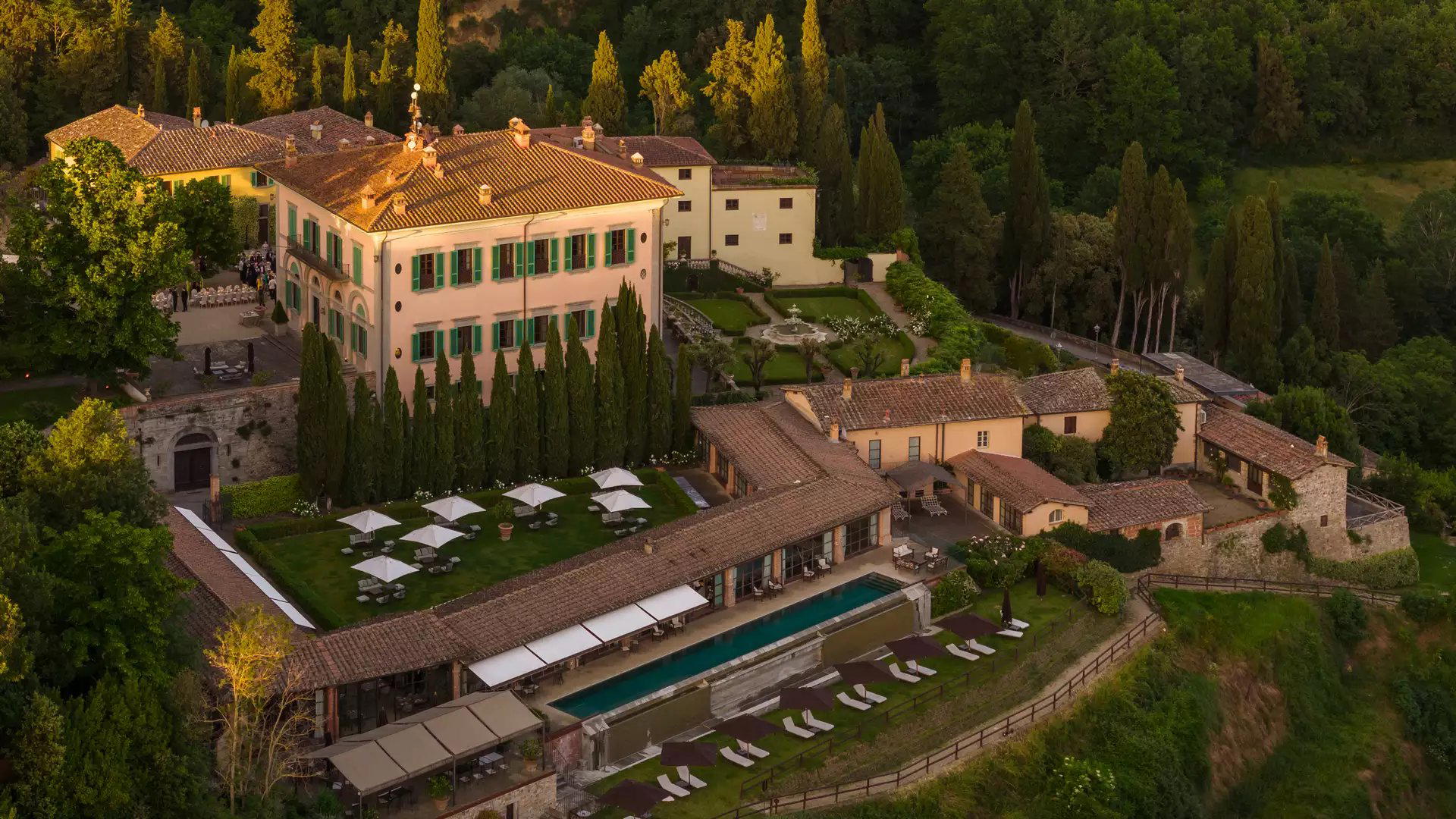
Restaurants in San Giustino Valdarno
Browse all →
Bars in San Giustino Valdarno
Browse all →
Hotels in San Giustino Valdarno
Browse all →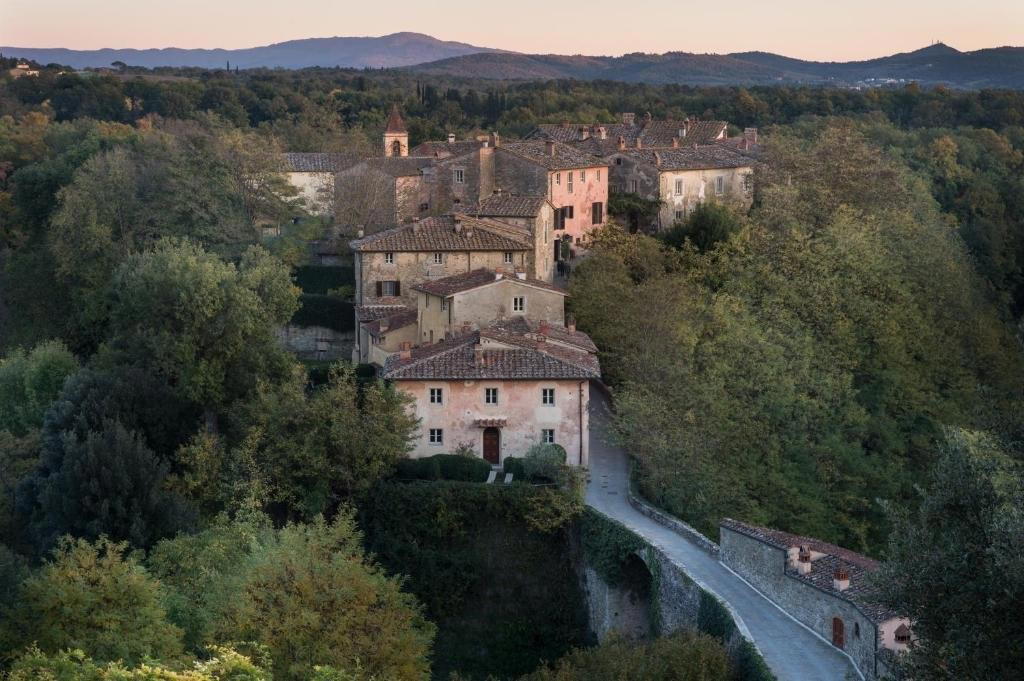
Details
- Rustic
- Elegant
- Romantic
- Scenic
- Date Night
- Special Occasion
- Celebration
- Group Dining
- Garden
- Wine Cellar
- Open Kitchen
- Private Dining
- Historic Building
- Standalone
- Extensive Wine List
- Sommelier Led
- Farm To Table
- Local Sourcing
- Organic
- Vineyard
- Garden
- A La Carte
- Tasting Menu
- Tuscan Wine
- Sangiovese
- Vegetarian Friendly
- Organic Focus
Current opening hours
- Monday
- 7:15–10 PM
- Tuesday
- 7:15–10 PM
- Wednesday
- 7:15–10 PM
- Thursday
- 7:15–10 PM
- Friday
- 7:15–10 PM
- Saturday
- 7:15–10 PM
- Sunday
- 7:15–10 PM
Hours can change for holidays and private events. Last verified .
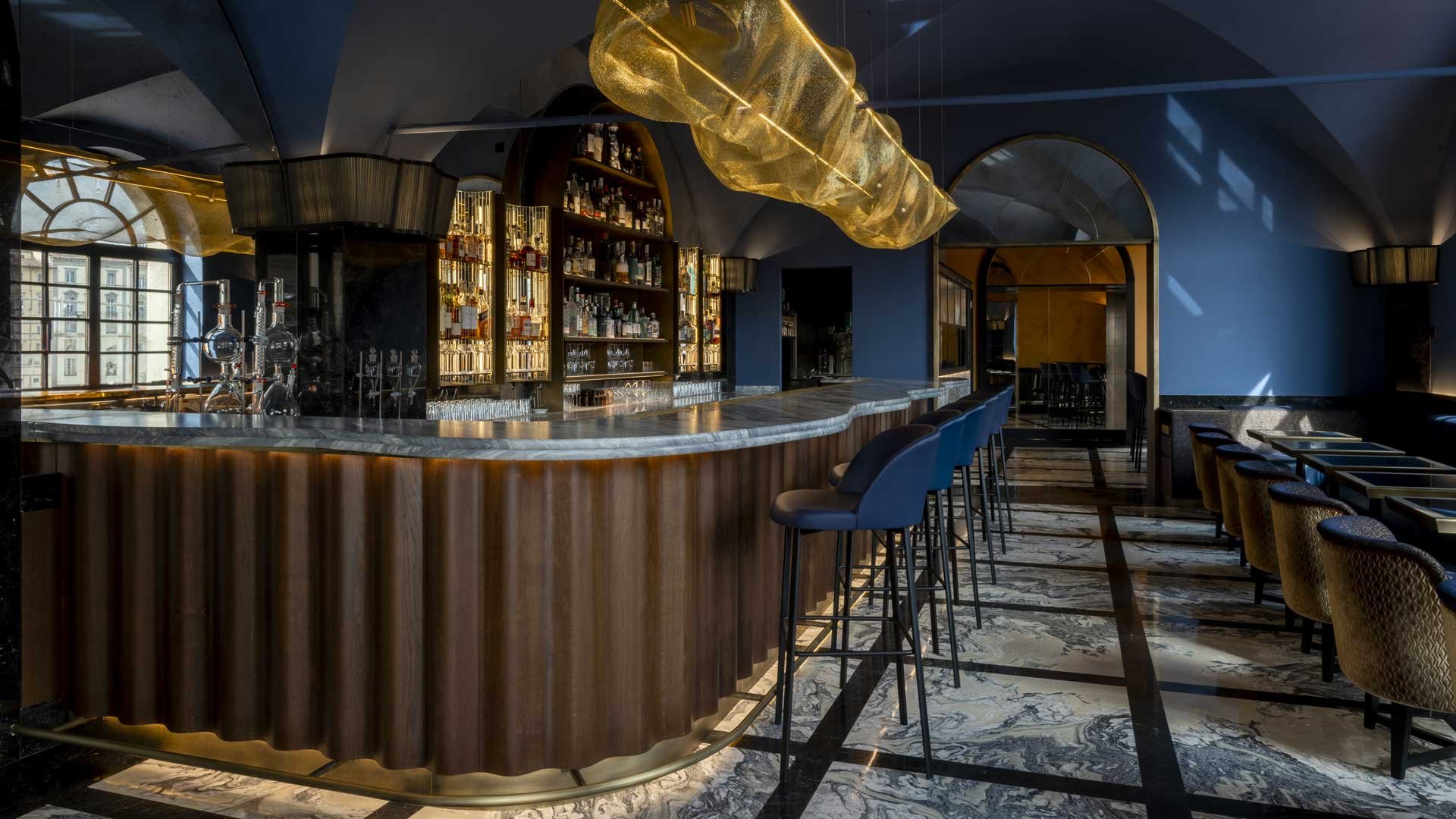
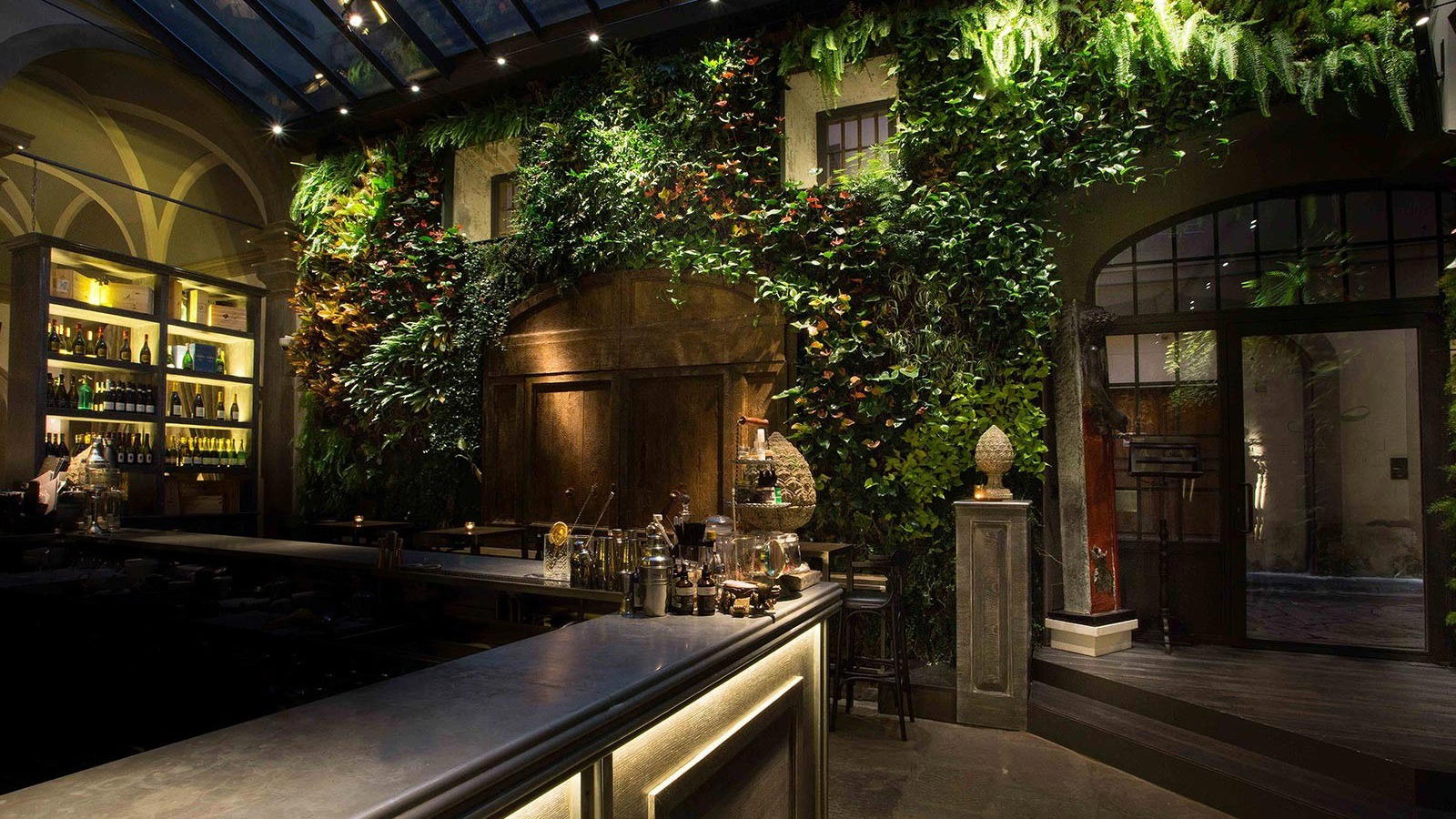
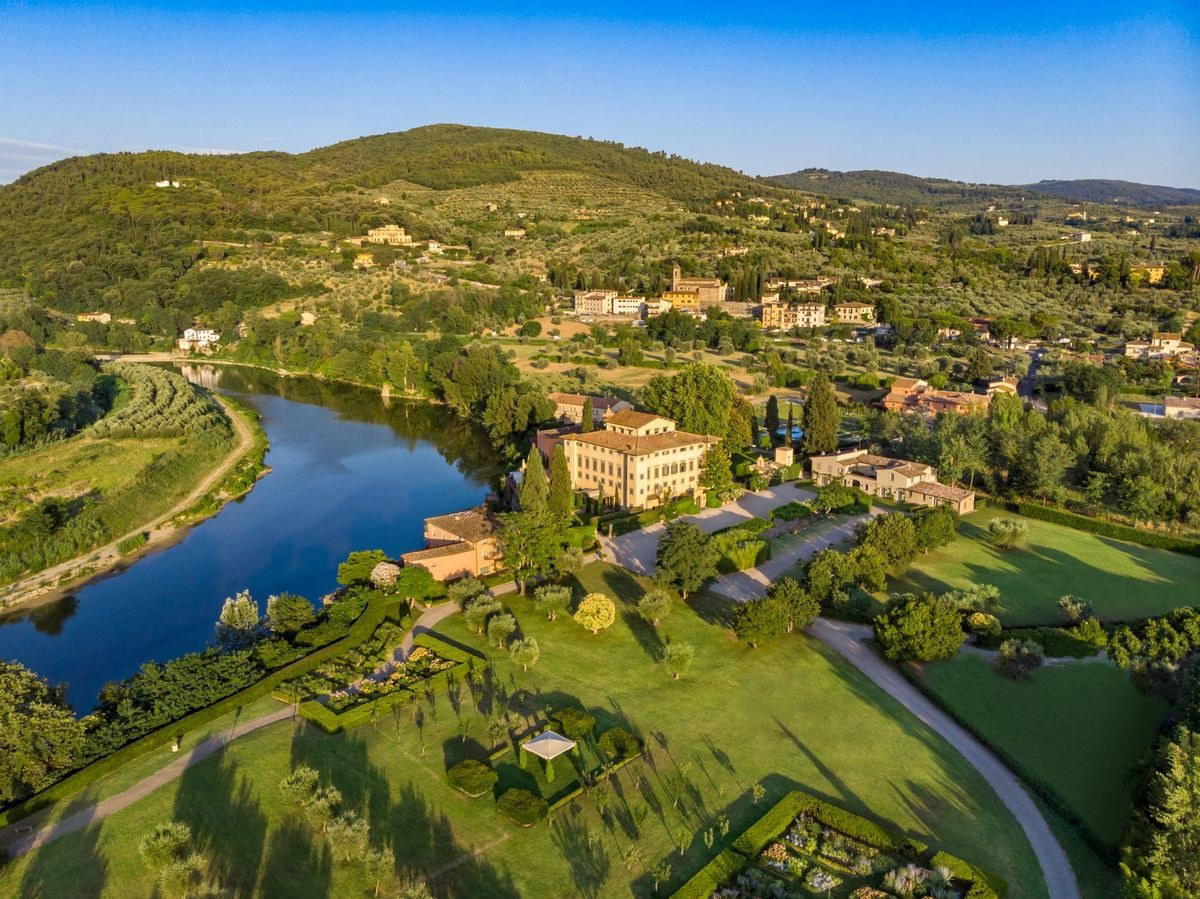
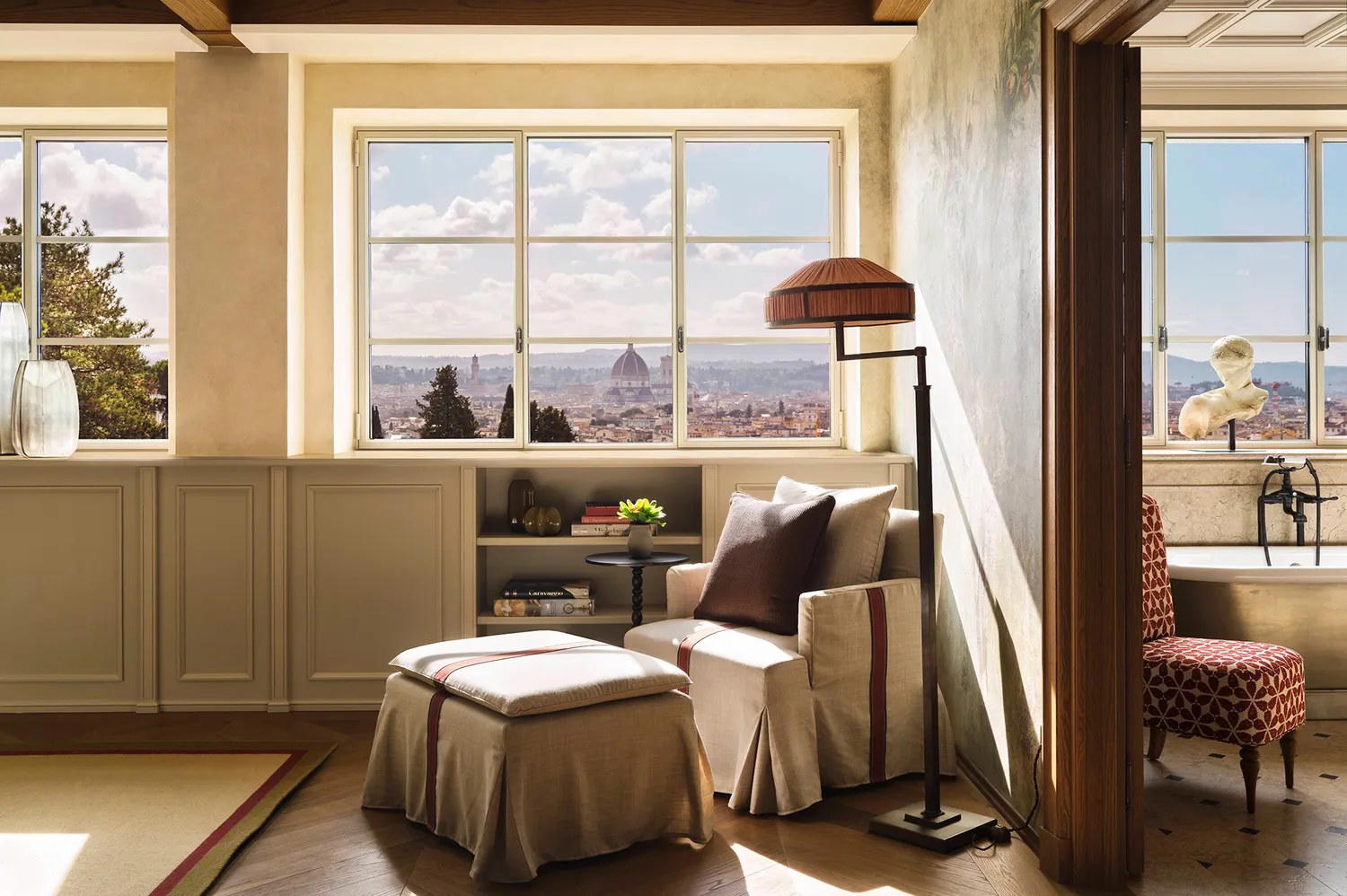
Elegant yet rustic setting within a restored medieval village estate, with warm lighting and views of Tuscan countryside, vineyards, and kitchen gardens.