Campo del Drago


Campo Del Drago sits within the Rosewood Castiglion del Bosco estate in Montalcino, bringing Tuscan cucina to one of Italy's most recognisable wine territories. Recognised by La Liste in 2025 with 84 points, the restaurant draws on the Val d'Orcia's agricultural identity, from Brunello vines to pecorino pastures, to anchor a dining experience that is as much about place as it is about plate.
Pearl is the En Primeur Club membership app — saves, bookings, and concierge access live there. Same editors, same standards.
- Address
- Campo Del Drago - Rosewood Castiglion del Bosco, Castiglion del Bosco (Montalcino), SI, Italy
- Phone
- +39 (577) 1913001
- Website
- laliste.com
- Directions
- Get directions
 Saves & bookings on Pearl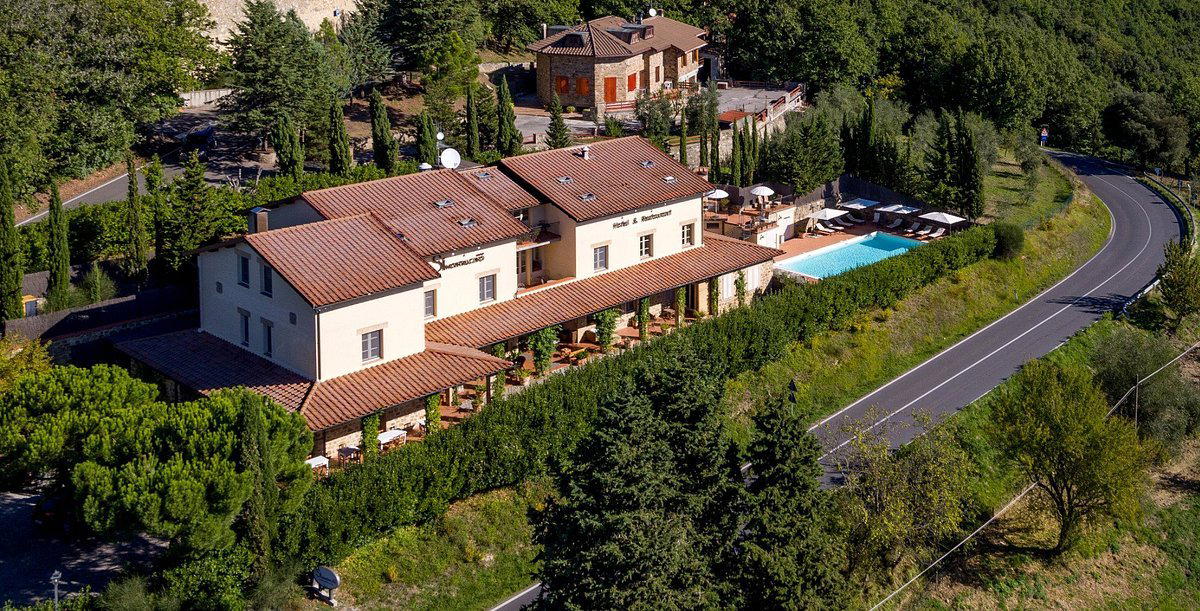
Dining at the Edge of Brunello Country
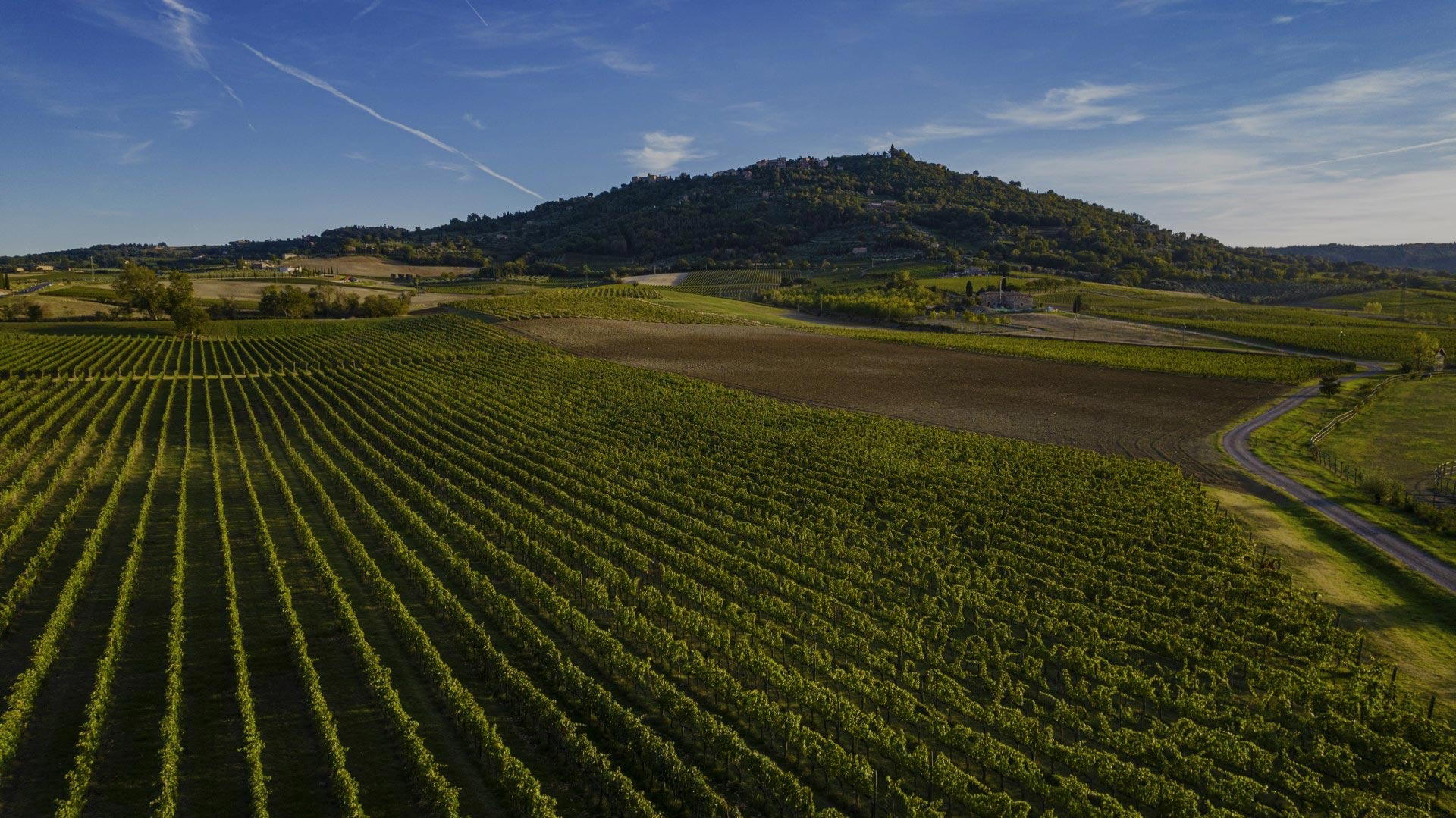
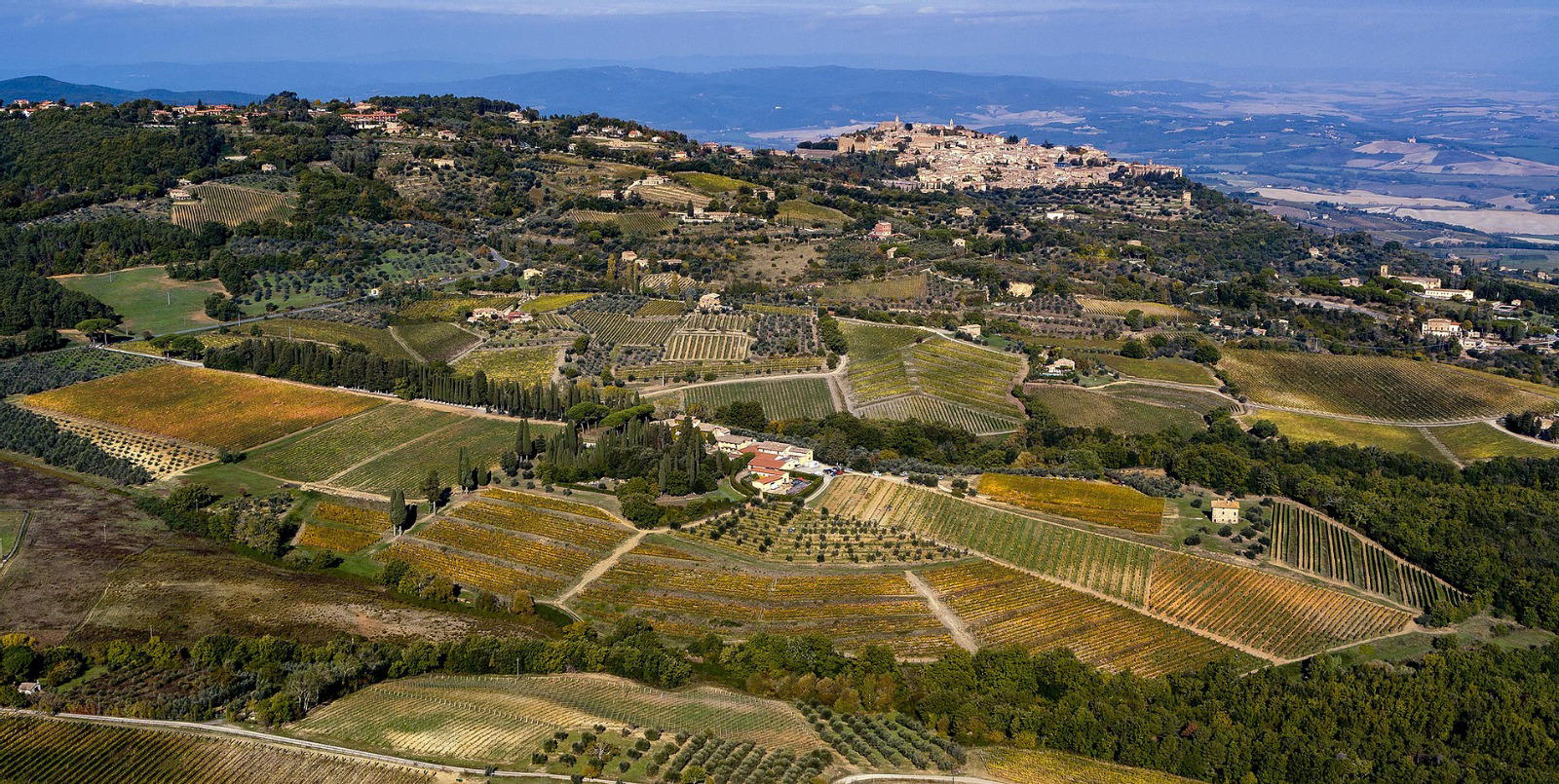
There is a particular gravity to eating in Montalcino. The Val d'Orcia, designated a UNESCO World Heritage landscape, has shaped Tuscan cooking for centuries in ways that differ meaningfully from the kitchens of Florence or Siena. The terrain here is drier, the light harder, and the pantry defined by Chianina cattle, aged Pecorino di Pienza, pici pasta, and the Sangiovese Grosso grape that produces Brunello, one of Italy's most age-worthy reds. Campo Del Drago is a restaurant in Castiglion del Bosco (Montalcino), Italy, serving Modern Tuscan Fine Dining at about $210 per person. Campo Del Drago, the dining room of the Rosewood Castiglion del Bosco estate, positions itself squarely inside that tradition. This is Tuscan cooking anchored to a specific geography, not the broadly interpreted Italian menu that has become common at international luxury hotels.
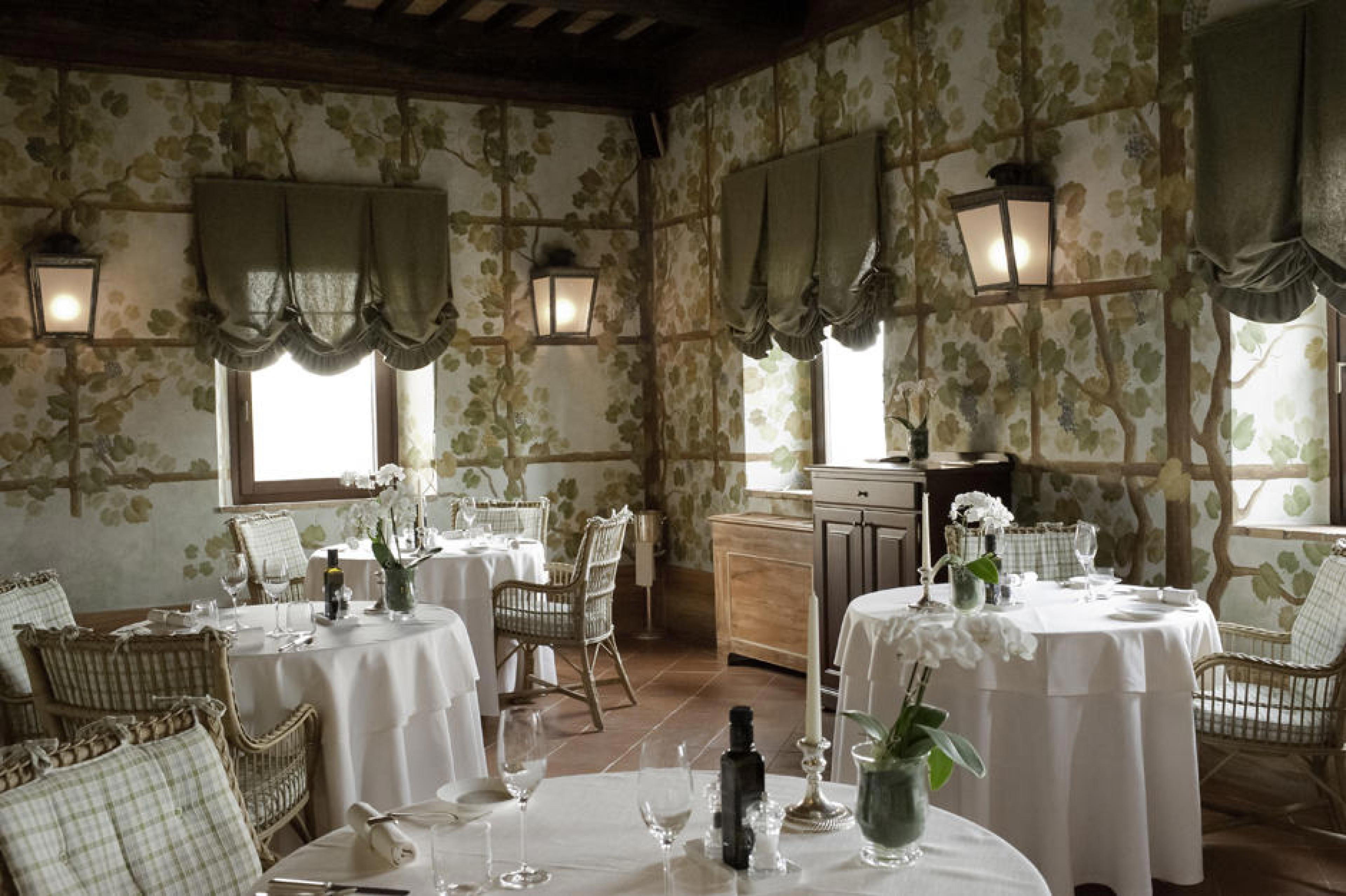
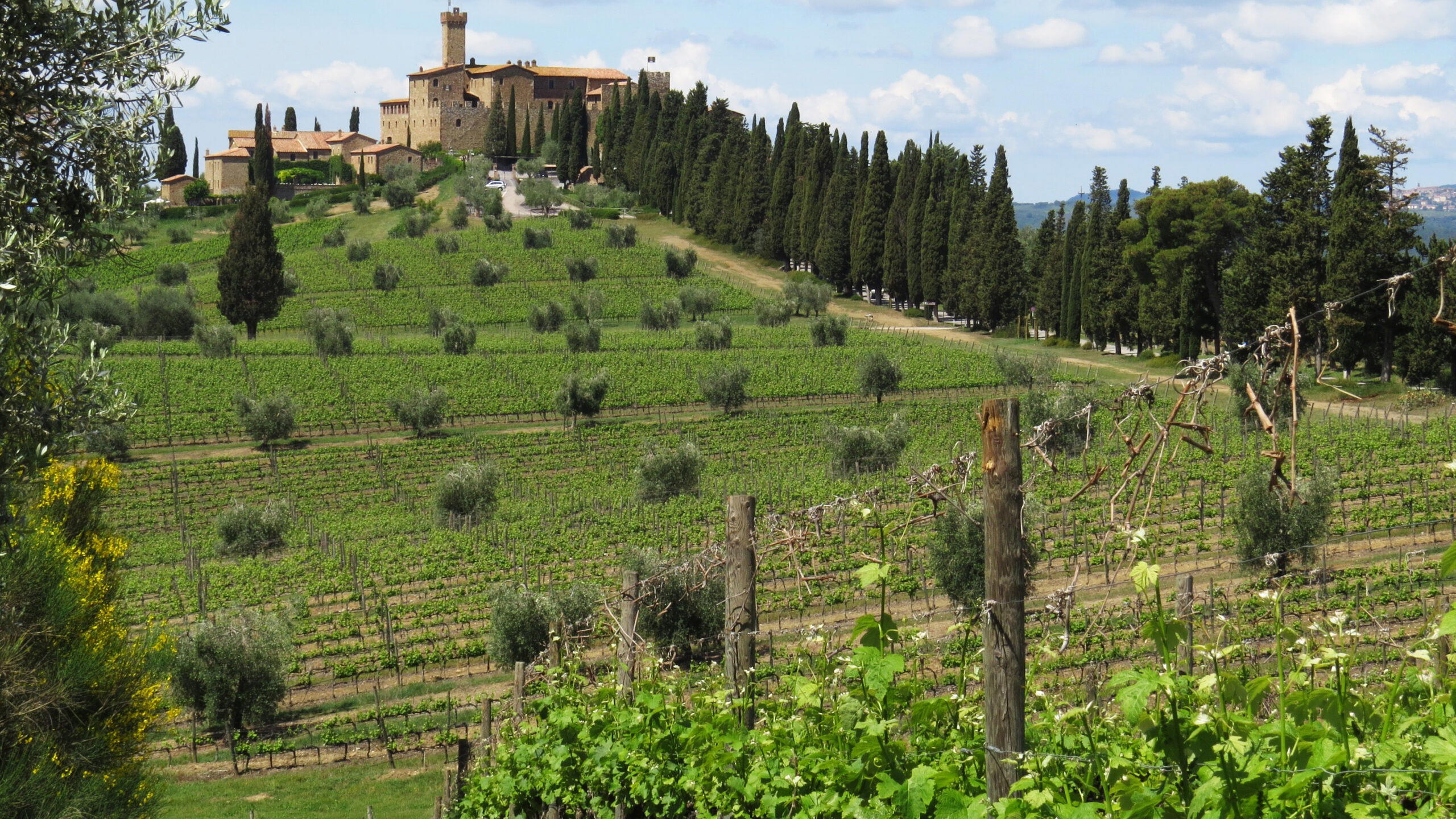
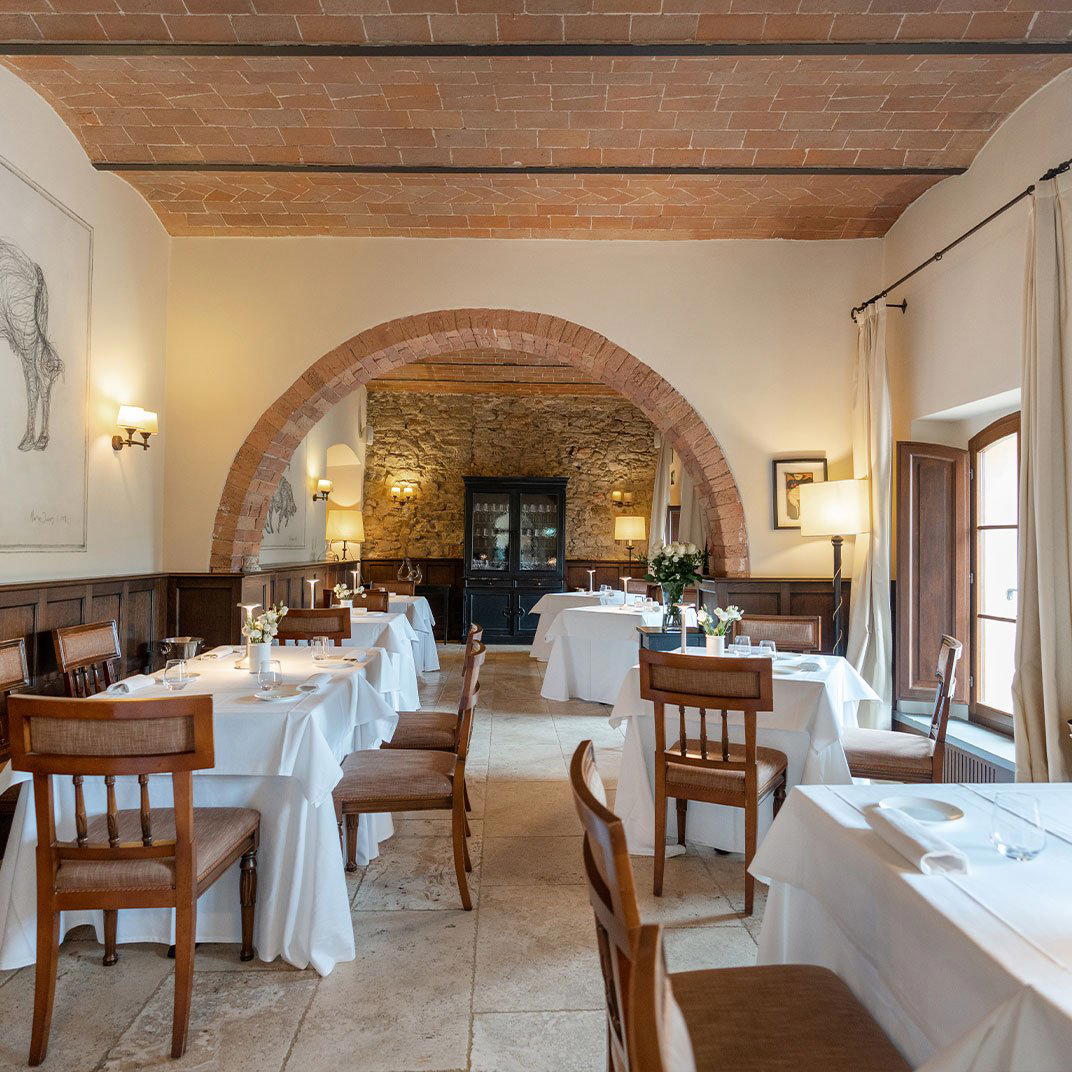
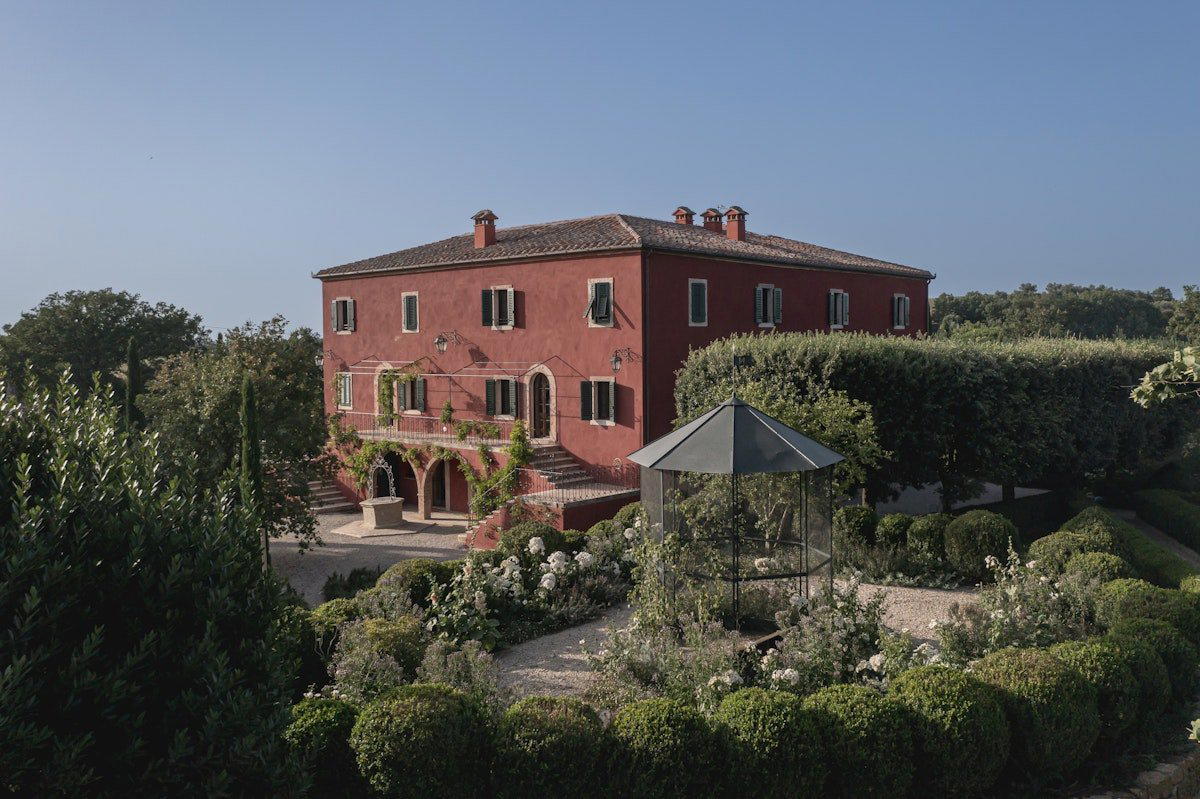
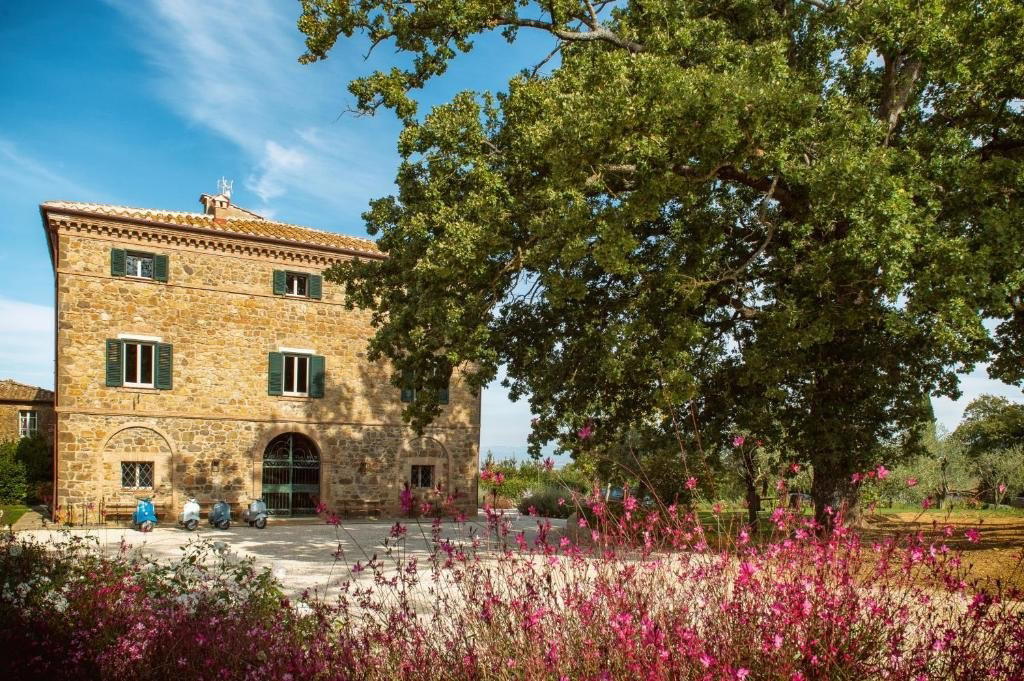
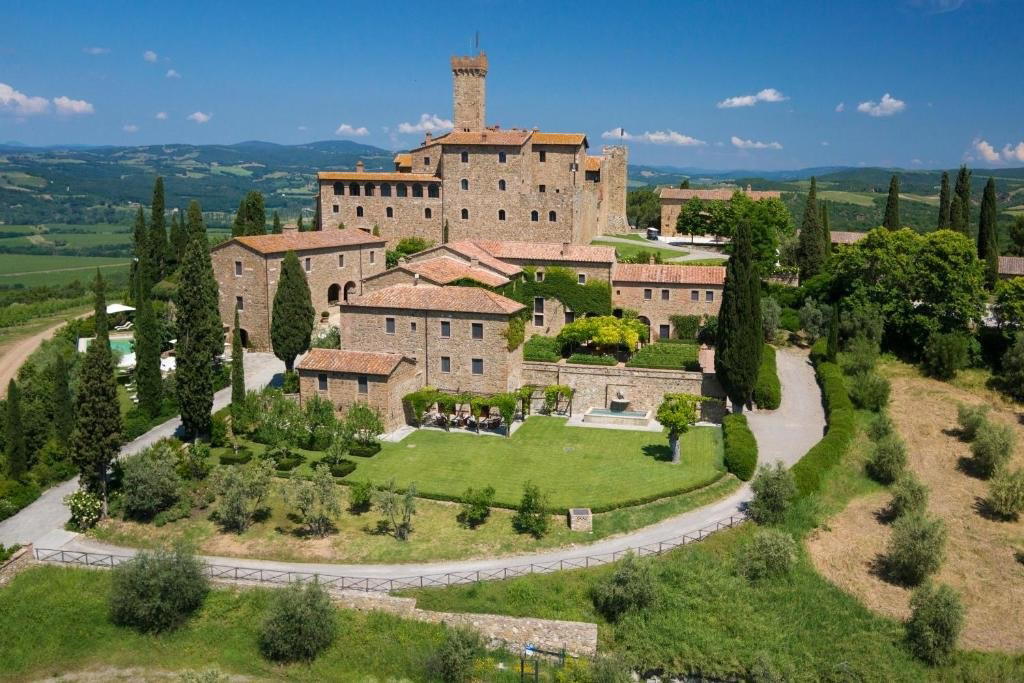
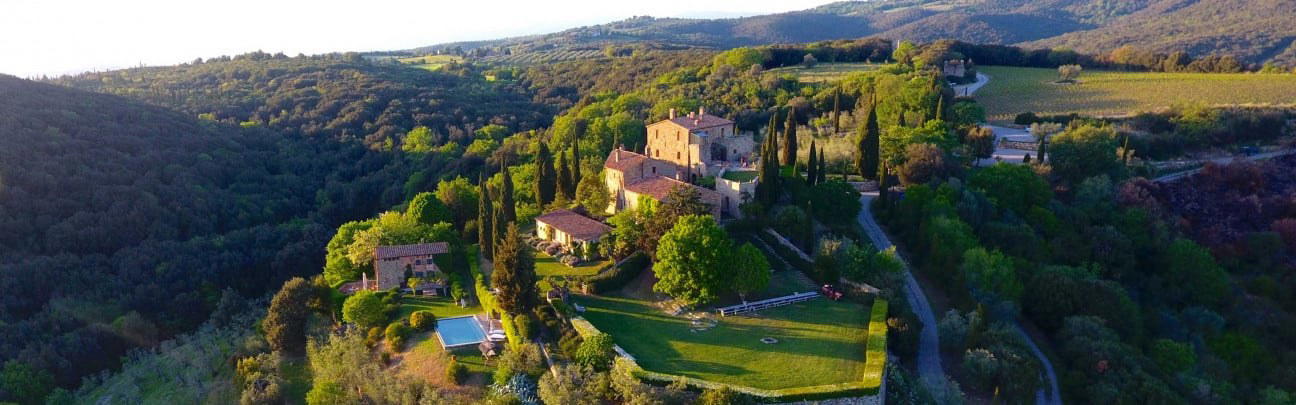
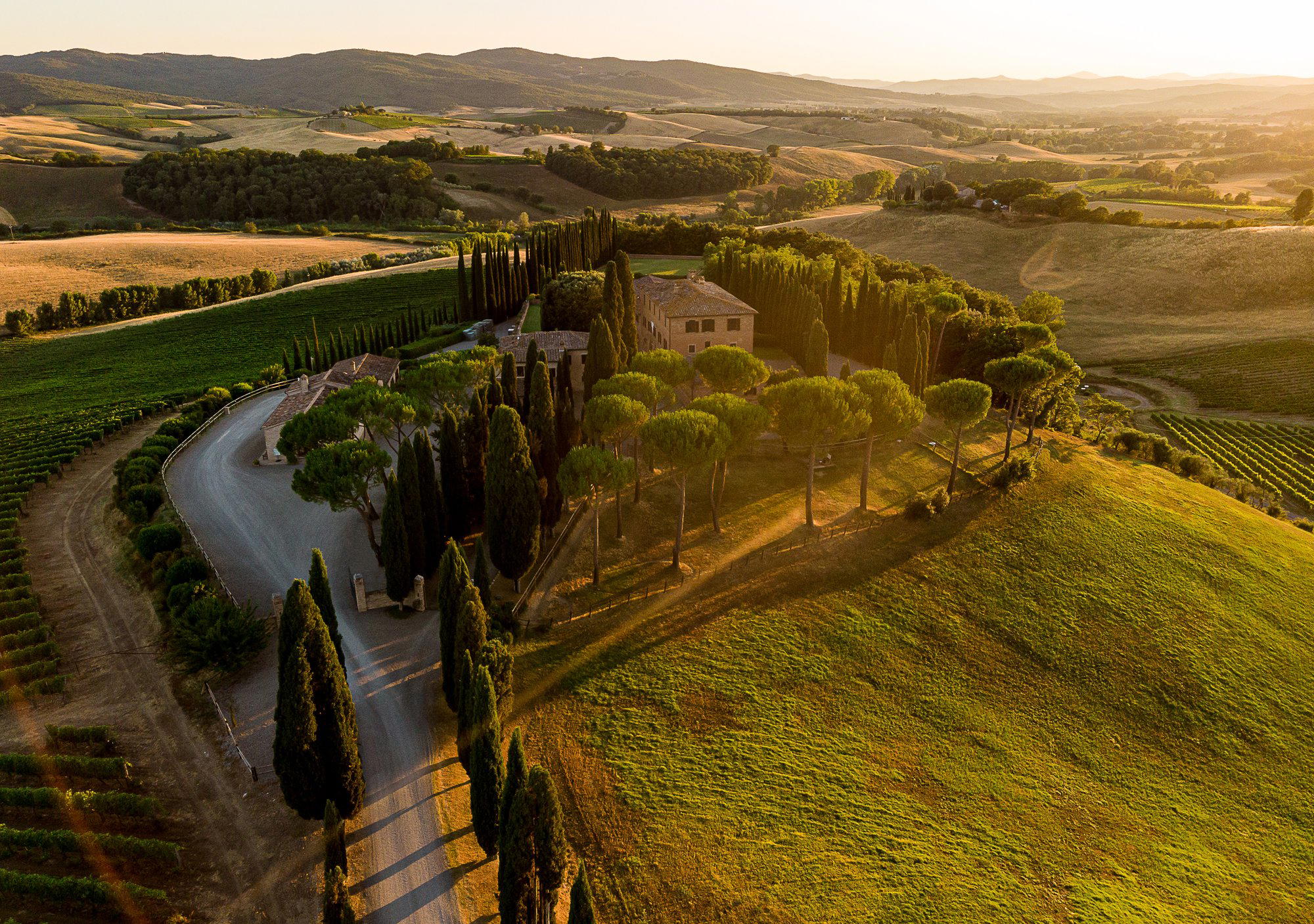
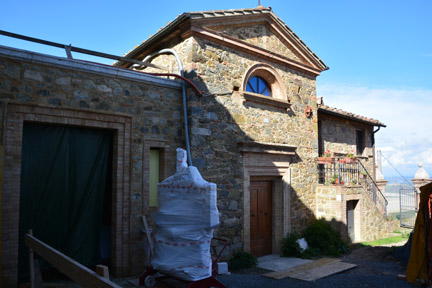
The estate itself occupies a medieval borgo in the hills above Montalcino, and the dining room inherits its character from that setting: stone walls, views across cypress-lined ridges, and a stillness that is harder to find in the more trafficked reaches of Chianti to the north. For context on where Campo Del Drago sits among the restaurants in Castiglion del Bosco, it operates at the summit of a small local tier, drawing guests both from the estate and from visitors making the drive into Brunello country specifically for the table.
The Tuscan Table and What Separates It
Italian regional cooking resists generalisation, which is precisely why it matters to understand where the restaurant fits within it. Tuscan cuisine operates on principles of restraint that distinguish it from the butter-enriched sauces of Emilia-Romagna or the seafood-forward traditions of the Adriatic coast. The Sienese south, which encompasses Montalcino, takes that restraint further still: fat pici with wild boar ragù, ribollita built slowly over days, slow-roasted meats with little more than rosemary and local olive oil. The Florentine tradition, visible at venues like Enoteca Pinchiorri in Florence or Chic Nonna di Vito Mollica in Florence, leans toward refinement and classical technique applied to local produce. The southern Tuscan tradition that restaurant draws from is earthier, more tied to pastoral rhythms.
That regional distinction is not incidental. It shapes which ingredients appear, in what form, and in what season. A table at the restaurant in autumn, when the truffle harvest in the surrounding woods peaks and the local olive oil pressing begins, delivers a different menu register than spring or summer. Guests who understand this, and who book with that calendar in mind, eat at a different depth than those who arrive without context.
Recognition and Peer Context
The restaurant earned 84 points in the La Liste Leading Restaurants ranking for 2025, and it also received one award in the record, placing it among Italy's tracked fine dining addresses. La Liste aggregates from multiple guides and critic sources, meaning an 84-point score reflects broad critical consensus rather than a single editorial decision. The restaurant is not competing on that axis. It competes on territory, specificity of place, and the proposition of eating well within one of Italy's most concentrated wine estates.
That is a different value proposition from the progressive Italian kitchens of Piazza Duomo in Alba or the coastal refinement of Uliassi in Senigallia, and it should be evaluated on those terms. Estate dining in Montalcino carries a contextual premium: you are eating within a working Brunello producer's property, with the cellar and the vineyard present as companions to the meal. That integration is the point. Guests who want it have few options in Italy that combine this level of estate integrity with formal dining recognition.
Wine, Territory, and the Estate Dimension
The Castiglion del Bosco estate produces Brunello di Montalcino under its own label, and the wine program at the restaurant draws directly from that identity. Brunello, made exclusively from Sangiovese Grosso and aged under strict DOCG rules, is one of Italy's longest-lived reds. A current-release Brunello at a Montalcino table is already ten or more years from harvest by the time it pours. The Rosso di Montalcino produced on-estate offers earlier accessibility. Guests who engage with the wine list through that lens, as documentation of the land they are sitting within, are using the table as the estate intended.
By comparison, creative Italian restaurants operating outside their immediate geography, such as Reale in Castel di Sangro or Atelier Moessmer Norbert Niederkofler in Brunico, build their wine programs differently, sourcing outside the estate and across Italy. The single-estate coherence at the restaurant is a deliberate constraint that narrows the list but deepens the argument for place. Whether that trade-off suits a given guest depends on what they are looking for in an Italian dining experience.
Planning Your Visit
The restaurant operates within the Rosewood Castiglion del Bosco estate, which means access follows the logic of the property: primarily for hotel guests, with tables available to outside visitors subject to availability. The estate sits in the municipality of Montalcino in the Province of Siena, roughly equidistant from Siena and Grosseto, with the closest rail access being Buonconvento, approximately 20 kilometres from the estate. The estate setting means dinner is a slow, destination-committed occasion rather than a drop-in meal: arrive early enough to walk the grounds before sitting down, particularly at dusk in autumn when the light across the Val d'Orcia justifies the trip on its own terms.
Fast Comparison
Comparable venues nearby, for context on price, style, and recognition.
| Venue | Cuisine | Price | Notes |
|---|---|---|---|
| Campo Del Drago - Rosewood Castiglion del BoscoThis venue — the venue you are viewing | Modern Tuscan Fine Dining | $$$$ | Not listed |
| Gallia Palace Beach - Golf - Spa - Resort | Tuscan Italian Fine Dining | $$$$ | Punta Ala |
| Relais Todini | Contemporary Umbrian with International Influences | $$$$ | Todi |
| Golden View Firenze | Tuscan Seafood Osteria | $$$$ | San Niccolo |
| Ristorante la Reggia degli Etruschi | Traditional Tuscan Italian | $$$$ | Fiesole |
| Pieve Aldina | Modern Tuscan | $$$$ | Radda in Chianti |
Recognition history
Dated appearances from independent guides and award organizations, with the underlying list record or original source where available.
Falstaff Restaurant - 95 Falstaff Points
Falstaff
La Liste Top Restaurants
La Liste
Continue exploring
More in Castiglion del Bosco
Restaurants in Castiglion del Bosco
Browse all →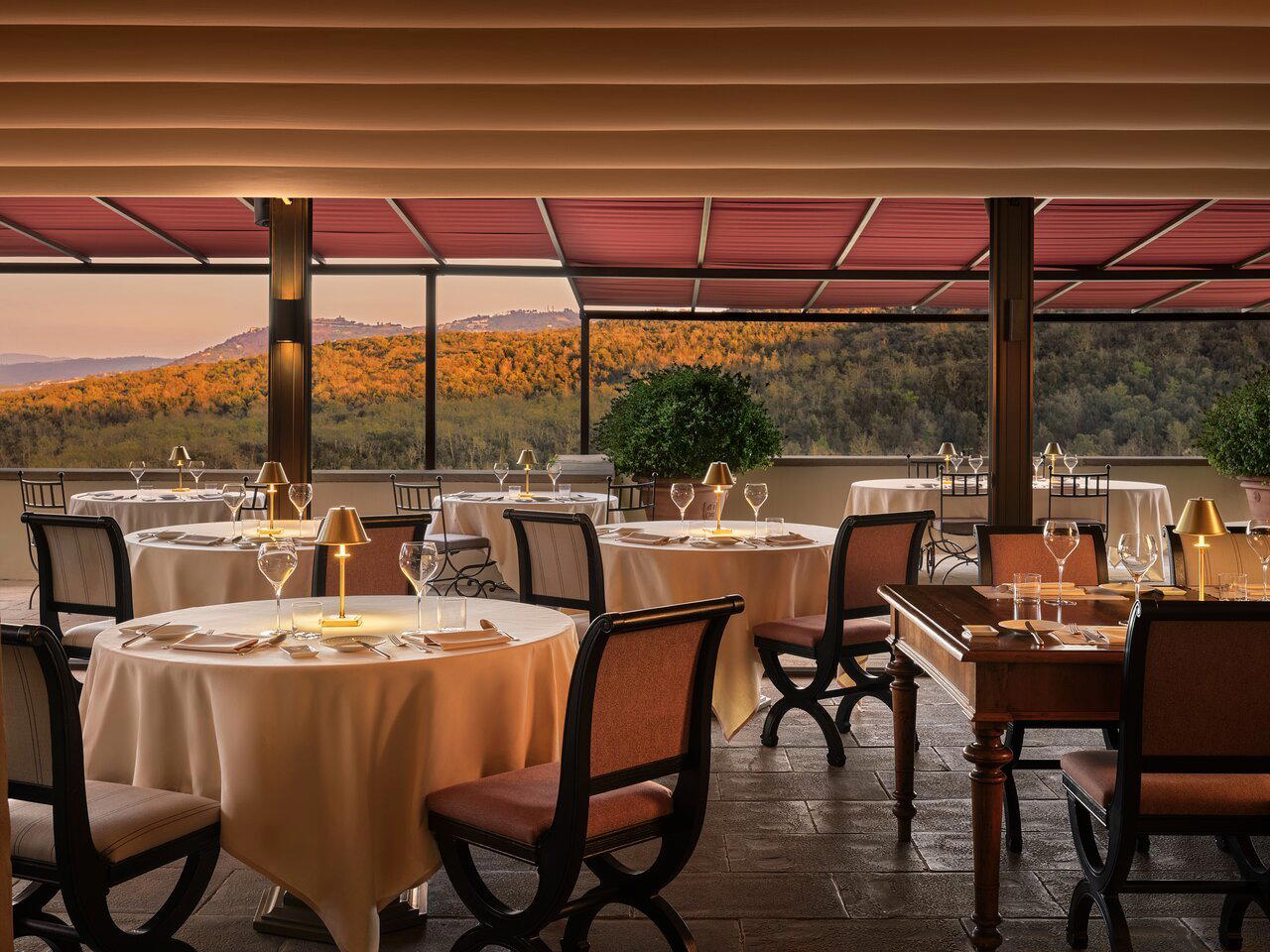
Bars in Castiglion del Bosco
Browse all →
Hotels in Castiglion del Bosco
Browse all →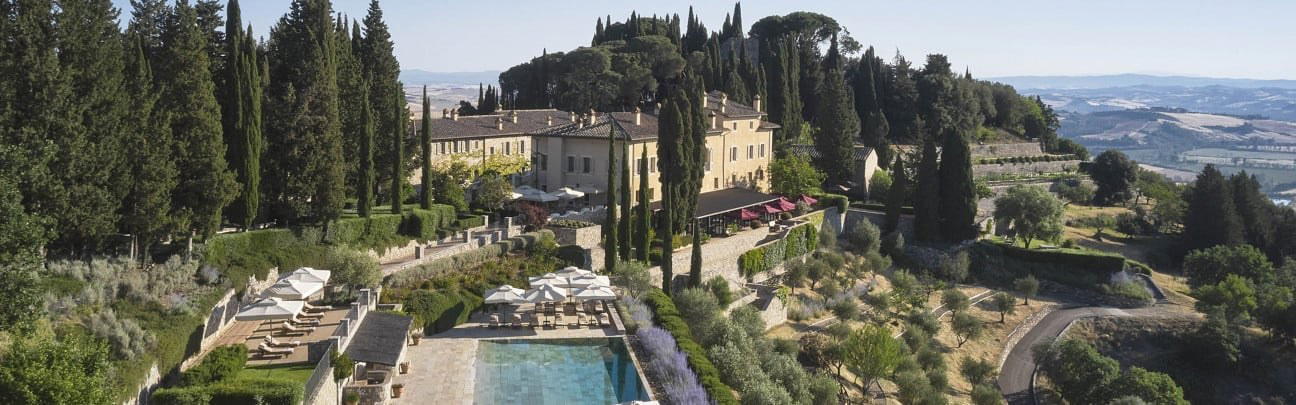
At a Glance
- Elegant
- Intimate
- Sophisticated
- Rustic
- Scenic
- Special Occasion
- Date Night
- Celebration
- Hotel Restaurant
- Terrace
- Panoramic View
- Extensive Wine List
- Sommelier Led
- Farm To Table
- Organic
- Local Sourcing
- Vineyard
- Mountain
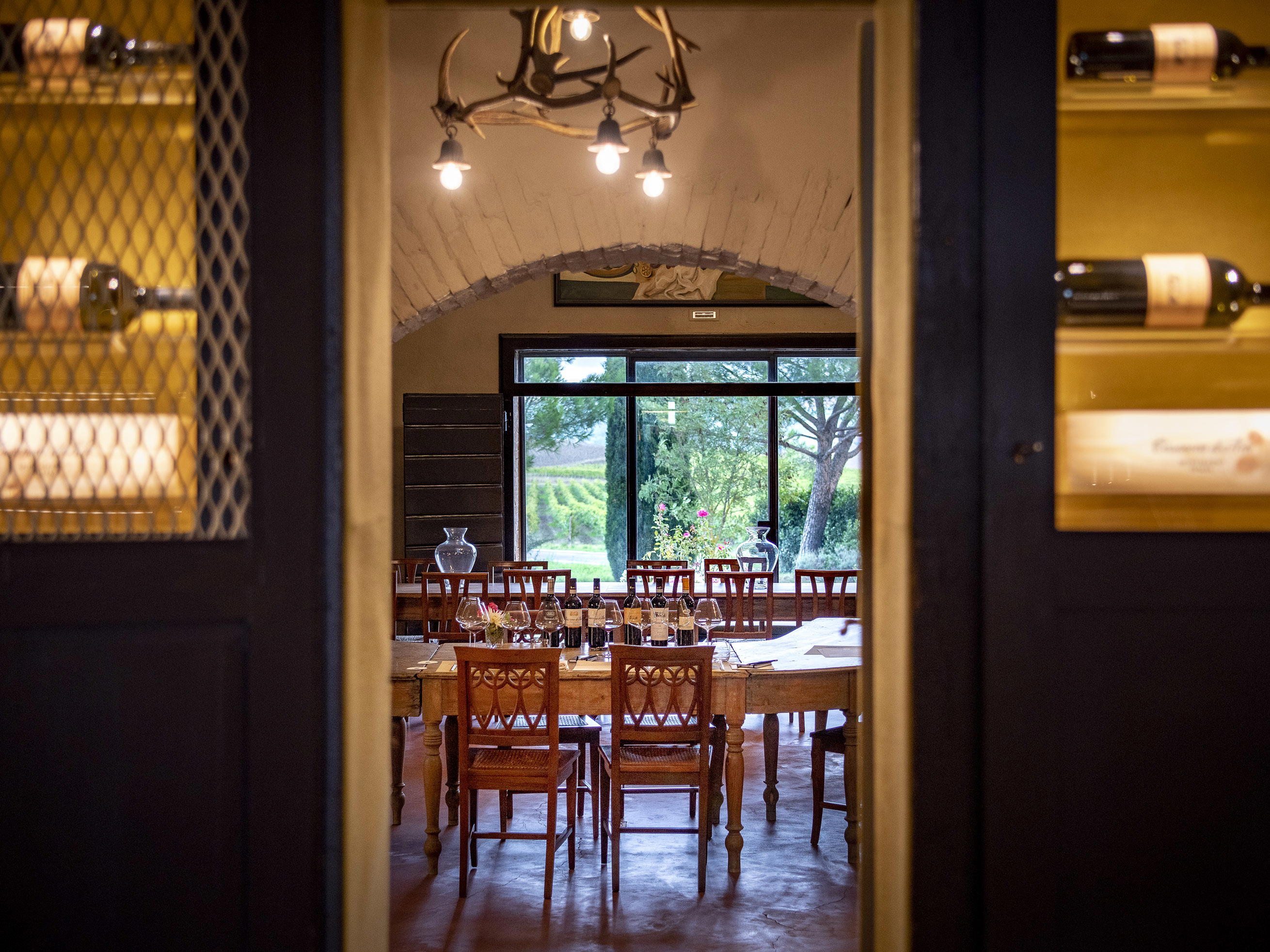
Intimate and evocative atmosphere in an elegant contemporary dining room with a panoramic terrace overlooking the Val d’Orcia hills and vineyards.