Google: 4.5 · 310 reviews
.png)
A mid-range Italian trattoria in Tokyo with a footballing soul, IL BALLOND'ORO takes its name from the sport's highest individual honour. The walls carry match photographs and player kits, and the saffron-tinged Golden Risotto has become the room's signature set piece. The menu draws from traditional Italian cooking across multiple regions, positioning the kitchen as a survey of the peninsula rather than a single-region specialist.
 Discover on Pearl
Pearl is the En Primeur Club membership app — saves, bookings, and concierge access live there. Same editors, same standards.
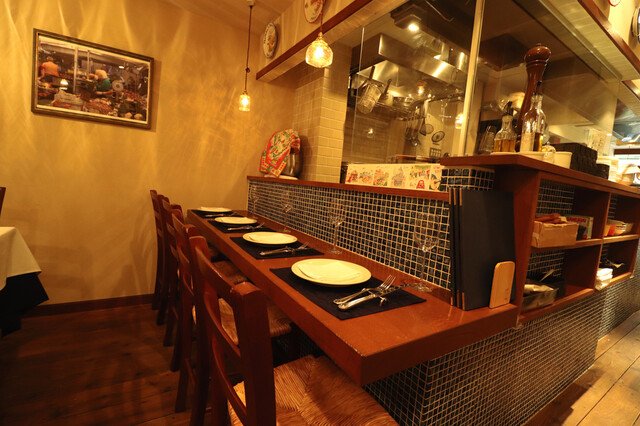
Where Football Culture Meets Regional Italian Cooking in Tokyo
Tokyo's Italian dining scene covers a wider price and ambition range than most visitors expect. At the upper end, counters like Aroma Fresca and PRISMA operate with tasting-menu precision and the kind of booking difficulty that assumes planning months out. Further along, places like Gucci Osteria da Massimo Bottura Tokyo occupy the branded destination tier. IL BALLOND'ORO sits at a different register entirely: mid-price, trattoria-format, and shaped by a specific cultural obsession rather than a pursuit of accolades.
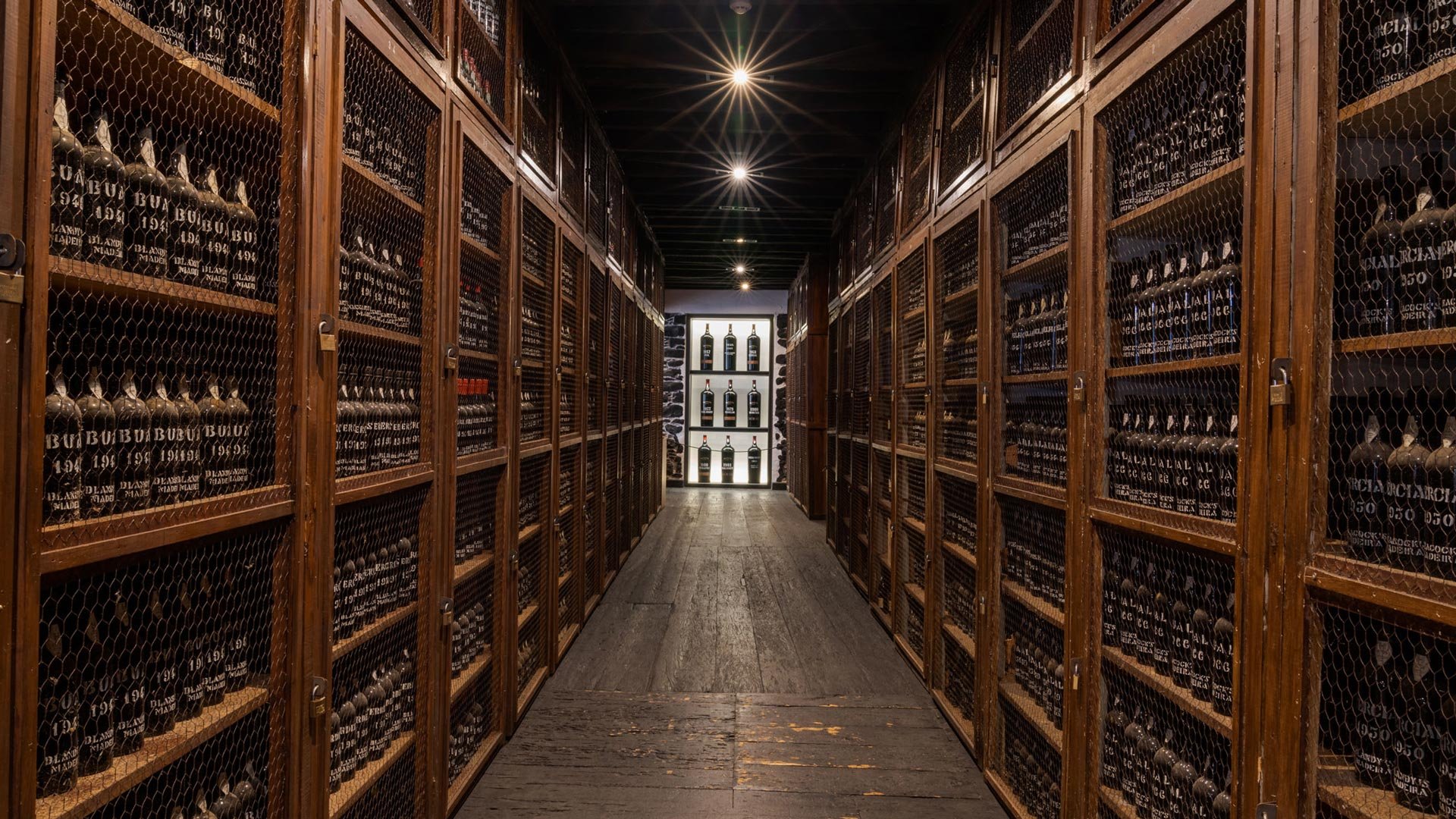
The room announces itself clearly. Walls carry commemorative photographs and framed player kits from Italian football. The name references the Ballon d'Or, the award presented annually to the world's leading footballer, and the entire visual identity follows that thread. This is not subtle theming — it is the room's dominant character, and the kitchen references it directly through its most discussed dish.
The Menu as a North-to-South Survey
Regional breadth is the kitchen's stated approach. Rather than anchoring to a single Italian tradition — Venetian seafood, Roman pasta, Neapolitan pizzeria , the menu draws from dishes gathered across the peninsula, from the alpine north to the southern coast. That ambition is harder to execute than it appears. Italian regional cooking carries strong internal logic, and a kitchen attempting to represent Lombardy, Emilia-Romagna, Lazio, and Campania simultaneously risks producing a diluted overview rather than a coherent meal.
What keeps the format grounded is the Golden Risotto, a saffron-coloured preparation that functions as both the kitchen's signature and its conceptual anchor. The dish connects directly to the chef's personal reference points, and its visual distinctiveness , the deep gold of saffron against plain ceramic , gives the menu a focal point that the broader regional survey might otherwise lack. A 4.5 Google rating across 283 reviews suggests the approach lands consistently with the room's actual audience, which matters more than theoretical coherence.
For readers comparing this against Tokyo's more formally structured Italian rooms, the peer set is closer to Principio and AlCeppo than to the multi-course tasting operations. The format is trattoria: à la carte, mid-price (¥¥ on a four-tier scale), without the ceremony of an omakase or set-course structure. That positions it as a genuine everyday Italian option in a city where many of the well-known Italian addresses require either a significant budget or considerable advance planning.
Booking and Planning: What to Know Before You Go
The editorial angle here is practical, and it favours IL BALLOND'ORO relative to its upper-tier competitors. Tokyo's most prominent Italian tables , and the city's broader fine-dining circuit, which runs from Michelin three-star sushi counters to kaiseki rooms like Gion Sasaki in Kyoto (if you're extending the trip) , require booking infrastructure: credit-card guarantees, early reservation windows, occasionally a Japanese-language reservation system that foreign visitors find difficult to access without a hotel concierge.
At the ¥¥ trattoria tier, that friction is substantially lower. The booking process is unlikely to require months of lead time, and the mid-price positioning means the financial commitment per person is significantly less than the ¥¥¥¥ tier that houses operators like HAJIME in Osaka or the three-star counters in Tokyo itself. For visitors who want to include at least one Italian meal in a Japan itinerary without committing to the full apparatus of a prestige reservation, IL BALLOND'ORO occupies a practical slot.
Specific hours, phone contact, and online booking method are not confirmed in available data. Visitors planning a trip should verify current access through the hotel concierge or a direct visit, particularly given that dining hours in Tokyo can shift seasonally. For broader context on planning a Tokyo dining itinerary, our full Tokyo restaurants guide covers the full range from casual to formal.
Placing IL BALLOND'ORO in Tokyo's Italian Context
Italian cooking in Tokyo has a longer and more serious history than many outsiders assume. The city has sustained Michelin-starred Italian kitchens for over a decade, with chefs trained in Italy working at a level that competes with European counterparts. The cuisine fits Tokyo's dining culture in specific ways: the emphasis on technique, the seasonal ingredient discipline, and the respect for producer relationships all translate directly into the priorities of serious Japanese kitchens. That broader credibility raises the floor for Italian cooking across the city, which means even mid-price operators are working in a context where the audience knows what properly executed pasta or risotto should taste like.
IL BALLOND'ORO operates inside that context, not above it. The football theming and mid-price positioning give it a personality distinct from the more formally aspirational Italian rooms. For comparison across the region, cenci in Kyoto represents the Italian-Japanese hybridity angle at a more refined register, while 8½ Otto e Mezzo Bombana in Hong Kong shows what the category looks like when it operates at full Michelin-starred ambition across the broader Asia-Pacific Italian dining scene. IL BALLOND'ORO is neither of those things, and that is not a criticism , it is a category definition.
Readers building a wider Japan itinerary can cross-reference akordu in Nara, Goh in Fukuoka, 1000 in Yokohama, and 6 in Okinawa for a sense of how Japan's regional dining map extends well beyond Tokyo. For everything else in the capital, our full Tokyo hotels guide, bars guide, wineries guide, and experiences guide provide the surrounding context.
Planning Your Visit
Cuisine: Italian (regional, trattoria format). Price tier: ¥¥ (mid-range on a four-tier scale). Reservations: Booking method not confirmed in available data , verify directly or via hotel concierge. Hours: Not confirmed , check before visiting. Google rating: 4.5 from 283 reviews. Dress: Not specified; trattoria format suggests casual to smart-casual. Standout dish: The Golden Risotto (saffron-based, the room's signature preparation).
The Quick Read
A fast peer set for context, pulled from similar venues in our database.
| Venue | Notes | Price |
|---|---|---|
| IL BALLOND'ORO | This venue | ¥¥ |
| Harutaka | Sushi, ¥¥¥¥ | ¥¥¥¥ |
| RyuGin | Kaiseki, Japanese, ¥¥¥¥ | ¥¥¥¥ |
| L'Effervescence | French, ¥¥¥¥ | ¥¥¥¥ |
| HOMMAGE | Innovtive French, French, ¥¥¥¥ | ¥¥¥¥ |
| MAZ | Innovative, ¥¥¥¥ | ¥¥¥¥ |
Continue exploring
More in Tokyo
Restaurants in Tokyo
Browse all →
Bars in Tokyo
Browse all →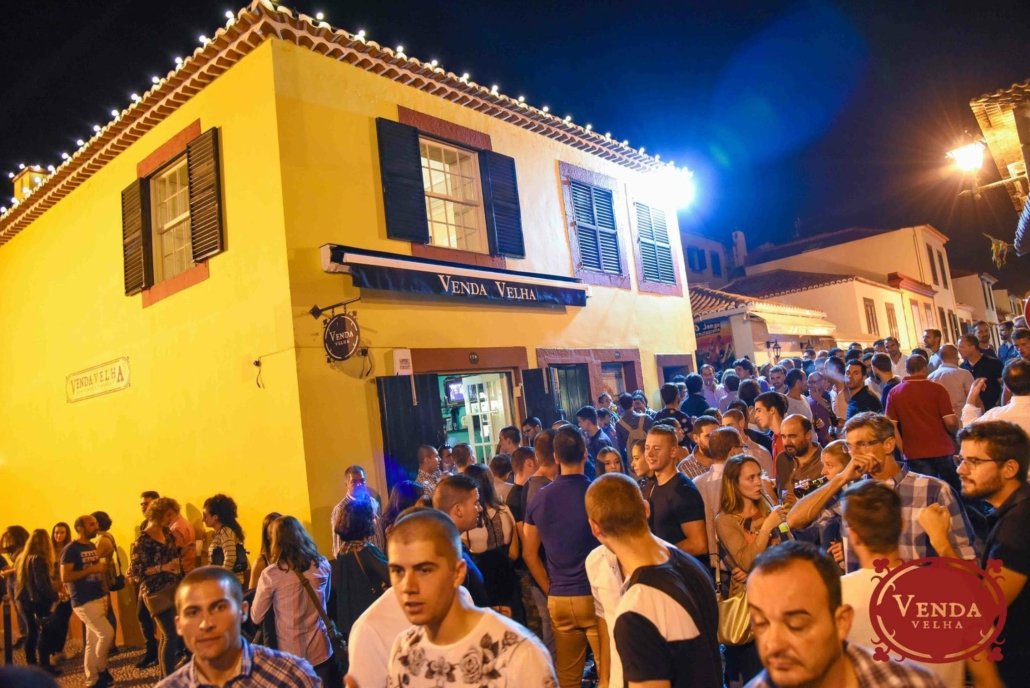
Hotels in Tokyo
Browse all →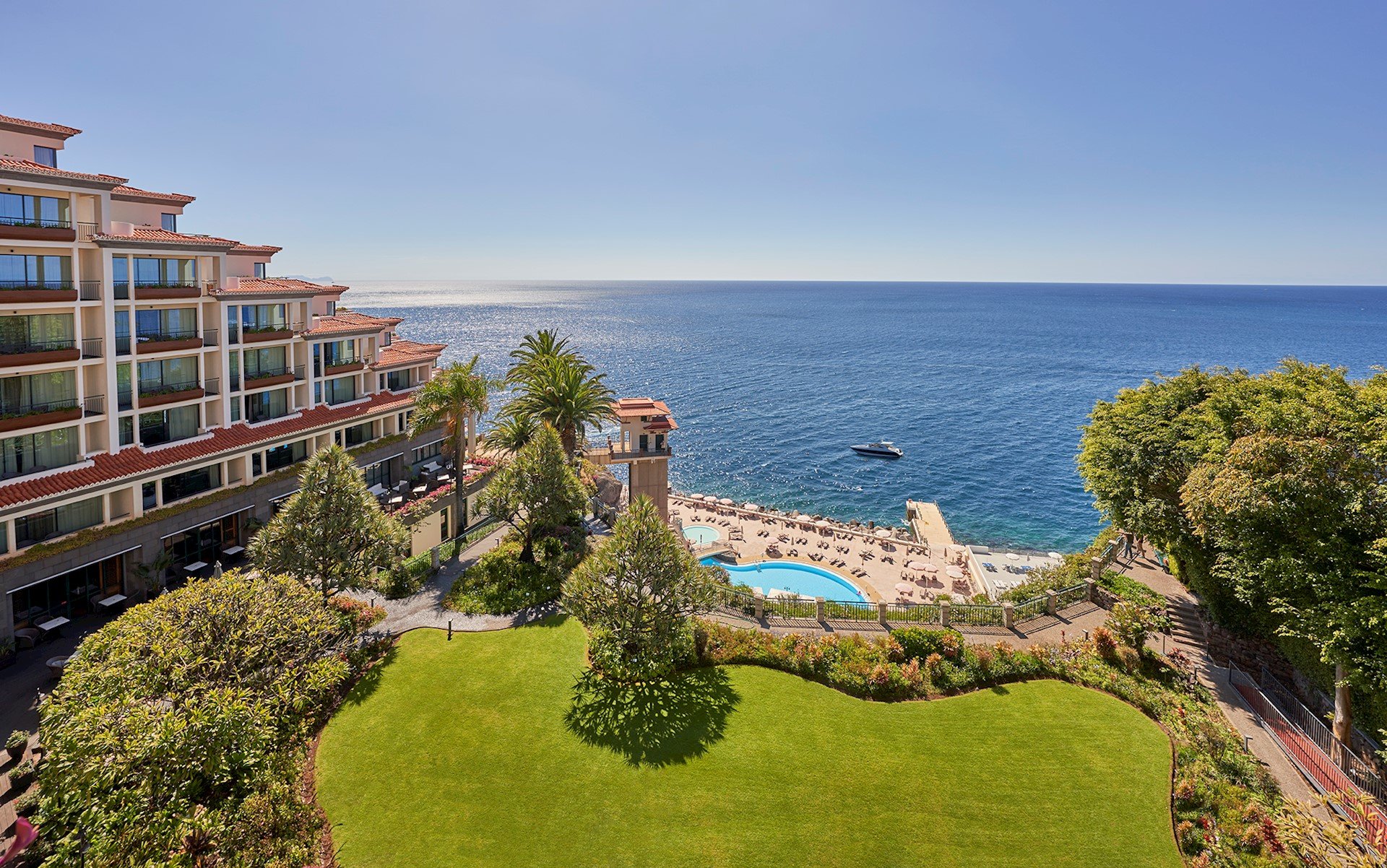

At a Glance
- Cozy
- Intimate
- Classic
- Date Night
- Celebration
- Sake Program
Cozy and intimate setting with walls adorned with Italian football photographs and uniforms, creating a casual trattoria atmosphere.