Henriques & Henriques

Henriques & Henriques sits in Câmara de Lobos, the fishing village on Madeira's south coast that has produced the island's most distinctive Madeira wine for generations..
Pearl is the En Primeur Club membership app — saves, bookings, and concierge access live there. Same editors, same standards.
- Address
- Av. da Autonomia 10, 9300-138 Câmara de Lobos
- Phone
- +351 291 941 551
- Website
- henriquesehenriques.pt
- Directions
- Get directions
 Saves & bookings on Pearl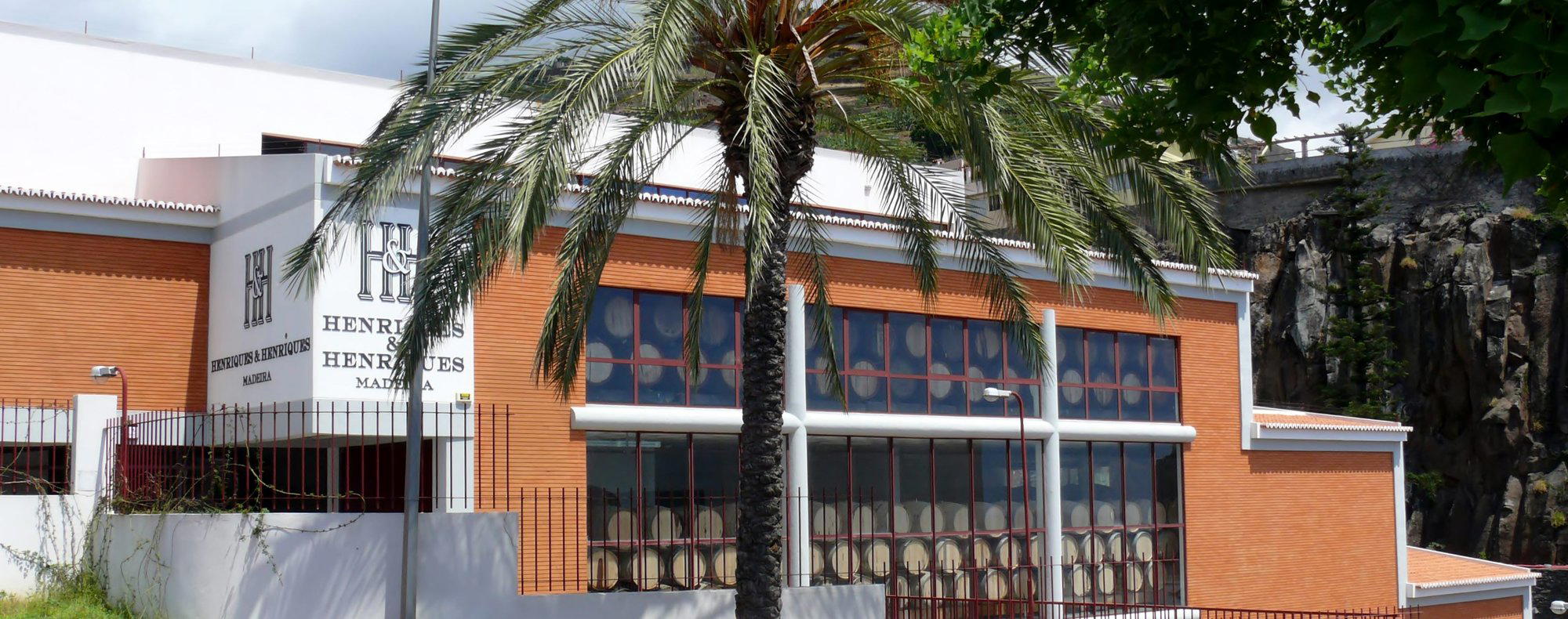
Where the Atlantic Shapes the Wine
Câmara de Lobos is not a wine village by accident. The steep basalt terraces that climb from the harbour into the hills above the south coast of Madeira concentrate heat during the day while Atlantic winds moderate temperatures overnight, creating the thermal oscillation that makes the island's wines structurally unlike anything produced on the Portuguese mainland. Henriques & Henriques, situated at Av. da Autonomia 10 in Câmara de Lobos, occupies a position at the centre of this tradition, in a place where viticulture has been shaped more by geography than by any winemaking trend. For those exploring the full range of Portuguese wine terroir, this is one of the country's most geographically specific stops, and it sits in a different category entirely from mainland estates such as Herdade do Esporão in Reguengos de Monsaraz or Bacalhôa Vinhos in Azeitão.
The Volcanic Foundation
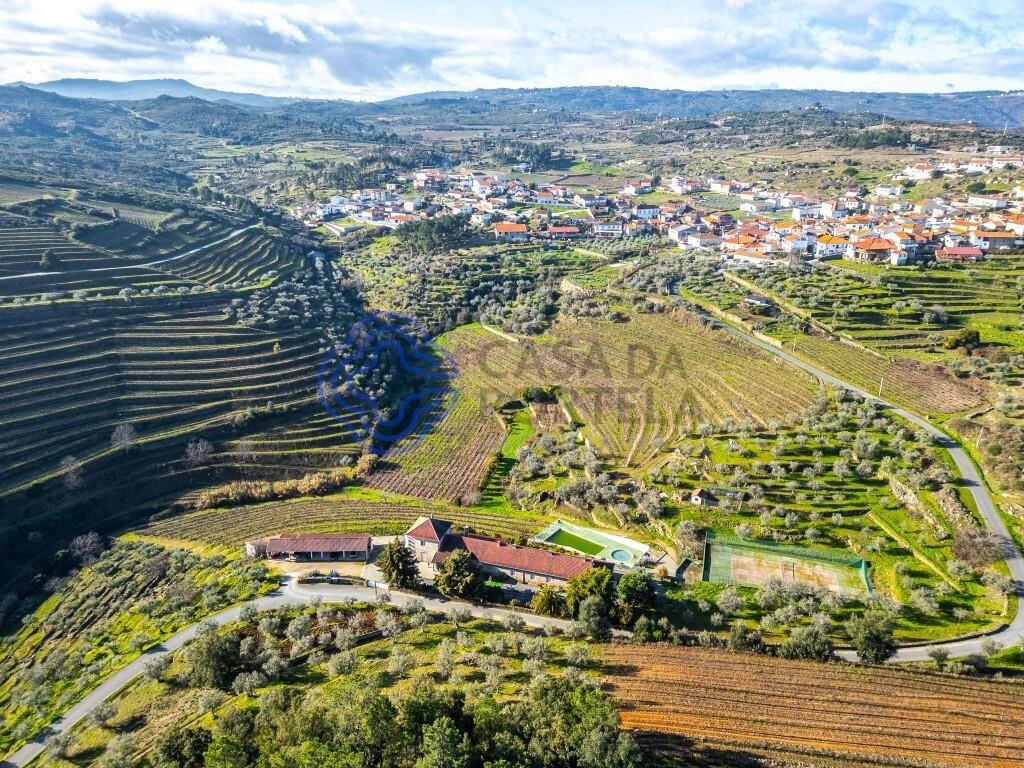
Madeira wine is one of the few categories in the world where the terroir argument is almost impossible to dispute. The island's soils are volcanic in origin, rich in minerals, and drain with a speed that forces vine roots deep into the basalt substrate. Rainfall arrives from the north, but the southern slopes where the leading vineyards are sited tend toward aridity, concentrating sugar in the Tinta Negra, Sercial, Verdelho, Bual, and Malvasia grapes that define the category's range from bone-dry to rich and sweet. Henriques & Henriques draws from this environment, and the wines carry the saline, high-acid signature that distinguishes Madeiran terroir from other Atlantic island wine regions. That acidity is not a winemaking choice so much as a consequence of latitude, altitude, and the island's persistent wind exposure.
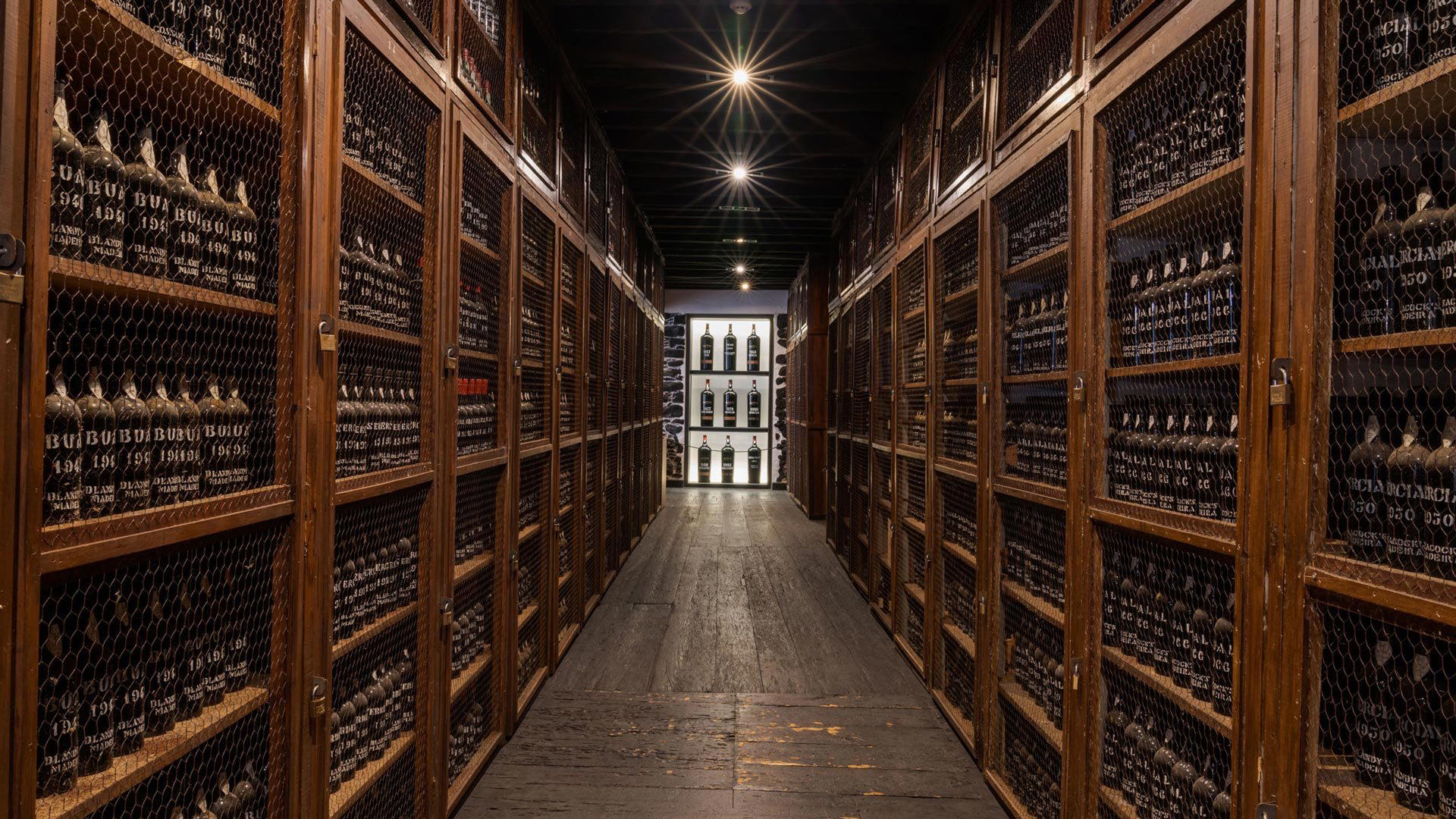
The comparison with other fortified wine traditions in Portugal is instructive. Port, produced in the schist-and-granite heat of the Douro Valley at estates like Quinta do Bomfim in Pinhão, Quinta do Seixo in Tabuaço, and Quinta do Vallado in Peso da Régua, relies on tannin and fruit density. Madeira, by contrast, builds complexity through the estufagem or canteiro aging process, where wines are deliberately exposed to heat and oxidation over months or years. The result is a wine that can survive open for weeks on a sideboard and that improves over decades in bottle, a behaviour almost distinctive in the fortified category. Blandy's Wine Lodge in Funchal operates within the same tradition but at larger commercial scale; Henriques & Henriques, with its base in Câmara de Lobos rather than the capital, maintains a more direct relationship with the vineyard land.
A 2025 Prestige Recognition in Context
In the Madeira category, that consistency is harder to achieve than it appears: the island's humidity, the narrow terraces that preclude mechanisation, and the long aging requirements all compound production costs and complexity. Recognition at this level puts Henriques & Henriques in a peer conversation with Alentejo and Dão estates that have similarly received structured prestige recognition, including Adega Cartuxa in Évora and Casa de Santar in Nelas, though the wine styles could not be more different in character or method.
It also places the estate well above the cooperative-scale production model represented elsewhere in Portuguese wine by estates like Adega Cooperativa de Borba or Aliança Vinhos in Sangalhos, whose volume and accessibility position them differently in the market. The Madeira premium tier, of which Henriques & Henriques is a recognised part, trades on age, rarity, and terroir specificity rather than price-point accessibility.
Câmara de Lobos as a Wine Destination
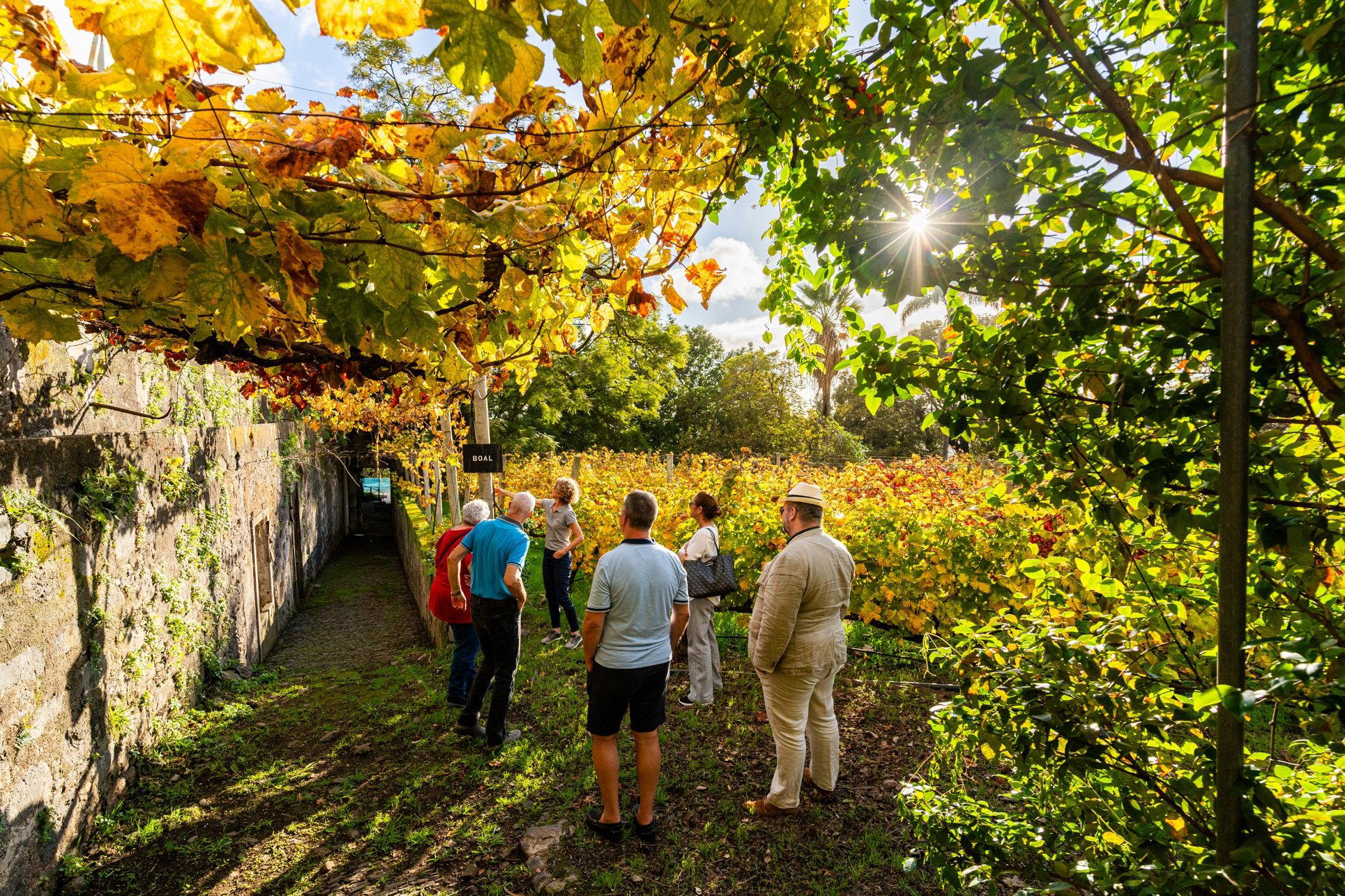
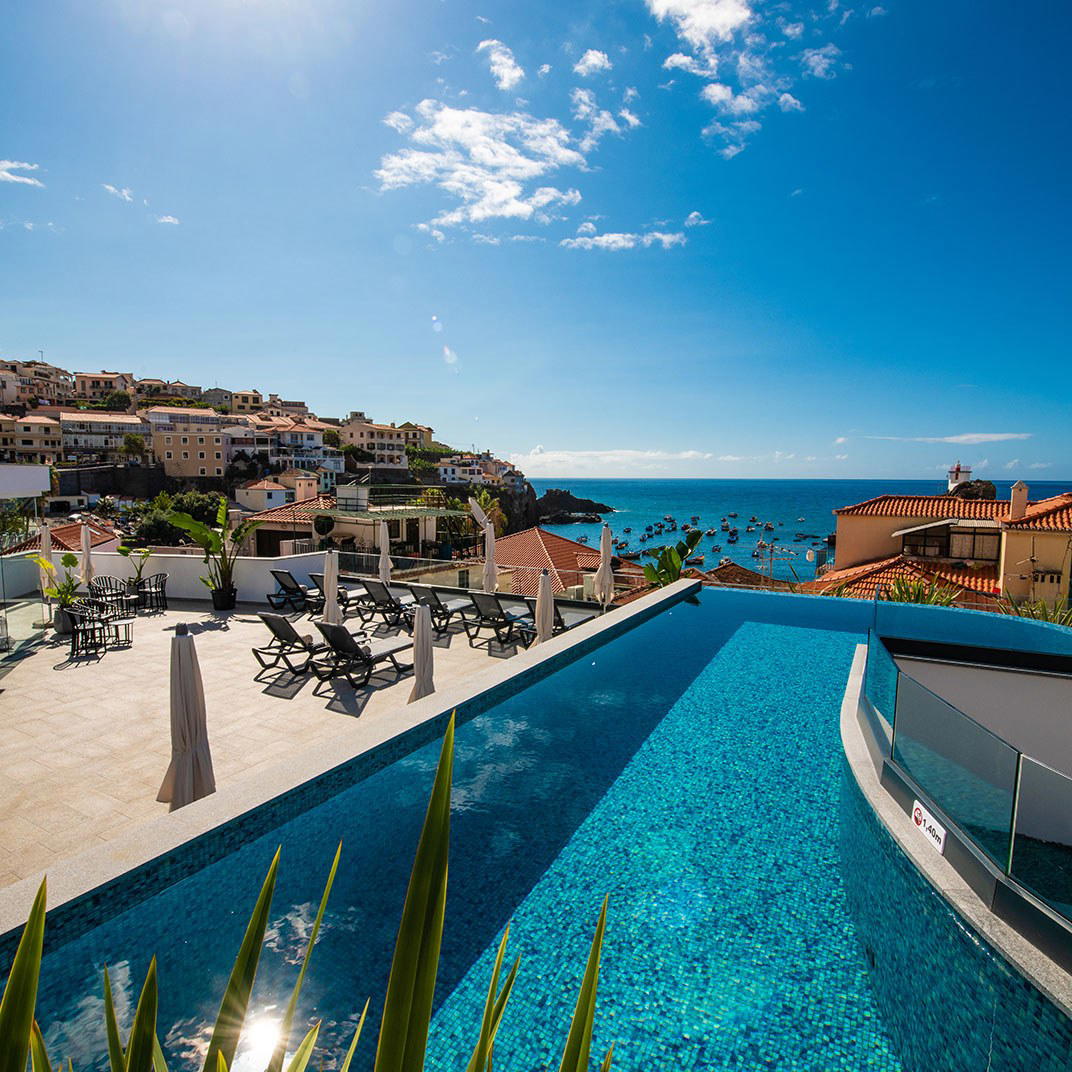
The village itself has accumulated a cultural identity well beyond its size. Historically a working fishing harbour, it draws visitors who arrive expecting to see the view that Winston Churchill painted during his visits to the island, and who leave understanding that the vines climbing the terraces above the harbour are not decorative. They are the economic and cultural backbone of a community whose relationship with Madeira wine predates most of Portugal's other famous wine traditions by several centuries. The Sercial vineyards at altitude, the Tinta Negra plots on the lower slopes, and the old lodge cellars where canteiro wines rest in barrel all exist within a compact geography that makes Câmara de Lobos one of the more coherent wine villages in the Atlantic world.
Henriques & Henriques at Av. da Autonomia 10 is reachable from Funchal by road in under twenty minutes, and the village is compact enough that arriving, visiting the estate, and exploring the harbour takes a focused half-day. Those visiting as part of a broader Madeira wine itinerary should note that the island's wine tourism is concentrated but not crowded, and that the major producers tend not to require advance booking in the way that, say, allocated Napa producers such as Accendo Cellars in St. Helena do. Visiting is by appointment only.
How Madeira Fits into Portugal's Wine Geography
Any serious engagement with Portuguese wine eventually arrives at Madeira, not because it is the largest or most commercially dominant category, but because it is especially technically extreme. The deliberate oxidation that would destroy a Douro white or an Alentejo rosé is the entire point of Madeira production. The heat that would strip freshness from a Vinho Verde is the mechanism that builds the wine's extraordinary longevity. Regions as varied as the sandy phylloxera-free soils of Adega Regional de Colares and the granite-cooled Dão at Casa de Santar each demonstrate how Portuguese terroir resists easy summary. Madeira, produced on a volcanic Atlantic island with a microclimate unlike anything on the mainland, simply takes that argument to its furthest conclusion. Henriques & Henriques. Visitors who have already worked through the fortified traditions at Churchill's in Vila Nova de Gaia will find Madeira a useful counterpoint: similar in category label, entirely different in what the island's terroir demands of the wine.
Planning Your Visit
Henriques & Henriques is located at Av. da Autonomia 10, 9300-138 Câmara de Lobos. The village sits on Madeira's south coast, accessible from Funchal via the coastal road or the expressway. Visiting is by appointment only.
How It Stacks Up
Comparable venues nearby, for context on price, style, and recognition.
| Venue | Cuisine | Price | Notes |
|---|---|---|---|
| Henriques & HenriquesThis venue — the venue you are viewing | Verdelho, Terrantez | $$ | Not listed |
| The Factory House | Touriga Nacional, Touriga Francesa | $$$ | Porto docks |
| Blandy's Wine Lodge | Sercial, Verdelho | $$$ | Funchal city center |
| Adega Regional de Colares | Winery | Not listed | Colares |
| Ramos Pinto | Touriga Nacional, Touriga Franca | $$ | Vila Nova de Gaia |
| Sandeman | Touriga Nacional, Tinta Roriz | $$ | Vila Nova de Gaia |
Recognition history
Dated appearances from independent guides and award organizations, with the underlying list record or original source where available.
Falstaff Winery - Listed
Falstaff
Continue exploring
More in Câmara de Lobos
Wineries in Câmara de Lobos
Browse all →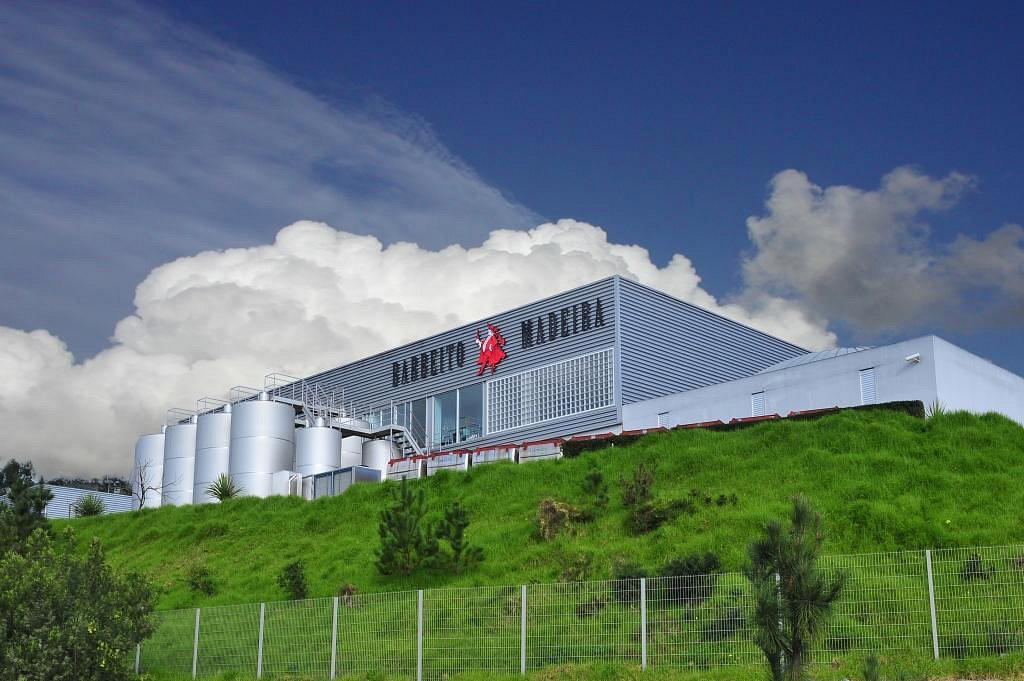

Bars in Câmara de Lobos
Browse all →
Restaurants in Câmara de Lobos
Browse all →
At a Glance
- Classic
- Rustic
- Scenic
- Wine Education
- Solo Exploration
- Vineyard Tour
- Estate Grounds
- Historic Building
- Mountain
- Vineyard
- Madeira DOC
- Verdelho
- Terrantez
- Sercial
- Bual
- Malvasia
- Tinta Negra
- Fortified
- Single Varietal Tasting
- Aged Reserves
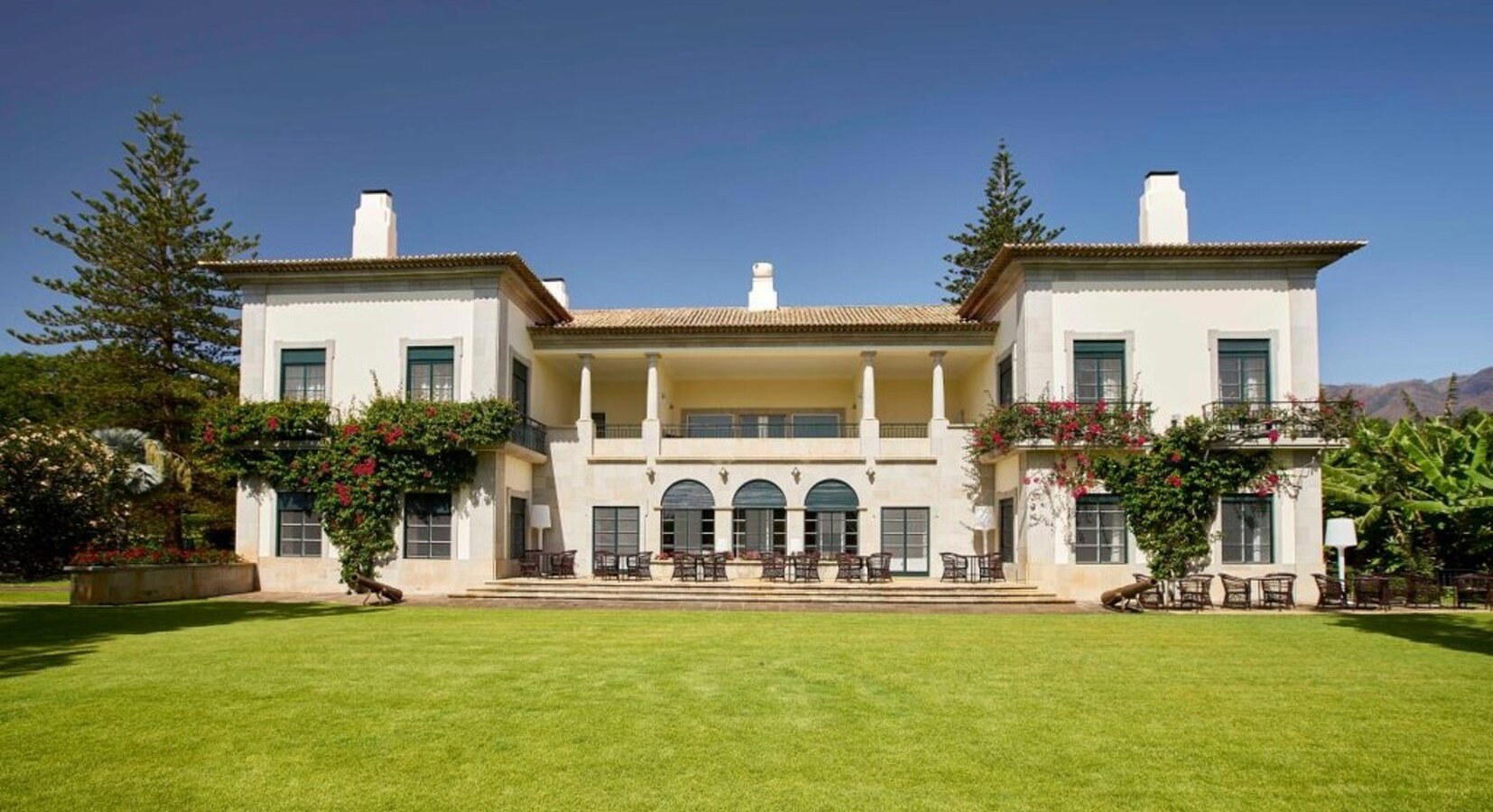
Historic and traditional winery atmosphere with focus on complexity and longevity from volcanic terroir.