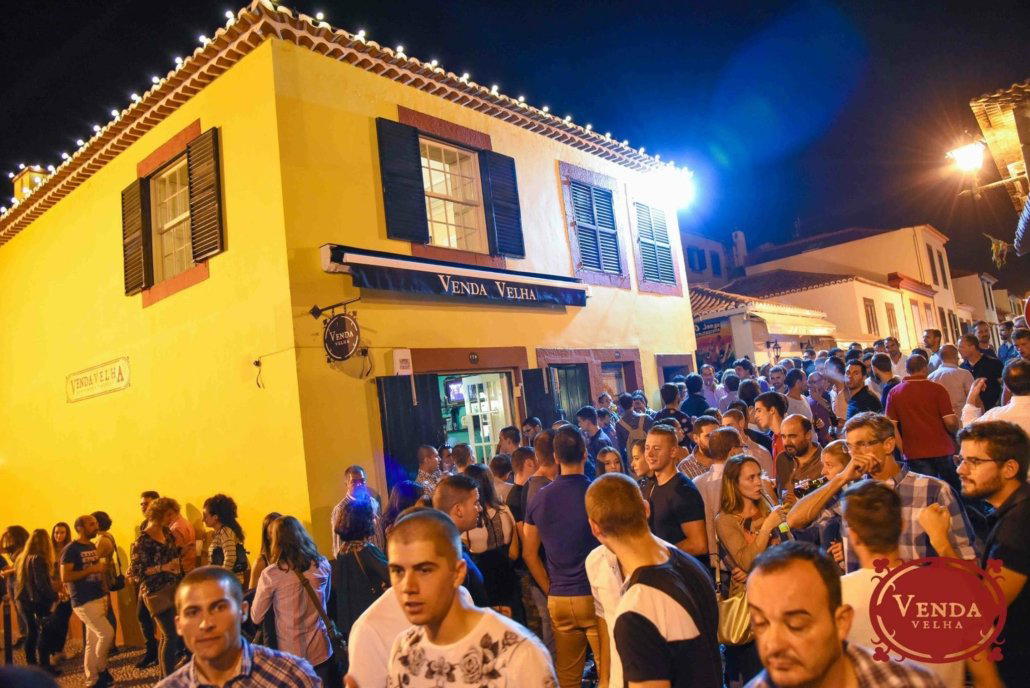
On Funchal's oldest street, Venda Velha occupies a stretch of Rua de Santa Maria where the Zona Velha's painted-door art project meets the older habit of neighbourhood drinking. The bar sits at the more serious end of Madeira's emerging cocktail scene, drawing on the island's deep relationship with fortified wine as a building block for contemporary mixed drinks.

Pearl is the En Primeur Club membership app, where members save venues, book tables and use the concierge.
Where the Old Town's Stone Walls Meet the Glass
Rua de Santa Maria is one of the oldest streets in Funchal, a narrow basalt lane that runs east from the cathedral quarter toward the Zona Velha fishing neighbourhood. The painted doors that line it, a public art project that has drawn visitors to an area once considered purely residential, have gradually pulled along a generation of bars and eating places that trade on the street's layered character rather than on any particular trend. Venda Velha sits on this street, at number 170, and the address alone positions it inside a specific argument about what Funchal's drinking culture can be when it reaches beyond the hotel bar and the tourist-facing shot of Madeira wine.
Funchal's cocktail scene remains smaller and younger than Lisbon's or Porto's, but it has been developing a distinct identity built around the island's native ingredients: Madeiran wine, poncha (the traditional sugarcane spirit), tropical fruit grown in the levada-fed agricultural terraces above the city, and honey. The island's fortified wine tradition, which long predated the global cocktail revival, gives local bartenders a set of raw materials that their mainland counterparts cannot easily replicate. A well-aged Sercial or a dry Verdelho carries acidity, salinity, and oxidative depth that function differently in a mixed drink than any substitute could. This is the ingredient inheritance that bars in the Zona Velha now work with, and Venda Velha is part of that conversation.
The Cocktail Framework: Madeira as Structure, Not Garnish
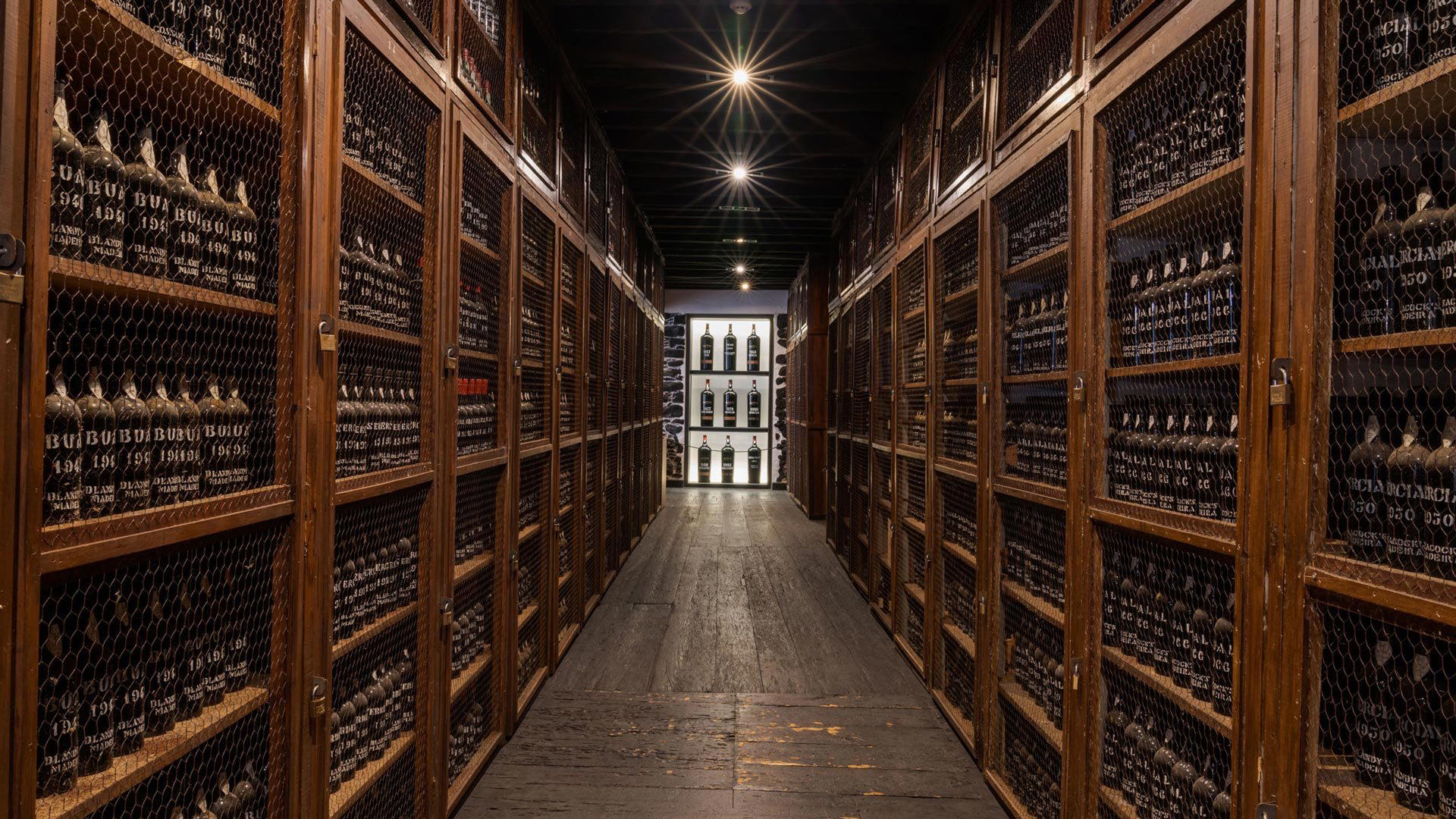
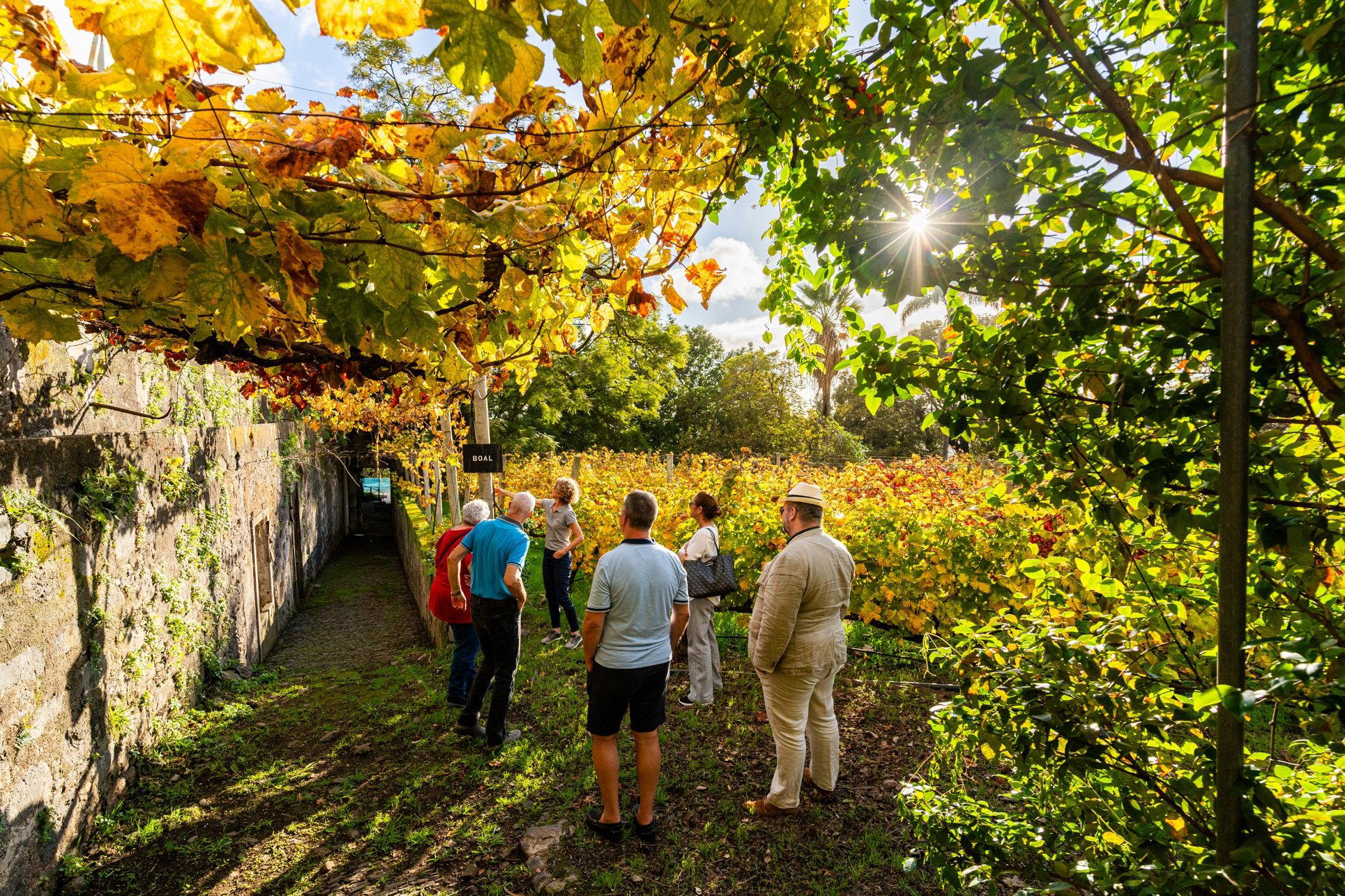
Across Portugal's more considered bar programmes, from Red Frog in Lisbon to Base Porto in Porto, the shift has been away from imported spirits with local garnishes and toward Portuguese base ingredients treated with the same technical seriousness applied elsewhere to Scotch or mezcal. Madeira wine occupies a structurally similar position in cocktail building to sherry or vermouth, it can anchor a drink, provide its sweetness register, or supply the bitter-herbal notes that would otherwise require a modifier. The key difference is that Madeira's range across its four main grape varieties (Sercial, Verdelho, Boal, Malmsey) offers a wider tonal spread than most substitutes, from bone-dry to richly sweet, all carrying the island's volcanic mineral signature.
Bars on the Atlantic coast have historically treated Madeira wine as a poured-glass product rather than a cocktail component, partly because the wine's prestige made mixing it feel transgressive, and partly because the visitor trade was satisfied with simpler formats. The younger wave of Zona Velha bars has moved past that hesitation. Whether Venda Velha's programme deploys full varietal Madeira wines or works more with poncha as its primary spirit, the context it operates in is one where the island's fermented and distilled traditions are increasingly treated as source material rather than as museum objects.
For comparison points outside Madeira, the coastal bar programmes at Bar do Guincho in Alcabideche and Bar e Duna da Cresmina in Cascais have developed drinks that engage with Atlantic geography, salt, sea-facing fruit, ocean-adjacent botanicals, rather than defaulting to international templates. The Estoril bar scene operates in a more casino-adjacent format, but even there the regional wine identity is increasingly present. Madeira has a more acute version of this dynamic because the island's ingredients are genuinely difficult to source elsewhere, giving a bar like Venda Velha a natural competitive boundary that purely technique-driven programmes cannot replicate.
Zona Velha in Context: The Neighbourhood as Editorial Statement
Understanding Venda Velha requires understanding what Rua de Santa Maria has become. The Zona Velha was Funchal's working fishing district, and its streets retain the physical character of that history: low buildings, narrow facades, uneven stone paving. The arte das portas abertas project, which commissioned artists to paint the neighbourhood's doors, began in 2010 and has since made the street one of the most photographed in the city. That visibility brought footfall, and footfall brought a second generation of businesses oriented toward visitors who are self-selecting for character rather than convenience. The bars and restaurants that have settled here are smaller and more specific than those along the marina or in the hotel corridors of the upper city.
This matters for how a bar like Venda Velha functions. Across Portugal's wine bar circuit, venues like Epicur in Faro, Garrafeira Baga in Coimbra, Mosto in Lagos, and Touriga in Carvoeiro have established that a focused, ingredient-led bar format is sustainable in Portuguese cities without the density of a Lisbon or Porto. Madeira's relative isolation from the mainland market actually reinforces that model: the island's visitors arrive self-selected for a specific place, and the bar culture that has developed here reflects that.
Planning a Visit
Venda Velha is at Rua de Santa Maria 170, in the eastern stretch of the Zona Velha, which is walkable from the main waterfront in under fifteen minutes. The street's bar density is highest in the evening, and the painted-door district attracts afternoon foot traffic that tends to thin out and become more local as the night progresses. Visitors who arrive around or after 9pm will find a quieter, more neighbourhood-weighted atmosphere. The Zona Velha in general rewards walking rather than driving, and parking in the area is limited. For those drawing broader comparisons across the Atlantic bar world, the kind of ingredients-forward programme that Madeira's leading bars represent has international parallels: Bar Leather Apron in Honolulu operates on a similar logic of place-specific ingredient sourcing translated into technically precise mixed drinks. For a full picture of where Venda Velha sits within Funchal's eating and drinking options, see our full Funchal restaurants guide. The Yeatman in Vila Nova de Gaia represents the hotel-bar end of Portugal's serious wine drinking offer, and the contrast with a street-level Zona Velha bar is instructive for understanding how the country's drinking culture has stratified.
| Venue | Cuisine | Price | Awards |
|---|---|---|---|
| Venda VelhaThis venue (the venue you are viewing) | This venue | $10–20 | Not listed |
| Red Frog | World's 50 Best | $10–20 | World's 50 Best #94 · Falstaff Bar - 95 Falstaff Points |
| A Cave do Bon Vivant | Not listed | $20–30 | Star Wine List · Falstaff Wine Bar - 91 Falstaff Points |
| Black Sheep | Not listed | $10–20 | Star Wine List |
| Boca D'uva | Not listed | $30–50 | Star Wine List |
| Cinco Lounge | Not listed | $20–30 | Top 500 Bars Best Bars #458 · Falstaff Bar - 94 Falstaff Points |
Continue exploring
More in Funchal
Restaurants in Funchal
All restaurants in Funchal →
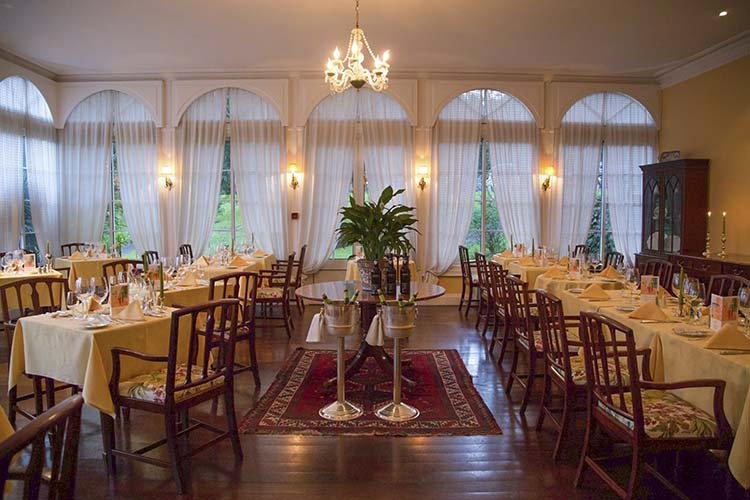
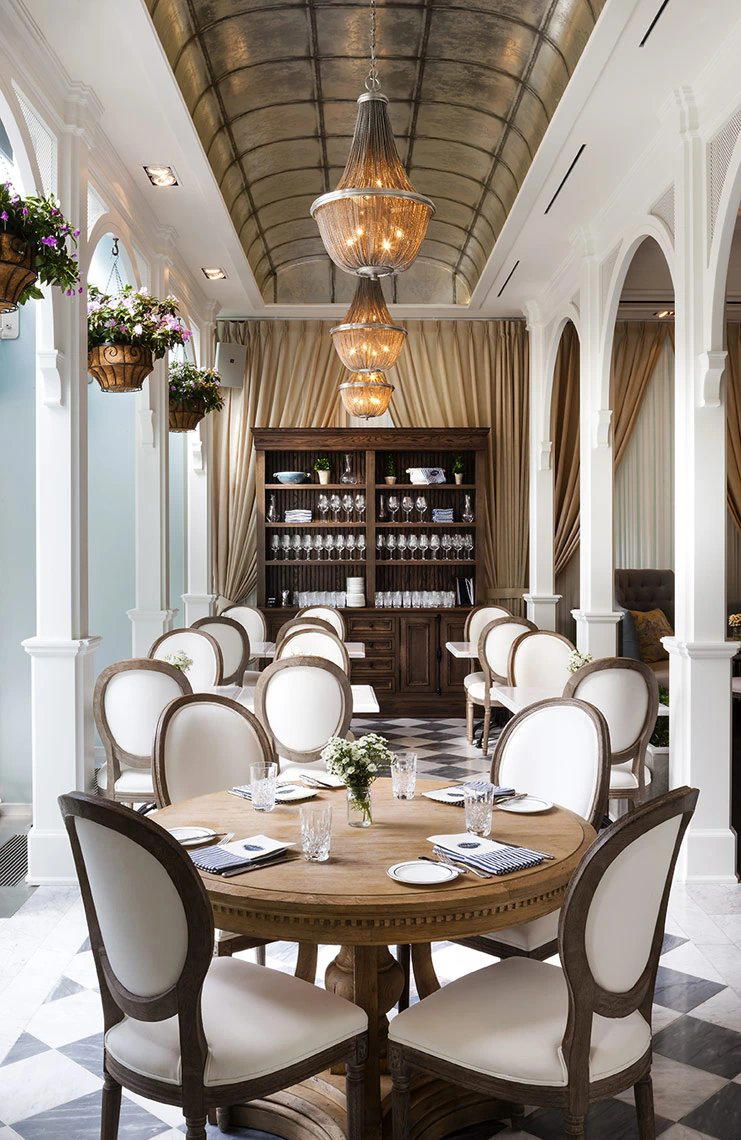
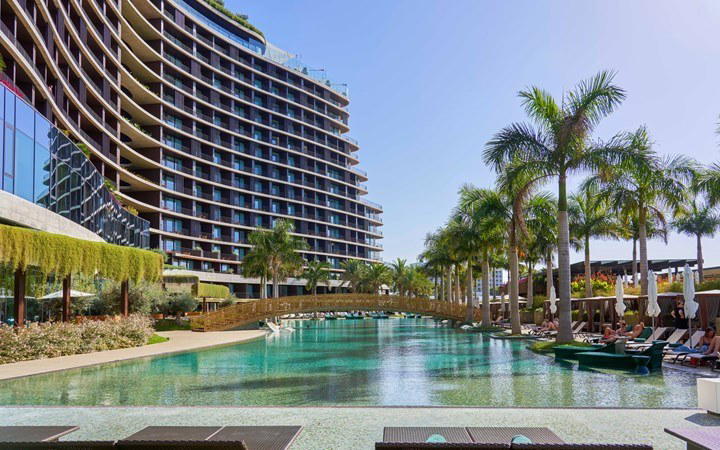
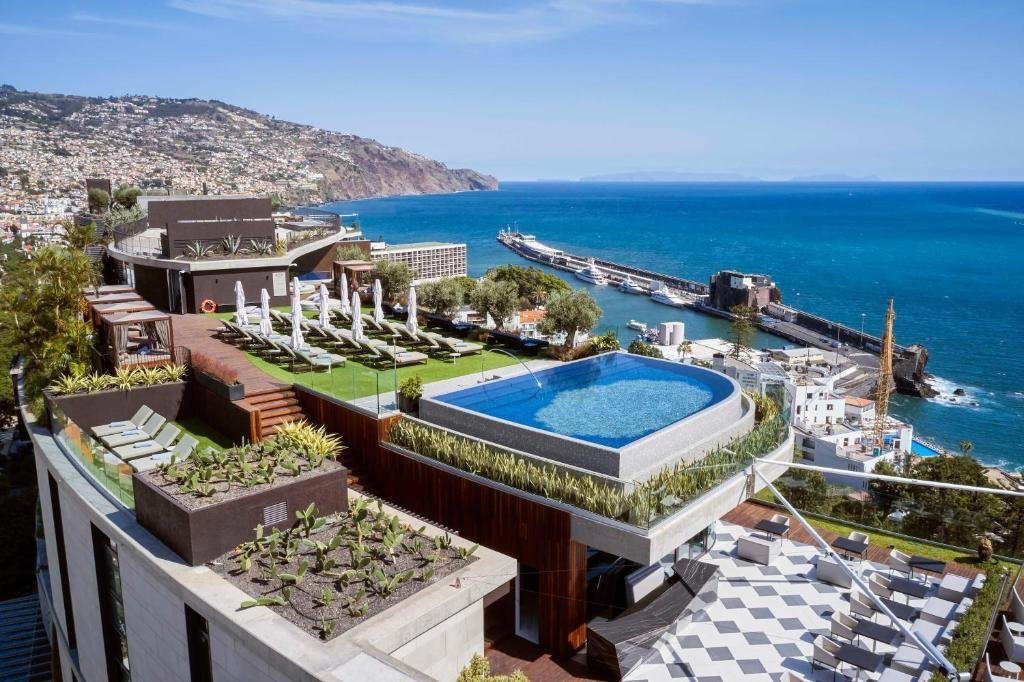

Venda Velha
The drinks
- Classic cocktails
Signature drinks: Poncha with passion fruit, Poncha with tangerine, Poncha with lemon.
Details
- Cozy
- Rustic
- Classic
- Well Known
- Casual Hangout
- Late Night
- Group Outing
- Historic Building
- Live Music
- Standalone
- Seated Bar
- Standing Room
- Outdoor Terrace
- Rum
- Punch
- Classic Cocktails
Current opening hours
- Monday
- 3 PM–12 AM
- Tuesday
- 3 PM–12 AM
- Wednesday
- 3 PM–12 AM
- Thursday
- 3 PM–12 AM
- Friday
- 3 PM–1 AM
- Saturday
- 3 PM–1 AM
- Sunday
- 3 PM–12 AM
Hours can change for holidays and private events. Hours as of .