
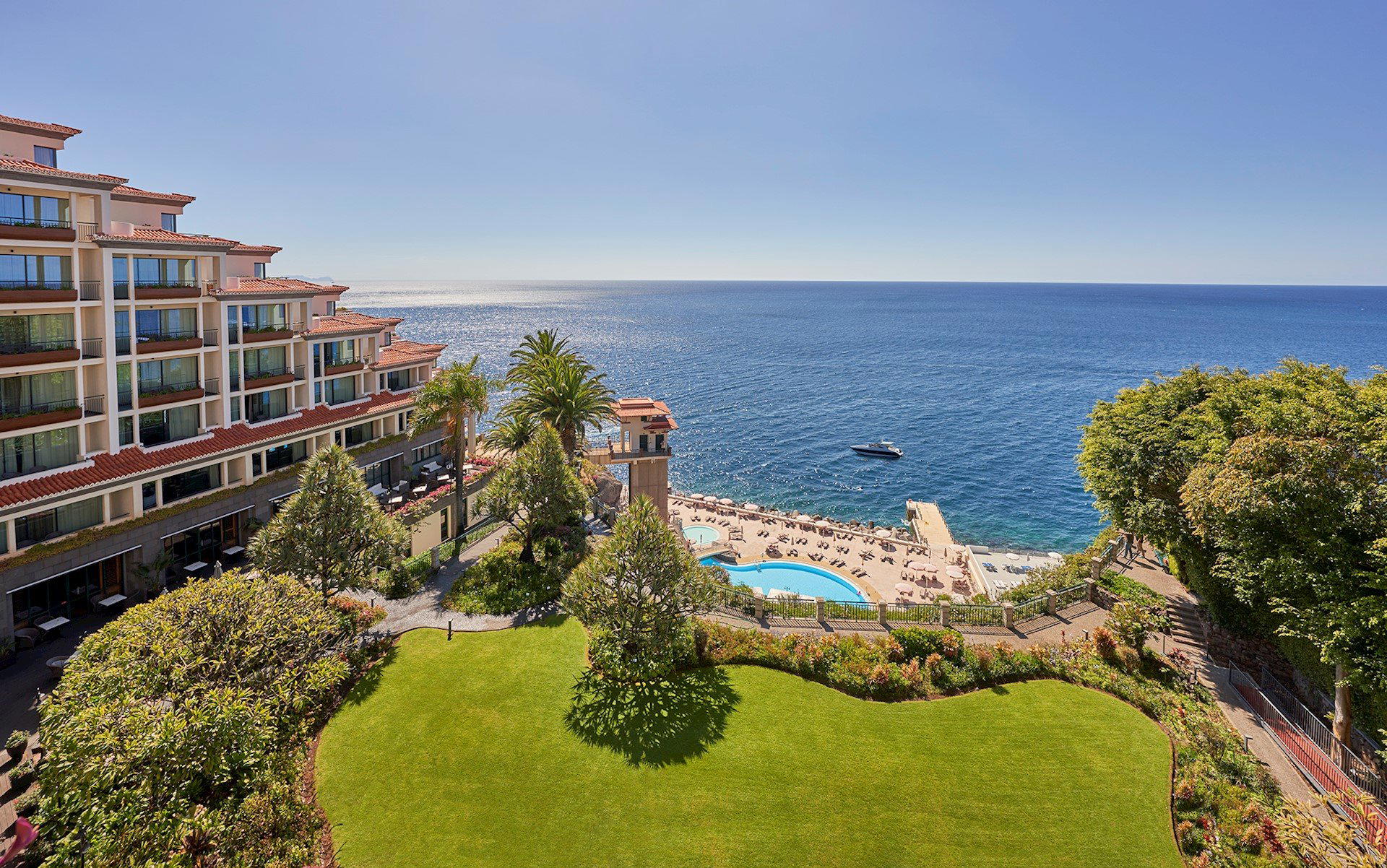
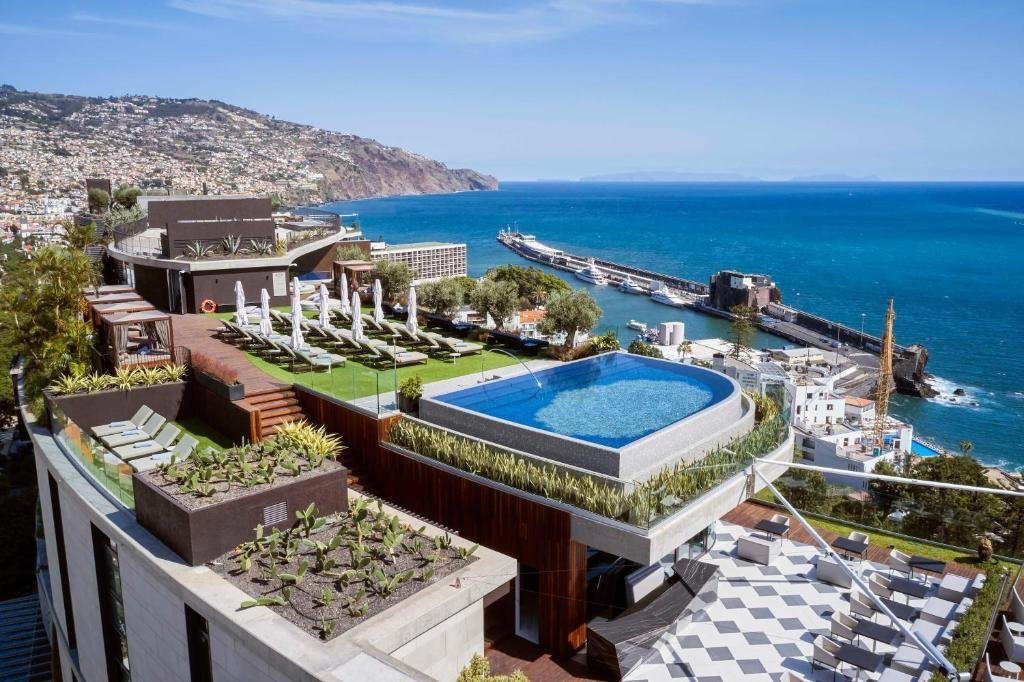
Avista Ásia occupies the upper floor of the Cliff Bay hotel in São Martinho, positioning Asian fusion, Japanese, Chinese, and Korean techniques cut with Mediterranean and Madeiran produce, against panoramic views of Funchal and the Atlantic. Four distinct menu formats run from a three-course Descoberta to a seven-course Premium, alongside an Omakase option.
Pearl is the En Primeur Club membership app — saves, bookings, and concierge access live there. Same editors, same standards.
- Address
- Estrada Monumental 145, São Martinho, 9004-532 Funchal, Portugal
- Phone
- +351 291 707 770
- Website
- portobay.com
- Directions
- Get directions
 Saves & bookings on Pearl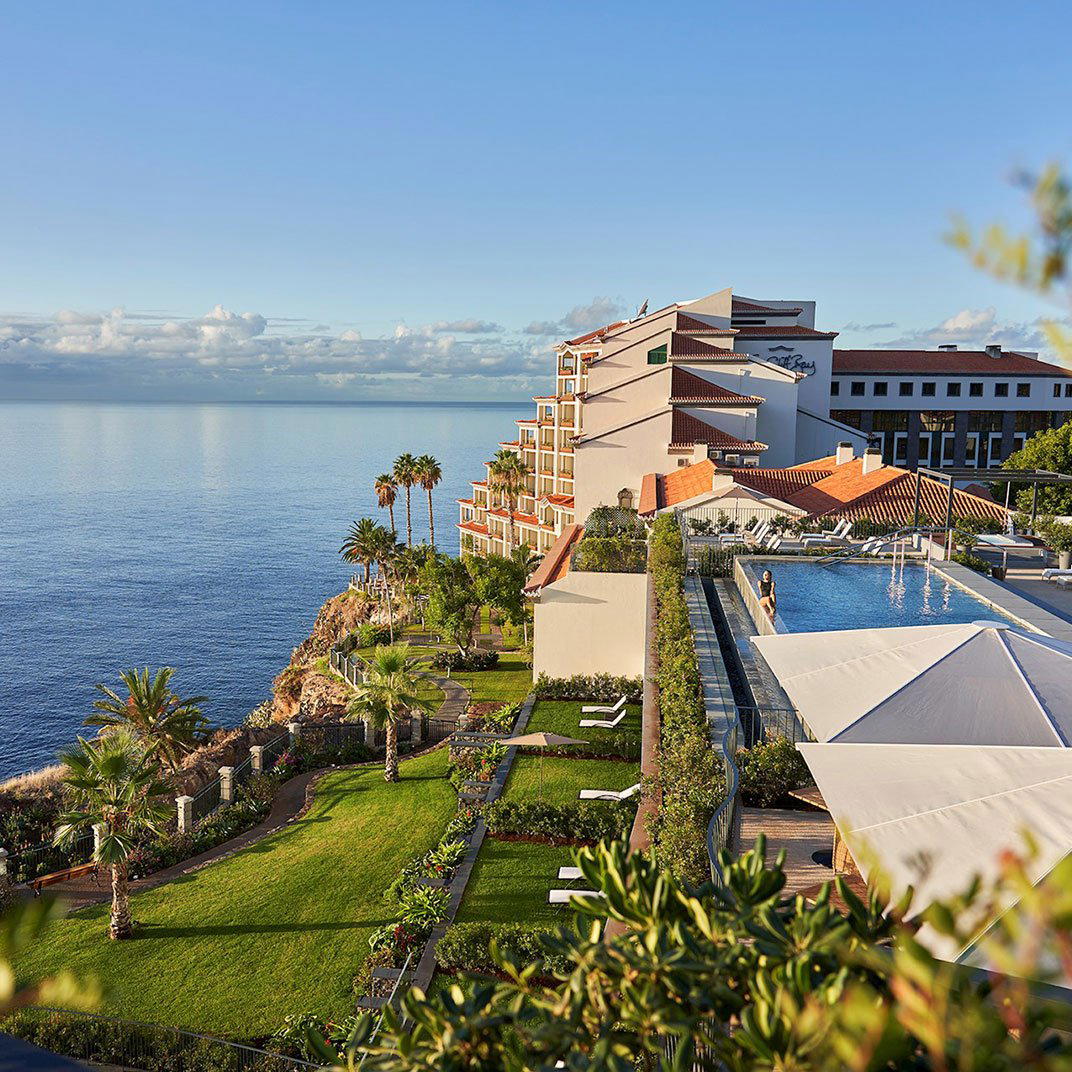
Where the Atlantic meets the Pacific Rim
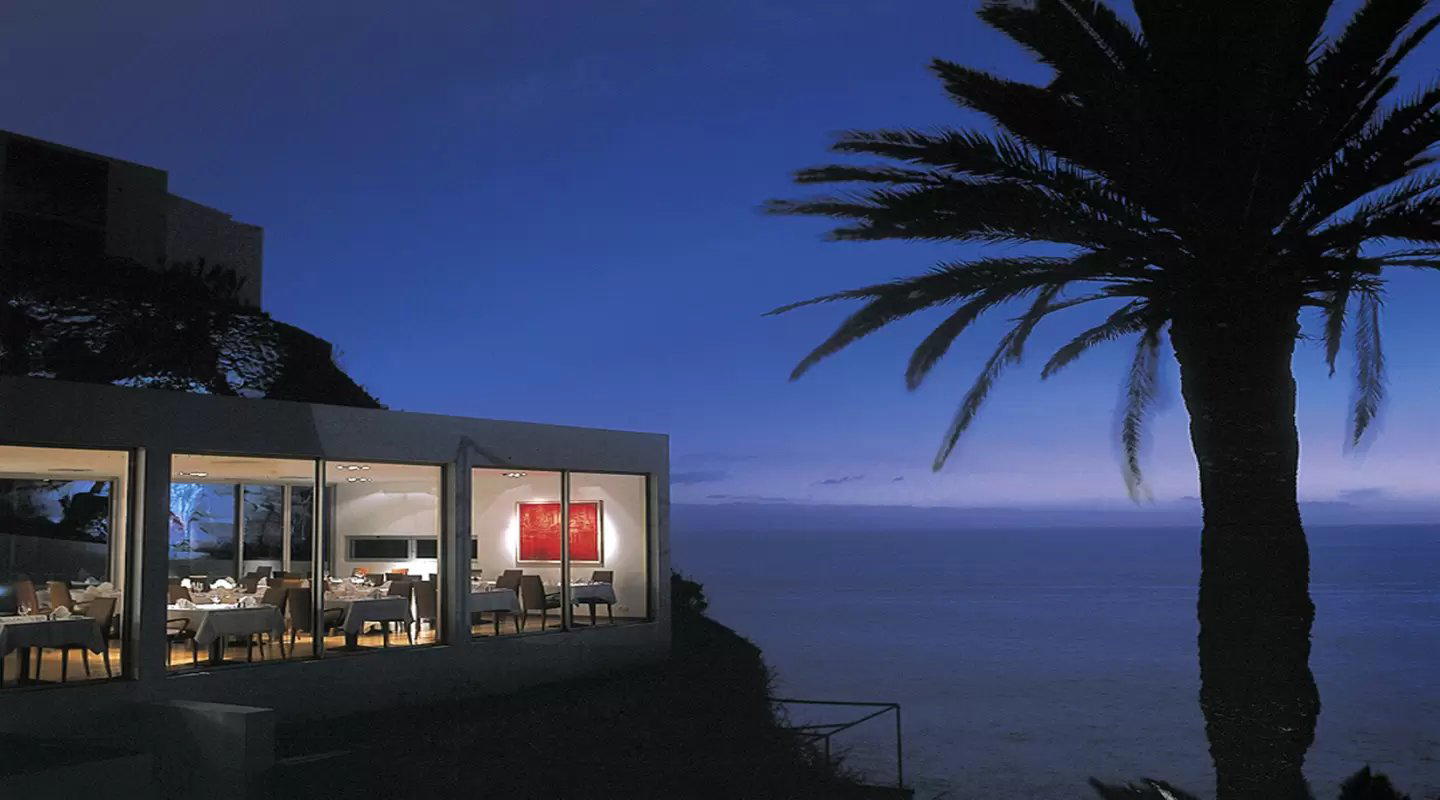
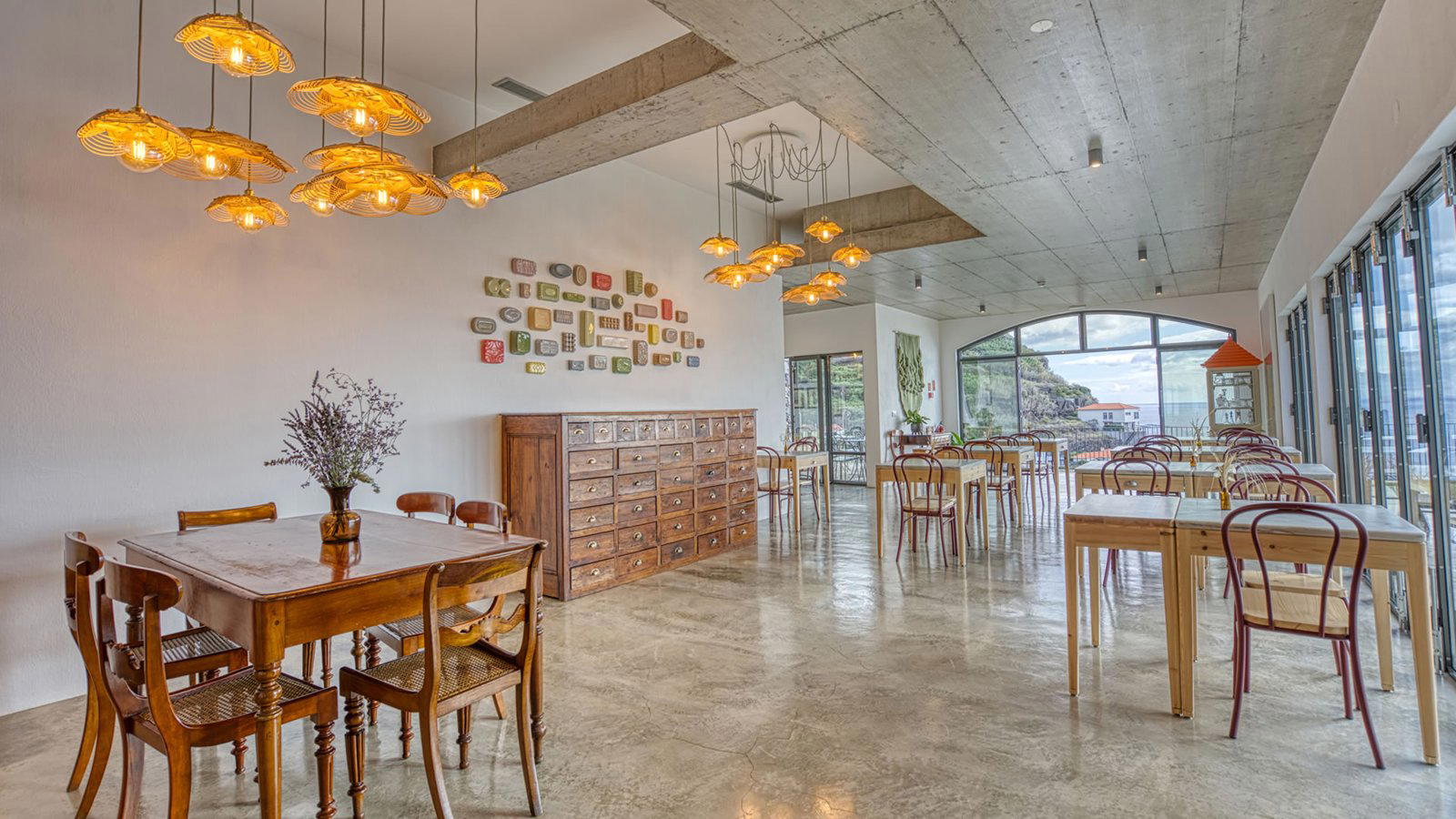
From the upper floor of the Cliff Bay hotel on Estrada Monumental, the dining room at Avista Ásia looks out across São Martinho's coastal hillside toward open ocean. The Atlantic is constant in the view, a wide, flat presence that frames every course. That geography matters for understanding what the kitchen is doing. This is not a restaurant trying to obscure its island context behind imported ingredients and distant culinary codes. The premise is the intersection: Asian technique and flavour structure meeting the produce and palate of an Atlantic archipelago.
Funchal's premium restaurant tier has grown steadily over the past decade, with Il Gallo d'Oro holding two Michelin stars at the leading, Desarma and Audax competing at the one-star level in the contemporary register, and a cluster of recognised addresses filling out the €€€ tier. That last figure carries weight. Over a thousand reviews sustaining a 4.6 average points to a kitchen performing consistently, not occasionally.
A format built for range
The menu architecture at Avista Ásia is worth examining because it reflects a deliberate stance on how to deliver this kind of cuisine. Four formats are available: Omakase (chef's choice, number of courses unspecified), Descoberta (three courses), Nómada (five courses), and Premium (seven courses). The spread from three to seven courses with an open-ended chef's choice option gives the kitchen room to work at different depths of complexity depending on what a guest is willing to commit to, in time, appetite, and budget.
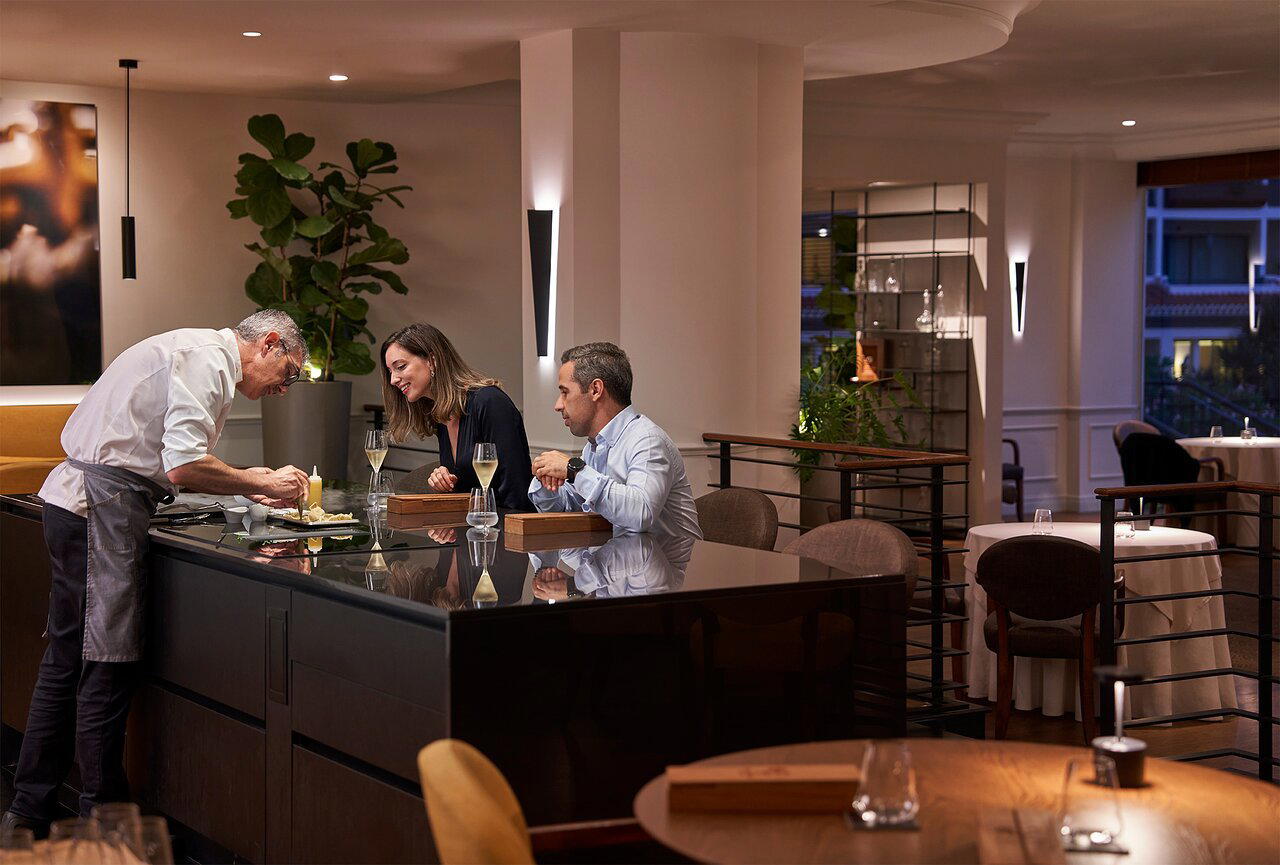
That Omakase option is the signal worth noting. The format originated in Japanese counter dining, where the chef sequences dishes based on what is leading that day rather than a fixed card. Deploying it in an Asian fusion context on a Portuguese island is an assertion of confidence: the kitchen believes it can hold a guest's attention across an unscripted sequence. It also implies that the menu changes, which matters in a restaurant drawing on seasonal Atlantic produce alongside Japanese pantry staples.
The documented dishes give a clear picture of the kitchen's register. Scallop tartare combines jalapeño heat with kalamansi acidity and fig leaf, a structure that uses citrus and aromatic leaf as a frame for a delicate protein in a way that feels closer to Japanese sensibility than to European tradition. Eel donburi brings smoked eel over uruchimai, a Japanese short-grain rice, with trout roe adding salinity and fat. The dessert Do Funchal a Tokyo names its intentions directly: passion fruit and Madeiran mango carry the tropical register of the island, while ginger and yuzu shift the finish toward Japan. These dishes are not fusion in the lazy sense of combining ingredients from different postcodes. They reflect a kitchen thinking structurally about flavour contrast and textural balance across culinary traditions.
Place as ingredient
The editorial angle worth pressing on here is what Madeira specifically contributes. The archipelago sits at the intersection of European, African, and Atlantic trade routes, and its produce reflects that position: tropical fruits, mango, passion fruit, banana, grow alongside citrus and atlantic seafood. For a kitchen working with Japanese and Korean flavour codes, that produce offers genuine opportunity. Kalamansi, the citrus fruit used in the scallop tartare, is native to Southeast Asia but grows in Madeira's climate. The fig leaf in the same dish is a Mediterranean reference with deep roots in the island's agriculture. These are not imported accents. They are local ingredients being read through an Asian lens.
That approach places Avista Ásia in a broader pattern visible at premium Asian fusion addresses across Europe, kitchens in cities from Lisbon to Istanbul are working the same territory. Ajonegro in Logroño and Arkestra in Istanbul are among the addresses in the EP Club network working comparable registers. What distinguishes the Madeira version is the specificity of the island's produce, the mango, the passion fruit, the Atlantic seafood, and the directness with which the kitchen draws on it, as that dessert name makes plain.
For comparison on the island itself, Avista, on the floor below and sharing the Cliff Bay context, operates in the Mediterranean register at the same price tier. The two restaurants divide the hotel's culinary offering between them: one facing the Mediterranean basin, one facing the Pacific Rim, both using Madeiran produce as connective tissue. Guests staying at the Cliff Bay can move between these two distinct culinary positions within the same building, which is unusual in a hotel of this size outside of major city properties.
The Funchal context
São Martinho is not the historic centre of Funchal, which sits further east around the Old Town and the cable car terminals. The hotel zone along Estrada Monumental runs west of the city core, and most of the premium hotel-based dining in Funchal is concentrated here. That means the walk from Avista Ásia to the independent restaurant scene around Rua de Santa Maria or the market is not short. Guests prioritising a range of evening options across the week would do better to mix hotel dining with addresses in the city centre. Casal da Penha in the older residential quarter offers a different register, traditional Portuguese cooking at the €€ level, and represents the kind of contrast worth building into a longer stay.
Portugal's broader Michelin context
The Michelin Plate awarded to the restaurant in 2024 is a recognition of kitchen quality below the star threshold but above the general population of restaurants. In Portugal's Michelin geography, the star-holding addresses are concentrated on the mainland: Belcanto in Lisbon, Vila Joya in Albufeira, Ocean in Porches, Antiqvvm in Porto, Casa de Chá da Boa Nova in Leça da Palmeira, and The Yeatman in Vila Nova de Gaia among the more prominent. Madeira has its own Michelin presence led by Il Gallo d'Oro's two stars, but the island's Plate holders occupy a tier that signals consistent cooking rather than transformative ambition. The restaurant's position in that tier, with its 4.6 public rating and four-format menu structure, suggests a kitchen operating at the ceiling of that category rather than coasting within it.
Planning a visit
Reservations are recommended. The restaurant is located at Estrada Monumental 145, São Martinho, within the Cliff Bay hotel.
At a Glance
Comparable venues nearby, for context on price, style, and recognition.
| Venue | Cuisine | Price | Notes |
|---|---|---|---|
| Avista ÁsiaThis venue — the venue you are viewing | Fusion | $$$ | Not listed |
| Horta | Not listed | $$$ | Lido, Modern Vegetable-Forward Mediterranean |
| Ákua | old town, Modern Atlantic Seafood | $$$ | Not listed |
| Oxalis | Palheiro, Modern Portuguese Fine Dining | $$$ | Not listed |
| Avista | Not listed | $$$$ | Estrada Monumental, Modern Mediterranean & Asian Fine Dining |
| Window to Asia | São Martinho, Asian Fusion | $$ | Not listed |
Recognition history
Dated appearances from independent guides and award organizations, with the underlying list record or original source where available.
Michelin Plate
Michelin
Michelin Plate
Michelin
Michelin Plate
Michelin
Continue exploring
More in Funchal
Restaurants in Funchal
Browse all →
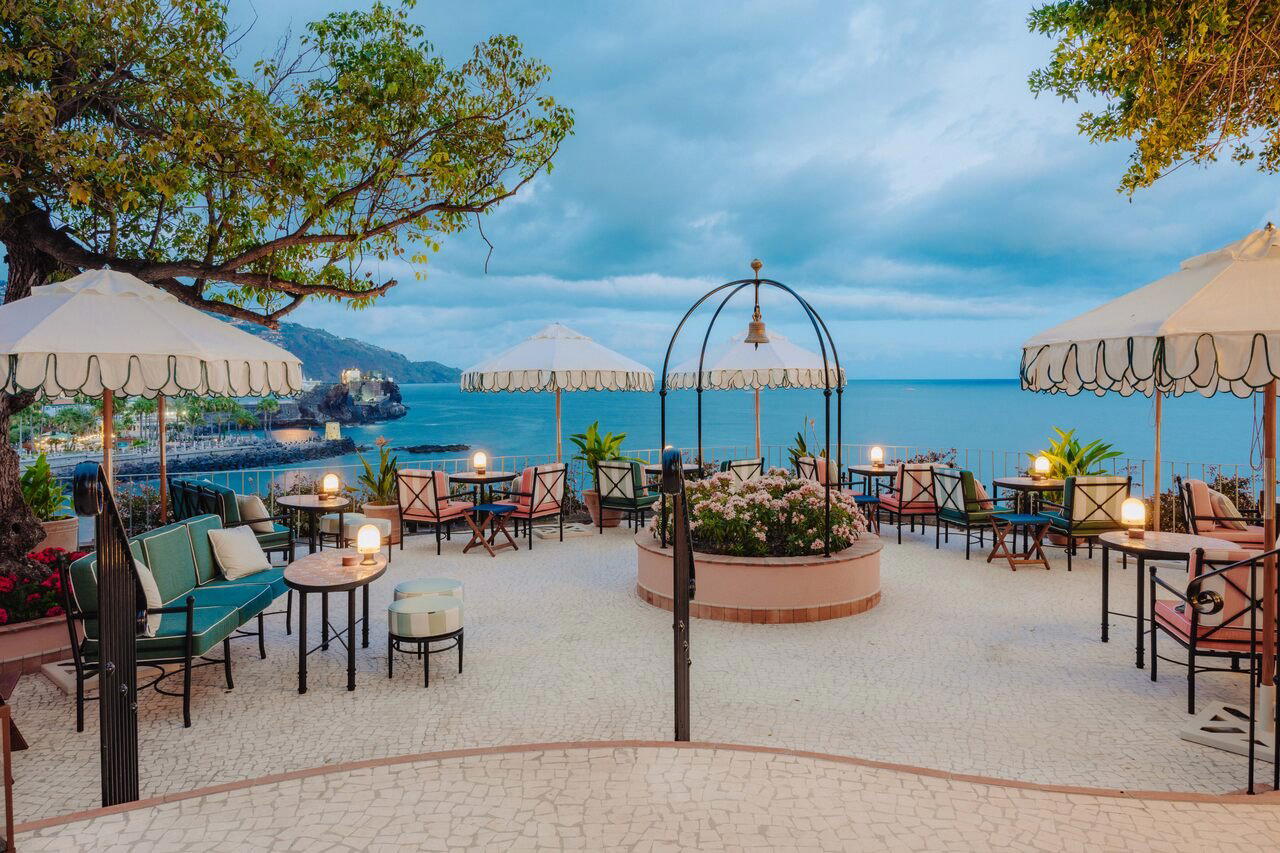
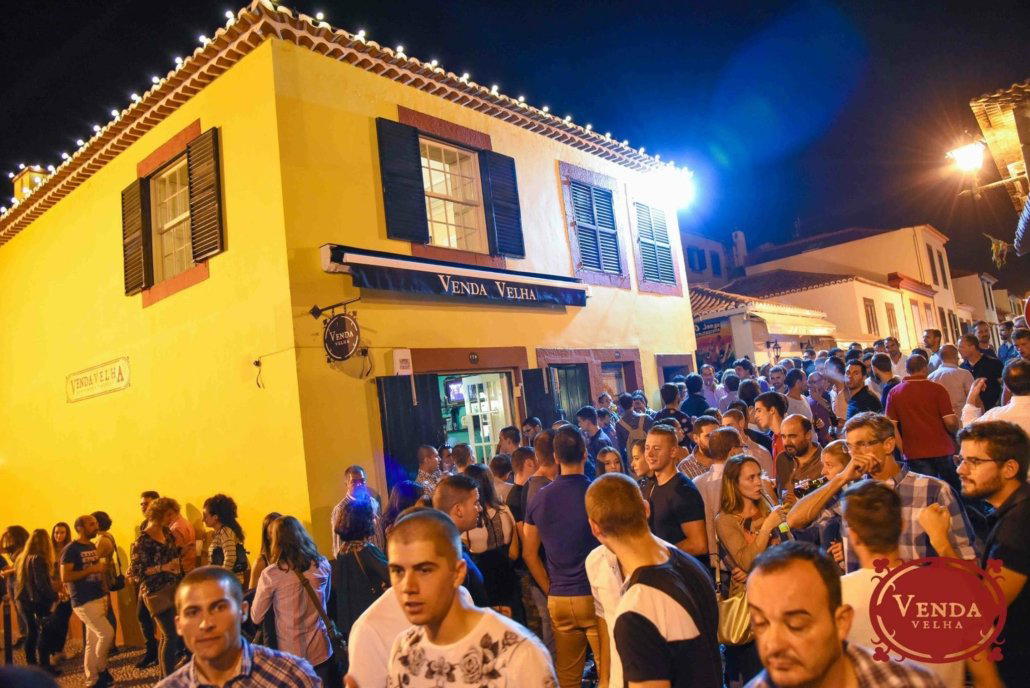
Bars in Funchal
Browse all →

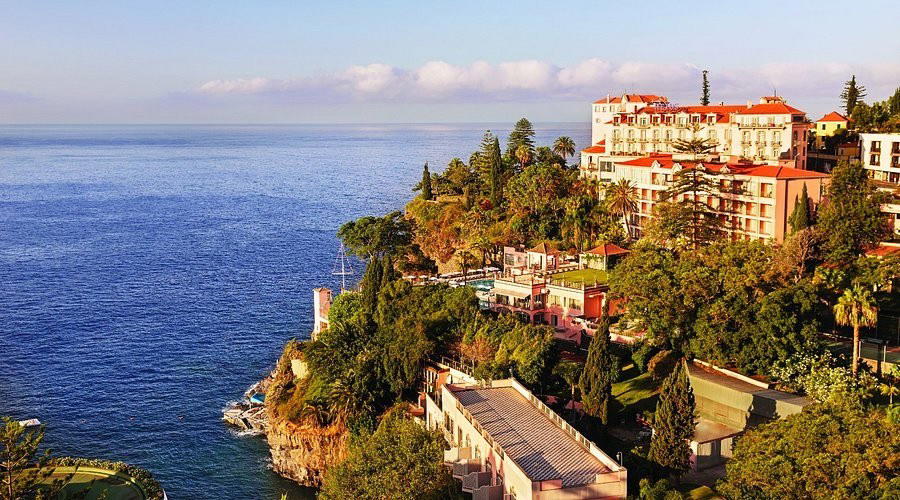
Hotels in Funchal
Browse all →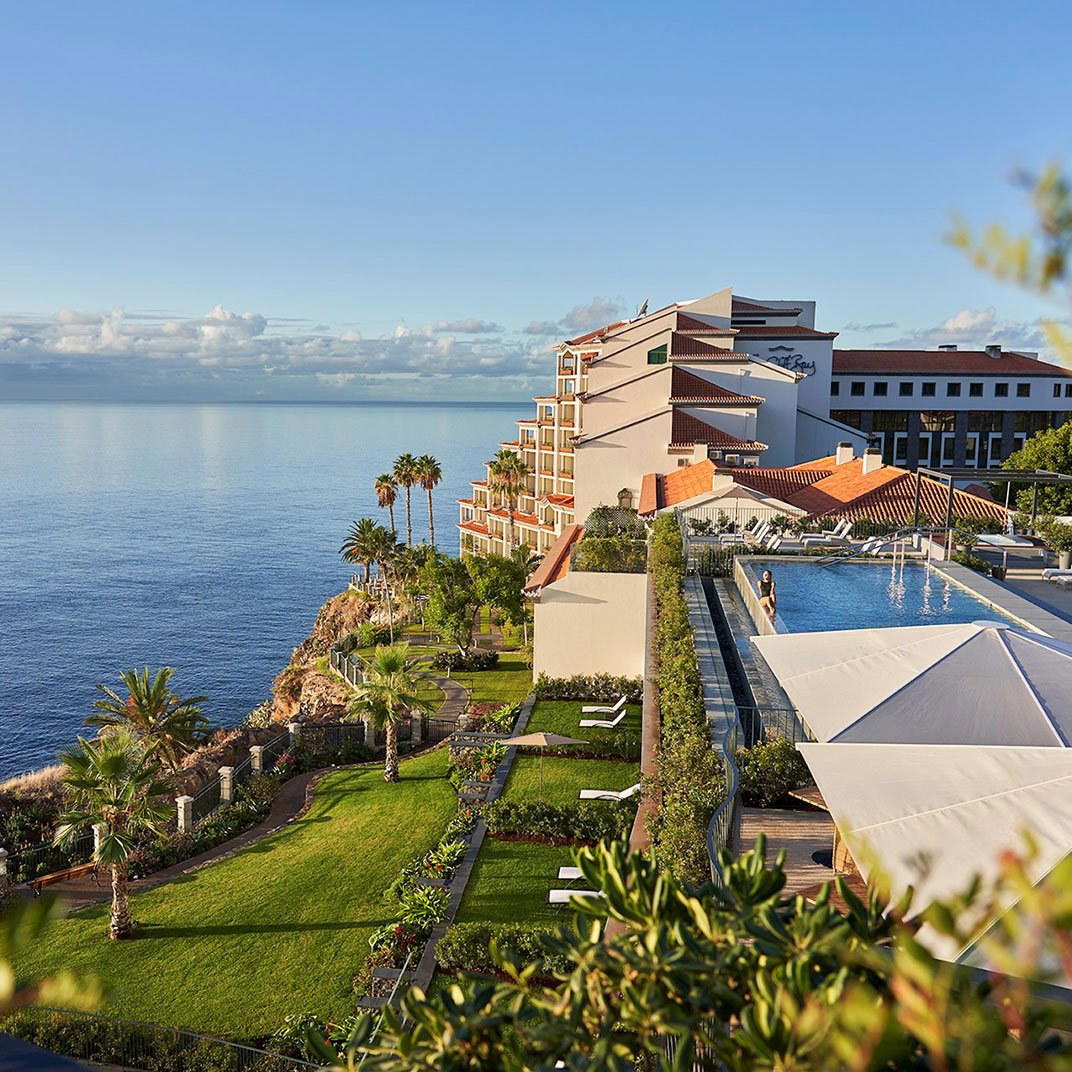
At a Glance
- Romantic
- Elegant
- Sophisticated
- Scenic
- Date Night
- Special Occasion
- Terrace
- Waterfront
- Hotel Restaurant
- Panoramic View
- Extensive Wine List
- Sommelier Led
- Local Sourcing
- Waterfront
Current opening hours
- Monday
- 6–10 PM
- Tuesday
- Closed
- Wednesday
- Closed
- Thursday
- 6–10 PM
- Friday
- 6–10 PM
- Saturday
- 6–10 PM
- Sunday
- 6–10 PM
Hours can change for holidays and private events. Last verified .
Warm, welcoming atmosphere with excellent lighting, superb sea views, and a touch of class, though acoustics can be challenging.