Our verdict
In Beppu, a city defined by its onsen culture and understated local dining, Ikkyu no Namida occupies a quiet but distinct place in the restaurant scene. The name alone, translating roughly to 'Ikkyu's Tear', suggests a sensibility rooted in Japanese literary and aesthetic tradition. For visitors moving through Oita Prefecture's most visited city, this is a table worth seeking out.

Pearl is the En Primeur Club membership app, where members save venues, book tables and use the concierge.
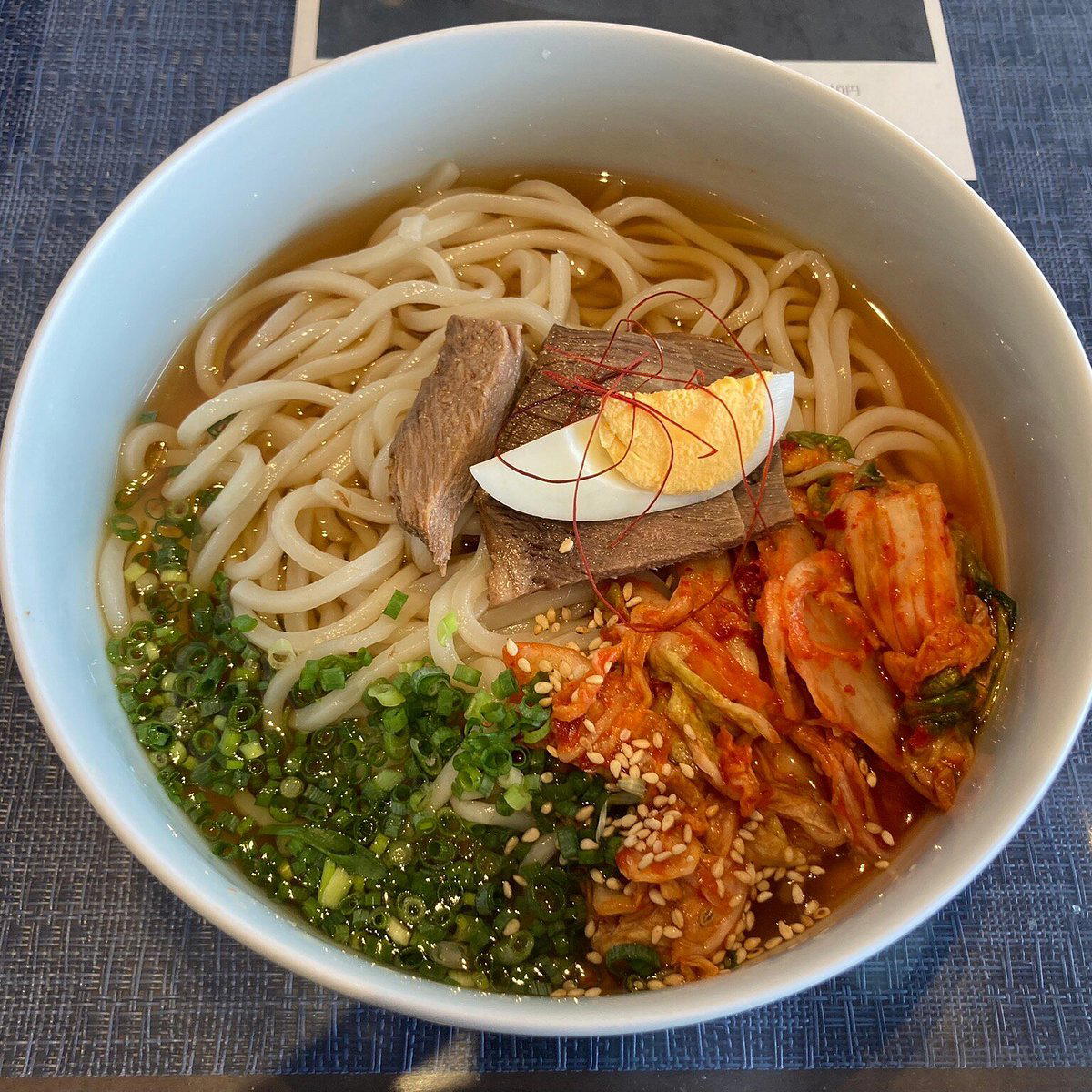
A Dining Tradition in a City Built on Steam
Beppu is known first for its onsen, but the city's dining culture runs deeper than the tourist surface suggests. Across Japan's regional cities, a particular type of restaurant has taken hold: small, name-bearing establishments where the meal follows a deliberate sequence and the room itself communicates the register before a dish arrives. Ikkyu no Namida belongs to that tradition. The name carries weight in Japanese cultural memory, Ikkyu Sojun, the iconoclastic Zen monk of the Muromachi period, became a folk symbol of wit, melancholy, and irreverence in equal measure. A restaurant invoking that name is making a quiet statement about its sensibility, one that points toward restraint, reflection, and a certain seriousness about the table.
Beppu sits in Oita Prefecture on the northeastern coast of Kyushu, an island with a culinary identity distinct from the more visited corridors of Honshu. Kyushu's food culture leans toward bold local ingredients, toriten (tempura chicken), seki aji (horse mackerel from Saeki Bay), and the mineral-rich agricultural produce of the surrounding mountains, but its finer dining rooms tend to express those materials quietly, in formats that reward attention rather than spectacle. That regional context shapes what Ikkyu no Namida represents as a dining address. For context on how the broader Beppu restaurant scene is structured, see our full Beppu restaurants guide.
The Ritual of the Meal
In Japan's more considered dining rooms, the ritual of the meal is not incidental to the food, it is the framework through which the food becomes legible. Pacing matters. The order of arrival matters. The temperature of a dish, the weight of the tableware, the silence between courses: these are not atmospherics but arguments. A restaurant that takes the meal seriously communicates that seriousness structurally, through the sequencing of what it serves and the speed at which it moves.
This model of dining has deep roots in kaiseki, the multi-course format that developed alongside the tea ceremony in Kyoto and spread outward across Japan's regional cities over centuries. At its core, kaiseki is not about abundance but about calibration: each course exists in relation to the others, and the meal as a whole traces a kind of arc, from light to rich, from raw to cooked, from cool to warm. Nearby in the region, Hatano and 日本料理 茶屋 廣道 represent other expressions of considered local dining in Beppu's tighter restaurant tier.
Beppu Within the Broader Kyushu Dining Map
Kyushu's dining scene has attracted increasing attention from Japan's more serious food travelers over the past decade. Goh in Fukuoka has become a reference point for the island's capacity to produce cooking of national significance, while Fukuoka's ramen and street-food culture draw a different kind of visitor entirely. Beppu sits slightly apart from that circuit, smaller, more onsen-focused, with a dining scene that rewards travelers who come specifically to eat rather than those passing through.
The comparison that matters most for understanding where Ikkyu no Namida sits is not with Japan's major urban fine-dining addresses, not with HAJIME in Osaka or Harutaka in Tokyo or Gion Sasaki in Kyoto, but with the tier of regional Japanese dining that operates below the Michelin spotlight and above the casual. In that middle register, across cities like Nara and regional centers on Honshu and Kyushu alike, a coherent dining culture exists that is neither trying to compete with Tokyo nor content to coast on local tourism. Ikkyu no Namida operates in that space.
Locally, the contrast with Beppu's more casual options is instructive. Bepper's Tavern ベッパーズタバーン and Gyoza Kogetsu anchor a different segment of Beppu's eating-out culture, looser, more accessible, built around the rhythms of a city that receives significant domestic and international tourist traffic through its onsen resorts. Ikkyu no Namida's name suggests it is not competing in that space.
Planning a Visit
Beppu is accessible by limited express rail from Fukuoka's Hakata Station, a journey of roughly two hours on the Sonic express, a practical anchor for travelers building a Kyushu itinerary around both cities. The city's dining rooms that operate in the more considered register tend to be small, often run by a single chef or a tight team, and booking ahead is the standard practice for any table worth holding. Beppu's more serious dining addresses are not typically walk-in operations, and the name-bearing format of Ikkyu no Namida suggests it falls into the reservation-required category. For travelers building a wider Kyushu and Japan itinerary, it is worth noting that comparable regional dining experiences, from 一本木 川魚店 in Nanao to 夕佳亭山之 in Sapporo and 湖辺荘 in Takashima, tend to operate on similarly small scales and reward the same advance planning.
Where It Sits Among Japan's Regional Dining
Japan's regional dining culture is one of the more underreported stories in serious food travel. The concentration of international coverage on Tokyo, Kyoto, and Osaka creates a misleading picture of where considered cooking actually happens in the country. In prefectural cities across Kyushu, Tohoku, the Chubu region, and the San'in coast, small restaurants operate with the same discipline and local-sourcing commitment as their better-known urban counterparts, without the reservations infrastructure or international press machinery. 奥羽屋 in Nishikawa Machi and Birdland in Sakai are examples from other regional contexts. Ikkyu no Namida sits within that pattern in Beppu, a city that receives visitors primarily for its geothermal attractions, with a dining culture that rewards travelers willing to look beyond the onsen resort menus.
For travelers accustomed to the reference points of New York's technically demanding programs, Le Bernardin or Atomix, the register of regional Japanese dining like this is different in kind, not just in scale. The ambition is quieter, the room smaller, and the ritual more compressed. That compression is the point. And Bistro Ange in Toyohashi offers an adjacent case study in how regional Japanese dining rooms can carry serious intent without metropolitan infrastructure behind them.
Frequently asked questions
How does Ikkyu no Namida compare to Beppu's broader dining scene for travellers visiting Kyushu specifically for food?
Beppu sits roughly two hours from Fukuoka by limited express rail on the Sonic line, making it a logical extension of a Kyushu food itinerary that might already include Fukuoka's more internationally covered restaurants. While Fukuoka draws the bulk of serious food press coverage on the island, Oita Prefecture, Beppu's home, has its own distinct culinary identity built on toriten (local tempura chicken), Bungo Channel seafood, and Oita wagyu. A restaurant like Ikkyu no Namida, operating under a name with deliberate cultural weight, represents the tier of Beppu dining aimed at travellers who have moved past the onsen resort circuit.
What's the must-try dish at Ikkyu no Namida?
Dish-level detail for Ikkyu no Namida is not on public record, which is common for smaller, name-bearing restaurants in Beppu's more considered dining tier. Kyushu's larder, Bungo Channel seafood, Oita wagyu, locally foraged produce, shapes what kitchens at this level typically cook, so expect the menu to reflect the prefecture's agricultural and coastal strengths rather than a fixed signature.
Do I need a reservation for Ikkyu no Namida?
In Beppu's more deliberate dining category, walk-in availability is rarely reliable. Small, name-bearing restaurants in Japanese regional cities operate with limited covers and an audience that plans ahead. Booking in advance, ideally through a hotel concierge or a Japanese-language contact, is the practical approach for anyone making the trip specifically for the meal.
What's the standout thing about Ikkyu no Namida?
The name is the clearest signal available: invoking Ikkyu Sojun, the 15th-century Zen monk associated with wit, melancholy, and a deliberate rejection of convention, suggests a kitchen with a particular self-awareness about its position within Japanese dining culture. In a city whose culinary reputation is largely tied to onsen resort meals, a restaurant that signals that lineage in its name is placing itself in a different conversation entirely.
Cuisine-First Comparison
| Venue | Cuisine | Price | Awards |
|---|---|---|---|
| Ikkyu no NamidaThis venue (the venue you are viewing) | Beppu Cold Noodles (Beppu Reimen) | Not listed | Not listed |
| Hatano | Traditional Kaiseki | $100–150 | Not listed |
| æ¥æ¬æç å¥åº 廣é | Kaiseki Kappo with Kyushu Ingredients | $150–200 | Tabelog Silver #36 |
| Bepper's Tavern ベッパーズタバーン | International Gastropub with Craft Cocktails | $30–50 | Not listed |
| Gyoza Kogetsu | Traditional Japanese Gyoza | $10–20 | Tabelog 100 #48 |
Continue exploring
More in Beppu
Restaurants in Beppu
All restaurants in Beppu →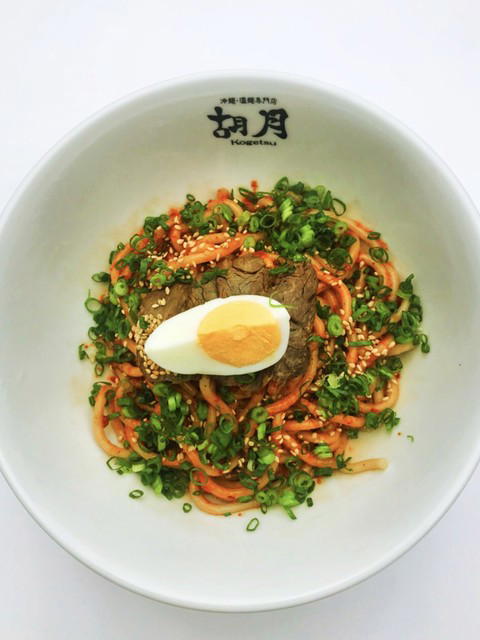
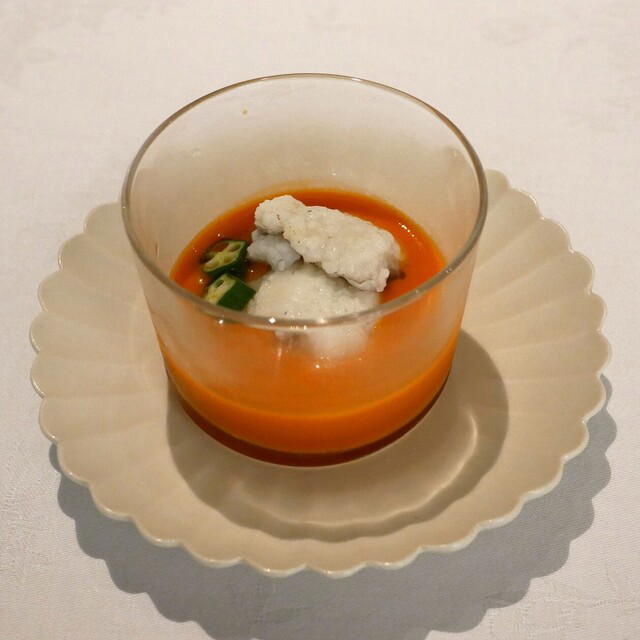
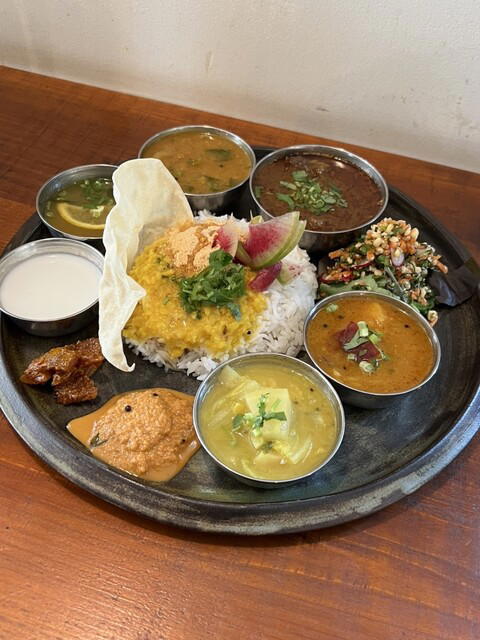
Bars in Beppu
Browse all →
Details
- Modern
- Elegant
- Sophisticated
- Casual Hangout
- Solo
- Standalone
- Local Sourcing
- A La Carte
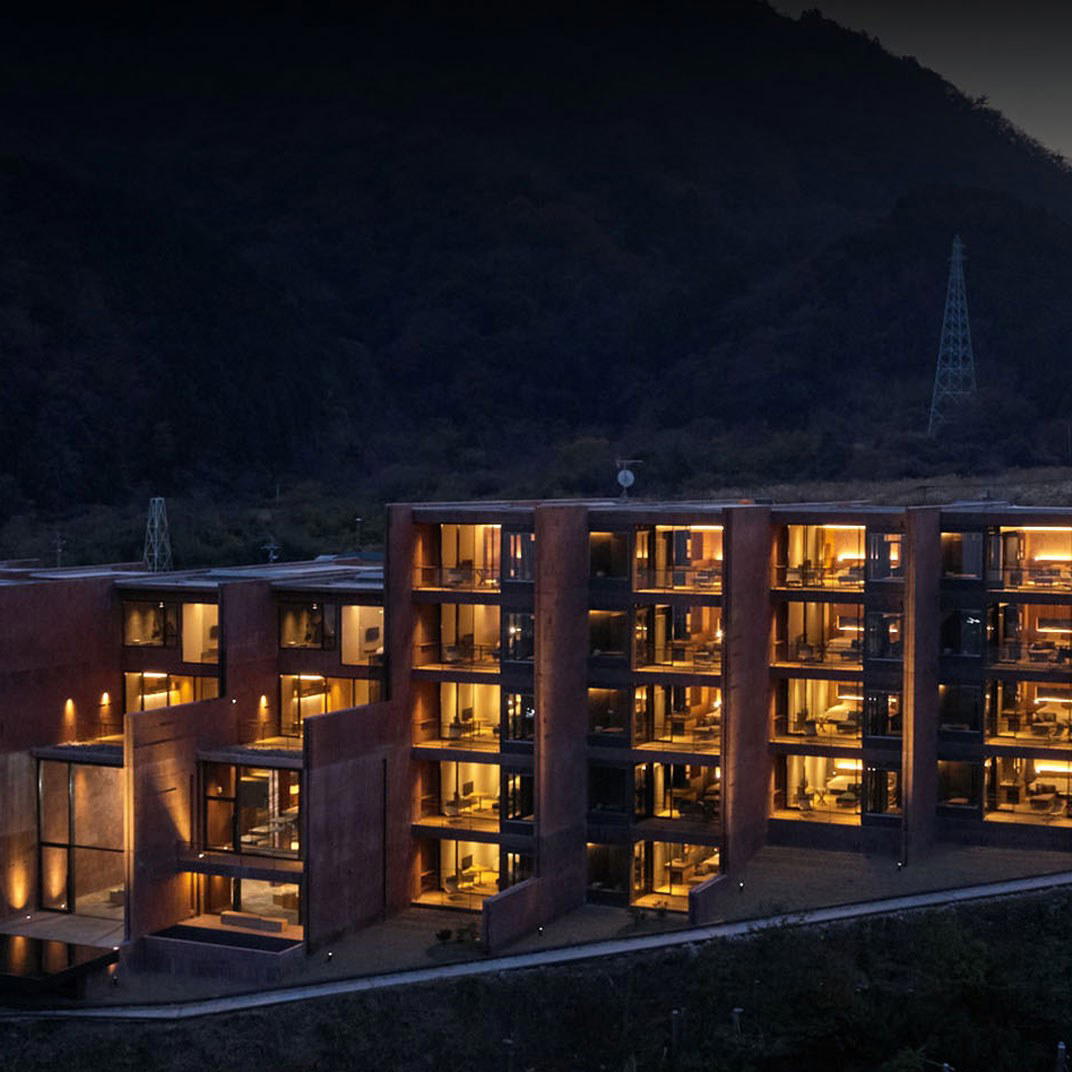
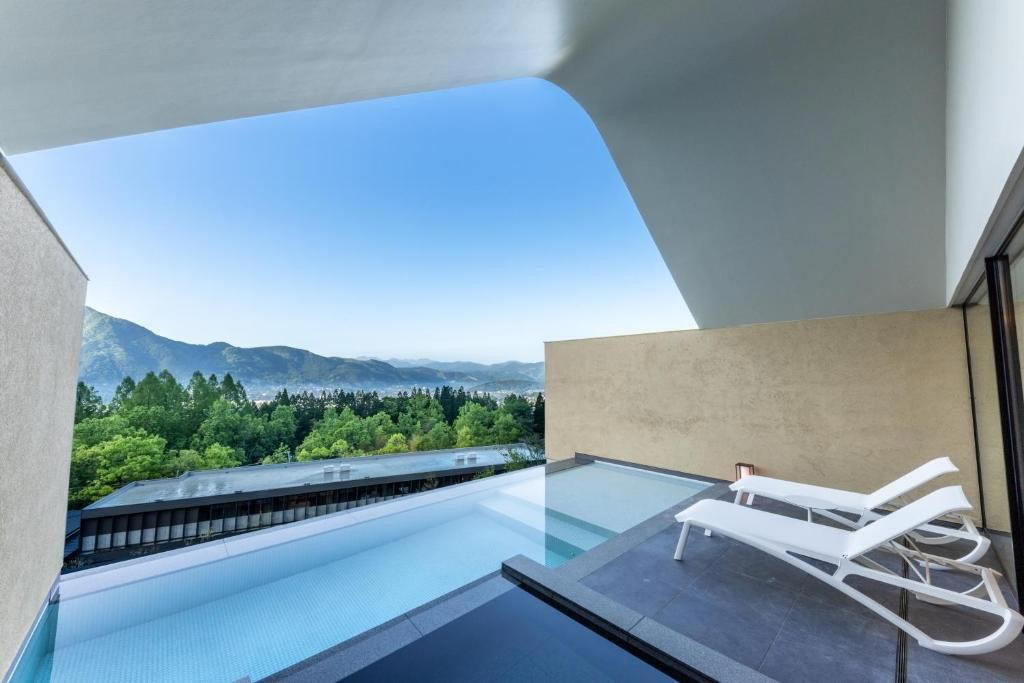
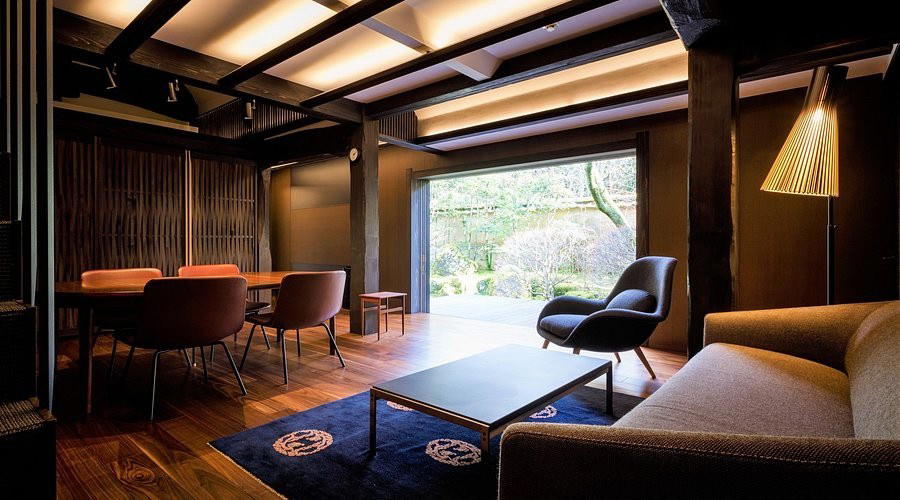
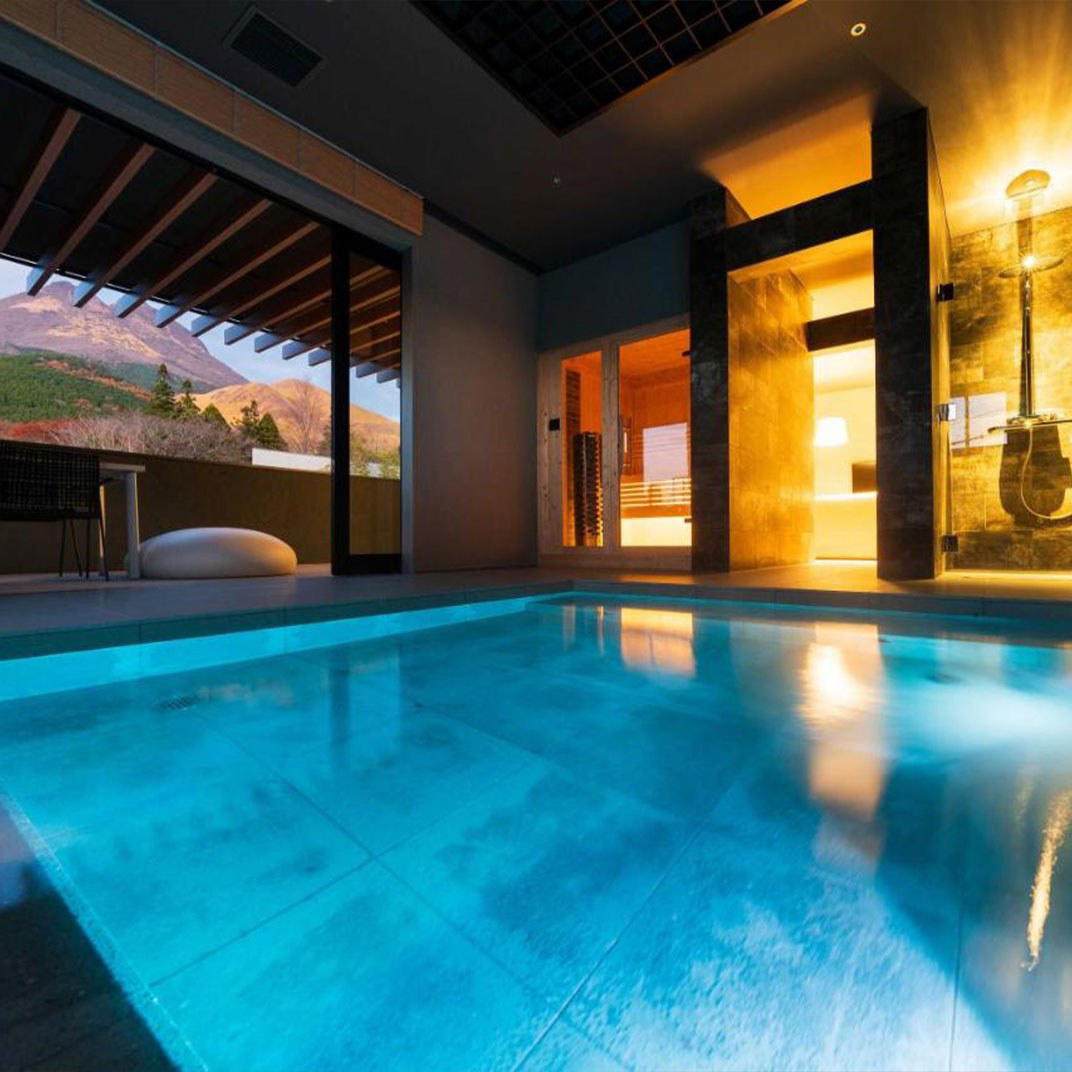
Stylish and modern interior with a refined, contemporary atmosphere that contrasts with the traditional recipes served.