
Tabelog 100 #74
Our verdict
Beppu’s beef cooking has a different center of gravity from the city’s seafood-and-izakaya circuit: regional cattle, teppanyaki discipline, and a room built for deliberate pacing. Bungo Beef Steak no Mise Somuri Beppu honten sits in that lane, with Tabelog Steak / Teppanyaki WEST 100 recognition in 2024 and 2025 giving it a clear signal beyond local reputation.

Pearl is the En Primeur Club membership app — saves, bookings, and concierge access live there. Same editors, same standards.
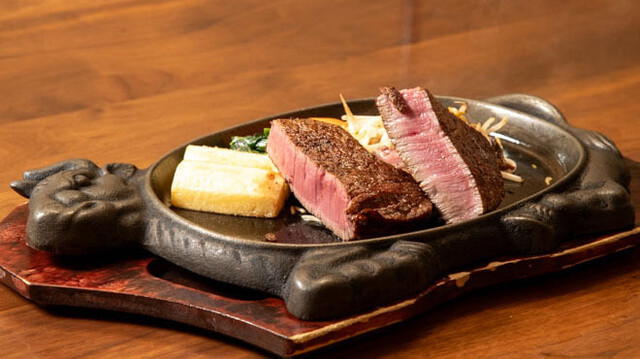
The menu
What to order
- Bungo beef steak
- Beef hamburger steak
- Sirloin
Kitahama is not the Beppu of steam vents and postcard baths; it is the city’s low-rise night-out district, where restaurants sit above shopfronts and better meals often require looking up. Here, beef has its own logic. Beppu is close enough to serious agricultural country for Bungo beef to matter as a regional marker, yet busy enough with visitors for steak and teppanyaki to read as special-occasion language rather than daily habit.
That is the useful way to read Bungo Beef Steak no Mise Somuri Beppu honten: not as a generic steakhouse, but as a Kyushu beef address in a hot-spring city better known to outsiders for ryokan dinners, seafood, and casual drinking. Its selection for Tabelog Steak / Teppanyaki WEST 100 in both 2024 and 2025 places it inside a western Japan steak-and-griddle category where consistency matters more than novelty. In a city the size of Beppu, that external recognition carries weight.
Bungo beef gives Beppu's steak culture its regional argument
Japanese beef dining is often flattened into one luxury idea, but regional distinctions are the point. Oita’s Bungo beef gives Beppu a local answer to better-known branded beef circuits elsewhere in Japan, and steak houses built around it prize clarity: cut, heat, doneness, rice and side pacing, and drink pairing. The category is less theatrical than urban teppanyaki counters aimed at tourists, and more direct than tasting-menu wagyu rooms that turn beef into a multi-course concept.
Here, the listed categories are steak, teppanyaki, and hamburger steak, a trio that defines the range. Steak carries the occasion. Teppanyaki supplies format discipline. Hamburger steak keeps the room connected to Japanese yōshoku, where Western-style meat cookery became local comfort food rather than imported formality. That mix suits Beppu, where a meal may need to work for a couple after an onsen day, a family gathering, or a small group wanting beef without the hushed pressure of a metropolitan counter.
The Beppu comparison is instructive. Karin and Seafood Izakaya Ren occupy a nearby dinner-price bracket but speak different dining languages, while Norary-Crary sits lower at dinner with a similar lunch band. Yakiniku Ichiriki belongs to the grill-it-yourself beef tradition, a different social rhythm. Somuri’s signal is its placement in a recognized steak-and-teppanyaki list rather than simply its local address, making it a stronger choice for travelers specifically interested in Oita beef as a regional product.
A compact room, counter culture, and a controlled pace
The room’s format shapes the meal. With 33 seats, including counter seating and small tables, this is a compact Japanese steakhouse rather than a banquet-style hotel grill. Counter seats matter because beef cookery is partly about timing and heat management, even when the room is not selling spectacle. Tables give small groups privacy, but the counter keeps the meal closer to the work.
Beppu’s dining scene rewards this scale. The city has excellent casual breadth, from gyoza and tavern cooking to hotel dining and specialist rooms, but a compact steak house gives visitors a deliberate evening without the formality of a destination restaurant in Tokyo, Kyoto, or Osaka. For a broader read, Our full Beppu restaurants guide is the better map; nearby names such as Gyoza Kogetsu, Bepper's Tavern ベッパーズタバーン, Hatano, Atelier, and Elements show how varied the city’s register can be.
The drinks list points to a Japanese steakhouse that understands its audience: sake, shochu, wine, and cocktails are all offered, with wine treated as meaningful rather than an afterthought. That breadth matters because Bungo beef does not require one pairing script. Some diners will want wine with steak; others will keep the meal closer to Kyushu through shochu. Multilingual menus, photo menus, digital menu support, and English-speaking staff reduce friction for visitors fluent in Japan travel but not Japanese steakhouse ordering.
How to place it within a Beppu itinerary
Use this table as the anchored dinner of a Beppu stay, not a quick add-on between baths. The restaurant has been open since 1989, a long run in a resort city where dining rooms must satisfy locals, domestic travelers, and international guests with different expectations. That longevity, paired with recent Tabelog 100 selection, makes it a credible bridge between old-school special-occasion dining and current search-driven restaurant planning.
Its practical profile suits small groups rather than large parties. Seating is limited, private rooms are not part of the format, and the maximum seated party size is four, so it fits couples, families traveling in a small unit, or friends wanting a focused beef dinner. The restaurant is non-smoking indoors, with an outside smoking area, and payment flexibility includes major credit cards and PayPay. Affiliated parking is available, useful in a city where some travelers arrive by car from other parts of Oita rather than only on foot from the station area.
For travelers building a wider Kyushu or Japan food itinerary, Somuri belongs in the regional-specialist category rather than the trophy-counter category. It is not trying to compete with urban omakase or chef-led tasting rooms; its value is narrower and grounded: Oita beef, a compact steakhouse format, and enough recognition to justify choosing it over a casual dinner when the itinerary allows one proper beef meal in Beppu. For adjacent planning, Our full Beppu hotels guide, Our full Beppu bars guide, Our full Beppu wineries guide, and Our full Beppu experiences guide help frame the meal around the city rather than treating dinner as an isolated booking.
Readers comparing Japanese beef formats beyond Beppu can contrast it with -Grilled beef Sukiyaki- KAMAKURA TANUKIAN 鎌倉 たぬき庵 in Kamakura, where sukiyaki changes beef’s role at the table, or with broader casual-specialist entries such as. 鮪と炭火焼き うお炭 秋葉原店 in Tokyo.cafe in Osaka.know in Kumamoto, (Shoku) Vietnam in Kawasaki, [Curry Senmon Ten] Maruyama Kyoju. in Sapporo, Jōdo Saké Bar in Los Angeles, and Onigiri Time in Pasadena. Those comparisons underline the point: Japan’s dining strength is not a single hierarchy, but a network of tightly defined formats. In Beppu, this one is for beef with local meaning.
Frequently asked questions
Would Bungo Beef Steak no Mise Somuri Beppu honten be comfortable with kids?
Yes, the room includes tables for two and four, alongside counter seating, so families do not need to rely on the counter alone. The menu is built around steak, teppanyaki, and hamburger steak, and the venue accepts reservations.
What should I expect atmosphere-wise at Bungo Beef Steak no Mise Somuri Beppu honten?
Expect a compact 33-seat room with 13 counter seats and a few small tables, which keeps the pace contained. The venue is described as a stylish, relaxing space in Beppu’s Kitahama area, with an opening date of 1989 anchoring it in the local dining scene.
What's the pricing like at Bungo Beef Steak no Mise Somuri Beppu honten?
Pricing at Bungo Beef Steak no Mise Somuri Beppu honten is listed as JPY 8,000 - JPY 9,999 JPY 2,000 - JPY 2,999.
What is Bungo Beef Steak no Mise Somuri Beppu honten known for?
Bungo Beef Steak no Mise Somuri Beppu honten is primarily known for its core concept and execution in Beppu.
A Quick Peer Check
Comparable venues by cuisine and price in the same metro.
| Venue | Cuisine | Price | Awards | Notes |
|---|---|---|---|---|
| Bungo Beef Steak no Mise Somuri Beppu hontenThis venue (the venue you are viewing) | Bungo Beef Steak / Teppanyaki | $50–100 | Tabelog 100 #74 | Not listed |
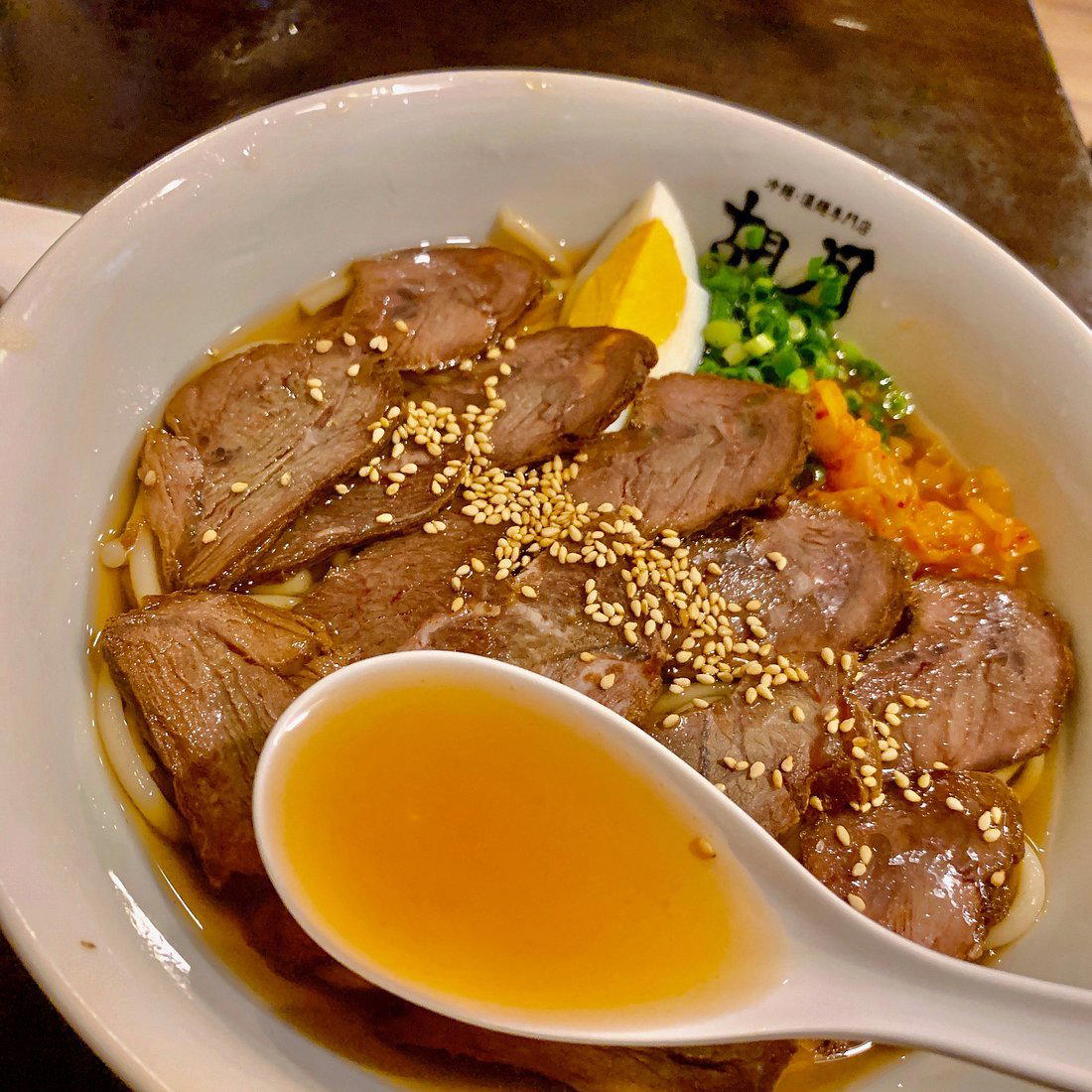
| Ikkyu no Namida | Beppu Cold Noodles (Beppu Reimen) | Not listed | Not listed | Ishigaki Nishi |
| Seafood Izakaya Ren | Traditional Japanese seafood izakaya | $30–50 | Tabelog 100 #33 | Beppu Ekimae |
| TANE | South Indian curry & thali | $20–30 | Tabelog 100 #39 | Ekimae Honmachi |
| Norary-Crary | North Indian Spice Restaurant with Taiwanese Breakfast & Moroccan Tagines | $20–30 | Tabelog 100 #29 | Motomachi |
| Atelier | Charcoal-Grilled French Tasting Menu with Oita Wagyu | $100–150 | Tabelog 100 #51 | Kannawa |
Recognition history
Dated appearances from independent guides and award organizations, with the underlying list record or original source where available.
Tabelog 100 #74 · No. 74
Tabelog · Tabelog 100 - Steak / Teppanyaki - WEST - 2025
Continue exploring
More in Beppu
Restaurants in Beppu
All restaurants in Beppu →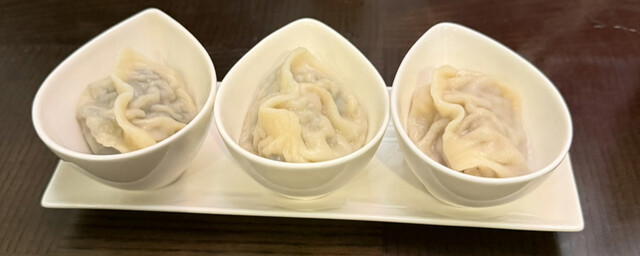
Bars in Beppu
Browse all →
Details
- Classic
- Cozy
- Sophisticated
- Intimate
- Business Dinner
- Group Dining
- Family
- Celebration
- Special Occasion
- Date Night
- Standalone
- Open Kitchen
- Beer Program
- Craft Cocktails
- Local Sourcing
- A La Carte
- Set Menu
- Beer
- Cocktails
- Drinks
- Vegetarian Friendly
Current opening hours
- Monday
- Closed
- Tuesday
- 11:30 AM–2 PM, 5:30–9:30 PM
- Wednesday
- 11:30 AM–2 PM
- Thursday
- 11:30 AM–2 PM, 5:30–9:30 PM
- Friday
- 11:30 AM–2 PM, 5:30–9:30 PM
- Saturday
- 11:30 AM–2 PM, 5:30–9:30 PM
- Sunday
- 11:30 AM–2 PM, 5:30–9:30 PM
Hours can change for holidays and private events. Last verified .
Calm, refined, and long-established, with a counter seat option that adds a lively edge while the overall setting remains relaxed.