Our verdict
On the third floor of a Beppu shopping arcade, Bepper's Tavern occupies an address that tells you something about how this hot-spring city organises its eating culture: above the street-level noise, away from the obvious tourist corridors. The tavern format positions it within Beppu's mid-tier dining scene, a category that has grown considerably as the city's reputation for ingredient-driven Oita Prefecture cooking spreads beyond domestic travel circles.

Pearl is the En Primeur Club membership app, where members save venues, book tables and use the concierge.
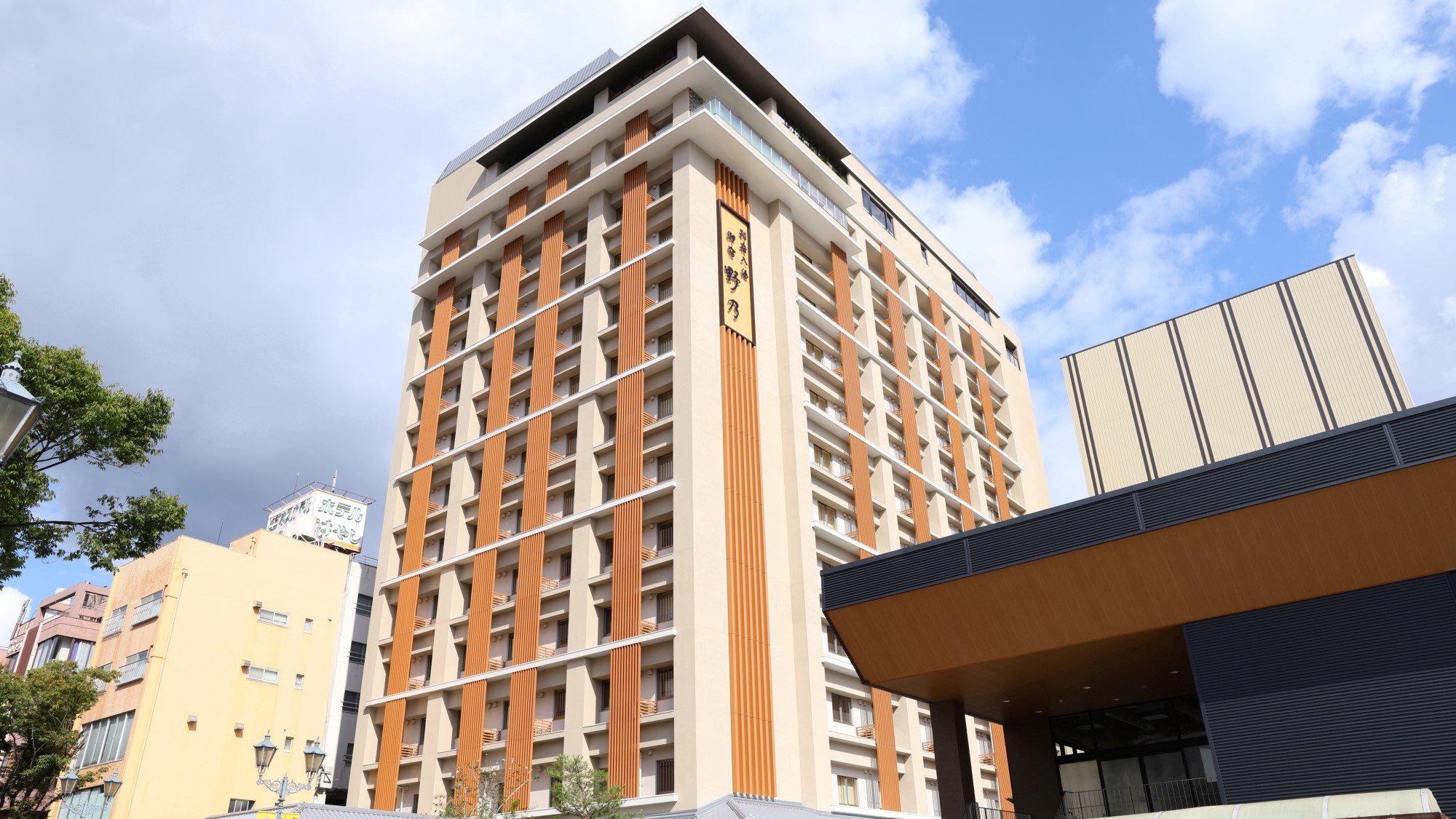
Beppu's Third Floor and What It Tells You About the City
In many Japanese provincial cities, the leading eating happens one or two floors above street level, in spaces that require a little commitment to find. Beppu is no different. The city built its reputation on onsen tourism, but the dining culture that developed alongside the hot-spring circuit is more considered than the souvenir-shop frontages suggest. Bepper's Tavern sits on the third floor of the Plaza Ichiban-gai building on Ekimae Honmachi, a few minutes from Beppu Station, placing it squarely inside the category of venue that local knowledge tends to surface before any aggregator does. That address, a shopping arcade building rather than a purpose-built restaurant block, is itself a signal: this is a place oriented toward regulars and returning visitors rather than first-night arrivals scanning a main street.
Beppu's dining geography rewards the curious. The area around the station supports a range of formats, from ramen counters open late into the evening to izakaya-style rooms where Oita Prefecture produce gets treated with more care than the casual setting implies. Bepper's Tavern occupies that tavern register, a format that in Kyushu dining culture typically means seasonal produce, a drinks list calibrated to the food, and a room that functions as much for long evenings as for efficient meals. For context on how the wider Beppu scene is organised, our full Beppu restaurants guide maps the city's dining tiers and neighbourhoods.
Oita's Ingredient Economy and What It Means for a Tavern Format
Oita Prefecture has an unusually strong claim on ingredient quality relative to its national profile. The prefecture produces a significant share of Japan's shiitake mushrooms, with Bungo-grown varieties commanding premiums in wholesale markets due to their density and moisture content. Oita's coastline feeds into a seafood supply that includes seki aji and seki saba, horse mackerel and mackerel designations that carry regional certification and appear on restaurant menus in Fukuoka and Osaka as markers of provenance. For a tavern-format venue in Beppu, proximity to this supply chain is a structural advantage: ingredients that carry freight costs and handling margins when they reach larger cities arrive here with shorter supply chains and, in many cases, within hours of landing.
The tavern format, as opposed to the tasting-menu counter or the kaiseki room, typically exercises that ingredient access through a broader, more flexible menu: things ordered at the table, dishes that change with what arrived that morning, small plates that reflect what the prefecture is producing in a given season. Oita's agricultural calendar runs toward autumn mushroom harvests, winter citrus from the Bungo Channel coastal groves, and the spring appearance of bamboo shoots from inland growing areas. A venue operating in this format in Beppu has access to a seasonal rotation that few similarly positioned venues in more urban prefectures can match purely by geography.
This regional sourcing culture is worth understanding as context when comparing Beppu's tavern-tier dining against equivalent venues elsewhere in Kyushu. What Beppu venues in the tavern register offer instead is ingredient proximity without the formality premium, a different kind of value proposition. Within Oita Prefecture, Aji Arai in Oita city provides a useful point of comparison for how the prefecture's produce translates across different venue formats and price tiers.
How Bepper's Tavern Sits Within Beppu's Mid-Tier Dining
Beppu's dining scene has developed a recognisable mid-tier that sits between the hotel dining attached to the city's larger onsen ryokan and the casual ramen and gyoza counters that dominate the late-night streets near the station. Bepper's Tavern occupies space in that middle ground. The tavern designation implies a room designed for staying: drinks alongside food, a pace set by the diner rather than the kitchen's tasting sequence, and a menu built for repeat visits rather than a single definitive meal.
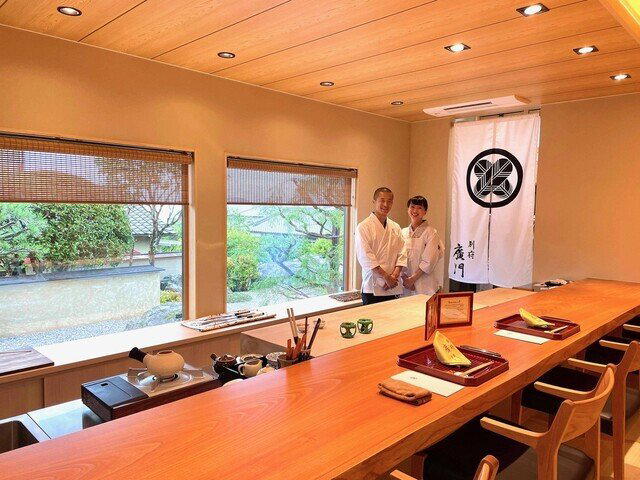
Nearby, Gyoza Kogetsu represents the more casual end of Beppu's dining options, while Hatano and Ikkyu no Namida each anchor different registers of the city's dining offer. 日本料理 炉端 廣重 represents the more traditional end of Oita's culinary output. Together these venues sketch a scene that is more varied than Beppu's onsen-city reputation tends to suggest to first-time visitors.
For visitors arriving from other parts of Japan with a sense of what the country's more celebrated dining cities produce, the comparison point is useful. HAJIME in Osaka or Harutaka in Tokyo operate in an entirely different tier of investment, formality, and advance planning. Gion Sasaki in Kyoto represents what kaiseki tradition looks like at its most sustained. What Beppu's tavern-format venues offer is something distinct from those experiences: access to the same quality of prefectural ingredients within a format that doesn't require months of advance planning, formal dress consideration, or the budgetary commitment that Michelin-tier dining demands.
Planning Your Visit
Bepper's Tavern is located on the third floor of Plaza Ichiban-gai at 1-4 Ekimae Honmachi, Beppu, a short walk from Beppu Station on the Nippo Main Line. Oita Airport connects to the Oita urban area, with bus services to Beppu running regularly; the journey from the airport to Beppu Station takes approximately one hour. The arcade building format means the entrance requires a short elevator or stairway ascent from street level.
For further reference on the region's dining range, akordu in Nara, Abon in Ashiya, affetto akita in Akita, Ajidocoro in Yubari District, Akakichi in Imabari, and aki nagao in Sapporo each illustrate how Japan's regional dining scenes are producing venues that reward attention outside the major urban centres. For a broader frame of reference on how ingredient sourcing drives restaurant identity at the highest level, the approaches taken at Le Bernardin in New York City and Lazy Bear in San Francisco show what happens when provenance becomes the explicit organising principle of a menu rather than background context.
Frequently asked questions
What's the address for Bepper's Tavern ベッパーズタバーン?
Bepper's Tavern ベッパーズタバーン is located at Japan, 〒874-0934 Oita, Beppu, Ekimae Honmachi, 1−4 Plaza 一番街 3階, Beppu.
What's the must-try dish at Bepper's Tavern?
The tavern's format, grounded in Oita Prefecture's strong regional produce, suggests the kitchen leans on local ingredients, Oita is a significant producer of shiitake mushrooms, kabosu citrus, and Bungo beef. Ask staff what's current when you visit.
Is Bepper's Tavern ベッパーズタバーン reservation-only?
Reservations are recommended for Bepper's Tavern ベッパーズタバーン in Beppu. Confirm current policy via the venue's official channels.
What's the defining dish or idea at Bepper's Tavern ベッパーズタバーン?
Bepper's Tavern ベッパーズタバーン is best approached by focusing on the core concept and signature offerings.
Is Bepper's Tavern ベッパーズタバーン allergy-friendly?
Dietary accommodations can vary. Flag restrictions in advance via the venue's official channels.
In Context: Similar Options
| Venue | Cuisine | Price | Awards |
|---|---|---|---|
| Bepper's Tavern ベッパーズタバーンThis venue (the venue you are viewing) | International Gastropub with Craft Cocktails | $30–50 | Not listed |
| æ¥æ¬æç å¥åº 廣é | Kaiseki Kappo with Kyushu Ingredients | $150–200 | Tabelog Silver #36 |
| Hatano | Traditional Kaiseki | $100–150 | Not listed |
| Gyoza Kogetsu | Traditional Japanese Gyoza | $10–20 | Tabelog 100 #48 |
| Ikkyu no Namida | Beppu Cold Noodles (Beppu Reimen) | Not listed | Not listed |
Continue exploring
More in Beppu
Restaurants in Beppu
All restaurants in Beppu →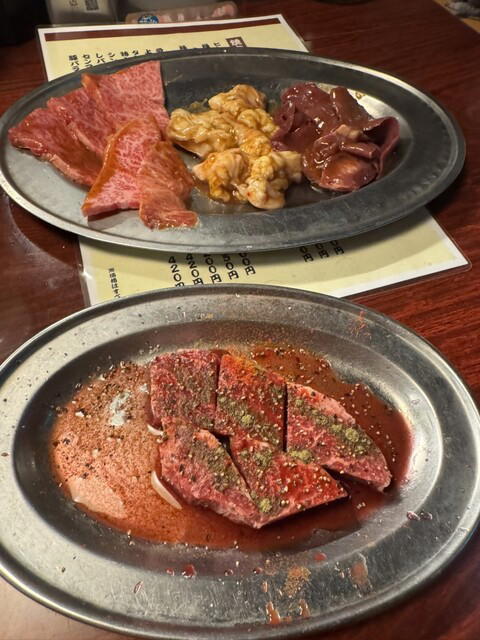
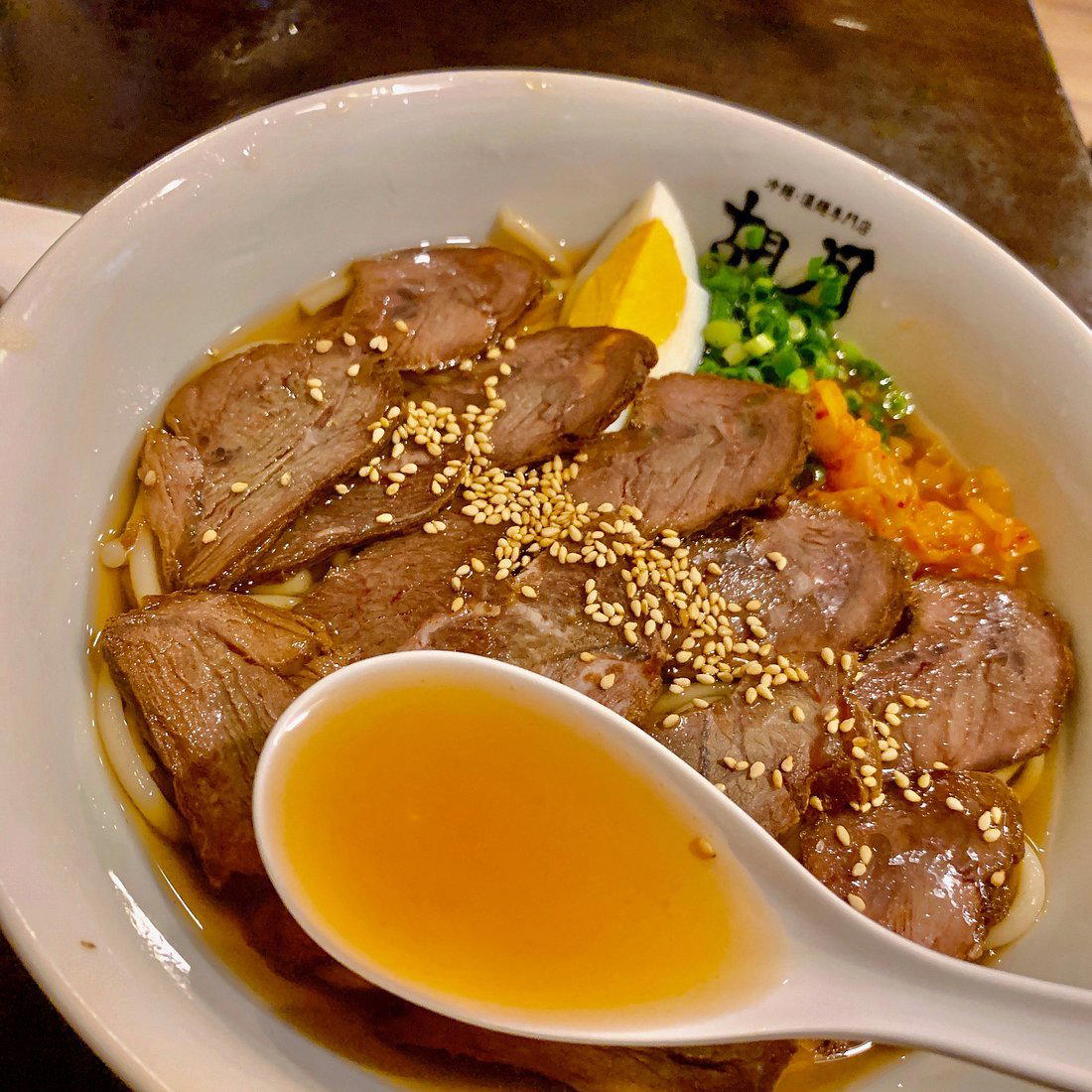
Bars in Beppu
Browse all →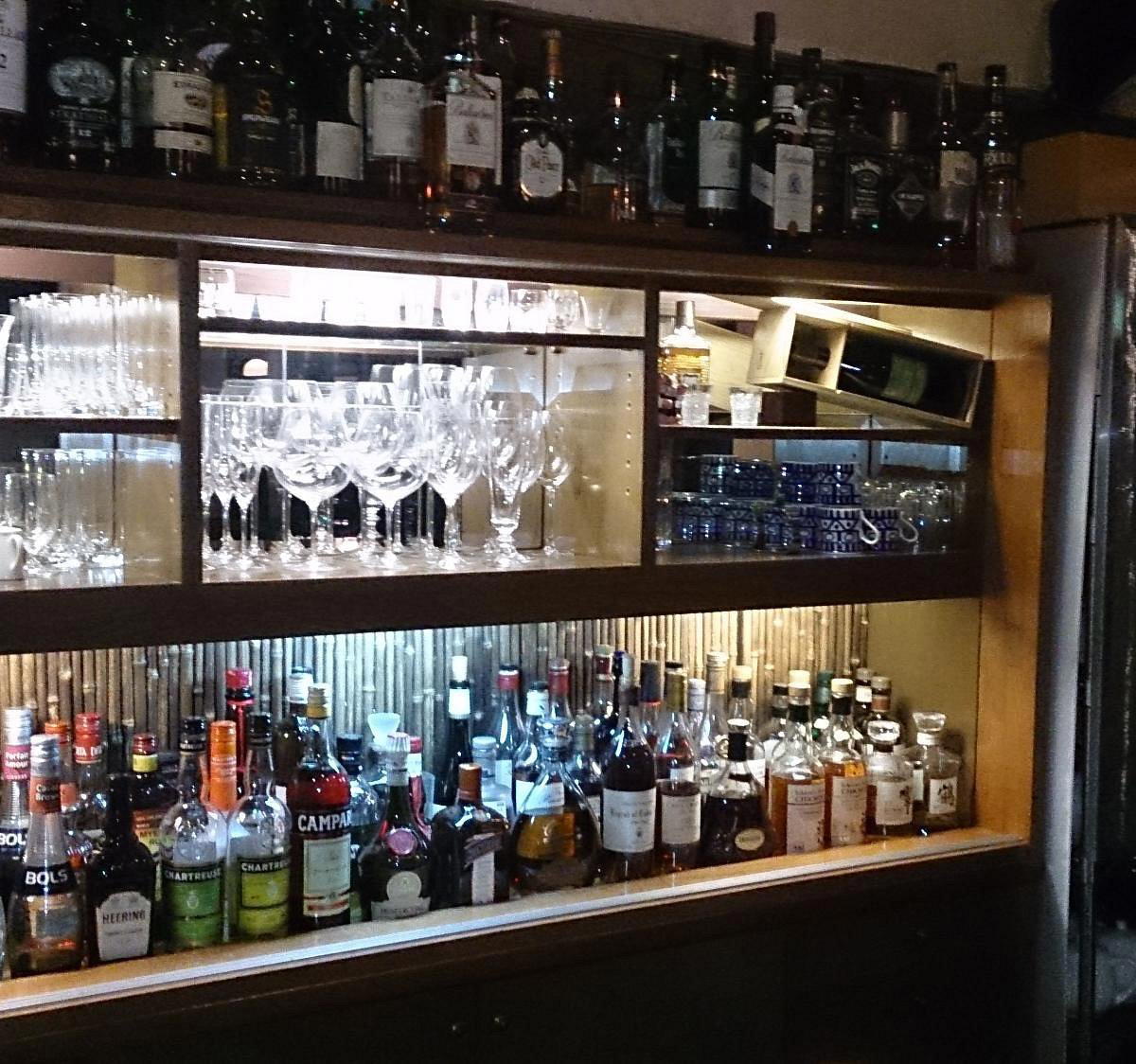
Details
- Cozy
- Trendy
- Lively
- Casual Hangout
- After Work
- Group Dining
- Craft Cocktails
- A La Carte
- Small Plates
- Craft Cocktails
Current opening hours
- Monday
- 7 PM–12 AM
- Tuesday
- 7 PM–12 AM
- Wednesday
- Closed
- Thursday
- 7 PM–12 AM
- Friday
- 7 PM–12 AM
- Saturday
- 7 PM–12 AM
- Sunday
- 7 PM–12 AM
Hours can change for holidays and private events. Hours as of .
Relaxed and welcoming with a real international feel, featuring friendly English-speaking staff and a casual, social atmosphere ideal for drinks and casual dining.