
Beppu’s hot-spring city identity gives Otto e Sette Oita a sharper frame than a standard regional Italian address. Its Tabelog Italian WEST “Tabelog 100” selections in 2023 and 2025, fish-led cooking, and drinks program spanning wine, sake, shochu, and cocktails place it in the smaller tier of Kyushu restaurants where Italian technique is used to read local produce rather than imitate Tokyo dining.
Pearl is the En Primeur Club membership app — saves, bookings, and concierge access live there. Same editors, same standards.
- Address
- Japan, 〒874-0043 Oita, Beppu, 井田2
- Phone
- +81 977-66-4411
- Website
- ottoesetteoita.com
 Saves & bookings on Pearl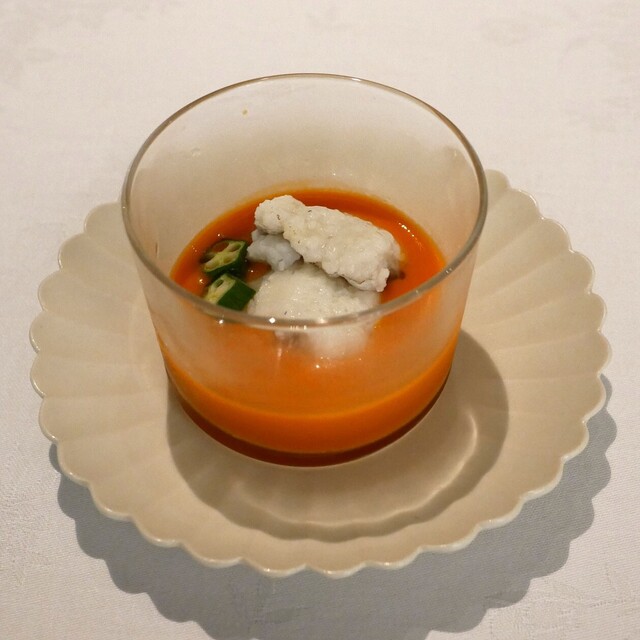
Approaching Ida, Beppu’s restaurant rhythm feels different from the dense station-side circuits of larger Japanese cities. The area reads as hot-spring town first, dining destination second: steam, slopes, short taxi rides, and a sense that serious meals here need not announce themselves with metropolitan theatre. In that setting, Italian cooking has a useful role. It can frame Oita’s coastal produce without forcing it into the codes of kaiseki, sushi, or steakhouse dining.
Otto e Sette Oita belongs to that category: a regional Italian room whose significance is less about imported glamour than about how Western technique behaves in a prefecture known for seafood, onsen culture, and agricultural pockets between sea and mountain. Its selection for Tabelog Italian WEST “Tabelog 100” in both 2023 and 2025 gives the restaurant a clear external signal, but the more interesting point is geographic. Beppu is not Osaka, Kyoto, or Fukuoka; a listing here suggests that the Italian conversation in western Japan has spread beyond the large-city dining grid.
Italian technique, Oita seafood, and the logic of place
Regional Italian restaurants in Japan often split into two camps. One treats Italy as a fixed template, with familiar pasta shapes, grilled meats, and cellar cues doing the heavy lifting. The other uses Italian structure as a grammar for Japanese ingredients. Otto e Sette Oita sits closer to the second camp. The public category is Italian, while the food emphasis is explicitly fish-led, a telling detail in a city where the surrounding prefecture gives chefs access to coastal ingredients without the distribution lag of a larger inland market.
That matters because fish-led Italian cooking in Japan is not simply a lighter alternative to meat-heavy tasting menus. It changes the pacing of a meal. Pasta can become a bridge rather than a centrepiece, sauces tend to show restraint, and the meal’s identity depends on sourcing more than on a catalogue of canonical dishes. The result, when handled with discipline, is a restaurant that reads Oita through an Italian lens rather than treating local ingredients as decoration.
The drinks program points in the same direction. Wine remains the expected Italian anchor, but the presence of sake, shochu, and cocktails signals a broader table culture. In Kyushu, shochu is not an exotic add-on; it is part of the regional drinking vocabulary. A restaurant that can hold wine alongside nihonshu and shochu is better placed for Beppu than one that insists on a purely Italian cellar script.
Where it fits in Beppu's small but serious dining map
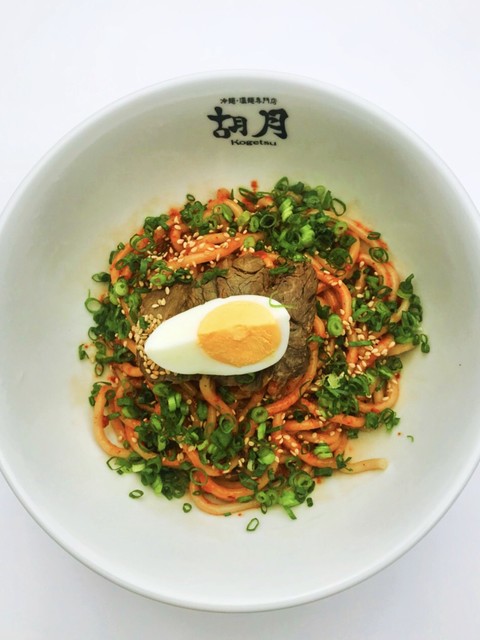
Beppu’s dining appeal is not built like Tokyo’s, where scarcity, counter count, and chef lineage often dominate the conversation. The city works by contrast: hot-spring inns, modest gyoza counters, beef specialists, hotel dining rooms, and a few destination-leaning restaurants share a compact field. For travellers mapping the city, Atelier occupies a similar upper spend band, while Bungo Beef Steak no Mise Somuri Beppu honten speaks to the local beef tradition. Gyoza Kogetsu shows the opposite end of the spectrum: narrow focus, low spend, and a dish-specific reason to go.
That range is precisely why an Italian address here has to earn its place. In a hot-spring town, dinner is often attached to the ryokan stay, so independent restaurants must give travellers a reason to leave the bath-and-inn circuit. Otto e Sette Oita does so through a sourcing argument rather than spectacle. The 40-seat scale keeps it in restaurant territory rather than counter cult, and private-room availability makes it suitable for a more planned meal, but the editorial reason to care is the intersection of Beppu setting and Oita ingredients.
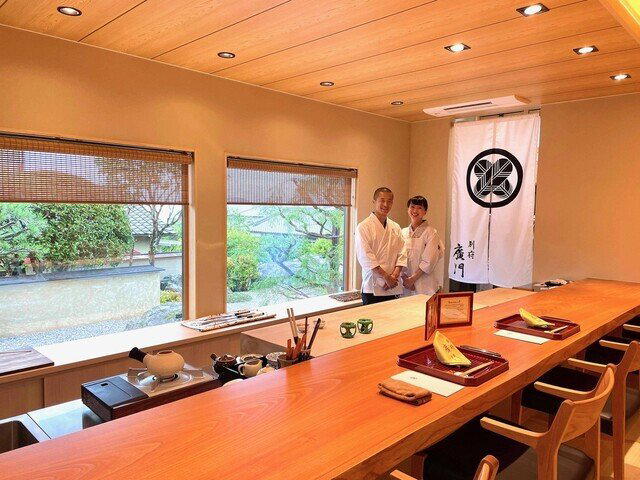
Compared with Elements, another Beppu address in the city’s broader dining mix, this restaurant’s identity is more tightly tied to Italian form and regional produce. Compared with tavern drinking at Bepper's Tavern ベッパーズタバーン, it sits in a more structured dining lane. Those distinctions help travellers avoid the common mistake of treating Beppu as a single-note onsen stop. The better reading is a small city with several dining speeds.
A Kyushu address with national signals, not big-city mimicry
The Tabelog Italian WEST “Tabelog 100” selection is a useful credential because it places the restaurant inside a western Japan Italian category rather than a local popularity list. A 3.74 Tabelog score adds another public signal, though the stronger takeaway is repeat recognition across 2023 and 2025. For a Beppu restaurant, that combination suggests durability in a category usually dominated by larger urban centres.
Travellers building a broader Japan itinerary can use Otto e Sette Oita as a counterpoint to more famous metropolitan dining patterns. It is not the Tokyo model of tightly staged luxury, nor the Kyoto model of seasonality filtered through ceremony. It is closer to a regional argument: seafood, hot-spring-town pacing, and Italian technique treated as a way to clarify local supply. For a city better known internationally for baths than for dining rooms, that is the point.
For wider planning, start with Our full Beppu restaurants guide, then pair dinner decisions with Our full Beppu hotels guide if the trip is built around onsen stays. Drinking-led evenings sit better in Our full Beppu bars guide, while regional context can be widened through Our full Beppu experiences guide and, for drink-focused travellers, Our full Beppu wineries guide.
Readers comparing Japanese dining styles beyond Beppu can look to -Grilled beef Sukiyaki- KAMAKURA TANUKIAN 鎌倉 たぬき庵 in Kamakura for beef-focused tradition,. 鮪と炭火焼き うお炭 秋葉原店 in Tokyo for tuna and charcoal cooking,.cafe in Osaka for a different urban register,.know in Kumamoto for another Kyushu city, (Shoku) Vietnam in Kawasaki for Vietnamese cooking in Japan, and [Curry Senmon Ten] Maruyama Kyoju. in Sapporo for a specialist curry format. Across the Pacific, Jōdo Saké Bar in Los Angeles and Onigiri Time in Pasadena show how Japanese food and drink categories translate abroad.
A Quick Peer Check
Nearby venues at a similar price tier for orientation.
| Venue | Cuisine | Price | Awards | Notes |
|---|---|---|---|---|
| Otto e Sette OitaThis venue — the venue you are viewing | Onsen-inspired Italian fine dining | $$$ | , | |
| Karin | Northeastern Chinese Dumpling House | $$ | , | Motomachi |
| Avatar Indian Restaurant (アブタール 別府鉄輪店) | Authentic Indian Curry | $$ | , | Kannawa |
| Gyoza Kogetsu | Traditional Japanese Gyoza | $$ | , | Kitahama |
| Seafood Izakaya Ren | Traditional Japanese seafood izakaya | $$ | , | Beppu Ekimae |
| Bungo Beef Steak no Mise Somuri Beppu honten | Bungo Beef Steak / Teppanyaki | $$$ | , | Kitahama |
Continue exploring
More in Beppu
Restaurants in Beppu
Browse all →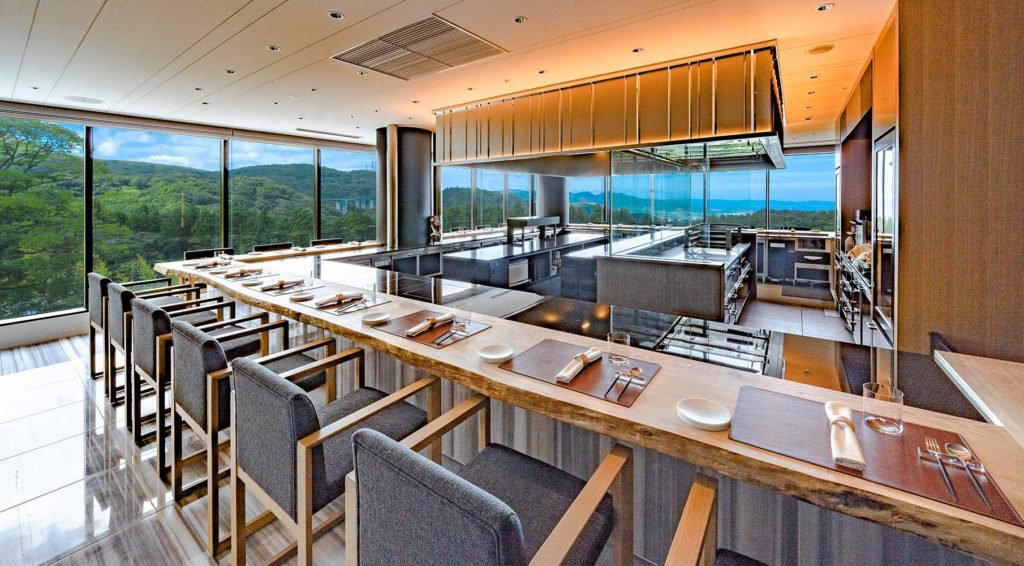

At a Glance
- Elegant
- Cozy
- Romantic
- Hidden Gem
- Sophisticated
- Date Night
- Special Occasion
- Business Dinner
- Group Dining
- Family
- Hotel Restaurant
- Design Destination
- Private Dining
- Chefs Counter
- Extensive Wine List
- Sake Program
- Local Sourcing
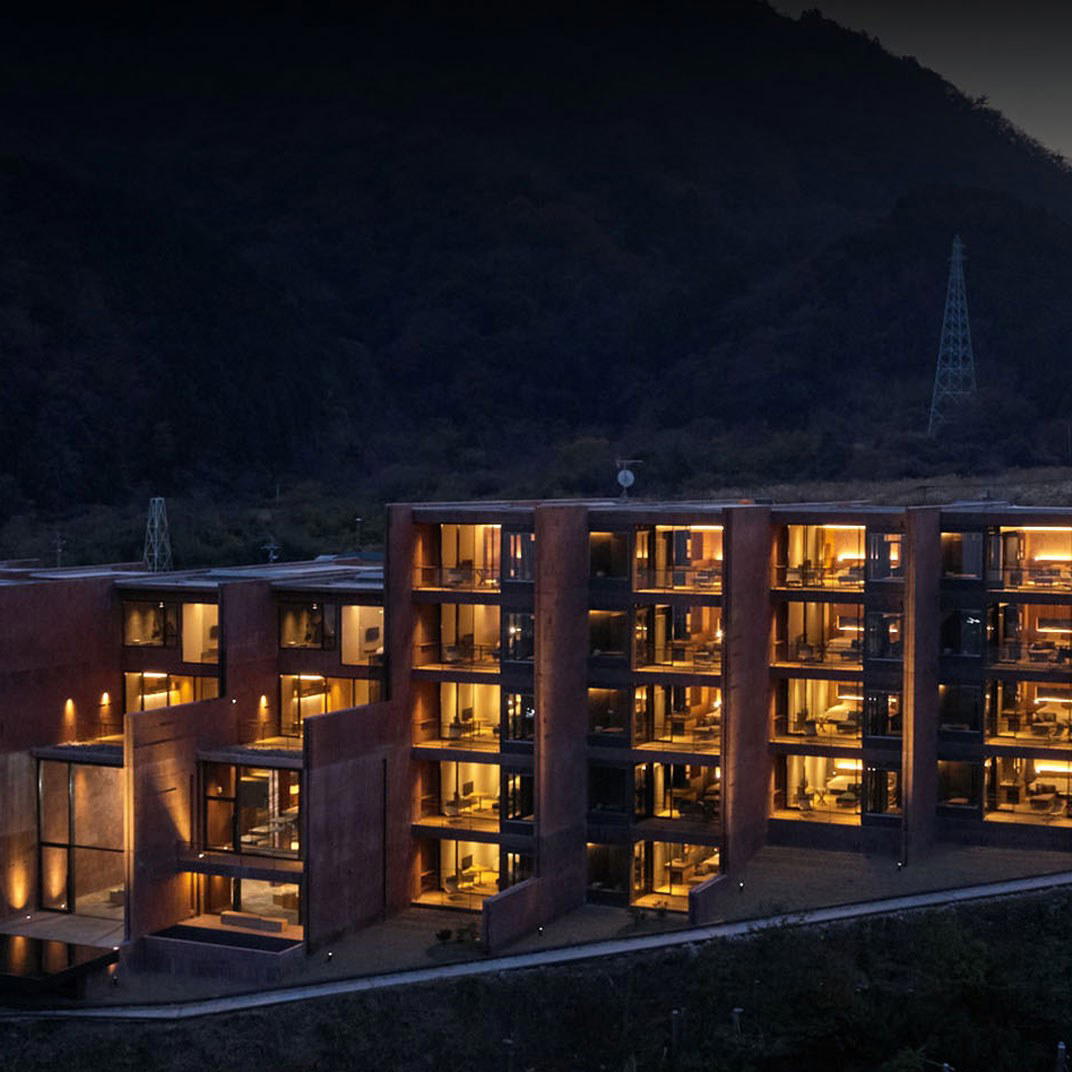
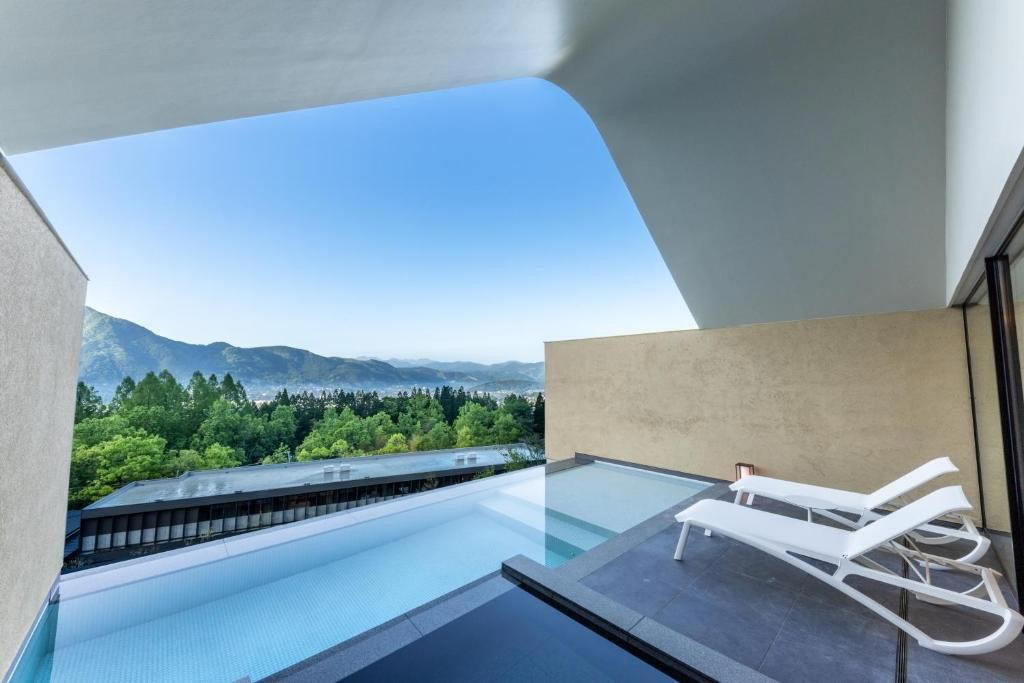
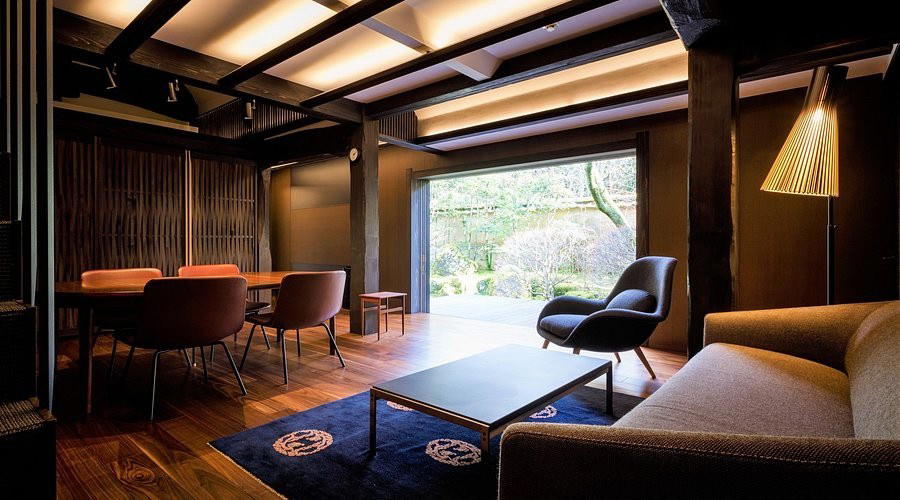
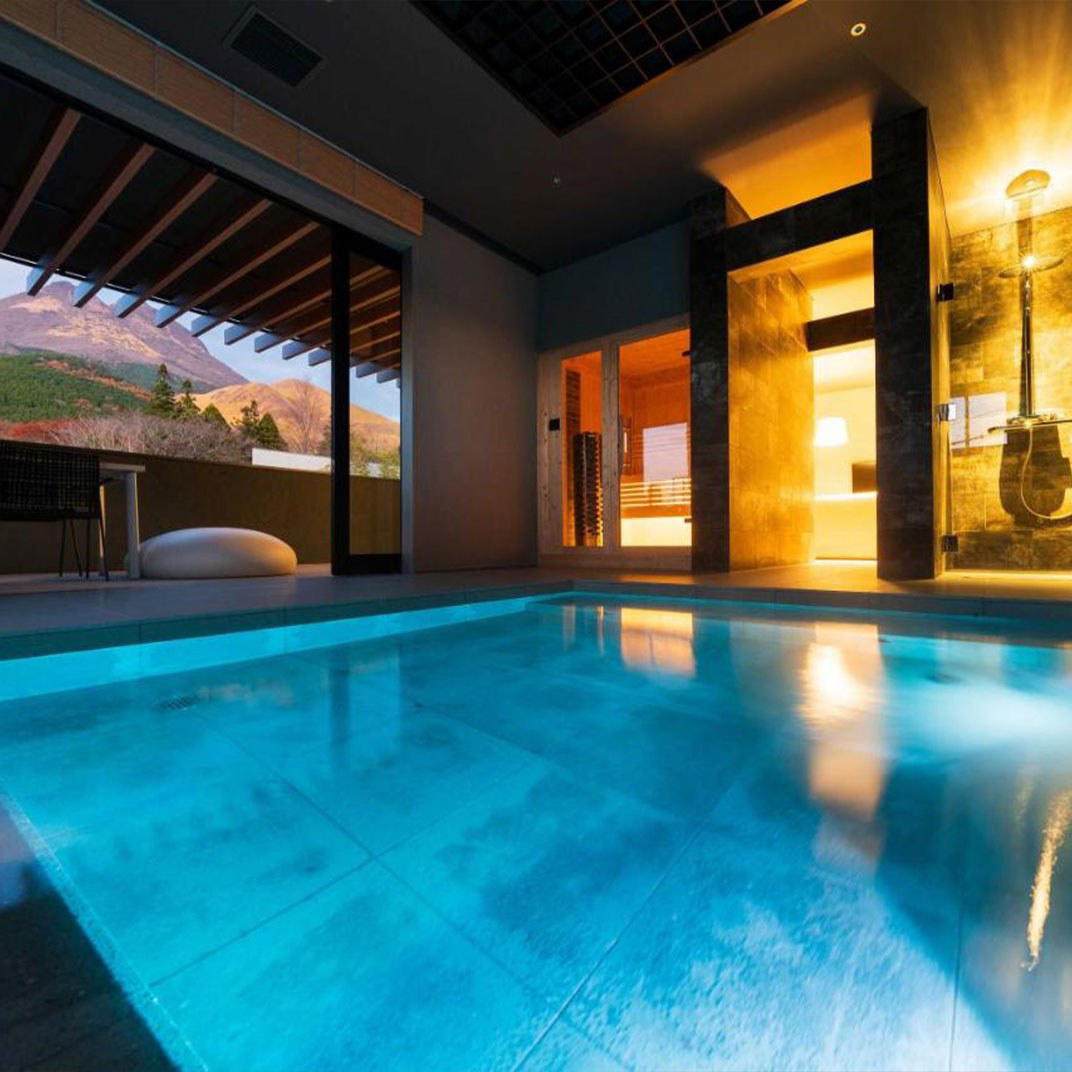
Intimate, quiet dining room inside a traditional onsen ryokan, with a refined yet relaxed atmosphere that blends Italian fine dining with the historic hot spring district setting.