
Seafood Izakaya Ren places Beppu’s station-area izakaya culture in its most seafood-focused register: counter seats, tatami seating, sake and shochu, and a kitchen defined by fish rather than spectacle. Its selection for Tabelog 100 Izakaya WEST in 2024 and 2025 gives it a stronger signal than the average hot-spring-town tavern, especially for travellers choosing dinner near Beppu Station.
Pearl is the En Primeur Club membership app — saves, bookings, and concierge access live there. Same editors, same standards.
- Address
- 7-16 Ekimaecho, Beppu, Oita 874-0935, Japan
- Phone
- +81 977-22-1722
- Website
- tabelog.com
 Saves & bookings on Pearl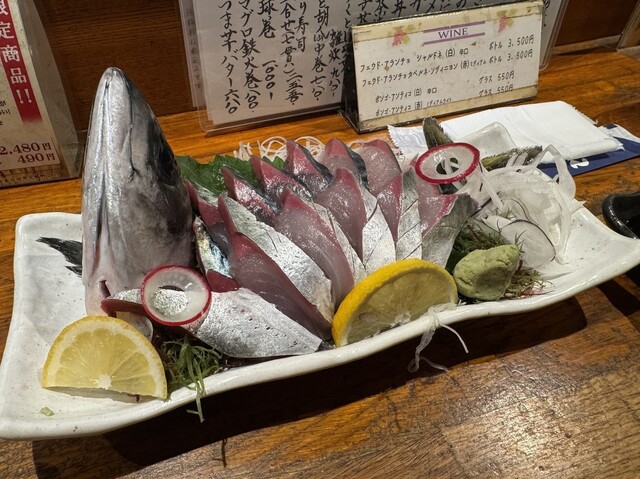
Beppu’s evening dining rhythm changes quickly after the day-trippers leave the steam vents and bathhouses. Around the station, the useful restaurants are not built for ceremony; they are compact, local, and practical, with counters for regulars and tatami seating for groups. Seafood Izakaya Ren belongs to that register, where the point is not a long tasting-menu arc but the older izakaya grammar of fish, rice, sake, shochu, and conversation. In a hot-spring city better known internationally for onsen than dinner reservations, that matters: the serious meal often happens in rooms that look modest from the street.
The kitchen’s stated focus is fish, and that places the restaurant inside a specific Kyushu dining tradition rather than a generic pub category. Oita faces the Seto Inland Sea and the Bungo Channel, so seafood is not a decorative theme here; it is the raw material that gives local izakaya cooking its authority. The format suits travellers who want Beppu at night without turning dinner into a formal project. Seafood Izakaya Ren has also been selected for Tabelog 100 Izakaya WEST in both 2024 and 2025, a useful marker in a city where many worthwhile places remain small, Japanese-language, and difficult to parse from the outside.
Fish-led izakaya cooking in an onsen city
Beppu’s restaurant scene rewards a different kind of attention than Tokyo or Osaka. The city does not need another luxury dining script; it needs places that translate local appetite into a compact evening format. A seafood izakaya does that better than most categories because it can move between raw, grilled, simmered, fried, and drinking food without abandoning informality. The emphasis on sake and shochu reinforces the point. This is not wine-pairing theatre. It is the drinking culture of western Japan, with fish as the anchor and the room built for a long, unfussy night.
That gives Ren a different role from Beppu’s beef addresses. Bungo Beef Steak no Mise Somuri Beppu honten speaks to Oita’s wagyu identity and a heavier, meat-led occasion. Ren sits on the seafood side of the same local equation, with less emphasis on polish and more on ingredient immediacy. Travellers building a short Beppu itinerary should treat those as separate moods rather than interchangeable dinner options.
Compared with casual station-area picks such as Gyoza Kogetsu or the pub-leaning Bepper's Tavern ベッパーズタバーン, the fish focus gives Ren a narrower but more serious purpose. That is the useful distinction. A gyoza stop can solve a quick meal; a seafood izakaya asks for a slower table and a group willing to order across categories. Beppu is compact enough that this kind of choice defines the evening more than neighbourhood hopping does.
A small-room format, not a destination dining production
The room is built around counter seating and tatami seating, a split that tells the reader almost everything about how to use it. Counter seats suit pairs who want to keep dinner close to the kitchen’s pace. Tatami seating makes more sense for friends ordering in rounds. Private rooms are not the premise, and that is consistent with the category: the energy of an izakaya comes from shared proximity rather than insulation.
The 2025 Tabelog 100 Izakaya WEST selection is significant because izakaya assessment is less about luxury signals than consistency within a deeply crowded field. The stronger addresses tend to show discipline in sourcing, pacing, and drink compatibility. Ren’s recognition does not turn it into a formal restaurant, and that is precisely the point. It gives travellers a credible way to distinguish a fish-led local tavern from the broader mass of station-area dinner options.
There is also a practical cultural detail that affects the decision: smoking is allowed. For some diners, that is part of the traditional izakaya environment; for others, it is a clear reason to choose another room. Beppu has enough range for that call. For a more contemporary or Western-leaning night, Atelier and Elements point in other directions, while our full Beppu restaurants guide is the better planning layer for matching mood to meal.
How Ren fits a Beppu itinerary
Ren works most cleanly as a dinner after an onsen-heavy day, when the city’s appeal is not another scenic viewpoint but a table within walking range of the station district. The restaurant is close enough to Beppu Station to make taxis unnecessary for many visitors, and the absence of dedicated parking makes rail or walking the cleaner choice. Reservations are available, which is sensible for a small, recognized room in a resort city where weekend demand can tighten quickly.
The cash-only payment setup also affects how to plan the night. Japan’s regional dining rooms have moved toward cards at uneven speed, and izakaya with strong local followings can remain old-school in ways that international travellers forget to check. Bring yen, assume the evening runs on local habits, and do not treat the room like a hotel-restaurant extension. That is part of the value: Beppu’s better dinners often sit outside the polished hospitality frame.
For travellers staying overnight, dinner here pairs naturally with a broader Beppu plan rather than a standalone pilgrimage. Use our full Beppu hotels guide for where to sleep, our full Beppu bars guide for a second stop, and our full Beppu experiences guide for the daytime onsen and geothermal circuit. Our full Beppu wineries guide is less central to the city’s identity, but it helps frame how drinks culture here differs from wine-first destinations.
Readers comparing Japanese dining categories beyond Beppu can see how local specificity shifts by city: -Grilled beef Sukiyaki- KAMAKURA TANUKIAN 鎌倉 たぬき庵 in Kamakura leans into beef and sukiyaki ritual,. 鮪と炭火焼き うお炭 秋葉原店 in Tokyo maps tuna and charcoal to a capital-city context, and.know in Kumamoto shows another Kyushu register. For casual-format contrast,.cafe in Osaka, (Shoku) Vietnam in Kawasaki, [Curry Senmon Ten] Maruyama Kyoju. in Sapporo, Jōdo Saké Bar in Los Angeles, and Onigiri Time in Pasadena make the same point from different angles: format only matters when it reflects place.
Comparable Spots, Quickly
Comparable venues by cuisine and price in the same metro.
| Venue | Cuisine | Price | Awards | Notes |
|---|---|---|---|---|
| Seafood Izakaya RenThis venue — the venue you are viewing | Traditional Japanese seafood izakaya | $$ | , | |
| Ikkyu no Namida | Beppu Cold Noodles (Beppu Reimen) | $$ | , | Ishigaki Nishi |
| ぎょうざ 湖月 | Traditional Japanese Gyoza Specialist | $ | , | 北浜 |
| Ikkyu no Namida (一休の泪) | Modern Beppu Cold Noodles | $$ | , | Ishigaki West |
| Karin | Northeastern Chinese Dumpling House | $$ | , | Motomachi |
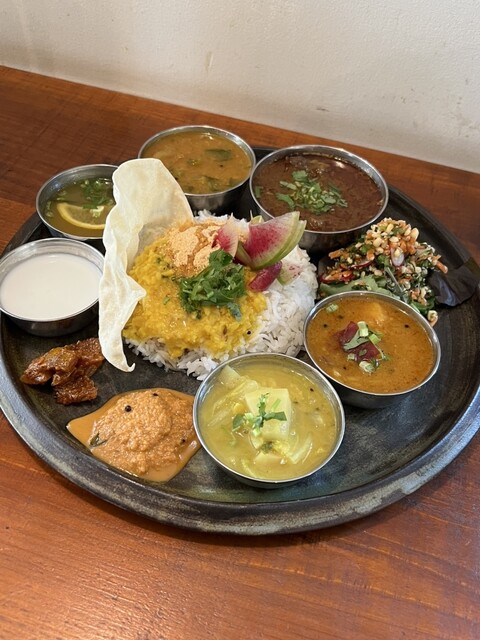
| TANE | South Indian curry & thali | $$ | , | Ekimae Honmachi |
Continue exploring
More in Beppu
Restaurants in Beppu
Browse all →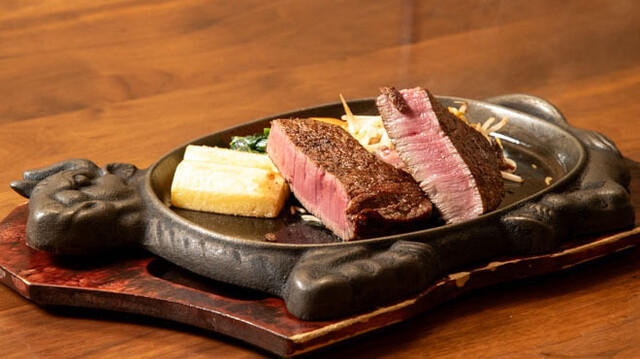

At a Glance
- Lively
- Cozy
- Classic
- Intimate
- Casual Hangout
- After Work
- Group Dining
- Solo
- Standalone
- Sake Program
- Local Sourcing
- Sustainable Seafood
A classic neighborhood seafood izakaya with a small counter and tatami seating, bustling and lively in the evenings, with a cozy, informal tavern feel rather than a polished modern design.