Our verdict
IkkoAn occupies a quiet address in Bunkyo City, one of Tokyo's more residential wards, at some remove from the high-visibility dining corridors of Ginza or Minami-Aoyama. The venue sits in a part of the city where the dining culture tends toward neighbourhood regulars rather than destination traffic, which shapes both the pace of service and the expectations a visitor should bring.

Pearl is the En Primeur Club membership app, where members save venues, book tables and use the concierge.
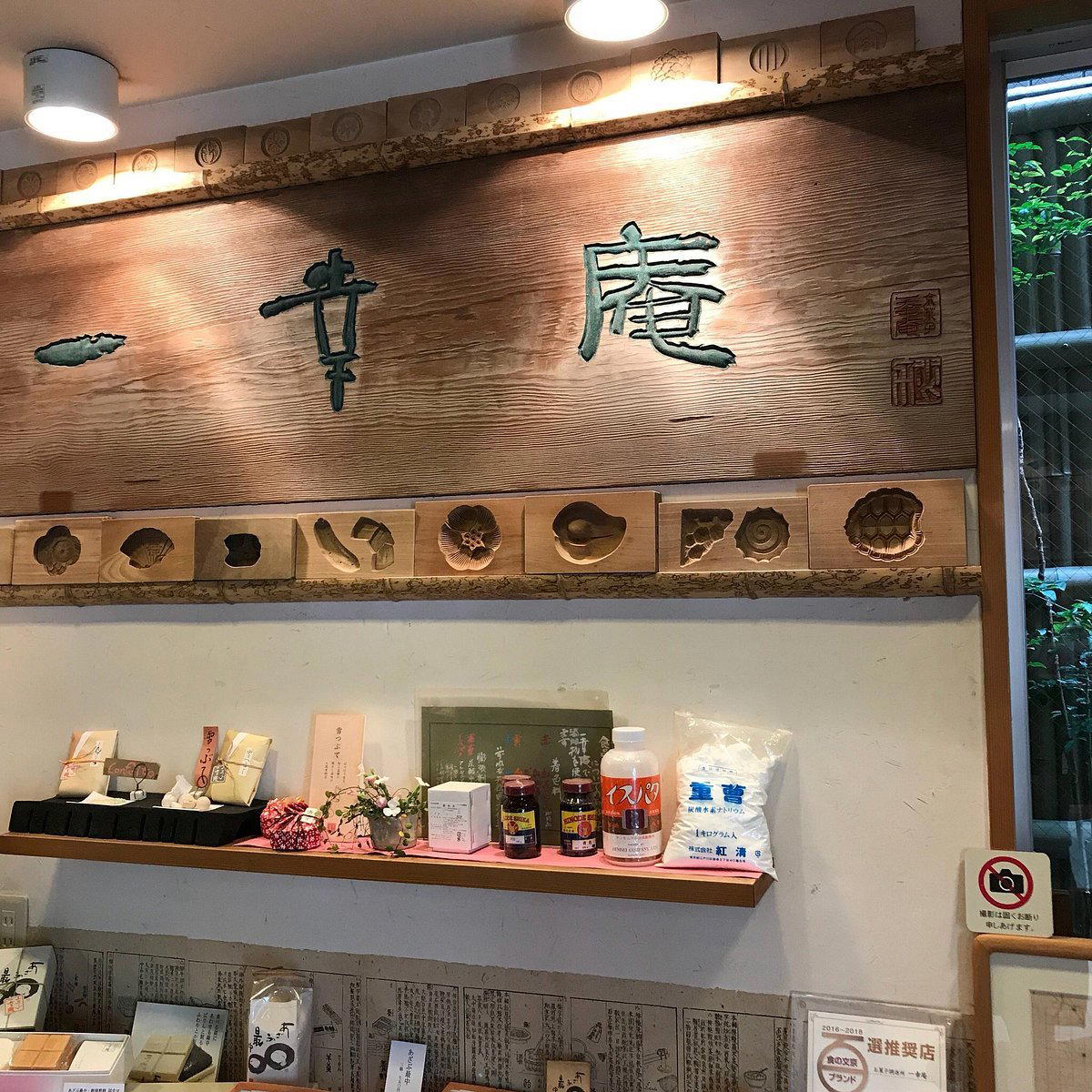
Bunkyo's Quieter Register
Tokyo's dining geography sorts itself along a familiar axis: the high-visibility corridors of Ginza, Azabu-Juban, and Minami-Aoyama on one end, and the residential wards that ring the centre on the other. Bunkyo City belongs firmly to the second category. The ward is better known for Koishikawa Korakuen, one of Edo-period Tokyo's surviving landscape gardens, and the density of universities along its northern edge than for destination restaurants. That context matters when reading IkkoAn: the address at 5 Chome-3-15 Koishikawa places it in a neighbourhood where restaurants tend to build their clientele over years through repeat local custom rather than through review cycles or social media traffic.
Across Japan's wider dining circuit, from Gion Sasaki in Kyoto to Goh in Fukuoka, some of the most carefully executed meals happen at addresses with no particular marquee value. The neighbourhood is almost beside the point once you are inside, but it does filter the crowd, and in Bunkyo that filtering tends to produce a quieter room than you would find in the same category further south.
The Lunch and Dinner Divide in Tokyo's Mid-Scale Dining
One of the more practical truths about Tokyo dining is how dramatically the experience shifts between lunch and dinner service, even within the same kitchen. At the top tier, where Harutaka or RyuGin operate, the lunch-dinner divide is partly a pricing mechanism: a condensed afternoon menu allows access to the kitchen at a materially lower spend. Further down the price register, the dynamic inverts. Dinner often represents the fuller, more considered service, while lunch can feel like a deliberate edit that sacrifices some of the evening's pacing in exchange for speed and accessibility.
For IkkoAn, positioned in a residential ward where the lunch crowd is likely to include neighbourhood workers and nearby university staff alongside the occasional visiting diner, the daytime service presumably operates against different constraints than an evening table. Bunkyo's weekday lunch patterns skew practical rather than leisurely, which typically means tighter menus, faster turns, and a room that empties before two o'clock. Evening service in this kind of neighbourhood allows the kitchen more room to set pace, and for a diner willing to make the trip out from central Tokyo, dinner is almost always the better frame for reading what a restaurant actually values.
This pattern holds across comparable residential-ward addresses in Japan. At akordu in Nara, a restaurant operating outside the obvious tourist circuit demonstrates how evening service in a quieter setting can produce a more focused encounter than lunch at a busier city-centre address. The logic is the same in Bunkyo: less foot traffic at dinner means the room belongs more completely to whoever has made the deliberate choice to be there.
Japanese Dining Tradition and What the Address Implies
Koishikawa as a neighbourhood carries specific historical weight. The area around the Koishikawa Korakuen garden has been continuously inhabited since the Edo period, and the ward's character has resisted the wholesale redevelopment that transformed Shinjuku or Shibuya in the postwar decades. Restaurants in this part of Tokyo often operate from older buildings, which in Japan tends to mean either converted machiya-style structures or standalone low-rise premises rather than the tower-base formats common in Ginza.
That physical context shapes dining expectations. The premium omakase counters that define Tokyo's global reputation, including the three-Michelin-star sushi rooms documented by international press, are almost uniformly located in the commercial wards. Residential Bunkyo tends toward a different register: neighbourhood Japanese, long-running family operations, and the occasional specialist who has chosen proximity to a quieter life over the visibility of a Ginza address. Whether IkkoAn fits into one of those categories or represents something less easy to classify cannot be determined from the available record, but the address alone locates it outside the performance-dining circuit that feeds Tokyo's international reputation.
For comparative purposes, the kaiseki and Japanese specialist category in Tokyo includes venues like RyuGin at the formal, highly awarded end, and a much longer tail of neighbourhood specialists who operate without the same institutional recognition but often with comparable seriousness inside the kitchen. The distinction is not always about quality; it is about audience, location economics, and whether the chef is building toward a certain kind of visibility or deliberately away from it. Japan's regional dining circuit carries similar examples: restaurants in Nanao and Takashima demonstrate that serious Japanese cooking happens at a significant remove from the capital's review infrastructure.
Situating IkkoAn in Tokyo's Broader Dining Map
Tokyo's dining scene at the highest tier is documented to the point of near-exhaustion: the Michelin guide has covered the city since 2007, and the concentration of starred addresses in the central wards is well established. L'Effervescence, Sézanne, and Crony represent different corners of Tokyo's contemporary French conversation, while the Japanese specialist tier runs from formal kaiseki to hyper-focused omakase counters. IkkoAn sits outside that documented upper tier, at a Bunkyo address that places it in a different competitive set than the venues drawing international reservation traffic.
For a visitor building a Tokyo itinerary, the practical question is what a Bunkyo restaurant offers that a central-ward alternative does not. The honest answer is usually one of two things: either a price point that reflects lower rent and a neighbourhood clientele, or a kind of cooking that the chef has chosen to offer without the audience pressure that comes with a Ginza address. Both are legitimate reasons to make the trip, and both reward a diner who approaches the meal on the restaurant's own terms rather than arriving with expectations calibrated to a different kind of room.
Our full Tokyo restaurants guide maps the city's dining geography across wards, price tiers, and cuisine categories, and is the more useful starting point for building a complete itinerary. For comparison across Japan's wider specialist circuit, HAJIME in Osaka and specialist addresses in Sapporo demonstrate the range of what serious Japanese cooking looks like outside the capital's review infrastructure. International reference points for the level of technique that Tokyo's restaurant culture normalises include Le Bernardin in New York and Atomix, both of which operate in comparable price and ambition tiers within their own cities.
Know Before You Go
Address: 5 Chome-3-15 Koishikawa, Bunkyo City, Tokyo 112-0002, Japan
Getting There: Koishikawa sits between Iidabashi and Myogadani subway stations on the Namboku and Marunouchi lines. Allow extra transit time if arriving from Ginza or the southern commercial wards.
Timing: Bunkyo's lunch service follows residential-ward patterns; evening visits allow more time and typically a fuller menu scope. Spring, when Koishikawa Korakuen's plum and cherry sequences are active, brings more foot traffic to the area than at other times of year.
Booking: Direct contact with the restaurant is advised before planning a visit.
Frequently asked questions
What's the address for IkkoAn?
IkkoAn is located at 5 Chome-3-15 Koishikawa, Bunkyo City, Tokyo 112-0002, Japan, Tokyo.
Is IkkoAn worth visiting if I'm based in central Tokyo rather than Bunkyo City?
Bunkyo City sits northeast of central Tokyo, with Koishikawa accessible via the Marunouchi and Namboku subway lines from Marunouchi-area hotels. The Koishikawa address at 5 Chome-3-15 places IkkoAn in a residential pocket near the Koishikawa Korakuen garden, a neighbourhood with historical depth but none of the concierge infrastructure found in Ginza or Azabu-Juban.
What's the best thing to order at IkkoAn?
The Koishikawa address in Bunkyo City places it within a neighbourhood where kitchens tend to follow Japanese seasonal traditions rather than tourist-facing set menus. Arriving with an open brief and asking what the kitchen is running that day is the practical approach in this part of Tokyo.
Do I need a reservation for IkkoAn?
No confirmed booking policy is documented for IkkoAn. Restaurants drawing from a Bunkyo City residential clientele rather than foot traffic frequently operate with tight capacity and rely on returning guests.
What has IkkoAn built its reputation on?
The Koishikawa location in Bunkyo City places it outside the high-visibility corridors where Tokyo's most-documented restaurants concentrate. Restaurants in this ward typically build standing through neighbourhood loyalty rather than critic attention, which means the absence of a public profile is not unusual for the area.
How does IkkoAn handle allergies?
Tokyo restaurants operating in residential wards with limited English-language infrastructure often require allergy communication in Japanese, either in writing or via a Japanese-speaking contact. Planning ahead and arriving with written dietary notes is the most reliable approach given the available information.
City Peers
Comparable venues nearby, for context on price, style, and recognition.
| Venue | Cuisine | Price | Awards | Notes |
|---|---|---|---|---|
| IkkoAnThis venue (the venue you are viewing) | Traditional Japanese Wagashi | $10–20 | Not listed | Not listed |
| らぁめん家 69'N' ROLL ONE 赤坂本店 | Chicken Clear Soy Ramen | Not listed | Not listed | Akasaka |
| 餃子歩兵 | Kyoto-style Gyoza | $10–20 | Not listed | Ginza |
| Tenfusa (天房) | Tempura | $20–30 | Not listed | Toyosu |
| 食堂 わた | Modern Japanese Izakaya | $50–100 | Michelin Bib Gourmand · Tabelog 100 #69 | Shinjuku |
| Dotonburi | Osaka street food district | $1–10 | Not listed | Itabashi |
Continue exploring
More in Tokyo
Restaurants in Tokyo
All restaurants in Tokyo →

Bars in Tokyo
All bars in Tokyo →





Details
- Classic
- Cozy
- Intimate
- Casual Hangout
Current opening hours
- Monday
- Closed
- Tuesday
- Closed
- Wednesday
- 10 AM–4 PM
- Thursday
- 10 AM–4 PM
- Friday
- 10 AM–4 PM
- Saturday
- 10 AM–4 PM
- Sunday
- Closed
Hours can change for holidays and private events. Hours as of .
Cozy traditional shop with a quiet, intimate atmosphere focused on artisanal confectionery.