Our verdict
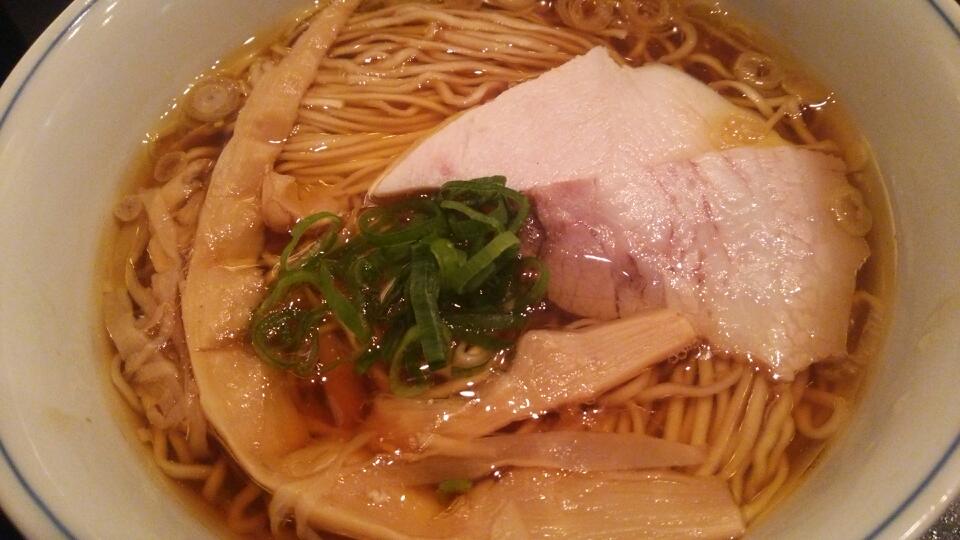
Ramen built around Hinai-jidori — a breed of chicken from Akita Prefecture considered among Japan's three prized native breeds — anchors the menu at らぁめん家 69'N' ROLL ONE in Akasaka. The kitchen's signature approach is a clear, shoyu-based chintan broth drawn entirely from that single-origin poultry stock, served with thin straight-cut noodles. That focus on one carefully sourced ingredient, rather than layered pork-bone intensity, positions this counter in a different register from the tonkotsu-dominant ramen shops that crowd Tokyo's busier tourist corridors. The Akasaka address places the restaurant squarely in one of central Tokyo's denser office and entertainment districts, a deliberate move by head chef Junichi Shimazaki when the operation relocated from Machida. The dining room runs to roughly 39 seats, counter included, which is generous by ramen-shop standards and allows the kitchen to serve the lunch and dinner crowds that characterise this part of Minato-ku without the single-file queuing that defined the Machida years, when the shop drew consistent lines. Recognition across multiple categories at the Ramen Grand Prix — shoyu, shio, and tsukemen divisions — gave the restaurant a documented competitive record that preceded the Akasaka move. The menu structure is direct: the No. 2 ramen is the reference bowl, with add-on configurations for chashu and seasoned egg pushing the price modestly upward. A shio (salt) version runs alongside it, maintaining the lighter broth philosophy across both options. For a bowl in this part of Tokyo, the pricing sits at the accessible end of the spectrum, which partly explains the draw for the surrounding office crowd at midday. The room itself reads cleaner and more considered than the utilitarian fit-outs common to neighbourhood ramen counters, though the food remains the primary reason to visit rather than the interior. For anyone working through Tokyo's shoyu ramen scene with any seriousness, this Akasaka address represents a specific style argument: that chicken-only dashi, handled with restraint, can carry a bowl without the richness that pork fat or blended stocks provide. Whether that argument persuades depends on what you want from the format, but the Ramen Grand Prix results across three separate categories suggest the execution has earned its advocates well beyond the immediate neighbourhood.
- Address
- 赤坂3丁目7-11, 港区, 東京都, 107-0052
- Directions
- Get directions
The menu
What to order
- 尼ロック
- 2号ラーメン
Ramen built around Hinai-jidori — a breed of chicken from Akita Prefecture considered among Japan's three prized native breeds — anchors the menu at らぁめん家 69'N' ROLL ONE in Akasaka. The kitchen's signature approach is a clear, shoyu-based chintan broth drawn entirely from that single-origin poultry stock, served with thin straight-cut noodles. That focus on one carefully sourced ingredient, rather than layered pork-bone intensity, positions this counter in a different register from the tonkotsu-dominant ramen shops that crowd Tokyo's busier tourist corridors.
The Akasaka address places the restaurant squarely in one of central Tokyo's denser office and entertainment districts, a deliberate move by head chef Junichi Shimazaki when the operation relocated from Machida. The dining room runs to roughly 39 seats, counter included, which is generous by ramen-shop standards and allows the kitchen to serve the lunch and dinner crowds that characterise this part of Minato-ku without the single-file queuing that defined the Machida years, when the shop drew consistent lines. Recognition across multiple categories at the Ramen Grand Prix — shoyu, shio, and tsukemen divisions — gave the restaurant a documented competitive record that preceded the Akasaka move.
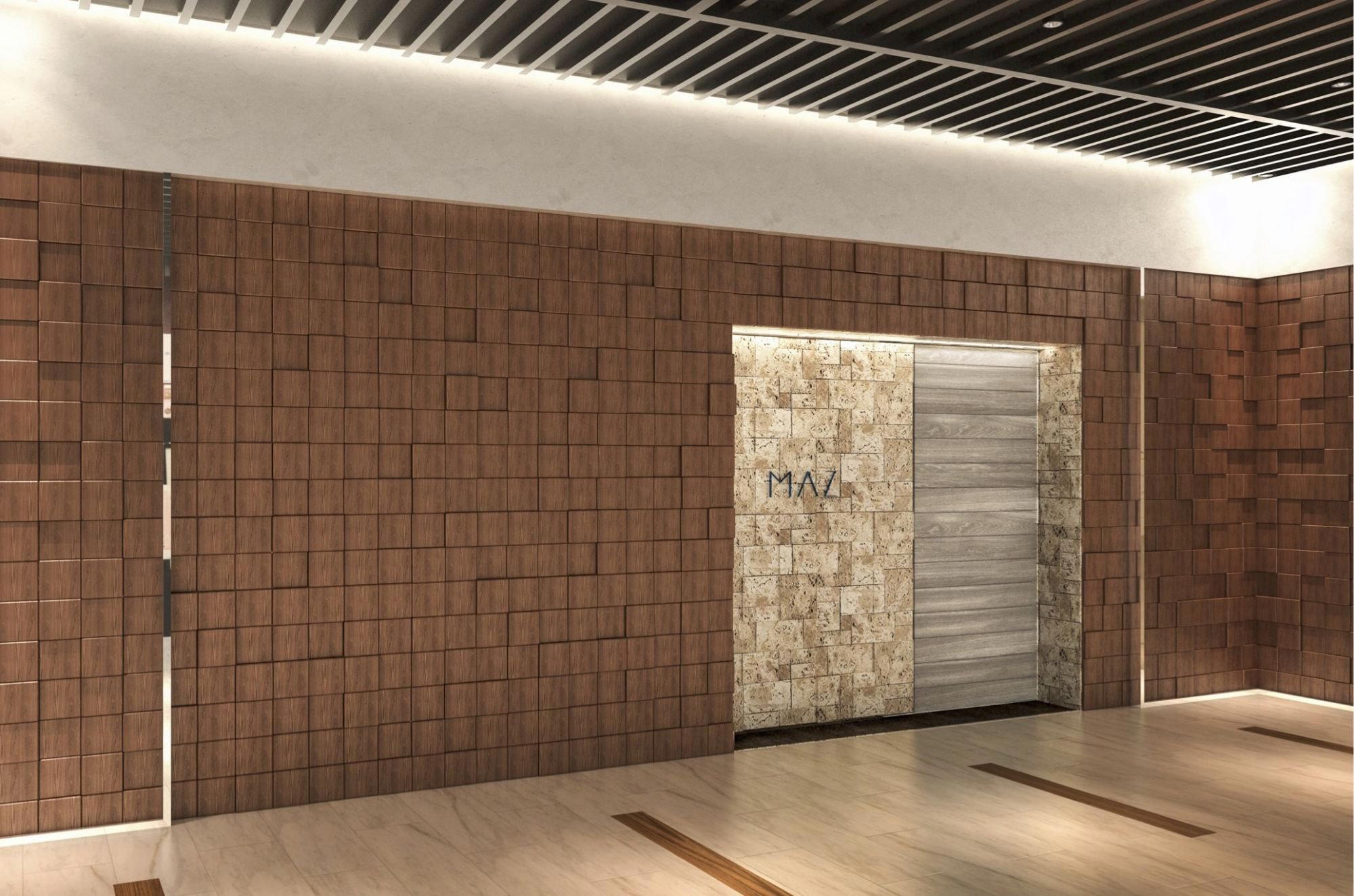
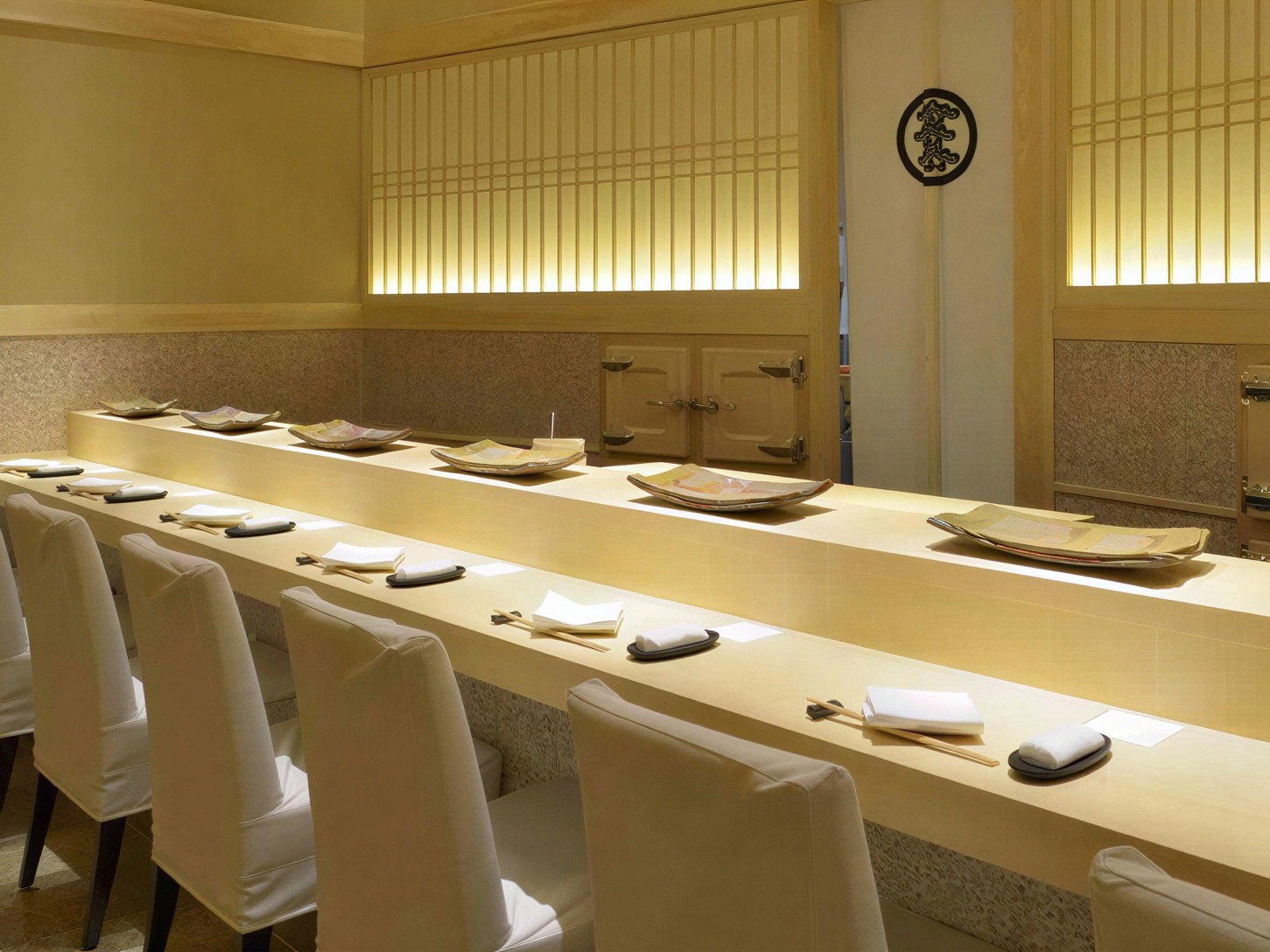
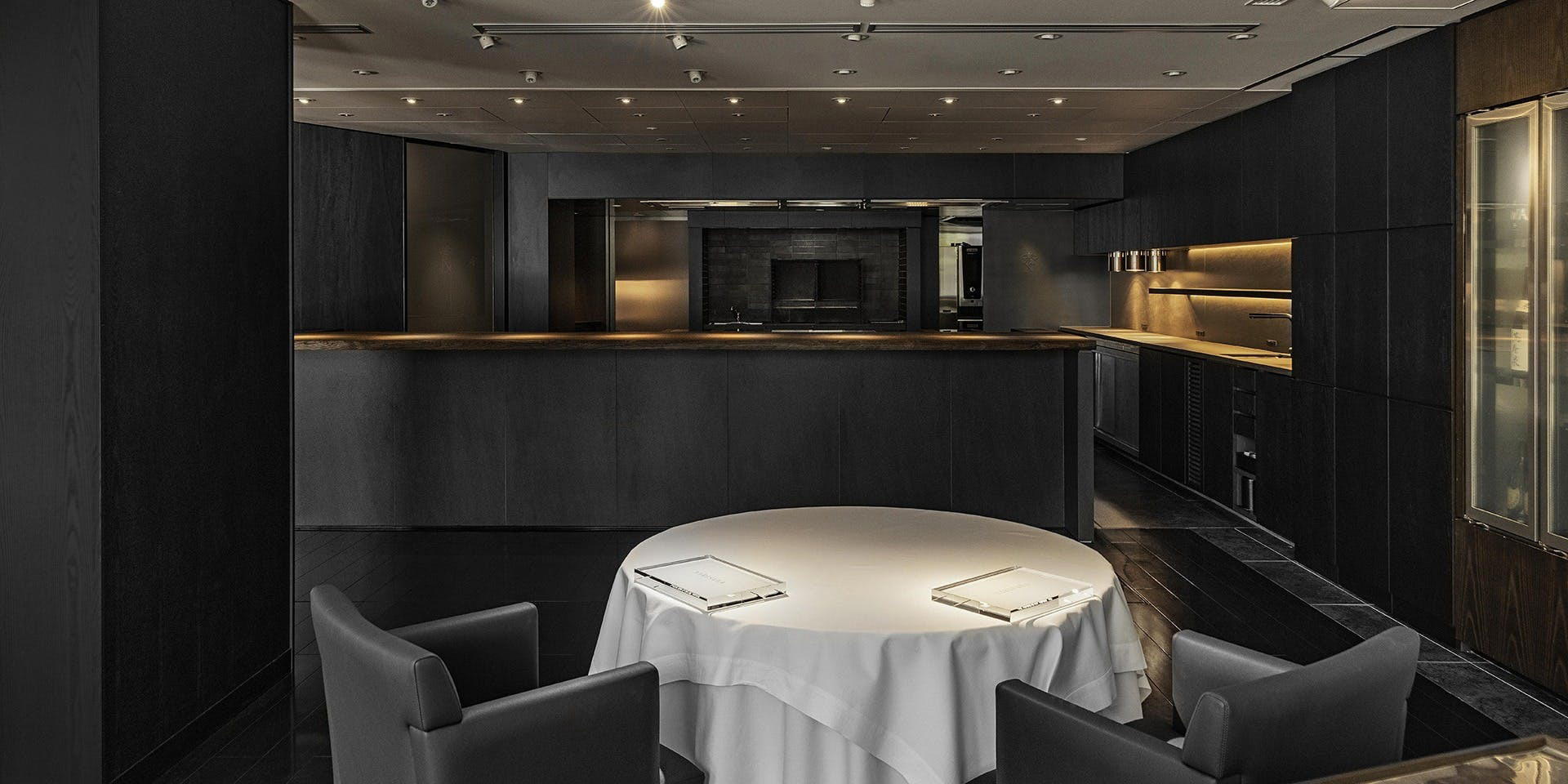
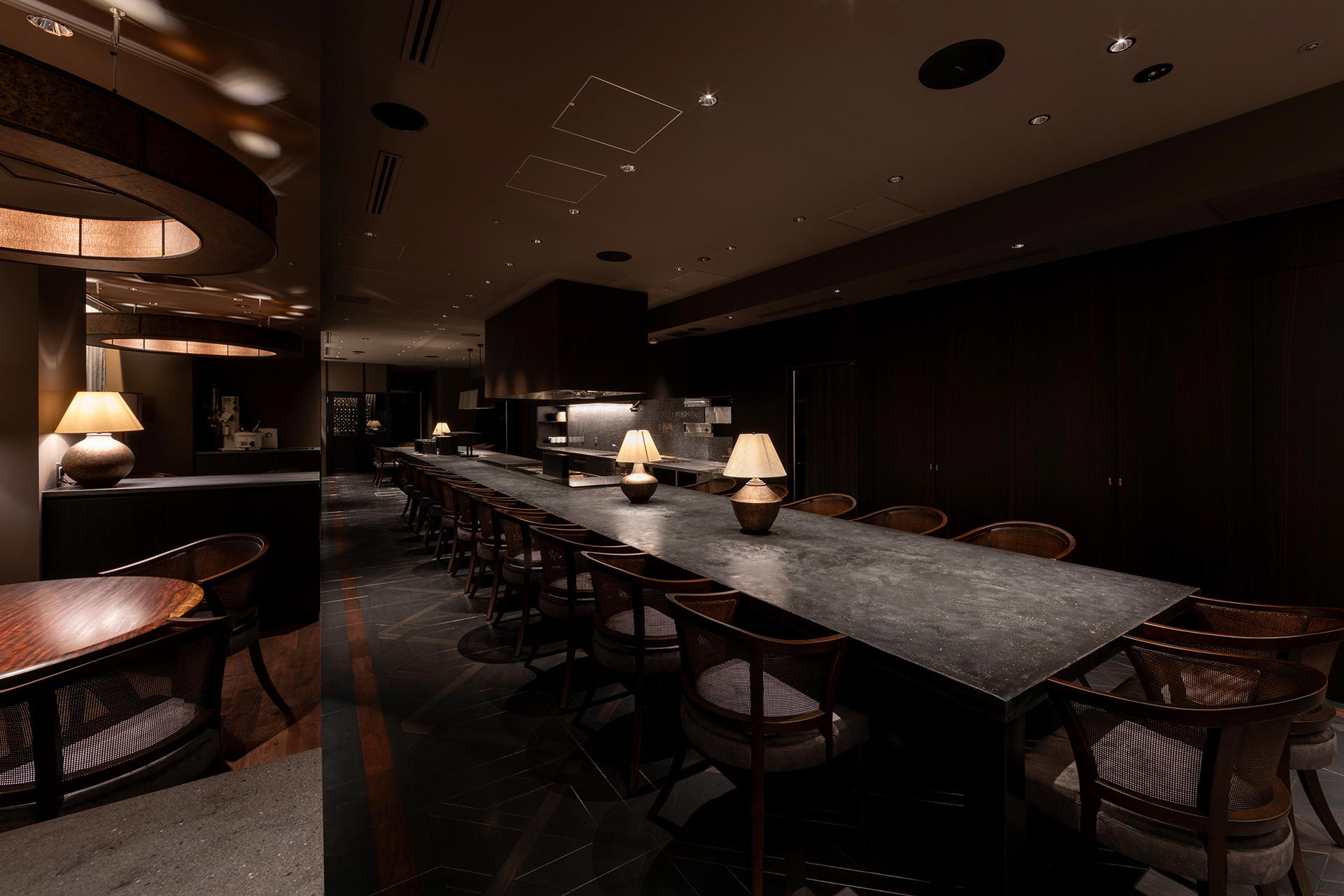
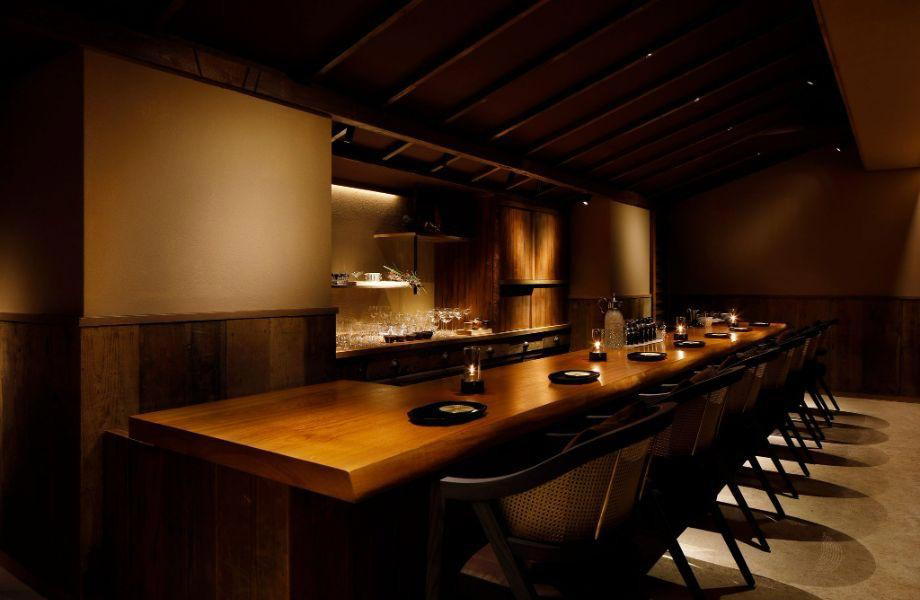
The menu structure is direct: the No. 2 ramen is the reference bowl, with add-on configurations for chashu and seasoned egg pushing the price modestly upward. A shio (salt) version runs alongside it, maintaining the lighter broth philosophy across both options. For a bowl in this part of Tokyo, the pricing sits at the accessible end of the spectrum, which partly explains the draw for the surrounding office crowd at midday. The room itself reads cleaner and more considered than the utilitarian fit-outs common to neighbourhood ramen counters, though the food remains the primary reason to visit rather than the interior.
For anyone working through Tokyo's shoyu ramen scene with any seriousness, this Akasaka address represents a specific style argument: that chicken-only dashi, handled with restraint, can carry a bowl without the richness that pork fat or blended stocks provide. Whether that argument persuades depends on what you want from the format, but the Ramen Grand Prix results across three separate categories suggest the execution has earned its advocates well beyond the immediate neighbourhood.
Comparable Venues Nearby
Comparable venues nearby, for context on price, style, and recognition.
| Venue | Cuisine | Price | Awards | Notes |
|---|---|---|---|---|
| らぁめん家 69'N' ROLL ONE 赤坂本店This venue — the venue you are viewing | Chicken Clear Soy Ramen | Not listed | Not listed | Not listed |
| Akasaka Musashi | Japanese Shabu-shabu & Sukiyaki | $30–50 | Tabelog 100 #21 | Minato |
| B | Japanese Comfort Food | $10–20 | Not listed | Meguro |
| Kurobuta Tonkatsu Hori Ichi | Kurobuta tonkatsu specialist | $20–30 | Tabelog 100 #79 | Minato |
| Kagurazaka Okawaya | Traditional Soba & Tempura | $20–30 | Tabelog 100 #84 | Shinjuku |
| Sakazuki | Standing Japanese sake bar with omakase pairing course | $30–50 | Tabelog 100 #4 | Chūō |






Details
- Trendy
- Casual Hangout
- Solo
- Late Night
- Sake Program
- Counter Dining
- A La Carte
Casual ramen shop atmosphere focused on the counter dining experience.