Our verdict
In Echizen, Fukui Prefecture, Iida operates in a region where ingredient provenance is the primary competitive variable. The surrounding coast produces some of Honshu's most cited winter crab, and inland farms supply produce that rarely travels far before service. For travellers willing to move beyond the Kyoto-Osaka corridor, Echizen represents a different register of Japanese dining entirely.

Pearl is the En Primeur Club membership app, where members save venues, book tables and use the concierge.
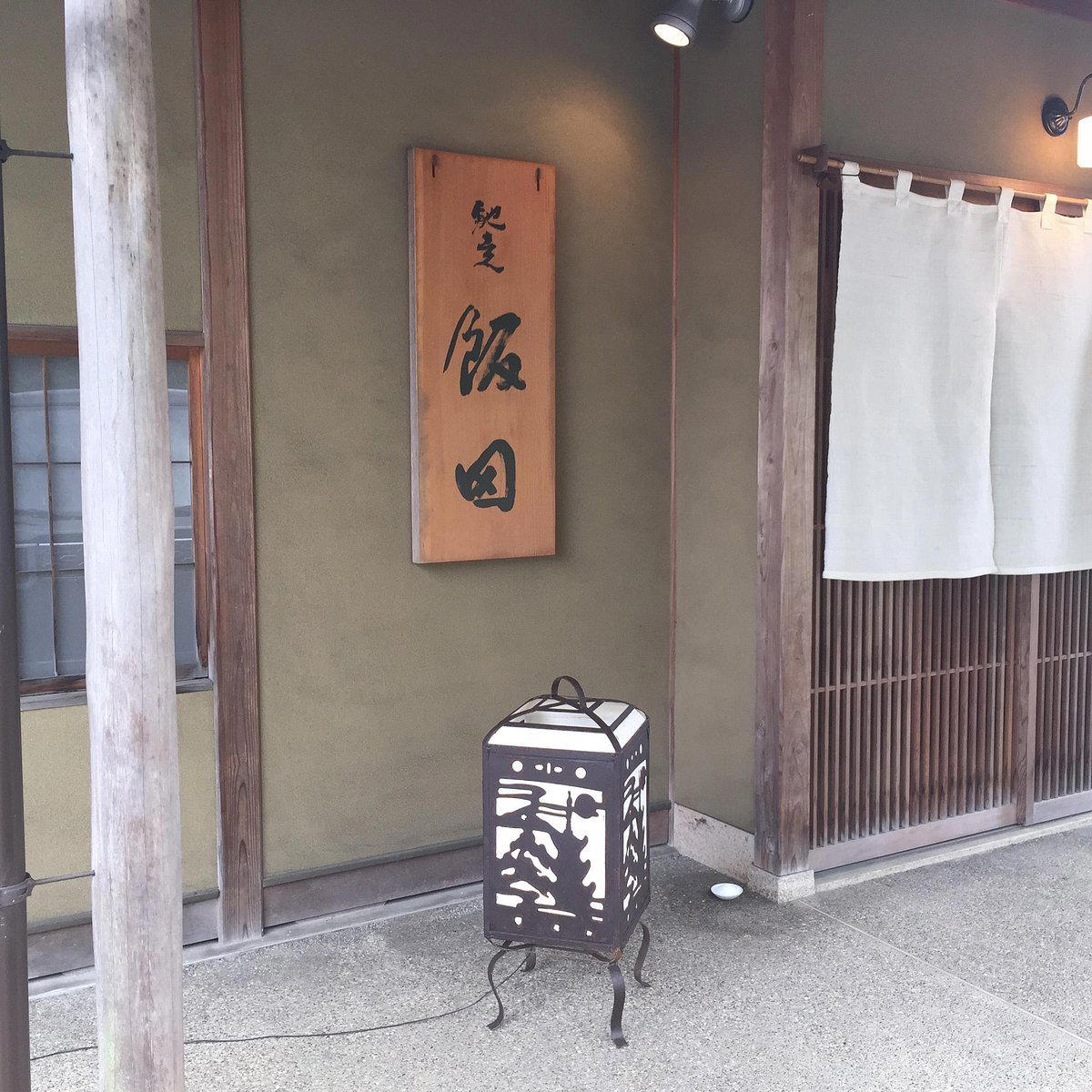
Echizen as a Dining Address
Fukui Prefecture occupies an awkward position in most Japan itineraries: close enough to the Kyoto-Osaka corridor to be theoretically accessible, remote enough that most travellers skip it entirely. That gap between proximity and foot traffic has preserved something in Echizen's food culture that the more-photographed regions have largely lost. The dining here is not organised around tourism. It is organised around what the coast, the mountains, and the particular cold of a Sea of Japan winter actually produce.
That distinction matters when you consider where Iida sits. Located at 73-1-18 Awatabecho in Echizen, Fukui, the restaurant operates in a prefecture that holds a specific, well-documented place in Japanese ingredient geography. Echizen crab, a branded category of snow crab, Chionoecetes opilio, caught in designated waters off the Fukui coast, is one of the few Japanese seafood products that commands a premium by certified provenance rather than by restaurant reputation alone. The crab arrives tagged and traceable. It is the kind of ingredient that organises a region's dining identity around itself. For a restaurant in this city, it is not a seasonal feature. It is a structural fact.
What the Region Produces
The ingredient sourcing argument for the Echizen area is not limited to its crab. Fukui Prefecture's agricultural profile includes its own branded rice strains, winter vegetables shaped by heavy snow and short growing seasons, and river fish from the Kuzuryu and Hino river systems that run down from the mountain spine of central Honshu. The Sea of Japan coastline at this latitude produces yellowtail, sea bream, and in the coldest months, fugu (pufferfish) alongside the snow crab that drives the region's winter dining economy.
This is a food culture that predates the modern fine dining framework. Echizen's fishing traditions extend back centuries, and the prefectural cuisine reflects a logic of preservation and precision that has more in common with the older strata of Japanese cooking than with the tasting-menu formats that now define recognised restaurants in Osaka or Tokyo. Restaurants that work at this level tend to function as translators: they take what the season produces locally and render it in a form that rewards attention. The editorial interest is less in any individual kitchen's technique and more in the fact that the raw material here is difficult to replicate elsewhere.
For comparison, consider how similar sourcing arguments play out in other Japanese regions. Gion Sasaki in Kyoto operates within an ingredient geography defined by Kyoto vegetables and Lake Biwa produce. Harutaka in Tokyo works within the Tsukiji and Toyosu supply networks. HAJIME in Osaka frames ingredient sourcing as a philosophical programme. In each case, the place the ingredients come from shapes the dining logic. Echizen's version of that argument is particularly direct: the crab certification system, the short supply chains, and the limited tourism pressure all mean that what reaches the kitchen has not had to travel far or wait long.
Placing Iida in the Local Context
Echizen's restaurant scene operates in a register distinct from the heavily documented dining cultures of Kyoto, Tokyo, or Fukuoka. There is no Michelin Guide coverage for Fukui Prefecture in the way that governs competitive positioning in those cities. The reference points for a restaurant like Iida are therefore local and regional rather than defined by international award structures. That absence of formal ranking infrastructure is not a deficit. It reflects a different economy of recognition, one where local regulars, seasonal visitors drawn specifically by the crab season, and travellers who have done the research carry more weight than international guide coverage.
The winter crab season, which typically runs from November through March under regulated quotas set by the Japanese government, concentrates dining activity in Echizen considerably. Outside those months, the region's draw shifts toward its summer seafood and the landscape itself, including the Echizen coast's known clifftop scenery. A restaurant operating year-round in this context has to hold interest across both registers, which means building a repertoire that is not solely dependent on the single ingredient that defines the region's international profile.
Other regional Japanese restaurants with comparable sourcing-led propositions include Goh in Fukuoka, which operates within Kyushu's distinctive ingredient geography, and akordu in Nara, where the intersection of local produce and European technique creates a different kind of sourcing argument. Further afield, 三本木 川尻製 in Nanao operates within the Noto Peninsula's seafood supply lines, a region that shares some of Fukui's coastline character.
Planning a Visit
Echizen is accessible from Fukui City, which sits on the Hokuriku Shinkansen line following its 2024 extension, a development that meaningfully shortened travel times from Tokyo and Kanazawa. From Fukui Station, Echizen requires local transport, typically by car or regional rail. The address at Awatabecho places the restaurant within the city rather than in a rural or coastal setting, which simplifies logistics for those already in the area.
Visitors planning a winter trip around the crab season should note that accommodation in the broader Fukui region fills substantially between November and February. Those travelling specifically for Echizen crab dining across multiple meals may find it useful to cross-reference our full Echizen restaurants guide for additional options. Comparable off-Shinkansen dining destinations in the Chubu and Hokuriku regions worth considering alongside Echizen include 湖畔荘 in Takashima and 夕仙山乃 in Sapporo, both of which operate in regions with their own strong provenance-led dining identities.
For those building a broader Japan itinerary that takes in recognised fine dining alongside a visit to Fukui, Atomix in New York City and Le Bernardin in New York City represent the kind of high-credential, well-documented reference points that sharpen the editorial contrast with what Echizen offers: a dining culture defined not by international award infrastructure but by the quality of what arrives from the sea each morning. Also worth considering in the same regional orbit: æ°·亭 御仮屋, another Echizen address that reflects the local dining character.
Practical Notes
Given the restaurant's address in a smaller regional city, advance contact, likely by phone through a Japanese-speaking intermediary or through a hotel concierge in Fukui, is the approach that typically works for smaller restaurants in this tier of city. Walk-in availability in crab season is generally limited across the Echizen area, so planning ahead is advisable regardless of format. For travellers who want broader regional context before committing to an itinerary, the Echizen city guide covers the dining scene at a level that helps sequence visits effectively.
Frequently asked questions
Is Iida child-friendly?
Restaurants in smaller Echizen addresses like Awatabecho tend to operate in quiet, often intimate settings where young children can be disruptive, it is worth contacting the venue directly before bringing young diners. The address (73-1-18 Awatabecho, Echizen, Fukui) suggests a neighbourhood establishment rather than a large family-format venue.
Is Iida formal or casual?
No dress code is documented for Iida. Arrive dressed as you would for a considered meal rather than a casual izakaya, and you are unlikely to be out of place.
Is Iida worth visiting from Fukui City or Kyoto as a day trip for regional cuisine?
The Hokuriku Shinkansen extension completed in 2024 now connects Fukui City to the Kyoto-Osaka corridor, making Echizen meaningfully more accessible than it was even two years ago. Iida sits at 73-1-18 Awatabecho in Echizen, a short transit from Fukui City, placing it within range of a focused day trip for those specifically pursuing Fukui Prefecture's regional food culture, particularly during Echizen crab season from November through March.
What should I order at Iida?
Echizen sits at the centre of one of Japan's most documented winter crab fisheries, Echizen crab (Echizen-gani) is the prefecture's flagship product and the most logical focus for any serious regional restaurant in this area. Fukui also produces its own branded rice varieties, which frequently appear as a course or side in local dining contexts.
Where is Iida in Echizen?
Iida is located at 73-1-18 Awatabecho, Echizen, Fukui 915-0242, Japan, Echizen.
Do they take walk-ins at Iida?
For a restaurant at a residential Echizen address, arriving without a reservation carries real risk, contacting the venue in advance through local inquiry or via a hotel concierge in Fukui City is the more reliable approach.
Fast Comparison
Comparable venues nearby, for context on price, style, and recognition.
| Venue | Cuisine | Price | Awards | Notes |
|---|---|---|---|---|
| IidaThis venue (the venue you are viewing) | Seasonal Kaiseki | Not listed | Not listed | Not listed |
| Urushiya | Traditional Echizen soba & Japanese cuisine | $20–30 | Tabelog 100 #10 | Kyomachi |
| Soba Kura Tanigawa | Echizen Soba | $10–20 | Tabelog 100 #38 | Fukakusa, Echizen |
| Tsukihi | Seasonal Japanese Dining | Not listed | Not listed | Echizen |
| 料亭 鎌仁別荘 | Traditional Echizen Japanese | Not listed | Not listed | Echizen |
| Medicinal Food Café Cien Gallery | Medicinal Japanese Café | Not listed | Not listed | Kanazawa |
Continue exploring
More in Echizen
Restaurants in Echizen
All restaurants in Echizen →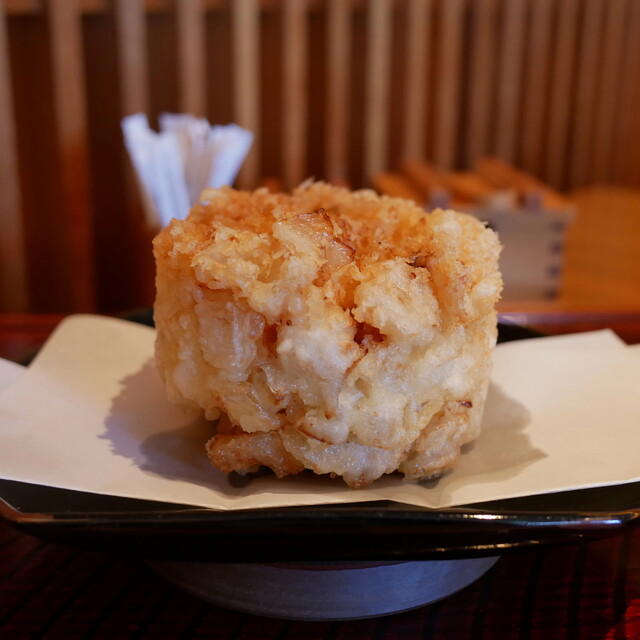
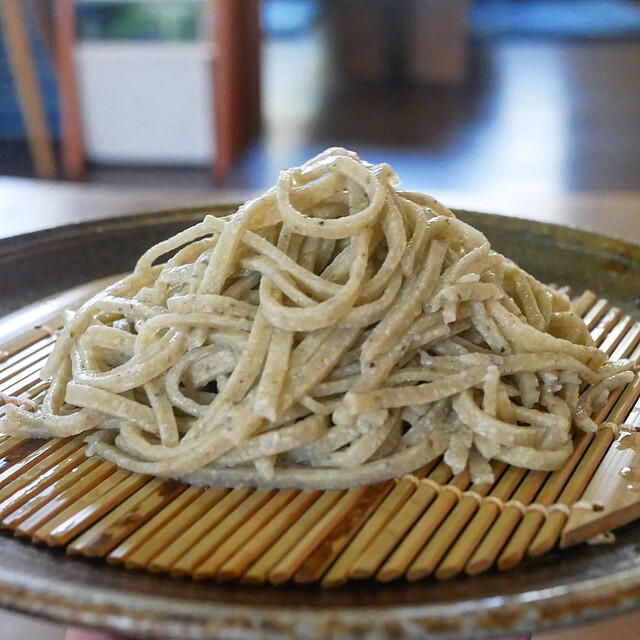
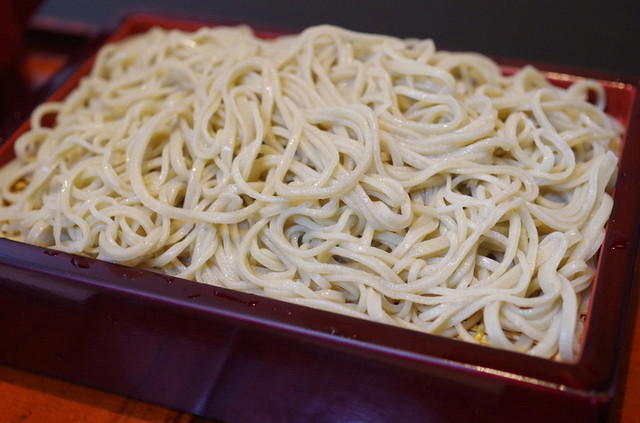
Details
- Elegant
- Intimate
- Classic
- Special Occasion
- Date Night
- Chefs Counter
- Open Kitchen
- Local Sourcing
- Counter Dining
- Set Menu
Current opening hours
- Monday
- Closed
- Tuesday
- Closed
- Wednesday
- 12–2 PM, 6–10 PM
- Thursday
- 12–2 PM, 6–10 PM
- Friday
- 12–2 PM, 6–10 PM
- Saturday
- 12–2 PM, 6–10 PM
- Sunday
- 12–2 PM, 6–10 PM
Hours can change for holidays and private events. Hours as of .
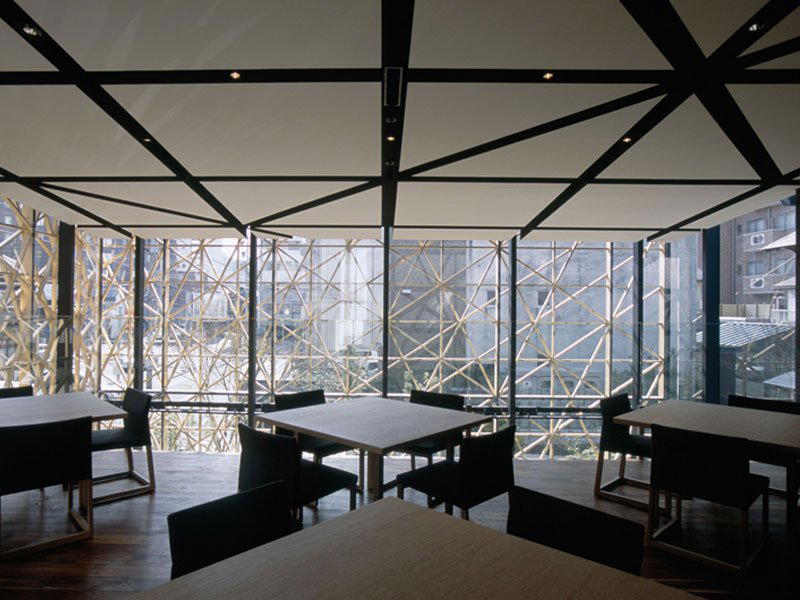
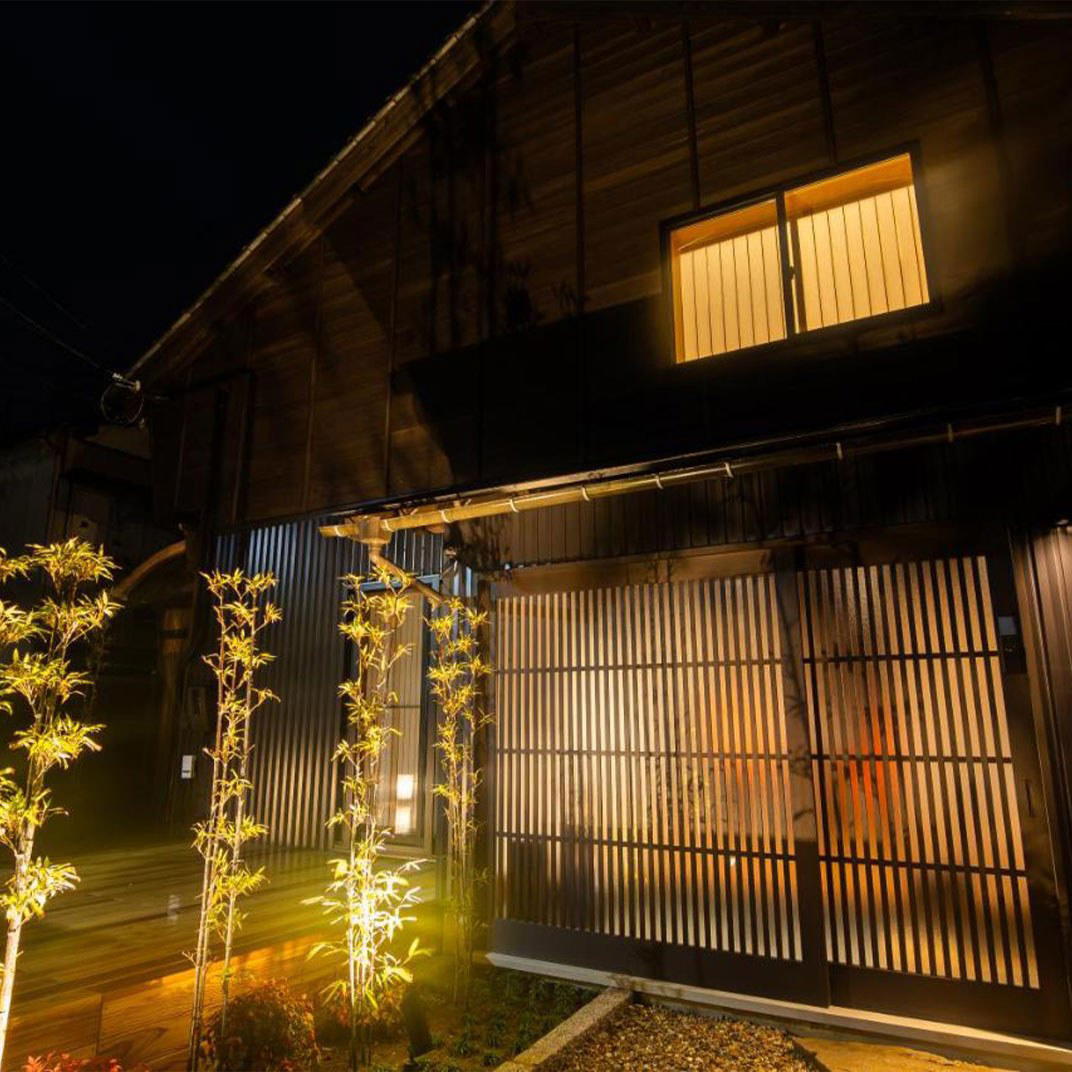
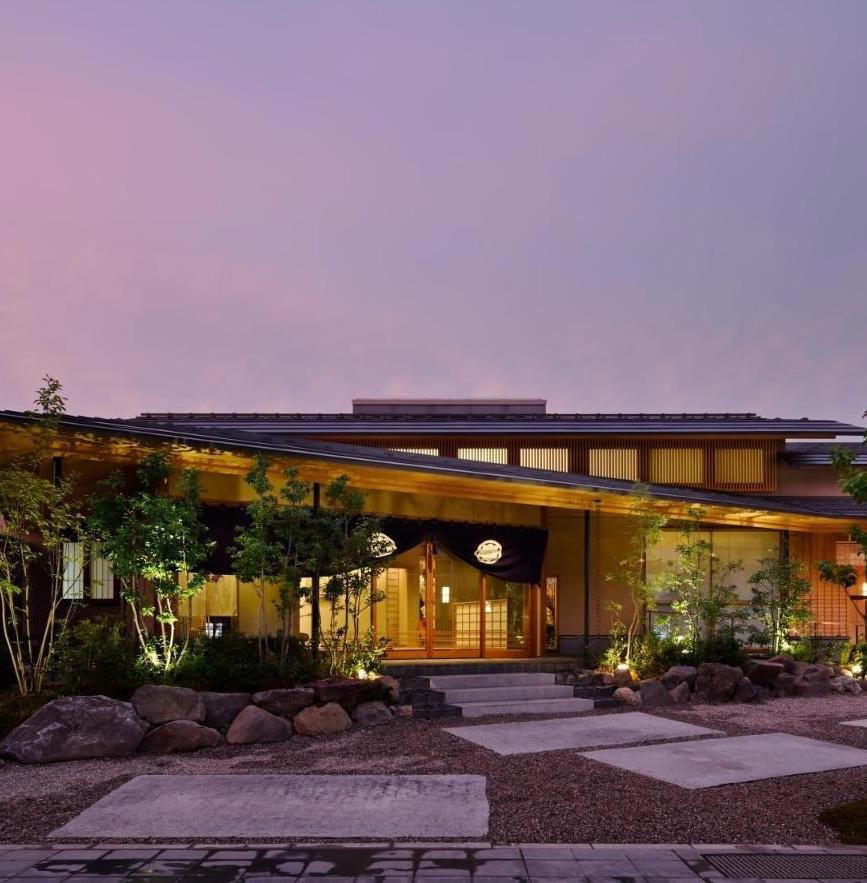
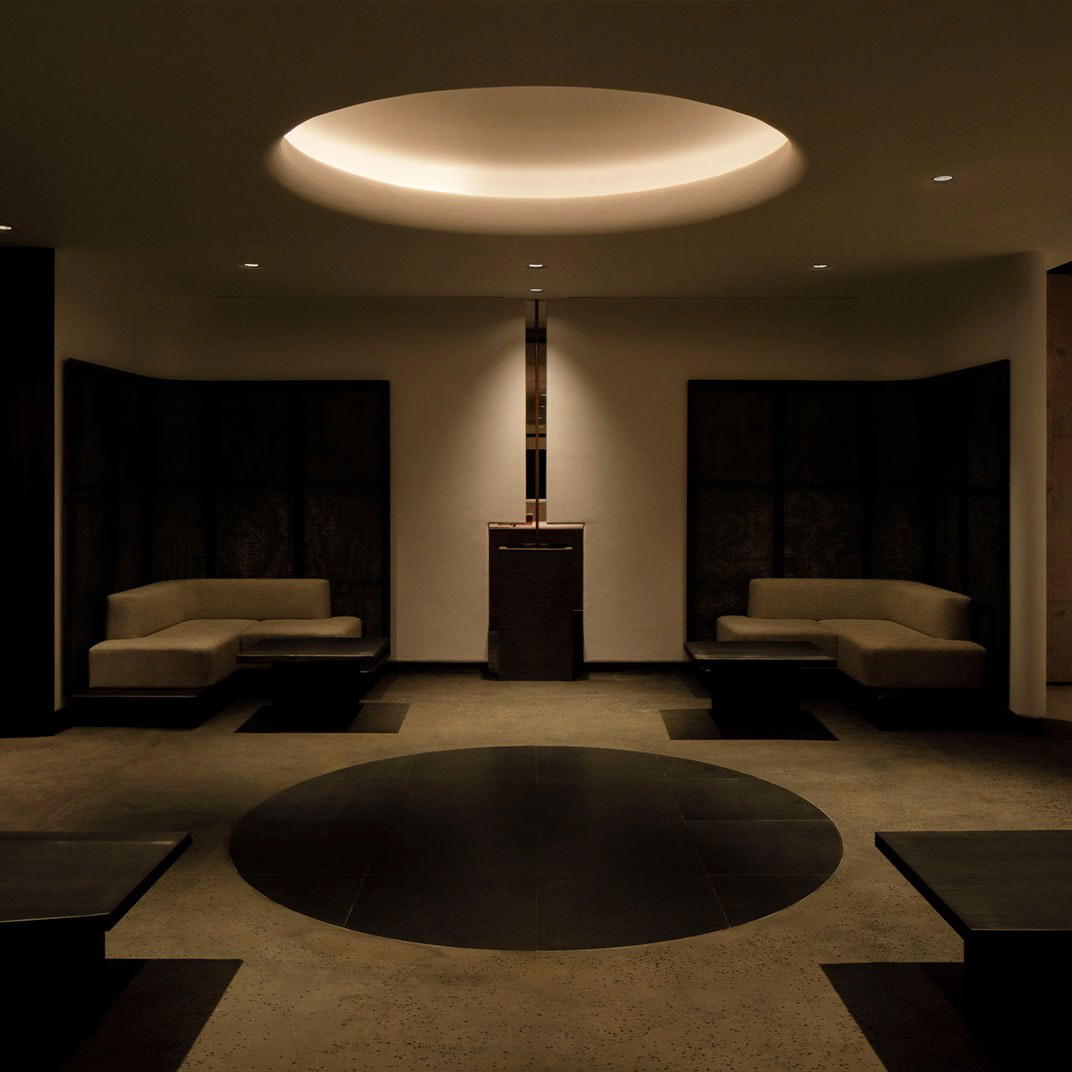
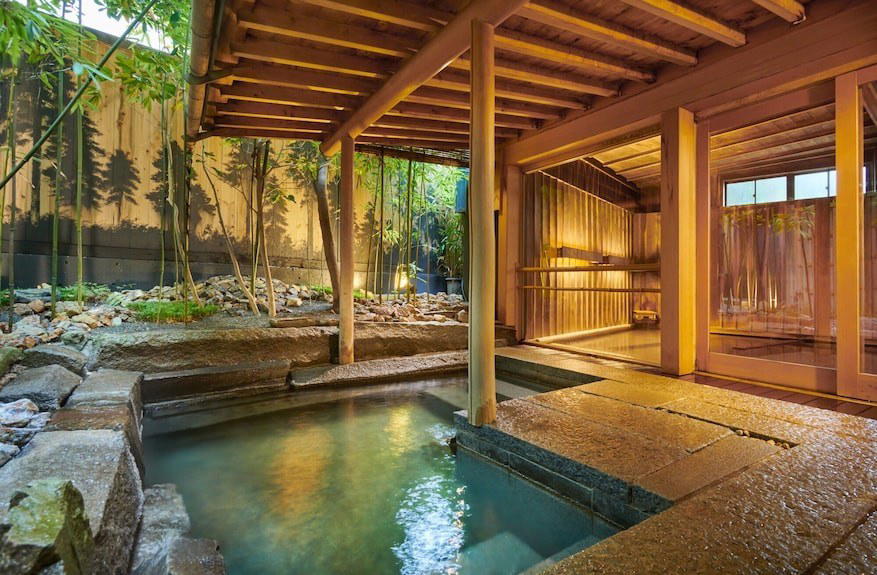
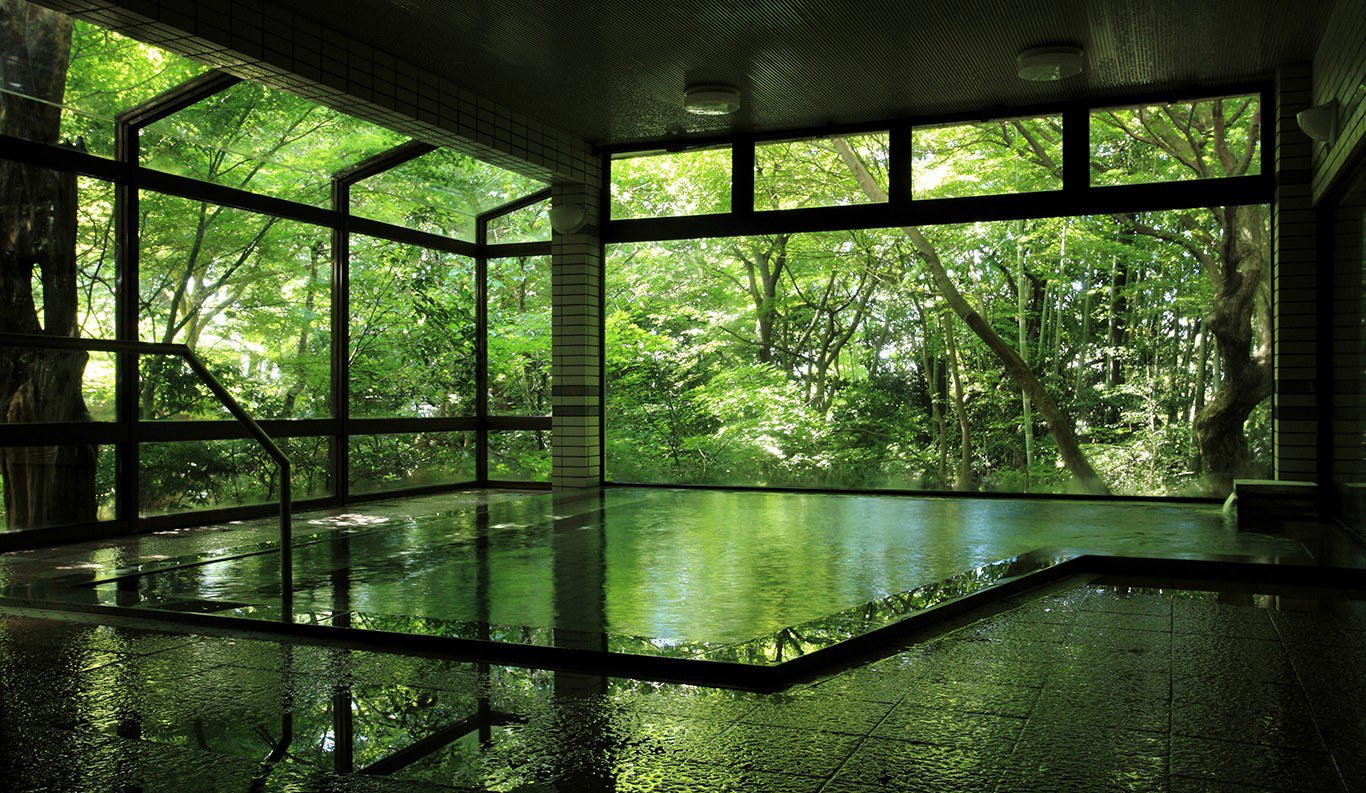
Refined and intimate counter dining experience with tatami room options, creating a relaxing space for personalized culinary storytelling.