Our verdict
In Echizen, Fukui Prefecture, æäº éä»å¥è occupies a quiet corner of a city better known for its lacquerware and washi paper than its restaurant scene. The address, 3-4 Tennocho, places it in the older residential grain of the city, away from transit hubs. Echizen's proximity to the Sea of Japan and Fukui's agricultural interior gives any serious kitchen here direct access to ingredient sources that urban restaurants pay premiums to source from afar.

Pearl is the En Primeur Club membership app, where members save venues, book tables and use the concierge.
Echizen's Ingredient Geography and What It Means for the Table
Fukui Prefecture sits in a position that most Japanese food professionals consider quietly enviable. The Sea of Japan coastline, running through Echizen, Tsuruga, and Wakasa Bay, delivers crab, yellowtail, and flatfish through fishing ports that supply both local kitchens and the wholesale markets in Osaka and Tokyo. The mountains directly inland, part of the Hida range, shape a microclimate suited to rice cultivation and foraged ingredients across a compressed seasonal calendar. Echizen crab, formally known as Echizen gani, has its own branded identity within Fukui's winter seafood economy and moves through local auction channels before reaching premium restaurants across Japan. For a kitchen operating at 3-4 Tennocho in Echizen itself, that supply chain is shorter than almost anywhere else in the country.
This is the context that makes æäº éä»å¥è worth understanding before you arrive. The address is not a destination district in the way that Kyoto's Gion or Osaka's Kitashinchi function as recognised dining corridors. Echizen is a mid-sized city whose reputation rests on craft traditions, particularly Echizen lacquerware and Echizen washi, rather than on restaurant density. A serious kitchen operating here is doing so against the grain of where premium dining typically clusters in Japan, which means the ingredient logic becomes the clearest explanation for why it exists where it does.
The Setting at Tennocho
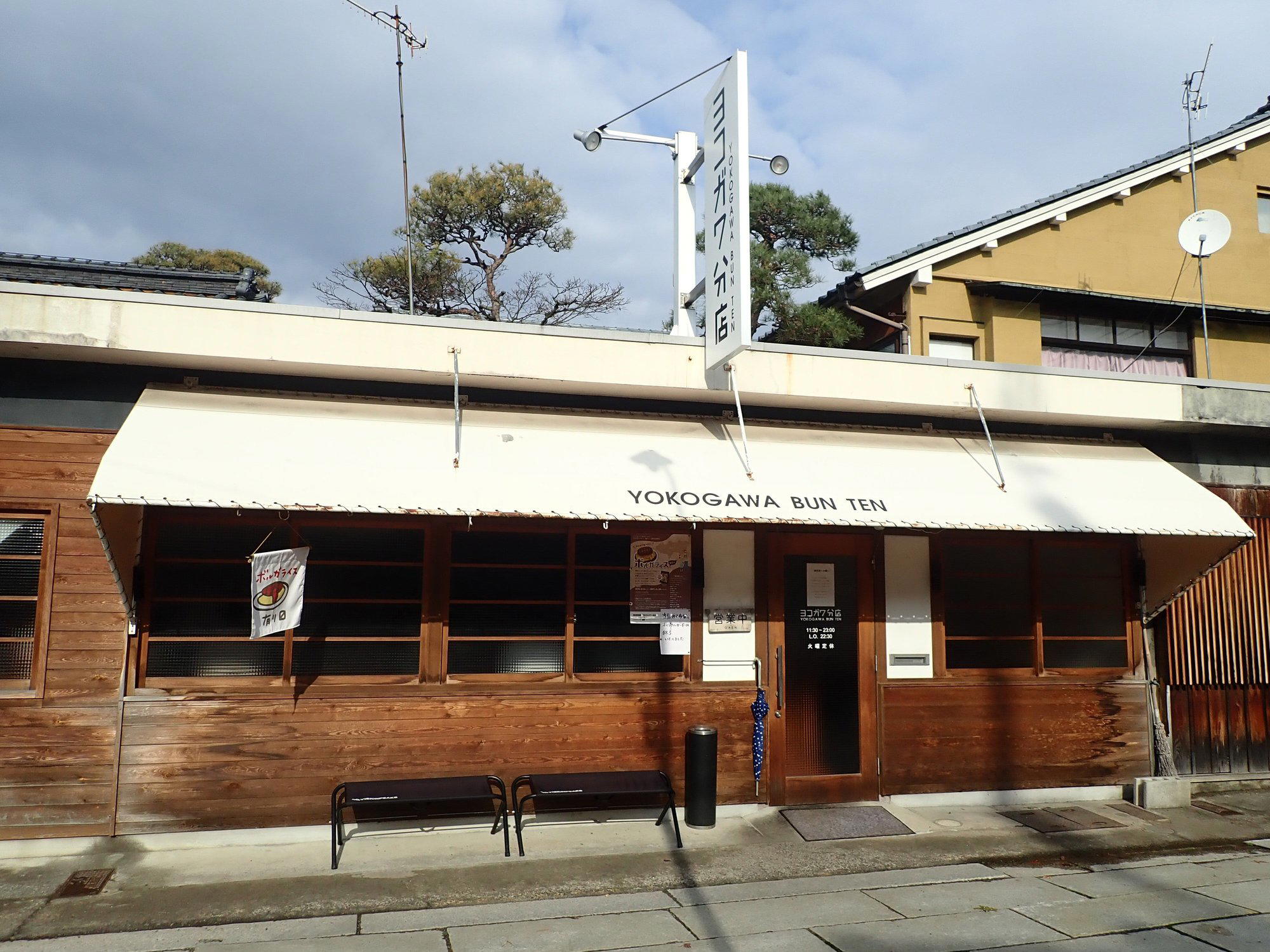
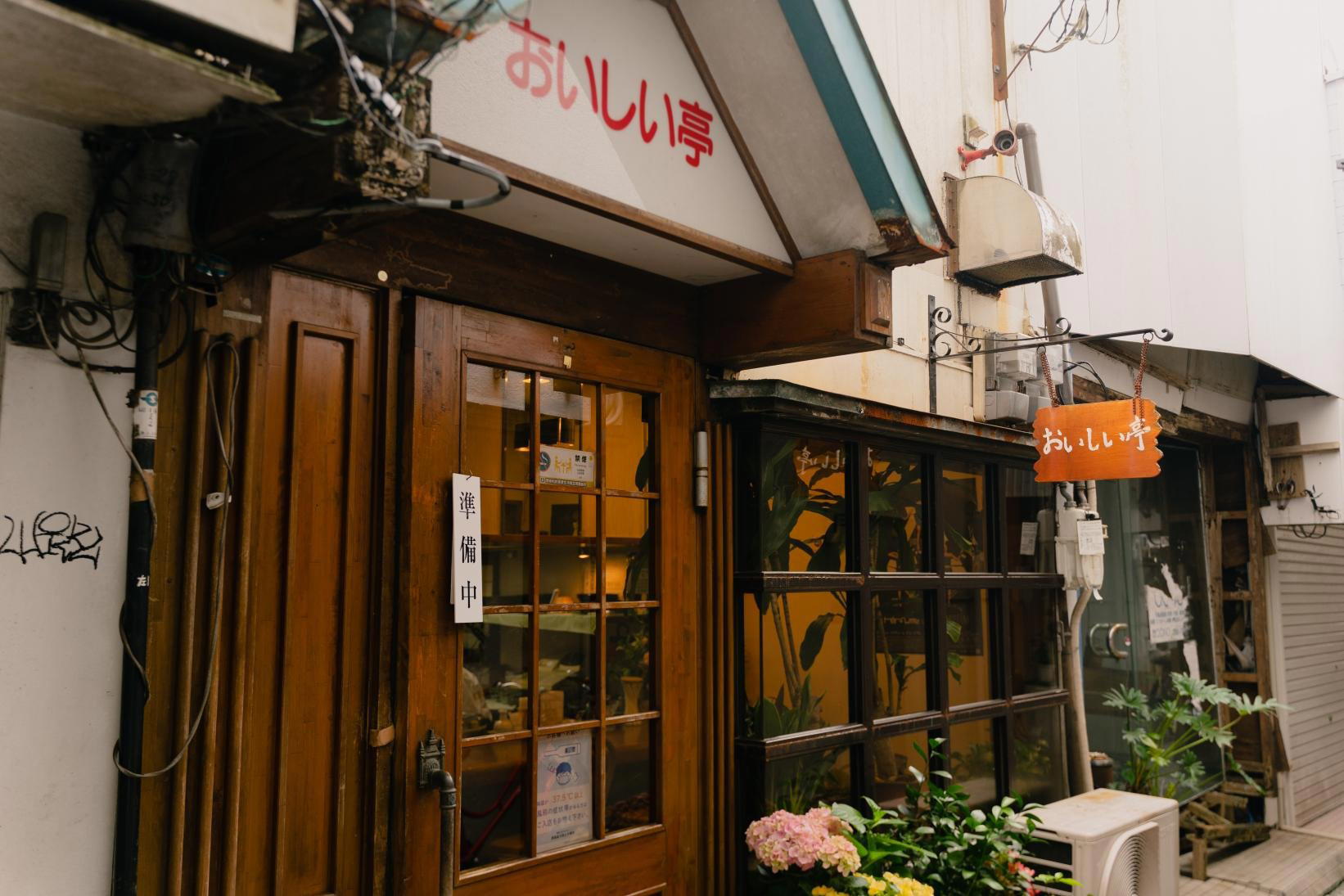
The address at 3-4 Tennocho places the restaurant in the older residential and commercial texture of Echizen rather than in any tourist-facing quarter. Approaching the area, the built environment is characteristically provincial Fukui: low-rise buildings, narrow streets, a pace that has nothing to prove to visitors. In Japanese dining, this kind of address is often a deliberate signal. Restaurants that depend on local ingredient sourcing and a regular clientele tend to occupy exactly this kind of low-visibility neighbourhood position, where rent does not compete with Ginza or Gion pricing and the relationship with nearby producers can develop over years rather than being managed from a distance.
The physical environment here is one where the meal does the explaining, not the location. That places æäº éä»å¥è in a recognisable category of Japanese restaurants whose authority derives from what arrives on the plate rather than from neighbourhood prestige or hotel association. Comparable dynamics appear in regional Japanese cities where serious cooking operates far from the critical infrastructure of Tokyo, venues like Goh in Fukuoka or affetto akita in Akita demonstrate how Michelin recognition has increasingly validated kitchens far outside the three major metropolitan circuits.
Fukui's Ingredient Calendar and the Case for Provincial Dining
Argument for dining in Echizen rather than sourcing Fukui ingredients through a Tokyo intermediary is, in essence, a freshness and seasonality argument. Echizen crab season runs from November through March, governed by fixed opening and closing dates set by Fukui Prefecture. During that window, the crab arriving in Echizen's port-adjacent supply chain reaches local kitchens within hours of landing. The same ingredient, routed to Harutaka in Tokyo or kaiseki rooms in Kyoto, travels overnight at minimum.
Outside the crab season, Fukui's agricultural production, including Koshihikari rice from the Fukui plain, mountain vegetables from the interior, and freshwater fish from rivers draining the Hida range, gives a kitchen in Echizen a different kind of seasonal depth. Spring in this region produces a foraged ingredient cycle that overlaps with but differs from what Kyoto kitchens draw from their closer mountains. These are not interchangeable ingredient profiles; the latitude, altitude, and precipitation patterns of Fukui create a distinct terroir that the leading regional cooking uses directly rather than approximating.
For context on how ingredient sourcing philosophy has shaped restaurant identity at the higher end of Japanese dining, the comparison with HAJIME in Osaka or Gion Sasaki in Kyoto is instructive. Both operate at the ¥¥¥¥ tier with established critical recognition and source ingredients with documented precision. The difference is that those kitchens operate in cities with deep hospitality infrastructure. A restaurant in Echizen occupies a different position: less mediated by urban dining culture, more directly embedded in the production landscape it draws from.
Regional Context: Echizen in Japan's Broader Dining Map
Japan's serious dining scene has been decentralising steadily for the past decade. Michelin's expansion into regional prefectures, including Fukui, has formalised what local food culture already knew: that provincial kitchens, freed from Tokyo pricing pressure and closer to primary ingredient sources, can operate at a level that competes with or exceeds urban equivalents in specific categories. Iida, also in Echizen, represents another data point in this pattern, a city with a small but serious dining footprint relative to its size.
The broader regional spread is worth noting for anyone planning a circuit through western Japan. akordu in Nara and Abon in Ashiya demonstrate how the Kansai-adjacent region supports serious cooking outside the Osaka-Kyoto axis. Further afield, Aji Arai in Oita and Akakichi in Imabari show how ingredient-led regional restaurants operate in Kyushu and Shikoku respectively. The pattern is consistent: proximity to primary ingredient sources, whether coastal, agricultural, or forested, correlates with a particular kind of cooking integrity that is harder to replicate in large cities. Our full Echizen restaurants guide covers more of this geography in detail.
Planning a Visit to æäº éä»å¥è
Echizen is accessible by rail from Fukui city, which in turn connects to Osaka via the Thunderbird limited express and to Tokyo via the Hokuriku Shinkansen at Tsuruga. Travel time from Osaka runs approximately 70-80 minutes to Fukui; from Tokyo, the Hokuriku Shinkansen connection via Tsuruga or Fukui itself takes under two and a half hours since the line's extension opened in March 2024. This improved rail access has meaningfully changed Echizen's position as a dining destination for visitors from the major cities.
Given Echizen's low tourist volume relative to Kyoto or Tokyo, availability patterns here likely differ from the multi-month waits common at recognised Tokyo counters, but this should be confirmed directly rather than assumed. Dining in Echizen outside the Osaka-Kyoto circuit also rewards building a two-day itinerary: the Echizen lacquerware village, the Echizen washi village at Imadate, and the coastal drive north toward Tojinbo are all within accessible range and add context to the craft identity that defines this part of Fukui.
For international benchmarks in premium ingredient-led dining outside major urban centres, the comparison set extends beyond Japan: Lazy Bear in San Francisco and Le Bernardin in New York City both anchor their identities in sourcing precision, though in contexts where urban critical infrastructure surrounds them. Echizen operates without that infrastructure, which is precisely what makes a serious kitchen here a different kind of proposition.
Frequently asked questions
Does æäº éä»å¥è work for a family meal?
The Tennocho address in Echizen places the restaurant within the city's older residential and commercial fabric rather than a tourist-facing zone, which tends to favour a quieter, local dining rhythm. Whether that format suits a multi-generational family meal depends heavily on the group's comfort with a Japanese regional dining pace.
Where is æäº éä»å¥è located?
æäº éä»å¥è is located at 3-4 Tennocho, Echizen, Fukui 915-0068, Japan, Echizen.
How hard is it to get a table at æäº éä»å¥è?
Reservations are recommended for æäº éä»å¥è in Echizen. Confirm current policy via the venue's official channels.
What's the defining dish or idea at æäº éä»å¥è?
æäº éä»å¥è is best approached by focusing on the core concept and signature offerings.
Comparable Spots, Quickly
| Venue | Cuisine | Price | Awards | Notes |
|---|---|---|---|---|
| æäº éä»å¥èThis venue (the venue you are viewing) | Traditional Echizen Japanese | Not listed | Not listed | Not listed |
| HAJIME | Avant-Garde Japanese Fine Dining | $300–500 | 3 Michelin Stars · World's 50 Best #83 | French, Innovative |
| Harutaka | Edo-Style Omakase Sushi | $200–300 | 3 Michelin Stars · World's 50 Best #76 | Sushi |
| L'Effervescence | Modern French with Japanese Influences | $200–300 | 3 Michelin Stars · World's 50 Best #69 | French |
| RyuGin | Modern Kaiseki | $500+ | 3 Michelin Stars · World's 50 Best #41 | Kaiseki, Japanese |
| Crony | Modern French with Japanese Influences | $150–200 | 2 Michelin Stars · World's 50 Best #34 | Innovative, French |
Continue exploring
More in Echizen
Restaurants in Echizen
All restaurants in Echizen →
Details
- Classic
- Rustic
- Intimate
- Casual Hangout
- Local Sourcing
- A La Carte
- Set Menu
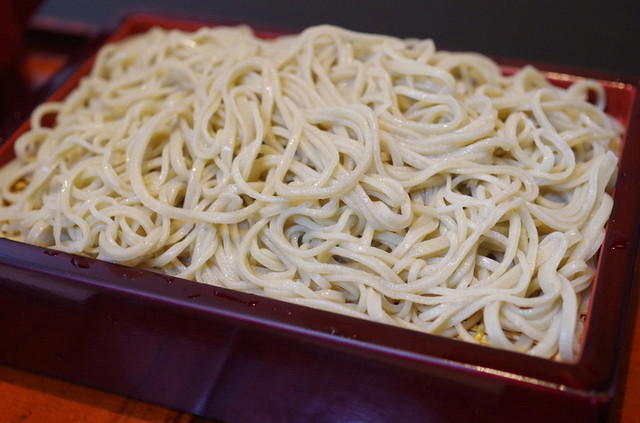
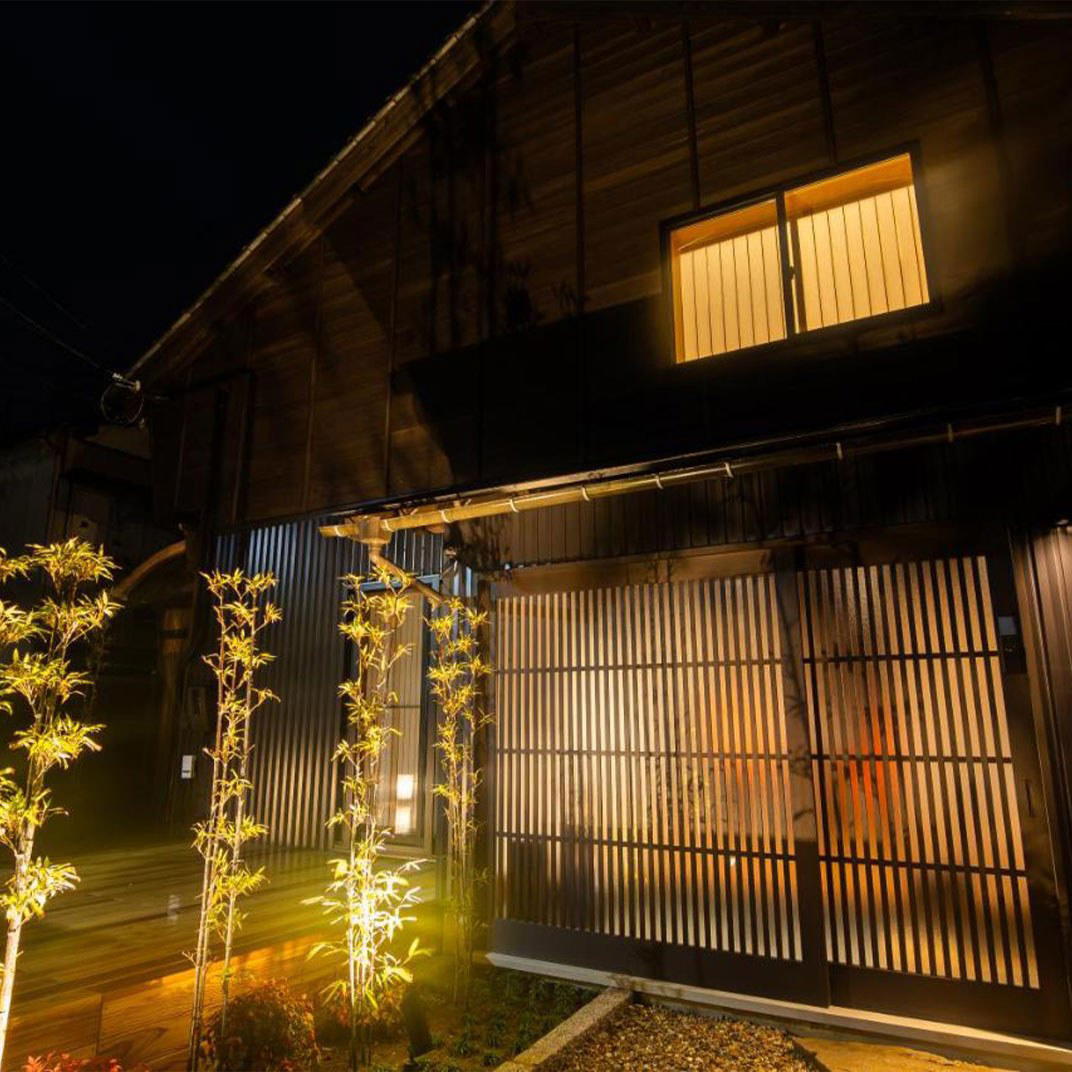
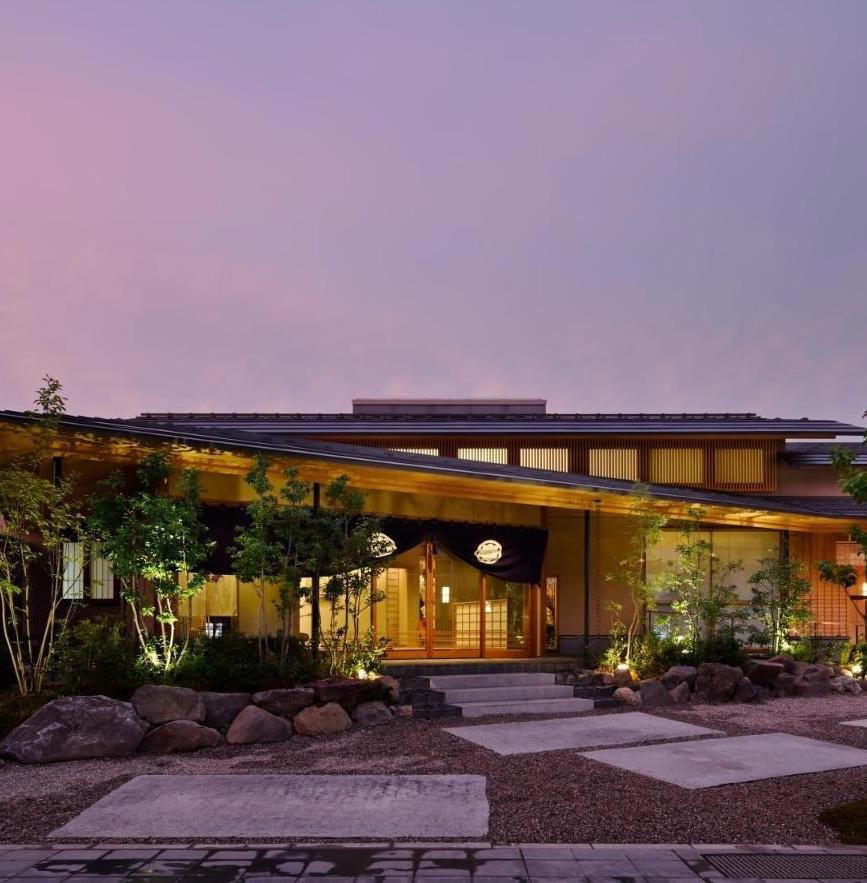
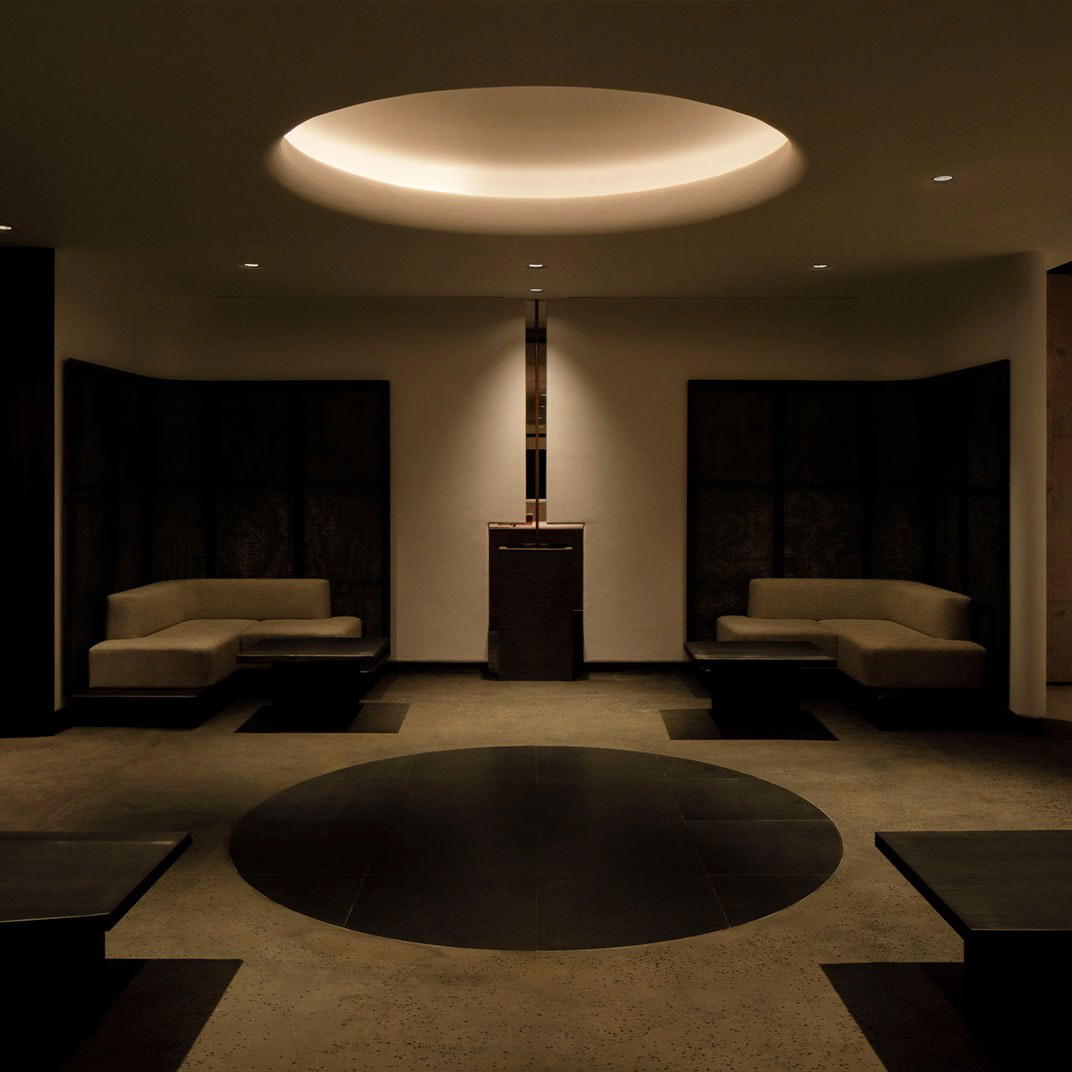
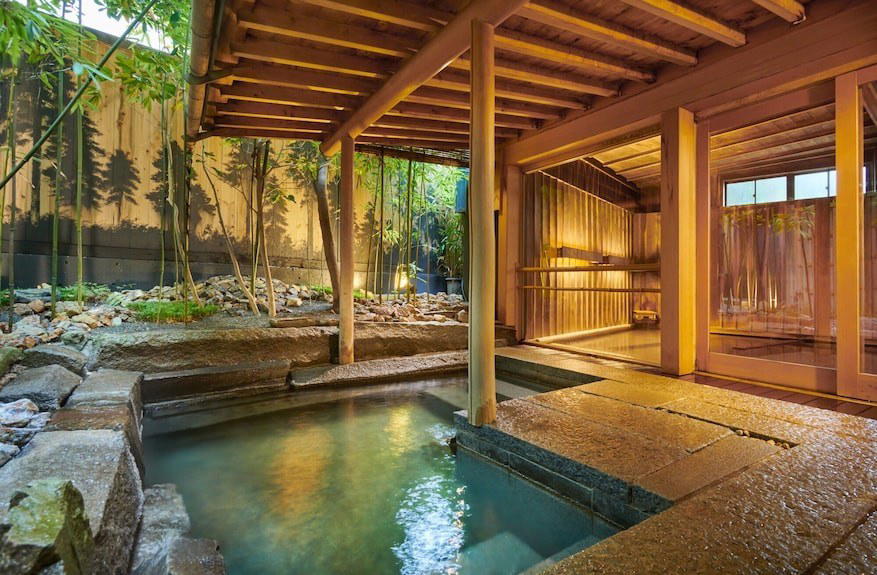
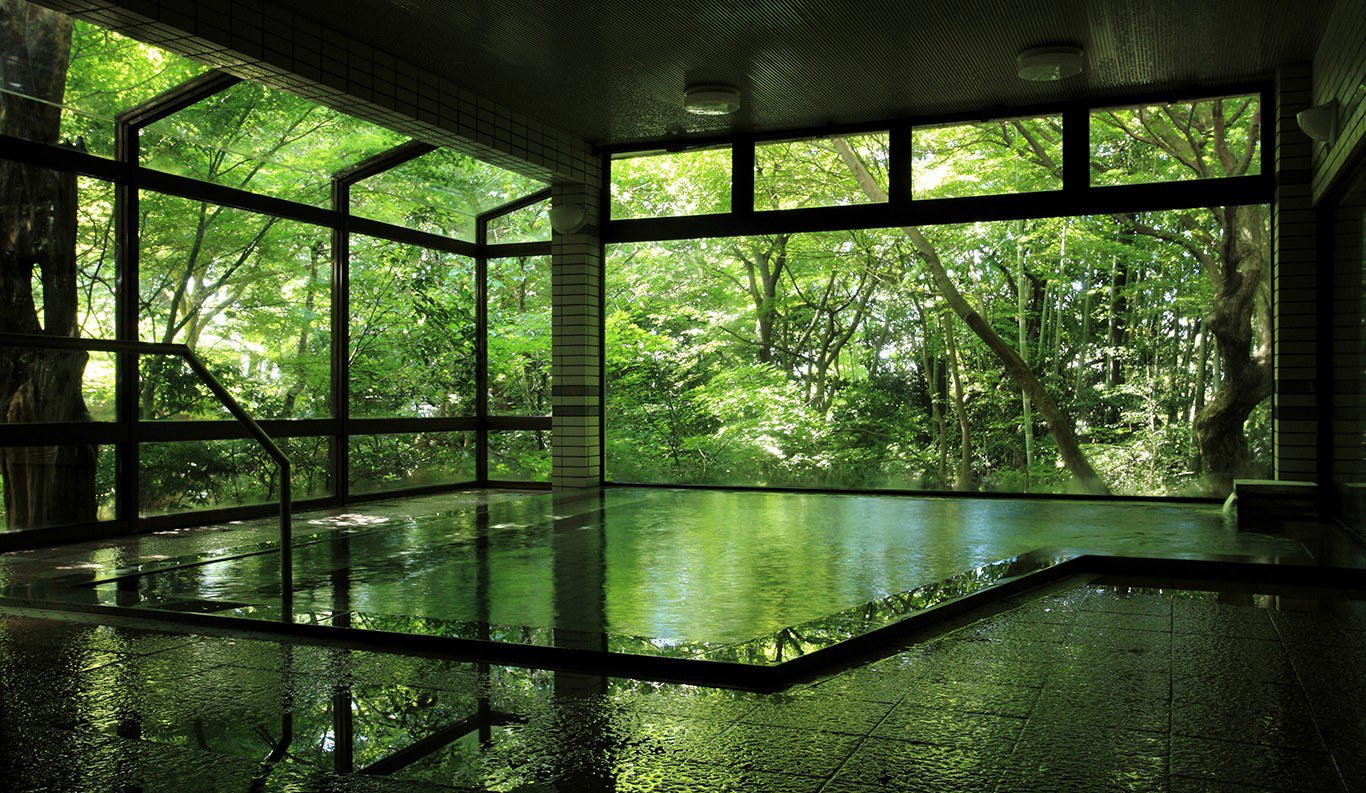
Warm, intimate setting with traditional Japanese aesthetic and soft lighting that evokes a classic countryside dining experience.