
Urushiya places Echizen’s soba culture in a more formal register, pairing buckwheat noodles with Japanese cuisine and tempura rather than treating soba as a quick stop between trains. Its selection for Tabelog 100 - Soba - WEST in 2024 and 2025 gives it a clear credential in western Japan’s soba field, while the room’s private-room and tatami options make it adaptable for families and small groups.
Pearl is the En Primeur Club membership app — saves, bookings, and concierge access live there. Same editors, same standards.
- Address
- 福井県越前市京町1-4-26
- Phone
- +81778210105
- Website
- urushi-ya.com
- Directions
- Get directions
 Saves & bookings on Pearl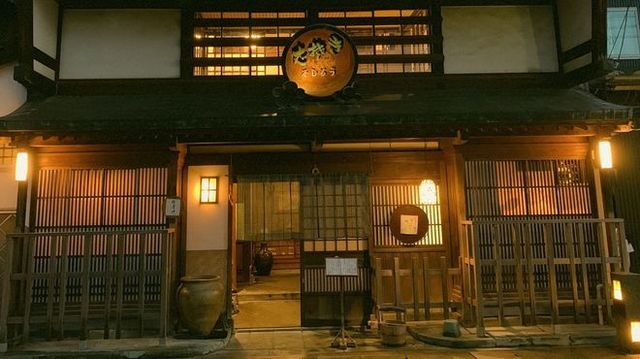
Approaching a soba house in Echizen is a different proposition from entering a Tokyo counter built around speed and turnover. The rhythm is calmer, the room matters, and buckwheat carries local weight. Fukui’s soba identity is tied closely to oroshi soba, the regional style associated with grated daikon and a colder, sharper register than the richer dipping-sauce traditions common elsewhere in Japan. Urushiya sits inside that culture, not as a noodle bar alone but as a soba-led Japanese restaurant where tempura, fish, sake and private-room dining pull the meal toward a fuller regional table.
Echizen soba with the structure of a Japanese meal
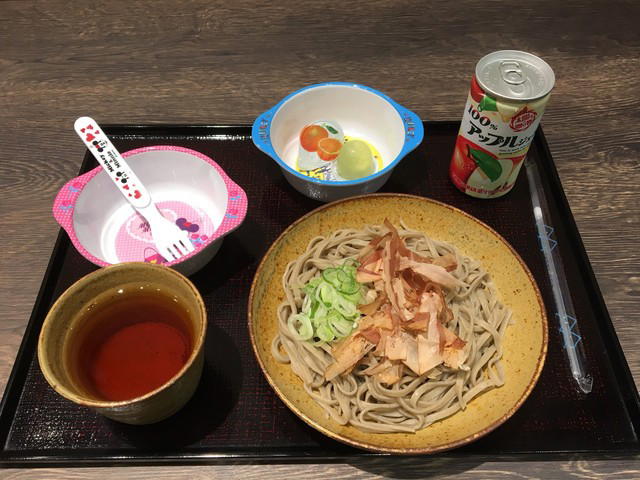
In Fukui, soba is not merely a lunch category. Buckwheat is part of the prefecture’s food grammar, and Echizen’s version has a particular clarity: restrained seasoning, emphasis on texture, and a preference for freshness over theatrical presentation. That makes the local soba scene less useful for diners chasing spectacle and more rewarding for those reading small differences in noodle cut, broth, grated daikon, and side dishes.
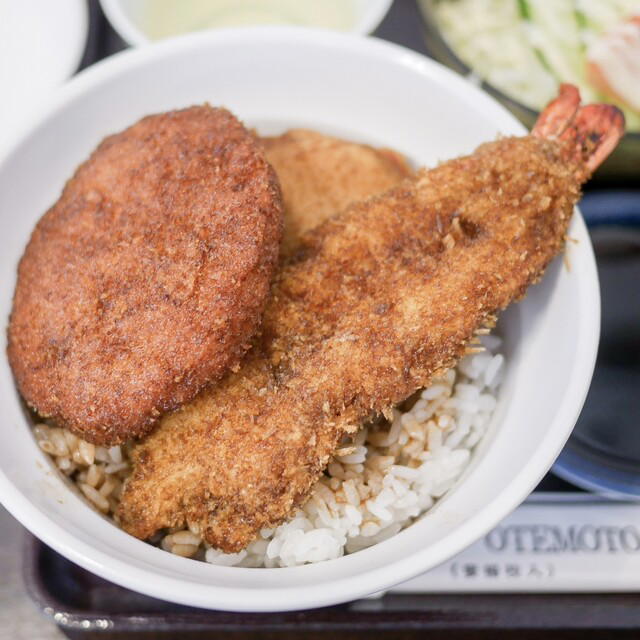
Urushiya’s category listing, soba, Japanese cuisine and tempura, signals that wider format. The point is not just a bowl, but how soba functions within a meal that can also include seasonal Japanese cooking and fried items. In a city where a specialist such as Soba Kura Tanigawa keeps the conversation tightly focused on soba at a lower everyday spend, Urushiya occupies a broader dining lane. It is better read as a regional restaurant anchored by buckwheat rather than a quick noodle stop.
The Tabelog 100 - Soba - WEST selection in 2024 and 2025 gives that position external weight. Tabelog’s Hyakumeiten lists are not Michelin-style stars, but in Japan they are meaningful category signals, especially for foods with deep specialist followings. For soba, where reputation often travels through local regulars and repeat visits rather than chef-driven publicity, consecutive selection places the restaurant within a serious western Japan peer group.
Where Echizen's dining map shifts from craft to occasion
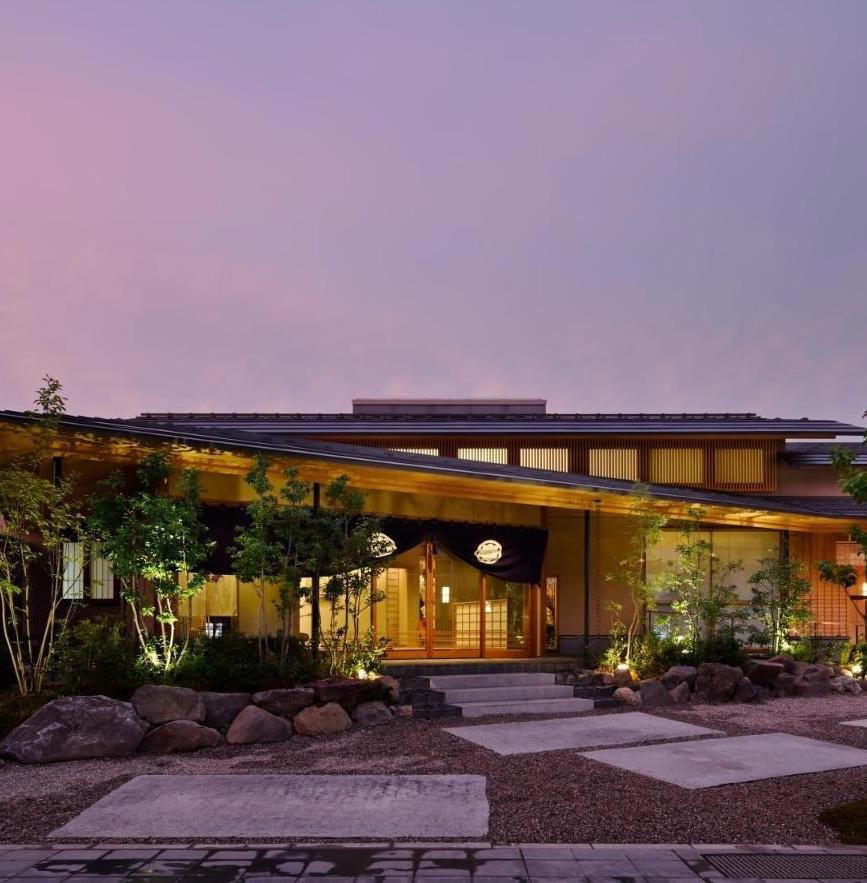
Echizen’s restaurant scene is compact, and its stronger addresses tend to divide by purpose. Soba specialists handle the craft end of the spectrum. Ryotei-style venues such as 料亭 鎌仁別荘 carry the more formal Japanese-dining tradition. Tsukihi (INNOVATIVE) points in another direction altogether, using the language of contemporary cooking rather than regional soba culture. Urushiya’s interest is that it bridges these modes without leaving the soba tradition behind.
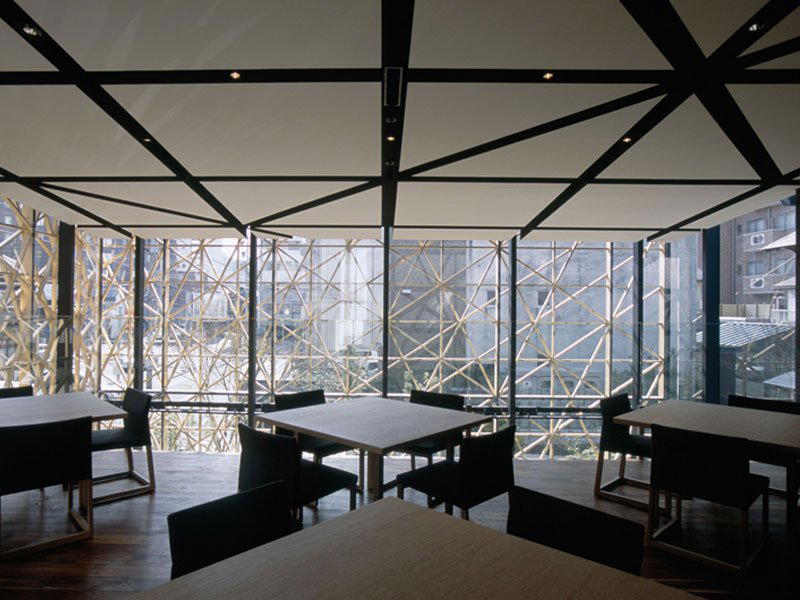
That matters for travelers because Echizen is not a city where every serious meal needs to be an omakase-style commitment. A soba-led table can be casual in spirit while still carrying cultural specificity. Private rooms, tatami seating, wheelchair accessibility and a larger dining room make the format more flexible than a small counter. Children are explicitly welcome, including babies, preschoolers and school-age children, which changes the restaurant’s role in a city where regional food often has to serve multigenerational groups as much as visiting specialists.
The drinks program also points toward the meal’s intended pace. Sake, shochu and wine are listed, with particular attention to nihonshu. That aligns naturally with soba and tempura, but also with Fukui’s broader drinking culture, where local seafood, clean rice flavors and regional sake often shape the table. No single bottle needs to define the experience; the signal is that the restaurant is built for more than a single-course noodle order.
How to place it in an Echizen itinerary
For a first pass through the city’s food culture, Urushiya is the address to choose when soba needs to carry the meal rather than function as a snack. It suits travelers who want regional specificity, a room with some breadth, and a format that can accommodate family dining or a small private gathering. Those seeking a leaner soba comparison should add Soba Kura Tanigawa; those mapping a wider Echizen dining day can compare it with Iida, 料亭 鎌仁別荘 and Tsukihi.
The useful editorial distinction is simple: this is not a chef-personality restaurant, and it should not be judged that way. Its value lies in how it carries Echizen soba into a fuller Japanese-restaurant setting, with enough recognition to justify a detour for buckwheat-focused diners and enough practical flexibility for groups that include children or older relatives. In that sense, it offers a more complete reading of local soba culture than a single-bowl stop can provide.
For broader planning, use our full Echizen restaurants guide alongside our full Echizen hotels guide, our full Echizen bars guide, our full Echizen wineries guide and our full Echizen experiences guide. Readers building a wider Japan itinerary may also compare formats with -Grilled beef Sukiyaki- KAMAKURA TANUKIAN 鎌倉 たぬき庵 in Kamakura. 鮪と炭火焼き うお炭 秋葉原店 in Tokyo.cafe in Osaka.know in Kumamoto, (Shoku) Vietnam in Kawasaki, [Curry Senmon Ten] Maruyama Kyoju. in Sapporo, [ki:] in Kyoto, Jōdo Saké Bar in Los Angeles and Onigiri Time in Pasadena.
Price and Positioning
Nearby venues at a similar price tier for orientation.
| Venue | Cuisine | Price | Notes |
|---|---|---|---|
| Urushiya | Not listed | $$ | Kyomachi, Traditional Echizen soba & Japanese cuisine |
| Soba Kura Tanigawa | Fukakusa, Echizen, Echizen Soba | $ | Not listed |
| Tsukihi | Echizen, Seasonal Japanese Dining | $$$ | Not listed |
| Iida | Echizen, Seasonal Kaiseki | $$$ | Not listed |
| 料亭 鎌仁別荘 | Echizen, Traditional Echizen Japanese | $$$ | Not listed |
| Koshu Houtou Kosaku (甲州ほうとう 小作) | Not listed | $$ | Fujikawaguchiko, Koshu Houtou (Yamanashi Regional Noodles) |
Recognition history
Dated appearances from independent guides and award organizations, with the underlying list record or original source where available.
Tabelog 100 #10 · No. 10
Tabelog · Tabelog 100 - Soba - WEST - 2025
Continue exploring
More in Echizen
Restaurants in Echizen
Browse all →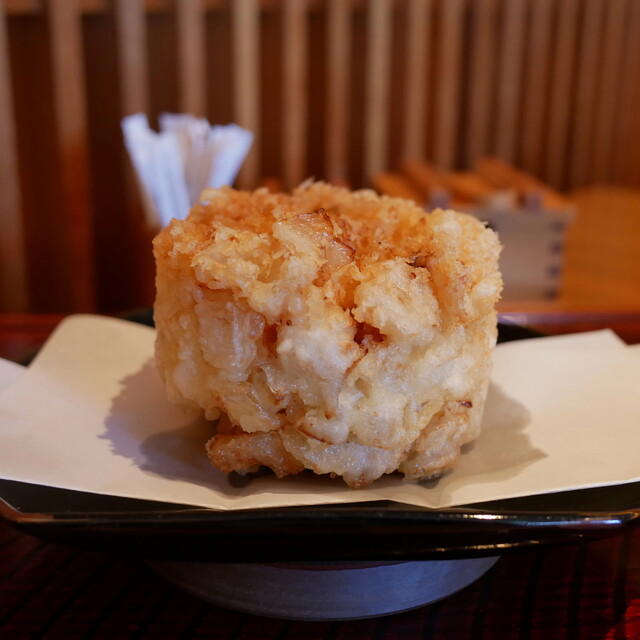
At a Glance
- Classic
- Cozy
- Rustic
- Family
- Group Dining
- Casual Hangout
- After Work
- Private Event
- Historic Building
- Private Dining
- Standalone
- Sake Program
- Beer Program
- Local Sourcing
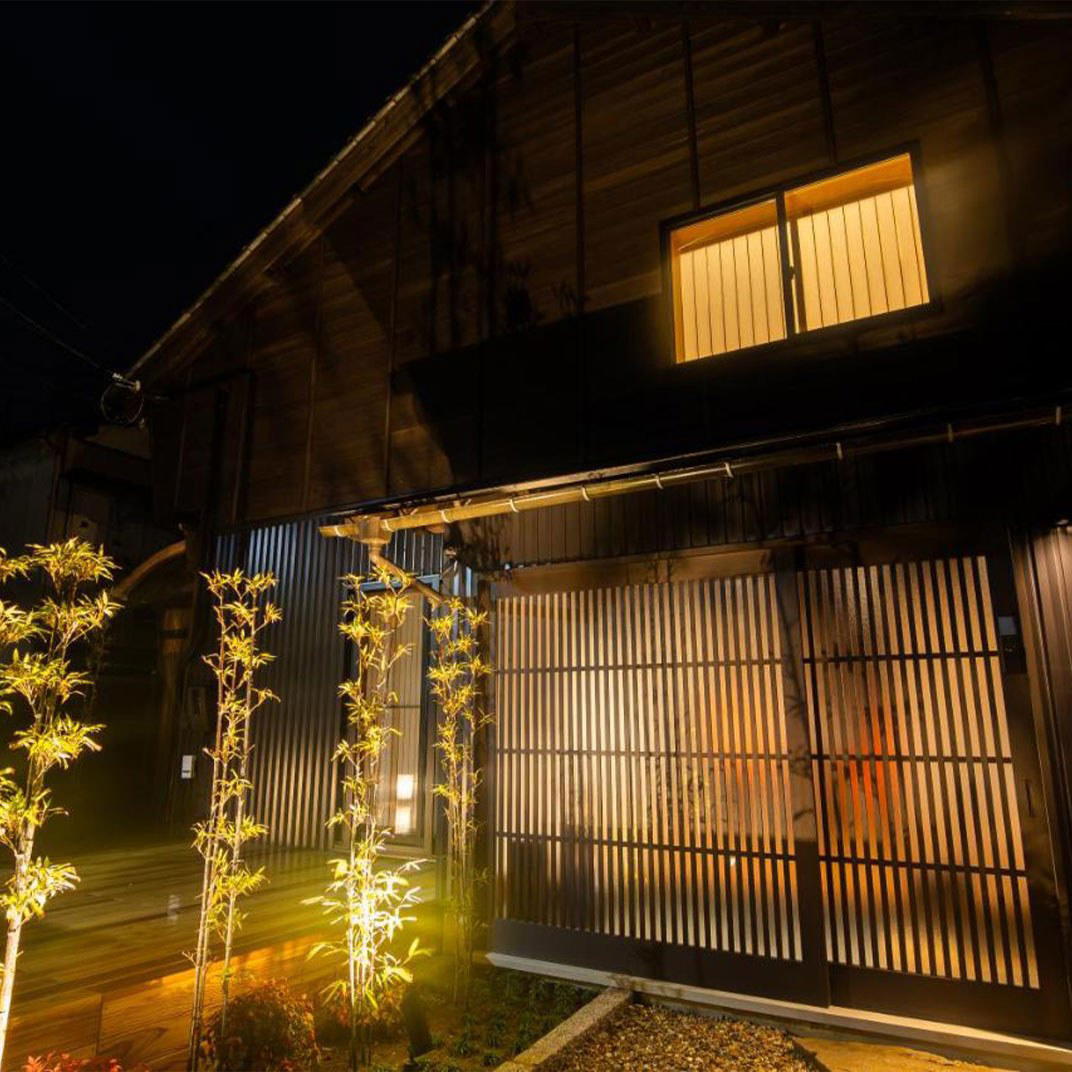
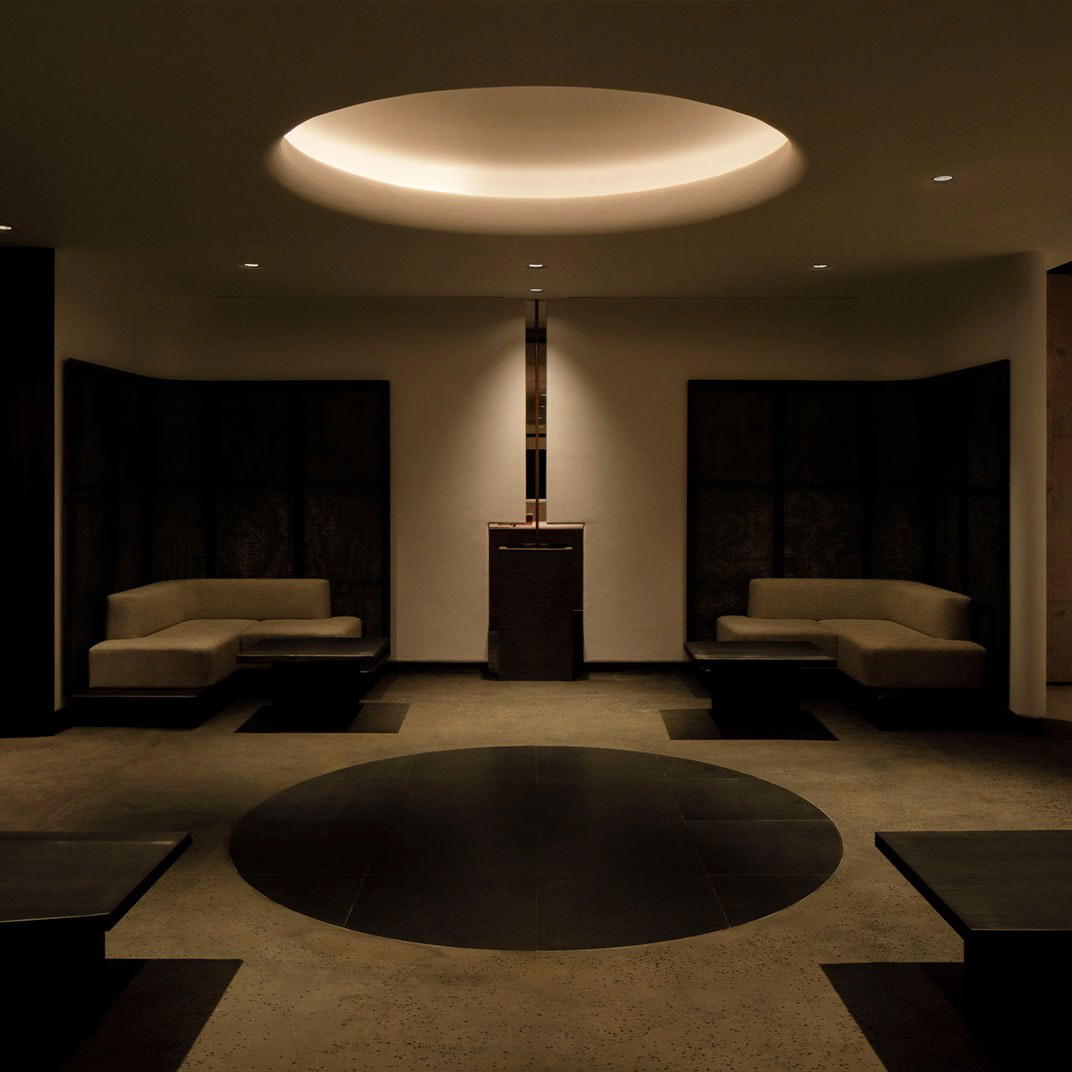
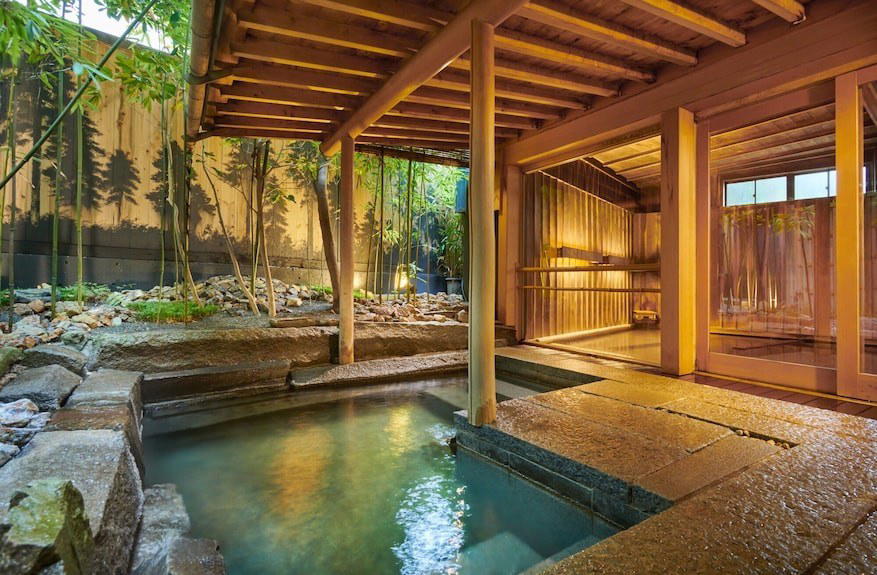
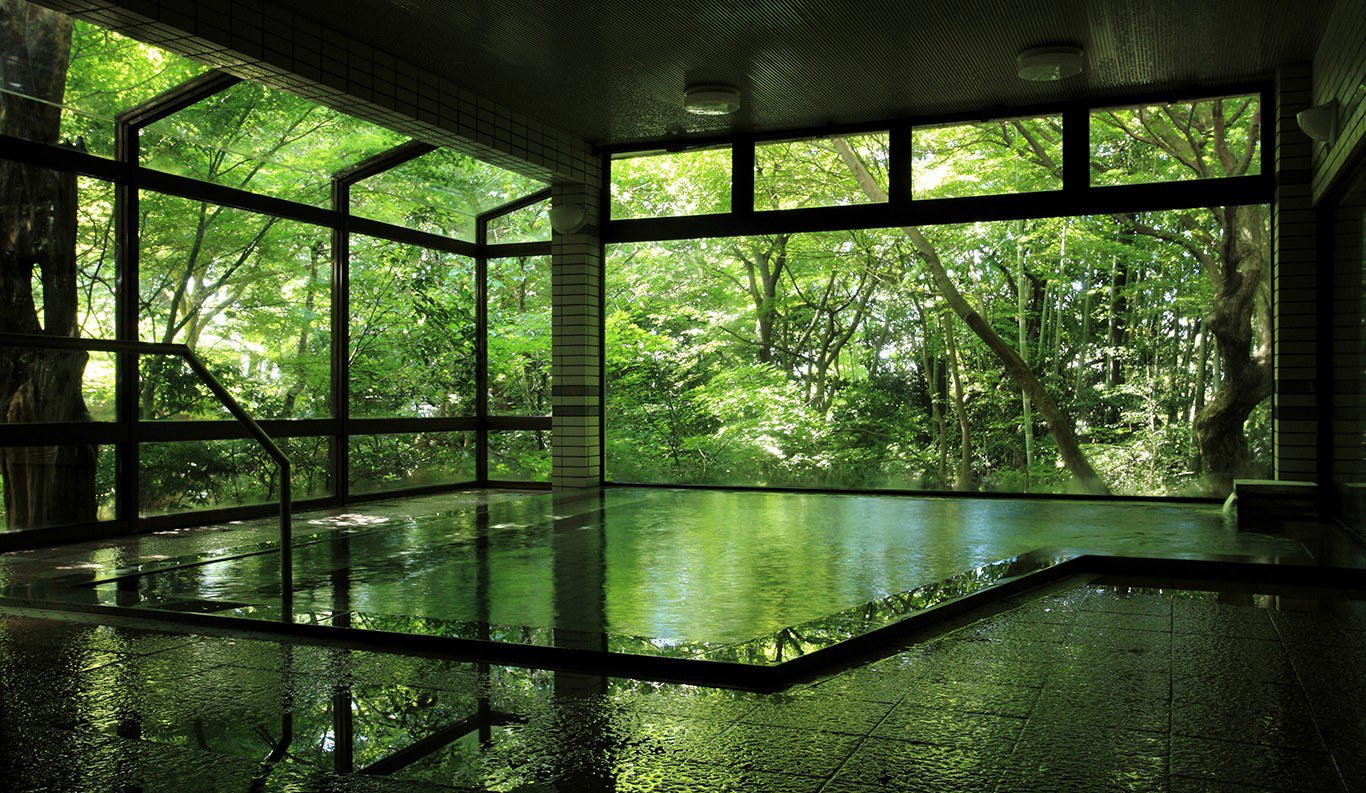
Set in a retro, traditional Japanese house in Echizen with tatami rooms and private spaces, the atmosphere is warm and classic rather than flashy, combining the feel of a long‑established soba shop with a calm, cozy dining experience suitable for families and small groups.