
Soba Kura Tanigawa gives Echizen’s soba culture a focused, low-friction address: buckwheat noodles, sake, a small 24-seat room and a price band that keeps the meal grounded rather than ceremonial. Its Tabelog 100 Soba WEST selections in 2024 and 2025 place it inside a regional conversation where sourcing, texture and restraint matter more than luxury signals.
Pearl is the En Primeur Club membership app — saves, bookings, and concierge access live there. Same editors, same standards.
- Address
- 福井県越前市深草2-9-28
- Phone
- +81778235001
- Website
- nihachi.hatenablog.com
- Directions
- Get directions
 Saves & bookings on Pearl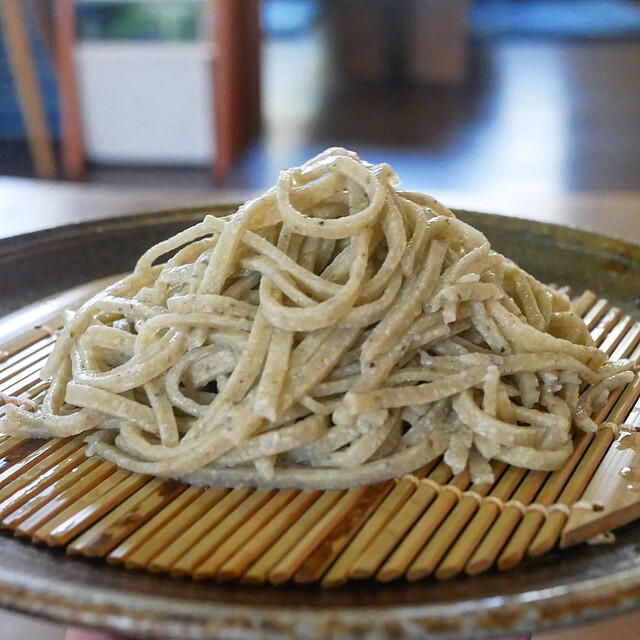
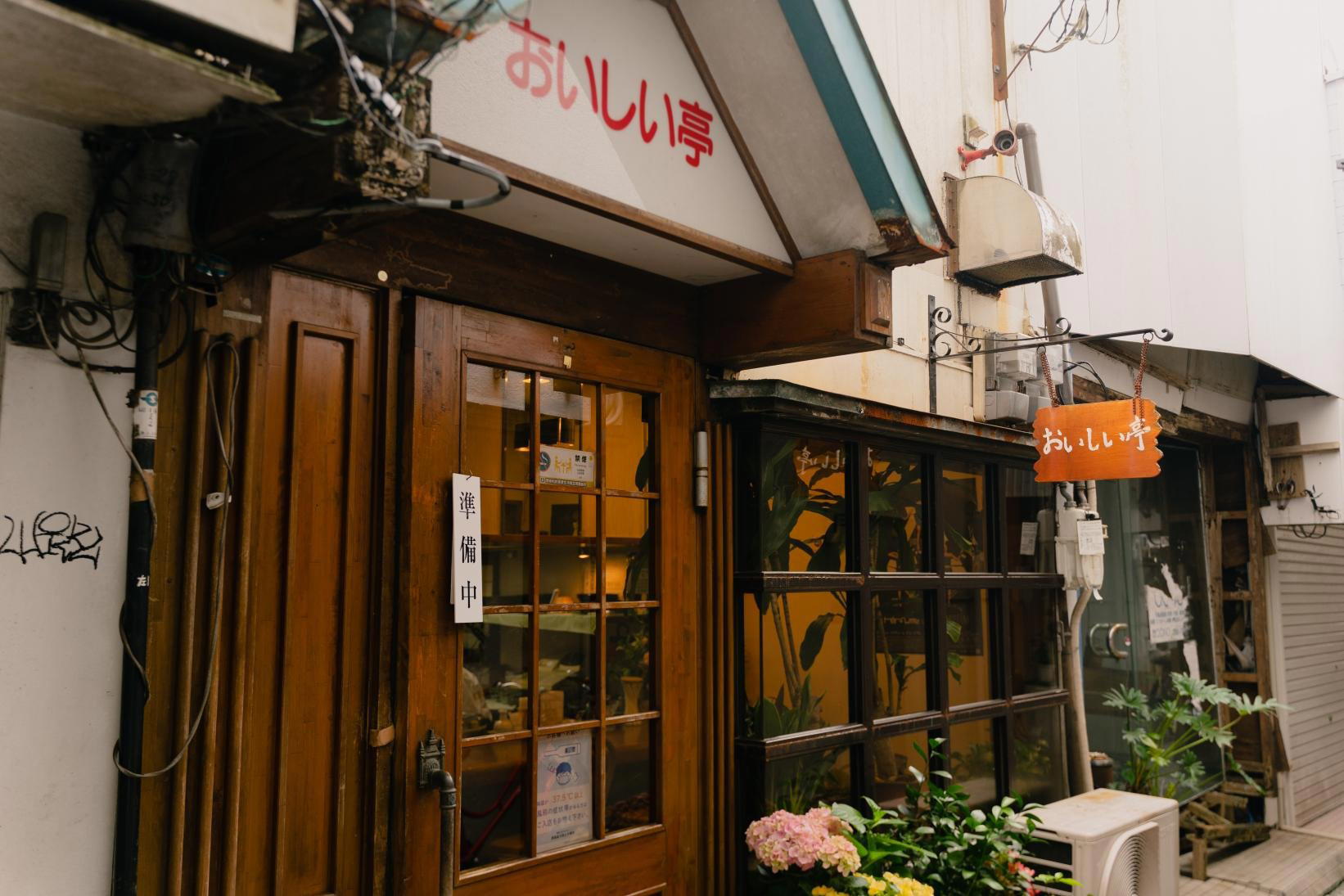
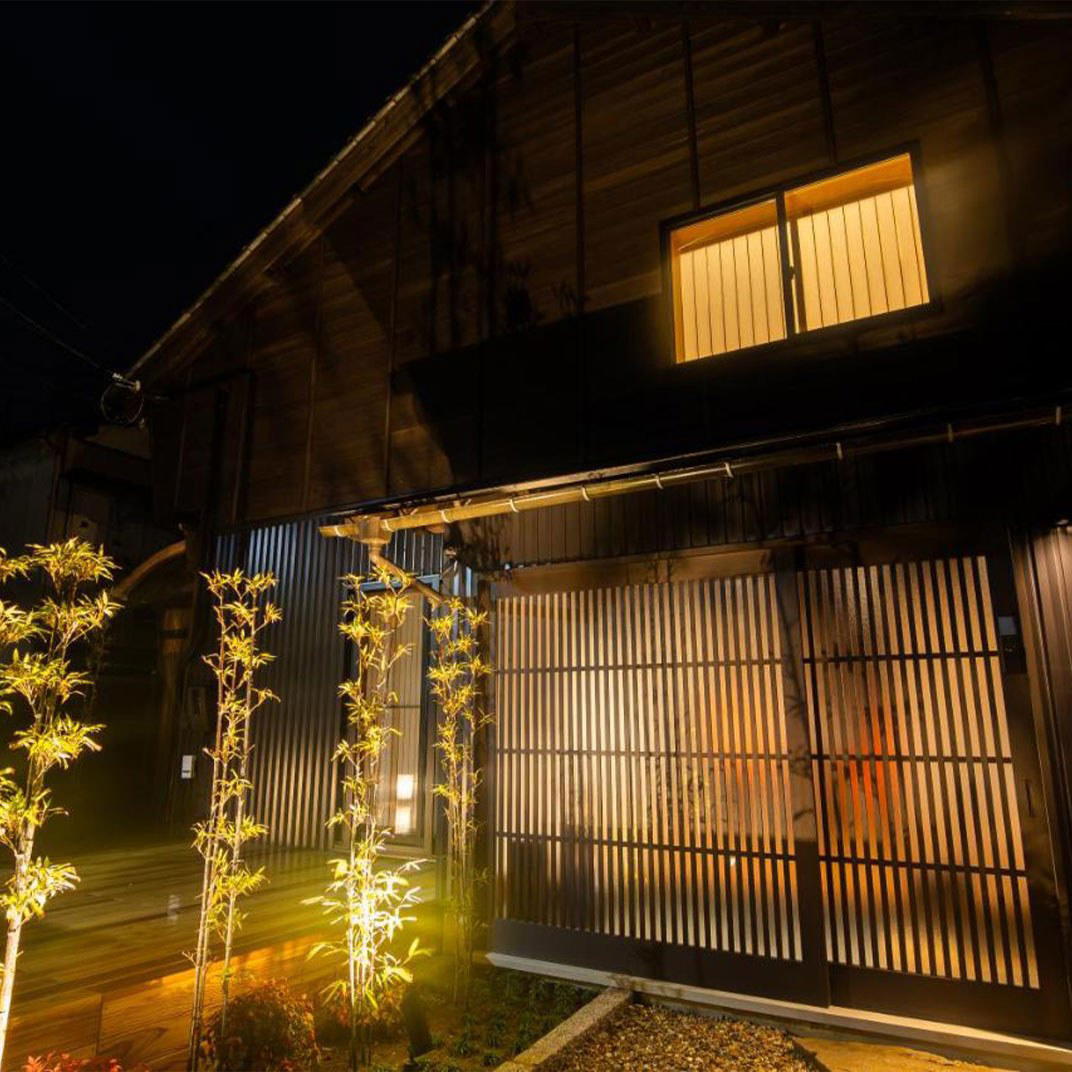
Approaching Echizen’s serious soba rooms, the first cue is usually quiet frontage, residential scale and the sense that the meal is built around grain rather than display. In Fukui, buckwheat carries more weight than in Tokyo station-corridor noodle bars: local agriculture, cold-climate appetite and craft discipline compressed into a bowl. Soba Kura Tanigawa fits that register, with a house-restaurant setting, tatami space and a compact room focused on buckwheat, water, knife work and timing.
Echizen corrects travellers who read Japanese noodles only through ramen or udon. Fukui’s soba culture treats buckwheat as a regional staple, not a metropolitan affectation, which changes the terms of judgment. The question is not how elaborate the meal becomes, but how clearly the noodle carries aroma, texture and regional identity. That is why a modest price band and a Tabelog 100 Soba WEST listing can coexist: the category rewards concentration, not grandeur.
Fukui buckwheat, short menus and the discipline of restraint
Ingredient sourcing is the real story in Echizen soba. Buckwheat is demanding in the field and unforgiving as a noodle base; it lacks wheat’s elasticity and quickly exposes poor milling or careless boiling. In strong soba regions, craft sits close to the field. Value is measured in freshness, texture and how little the kitchen must add. Soba is therefore a useful lens on Fukui dining: regional restaurants often prize clarity over embellishment when the product already carries local identity.
Soba Kura Tanigawa’s recognition on Tabelog 100 Soba WEST in 2024 and 2025 is a credible signal within western Japan’s soba field. The listing matters because soba is a deep Japanese category, crowded with small specialists that rarely behave like destination restaurants. Selection does not imply luxury; it signals fundamentals taken seriously enough to register beyond local habit. For travellers building a food day in Echizen, that makes it different from a formal ryotei such as 料亭 鎌仁別荘, or a broader contemporary meal at Tsukihi (INNOVATIVE).
The category also invites comparison within the city. Urushiya operates in a higher dinner spend band while retaining an accessible lunch range, placing it closer to the long-form regional meal than the quick, precise soba stop. Iida is another local reference for travellers mapping Echizen by mood rather than cuisine label. Soba Kura Tanigawa sits leaner: low ceremony, narrow focus and a format where one bowl can carry the argument.
A small-room meal rather than a prestige performance
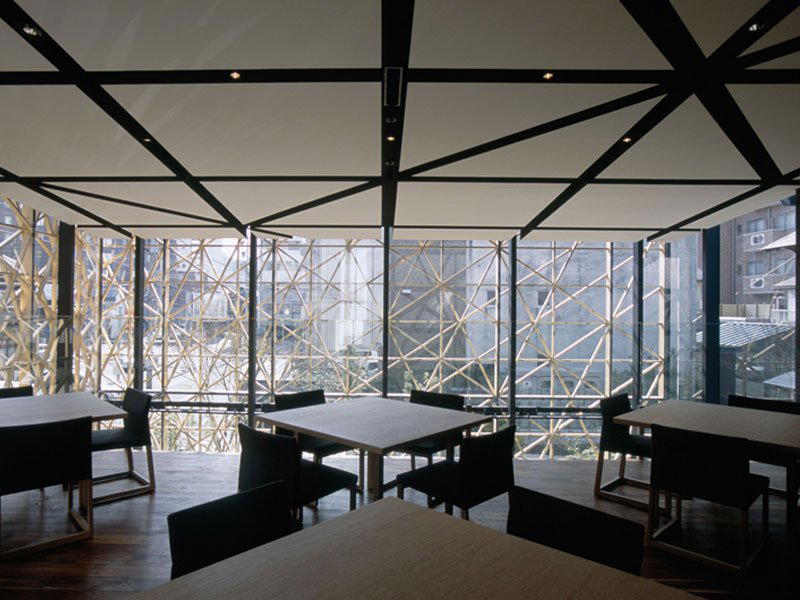
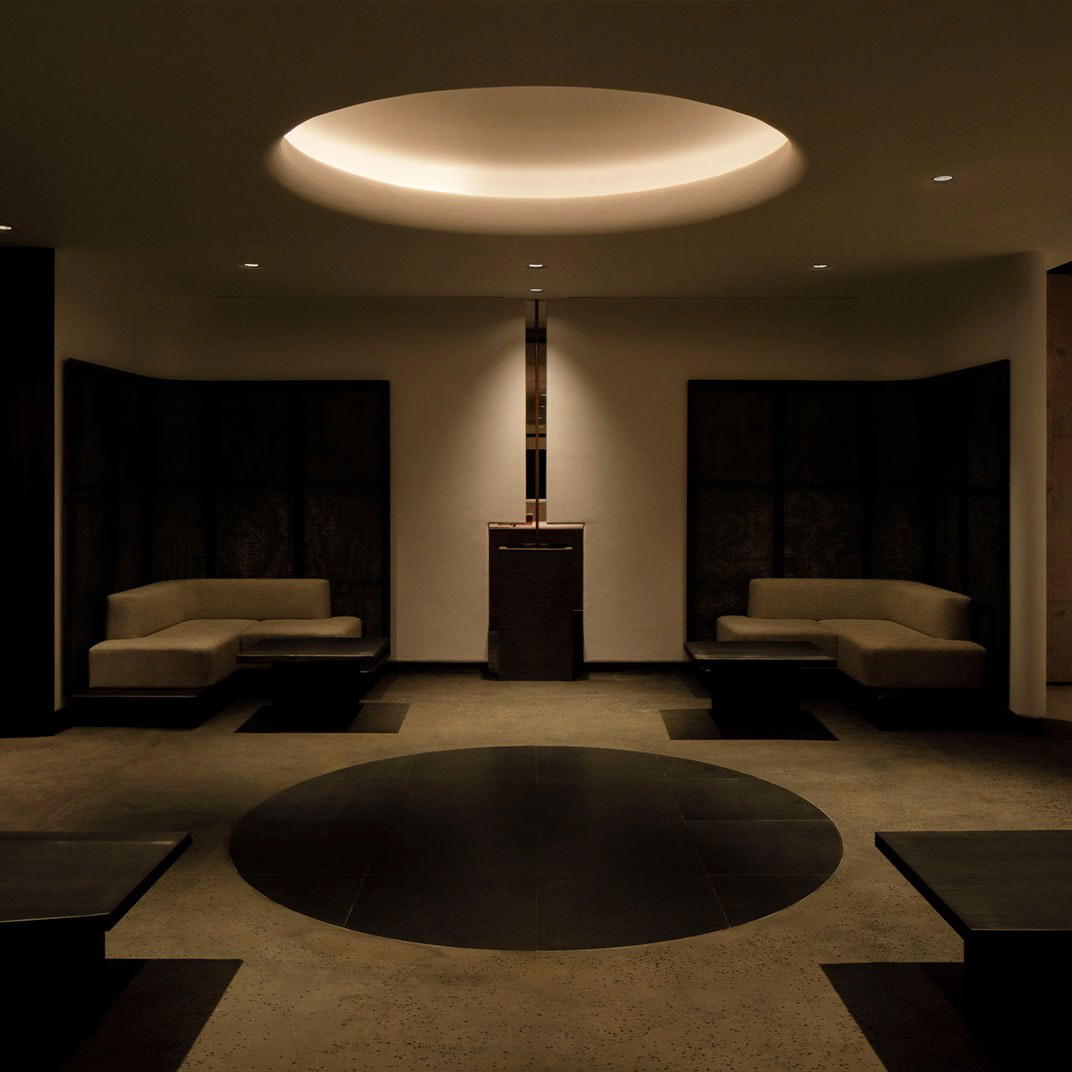
The 24-seat scale matters. Soba loses authority when treated as a banquet accessory or generic lunch filler; it needs a room moving at the pace of boiling, rinsing and serving. A small house-style setting is not automatically better, but it suits the cuisine’s practical demands. Tatami seating and a non-smoking room reinforce the domestic register, while sake places the meal in a familiar Japanese rhythm: noodles first, refreshment second, no inflated ceremony.
This is where Echizen differs from the big-city checklist. In Tokyo, serious soba competes with reservation-only counters, cocktail dens and high-spend sushi for itinerary space. In Fukui, the appeal is grounded: regional ingredients, shorter producer-to-table distances and meals that make sense in the middle of a cultural day rather than as an evening climax. Travellers using Our full Echizen restaurants guide should read this stop as connective tissue, explaining the place between lacquerware, temples, knives and coastal seafood.
Planning still matters. Small Japanese noodle specialists can run narrow service windows and sell-through logic, so build the day around lunch rather than treating it as a flexible add-on. Echizen also rewards slow logistics: rail, local buses and walking distances shape dining choices more than in Kyoto or Osaka. Pairing a soba lunch with a stay from Our full Echizen hotels guide gives the city breathing room; folding it into rushed transit reduces the point of being here.
How to place it in a wider Japan food itinerary
For travellers moving through Japan, the restaurant is not a replacement for urban dining spectacle. It is the rural-regional counterargument. A day that also includes Our full Echizen bars guide, Our full Echizen wineries guide or Our full Echizen experiences guide feels less like a restaurant sprint and more like a study of how a small city eats, drinks and preserves craft. The soba stop gives the itinerary its grain-level anchor.
The broader EP Club map shows why that matters. Japan’s regional food culture is not a single hierarchy running from Tokyo outward. A sukiyaki meal at -Grilled beef Sukiyaki- KAMAKURA TANUKIAN 鎌倉 たぬき庵 in Kamakura, a seafood-and-charcoal address such as. 鮪と炭火焼き うお炭 秋葉原店 in Tokyo, or a cafe stop like.cafe in Osaka each reveals a different dining grammar. So do.know in Kumamoto, (Shoku) Vietnam in Kawasaki, [Curry Senmon Ten] Maruyama Kyoju. in Sapporo and [ki:] in Kyoto. Even outside Japan, places such as Jōdo Saké Bar in Los Angeles and Onigiri Time in Pasadena show how Japanese formats travel, adapt and narrow into specialist identities.
The editorial read is simple: choose this stop to understand Echizen through staple craft rather than luxury dining. The awards signal competence, the price band keeps the meal accessible, and the small-room format keeps attention on buckwheat. In a city where regional identity is carried by materials, lacquer, blades and grain, soba is not a side note. It is one of the cleanest ways to taste place without asking the restaurant to perform beyond its natural scale.
Fast Comparison
Comparable venues by cuisine and price in the same metro.
Recognition history
Dated appearances from independent guides and award organizations, with the underlying list record or original source where available.
Tabelog 100 #38 · No. 38
Tabelog · Tabelog 100 - Soba - WEST - 2025
Continue exploring
More in Echizen
Restaurants in Echizen
Browse all →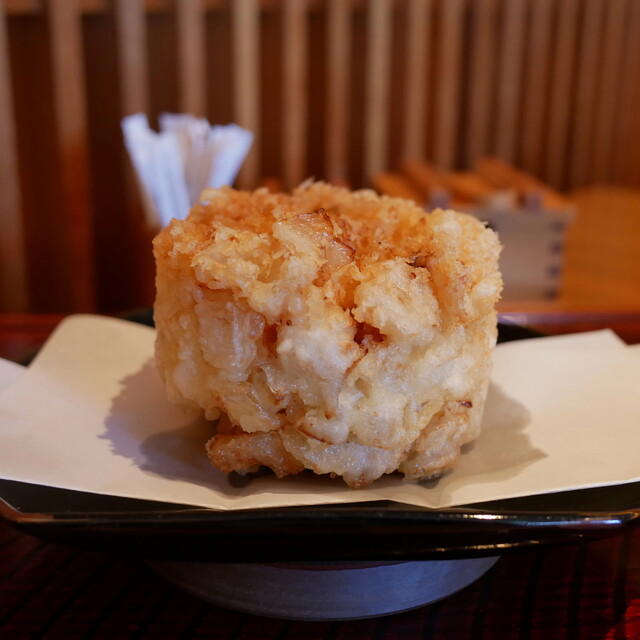
At a Glance
- Classic
- Cozy
- Solo
- Casual Hangout
- Family
- Standalone
- Sake Program
- Local Sourcing
- Street Scene
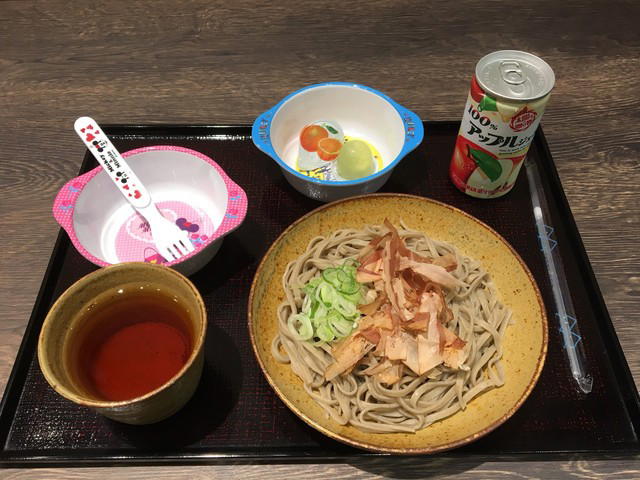
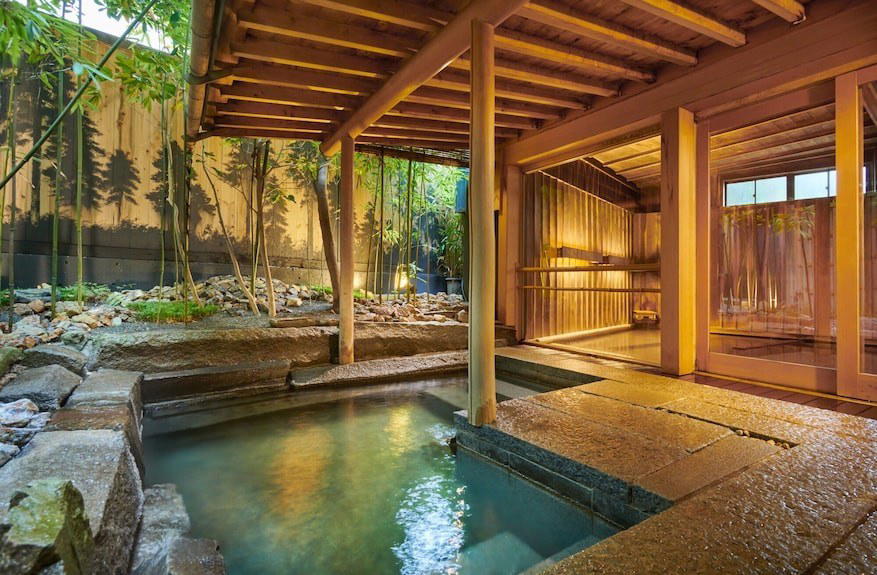
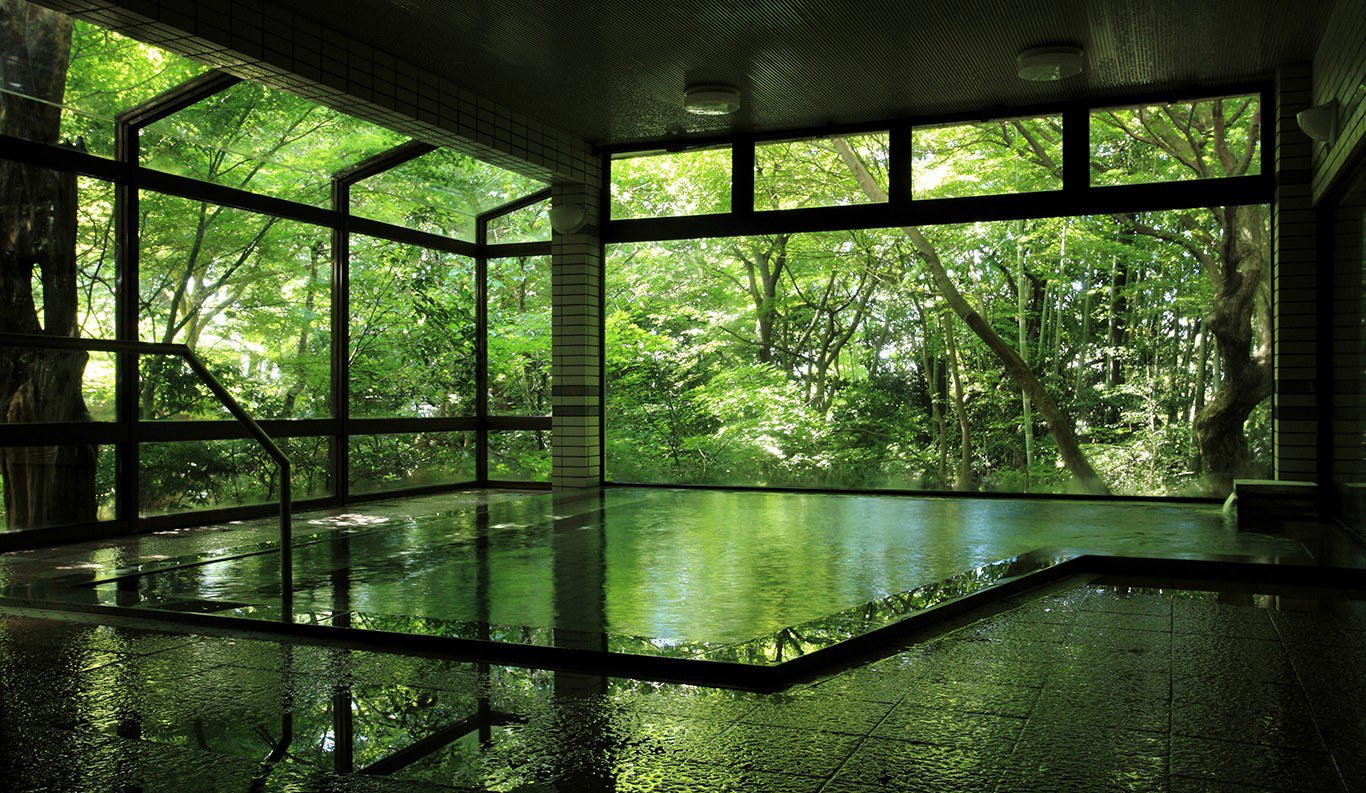
A simple, popular local soba shop with a calm daytime lunch atmosphere and a steady stream of fans coming for limited daily servings.