
Our verdict
Tsukihi gives Echizen’s dining map a contemporary marker: an innovative restaurant in a city better known for soba, seafood, craft traditions, and the quieter rhythms of Fukui Prefecture. Its relevance lies less in spectacle than in how regional Japanese restaurants now translate local sourcing into modern formats outside the usual metropolitan circuit.

Pearl is the En Primeur Club membership app, where members save venues, book tables and use the concierge.
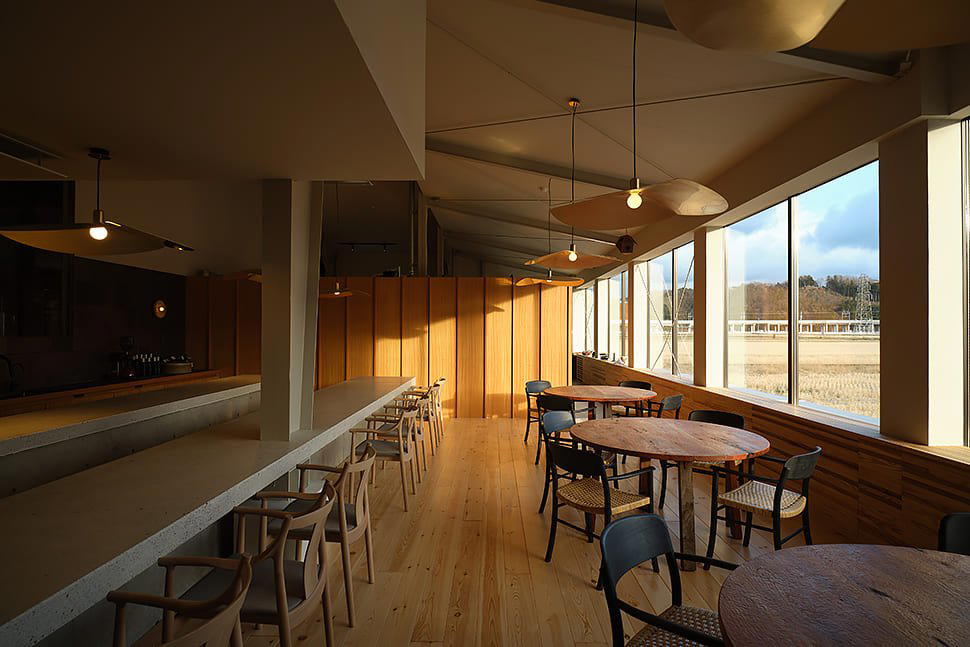
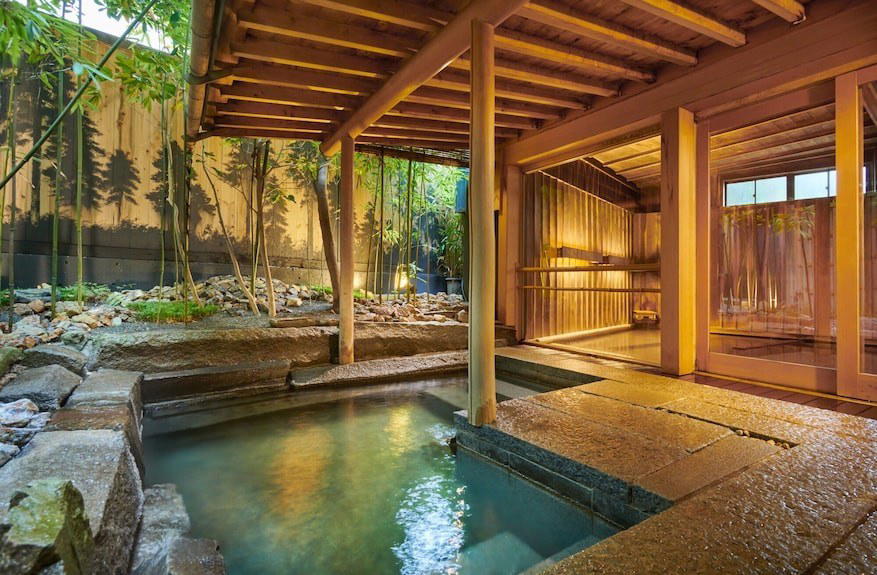
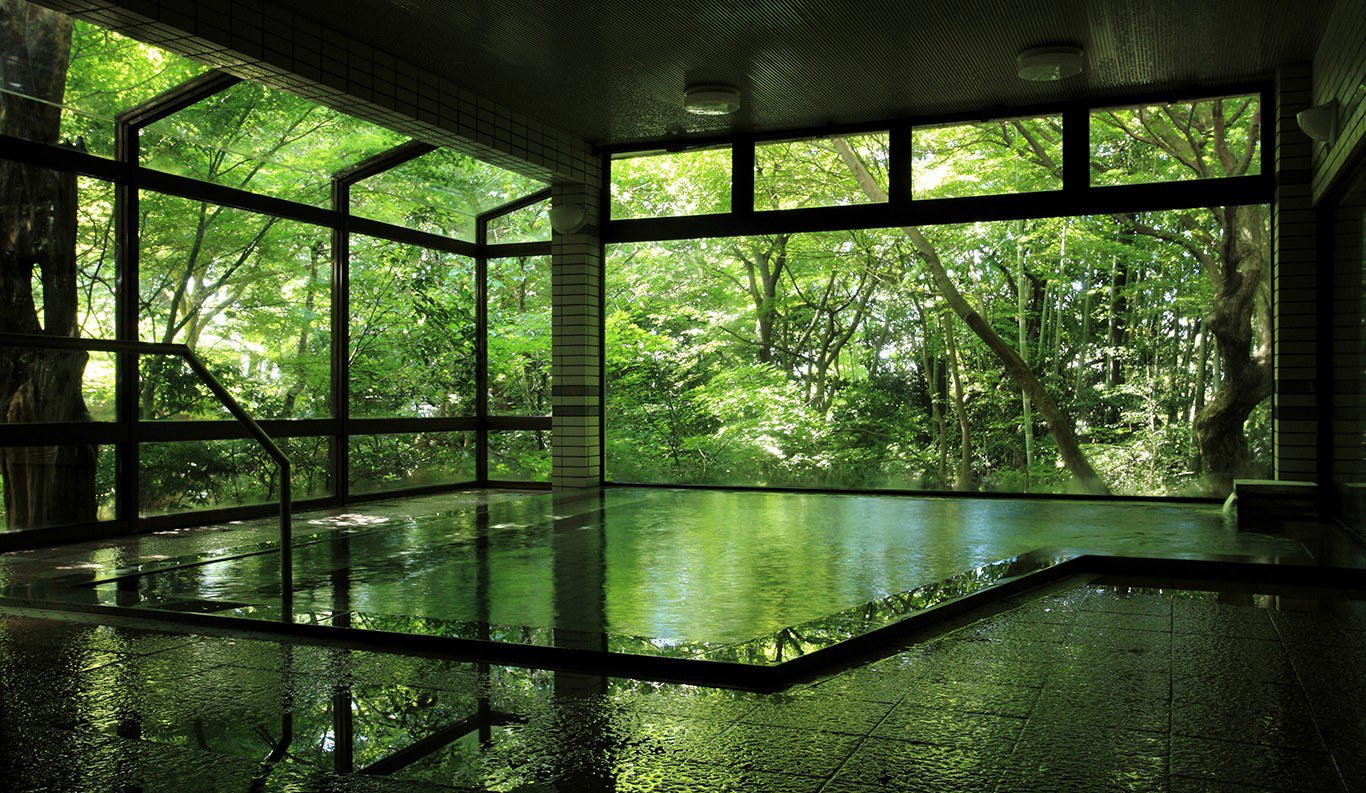
Approaching the food culture of Echizen means reading the region through materials before menus: cold-water seafood from the Sea of Japan side, buckwheat traditions, lacquerware, blades, paper, and the disciplined craft economy that gives Fukui its particular restraint. Tsukihi belongs to that context as an innovative restaurant rather than a conventional local table, and that classification matters. In regional Japan, contemporary cooking is rarely persuasive when it simply imports urban tasting-menu habits. The stronger argument comes when a kitchen uses nearby products, craft memory, and local pacing as the grammar for something current.
Echizen is not Tokyo, Kyoto, or Osaka, and that difference is the point. The city’s restaurant culture rewards a different kind of attention: smaller catchments, closer producer relationships, and a slower public conversation around what a restaurant is trying to do. For travellers building a food itinerary here, Tsukihi sits beside other Echizen dining rooms with more tradition-facing formats, with additional local addresses adding reference points in the dining circuit. The contrast is useful: soba, formal Japanese cooking, and regional cooking establish the baseline from which a modern kitchen can either earn its place or feel detached.
Regional ingredients, contemporary grammar
Ingredient sourcing is the serious test for innovative restaurants in smaller Japanese cities. A metropolitan room can survive on technique, luxury imports, and reservation pressure; a regional restaurant has to make a clearer case for why it belongs where it is. Tsukihi’s position in Echizen makes that case through category and context: innovative cuisine in a city where food is tied to craft, season, and proximity rather than volume. The better reading is not that the restaurant escapes local tradition, but that it reframes it.
Fukui’s wider food identity gives that reframing substance. Echizen oroshi soba, winter crab culture, coastal fish, rice, sake, and mountain vegetables all sit within reach of the regional table. The exact menu should be read at the time of booking rather than assumed in advance, but the local pantry explains why a contemporary restaurant here is interesting at all. Sourcing is not decoration in this part of Japan. It is a practical matter shaped by fishing seasons, agricultural scale, and the relationships between cooks and producers.
This is also where Tsukihi differs from many city restaurants using the same broad “innovative” label. In large dining capitals, innovation often means international technique applied across a global supply chain. In Echizen, the stronger model is more contained: fewer imported signals, more dependence on what the region can support. That does not make the cooking rustic. It makes the restaurant’s success more dependent on restraint, timing, and whether the kitchen can translate local materials without flattening them into generic modern plating.
How Echizen's modern table compares with Japan's regional innovators
Japan’s regional contemporary dining has become a serious alternative to capital-city collecting. Restaurants such as SOWER, SHÓKUDŌ YArn, L’évo, KOKE, and ORTO show how kitchens outside major urban cores can compete by sharpening their relationship to place rather than mimicking the dining rooms of Ginza or Roppongi. Tsukihi belongs in that conversation at a category level: an innovative restaurant in a non-metropolitan setting, where the meal is judged by the coherence between location, sourcing, and format.
The comparison is useful because it prevents a lazy reading of regional dining as merely “local.” Regional innovators now operate with clear culinary ambition, but their credibility comes from specificity. KOKE and ORTO, for example, signal the format expectations that surround this tier elsewhere in Japan, while SOWER, SHÓKUDŌ YArn, and L’évo frame a broader movement toward destination restaurants rooted outside the standard tourist triangle. Tsukihi’s Echizen address gives it a different set of materials and pressures, which is exactly what makes the category worth following.
For an Echizen itinerary, the sharper plan is to resist treating every meal as a hunt for the same style. Use our full Echizen restaurants guide to build contrast across soba, formal Japanese cooking, and contemporary formats, then widen the trip through our full Echizen hotels guide, our full Echizen bars guide, our full Echizen wineries guide, and our full Echizen experiences guide. The value of the city is cumulative: craft context, regional foodways, and a dining scene that does not need to perform like a capital.
Who should place Tsukihi on the itinerary
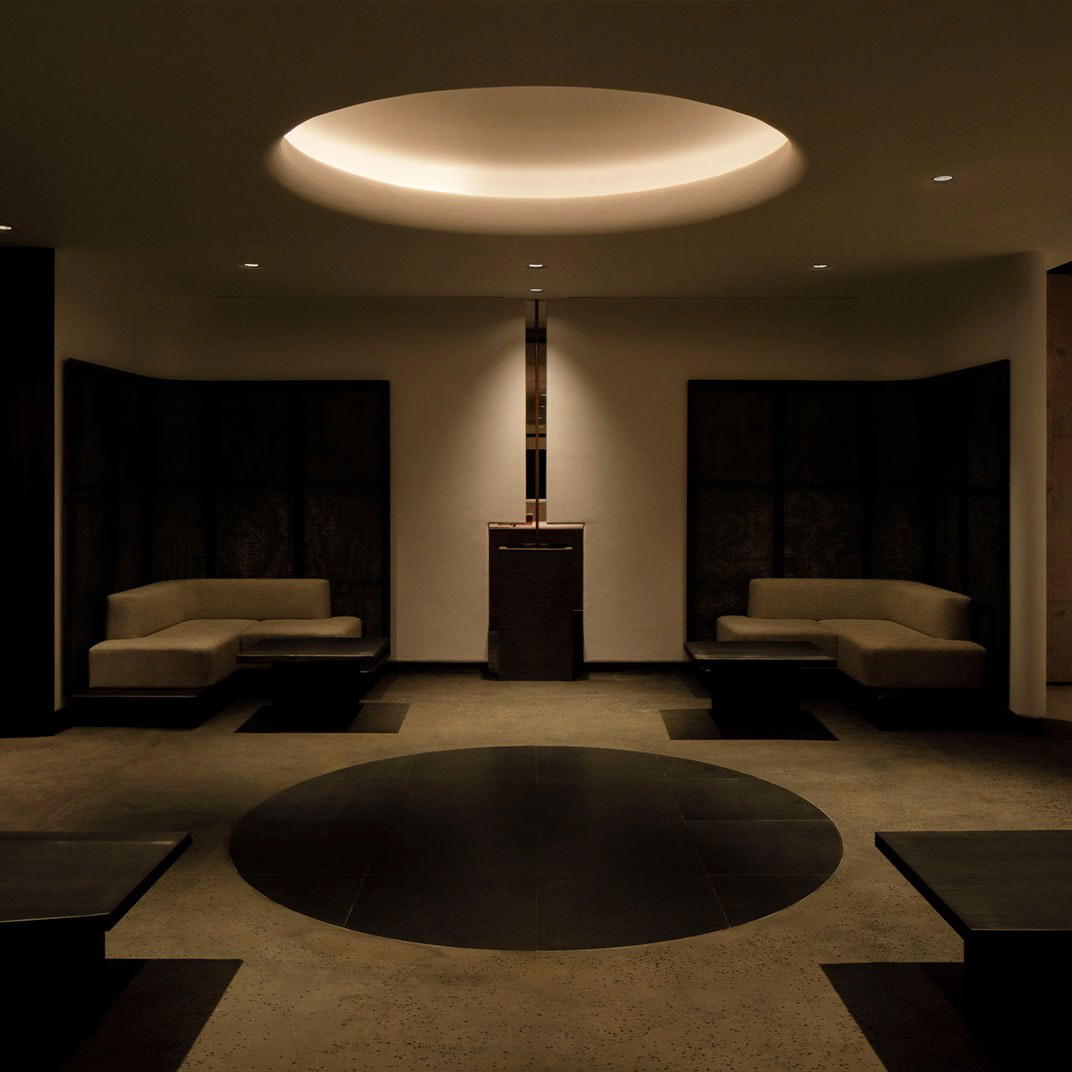
Tsukihi makes strongest sense for travellers who already understand the pleasures of regional Japanese food and want to see how that vocabulary changes in a contemporary room. It is less useful as a first stop for anyone seeking a broad survey of Echizen cooking; traditional addresses will explain the foundations more directly. Its role is different: a marker of how local ingredients can be edited, sequenced, and presented through a modern lens.
That distinction matters when planning meals across Japan. A traveller comparing formats might pair Echizen with other specialist tables around the country, or set Tsukihi against regional innovators such as KOKE, L’évo, ORTO, SHÓKUDŌ YArn, and SOWER. For a wider read on the innovative category, it is better to think in terms of how contemporary restaurants adapt to their regions rather than assuming that the same label means the same experience everywhere.
The editorial case is clear: Tsukihi is not a proxy for Echizen as a whole, and it should not be asked to be. Its appeal is narrower and more interesting. It gives the city a contemporary dining note within a region whose food culture already has depth, which makes it a useful booking for travellers who care about sourcing, locality, and the way regional Japanese restaurants are changing outside the usual circuits.
Frequently asked questions
What part of town is Tsukihi in?
Tsukihi is located in Echizen.
Is Tsukihi Michelin-listed?
The recognition provided for Tsukihi is its Japan Times Destination Restaurants 2026 listing, where it is ranked No. 7.
How would you describe the cuisine at Tsukihi?
Tsukihi serves INNOVATIVE cuisine.
Do I need a reservation for Tsukihi?
Those details are not published. Tsukihi is in Echizen, a smaller-city dining scene where advance planning is often sensible. Check the venue's official channels for the latest details.
What do critics highlight about Tsukihi?
The main point of interest is its INNOVATIVE cuisine type, which signals contemporary cooking rather than a fixed regional template. In Echizen, that makes Tsukihi part of the current Japanese regional dining conversation, alongside venues that reinterpret local ingredients through a modern lens.
Quick Comparison
Comparable venues by cuisine and price in the same metro.
| Venue | Cuisine | Price | Awards | Notes |
|---|---|---|---|---|
| TsukihiThis venue (the venue you are viewing) | Seasonal Japanese Dining | Not listed | Not listed | Not listed |
| SOWER | Modern Japanese Farm-to-Table | $100–150 | Not listed | Innovative |
| SHÓKUDŌ YArn | Modern Japanese Fusion Fine Dining | $100–150 | Tabelog Bronze #407 | Innovative |
| L'évo | Avant-Garde French-Japanese Fusion | $200–300 | World's 50 Best #97 · La Liste Top Restaurants | Innovative |
| KOKE | Modern Okinawan Fine Dining | $150–200 | 1 Michelin Star · Tabelog 100 #85 | Innovative |
| ORTO | Innovative | Not listed | Not listed | JPY 15,000 - JPY 19,999 |
Recognition history
Dated appearances from independent guides and award organizations, with the underlying list record or original source where available.
The Japan Times Destination Restaurants Destination Restaurants Selection #7
The Japan Times Destination Restaurants
Continue exploring
More in Echizen
Restaurants in Echizen
All restaurants in Echizen →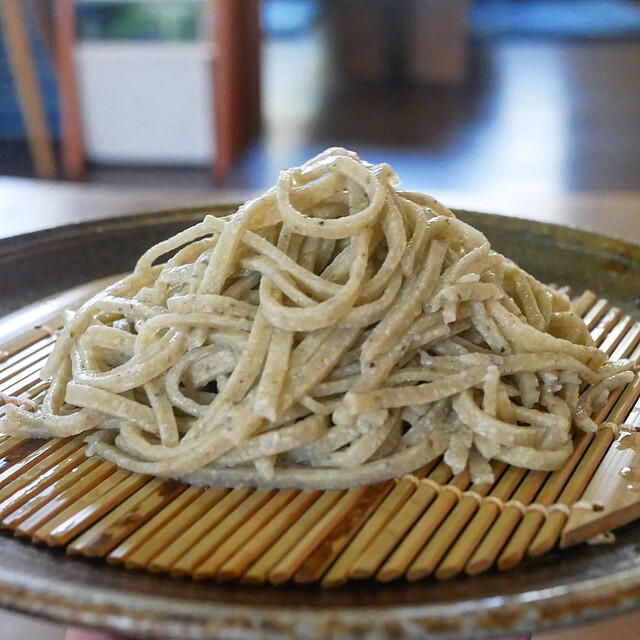
Details
- Elegant
- Sophisticated
- Quiet
- Modern
- Date Night
- Special Occasion
- Private Event
- Standalone
- Sake Program
- Extensive Wine List
- Local Sourcing
- Set Menu
- Wine
- Sake