

1 Michelin Star · Tabelog 100 #57
Our verdict
A Michelin-recognised French bistro on Osaka's Tanimachi strip, IDÉAL bistro pairs classic gastronomy with organic wines and vegetables grown on the couple's own Wakayama farm. The flower-decorated interior reflects the proprietress's florist background, and the seasonal menu shifts with whatever the farm is producing. It reads as a neighbourhood room; the sourcing credentials place it closer to a specialist address.

Pearl is the En Primeur Club membership app, where members save venues, book tables and use the concierge.
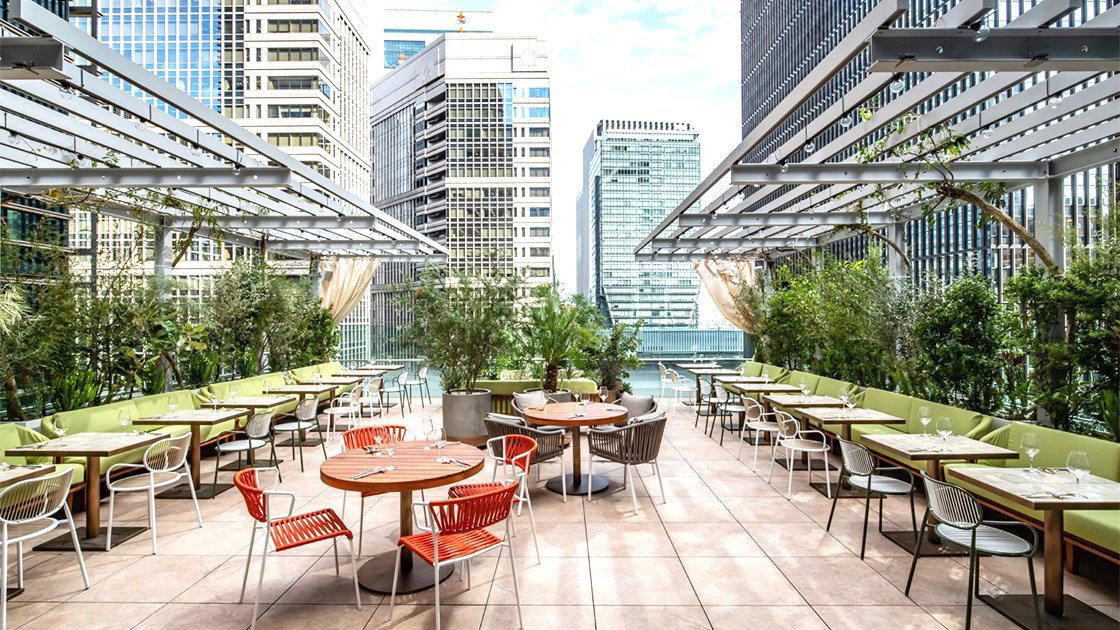
Tanimachi, Flowers, and a Farm Two Prefectures South
Osaka's Chuo Ward French scene spans a wide tier range, from the tasting-counter precision of Michelin two-star La Cime down to neighbourhood bistros that fill on weeknight regulars and house wine. IDÉAL bistro sits toward the quieter end of Tanimachi, on the first floor of a low-rise building on 1-chome, and the physical approach sets expectations correctly: this is a room dressed with fresh seasonal flowers rather than architectural lighting, a space that signals domestic warmth before any food arrives. The proprietress is a florist by training, and the arrangement discipline shows, flowers here track the season with the same logic the kitchen applies to vegetables.
That parallel is not incidental. The sourcing structure at IDÉAL bistro connects Osaka directly to a working farm in Wakayama Prefecture, roughly 60 kilometres south of the city. Wakayama agriculture has a well-documented reputation for quality produce, from its mandarin orchards to its Kishu plum cultivation, and a chef operating a private plot there can draw from that soil outside commercial supply chains. In a city where the French bistro format often relies on the same wholesale vegetable network as every other mid-range restaurant, that farm link is a material distinction, not a branding element.
Where IDÉAL Sits in Osaka's French Tier
Osaka's French restaurant category has consolidated around two recognisable poles over the past decade. At one end sit the Michelin-decorated destination counters, addresses like La Cime and Différence that price at ¥¥¥¥ and operate within a tasting-menu format aimed squarely at special-occasion diners and visiting food travellers. At the other end sit casual French-influenced brasseries with little to distinguish them from their counterparts in any Japanese city. IDÉAL bistro's ¥¥¥ price band positions it between those poles, in a smaller cohort that includes places like La Bécasse and LE PONT DE CIEL, rooms where classical French training is taken seriously but the format remains accessible and unburdened by ceremony.
The chef here trained within classic gastronomy, which in a Japan-based French context typically means extended time in kitchens grounded in French technique, a tradition that figures prominently across the Kansai region. Osaka has produced a number of chefs who studied in France and returned to apply that foundation to local ingredients, nent operates on a similar premise at a different price point. IDÉAL bistro's version of that exchange leans toward the everyday: the format is bistro, not dégustation, and the room reads as a place for a Tuesday dinner as much as a Saturday occasion.
The Farm-to-Table Logic Behind the Seasonal Menu
Restaurant sourcing claims are easy to make and difficult to verify from a diner's perspective, which is why the structure matters more than the marketing language. A privately farmed plot in Wakayama represents an operational commitment: the farm produces what it produces, the kitchen adapts. That constraint-driven menu structure is a well-established principle in serious bistro cooking, it is how the format has historically operated in rural France, and it is the reason why bistros in that tradition tend to offer shorter menus that rotate with supply rather than long lists that paper over inconsistency with breadth.
The organic wine list follows the same sourcing logic. In France, the natural and organic wine movement spent two decades moving from marginal to mainstream, and Japan's sommelier culture adopted that progression with characteristic speed. Osaka's mid-range French rooms increasingly carry organic lists, but the pairing here is contextually coherent: farm produce and organic wine share an underlying premise about agricultural intervention, and presenting them together is a position, not just a preference. Comparable approaches in the Japanese French category appear at L'Effervescence in Tokyo, which operates at a higher price tier but with a similarly explicit commitment to producer relationships and low-intervention wine.
A Note on the Bistro Format in Japan
The French bistro has had an unusual trajectory in Japanese cities. Where other European formats were often absorbed and transformed almost beyond recognition, the bistro retained structural fidelity, tablecloths, set menus, a short carte, house wine by the carafe. Part of this reflects the influence of chefs who trained formally in France and returned to replicate the experience with local ingredients; part reflects a Japanese hospitality culture that responds well to format discipline. Osaka's version of that story runs through addresses like La Bécasse, through Michelin-flagged rooms like LE PONT DE CIEL, and through destination kitchens in the wider Kansai region such as Gion Sasaki in Kyoto and akordu in Nara. What IDÉAL bistro adds to that lineage is a specifically domestic quality: the flowers, the couple running the room together, the farm in Wakayama. The effect is closer to eating in a private home than in a restaurant constructed around a chef's reputation.
For comparison across other Japanese cities, the approach bears some resemblance to the sourcing integrity visible at Harutaka in Tokyo, at Goh in Fukuoka, and at regional operators like 1000 in Yokohama and 6 in Okinawa, all contexts where the provenance of ingredients carries editorial weight. At the European reference point, the farm-linked bistro model descends directly from kitchens like Hotel de Ville Crissier, where classical discipline and seasonal sourcing have coexisted for decades.
Planning a Visit
IDÉAL bistro is located on the second floor of a building at 1 Chome-6-5 Tanimachi, Chuo Ward, reachable by subway on the Tanimachi Line with Tanimachi Yonchome station within comfortable walking distance. The ¥¥¥ price band places it above the neighbourhood casual bracket without touching the special-occasion pricing of Osaka's Michelin-starred French addresses. For context on how this fits within the broader Osaka dining landscape, see our full Osaka restaurants guide. Those planning a wider Kansai trip can also reference our Osaka hotels guide, our Osaka bars guide, our Osaka wineries guide, and our Osaka experiences guide to build out a full itinerary.
Frequently asked questions
Would IDÉAL bistro be comfortable with kids?
The bistro format and domestic atmosphere, flowers, a couple-run room, relaxed pacing, is more forgiving than a tasting-counter or formal French address. At ¥¥¥ pricing in Osaka, the expectation is a settled, adult-focused dinner rather than a family canteen, but there is nothing about the setup that makes it actively inhospitable to well-behaved children.
How would you describe the vibe at IDÉAL bistro?
Warm and considered rather than spare or formal. It sits at ¥¥¥, which in this city means the room is serious about food and wine without performing the rituals of fine dining. If the high-format Michelin rooms feel occasion-specific, this one is closer to a neighbourhood address with sourcing credentials.
What do regulars order at IDÉAL bistro?
The kitchen is grounded in classic French technique and the menu rotates with what the Wakayama farm is supplying, so the most consistent recommendation is to order whatever the chef is presenting as the current vegetable-forward courses. The organic wine list is purposeful and paired with the farm sourcing ethos, so deferring to the house pairing or a staff recommendation is a reasonable approach. Regulars in a room of this type, running a short seasonal menu with classic bistro structure, tend to return for the set menu rather than the carte.
Category Peers
A quick snapshot of similar venues for side-by-side context.
| Venue | Cuisine | Price | Awards | Notes |
|---|---|---|---|---|
| IDÉAL bistroThis venue (the venue you are viewing) | Michelin-Starred French Bistro | $100–150 | 1 Michelin Star · Tabelog 100 #57 | Not listed |
| HAJIME | Avant-Garde Japanese Fine Dining | $300–500 | 3 Michelin Stars · World's 50 Best #83 | French, Innovative |
| La Cime | Modern French with Japanese Ingredients | $150–200 | 2 Michelin Stars · World's 50 Best #13 | French |
| Kashiwaya Osaka Senriyama | Seasonal Kaiseki Omakase | $200–300 | 3 Michelin Stars · La Liste Top Restaurants | Japanese |
| Taian | Traditional Japanese Kaiseki Omakase | $150–200 | 3 Michelin Stars · La Liste Top Restaurants | Kaiseki, Japanese |
| Fujiya 1935 | Modern Japanese with European influences | $100–150 | 2 Michelin Stars · La Liste Top Restaurants | Innovative |
Recognition history
Dated appearances from independent guides and award organizations, with the underlying list record or original source where available.
Michelin 1 Star
Michelin
Tabelog 100 #57
Tabelog
Full recognition history (3 entries)
Michelin 1 Star
Michelin
Continue exploring
More in Osaka
Restaurants in Osaka
All restaurants in Osaka →



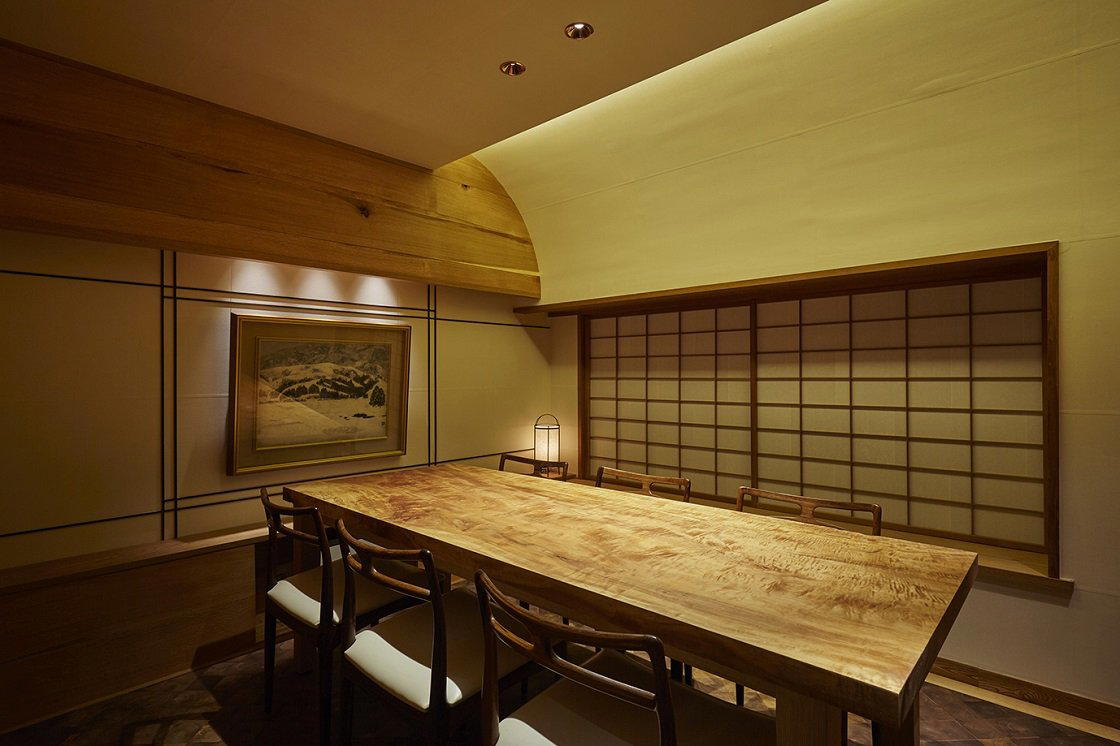
Bars in Osaka
All bars in Osaka →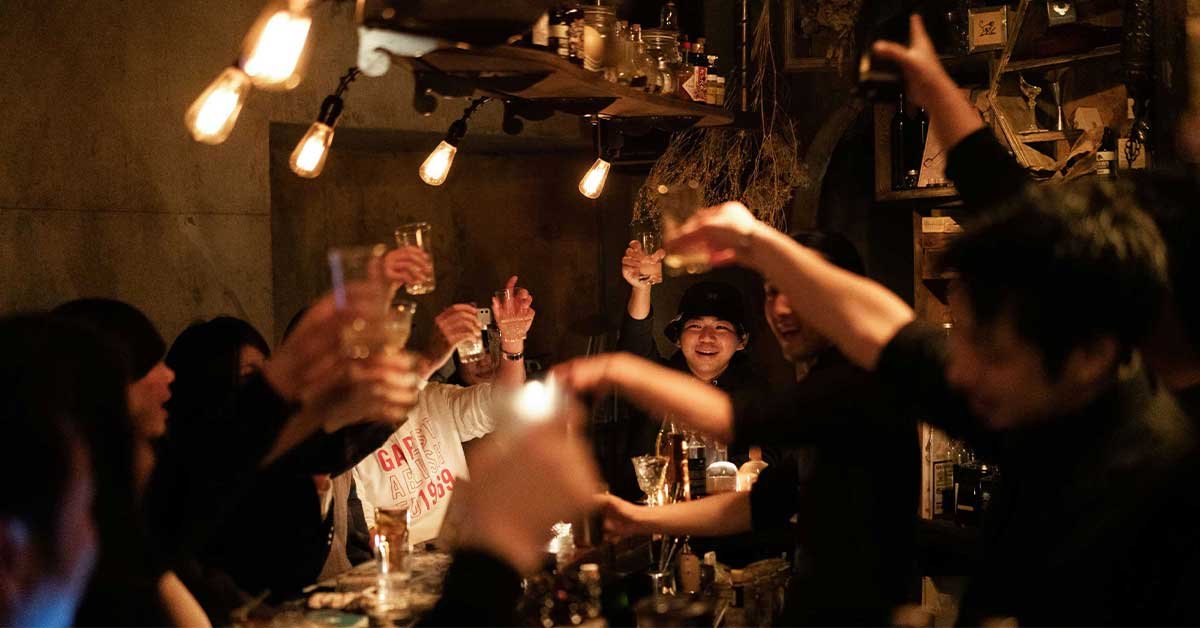
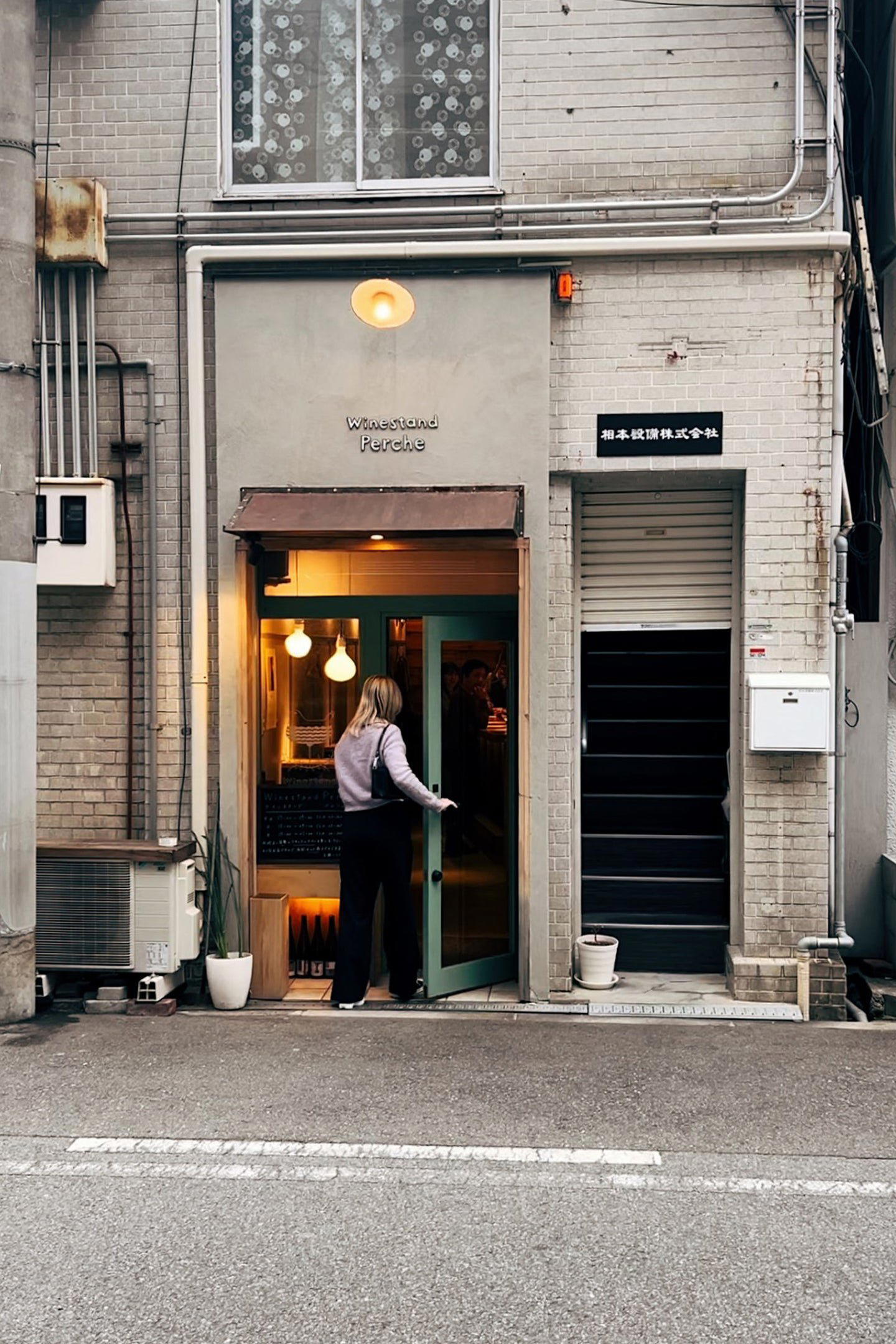

Hotels in Osaka
All hotels in Osaka →




Wineries in Osaka
Browse all →
Details
- Cozy
- Elegant
- Intimate
- Sophisticated
- Date Night
- Special Occasion
- Open Kitchen
- Natural Wine
- Farm To Table
- Local Sourcing
- A La Carte
- Omakase
- Natural Wine
Current opening hours
- Monday
- 6–11 PM
- Tuesday
- Closed
- Wednesday
- Closed
- Thursday
- 12–2:30 PM, 6–11 PM
- Friday
- 12–2:30 PM, 6–11 PM
- Saturday
- 12–2:30 PM, 6–11 PM
- Sunday
- 12–2:30 PM, 6–11 PM
Hours can change for holidays and private events. Hours as of .
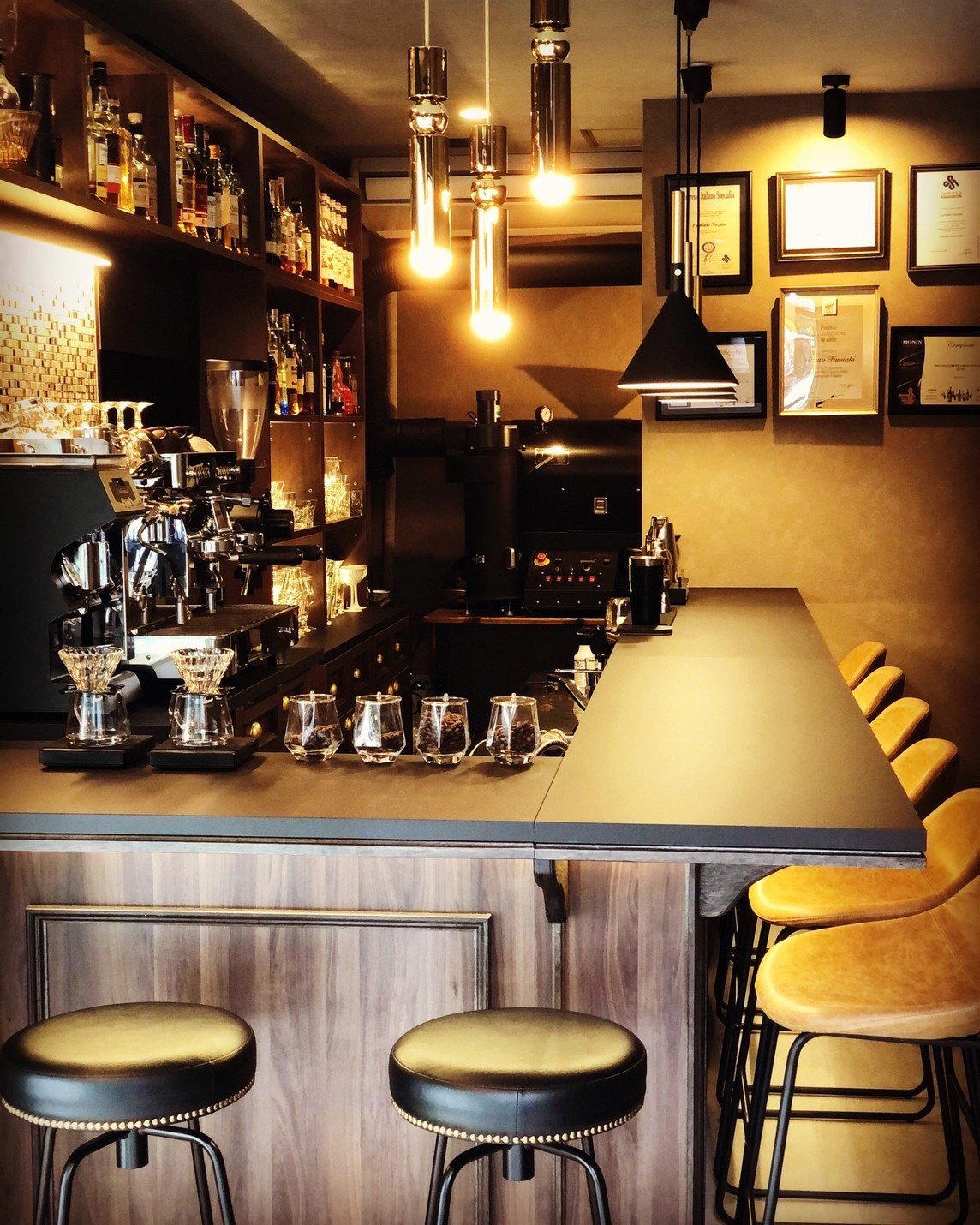
Calming, chic, and casual interior decorated with seasonal flowers, creating an intimate parlour-like atmosphere.