
Michelin Bib Gourmand
Our verdict
A Michelin Bib Gourmand French restaurant in Kyoto's Nakagyo Ward, HUNTER occupies a price tier where serious technique meets genuine accessibility.

Pearl is the En Primeur Club membership app — saves, bookings, and concierge access live there. Same editors, same standards.
- Address
- Japan, 〒604-0814 Kyoto, Nakagyo Ward, Tsuboyacho, 533-2
- Phone
- +81 75-708-5566
- Hours
- Mon–Wed 6–10 PMThu ClosedFri 6–10 PMSat–Sun 12–2 PM, 6–10 PM
- Directions
- Get directions
The menu
What to order
- Wagyu steak
- Pâté Grand Mère
- Binchotan-Grilled Duck
- Wild Boar
French Cooking in a City That Rewards Patience
Kyoto's relationship with French cuisine is longer and more considered than most visitors expect. While Tokyo dominates the conversation around Japan's leading French tables, Kyoto has quietly built a French dining culture shaped by the same precision and seasonal sensitivity that governs its kaiseki tradition. The city's French restaurants tend not to announce themselves loudly. They occupy discreet addresses in residential wards, operate on tight seat counts, and attract a local clientele that returns on a regular basis rather than once for a celebration. HUNTER, located in the Tsuboyacho area of Nakagyo Ward, fits that pattern closely.
Nakagyo sits between the commercial bustle of Shijo and the older, quieter lanes of the northern city. It is a ward where working Kyoto coexists with pockets of serious dining, and where a French restaurant earning a Michelin Bib Gourmand sits more naturally than it might in any other Japanese city outside Tokyo. The Bib Gourmand designation is the relevant signal here: it marks a kitchen delivering food at a quality level the Michelin inspectors consider noteworthy, at a price point that keeps it accessible. In Kyoto's French tier, where options range from the mid-range to the considerably expensive (cenci holds a single Michelin star at ¥¥¥, for reference), HUNTER's ¥¥ pricing places it as an entry point to guided French technique rather than a compromise.
The Scene at This Price Point
What the Bib Gourmand signals most clearly is that HUNTER is not competing on ceremony. The restaurant addresses a specific diner: someone who wants French cooking executed with care, without the architecture of a multi-hour tasting menu or the price bracket that comes with it. This segment of the market is harder to sustain than it looks. At the ¥¥ level, kitchens have less margin to work with; ingredient quality, technique, and portion discipline all need to be tighter, not looser, to justify the recognition. The 2024 Bib Gourmand indicates the kitchen is meeting that standard.
Kyoto's broader French scene offers useful context. At the higher end, restaurants like Hiramatsu Kodaiji and Droit operate with the weight of established French-Japanese fine dining. la bûche and La Biographie... occupy positions in the mid-range with distinct approaches to French technique. HUNTER's positioning below those tiers is not a statement of lesser ambition; it reflects a different editorial proposition, one that places the food ahead of the occasion.
The Wine Angle: What Accessible French Dining Asks of a Cellar
At the ¥¥ price tier, wine programming tends to be where accessible French restaurants either earn or lose credibility with knowledgeable diners. The gap between ambitious food and a perfunctory wine list is noticeable precisely because the cooking sets expectations. In Japan's better mid-range French establishments, wine lists increasingly reflect the same seasonal and regional awareness that shapes the kitchen; smaller producers, moderate price points, and a degree of curation that prioritises drinking pleasure over label recognition.
French cuisine in Kyoto carries a particular set of pairing expectations. The local tradition of integrating Japanese vegetables and seasonal produce into French frameworks creates menus where Loire whites, lighter Burgundy, and natural producers from the Jura or Alsace tend to work better than heavily extracted reds. How a kitchen at this price point handles that pairing logic, whether through a thoughtful by-the-glass programme, a concise list with good value at every tier, or the presence of a front-of-house team with genuine wine knowledge, is one of the practical distinctions between a Bib Gourmand holder and a restaurant simply operating at a lower price.
For comparative reference, L'Effervescence in Tokyo represents what committed natural wine programming looks like at the upper end of French dining in Japan, and Hotel de Ville Crissier in Crissier illustrates how classical French cellars anchor institutional fine dining. HUNTER operates in a different register, but the question of wine programme seriousness remains relevant even at the accessible end.
Placing HUNTER in the Wider Japanese French Conversation
Japan's French dining map extends well beyond Kyoto. HAJIME in Osaka operates at three Michelin stars with a conceptual French vocabulary. akordu in Nara brings a distinct European perspective to its regional setting. The domestic French circuit is serious and geographically spread, and Bib Gourmand holders within it are not afterthoughts; they are often the restaurants that local professionals eat at week to week rather than once a year. That regularity is a different kind of endorsement.
Within Kyoto's broader dining options, the French category sits alongside kaiseki as the city's two most formally developed traditions. Venues like anpeiji reflect how Kyoto continues to develop its own approach to European cooking, and the sheer variety across the city's Western restaurant tier rewards a more systematic approach to planning. Our full Kyoto restaurants guide maps those options in full.
Planning a Visit
Frequently asked questions
What part of town is HUNTER in?
HUNTER is located at Japan, 〒604-0814 Kyoto, Nakagyo Ward, Tsuboyacho, 533-2, Kyoto.
Does HUNTER have a Michelin star or similar recognition?
HUNTER has received recognition including: Michelin Bib Gourmand (2024).
What's the must-try dish at HUNTER?
The Michelin Bib Gourmand designation is the most reliable guide here: inspectors award it specifically when a kitchen delivers notable quality at a fair price, which at HUNTER's ¥¥ tier means the French core menu is doing the heavy lifting. Without a published set menu in the public record, the safest approach is to ask the kitchen what drives the current selection — at this price point in Kyoto, the seasonal produce cycle tends to shape what the kitchen is most focused on. Order whatever reflects that week's market.
What's the pricing like at HUNTER?
Pricing at HUNTER is listed as ¥¥.
Fast Comparison
Comparable venues nearby, for context on price, style, and recognition.
| Venue | Cuisine | Price | Awards | Notes |
|---|---|---|---|---|
| HUNTERThis venue — the venue you are viewing | Modern French Bistro with Charcoal-Grilled Meats | $100–150 | Michelin Bib Gourmand | Not listed |
| Hiiragitei | Kyoto Yakitori & Obanzai | $50–100 | Michelin Bib Gourmand · Tabelog 100 #25 | Higashiyama |
| Ryo Kawashima | Modern Kyoto Kaiseki Omakase | $100–150 | Michelin Plate | Nakagyō |
| COPPIE | Modern Japanese Izakaya with Italian Fusion | $50–100 | Michelin Plate | Shimogyō |
| Hachiraku | Kyoto-style Chinese | Not listed | Michelin Plate | Higashiyama |
| Nijo Aritsune | Modern Kappo | $100–150 | Michelin Plate | Nakagyō |
Recognition history
Dated appearances from independent guides and award organizations, with the underlying list record or original source where available.
Michelin Bib Gourmand
Michelin


Continue exploring
More in Kyoto
Restaurants in Kyoto
Browse all →
Bars in Kyoto
Browse all →
Hotels in Kyoto
Browse all →
Wineries in Kyoto
Browse all →
Details
- Intimate
- Modern
- Elegant
- Cozy
- Date Night
- Special Occasion
- Chefs Counter
- Open Kitchen
- Local Sourcing
- A La Carte
- Prix Fixe
- Counter Dining
- Wine
Current opening hours
- Monday
- 6–10 PM
- Tuesday
- 6–10 PM
- Wednesday
- 6–10 PM
- Thursday
- Closed
- Friday
- 6–10 PM
- Saturday
- 12–2 PM, 6–10 PM
- Sunday
- 12–2 PM, 6–10 PM
Hours can change for holidays and private events. Last verified .
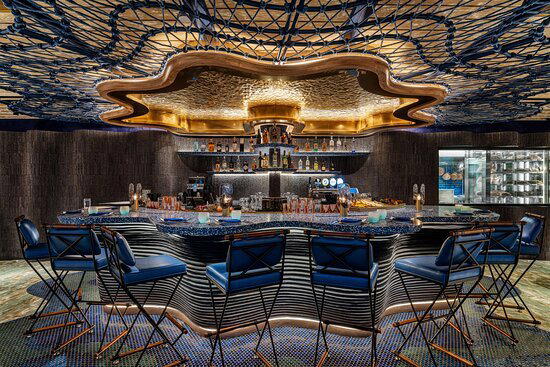
Intimate wooden interior resembling a hunter's cabin with natural woods, stone accents, and a glowing charcoal grill visible from counter seats.