
Yuki Tei puts Nara’s yoshoku tradition into a lunch-only rhythm: Japanese-style Western cooking, omurice at the center, and a price band that keeps it closer to everyday local dining than ceremonial fine dining. Its 2025 Tabelog 100 Yoshoku WEST selection gives the address a clear quality signal within a category often judged by comfort, pacing, and consistency rather than luxury cues.
Pearl is the En Primeur Club membership app — saves, bookings, and concierge access live there. Same editors, same standards.
- Address
- 4-1 Takamikadocho, Nara, 630-8336, Japan
- Phone
- +81 742-26-0611
- Website
- tabelog.com
 Saves & bookings on Pearl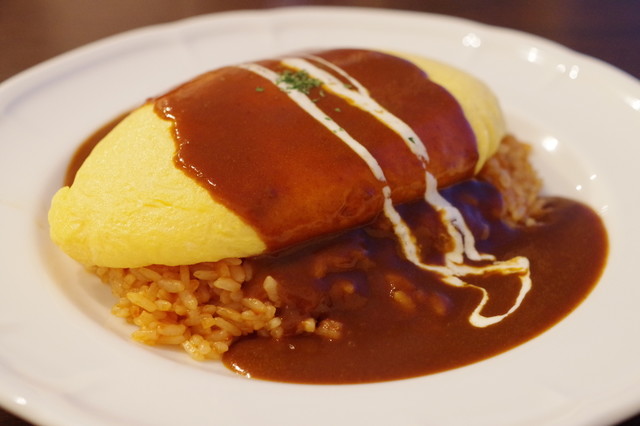
Approaching the low-key residential side of Takamikadocho, the meal begins before the first plate: narrow streets, a house-restaurant setting, and Nara’s practical quiet away from the temple approach. This is not the city’s formal kappo register or the polished tasting-menu language now common in destination dining. The ritual is lunch: compact, deliberate, and built around yoshoku, Japan’s adaptation of Western cooking that became its own cuisine rather than a borrowed style.
Yuki Tei belongs to the Nara dining tier that rewards timing and appetite more than spectacle. Its selection for Tabelog 100 Yoshoku WEST 2025 is useful because yoshoku hierarchy is not always obvious to visitors. Omurice can read as casual, nostalgic, or technically exacting depending on the kitchen; the distinction is in rice texture, egg handling, sauce balance, and the discipline of serving a familiar dish without making it ornamental.
Yoshoku in Nara is a lunch ritual, not a luxury performance
Yoshoku sits apart from meals travelers often associate with Nara. Kaiseki and Japanese cuisine lean on seasonality, architecture, and price as ceremony; Tsuru Yoshi, for example, occupies a much higher spending bracket and a different occasion. Sushi at Naramachi Sushi Hanako runs on counter pacing and fish sequence. Chinese dining at Chugokusai Naramachi Kuko follows its own banquet logic. Yoshoku compresses the contract: arrive during lunch, order decisively, eat while the room moves, and understand that comfort food can still be judged with precision.
That is why omurice matters here. Often translated too simply as omelette rice, in Japan it tests timing: egg must meet rice at the right temperature, sauce cannot drown the plate, and the portion must feel complete without excess. Its appeal is not rarity. It is repetition controlled well enough that locals keep the category alive and ranking systems can separate serious kitchens from merely nostalgic ones.
Nara’s restaurant map makes the distinction clearer. Visitors building a dining day might compare Japanese cooking at Ajinokaze Nishimura, a French-leaning meal at A VOTRE SANTE, Spanish and innovative cooking at akordu, or another Japanese address such as Ajinotabibito Roman. Against that spread, Yuki Tei has a specific role: a focused midday meal that shows how local dining works when it is not staging itself for a long evening.
The house-restaurant format keeps the meal close to everyday Nara
The setting carries the point. A house restaurant changes the tempo: fewer ceremonial signals, more attention on how quickly the room settles into lunch service. The address is near Kintetsu Nara Station, close enough for a central Nara itinerary, but the atmosphere belongs more to lived-in lanes than to a hotel dining room or station-building floor. There is no parking, so the rhythm favors walking, taxis, or public transport rather than a long drive built around a meal.
The JPY 1,000 to JPY 1,999 lunch and dinner price band places the experience in a category accessible by Japanese award-dining standards. That matters editorially. Where recognition often pushes restaurants toward reservation-only or tasting-menu territory, a Tabelog 100 selection at this spend signals another value proposition: not luxury compression, but reliable specialization. The selection is the trust signal; the cost keeps the ritual democratic.
Schedule also shapes the decision. Since March 2019, service has been lunch only, with Wednesday the regular closing day. That narrows the visitor’s margin for error. Reservations are unavailable, so etiquette shifts: this is not a table to secure weeks ahead, but a meal to plan around opening hours and queue tolerance. Credit cards, transportation IC cards, Rakuten-Edy, iD, and PayPay are accepted, removing one common friction point for travelers in smaller Japanese restaurants.
For a broader Nara day, the surrounding choice set helps. 37+1 - Sanjuhachi gives another local reference point, while the full city view sits in EP Club’s Nara restaurants guide. Travelers pairing lunch with sleep, drinking, cellar visits, or cultural programming can cross-check Nara hotels, Nara bars, Nara wineries, and Nara experiences without making this meal carry the whole itinerary.
Where Yuki Tei fits in a Japan-wide casual-dining itinerary
The appeal sharpens against Japan’s broader casual-specialist culture. A curry counter such as [Curry Senmon Ten] Maruyama Kyoju. in Sapporo, a compact Vietnamese address like (Shoku) Vietnam in Kawasaki, or a Tokyo izakaya-grill hybrid such as 鮪と炭火焼き うお炭 秋葉原店 show the same Japanese strength: narrow formats treated seriously. Even outside Japan, the same traveler might understand the pattern through Jōdo Saké Bar in Los Angeles or Onigiri Time in Pasadena, where everyday Japanese categories become destination choices when execution and context align.
That comparison should not flatten the cuisine. Yoshoku has its own history, born from Western influence and domesticated through Japanese kitchens into omurice, hamburger steak, curry rice, and cutlet formats. In Nara, often read through temples, deer, and classical culture, this lunch offers another civic detail: how residents eat between errands, station transfers, and family outings. Children are welcome, private rooms are unavailable, and the restaurant is non-smoking, placing the meal closer to casual communal dining than formal hospitality.
For travelers moving between cities, the lesson is practical. Not every strong meal in Japan needs a chef biography, tasting counter, or night-time reservation. Some require a clear category sense. The restaurant is for the diner who wants Nara’s local rhythm in daylight: yoshoku, omurice, a recognized WEST selection, and a format where the custom is simple but not careless. For adjacent casual references.cafe in Osaka.know in Kumamoto, and -Grilled beef Sukiyaki- KAMAKURA TANUKIAN 鎌倉 たぬき庵 in Kamakura show how tightly defined formats can anchor a trip without formal fine-dining machinery.
Cuisine and Awards Snapshot
Comparable options at the same price tier.
| Venue | Cuisine | Price | Notes |
|---|---|---|---|
| Yuki TeiThis venue — the venue you are viewing | Yoshoku (Japanese-style Western cuisine) | $$ | Not listed |
| Soba Kiri Momoyo Zuki | Traditional Soba Noodle Shop | $$ | Nara |
| kuruminoki Ichijou ten | Seasonal Japanese cafe with obanzai lunch and cakes | $$ | Nara |
| 滴翠 | Health-Focused Japanese Kaiseki | $$$ | Takabatake, Nara |
| Miyake Kyukounoiketei Omoteya | Japanese wagashi café | $$ | Nara |
| ç½ | Traditional Japanese Kaiseki | $$$ | Nara |
Recognition history
Dated appearances from independent guides and award organizations, with the underlying list record or original source where available.
Tabelog 100 #46 · No. 46
Tabelog · Tabelog 100 - Yoshoku - WEST - 2025
Continue exploring
More in Nara




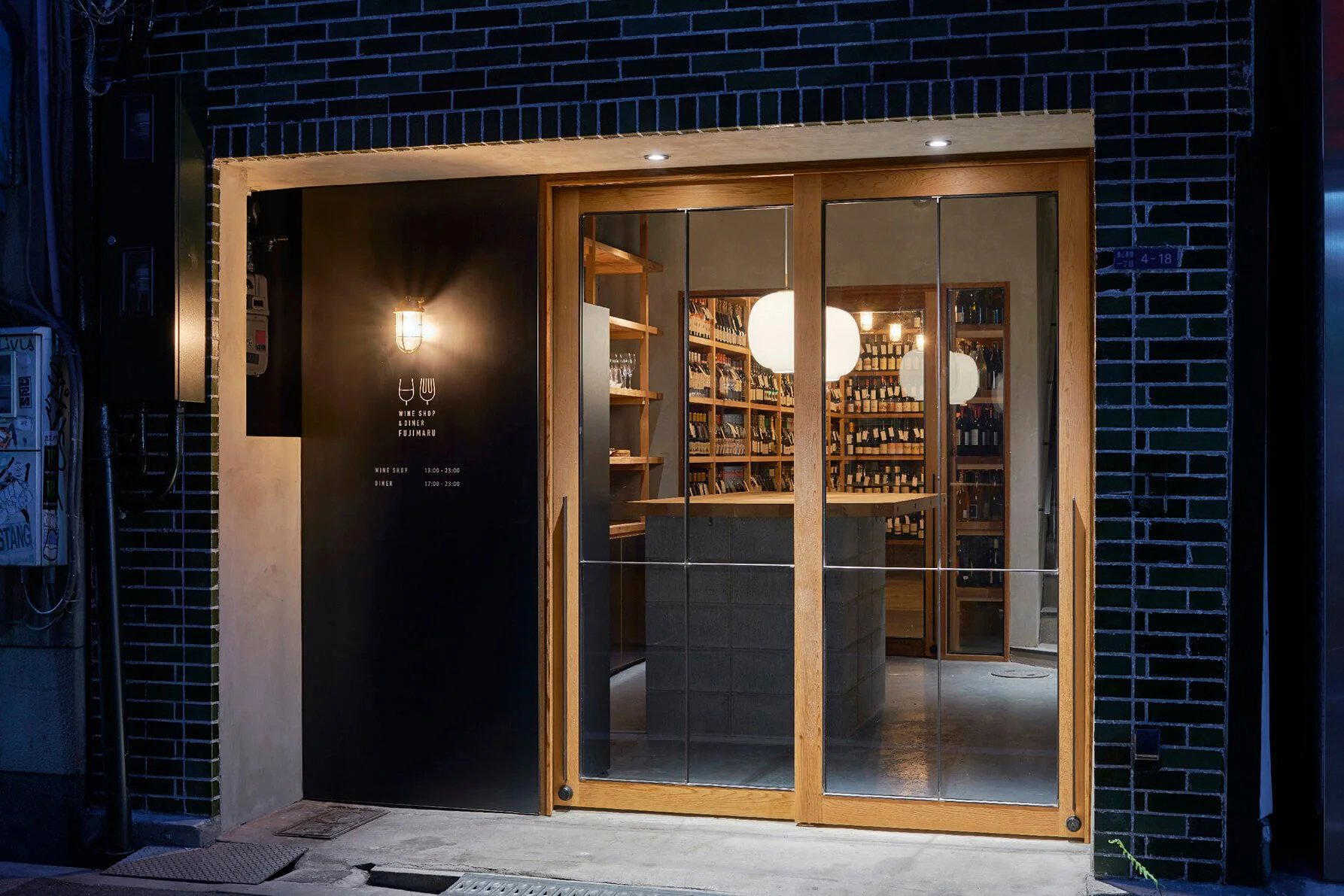
Bars in Nara
Browse all →


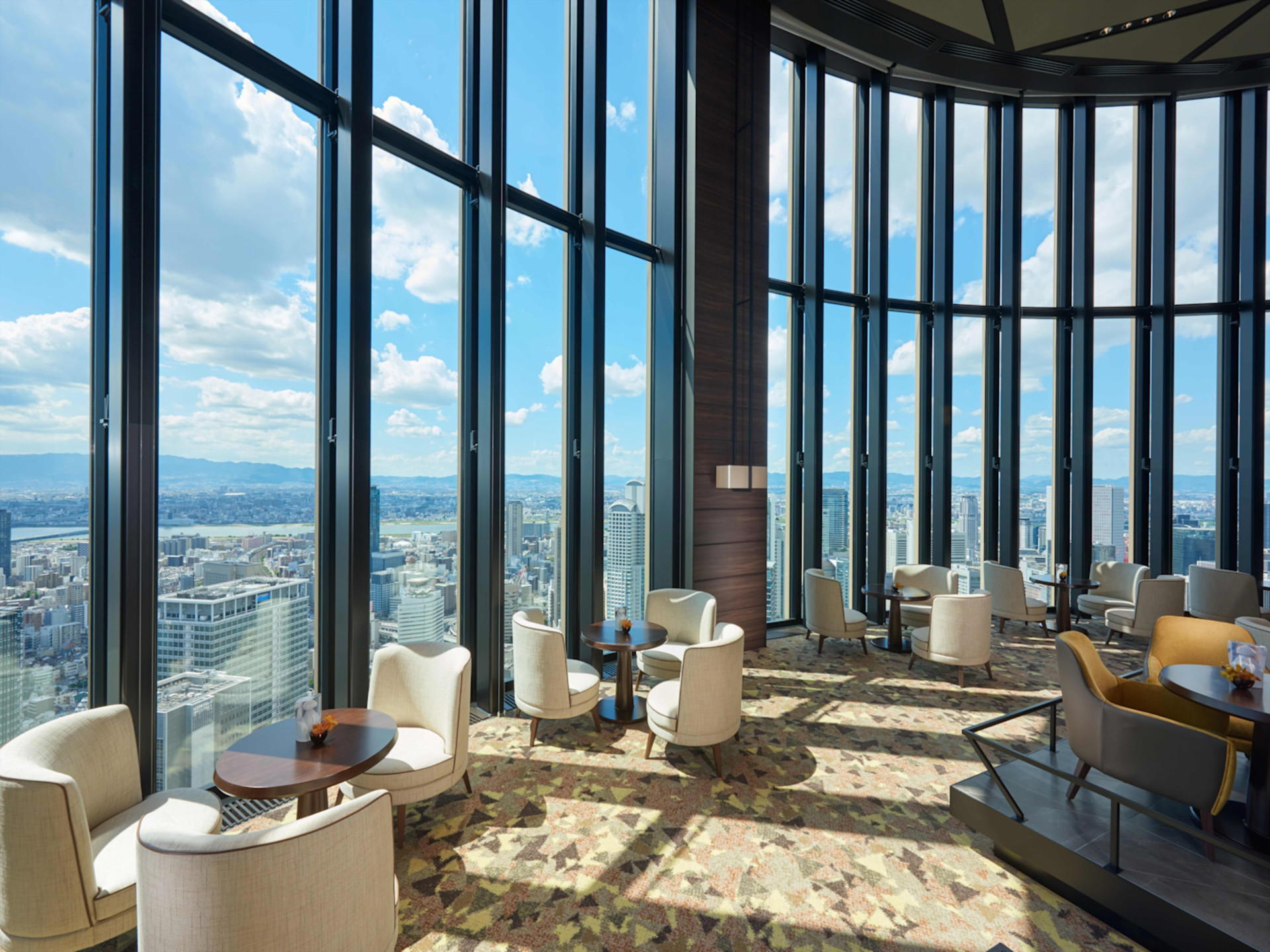
Hotels in Nara
Browse all →



Wineries in Nara
Browse all →
At a Glance
- Cozy
- Classic
- Family
- Casual Hangout
- Solo
- Standalone
- Historic Building
Current opening hours
- Monday
- 11 AM–2:30 PM
- Tuesday
- 11 AM–2:30 PM
- Wednesday
- Closed
- Thursday
- 11 AM–2:30 PM
- Friday
- 11 AM–2:30 PM
- Saturday
- 11 AM–2:30 PM
- Sunday
- 11 AM–2:30 PM
Hours can change for holidays and private events. Last verified .
A hidden, house-restaurant setting with a modest, cozy atmosphere suited to a lunch-focused neighborhood stop.