
Tokyo yakiniku often splits between polished beef temples and neighborhood rooms where offal, smoke, and drink define the evening. Horumon Jinsei Taro Chan belongs to the latter camp in Nakano, with Tajima beef, tripe, izakaya footing, and Tabelog 100 recognition for Tokyo yakiniku in 2025 giving it weight beyond its compact footprint.
Pearl is the En Primeur Club membership app — saves, bookings, and concierge access live there. Same editors, same standards.
- Address
- Japan, 〒164-0001 Tokyo, Nakano City, Nakano, 5 Chome−35−8 新東京アパート 1F
- Phone
- +81 3-6454-0729
- Website
- tarochan.triplethree.jp
 Saves & bookings on Pearl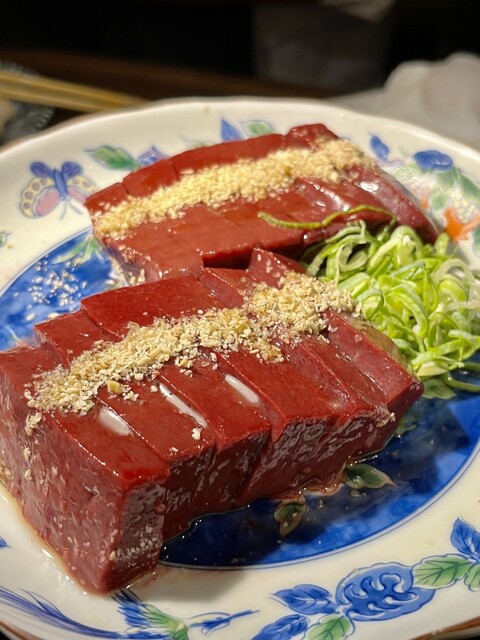
Approaching the north side of Nakano Station, Tokyo shifts quickly from commuter flow to the tighter grain of after-work eating: low-rise blocks, compact counters, and rooms built for smoke, beer, shochu, and repeated ordering rather than ceremony. In that setting, yakiniku is not just a grill format. It is a sourcing argument, a social rhythm, and a test of how much character a small room can carry when the main equipment is heat, beef, and timing.
Horumon Jinsei Taro Chan sits inside that Nakano register rather than Ginza’s formal dining economy. Its field is yakiniku, tripe, and izakaya cooking, with Tajima beef named as part of the proposition and offal treated as a central draw rather than a side note. That matters in Tokyo, where the stronger yakiniku rooms often reveal themselves through cuts and handling, not through luxury signals. The restaurant’s selection for Tabelog 100 - Yakiniku - TOKYO - 2025 places it in a crowded and closely watched category where regular diners scrutinize value, sourcing, ventilation, drink fit, and consistency.
Nakano yakiniku, where offal carries the argument
Tokyo’s yakiniku scene has several lanes. There are reservation-heavy wagyu specialists built around premium cuts, family grill restaurants designed for volume, and smaller urban rooms where horumon gives the meal its pulse. The last category asks for a different kind of attention. Offal cooking rewards freshness, trimming, heat control, and confidence at the table; it also suits neighborhoods such as Nakano, where eating well does not require the visual codes of central Tokyo luxury.
The ingredient signal here is clear: Tajima beef and horumon share the billing. Tajima lineage matters because Japanese beef culture is structured around breed, region, and handling, but offal changes the conversation. Instead of making marbling the only measure, it pushes texture, chew, and grill timing forward. A room with 16 seats, split between counter and table seating, intensifies that format. The meal stays close to the grill, the staff, and the cadence of ordering, which is the point of this end of yakiniku.
Horumon also changes what to drink. Sake, shochu, and wine are listed, a practical spread that reflects how modern Tokyo grill rooms have moved beyond beer-only assumptions without abandoning the izakaya instinct. Shochu fits fat and smoke; sake can work with salt and lighter preparations; wine signals the broader shift of yakiniku into a category that can handle more ambitious pairing without becoming stiff. The room’s BYO allowance adds another layer for diners who treat beef and offal with the same seriousness usually reserved for sushi or French tasting menus.
Recognition without the hotel-dining polish
Tabelog’s Hyakumeiten lists are useful in Japan because they surface category strength rather than only international fine-dining prestige. A 2025 Tokyo yakiniku selection and a Tabelog score of 3.71 are not decorative claims; they position the restaurant among specialist peers in a city where diners review at scale and category expectations are exacting. In practical terms, that recognition says more about regular performance inside the genre than about spectacle.
The price band, JPY 8,000 to JPY 9,999 at dinner, puts the experience above casual grill chains but below the city’s highest-priced beef counters. That middle-premium position is increasingly interesting in Tokyo. It is where sourcing has to be legible, portions have to justify repeat custom, and the room cannot rely on hotel service or chef mythology to explain the bill. Compared with Oka Joki, listed in a lower dinner band, Horumon Jinsei Taro Chan reads as a more concentrated yakiniku spend; compared with broader casual Nakano names such as Daily Chico or ramen-focused Kagari, it belongs to a different evening economy altogether.
For travelers, the appeal is not that this is an all-purpose Tokyo dinner. It is a specific answer to a specific appetite: beef and offal in a compact neighborhood room, with enough recognition to justify planning and enough informality to keep the meal rooted in Nakano. That makes it a sharper choice than drifting through generic station-area dining, especially for visitors who already know the city’s sushi and tempura circuits and want a grill experience with local texture.
Know Before You Go
- Format: Yakiniku, tripe, and izakaya cooking, with counter and table seating.
- Recognition: Selected for Tabelog 100 - Yakiniku - TOKYO - 2025; also listed for Tabelog Grill TOKYO in 2024.
- Price signal: Dinner is listed at JPY 8,000 to JPY 9,999, with a 330 yen service charge and fee noted.
- Scale: 16 seats, divided between 8 counter seats and 8 table seats; private use is listed for up to 20 people.
- Timing: Open daily from 4 PM to midnight, with food last order at 11 PM and drinks at 11:30 PM; closed around the year-end and New Year holiday period.
- Access: Near Nakano Station’s north exit, listed as a 2-minute walk and 164 meters from the station.
- Reservations: Reservations are available; during busy periods, visits may be limited to 1 hour and 30 minutes.
- Payment: Credit cards accepted; electronic money and QR code payments are not accepted.
- Family use: Children are welcome, including babies, preschoolers, and school-age children; strollers are listed as welcome.
Tokyo planning works better when meals are grouped by neighborhood and intent. For a broader dining map, use Our full Tokyo restaurants guide, then compare nearby or category-adjacent listings such as . 鮪と炭火焼き うお炭 秋葉原店, 12/10 Shinjuku ten, 124. KAGURAZAKA (Yakitori), 2D Cafe, and 3 Chome no Curry Ya San. For trips beyond the capital, the same Japan file can stretch to -Grilled beef Sukiyaki- KAMAKURA TANUKIAN 鎌倉 たぬき庵 in Kamakura.cafe in Osaka.know in Kumamoto, (Shoku) Vietnam in Kawasaki, [Curry Senmon Ten] Maruyama Kyoju. in Sapporo, and [ki:] in Kyoto. City planning can also fold in Our full Tokyo hotels guide, Our full Tokyo bars guide, Our full Tokyo wineries guide, and Our full Tokyo experiences guide; for Japanese drinking and casual-food parallels abroad, see Jōdo Saké Bar in Los Angeles and Onigiri Time in Pasadena.
Compact Comparison
Comparable venues to place this listing in its category.
| Venue | Cuisine | Price | Notes |
|---|---|---|---|
| Horumon Jinsei Taro ChanThis venue — the venue you are viewing | Not listed | $$ | Not listed |
| Ogura (おぐ羅) | Not listed | $$ | Nihonbashi, Traditional Oden and Yakitori Izakaya |
| Kyu Yamu Tei Shimokita sou | Setagaya, Japanese Curry | $$ | Not listed |
| HIGASHIYA man | Not listed | $$ | Minato, Traditional Japanese wagashi & manju shop |
| Tatemichiya | Shibuya, Punk Rock Izakaya | $$ | Not listed |
| Tori Yoshi Nakameguro honten | Meguro, Traditional Yakitori Izakaya | $$ | Not listed |
Recognition history
Dated appearances from independent guides and award organizations, with the underlying list record or original source where available.
Tabelog 100 #35 · No. 35
Tabelog · Tabelog 100 - Yakiniku - TOKYO - 2025











At a Glance
- Lively
- Cozy
- Energetic
- Casual Hangout
- After Work
- Group Dining
- Late Night
- Solo
- Celebration
- Standalone
- Beer Program
- Sake Program
- Local Sourcing
- Farm To Table
Current opening hours
- Monday
- 4 PM–12 AM
- Tuesday
- 4 PM–12 AM
- Wednesday
- 4 PM–12 AM
- Thursday
- 4 PM–12 AM
- Friday
- 4 PM–12 AM
- Saturday
- 4 PM–12 AM
- Sunday
- 4 PM–12 AM
Hours can change for holidays and private events. Last verified .
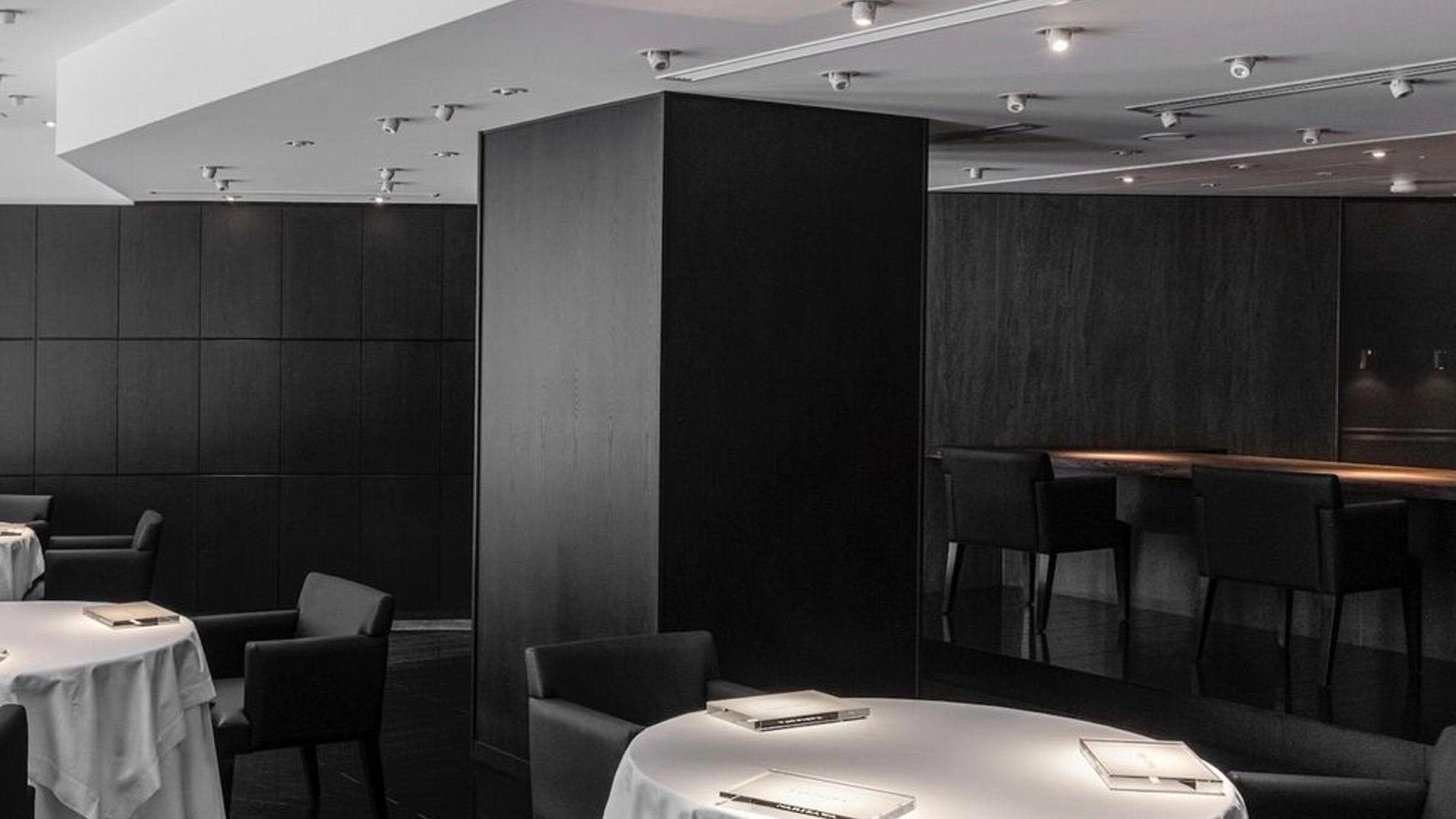
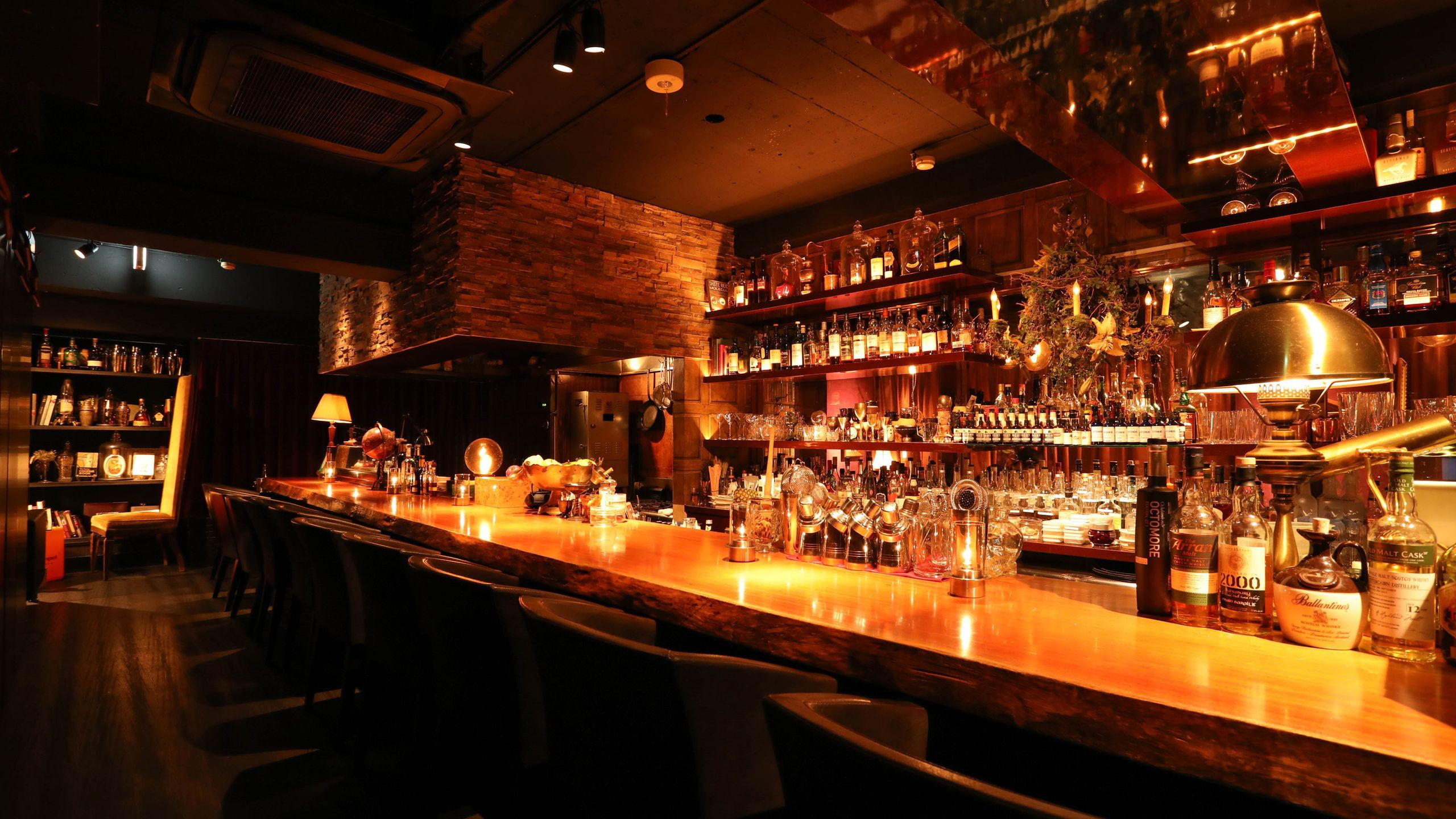
Bustling, smoky yakiniku-izakaya atmosphere with a cozy, tavern-like interior where guests grill offal and wagyu cuts at their tables over drinks.